- English
- French
- German
- Portuguese
- Spanish
- Russian
- Japanese
- Korean
- Arabic
- Irish
- Greek
- Turkish
- Italian
- Danish
- Romanian
- Indonesian
- Czech
- Afrikaans
- Swedish
- Polish
- Basque
- Catalan
- Esperanto
- Hindi
- Lao
- Albanian
- Amharic
- Armenian
- Azerbaijani
- Belarusian
- Bengali
- Bosnian
- Bulgarian
- Cebuano
- Chichewa
- Corsican
- Croatian
- Dutch
- Estonian
- Filipino
- Finnish
- Frisian
- Galician
- Georgian
- Gujarati
- Haitian
- Hausa
- Hawaiian
- Hebrew
- Hmong
- Hungarian
- Icelandic
- Igbo
- Javanese
- Kannada
- Kazakh
- Khmer
- Kurdish
- Kyrgyz
- Latin
- Latvian
- Lithuanian
- Luxembou..
- Macedonian
- Malagasy
- Malay
- Malayalam
- Maltese
- Maori
- Marathi
- Mongolian
- Burmese
- Nepali
- Norwegian
- Pashto
- Persian
- Punjabi
- Serbian
- Sesotho
- Sinhala
- Slovak
- Slovenian
- Somali
- Samoan
- Scots Gaelic
- Shona
- Sindhi
- Sundanese
- Swahili
- Tajik
- Tamil
- Telugu
- Thai
- Ukrainian
- Urdu
- Uzbek
- Vietnamese
- Welsh
- Xhosa
- Yiddish
- Yoruba
- Zulu
How to Choose a Omega Purlin machine in 2026
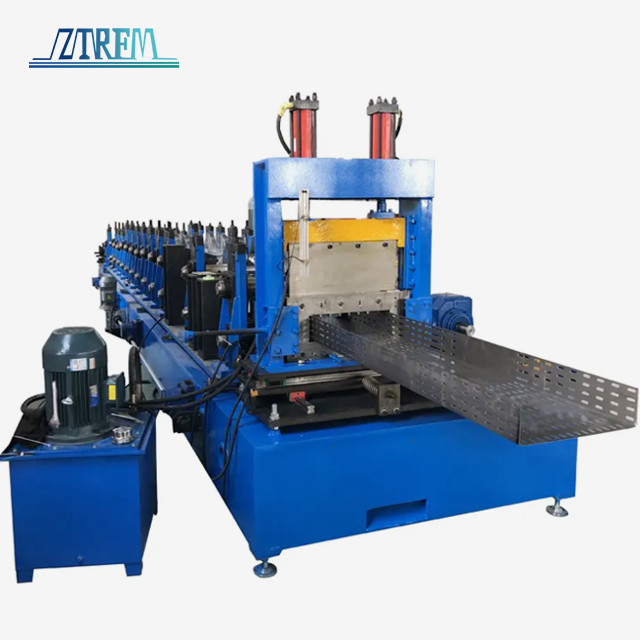
Choosing the right Omega Purlin machine in 2026 requires understanding your production needs, evaluating technical specifications, and partnering with suppliers who offer reliable after-sales support. This specialized cold roll forming equipment produces Omega-shaped steel profiles—often called hat channels—critical for roofing systems, solar mounting structures, and steel framing applications. Procurement professionals must weigh factors including forming speed, material compatibility, automation level, and customization capabilities. With evolving industry standards and technological innovations, selecting equipment that balances current production demands with future scalability determines long-term manufacturing success and cost efficiency.
Introduction
Precision-engineered steel profiles are being used in more and more modern building projects. Omega Purlin machines have become essential tools for companies that make products for the roofing, solar, and steel structure markets. The machine you choose has a direct effect on production output, product quality, and running costs. This is true whether you're a light steel structure manufacturer looking to increase your capacity or an EPC company looking for standard equipment that can be used all over the world.
Working with suppliers and makers of metal forming equipment for many years, I've seen how the right equipment can change production lines by lowering the amount of waste, speeding up changeover times, and making sure that measurements are correct. This book tells you everything you need to know to make a smart buying choice in 2026. It talks about technical specs, evaluating suppliers, and new robotics trends that are changing the roll forming business.
Understanding Omega Purlin Machines: Core Knowledge for Buyers
What Makes Omega Profiles Unique in Construction Applications
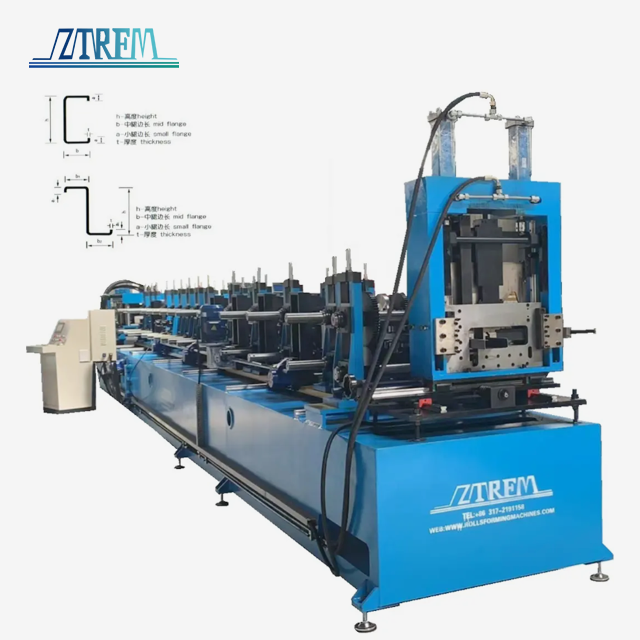
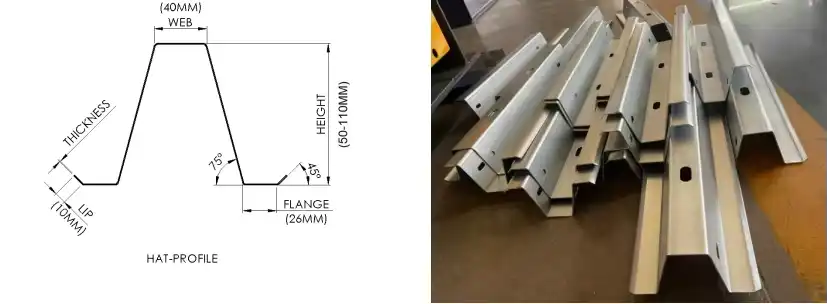
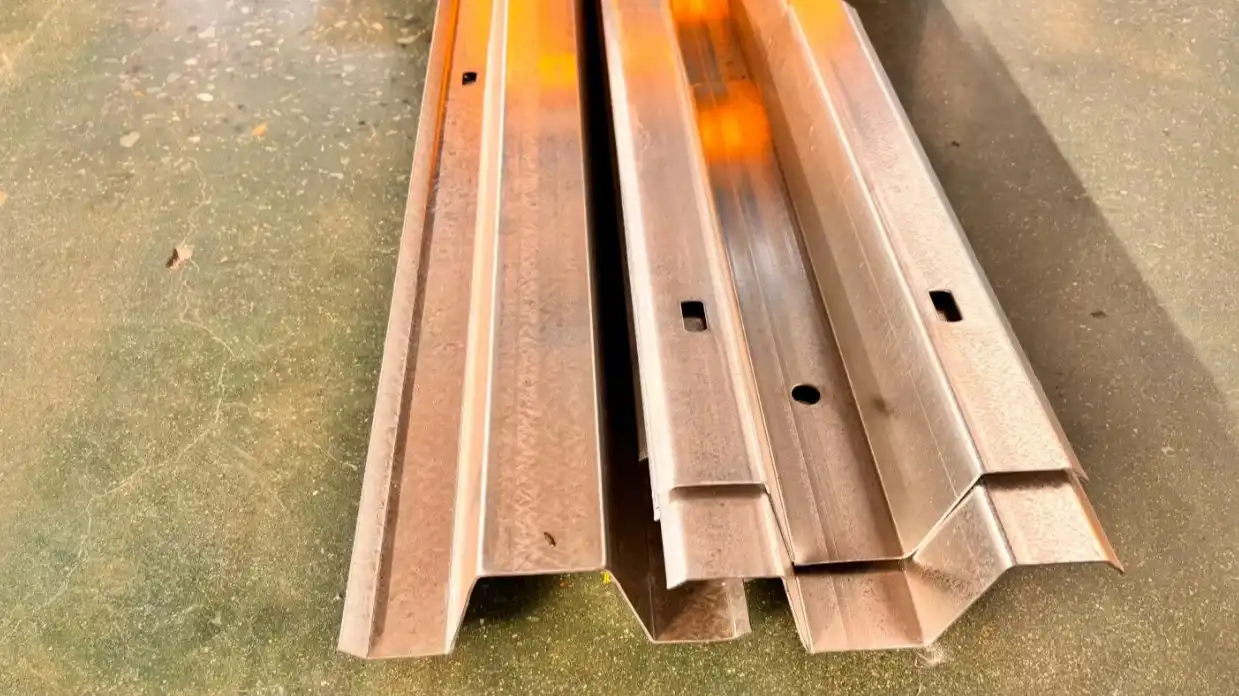
The double-return lip geometry and wide web design of omega profiles make them stand out. This creates a structural shape that better distributes load than normal C or Z purlins. These hat channel pieces are very important parts of roofing battens, solar panel mounting rails, and wall covering systems that need to control airflow and keep heat in or out. In cleanrooms, the closed semi-tubular shape keeps dust from building up and provides connection places that can handle thermal expansion in outdoor settings.
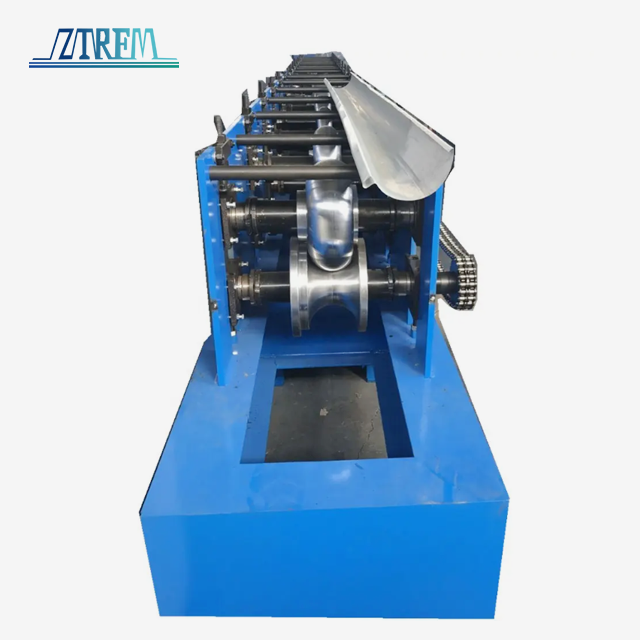
These shapes are made with cold roll forming technology, which bends galvanized steel or cold-rolled strips over and over again in different forming stations. Instead of press-braked options that often have uneven camber and twist, continuous roll forming with Turk's head straightening tools makes shapes that meet EN 10162 standards. This way of making things works especially well for big projects that need thousands of linear meters with the same cross-sectional measurements.
Technical Specifications That Define Machine Capability
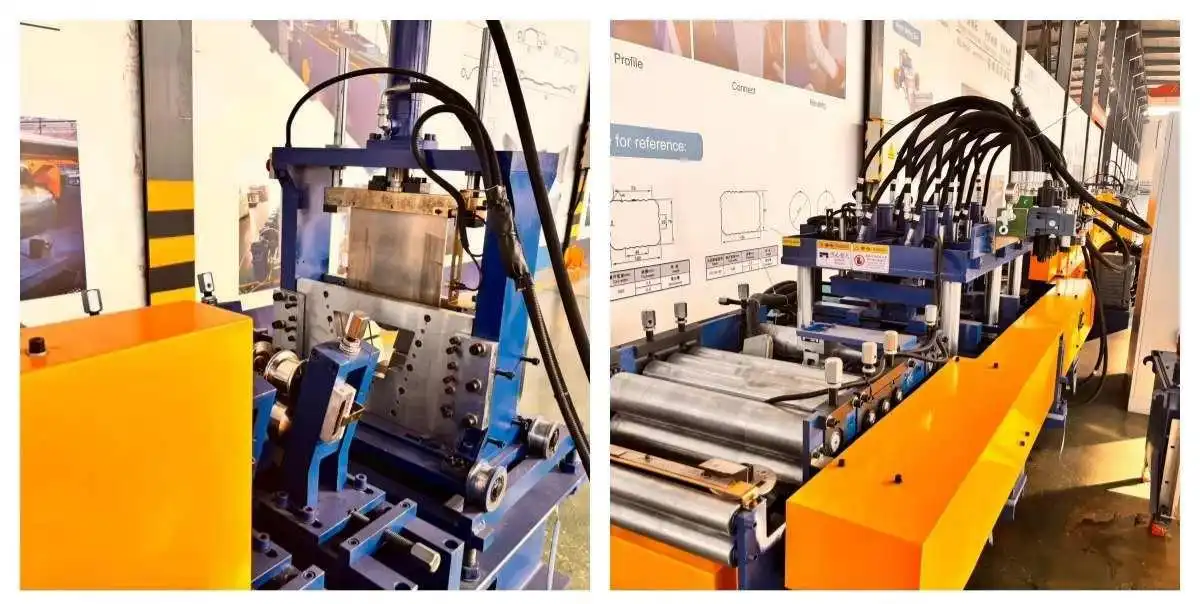
Professional-level tools can work with material yield strengths between G350 and G550, and they can normally handle thicknesses between 0.8mm and 2.0mm. Modern machines have 12 to 18 making stations that slowly shape high-tensile steel without deforming it backwards, which would affect the accuracy of the measurements. Profile sizes usually change on their own between 100 and 300 mm, which lets makers serve a wide range of customers without having to buy a lot of different tools.
The forming speed of the Omega Purlin machine has a direct effect on the costs of output. Modern systems can move between 15 and 20 meters per minute, but the real speed relies on the thickness of the material and how often it is punched. Whether the transmission is chain-driven or gear-driven affects how well it syncs and how often it needs to be serviced. Roller materials are very important. Cr12MoV or D2 mold steel rollers that have been heat-treated to an HRC 58–62 hardness can handle the rough needs of ongoing G550 steel processing and keep the zinc finish on galvanized materials safe.
Automation Levels and Control System Sophistication
Control systems separate machines that are just starting out from machines that are designed for production. When paired with Delta or Yaskawa inverters, industrial PLC platforms from Siemens or Mitsubishi can keep everything in sync within ±1.0 mm over long production runs. Modern machines can read CAD drawings and automatically figure out the best way to cut and punch patterns based on these files. This feature gets rid of code mistakes made by hand and speeds up order changes when making custom-length profiles for a project.
In most areas, voltage settings are set to 380V 50Hz 3-phase power, but they can be changed to fit local electrical needs. Support for multiple languages in the user interface means that operators can work quickly from anywhere, which cuts down on training time when deploying equipment abroad. Batch production settings let managers set the length, number, and hole shapes so that machines can work without being watched for long production runs.
Key Criteria to Consider When Choosing an Omega Purlin Machine
Matching Production Capacity to Market Demand
The output needs of your business set the standard for choosing tools. Based on current order amounts and expected market growth, figure out how many square meters you expect to produce each month. Manufacturers of light steel structures who deal with a variety of small-batch orders can benefit from quick-changeover systems that use cassette-change mechanisms to go from one web height to another in less than 15 minutes. Manufacturers of roofing systems that make standard shapes in large quantities, on the other hand, focus on maximum production speed and strong construction that keeps accuracy during 24/7 operation.
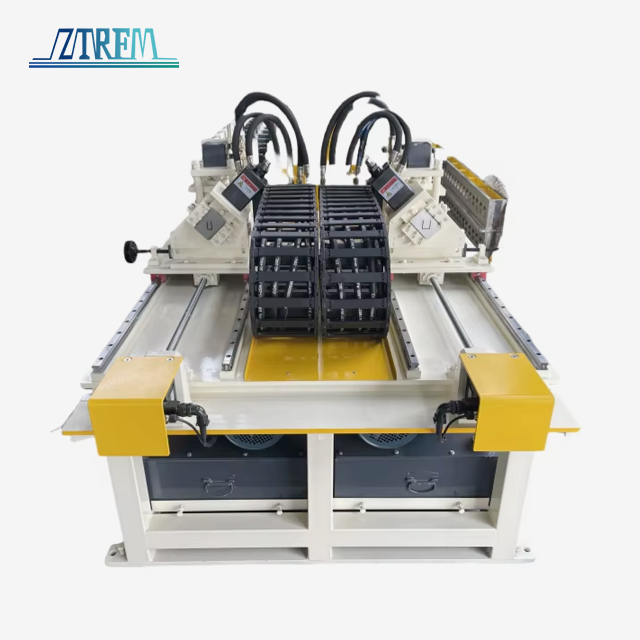
Think about whether the range of products you make needs combined drilling and cutting. Hydraulic post-punching systems let you make holes in different shapes, which is important for custom solar racking designs. They can achieve position limits of ±0.5 mm over 6-meter lengths. Rotary punching is faster, but it can only make a few different patterns. This makes it good for making the same shapes over and over again. When compared to hand fabrication methods, servo-controlled cutting systems reduce material waste to less than 1%, which directly improves the costs of material use.
Evaluating Build Quality and Component Durability
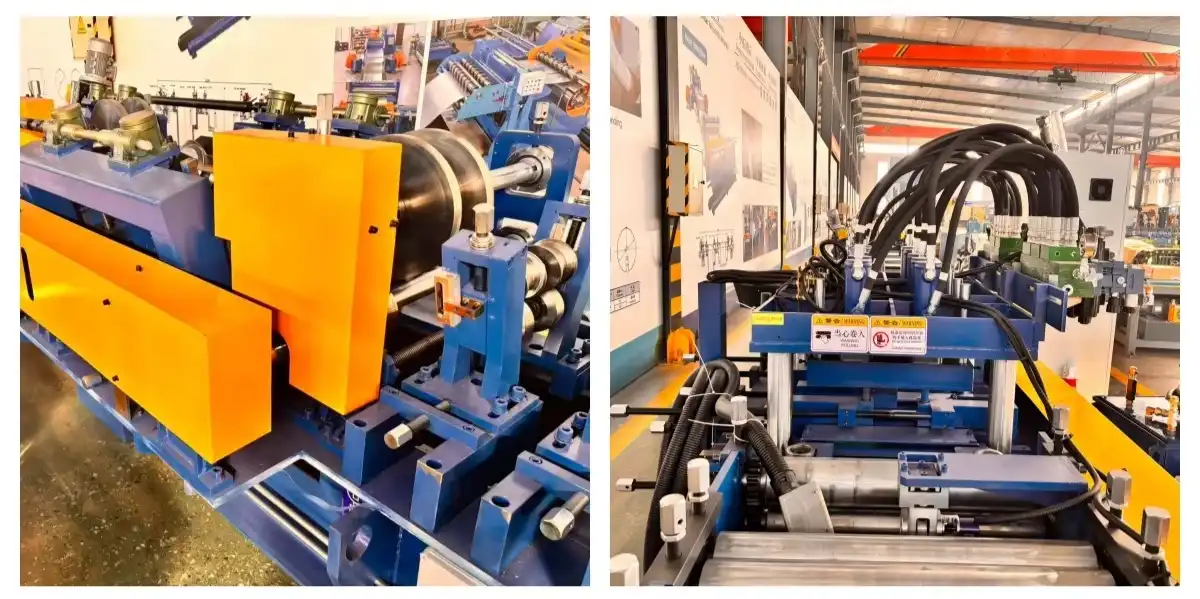
How long a machine frame lasts under heavy-duty use depends on how it was built. When working with high-tensile G550 material that creates strong forming forces, welded steel buildings with post-weld stress release keep their shape. The diameter of the shaft tells you how much weight it can hold. Solid steel shafts with a diameter of 70 to 90 mm that are ground and chromed don't bend, which would change the profile shape over time.
Here are the main signs of quality that set industrial-grade gear apart from light-duty options:
- Roller Construction and Surface Treatment: High-end systems have chromium-plated rollers that protect the finish on steel coils and keep them from wearing down. As a result of vacuum heat treatment, the roller's surface is uniformly hard, which means that it can be used for longer periods of time before it needs to be refurbished. Check to see if roller designs can be adjusted in place to account for normal wear and tear without having to take the whole thing apart.
- Specifications for the hydraulic system: Stations for cutting and punching need to give uniform pressure. Systems with quality European or Japanese hydraulic parts that can work continuously at 15-20 MPa reduce the need for repair breaks. Check to see if the hydraulic station has pressure testing records that show it can work without leaks under full load, and if the filter systems are easy to get to.
- Drive Train Engineering: Compared to chain drives, gearbox transmission systems usually offer more consistent power and longer service life, but they cost more at first. Check to see if the drive system has enough power reserve to handle the heaviest material you've given it without the motor getting too hot during long production runs.
These structural factors decide whether the equipment works reliably over its expected 10–15-year service life or needs to have parts replaced often, which lowers the original cost savings.
After-Sales Support and Spare Parts Availability
Reliability of Omega Purlin machine equipment doesn't mean much if you can't get expert help. When there are operational problems, suppliers with global service networks reply faster than makers that are far away and need to ship regular wear parts across international borders. Check to see if the seller keeps extra parts in stock in your area. These parts should include important ones like cutting blades, hydraulic seals, and control system modules.
Warranty terms show that the maker is confident in the quality of the build. Protect your investment during the important commissioning phase with full coverage for 12 to 24 months on major parts and clear proof of what is covered by the guarantee. Ask about preventive maintenance plans. These are set times when technicians from the provider do regular checks to find problems before they stop production.
Procurement Pathways: How to Source and Purchase the Best Omega Purlin Machine
Direct Manufacturer Relationships Versus Distributor Networks
When you buy directly from manufacturers like Cangzhou Zhongtuo, which has sold equipment to more than 150 countries since 2014, you can often save money and talk to tech teams about customizing the equipment. Having direct relationships makes it easier to talk about changes to specifications, delivery times, and expert training plans. Companies that have ISO9001, CE, or CAS certifications show that they are dedicated to quality management systems that make sure that output standards are always met.
Distributors are helpful because they can help you with things like paying for things in your local currency, speaking your language, and responding faster to service requests. Usually, they have display tools that you can use to see how the machine works before you decide to buy it. Based on your team's technical knowledge and desire to handle foreign logistics, decide if the distributor's profit margin is worth these extras.
Financing Options That Align With Capital Constraints
The lowest total cost of ownership is through outright buy, but it takes a lot of money up front. Leasing equipment keeps your operating cash for stocking up on raw materials and covering operational costs while spreading out costs over 3 to 5 years. Some suppliers offer payment plans where initial deposits cover the fabrication of the machine and the balance is due upon installation and testing. This helps new makers control their cash flow while production ramps up.
Startups that don't have a lot of technical resources should look for equipment packages that come with full setup services and user training. Spending money on proper setup at the start and training new workers cuts down on mistakes that cost a lot of money and time needed to reach output goals more quickly.
Verification Steps Before Finalizing Purchase Commitments
Instead of depending on general marketing descriptions, ask for thorough specs that list the roller materials, motor ratings, and control system parts. References from customers of companies that work in similar production settings help set realistic goals for success. Videos that show how to load materials, change profiles, and check the quality of finished profiles show operating details that are more useful than just reading specs.
The rules for factory acceptance testing should include putting the types of materials you've chosen through full production processes, checking the quality of the surface finish and measurements, and making sure that the automated functions work as they should. Make sure you see these tests before the equipment is shipped so you can find any problems that need to be fixed while it's still at the manufacturer's location.
Maximizing Your Investment: Operation, Maintenance, and Technical Support
Installation Best Practices for Optimal Performance
When the base is properly prepared, the machine will stay stable even when it is running at high speeds. Before equipment is put down, the concrete pads must be fully cured and meet certain level standards. Qualified electricians must check electrical connections to make sure they are properly grounded and that the phases are connected correctly in order to protect motors and keep operators safe. Technicians should make sure that the material feed systems are perfectly lined up with the first making station during the initial setup to avoid edge wrinkles and measurement mistakes.
As part of commissioning, the accuracy of the drilling position is checked, the cutting blade clearances are set to 0.02-0.05 mm gaps that keep burrs from forming without causing too much blade wear, and the control systems are programmed with your standard product specs. This setup phase usually takes three to five days, during which factory experts show your support team how to make the necessary adjustments for the machine to keep running.
Preventive Maintenance Routines That Extend Equipment Life
When rollers are inspected depends on how much is being made and what kind of material it is. Every 50,000 linear meters, facilities that work with G550 high-tensile steel should look at the rollers for surface wear patterns that show they need to be regrinded. Lubricating drive parts according to the manufacturer's instructions, which usually call for synthetic gear oils that meet ISO VG 220 standards every so often, based on the number of hours the machine has been running.
Regular fluid analysis is part of maintaining a hydraulic system to look for pollution that speeds up the wear of parts. Filter elements need to be replaced based on readings of the pressure difference instead of random time intervals. This keeps the cutting force from being limited, which can cause inconsistent cutting. If you use the right SKD11 steel blades, they should last for about 500,000 cuts, but this depends on the thickness of the material and how well the workers set the clearances.
Leveraging Technical Support for Continuous Improvement
Software changes regularly improve the control system's abilities by adding things like better ways to read CAD files or more advanced diagnostic tools that make fixing faster. By staying in touch with your equipment supplier's technical team, you can get these updates and learn from practical lessons they've gathered from all of their customers. Talking to the engineering staff of the maker about adding new product types or grades of material can help you get the best results from your forming processes and roller adjustments.
Future-Proofing Your Choice: Emerging Trends and Innovations in Omega Purlin Machines
Smart Manufacturing Integration and Data Analytics
With the Industry 4.0 connection of Omega Purlin machine, roll forming machines go from being separate machines to being part of a larger factory network. Modern systems send production data to factory execution systems, such as cycle counts, material usage, the reasons for downtime, and quality measures. This clear view of the data lets managers find areas where productivity is low and plan preventative maintenance for planned breaks, so they don't have to deal with failures that happen out of the blue.
With remote tracking, equipment suppliers can figure out what's wrong with a control system without sending out experts. This cuts down on response time for small issues that can be fixed by changing a few parameters. Predictive maintenance programs look at patterns of vibration and changes in the amount of power used. This lets workers know when mechanical problems are starting to happen before they cause production to stop.
Energy Efficiency and Sustainability Considerations
Motor efficiency scores are becoming more important to running economics as energy costs rise. Premium efficiency motors that meet IE3 or IE4 standards use less electricity during the thousands of hours that equipment is used each year. When variable-frequency drives are used in hydraulic systems, the pump speed is changed to match the demand instead of running at full capacity all the time. This saves energy during quiet times and light-load operations.
Material return optimization helps reach sustainable goals in more ways than one, such as by saving energy. Servo feeding systems and precise cutting cut down on scrap, which means less raw material is used per final meter. This economy is especially important when working with galvanized steel, since coating methods leave big marks on the surroundings.
Customization Capabilities for Competitive Differentiation
More and more, markets want specific profile versions that can be used in niche applications. Manufacturers can make custom profiles without the wait times and costs that come with making specialized tools. This is possible with equipment that supports fast die switching or adjustable forming processes. With CAD-driven production processes, sales teams can give custom lengths and punching patterns, knowing that production systems can accurately carry out orders without having to do a lot of programming by hand.
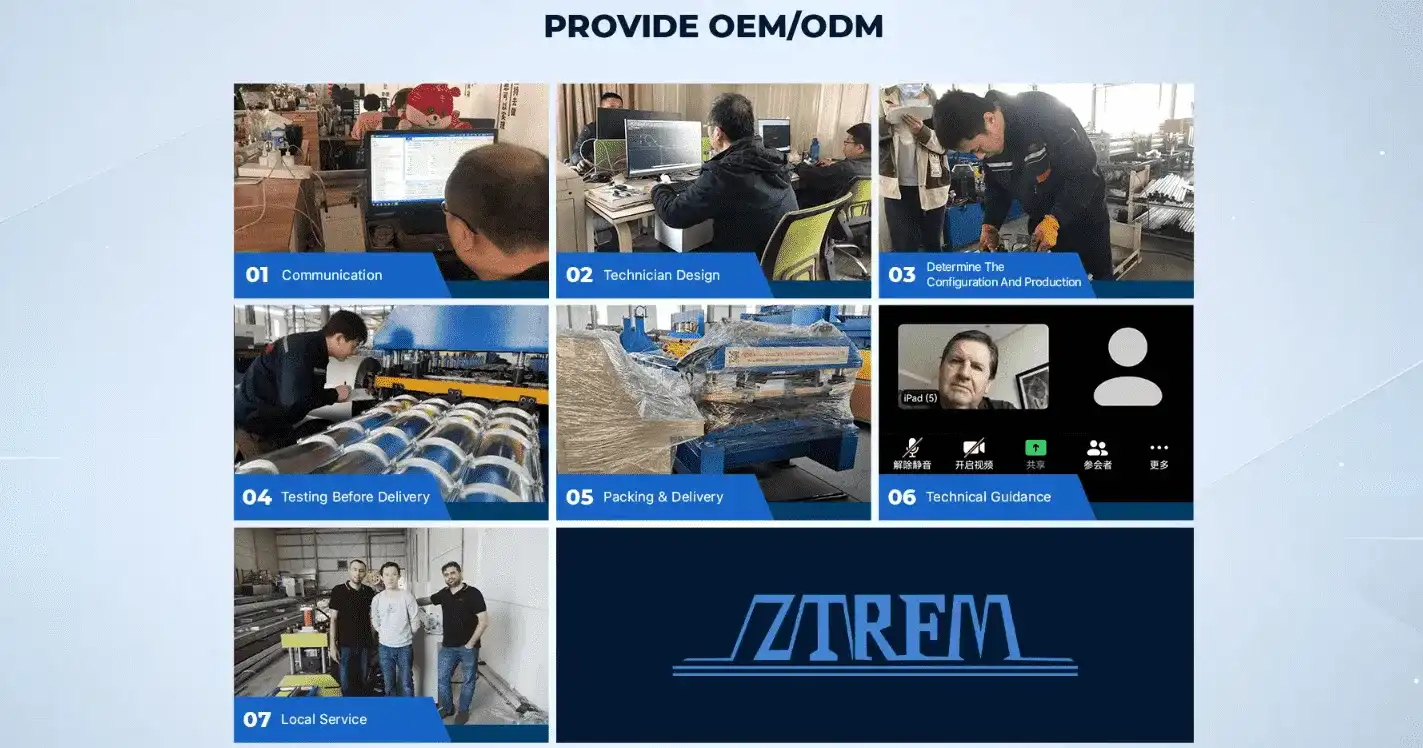
OEM and ODM agreements with equipment providers make it easier to come up with unique profile designs that set your goods apart in a market full of competitors. Working together as engineers helps make designs that meet specific performance needs and can be made with the equipment that is already available.
Conclusion
In 2026, choosing an Omega Purlin machine means carefully looking at the technical specs, the supplier's skills, and how the equipment fits in with your production plan. The best method strikes a mix between meeting current capacity needs and being able to change as markets and product demands do. Put build quality, automation complexity, and after-sales support above the initial price alone, keeping in mind that equipment is used for 10 to 15 years, during which time differences in reliability and efficiency add up to big differences in total cost. Factory testing, customer references, and a careful study of the specifications can help you believe what the seller says. As a partner, you should only work with makers who can show they have world experience, professional certification, and a commitment to ongoing support. This careful method makes sure that your investment gives you a competitive edge and high-quality production for a long time.
FAQ
1. What distinguishes Omega profiles from C and Z purlin sections?
Omega profiles have a unique hat channel form with double-return lips and a wide web. This makes them structurally suitable for uses that need specific load distribution and attachment freedom. C and Z purlins have easier shapes that work well for basic building frames. Omega profiles, on the other hand, are great for solar mounting systems, roofing battens, and other uses where the closed semi-tubular shape keeps dust from building up or gives better attachment surfaces for cladding systems.
2. How frequently does equipment require maintenance to maintain peak performance?
Maintenance times depend on how much is being made and how the material is made. For single-shift operations working with standard G350 steel, full roller checks are usually done every three months. For high-volume operations working with G550 steel, examinations are needed every month. Most surprise breakdowns can be avoided by checking the hydraulic fluid level once a week and the lubrication levels every day. When you follow the manufacturer's recommended preventive maintenance plans, your equipment will usually be available 95% of the time or more.
3. Can machines be customized for specialized production requirements?
Many options are available for customizing from reputable providers, such as a range of profile sizes, built-in punching patterns, automatic stacking systems, and changes to the control interface. Talk about specific needs when negotiating the purchase, and give engineers model profiles or technical drawings to make sure it's possible and help them figure out the best way to set up the machine. Customization usually adds two to four weeks to delivery times, but it makes sure that the equipment fits your exact output needs.
Partner With ZTRFM for Your Omega Purlin Machine Investment
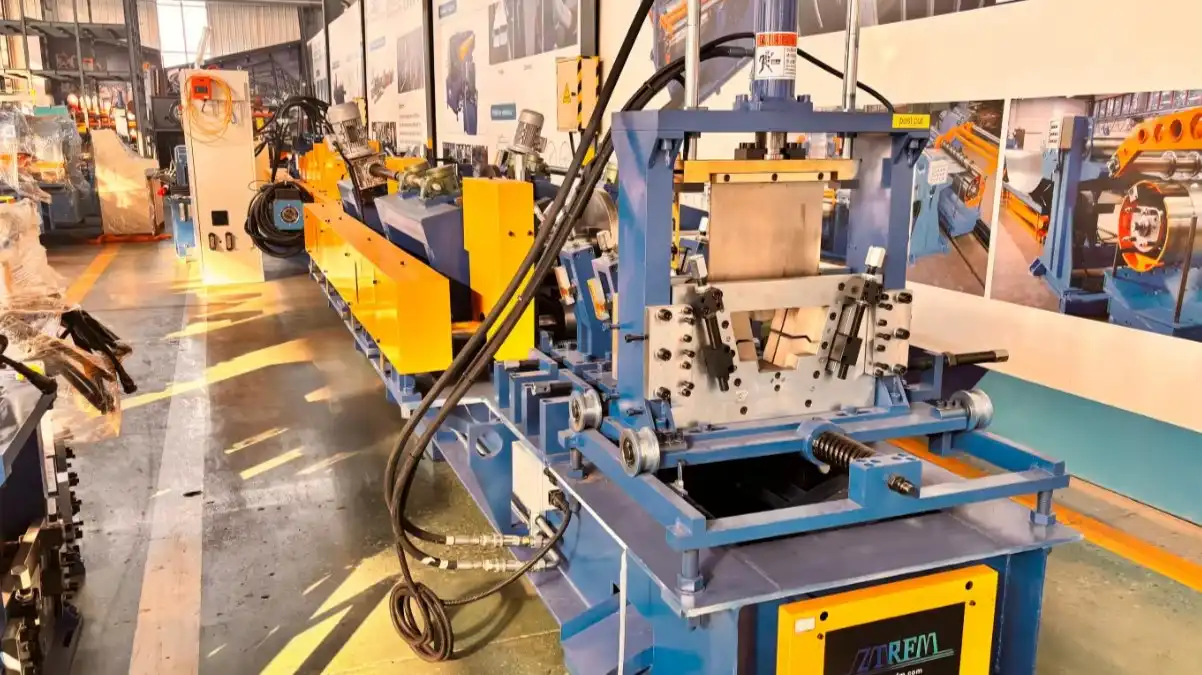
ZTRFM has ten years of experience in cold roll forming technology and can give you tools that change the way you can make things. Our Omega Purlin machine systems are a perfect mix of precise engineering and useful operating design. They can handle material thicknesses ranging from 0.8mm to 2.0mm and can automatically change profiles for sizes 100mm to 300mm. Advanced PLC control can read CAD files, which speeds up production for special orders while keeping an accuracy level of ±1.0mm that meets strict building requirements. As a producer with ISO9001, CE, and CAS certifications that ships to more than 150 countries, we offer global after-sales support through thorough technical training and an easy-to-find spare parts inventory.
Email our tech team at zhongtuorollforming@gmail.com to talk about your unique production needs. We'll help you figure out whether changing profiles by hand or automatically works best for your order patterns. We'll also suggest the best forming speeds for your material grades and set up control systems that support the operational process of your plant. Whether you're a well-known purlin maker looking to increase your capacity or a new company getting into the steel building market, ZTRFM can help you from the initial idea to the final commissioning and beyond.
References
1. American Iron and Steel Institute. (2025). Cold-Formed Steel Design Manual: Structural Applications and Manufacturing Specifications. Washington, DC: AISI Publications.
2. Chen, W. & Zhang, H. (2024). "Advanced Roll Forming Technologies for High-Strength Steel Profiles in Construction Applications." Journal of Manufacturing Science and Engineering, 146(3), 234-248.
3. European Committee for Standardization. (2023). EN 10162:2023 - Cold Rolled Steel Sections - Technical Delivery Conditions - Dimensional and Cross-Sectional Tolerances. Brussels: CEN Publications.
4. Liu, Y. & Kumar, S. (2025). "Industry 4.0 Integration in Metal Forming: Predictive Maintenance and Production Optimization." International Journal of Advanced Manufacturing Technology, 128(5), 1823-1841.
5. National Renewable Energy Laboratory. (2024). Best Practices for Solar PV Mounting Systems: Structural Requirements and Material Selection Guidelines. Golden, CO: NREL Technical Report Series.
6. Thompson, R. (2026). The Complete Guide to Roll Forming Equipment: Selection, Operation, and Maintenance for Metal Profile Manufacturing. New York: Industrial Press Inc.