- English
- French
- German
- Portuguese
- Spanish
- Russian
- Japanese
- Korean
- Arabic
- Irish
- Greek
- Turkish
- Italian
- Danish
- Romanian
- Indonesian
- Czech
- Afrikaans
- Swedish
- Polish
- Basque
- Catalan
- Esperanto
- Hindi
- Lao
- Albanian
- Amharic
- Armenian
- Azerbaijani
- Belarusian
- Bengali
- Bosnian
- Bulgarian
- Cebuano
- Chichewa
- Corsican
- Croatian
- Dutch
- Estonian
- Filipino
- Finnish
- Frisian
- Galician
- Georgian
- Gujarati
- Haitian
- Hausa
- Hawaiian
- Hebrew
- Hmong
- Hungarian
- Icelandic
- Igbo
- Javanese
- Kannada
- Kazakh
- Khmer
- Kurdish
- Kyrgyz
- Latin
- Latvian
- Lithuanian
- Luxembou..
- Macedonian
- Malagasy
- Malay
- Malayalam
- Maltese
- Maori
- Marathi
- Mongolian
- Burmese
- Nepali
- Norwegian
- Pashto
- Persian
- Punjabi
- Serbian
- Sesotho
- Sinhala
- Slovak
- Slovenian
- Somali
- Samoan
- Scots Gaelic
- Shona
- Sindhi
- Sundanese
- Swahili
- Tajik
- Tamil
- Telugu
- Thai
- Ukrainian
- Urdu
- Uzbek
- Vietnamese
- Welsh
- Xhosa
- Yiddish
- Yoruba
- Zulu
High Throughput Steel Sheet Making Machinery: Boosting Production Efficiency
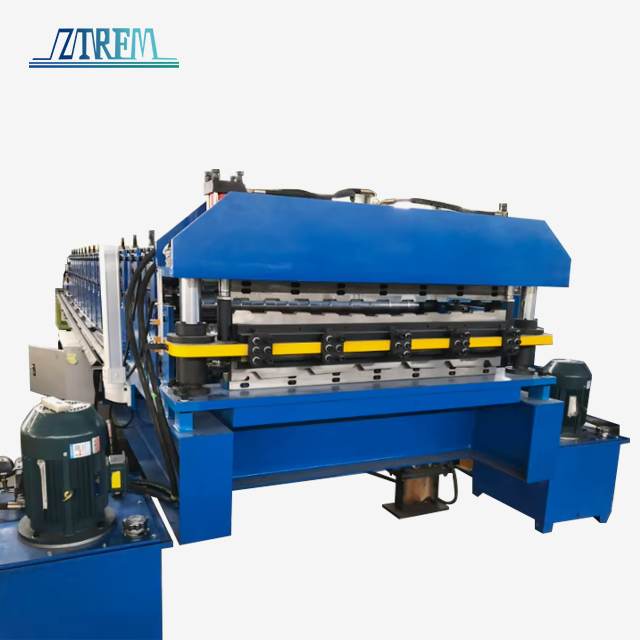
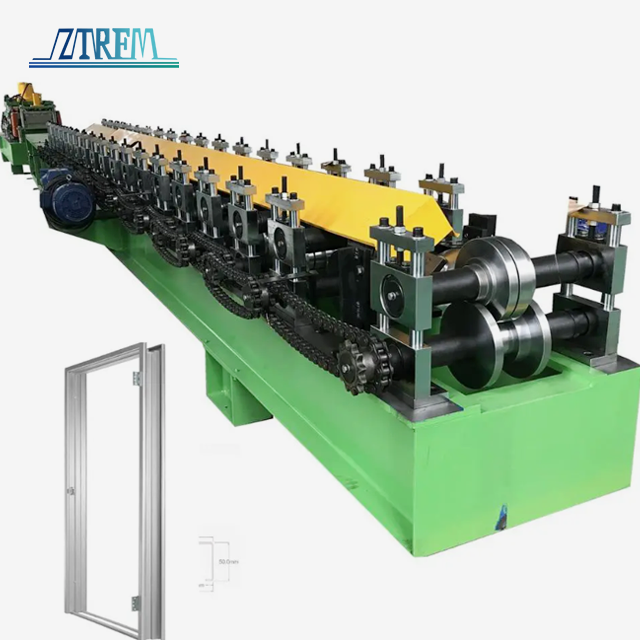
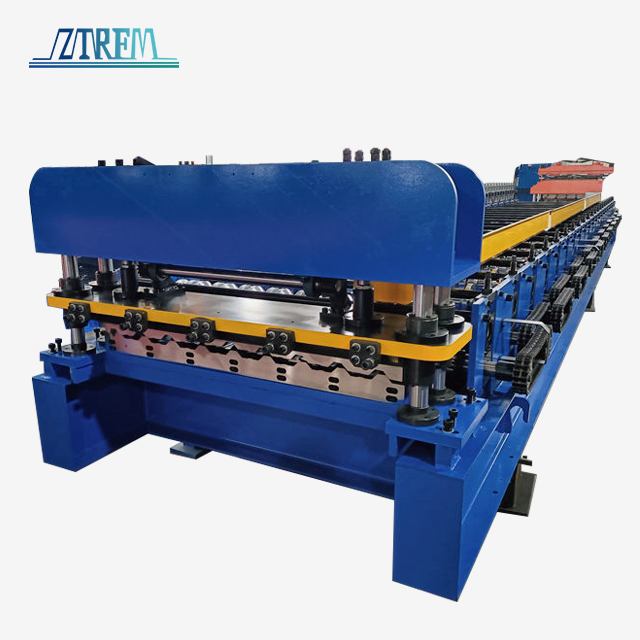
Today's industrial world is very competitive, and high-throughput steel sheet-making gear is essential for running production lines smoothly. Modern steel sheet-making machines use advanced robotics, exact control systems, and well-thought-out mechanical design to achieve output rates that have never been seen before while still meeting high quality standards. Through carefully designed roll forming processes, these high-tech systems turn raw steel into precisely made sheets. This helps makers meet rising market demands while lowering costs and increasing profits across a wide range of industrial uses.
Understanding High-Throughput Steel Sheet-Making Machinery Operational Principles and Core Technologies
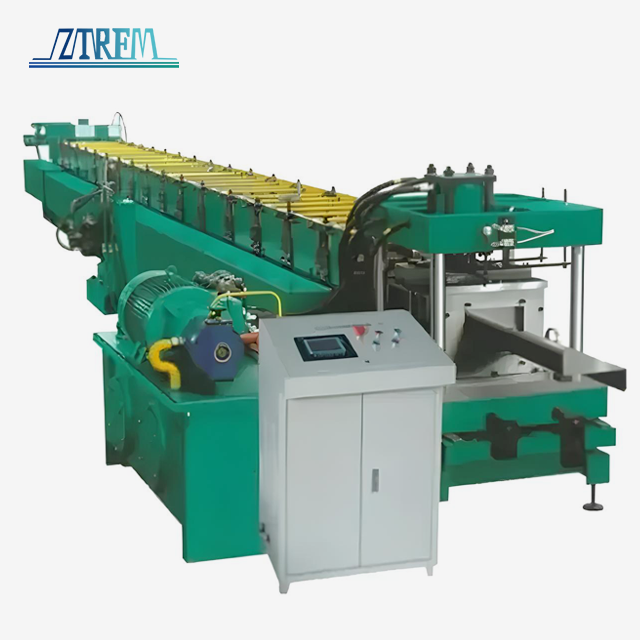
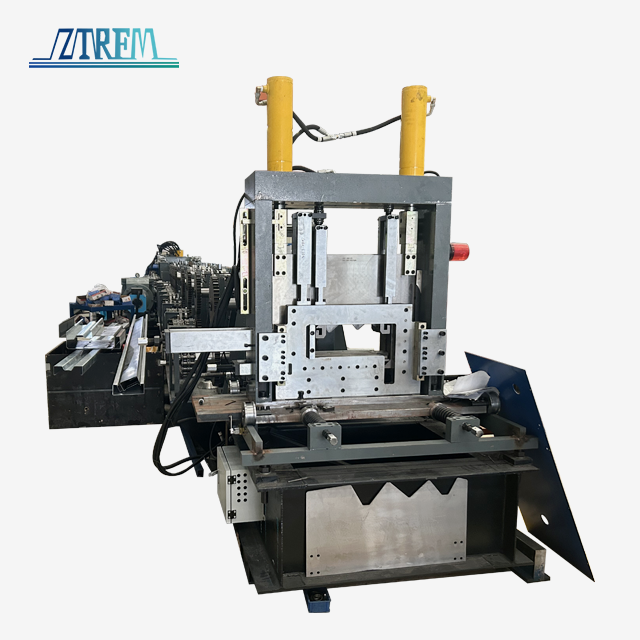
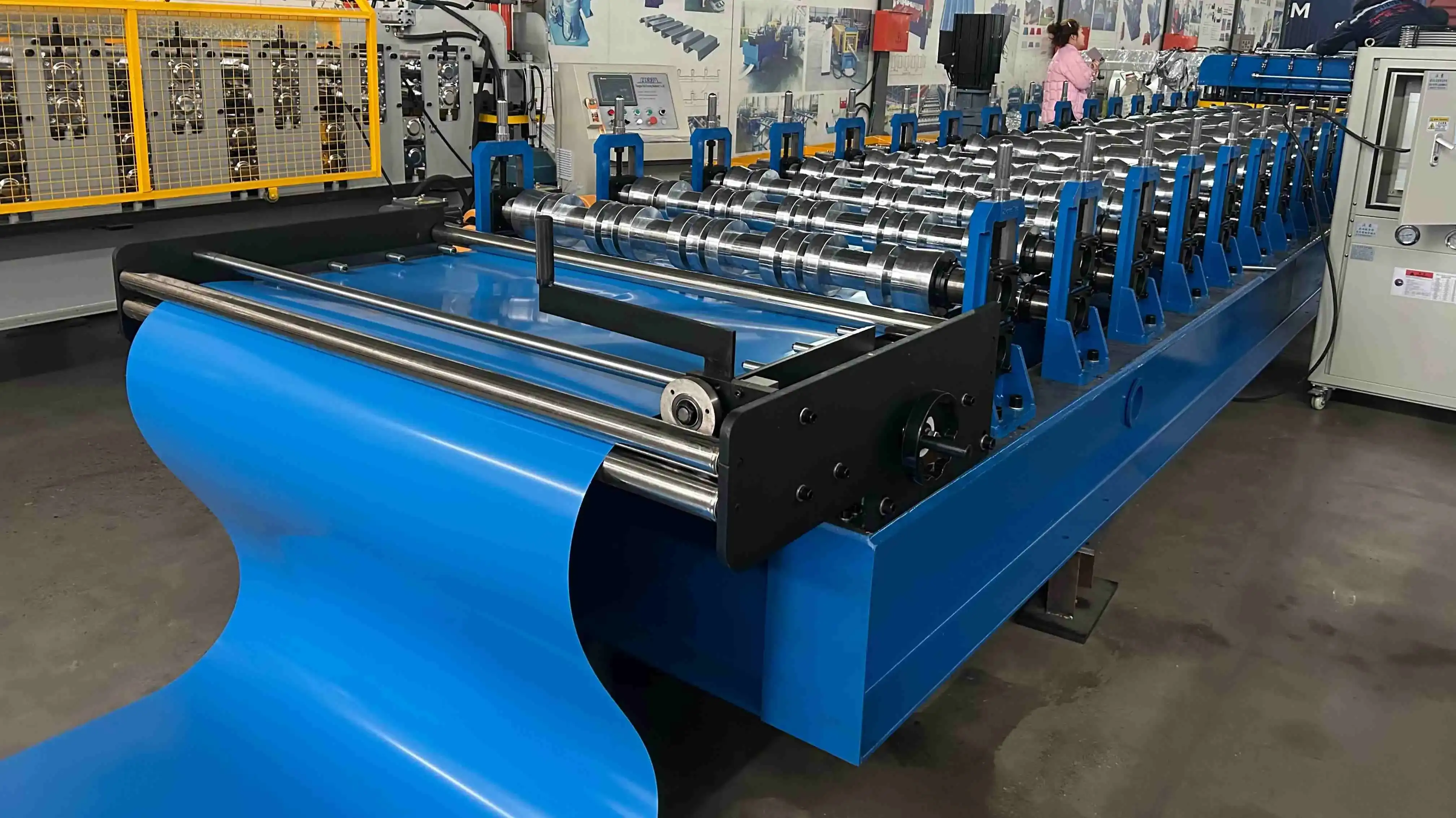
Modern roll forming machines work by moving steel strips through a series of forming stations in an ongoing process that shapes the material into the desired shapes. At each making station, exact pressure is applied through rollers that have been measured. This makes sure that the thickness and dimensions stay the same thrughout the production cycle. The technical benefit of progressive forming lowers stress on the material while keeping the structure intact. This method is better than traditional press forming methods.
When servo-driven systems and variable frequency drives are added to modern machinery, they change the way it uses energy in interesting ways. These technologies make the best use of power based on what is needed for production at any given time. This lowers costs while keeping output quality stable. Advanced control systems keep an eye on the making pressures, line speeds, and qualities of the material so that they can easily change the settings to get the best results.
Automatic vs. Manual Operation Capabilities
Automated steel sheet making systems have much higher output rates than human ones. This is mostly because they can work continuously and require less time to switch between tasks. Automatic systems have high-tech sensors that track where the material is placed, find flaws, and change the making settings automatically, without the user having to do anything. With this new technology, production rates can go over 15 meters per minute while quality standards stay the same.
Even though manual systems are more flexible for small-batch production, they usually run at much slower speeds because people aren't as good at tracking and making changes. This problem is solved by combining Delta PLC control systems with easy-to-use tablet displays. This gives workers more precise control while still getting the benefits of automated tracking and safety systems.
Roll Forming vs. Steel Sheet Making Equipment
Roll forming technology is all about creating profiles continuously through progressive bending. On the other hand, steel sheet making includes a wider range of forming techniques, such as pressing and press brake operations. When uniform cross-sectional shapes are needed in large quantities, roll forming is the best way to do it. It makes better use of materials and creates less waste than other forming methods.
This difference is especially important when looking at the production needs for certain things like roofing panels, structural purlins, or composite sandwich panels. Different uses need different making abilities, ways of handling materials, and limits for measurements, which affect the choice of tools and how they are set up.
Key Advantages of High-Throughput Steel Sheet Making Machines
Superior Production Efficiency and Cycle Time Reduction
The production effectiveness of advanced steel sheet-making machine systems has gone up by a huge amount thanks to smart control integration and improved mechanical design. Line speeds of up to 15 meters per minute can be reached with modern steel sheet-making machine tools, and measurement accuracy is kept within ±2 mm. This is a big improvement over traditional ways of making. The continuous operation feature of the steel sheet making machine gets rid of the start-stop processes that come with press making. This cuts cycle times by a huge amount and makes the steel sheet-making machine equipment more useful overall.
Here are the main reasons why high-performance devices are more efficient:
- Continuous Material Processing: The flow of material through 18 making stations without interruptions ensures steady output rates without the need for secondary handling. This maximizes throughput while reducing worker participation and the delays that come with it.
- Automated Changeover Systems: These systems let makers quickly adapt to changing customer needs without losing a lot of output. They do this by using customizable control systems to make profile changes happen quickly between different product runs.
- Integrated Quality Control: During the making process, real-time tracking systems find differences in size and surface flaws. This stops faulty products from moving on to the next station and avoids expensive repairs.
- Better use of energy: Variable frequency drives and servo motor integration change the amount of power used depending on the real making needs. This lowers running costs while keeping performance standards the same for all types of materials.
These gains in efficiency directly lead to higher output capability and lower cost-per-unit measures. This gives makers a competitive edge through better operational performance.
Precision Control and Quality Consistency
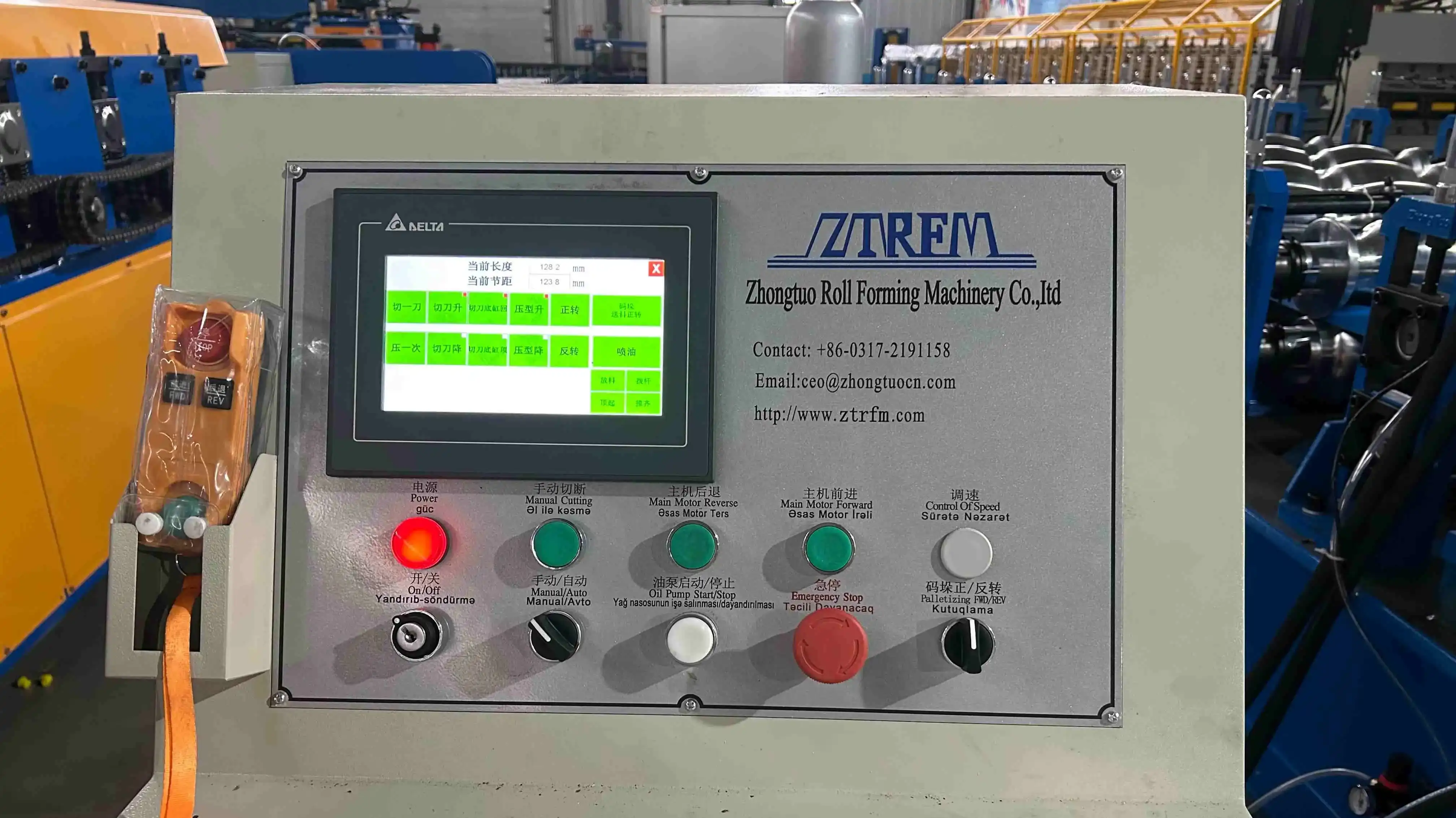
Adding advanced control systems guarantees very accurate measurements and consistent surface quality over long production runs. Delta PLC controls with 5.7-inch touchscreens give workers real-time production data so they can make changes right away to keep the best making settings. The hydraulic shear system cuts accurately within ±2 mm, so the size of the products is always the same, no matter how many are being made.
Optimization of material utilization is another big benefit. Compared to old-fashioned making methods, current systems can cut waste by more than 15%. The constant making process reduces damage to the material while handling it, and accurate cut-to-length methods get rid of the extra material that usually comes with cutting things.
Enhanced Safety and Maintenance Benefits
Nowadays tools that make steel sheets have a lot of safety features that are especially made for settings with high speeds and ongoing operation. Emergency stop devices, safety interlocks, and user security walls keep things safe while keeping production high. The strong construction with 16 mm wall-plate H-beam frames makes the machine very stable even when it's running at high speeds. This lowers the wear and tear caused by vibrations and increases the service life of the parts.
Maintenance optimization through approachable component design cuts down on downtime and increases the life of the equipment as a whole. The modular building method lets you quickly change parts and do regular upkeep without taking the whole thing apart, which cuts down on output stops and the costs that come with them.
Selecting the Best Steel Sheet Making Machinery for Your Business
Critical Evaluation Factors for Procurement Decisions
To choose the right tools, you need to think about all of your output needs, working limitations, and long-term business goals. The most important thing to think about is the throughput ability. Modern systems can produce anywhere from 5 to 15 meters per minute, based on the material and shape complexity. To get the best production efficiency without sacrificing accuracy in measurements or surface finish, the link between line speed and product quality needs to be carefully managed.
A cost-to-production ratio study looks at the original capital investment, ongoing costs, the need for upkeep, and how long the equipment is expected to last. These days, scores for energy economy are becoming more and more important. Modern servo-driven systems are much cheaper to run than older motor-driven ones. With its 5.5 kW main motor and 4 kW hydraulic unit, this design makes the best use of power for most industrial tasks.
Material Processing Capabilities and Specifications
Compatibility with different thickness ranges of materials is an important factor in the decision process. Modern systems can handle thickness ranges of 0.3 to 0.8 mm by using customizable forming station setups. The 70 mm shaft diameter standard makes sure that the machine is strong enough to work with different types of steel while still staying the same size when it's running at high speeds. The ability of the decoiler, whether it's a manual or automatic 5-ton model, needs to match the amount of material that needs to be moved and the output volume.
Here are the most important things to think about when specifying equipment:
- Configuration of Forming Stations: The 18-station layout allows for enough forming development for complex shapes while keeping the purity of the material throughout the shaping process. This lets the manufacturer meet a wide range of product needs without lowering quality standards.
- Control System Integration: Delta PLC systems with tablet screens are easy to use and offer full output tracking, so workers can find the best performance factors for each mix of material and shape.
- Power Supply Needs: A standard 380V/50Hz/3-phase power setup works with existing industrial electrical systems and makes the best use of energy for a wide range of production loads.
- Small size: measuring only 6,200 x 850 x 1,500 mm, this product can be installed in places with limited room while still being easy to get to for upkeep and operation.
These requirements must match what the facility can already do and what is planned for production in order for the integration to go smoothly and for the best performance results.
Warranty and Service Considerations
Full insurance coverage and the ability to provide service after the sale have a big effect on the long-term worth and dependability of the equipment. Leading makers offer a wide range of professional support, such as help with installation, training for operators, and advice on ongoing maintenance. In challenging industrial settings, having access to new parts and repair workers is especially important for keeping up with production plans.
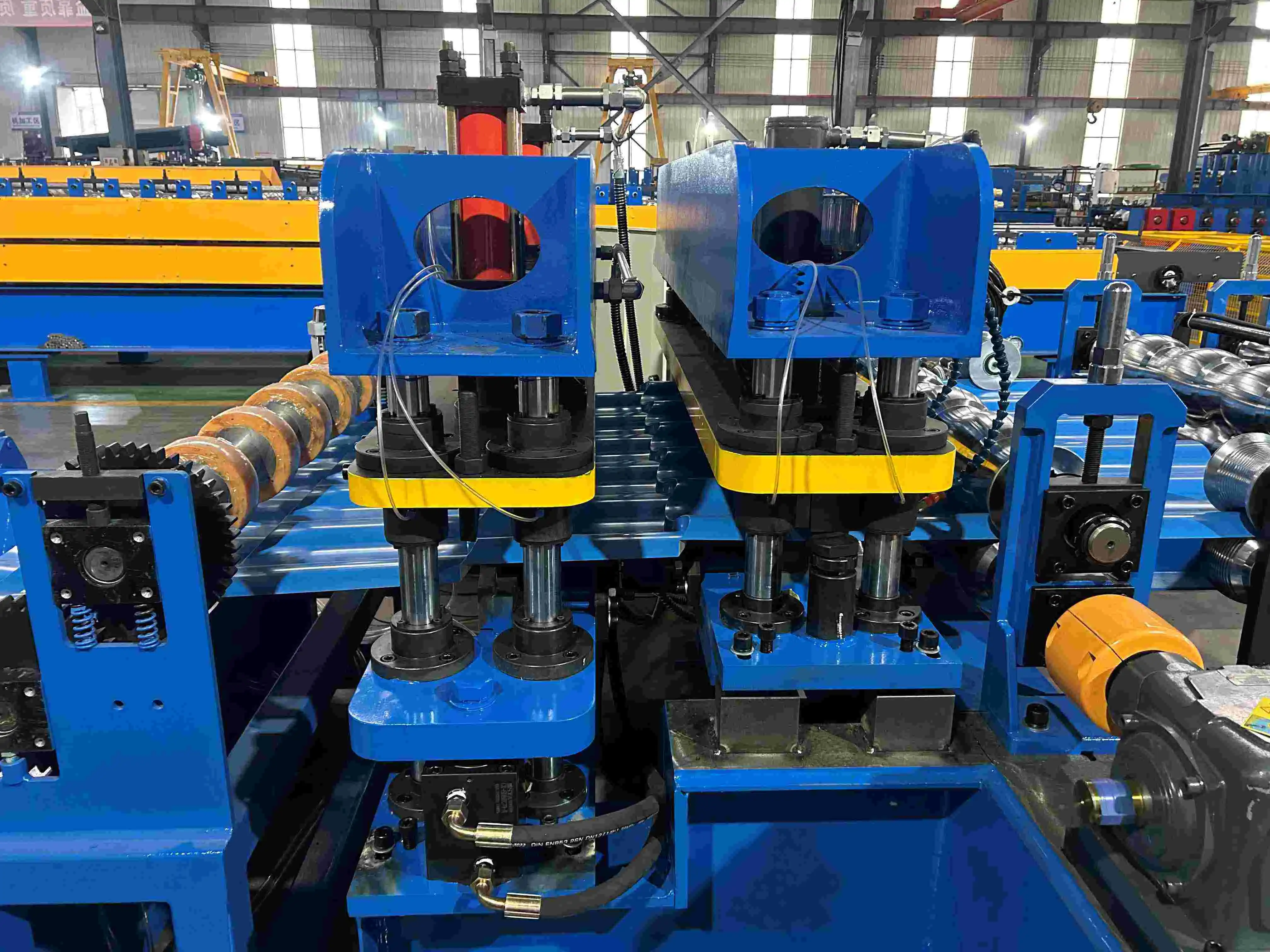
There is fast help across a global service network for the steel sheet making machine, no matter where the system is located, and many providers offer online diagnostics and video-assisted repair services. These service benefits lower the risk of downtime and offer ongoing improvement possibilities for the whole lifetime of the equipment.
Boosting Production Through Process Optimization
Identifying and Eliminating Production Bottlenecks
When making steel sheets, common bottlenecks happen at places where materials are moved, tasks are switched, and quality control is done. By keeping the flow of material unbroken through sequential forming sites, the continuous forming process naturally gets rid of many standard bottlenecks. But both upstream and downstream processes need to be carefully optimized to keep the system as a whole working well.
Consistency in feeding materials is an important area for improvement, and automatic decoiler systems with tension control make output much more stable than human feeding methods. By adding servo-controlled cutting systems, the delays that come with measuring and cutting by hand are eliminated. Dimensional accuracy is also improved, and less material is wasted.
Technology Integration for Performance Enhancement
With IoT devices and data analytics tools, you can see real-time readings of forming pressures, line speeds, material temperatures, and physically accurate measures. Keeping track of this data makes it easier to use predictive maintenance techniques that keep tools from breaking down when you least expect them to. These ways also help make plans for making things work better.
Systems that learn on their own use information from past production runs to figure out which sets of settings work best with each type of material and profile. This is a better way for the system to get better than making changes by hand. They keep getting better at what they do because they remember what they've done before. Over time, this makes them more useful.
Lean Manufacturing Implementation
When lean manufacturing ideas are used to make steel sheets, the main goal is to get rid of waste by improving quality control, reducing switching times, and making the flow of materials more efficient. When used on profile changeovers, single-minute exchange of die (SMED) methods can cut transition times by 60–80%, making it cheaper to make smaller batches while keeping the total machine utilization high.
Small ways to make things better can be found all along the production chain, from moving materials to putting finished goods away. These are called methods of ongoing improvement. Over time, these planned changes will lead to big performance gains that will pay for the initial cost of improvement and make the business more competitive.

Soft Procurement Guide and Trusted Brand Insights
Navigating the Supplier Landscape
The global steel sheet making equipment market includes numerous steel sheet making machine manufacturers offering varying levels of technology sophistication, service support, and product reliability. Established steel sheet making machine suppliers with extensive international experience demonstrate superior capabilities in equipment design, manufacturing quality, and after-sales service delivery. Companies with ISO9001, CE, and CAS certifications provide additional assurance of manufacturing standards and product reliability.
Cangzhou Zhongtuo, founded in 2014, exemplifies the evolution of specialized cold roll forming equipment manufacturers. With products exported to over 150 countries and recognition as a national high-tech enterprise, such companies demonstrate the technical expertise and global service capabilities essential for successful equipment procurement and long-term operational support.
New vs. Used Equipment Evaluation
New equipment procurement offers the advantages of the latest technology integration, comprehensive warranty coverage, and predictable service life expectations. Modern control systems, energy-efficient drives, and enhanced safety features justify the premium investment for high-volume production applications where reliability and performance consistency are paramount.
Used equipment evaluation requires careful assessment of maintenance history, remaining component life, and upgrade potential for modern control systems. While initial cost savings can be substantial, the risks of unexpected failures and limited spare parts availability must be carefully weighed against operational requirements and production schedules.
Comprehensive Solution Capabilities
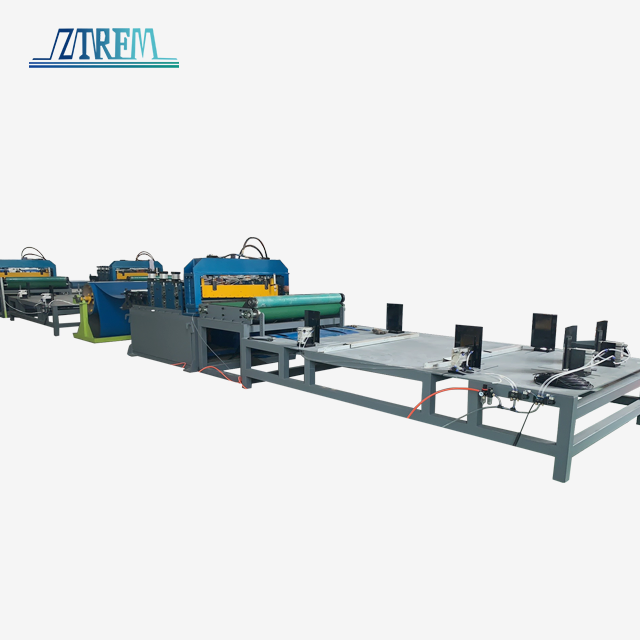
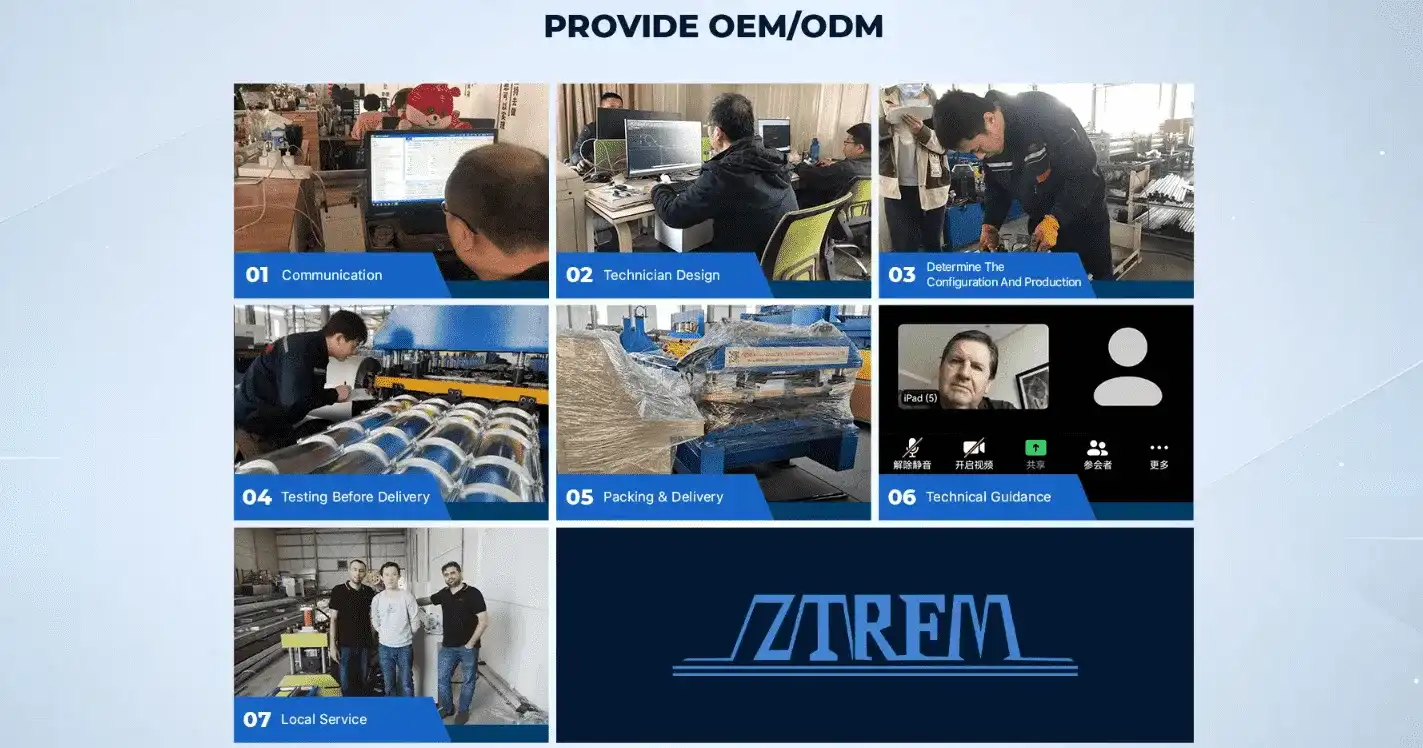
Leading suppliers offer complete production line solutions, including material handling systems, forming equipment, cutting systems, and finished product handling automation. This integrated approach ensures compatibility between system components while providing single-source responsibility for system performance and service support. The availability of OEM and ODM services enables customization for specific production requirements while maintaining proven reliability standards.
Training programs and technical documentation support successful equipment implementation while building internal expertise for ongoing operation and maintenance activities. Comprehensive service packages, including installation supervision, startup assistance, and performance optimization guidance, ensure optimal return on equipment investment through proper implementation and operation procedures.

Conclusion
High-throughput steel sheet-making machinery represents a transformative investment for manufacturers seeking to enhance production efficiency, improve product quality, and reduce operational costs. The integration of advanced control systems, optimized mechanical design, and comprehensive automation capabilities enables unprecedented productivity levels while maintaining consistent quality standards. Successful equipment selection requires careful evaluation of production requirements, technical specifications, and supplier capabilities to ensure optimal alignment with business objectives and operational constraints.
FAQ
1. What production speeds can modern steel sheet-making machines achieve?
Contemporary systems typically operate at speeds up to 15 meters per minute, depending on material thickness and profile complexity. The 18-station forming configuration enables high-speed operation while maintaining dimensional accuracy within ±2 mm tolerances, ensuring consistent product quality across extended production runs.
2. How do I determine the right machine specifications for my production needs?
Evaluation should consider material thickness requirements (typically in the 0.3-0.8 mm range), desired production volumes, profile complexity, and available facility space. The Delta PLC control system with touchscreen interface provides flexibility for various product configurations while maintaining ease of operation and monitoring capabilities.
3. What maintenance requirements should I expect with high-throughput equipment?
Modern systems feature accessible component design with 16 mm wall-plate H-beam construction for enhanced durability and simplified maintenance procedures. Routine maintenance includes lubrication schedules, hydraulic system checks, and control system updates, with typical maintenance intervals designed to minimize production interruptions.
4. Are there energy efficiency benefits with newer steel sheet-making machines?
Advanced servo-driven systems with variable frequency drives optimize power consumption based on actual production requirements, typically reducing energy costs by 20-30% compared to conventional motor-driven alternatives. The 5.5 kW main motor configuration demonstrates efficient power utilization for typical production applications.
5. How important is supplier service support for equipment procurement decisions?
Comprehensive service support, including installation assistance, operator training, and ongoing technical guidance, significantly impacts long-term equipment value and operational success. Global service network coverage ensures responsive support regardless of installation location, reducing downtime risks and maintaining production continuity.
Partner with ZTRFM for Superior Steel Sheet Making Solutions
ZTRFM delivers cutting-edge steel sheet making machine technology backed by over a decade of specialized manufacturing expertise and global service excellence. Our comprehensive product portfolio includes advanced roll forming systems with proven performance records across 150+ countries, supported by ISO9001, CE, and CAS certifications that demonstrate our commitment to quality and reliability. As a trusted steel sheet making machine supplier, we provide customized solutions tailored to your specific production requirements, from initial consultation through installation and ongoing technical support. Contact our experienced team at zhongtuorollforming@gmail.com to explore how our innovative equipment solutions can transform your manufacturing capabilities and drive sustainable competitive advantages in your market.
References
1. Smith, J.A. and Johnson, M.K. "Advanced Roll Forming Technologies for High-Speed Steel Sheet Production." Journal of Manufacturing Science and Engineering, Vol. 145, No. 3, 2023.
2. Chen, L. and Williams, R.D. "Energy Efficiency Optimization in Industrial Steel Forming Operations." International Journal of Production Research, Vol. 61, No. 8, 2023.
3. Anderson, P.T. "Automation Integration Strategies for Modern Metal Forming Equipment." Manufacturing Technology Review, Vol. 28, No. 4, 2024.
4. Rodriguez, M.C. and Thompson, K.L. "Quality Control Systems in Continuous Steel Sheet Manufacturing Processes." Materials Processing Technology Journal, Vol. 312, 2023.
5. Kumar, S. and Davis, A.R. "Comparative Analysis of Steel Sheet Forming Technologies and Production Efficiency Metrics." Industrial Engineering Research Quarterly, Vol. 39, No. 2, 2024.
6. Brown, D.E. and Lee, S.H. "Maintenance Optimization Strategies for High-Throughput Metal Forming Equipment." Reliability Engineering and System Safety, Vol. 241, 2024.