- English
- French
- German
- Portuguese
- Spanish
- Russian
- Japanese
- Korean
- Arabic
- Irish
- Greek
- Turkish
- Italian
- Danish
- Romanian
- Indonesian
- Czech
- Afrikaans
- Swedish
- Polish
- Basque
- Catalan
- Esperanto
- Hindi
- Lao
- Albanian
- Amharic
- Armenian
- Azerbaijani
- Belarusian
- Bengali
- Bosnian
- Bulgarian
- Cebuano
- Chichewa
- Corsican
- Croatian
- Dutch
- Estonian
- Filipino
- Finnish
- Frisian
- Galician
- Georgian
- Gujarati
- Haitian
- Hausa
- Hawaiian
- Hebrew
- Hmong
- Hungarian
- Icelandic
- Igbo
- Javanese
- Kannada
- Kazakh
- Khmer
- Kurdish
- Kyrgyz
- Latin
- Latvian
- Lithuanian
- Luxembou..
- Macedonian
- Malagasy
- Malay
- Malayalam
- Maltese
- Maori
- Marathi
- Mongolian
- Burmese
- Nepali
- Norwegian
- Pashto
- Persian
- Punjabi
- Serbian
- Sesotho
- Sinhala
- Slovak
- Slovenian
- Somali
- Samoan
- Scots Gaelic
- Shona
- Sindhi
- Sundanese
- Swahili
- Tajik
- Tamil
- Telugu
- Thai
- Ukrainian
- Urdu
- Uzbek
- Vietnamese
- Welsh
- Xhosa
- Yiddish
- Yoruba
- Zulu
How C purlin making machine Is Used in Asia for Prefabricated Building Production
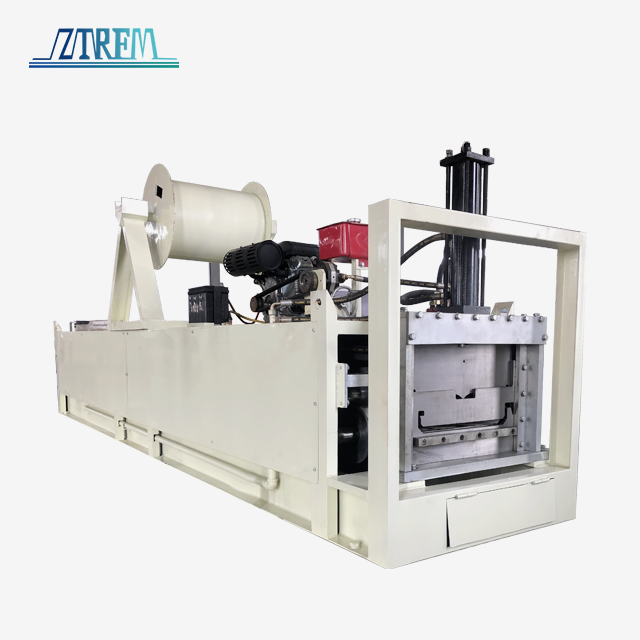
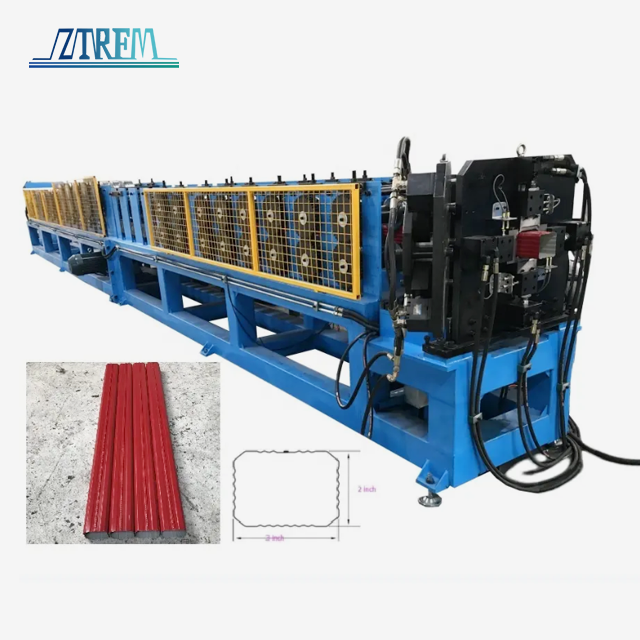
By turning raw steel strips into precisely designed structure parts, C purlin making machines have changed the prefabricated building business in Asia. These special roll forming tools use automated processes to run coated steel through several forming stations, making uniform C-shaped shapes that are needed for modern building frames. Asian companies use these tools to make a lot of structural parts that meet international building standards. This cuts down on construction times and labor costs in the prefab market, which is growing very quickly.
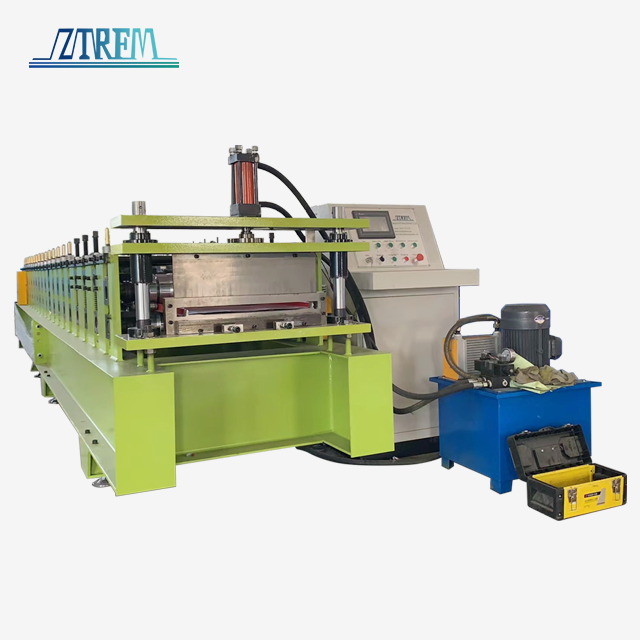
Understanding C Purlin Making Machines: How They Work and Their Role in Prefabricated Building Production? Core Components and Mechanical Principles
Modern C purlin making equipment is a high level of engineering that blends strong industrial design with precise manufacturing. The base of the machine is made of 400 H steel framing, which makes it very stable during high-speed operations. This structural stability makes sure that the quality of the making stays the same even when working with materials that are 1 to 3.5 mm thick and at speeds of up to 15 meters per minute.
The system's successive making stations, which usually have 12 to 16 separate shape points, are what make it work. At each point, carefully measured bend angles slowly change a flat steel coil into the final C-shaped shape. While long production runs are going on, the 45# steel shaft material stays true to its exact dimensions all the way through.
Chain transmission systems make sure that all of the making stations get power reliably. This makes sure that everything works at the same time, which removes material stress and keeps the quality of the product consistent. The 11–15 kW main motor design has enough power to work with different types of steel while using the least amount of energy possible compared to standard ways of making things.
Step-by-Step Automated Processes
Automatic coil filling systems keep the material in the right place and at the right tension at the start of the production process. When raw steel goes into the first making station, it starts to bend. Each station after that shapes the material more and more until the finished C-profile is formed.
When used with Cr12 steel blades, hydraulic cutting tools make clean, exact cuts at set lengths. These heat-treated blades keep their sharp cutting edges even after thousands of uses. This makes sure that the ends are smooth and meet strict building limits. The 5.5–7.5 kW cutting power can cut through even the hardest materials without damaging the edge.
Quality control sensors keep an eye on the accuracy of the dimensions throughout the whole process and change the settings automatically to keep up with the requirements. Being able to watch things in real time has made Asian producers very competitive in foreign markets where buyers care a lot about accuracy and regularity.
Integration into Prefab Workflows
Asian prefab makers have carefully built purlin-making tools into complete production lines that make the best use of materials and reduce waste. Often, these unified systems have automatic functions for stacking, wrapping, and packing that get finished goods ready to be sent right away to building sites.
The 380V three-phase power setup works with normal industrial electrical systems all over Asia, which makes it easier to install and keep up the C purlin making machine. Standardization has made it possible to quickly deploy across production sites while still making sure that the new systems will work with the old ones.

Types and Specifications of C Purlin Making Machines Used in Asia
Automation Levels and Output Efficiency
Asian markets have three different types of technology that meet different production needs and spending levels. Entry-level manual systems can do simple making and are good for smaller producers who need to be flexible with volume. Most of the time, these systems work at 8 to 12 meters per minute, and they need skilled workers to make sure they always produce good results.
Established producers who want to balance output and cost control most often choose semi-automated setups. Programmable length cutting, automatic stacking, and basic quality tracking are all built into these machines. For complicated shapes or special materials, a person is still needed to keep an eye on things.
Fully automatic production lines are common in big factories that are open 24 hours a day and need little to no staff to make money. These systems can form at speeds of up to 15 meters per minute and can connect to business resource planning systems to help with organizing and managing supplies.
Technical Specifications and Customization Options
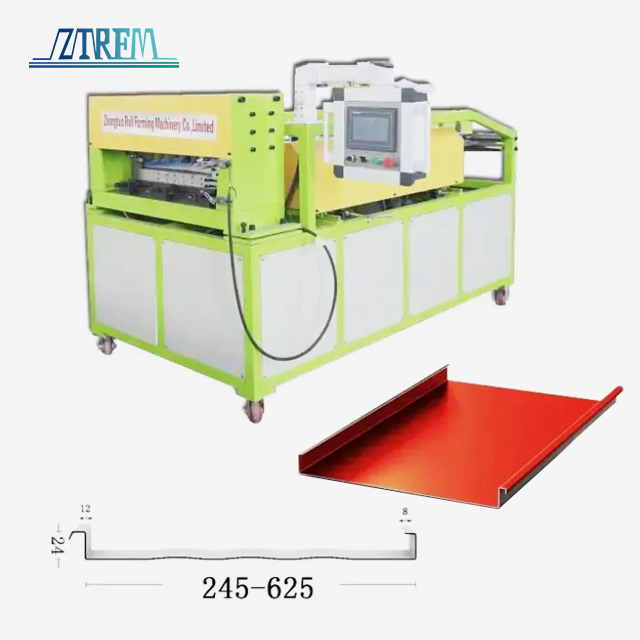
Modern tools for making purlins offer a lot of customization options to meet a wide range of design needs. Web heights often run from 80 mm to 300 mm, and flange widths can be anywhere from 40 mm to 80 mm, based on the load needs of the structure. With 12 to 16 stations, makers can make both simple C-profiles and complicated forms with lip supports.
It's not just normal coated steel that works with it; it also works with pre-painted materials, metal alloys, and special finishes that prevent rust. Because they can do so many things, Asian makers are often chosen as the best providers for projects in tough environments where the performance of the materials directly affects how long the building lasts.
As the cost of making things goes up, making the best use of energy has become a norm. Advanced servo-driven systems use up to 30% less power than traditional hydraulic setups. They also make the form more accurate and need less maintenance.
Comparative Analysis: C Purlin vs. Z Purlin Production
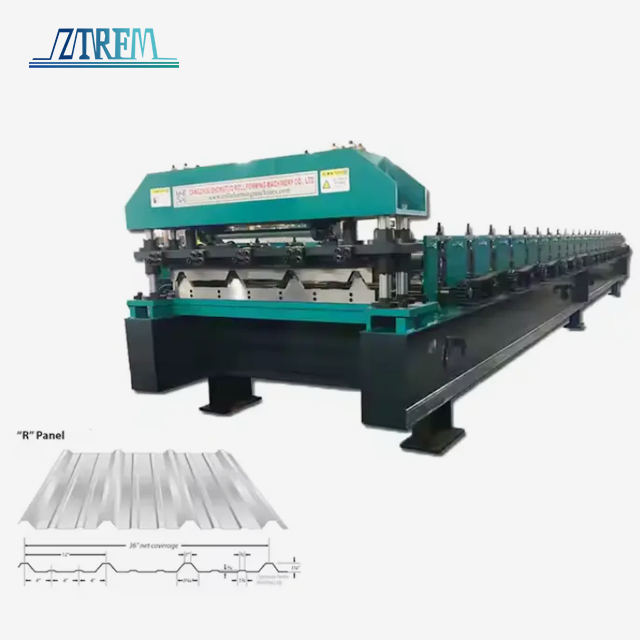
When compared to Z purlin options, C purlin tools are much easier to use and can make things faster. The making process needs fewer stations and simpler tools, which means it costs less to start up and takes less time to switch between different profile sizes.
Because the flange angles aren't all the same, making Z purlins takes more complicated shaping steps. For most profiles, 16 to 20 making points are needed, but only 12 to 16 are needed for C profiles. At this level of complexity, the tools cost more, but the structure works better sometimes, especially when building over a big area.
Asian makers often suggest combination systems that can make both types of profiles by using quick-change tools. These adaptable setups let companies quickly adapt to changes in market demand while getting the most out of their tools.

Procuring C Purlin Making Machines from Asia: What B2B Buyers Should Know?
Manufacturer Reputation and Quality Standards
Asia's roll-making machine business has grown a lot in the last ten years. The best manufacturers in the world, including those for C purlin making machines, have now been approved by ISO9001, CE, and CAS. These are worldwide quality standards. Cangzhou Zhongtuo, a business that was started in 2014 and offers full service in more than 150 countries, is a good example of this change.
As part of your study, you should look at the manufacturer's history. In particular, you should see how much experience they have with similar uses and how well they can offer ongoing expert help. Well-known companies keep a lot of extra parts on hand and offer online testing, which helps customers from other countries avoid downtime as much as possible.
Third-party quality checks are now something that all serious buyers do. Outside groups test machines to make sure they work well, meet safety standards, and are the right size before they are sent out. When you buy expensive tools, this extra step of proof often meets the insurance requirements and gives you peace of mind.
Pricing Structures and Cost Considerations
Machine prices change a lot based on how controlled they are, how customized they need to be, and what extras they come with. Some fully robotic lines can cost more than $150,000, depending on how much they can make and how hard it is to connect them. Simple human methods cost between $25,000 and $35,000.
There are often secret costs when you buy something. Some of these are special tools made for certain forms, help with installation, training for the user, and the first sets of extra parts. People who have bought a lot of tools before usually add an extra 20 to 25 percent to the base price to make sure everything goes smoothly during setup and the first few days of use.
Most of the time, people pay 30% to 40% of the total amount before they ship. However, if you've done business with them before, you might get better deals. There are rules about international trade and quality that must be followed, and letter of credit deals protect both sides.
Factory-Direct vs. Distributor Relationships
Why buy from the source? Because you can get better deals, more ways to adjust your order, and direct tech help. Local sellers, on the other hand, can help by keeping an eye on sets, teaching workers, and making sure it's easy to find spare parts. All of these things can make running a business a lot safer.
A lot of stores in the same area have test centers where customers can see how tools work in real life on their own. Sheets don't always give a full picture of how things work, but these tests do most of the time.
If you live far from where things are made, you should make sure that the things you buy will last for a long time. People who sell goods and have established service networks can handle maintenance problems and emergency fixes more quickly. Making plans can stay on track with this.
Maintenance, Troubleshooting, and Operator Training: Ensuring Long-Term Machine Performance
Routine Maintenance Protocols
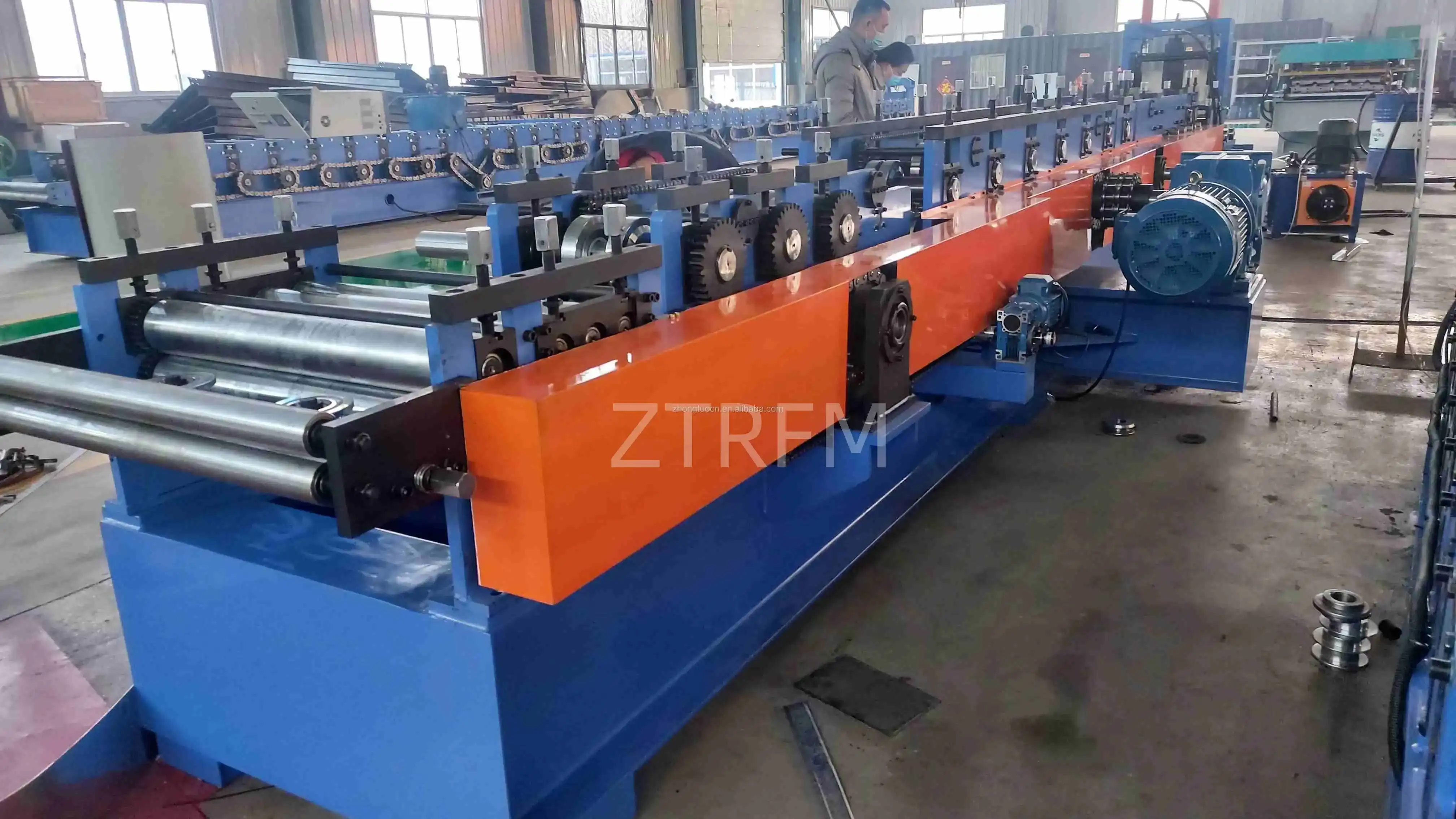
Preventive maintenance schedules directly impact equipment longevity and production consistency. Daily lubrication of forming rolls and chain drive systems prevents premature wear while maintaining smooth operation throughout production shifts. The robust 45# steel shaft construction requires regular inspection for signs of fatigue or misalignment that could affect product quality.
Weekly maintenance procedures include hydraulic system checks, electrical connection inspections, and cutting blade condition assessments. The Cr12 steel cutting blades maintain optimal performance through proper lubrication and periodic resharpening, typically extending blade life to 50,000-100,000 cuts depending on material thickness and production speeds.
Monthly comprehensive inspections examine frame alignment, motor performance, and control system calibration. These thorough evaluations identify potential issues before they impact production schedules, often revealing opportunities for performance optimization through minor adjustments or component upgrades.
Common Troubleshooting Scenarios
Dimensional variations typically stem from worn forming rolls or improper material tension settings. Experienced operators can quickly identify these issues through visual inspection and measurement verification, often resolving problems through roll adjustment or tension calibration procedures.
Cutting quality problems usually indicate blade wear, hydraulic pressure variations, or material feeding irregularities. The 5.5-7.5 kW cutting system provides consistent performance when properly maintained, with most cutting issues resolved through blade inspection and hydraulic system verification.
Electrical system troubleshooting requires basic understanding of three-phase power distribution and motor control principles. Most modern machines include diagnostic displays that identify specific fault conditions, enabling rapid resolution of common electrical issues without extensive downtime.
Comprehensive Operator Training Programs
Leading Asian manufacturers provide structured training programs that combine theoretical knowledge with hands-on operational experience. These programs typically span 5-10 days and cover machine operation, basic maintenance procedures, quality control methods, and safety protocols essential for efficient production.
Advanced training modules address troubleshooting techniques, production optimization strategies, and preventive maintenance schedules that maximize equipment performance. Operators completing these programs demonstrate significantly improved productivity and reduced scrap rates compared to those relying solely on basic instruction manuals.
Ongoing support includes remote assistance capabilities, updated operation manuals, and access to technical expertise for complex issues related to the C purlin making machine. Many manufacturers maintain 24-hour support hotlines staffed by experienced technicians who can provide guidance for urgent production problems.
Case Studies: Successful Use of C Purlin Making Machines in the Asian Prefabricated Building Industry
Efficiency Gains in Production Output
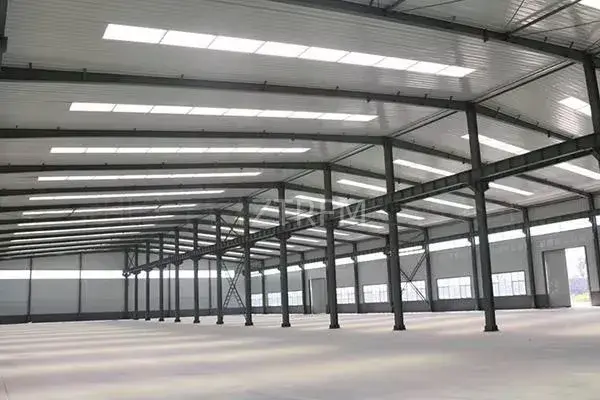
A major Vietnamese steel fabricator increased production capacity by 300% after installing automated purlin forming equipment, jumping from 50 tons to 200 tons of monthly output with minimal additional labor. The 15-meter-per-minute forming speed enabled three-shift operations that previously required manual fabrication methods, dramatically improving delivery capabilities for large construction projects.
Quality improvements proved equally significant, with scrap rates dropping from 8% to less than 2% through consistent automated forming processes. The precision forming capability eliminated rework requirements while ensuring dimensional accuracy that satisfied international building code requirements for structural applications.
Cost analysis revealed a 40% reduction in labor costs per ton produced, along with a 25% improvement in material utilization through optimized cutting patterns and reduced waste. These efficiency gains enabled competitive pricing that secured additional export contracts throughout Southeast Asia.
Regional Manufacturing Advantages
China's Hebei Province has emerged as a global center for roll forming equipment production, leveraging concentrated expertise, component suppliers, and skilled labor that reduce manufacturing costs while maintaining quality standards. This regional clustering enables rapid prototyping, customization capabilities, and competitive pricing that benefits international buyers.
South Korean manufacturers focus on high-end automation and control systems that appeal to buyers prioritizing precision and advanced features. Their equipment often commands premium pricing but delivers superior performance in demanding applications where quality consistency justifies higher initial investment.
Indian manufacturers have captured significant market share in price-sensitive segments while steadily improving quality standards and expanding service capabilities. Their growing presence in Middle Eastern and African markets demonstrates the global reach of Asian manufacturing capabilities.

Conclusion
The widespread adoption of C purlin making machines across Asia has fundamentally transformed prefabricated building production through enhanced efficiency, precision, and cost-effectiveness. These sophisticated roll forming systems, featuring robust construction and advanced automation capabilities, enable manufacturers to meet growing global demand for high-quality structural components while maintaining competitive pricing. Asian manufacturers have established themselves as industry leaders by combining technical innovation with comprehensive service support, providing international buyers with reliable equipment backed by extensive experience and proven performance records.
FAQ
1. What production capacity can I expect from Asian C purlin machines?
Modern C purlin forming equipment typically produces 8-15 meters per minute depending on material thickness and profile complexity. A standard single-shift operation can generate 150-300 meters of finished product daily, translating to approximately 15-30 tons of monthly output based on material specifications and profile dimensions.
2. How do maintenance requirements differ between automation levels?
Manual systems require more frequent operator intervention but involve simpler mechanical components with straightforward maintenance procedures. Semi-automated machines need regular hydraulic system attention and control system calibration, while fully automated lines demand sophisticated preventive maintenance schedules but operate with minimal daily intervention requirements.
3. Can these machines be customized for unique structural specifications?
Asian manufacturers routinely customize equipment for specific profile requirements, accommodating web heights from 80 to 300 mm and various flange configurations. The 12-16 station forming sequence provides flexibility for complex shapes, while modular tooling systems enable rapid changeovers between different profile specifications without extensive machine modifications.
Partner with ZTRFM for Superior C Purlin Manufacturing Solutions
ZTRFM combines decade-long expertise in roll forming technology with comprehensive manufacturing capabilities that address every aspect of purlin production requirements. Our ISO9001, CE, and CAS certified equipment delivers consistent performance across 150+ countries, backed by complete technical support and readily available spare parts networks. As a leading C purlin making machine supplier, we provide customized solutions that optimize production efficiency while ensuring long-term reliability. Contact our engineering team at coo@zhongtuocn.com to discuss your specific requirements and discover how our advanced forming technology can enhance your prefabricated building operations through precision, efficiency, and dependable performance.

References
1. Chen, L. & Wang, M. "Cold Roll Forming Technology in Asian Construction Manufacturing." International Journal of Steel Structures, Vol. 28, No. 4, 2023.
2. Kumar, R. "Prefabricated Building Systems: Asian Manufacturing Innovations and Global Applications." Construction Technology Review, 2023.
3. Liu, H., Zhang, Y. & Park, S. "Automation Advances in Roll Forming Equipment for Structural Steel Production." Manufacturing Engineering Quarterly, Vol. 15, 2023.
4. Tanaka, K. "Quality Standards and Certification Requirements for Construction Machinery in Asian Markets." Industrial Equipment Standards, 2022.
5. Singh, P. & Abdullah, M. "Cost Analysis of Purlin Manufacturing Technologies in Asian Construction Supply Chains." Building Economics Journal, Vol. 12, 2023.
6. Wong, T. "Maintenance Strategies for Industrial Roll Forming Equipment: Best Practices from Asian Manufacturing." Mechanical Engineering Today, Issue 8, 2023.