- English
- French
- German
- Portuguese
- Spanish
- Russian
- Japanese
- Korean
- Arabic
- Irish
- Greek
- Turkish
- Italian
- Danish
- Romanian
- Indonesian
- Czech
- Afrikaans
- Swedish
- Polish
- Basque
- Catalan
- Esperanto
- Hindi
- Lao
- Albanian
- Amharic
- Armenian
- Azerbaijani
- Belarusian
- Bengali
- Bosnian
- Bulgarian
- Cebuano
- Chichewa
- Corsican
- Croatian
- Dutch
- Estonian
- Filipino
- Finnish
- Frisian
- Galician
- Georgian
- Gujarati
- Haitian
- Hausa
- Hawaiian
- Hebrew
- Hmong
- Hungarian
- Icelandic
- Igbo
- Javanese
- Kannada
- Kazakh
- Khmer
- Kurdish
- Kyrgyz
- Latin
- Latvian
- Lithuanian
- Luxembou..
- Macedonian
- Malagasy
- Malay
- Malayalam
- Maltese
- Maori
- Marathi
- Mongolian
- Burmese
- Nepali
- Norwegian
- Pashto
- Persian
- Punjabi
- Serbian
- Sesotho
- Sinhala
- Slovak
- Slovenian
- Somali
- Samoan
- Scots Gaelic
- Shona
- Sindhi
- Sundanese
- Swahili
- Tajik
- Tamil
- Telugu
- Thai
- Ukrainian
- Urdu
- Uzbek
- Vietnamese
- Welsh
- Xhosa
- Yiddish
- Yoruba
- Zulu
How Metal Coil Forming Lines Integrate with Trapezoidal Sheet Roll Forming Machines
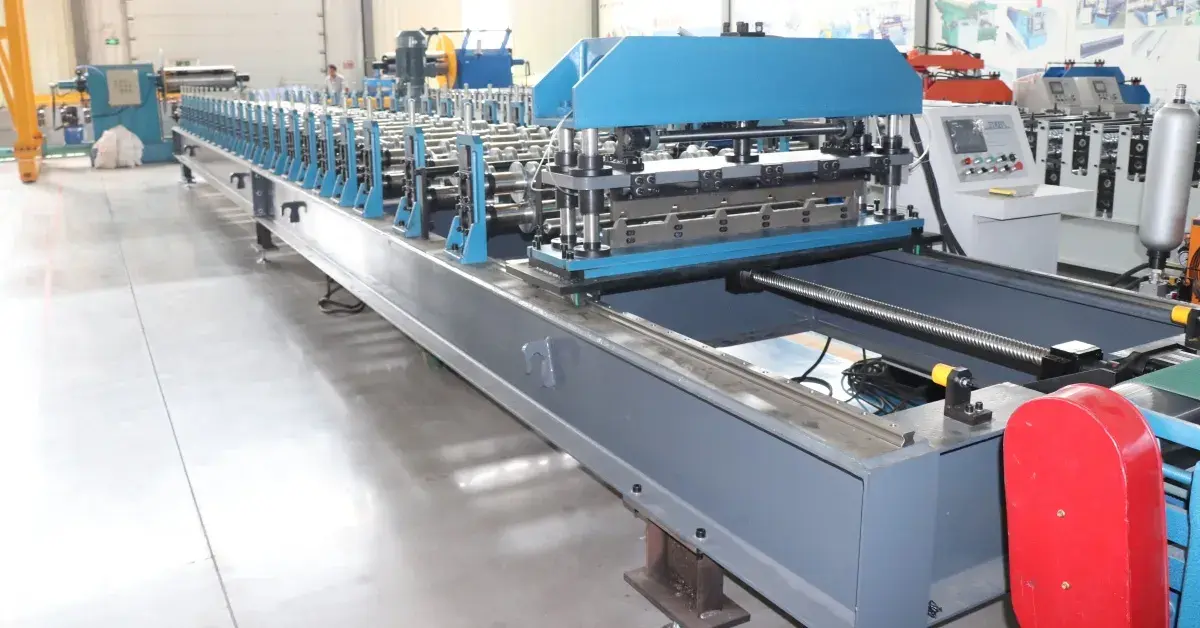
The main machines used to make current structural panels are metal coil forming lines and trapezoidal sheet roll forming machines. Through a constant, automatic process, this combination turns raw metal coils into precisely designed roofing and cladding panels. This gets rid of the waste that comes with using old-fashioned ways of making things. When these systems work together correctly, producers see huge gains in output speed, accuracy of measurements, and use of materials. When purchasing managers look at buying new equipment, this combination makes it clear how the preparation of the coils upstream has a direct effect on the quality of the forms downstream. Engineers can avoid production delays by understanding how different technical parts work together, and sellers can learn more about what clients really need by looking at the whole answer instead of just individual parts. This guide looks at how decoiling systems and profile forming stations work together mechanically. It shows how proper integration fixes common problems like uneven panel geometry, high scrap rates, and unpredictable maintenance cycles that hurt profits in competitive markets.
Understanding Trapezoidal Sheet Roll Forming Machines and Metal Coil Forming Lines
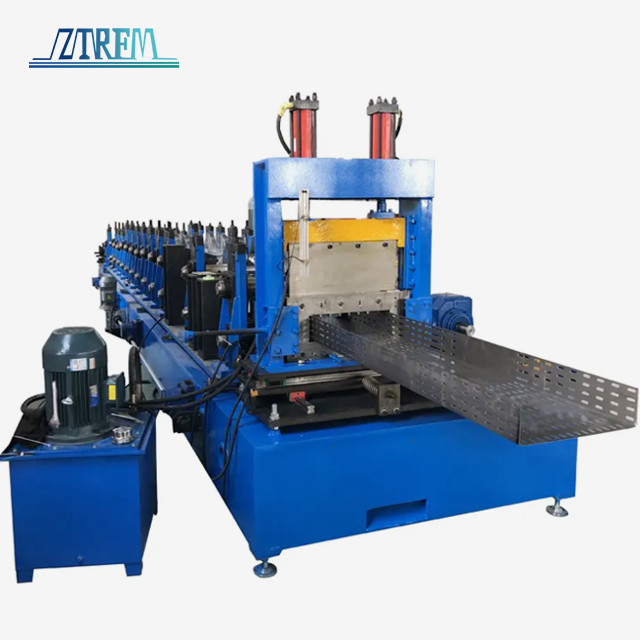
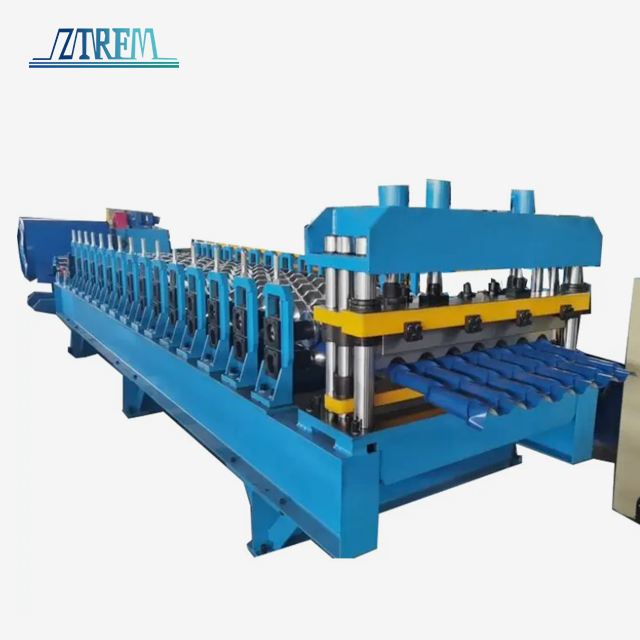
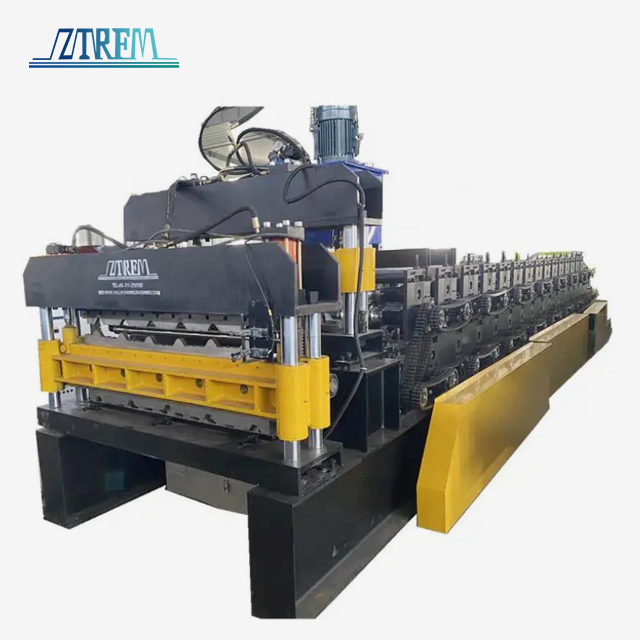
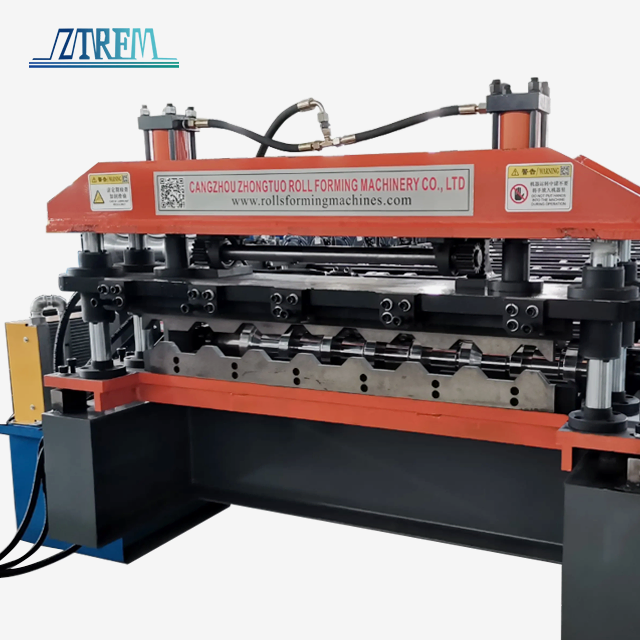
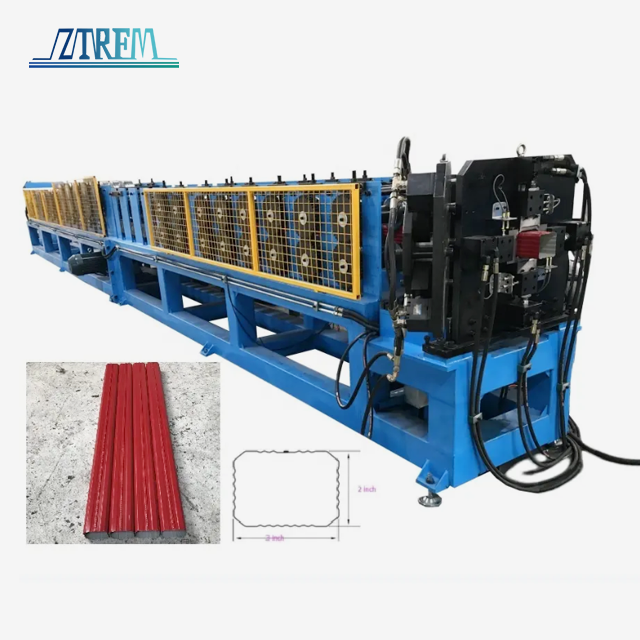
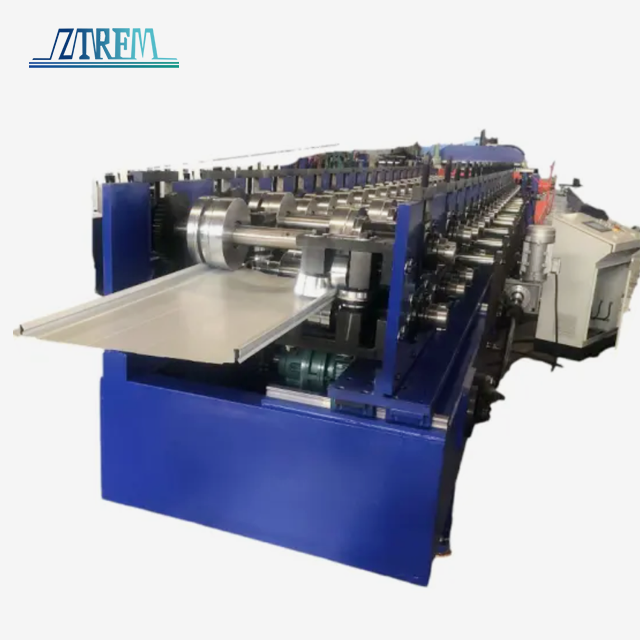
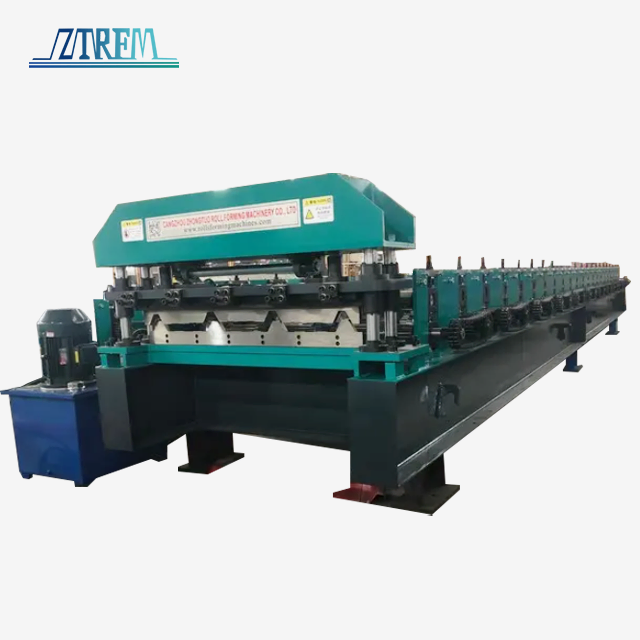
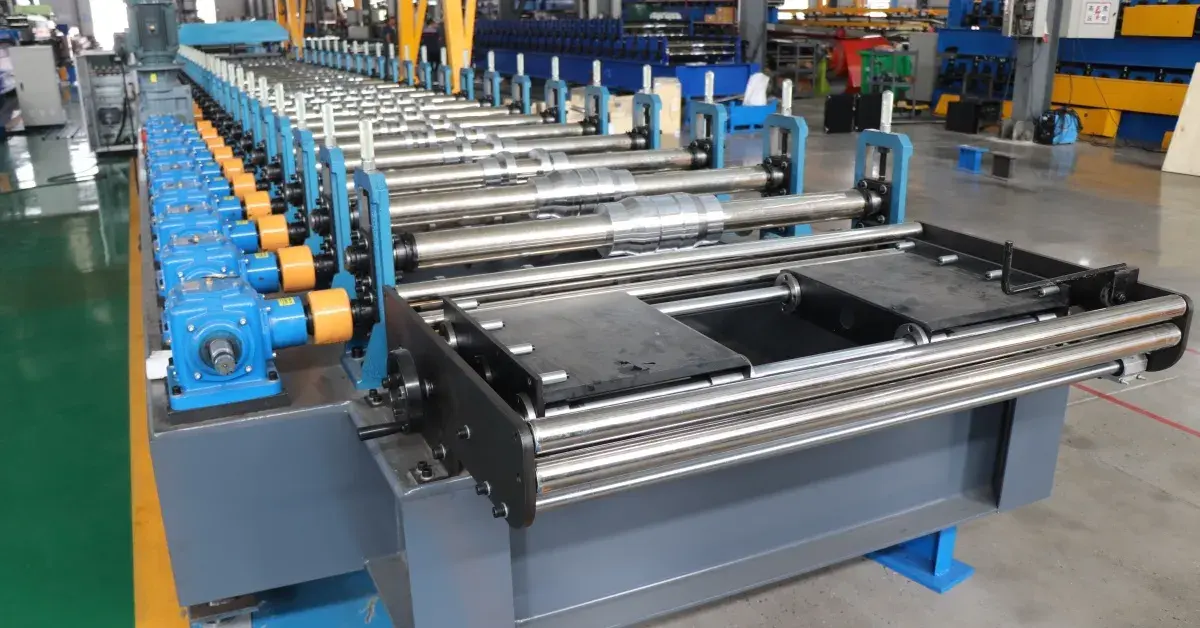
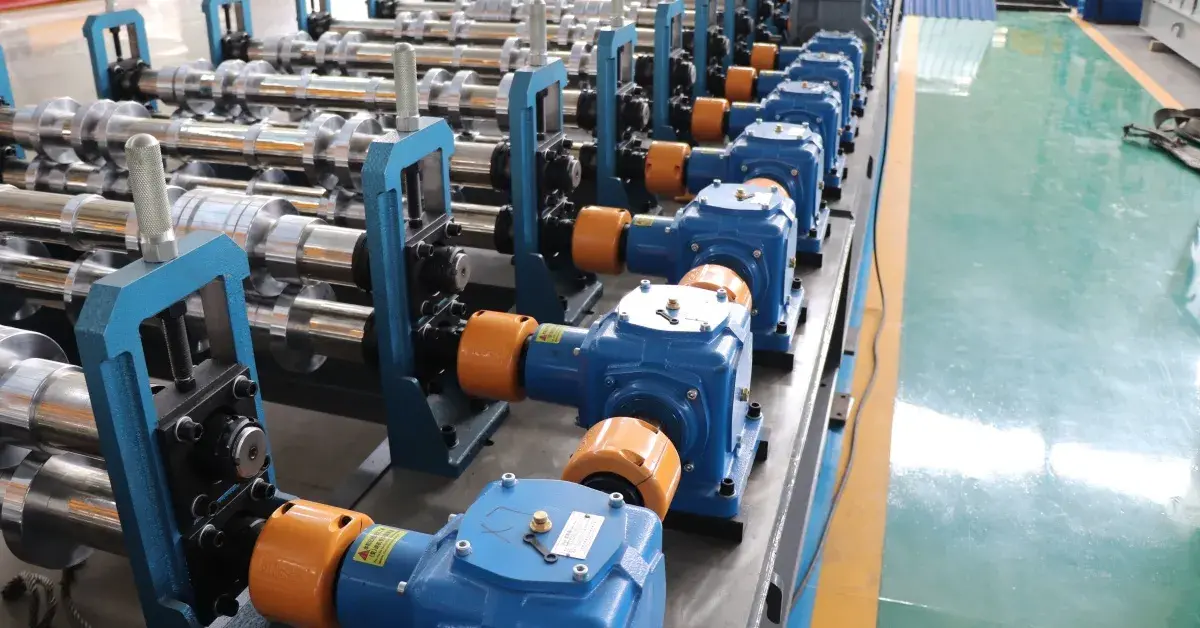
The trapezoidal sheet roll forming machine uses a special kind of cold-forming technology to bend flat metal strips into high-strength trapezoidal shapes piece by piece, without changing the thickness of the material. Through a number of perfectly designed roller stations, this machinery works with pre-painted galvanized steel, standard galvanized material, and aluminum strips that are between 0.3 mm and 1.0 mm thick. Modern machines have 26 sets of rollers made from 45# steel that are hard chrome-plated and fixed on 80 mm solid shafts that don't bend when they're under constant production loads. Material is shaped by passing it through a series of stations that gradually bend it until it has the final trapezoidal shape with rib heights and effective covering widths that meet design requirements for roofing and wall cladding uses.
Technical Architecture of Roll Forming Systems
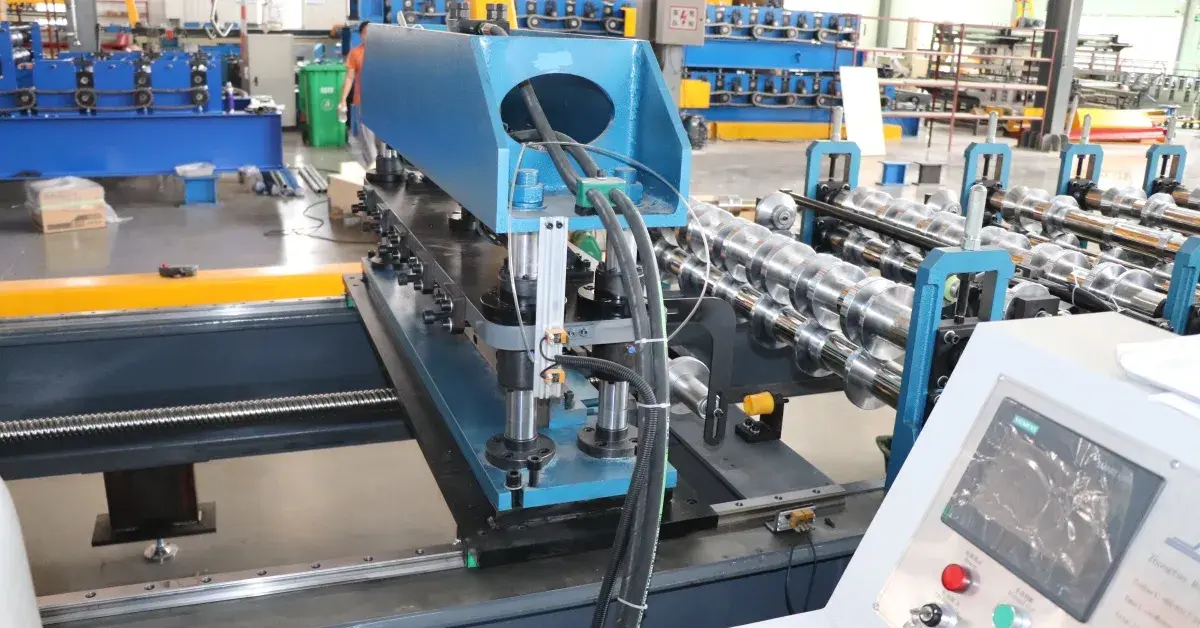
A strong mechanical building that is meant to last for a long time is at the heart of successful panel production. The machine body frame is made of 350 H steel, which is very stiff and keeps the frame from bending, which would affect the standards of the profiles during high-speed runs of up to 60 meters per minute. A PLC-based control system precisely controls the forming speed, length counting, and cutting steps. A 5.5 kW motor gives consistent power through a gearbox transfer system that reduces vibrations that could damage the quality of the panel surface. The dedicated 7.5 kW unit powers the hydraulic cutting system, which uses CR12MoV blades that can make clean cuts with ±1 mm tolerance across custom panel lengths from 3 feet to 20 feet 10 inches. This includes standard roofing panels and extended flashing components up to 20 feet 11 inches.
Metal Coil Preparation Systems
Metal coil forming lines are an important piece of equipment that gets the raw coil material ready for the roll-making process. These all-in-one systems usually have a driven decoiler that can handle coils that weigh up to several tons, a leveling unit with multiple rollers that get rid of coil set and internal stresses, and a feeding device that keeps the material tension constant while it's being made. The accuracy of forming depends on how straight the material is, because even a small amount of waviness in the material going into the trapezoidal sheet roll forming machine causes differences in the sizes of the final panels. Modern coil lines have loop control systems that keep the material between the decoiler and the forming machine. This lets the forming machine keep going while the decoiler stops to change coils, which increases efficiency and keeps production going.
Key Benefits of Integrating Metal Coil Forming Lines with Trapezoidal Sheet Roll Forming Machines
When manufacturers invest in systems that work well together, they see quick productivity gains that support the cost of the capital. Integrated lines speed up production cycles and reduce the amount of work that needs to be done by hand by getting rid of the need to move coils from storage to production. Material moves constantly from the coil through leveling and into forming, so design speeds can be maintained at a level that batch processing methods can't match. This continuity is especially helpful for big orders that need thousands of panels that are all the same, since the total run time is so long that the setup time is almost nothing.
Enhanced Production Efficiency
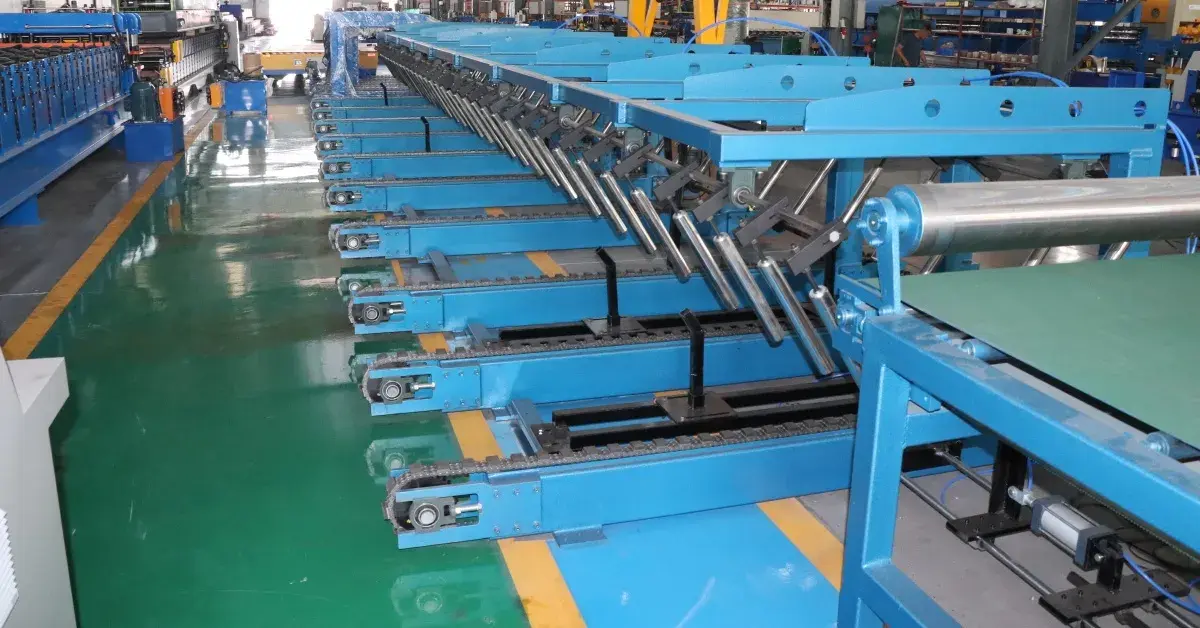
Integrated systems can reach levels of output that change the economics of production in a basic way. Running at speeds close to 60 meters per minute, one shift can make a lot of panels that would have taken several days of traditional manufacturing. The automated length control gets rid of the need to measure and mark, and the servo-driven cutting systems make exact cuts without any help from the user. Production data collected by PLC systems lets you see output rates in real time, which helps you plan for correct delivery times and capacity. When compared to semi-automated setups that need material storage and hand feeding, integrated lines save manufacturers 40 to 60 percent on labor costs per panel.
Superior Quality and Consistency
The mechanical accuracy that comes with constant handling leads to better quality. When the material goes into the making machine flat and under tension, the roller stations make turns that are the same across the whole width of the panel. This gets rid of the twisted or cambered profiles that happen when the material isn't flat and under tension. The hard chrome-plated rollers protect the finish on materials that have already been sprayed by keeping them from getting scratches that make them less weatherproof and less attractive. When dimensions are kept the same across production runs, panels will fit correctly when they are installed, which cuts down on field work and returns. Architects and builders really like how repeatable the profile geometry is that integrated systems provide. This is because the performance of the building shell rests on how well the panels fit together at the side-lap joints.
Cost Optimization and Maintenance Benefits
Besides direct benefits for production, combined lines also offer management benefits that build up over the life cycles of the equipment. Motor designs that use less energy and drive systems that work better than older machines that work on their own use less power, which lowers electric costs during long production runs. Integrated systems make maintenance scheduling easier because they have fewer parts. Technicians can service the whole line during planned breaks instead of having to coordinate the plans of multiple pieces of equipment. When used on synced systems, where bearing lubrication, wheel inspection, and hydraulic fluid changes happen at the same time, preventive maintenance plans work better. Manufacturers say that parts last longer when equipment is used in settings that are properly integrated. This is because constant material flow stops the shock loads and uneven wear that come with irregular operation.
Choosing the Right Equipment for Your Metal Coil and Trapezoidal Sheet Roll Forming Needs
When choosing equipment, it's important to match the technical skills to the specific needs of the production while also looking at the qualifications of the seller to see if they can provide long-term support. When choosing between standard setups and customized solutions, panel profile variety, material specs, and volume forecasts that set return on investment timelines are some of the things that are taken into account.
Profile Requirements and Machine Capabilities
The physical shape of trapezoidal profiles is different from that of corrugated or sinusoidal patterns. The unique rib structure makes them better at spandrels. Panels made on trapezoidal sheet roll forming machines can usually span up to 6 feet between supports. This means they can be used for both the roof and the walls of pre-engineered buildings, industrial stores, and commercial buildings. When you're looking at tools, make sure that the roller tooling can make the profile measurements that your market needs, such as the rib height, pitch spacing, and useful coverage width. When machines have roller stations that can be changed, shapes can be changed as customer needs change. This protects the investment in the equipment against changes in the market.
Automation Levels and Production Scale
There is a huge range in the size of manufacturing operations, from small shops that only make a few hundred panels a week to large factories that work multiple shifts and make thousands of panels every day. Basic systems with hand coil loading and basic length control work well for low-volume jobs where labor costs are cheap and saving money on capital is important. Mid-range automated systems have powered decoilers, automatic length measurement, and hydraulic cutting. These features make the job easier for operators while also making the output more uniform. Fully automated lines with loop control, automatic stacking, and built-in quality tracking are the best choice for high-volume producers who can't find enough workers and whose customers expect the best quality.
Supplier Evaluation and Credibility Verification
When choosing providers of tools, you need to do a lot of research, and not just compare prices at first. Cangzhou Zhongtuo is an example of a company that can do a lot of different things. Since 2014, they have been designing and making cold roll forming machines. As a national high-tech company, they offer OEM and ODM services as well as full supply chain support, which includes tools, raw materials, and extras. Their ISO9001, CE, and CAS certifications show that they are committed to quality standards, and the fact that they ship to more than 150 countries shows that they can bring goods anywhere in the world. Ask for customer examples from similar applications when looking at suppliers. You should also check the technical support system and make sure that spare parts are available. Finally, you should look at training programs that teach your team how to run the business.
Integration Best Practices: From Installation to Ongoing Operation
To integrate a system well, you need to do more than just choose the right equipment. You also need to carefully plan the installation steps, commissioning processes, and operating routines that will keep the system running smoothly for as long as the equipment lasts.
Technical Specification Alignment
Material fit is the most important thing to think about when planning a combination. Check that the coil line parts can handle the grades, thicknesses, and widths of materials that your production needs. Pay special attention to the highest coil weight capacity and material yield strength values. The diameter of the decoiler mandrel needs to match the inside diameters of your coils, and the leveling rollers need to have enough bending force for the thickness range of your materials. Line speed synchronization means matching the speed at which the coil is fed to the speed at which the roll-making machine makes things. This is usually done by communicating between systems using PLCs, which change the feeding speed on the fly. Making sure that the width of the coil fits with the width of the trapezoidal sheet roll forming machine keeps the edges of the material from getting damaged and ensures that the rollers contact properly across the whole width of the panel.
Installation and Commissioning Procedures
Professional installation teams follow a set of steps that make sure the system will work reliably. Accurately leveling the floor is the first step in positioning the equipment. Even small differences in the level of the base can cause alignment issues that make it hard for materials to move from one place to the next. Anchoring requirements need to take into account dynamic loads when working at high speeds, especially for cutting systems that create contact forces. During the commissioning phase, the rollers must be carefully adjusted to meet the shape dimensions that were specified. This means that measurements and changes must be made over and over again until the panels meet the tolerance standards. When you put test material through full production processes, it shows you problems like wrong cutting time or not enough material tension that need to be fixed before full production starts.
Maintenance Protocols for Sustained Performance
Schedules for preventive maintenance that are specific to integrated lines keep equipment in good shape and keep production from being interrupted by sudden breakdowns. Roller surfaces should be checked every month for damage or wear to the coating, shaft bearings should be checked for proper cleaning and strange noises, and hydraulic system pressure and fluid levels should be checked. Deep maintenance done every three months includes taking off the rollers for a close look, measuring important measures to see how wear is progressing, and replacing worn-out parts that are getting close to the end of their useful lives. Cutting blades made by CR12MoV usually work well for about 200,000 cuts before they need to be sharpened or replaced. However, this depends on the material and how well they are maintained. Keeping track of maintenance tasks and measuring how well equipment is working lets us use predictive methods to replace parts based on their real state instead of random intervals.
Future Trends in Metal Coil Forming and Trapezoidal Sheet Roll Forming Technologies
The roll forming business keeps moving forward with new technologies that boost output and meet the needs of growing markets that want more sustainability and operating freedom. IoT-enabled sensors are keeping an eye on important things like roller temperature, vibration signs, and material stress in real time as smart manufacturing ideas change the way equipment is made. This information is used by predictive maintenance algorithms to find problems before they break down. Interventions are planned for planned downtime instead of being called out for unexpected breakdowns. Cloud connection lets equipment makers access machine data for remote repairs, which cuts down on downtime and raises the rate of first-time fixes.
Increasing energy efficiency is a response to rising utility prices and worries about the environment. Variable frequency drives reduce the amount of power used by motors by adjusting output based on load needs instead of always running at full capacity. High-speed machines have regenerative braking systems that use slowdown cycles to collect kinetic energy and send it back to the building's electrical systems. LED lights, efficient hydraulic pumps, and better insulation on heated parts all work together to lower running costs and support green business goals. Market predictions for 2024 and beyond show that these technologies will be used more and more as equipment replacement rounds bring in better, more efficient systems. Manufacturers who put innovation first will be in a good situation as customers demand more environmentally friendly production methods that lower the total cost of ownership.
Conclusion
When you combine metal coil forming lines with trapezoidal sheet roll forming machines, you're not just connecting two pieces of equipment; you're making production systems that give you real competitive benefits through higher efficiency, consistent quality, and operational dependability. When you make decisions about what to buy based on a deep understanding of technical needs, supplier skills, and best practices for integration, you end up with investments in tools that help your business grow instead of creating ongoing operational problems. Modern forming systems can work at speeds of up to 60 meters per minute, control dimensions accurately to within ±1 mm, and work with materials ranging in thickness from 0.3 mm to 1.0 mm. This lets manufacturers meet strict customer requirements while keeping production costs low enough to stay profitable in competitive markets.
FAQ
1. What maintenance schedule optimizes trapezoidal roll forming machine uptime?
Most surprising breakdowns can be avoided by checking the roller surfaces, bearing lubrication, and hydraulic systems once a month. Deep maintenance, which includes measuring and carefully looking at rollers every three months, makes sure that parts stay within standard limits. With the right care, the hard chrome-plated wheels can last more than 10 years, while the cutting blades need to be replaced every two to three years, based on the amount of work they do and the properties of the material.
2. Can integrated systems handle different material thicknesses efficiently?
Modern machines can handle material thicknesses from 0.3 mm to 1.0 mm because the roller spacing can be changed. However, if the thickness changes a lot, the roller position may need to be changed, or different cutting sets may need to be used. If the thickness of the materials being used changes a lot during production, choose tools that can change thickness quickly or think about using separate lines for each type of material to keep quality high and changeover times short.
3. What delivery timelines should procurement teams expect?
Standard configuration equipment typically requires 8 to 12 weeks from order confirmation to delivery, while customized systems with special roller tooling or unique specifications may extend to 16 weeks. International shipping, clearing customs, and installation all take extra time. To keep production plan promises, it's important to start working with providers early. Reputable manufacturers provide detailed project timelines during the quote phase, which makes planning easier.
Partner with ZTRFM for Advanced Trapezoidal Sheet Roll Forming Solutions
ZTRFM offers complete roll forming options that are designed to improve your panel production capabilities through tested technology and quick help around the world. We have been designing and making cold roll forming machines since 2014, so we know the technical needs and operating problems that makers of building roofing systems, light steel structures, and metal fabrication shops in a wide range of markets face. Our high-speed trapezoidal sheet roll forming machine manufacturer qualifications include ISO9001, CE, and CAS certifications that prove our quality management systems. Our shipping experience in more than 150 countries shows that we can handle global logistics and provide cross-border support.
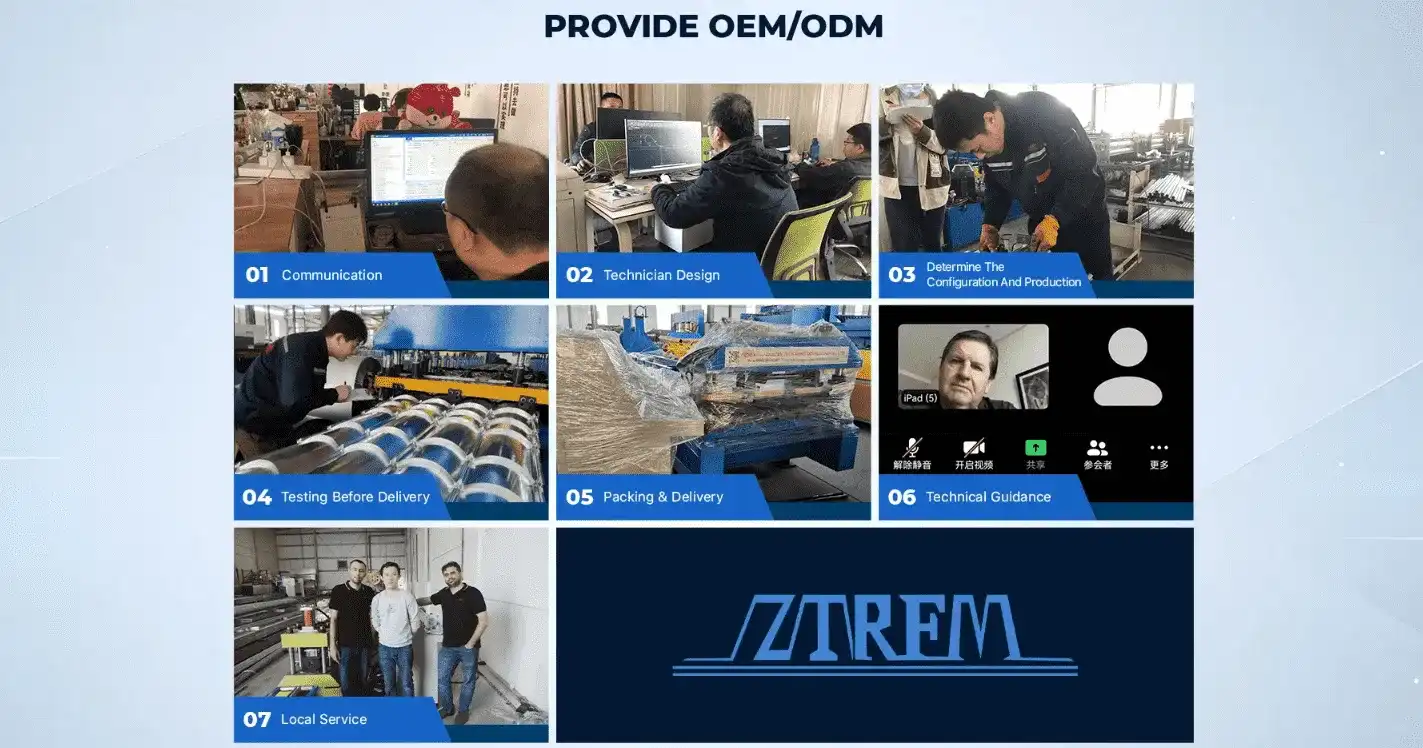
Our equipment's specs are based on real production needs: forming speeds of up to 60 meters per minute increase output, and PLC-based controls make operation easier and allow for exact length management. The strong 350 H steel frame and hard chrome-plated wheels ensure long-lasting performance. You can also get your team fully trained in how to use the machine through thorough training programs. Our OEM and ODM services can make sure you get the exact tools you need, whether you need standard configurations or custom solutions with specific roller shapes, automated material handling, or special electrical needs. Email our expert team at zhongtuorollforming@gmail.com to talk about your production goals, get full specs, and find out how ZTRFM's combined forming systems can help you solve your manufacturing problems and grow your business in the long run.
References
1. Smith, J.R. & Thompson, M.K. (2022). Cold Roll Forming Technology: Principles and Applications in Modern Manufacturing. Industrial Press.
2. International Association of Roll Forming Engineers. (2023). Best Practices for Metal Coil Processing Systems Integration. IARFE Technical Publication Series.
3. Chen, L. & Rodriguez, A. (2021). "Optimization of Trapezoidal Profile Roll Forming Parameters for Enhanced Structural Performance." Journal of Manufacturing Processes, 68, 234-247.
4. National Institute of Standards and Technology. (2023). Quality Control Guidelines for Sheet Metal Forming Operations. NIST Manufacturing Engineering Laboratory.
5. Williams, D.P. (2022). Predictive Maintenance Strategies for Industrial Roll Forming Equipment. McGraw-Hill Professional.
6. European Committee for Standardization. (2023). Cold Rolled Steel Products - Technical Delivery Conditions for Structural Steels. EN 10346:2023 Standard.