- English
- French
- German
- Portuguese
- Spanish
- Russian
- Japanese
- Korean
- Arabic
- Irish
- Greek
- Turkish
- Italian
- Danish
- Romanian
- Indonesian
- Czech
- Afrikaans
- Swedish
- Polish
- Basque
- Catalan
- Esperanto
- Hindi
- Lao
- Albanian
- Amharic
- Armenian
- Azerbaijani
- Belarusian
- Bengali
- Bosnian
- Bulgarian
- Cebuano
- Chichewa
- Corsican
- Croatian
- Dutch
- Estonian
- Filipino
- Finnish
- Frisian
- Galician
- Georgian
- Gujarati
- Haitian
- Hausa
- Hawaiian
- Hebrew
- Hmong
- Hungarian
- Icelandic
- Igbo
- Javanese
- Kannada
- Kazakh
- Khmer
- Kurdish
- Kyrgyz
- Latin
- Latvian
- Lithuanian
- Luxembou..
- Macedonian
- Malagasy
- Malay
- Malayalam
- Maltese
- Maori
- Marathi
- Mongolian
- Burmese
- Nepali
- Norwegian
- Pashto
- Persian
- Punjabi
- Serbian
- Sesotho
- Sinhala
- Slovak
- Slovenian
- Somali
- Samoan
- Scots Gaelic
- Shona
- Sindhi
- Sundanese
- Swahili
- Tajik
- Tamil
- Telugu
- Thai
- Ukrainian
- Urdu
- Uzbek
- Vietnamese
- Welsh
- Xhosa
- Yiddish
- Yoruba
- Zulu
How to Evaluate Roofing Sheet Making Machine Vendors
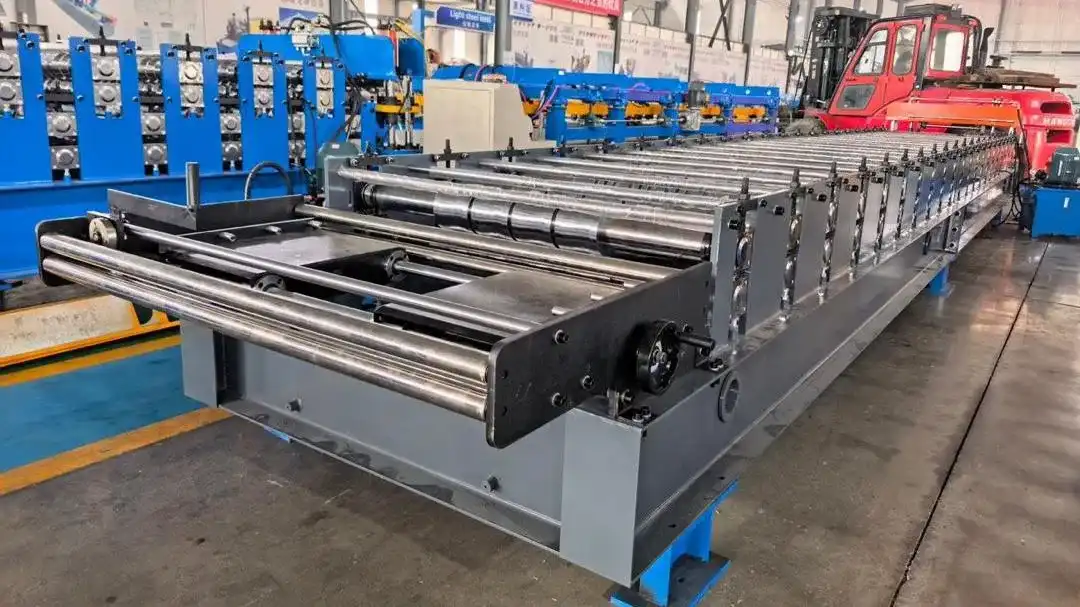
When evaluating roofing sheet-making machine providers, apply a rigorous strategy that balances technical performance, long-term support, and profitability. The R101 Roofing Sheet Making Machine, which creates trapezoidal profiles for commercial and residential roofing, requires procurement managers to consider many considerations when choosing a vendor. These include machine precision, automation, maintenance, and vendor customization. This evaluation approach ensures operational continuity, manufacturing quality, and the flexibility to adapt to changing market demands in competitive industrial settings, protecting your investment.
Understanding the Roofing Sheet Making Machine Market Landscape
The R101 Roofing Sheet Making Machine is in demand among light steel structure builders, roofing system manufacturers, and corrugated sheet producers. In a congested market, buyers may struggle to distinguish between good and ordinary sellers of R101 roofing sheet making machines without clear assessment criteria.
Common Machine Types and the R101 Profile Advantage
Modern roofing sheets are created using cold roll forming, which forms flat metal strips into precise contours without heating them. Because it keeps water out and supports loads, the trapezoidal R101 design, with an effective covering width of 1,010 mm, is conventional in North American and Latin American architecture. This design works well for wide-span applications where purlin spacing maximizes cost savings. Most machines with this design include 16–22 forming stations that progressively shape material without stress fractures. Standard R101 Roofing Sheet Making Machines can handle 0.3 mm to 0.8 mm thick materials, galvanized or pre-painted steel at 15 m/min, and offer ±2 mm accurate length control with hydraulic cutting systems.
Key Technical Specifications Impacting Operational Efficiency
Forming stations, roller width, and motor power affect productivity. To reduce wear, a robust machine includes hard chrome-plated GCr15 bearing steel rollers and 70 mm steel rods. Cr12MoV mould steel heat-treated to HRC 58–62 makes the hydraulic cutting unit durable when used continually. Energy consumption is crucial to cost calculations. A 5.5 kW primary motor and a 4 kW hydraulic unit utilize typical quantities of electricity; thus, a three-phase 380V/50Hz power supply estimates operational expenses. Machine longevity depends on frame design. The robustness of welded H-beam frames with 16 mm wall plates helps machines form precisely during millions of production cycles.
Prevalent Vendor Selection Challenges
Buyers often encounter claims of inconsistent quality without certifications, unreliable after-sales support networks, especially for international deployments, unclear pricing that makes it hard to calculate the total cost of ownership, and delivery delays that disrupt project schedules. Vendors without ISO 9001 or CE certificates pose higher risks since such standards ensure product consistency and electrical safety.
Defining Core Evaluation Criteria for Vendors
Product Quality: Assessing Machine Build Integrity
Quality evaluation begins with a technical investigation of the R101 roofing sheet making machine. Check roller material parameters. Comparing true GCr15 steel to cheaper substitutes affects wear resistance and profile consistency. Show hardness testing to prove the rollers satisfy HRC criteria. The machine may use full-hard G550 steel or soft G300 steel, depending on shaft width and wall thickness. Control systems demonstrate technological advancement. Delta, Siemens, and Mitsubishi PLC machines can preset length and production figures on touchscreen displays, making operators' duties simpler. Without automated control, machines must be measured by hand for every cut, reducing production and increasing scrap. Business rules provide objective quality measures. CE certification ensures electrical safety and electromagnetic compatibility, while ISO 9001 certification ensures uniform manufacture. Suppliers should provide factory acceptance test (FAT) techniques that demonstrate the machine working continuously under load for at least two hours to test the hydraulic system and PLC.
Comprehensive ROI Analysis and Pricing Considerations
The purchase price is only part of the ownership cost. Predict output, material economy, energy usage, and care costs over the next five years to calculate ROI. Cheaper machines may not be as good as 15% more expensive ones with 20% quicker line speeds and 5% greater material returns. Carefully inspect the pieces. The pricing includes manual or automatic decoiler machines, runout tables, and hydraulic pump systems, right? Some merchants publish a machine's base price without including extras, which raises the price. Ask if the price includes electrical panels, PLC code, and the initial spare components.
After-Sales Service and Maintenance Support
Equipment failure cuts earnings. Review the guarantee. Trustworthy sellers cover electrical and construction parts for at least one year and two years, respectively. Spare parts availability determines repair speed. Those who ship every part worldwide have more production breaks than regional warehouse vendors. Good sellers excel at technical support. Does the supplier supervise on-site work? Can video specialists address issues during your shifts? Comprehensive training programmes on machine operation, regular maintenance, and basic mending teach your staff how to fix small problems themselves, reducing the number of service calls.

Comparing R101 Roofing Sheet Making Machine Vendors: What to Look For?
In addition to technical needs, the vendor's organizational abilities and commercial practices affect procurement success.
Gauging Vendor Credibility Through Certifications and Reviews
Certification portfolios indicate business maturity. ISO 9001, export certificates, and customs documentation demonstrate your quality management system and international company experience. Vendors who serve over 150 countries understand logistics and a variety of electrical, voltage, and shipping regulations. Case studies and client feedback demonstrate service. Ask for the names of customers with similar production rates and parameters. Directly ask these sources regarding equipment reliability, seller commissioning speed, and long-term support. Reference checks are accepted by honest dealers; refusal signals a prior issue.
Customisation Capabilities and Logistics Management
Roofing system manufacturers typically need profile adjustments beyond R101. If a manufacturer allows engineering modification, engineers can modify roller shapes to meet curves, forming station layouts to accommodate varied material thicknesses, drainage hole cutting equipment, and the roofing sheet making machine. This lets you adjust your investing decision when products change. Logistics skills impact work completion time. Experienced sellers handle export paperwork, freight management, and delivery timeframes to match your facility's readiness. Knowing production, shipping, and customs wait periods helps save costly project delays.
Payment Flexibility and Negotiation Leverage
Structured payment periods help manage cash flow for large purchases. Progressive payment schedules—deposits when the order is confirmed, instalments at important production milestones, and the final payment once the project is commissioned—distribute financial impact and motivate suppliers to do well. Some vendors provide financing or leasing, which can aid startup enterprises with limited resources. Negotiate big orders and multi-machine prices. When you acquire more than three machines or equipment that work well together, such as purlin roll formers or sandwich panel lines, providers usually drop the unit price. Contracts with performance guarantees safeguard against poor delivery, but volume pledges make negotiations simpler.

Real-World Case Studies: Successful Procurement of R101 Machines
Actual examples demonstrate how savvy partner selection leads to operational success for all levels and types of enterprises.
Case Study: Regional Manufacturer Scaling Production Capacity
A medium-sized Texas roofing manufacturer struggled to meet increased farm construction demand due to inconsistent profiles and scrap rates of about 8% from their antiquated hand-folding equipment. After reviewing five sources, they selected a supplier offering an R101 roofing sheet making machine with Delta PLC control, 18 forming stations, and hydraulic cutting. The vendor provided on-site installation support, five-day operator training, and a regional service centre within 200 miles. Results: The R101 roofing sheet making machine ran at 15 m/min, quadrupling output, while scrap dropped to 2.3% due to automated length control. Six months later, the vendor modified the rollers to produce a second corrugated profile without new equipment, expanding product offerings.
Case Study: International EPC Company Establishing Multi-Site Operations
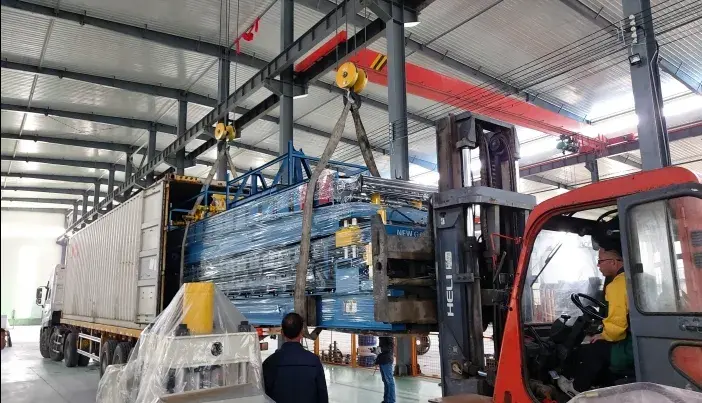
A multinational engineering firm needs standard-forming tools for five-country projects. They prioritize certifications that allow equipment to clear customs in several countries, voltage flexibility for different power systems, and vendors' ability to offer comparable machines with the same specs for many orders. The ISO 9001, CE, and CAS-certified supplier shipped six R101 roofing sheet making machines over 18 months. Each unit has the same forming factors but varied electrical settings to satisfy local power standards (380 V/50 Hz, 220 V/60 Hz, and 440 V/60 Hz). The vendor assigned a project manager to organize deliveries, recruit local commissioning specialists, and maintain a central spare parts inventory for all sites. This partnership has strategic benefits beyond tool purchases. Standardized tools and maintenance methods helped operators learn new jobs and monitor additional components. A roofing sheet making machine from the production line was moved to another site to speed up shipment when one facility needed more production capacity. This answer established a long-term supply partnership.
Conclusion
Good vendor evaluations incorporate technical examination, financial analysis, service infrastructure study, and relationship development into a decision framework. Prioritize providers with certifications and test methodologies, straightforward pricing that covers total ownership costs, rapid after-sales support, and verifiable references and track records. Establishing clear goals, setting acceptable deadlines, and solving difficulties together builds connections. Performance reviews and candid feedback build supplier relationships. This promotes development and ensures everyone is on the same page as your business and market change.
FAQ
1. How can I verify a vendor's authorization to supply genuine R101 equipment?
Request business licenses, certificates, and manufacturing site evidence. Honest manufacturers provide factory audit reports, quality system certificates, and customs export records. Contact certification bodies directly to verify ISO or CE certifications. Visit the facility regularly to watch how they create and verify quality.
2. What technical details should I request before purchasing?
Request complete machine specs, including roller material, shaft lengths, motor power, hydraulic system pressures, and PLC brand and model. Ask for forming station layouts, cutting blade information, and size tolerance guarantees. Get electrical, foundation, and maintenance plans. Explain what extras, spare parts kits, and training are included in the price.
3. How do I ensure a reliable spare parts supply long-term?
Check if the merchant stocks parts instead of creating them. Request part pricing and delivery timeframes. Determine if the seller ships all orders overseas or has local distribution locations. To save on critical worn parts, negotiate extra parts bundles when you buy them.
Partner with ZTRFM for Your Roofing Sheet Production Needs
After 10 years in roll forming, ZTRFM can advise you on purchases. They create innovative solutions for roofing and metal construction manufacturers. Our R101 Roofing Sheet Making Machine is ISO 9001 and CE certified and made to last, with global support. From material choice to automation, our technical staff works with customers to put up equipment that fulfill all their production demands. Reach out to zhongtuorollforming@gmail.com to discuss your project and receive technical quotes. Our quotations clearly state the system's pricing, realistic arrival dates, and service guarantees.

References
1. Halmos, G. T. (2006). Roll Forming Handbook. Manufacturing Engineering Society International.
2. American Iron and Steel Institute. (2017). Cold-Formed Steel Design Manual. AISI Standards Committee.
3. Bhattacharyya, D., Smith, P. D., Yee, C. H., & Collins, I. F. (1984). "The Prediction of Deformation Length in Cold Roll Forming." Journal of Mechanical Working Technology, 9(2), 181-191.
4. International Organization for Standardization. (2015). ISO 9001:2015 Quality Management Systems — Requirements. ISO Central Secretariat.
5. Lindgren, M. (2007). "Experimental and Computational Investigation of the Roll Forming Process." Doctoral Dissertation, Luleå University of Technology.
6. Metal Construction Association. (2019). Metal Roofing Systems Design Manual. MCA Technical Publications.
_1750323743240.webp)