- English
- French
- German
- Portuguese
- Spanish
- Russian
- Japanese
- Korean
- Arabic
- Irish
- Greek
- Turkish
- Italian
- Danish
- Romanian
- Indonesian
- Czech
- Afrikaans
- Swedish
- Polish
- Basque
- Catalan
- Esperanto
- Hindi
- Lao
- Albanian
- Amharic
- Armenian
- Azerbaijani
- Belarusian
- Bengali
- Bosnian
- Bulgarian
- Cebuano
- Chichewa
- Corsican
- Croatian
- Dutch
- Estonian
- Filipino
- Finnish
- Frisian
- Galician
- Georgian
- Gujarati
- Haitian
- Hausa
- Hawaiian
- Hebrew
- Hmong
- Hungarian
- Icelandic
- Igbo
- Javanese
- Kannada
- Kazakh
- Khmer
- Kurdish
- Kyrgyz
- Latin
- Latvian
- Lithuanian
- Luxembou..
- Macedonian
- Malagasy
- Malay
- Malayalam
- Maltese
- Maori
- Marathi
- Mongolian
- Burmese
- Nepali
- Norwegian
- Pashto
- Persian
- Punjabi
- Serbian
- Sesotho
- Sinhala
- Slovak
- Slovenian
- Somali
- Samoan
- Scots Gaelic
- Shona
- Sindhi
- Sundanese
- Swahili
- Tajik
- Tamil
- Telugu
- Thai
- Ukrainian
- Urdu
- Uzbek
- Vietnamese
- Welsh
- Xhosa
- Yiddish
- Yoruba
- Zulu
Metal Cladding Machines and Trapezoidal Sheet Roll Forming: Improving Building Exteriors
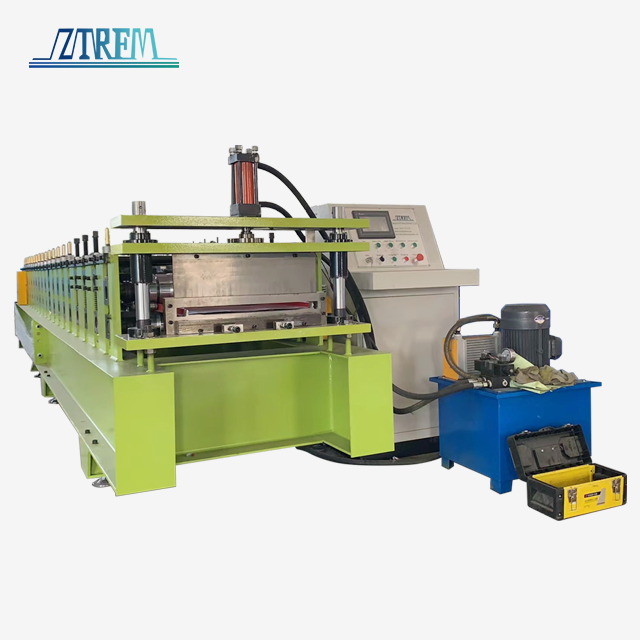
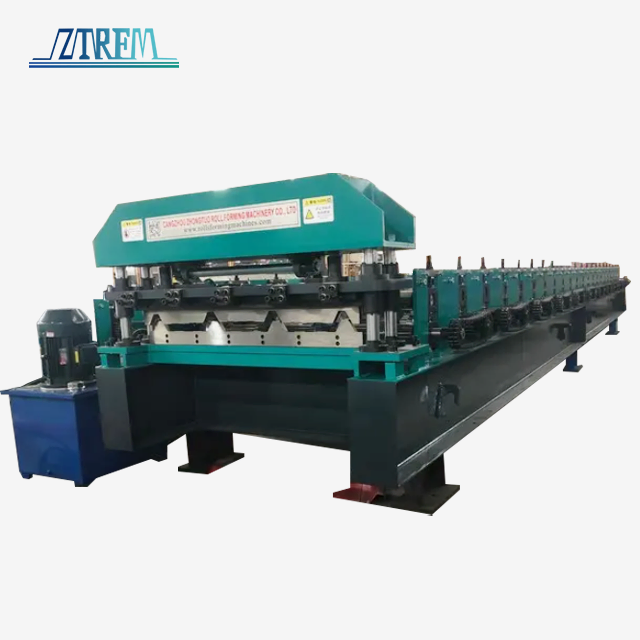
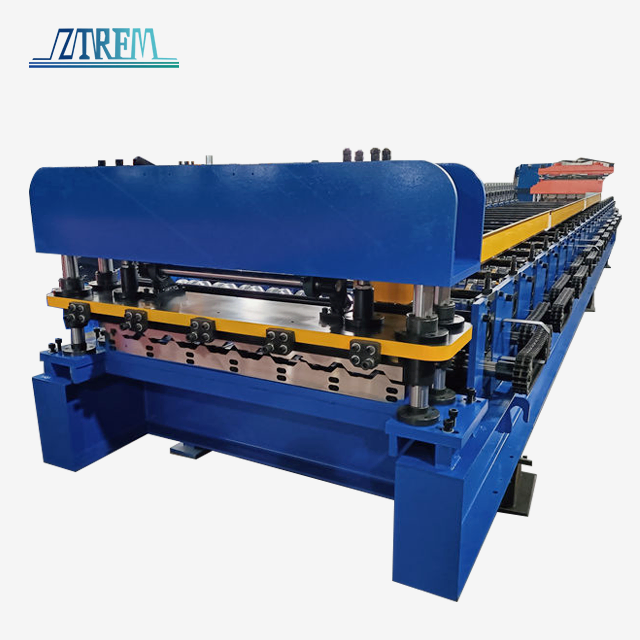
Today, we can see the results of precision metal forming technology in commercial warehouses, factories, and building facades all over the United States. The trapezoidal sheet roll forming machine is an important tool for turning flat metal strips into solid roofing and wall panels that look good and can hold weight. These automated systems solve common production problems like uneven forming quality, slow output, and geometric errors while providing profiles that can be changed to fit different architectural needs. In the last ten years, advanced roll forming equipment has changed the exterior standards of buildings by letting manufacturers make long-lasting, weatherproof panels at speeds of up to 60 meters per minute.
Understanding Trapezoidal Sheet Roll Forming Machines and Their Role in Metal Cladding
There has been a big shift in the construction industry toward more efficient ways to make metal things. Roll forming machines that are specially made to make ribbed panels with great structural qualities are at the heart of this change.
What Defines a Trapezoidal Roll Forming System
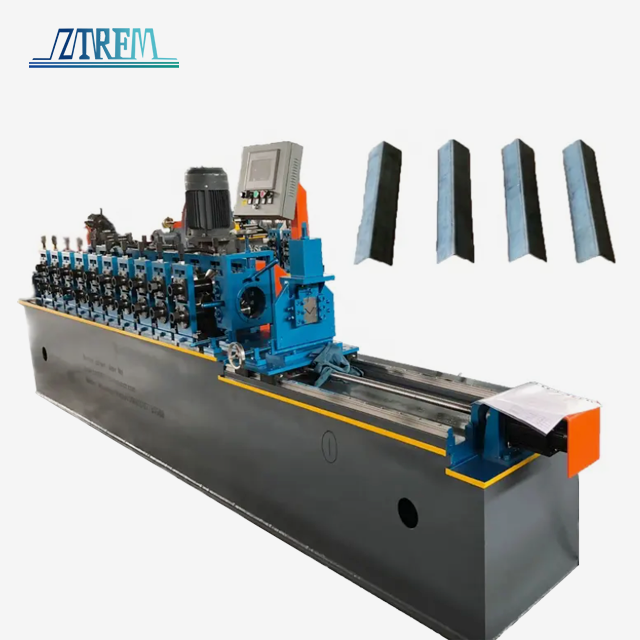
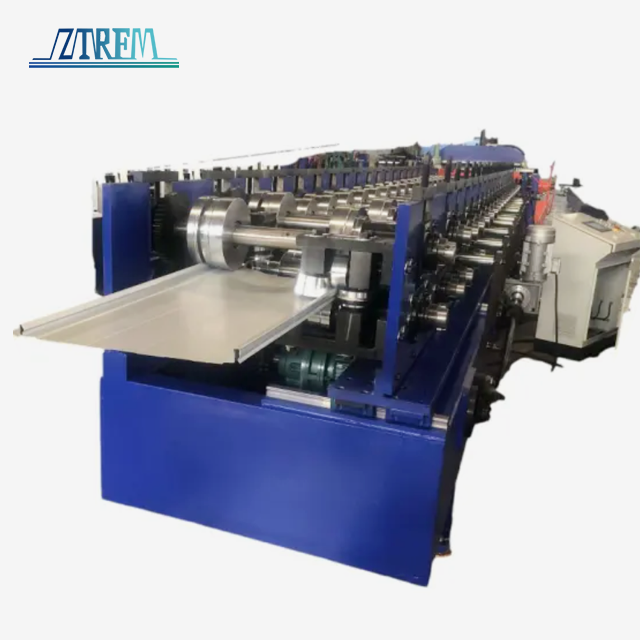
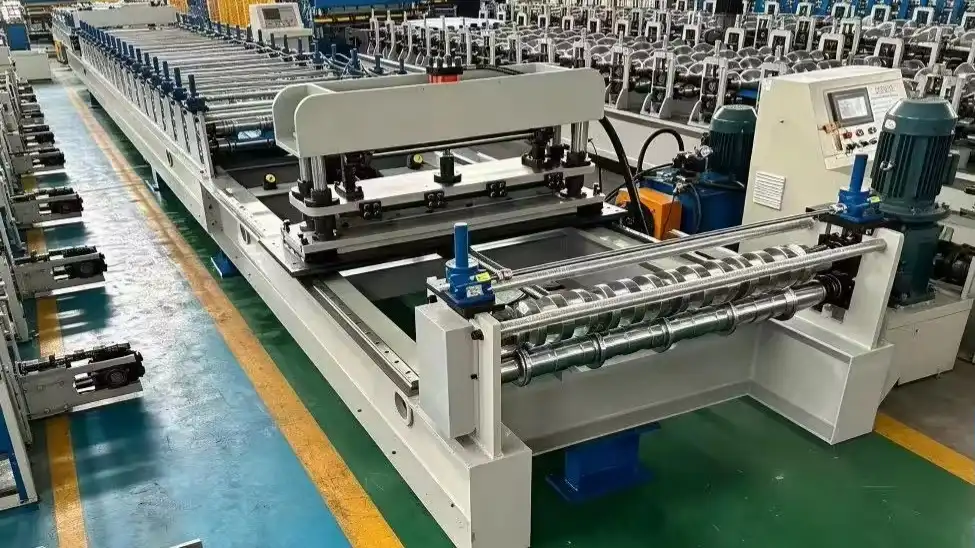
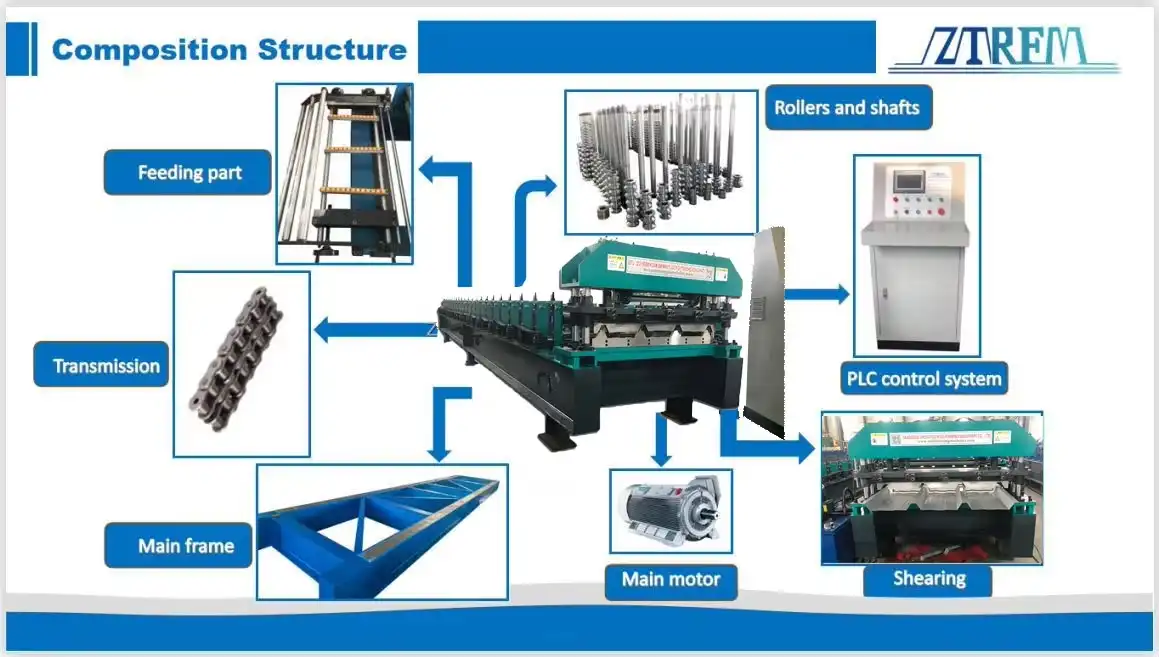
Sequential metal bending is how roll making works. Flat coils of metal are fed through carefully measured roller stations. Each station gradually forms the material without changing its thickness. This keeps the purity of the base metal. Our experience making things at Cangzhou Zhongtuo has taught us that accuracy is very important. For example, 26 roller stations made of hard-chrome-plated 45# steel make sure that the profile geometry stays the same across production runs. The trapezoidal shape has a higher moment of inertia than simpler curves. This means that panels can span farther between support purlins while the structure stays straight.
Galvanised steel, pre-painted steel (PPGI), and aluminium strips with a thickness of 0.3 mm to 1 mm are just some of the materials that modern tools can work with. The PLC-controlled system lets makers set exact cut lengths from 3 feet to over 20 feet, which gets rid of the waste that comes with using older ways of fabrication. This level of control solves a major problem for companies that make roofing systems: they need panels to be the same size so that they can be installed quickly and easily.
Why Building Exteriors Demand Advanced Metal Cladding Solutions
Architects and engineers choose metal cladding systems because they improve performance in many ways at once. The curved shape keeps water away from weak connection points, which fixes the problem of capillary action that comes up with flat metal installs. To keep insulation and structural parts from getting damaged by water during heavy rainstorms that happen along the coast, trapezoidal profiles that are properly formed are essential.
In addition to being resistant to weather, these panels made by a trapezoidal sheet roll forming machine also perform better in terms of heat. Because the profile form creates air gaps, it doesn't provide great insulation, but the metal surface is reflective, so it keeps heat from escaping. When building owners use foam-backed composite panels made on special multilayer forming lines together, their energy costs go down by a lot. This has been especially important for industrial building owners whose energy costs are going up.
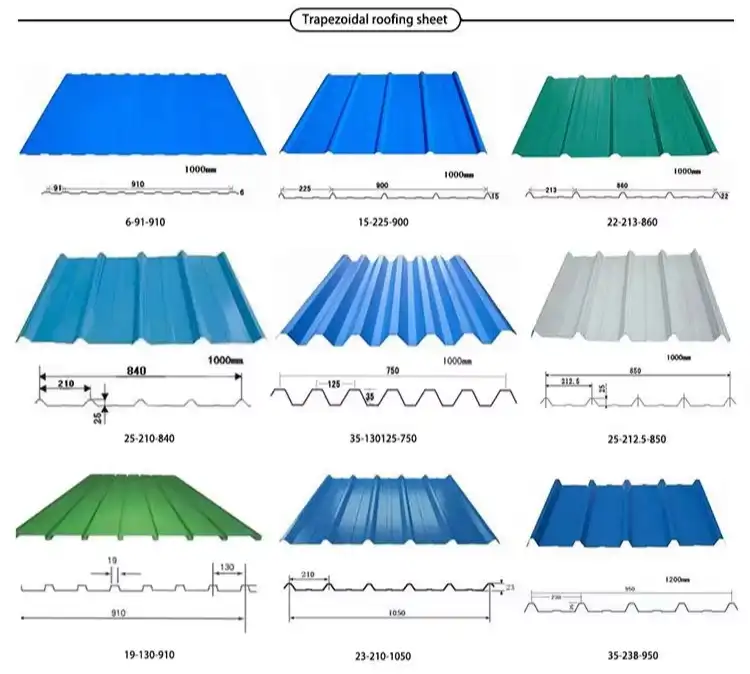
Comparing Trapezoidal Sheet Roll Forming Machines: Making an Informed Procurement Decision
When choosing the right forming tools, you need to carefully think about how much it will cost to run in the long run, the production needs, and the material specs. The differences in how machines are set up have a direct effect on how well they can make things and how good the products they make are.
Trapezoidal versus Corrugated Profile Capabilities
Both types of profiles are used for covering, but trapezoidal sheets work best in situations where they need to hold more weight. Because the angled ribs spread stress better than the sinusoidal curves of corrugated panels, they are perfect for roofs that cover large bay spaces. On the other hand, corrugated shapes offer more aesthetic options and more freedom for curved uses.
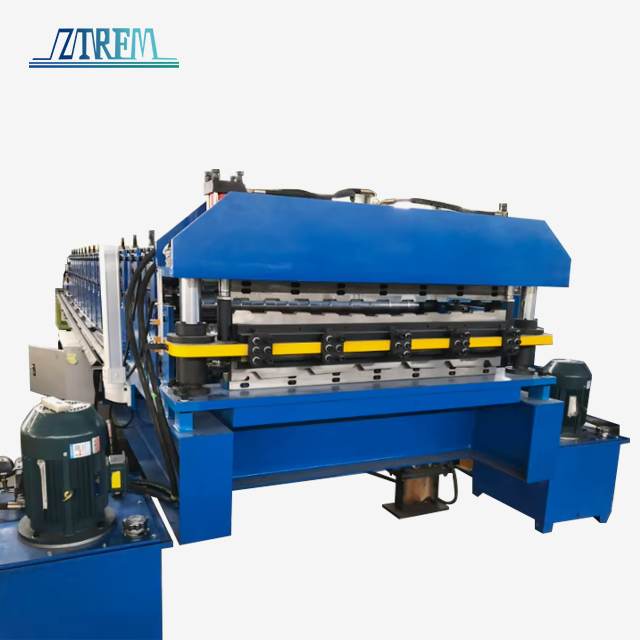
A machine with a single configuration only makes one type of profile. But companies that make things for a wide range of customers are investing more and more in double-layer systems that have two full roller sets inside one frame. This method cuts down on the need for floor space while still allowing for flexible production. Based on the questions we get, composite sandwich panel manufacturers really like this feature because they can use both profile types to meet the needs of different projects.
Manual Operation versus Full Automation Systems
The choice between manual and automatic methods is largely based on how much is being made and how many workers are available. For manual machines, the person using them has to measure and mark the cut points, then, for each panel, turn on the hydraulic cutting system. This method works well for custom fabrication shops that make a lot of different lengths in small batches and value setup freedom over production speed.
Servo-controlled feeding, PLC length setting, and automatic cutting routines are all built into automated systems. Our high-speed models can form at 60 meters per minute and have a cutting accuracy of ±1 mm, which changes the economics of production for big makers. An automatic line with two shifts can make more than 500,000 square feet of roofing every month, which is enough to meet the needs of EPC companies working on industrial park projects with multiple buildings. The PLC interface also stores profile programs, which let you quickly switch between different panel specifications without having to make any mechanical changes.
Hydraulic versus Mechanical Cutting Systems
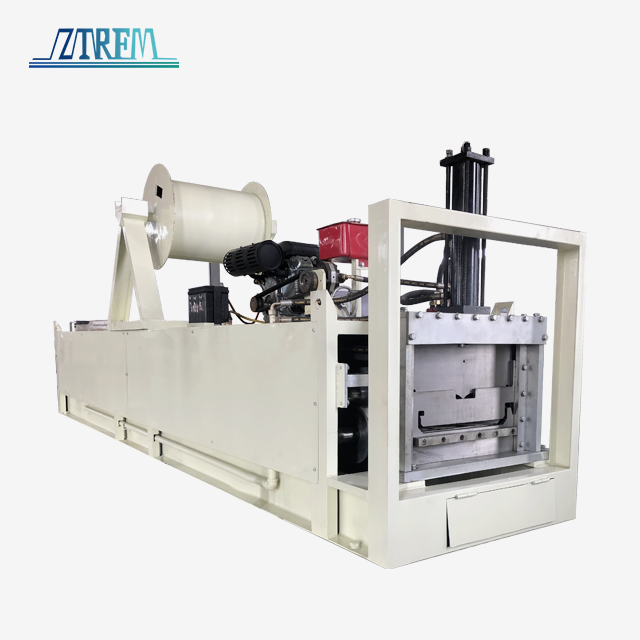
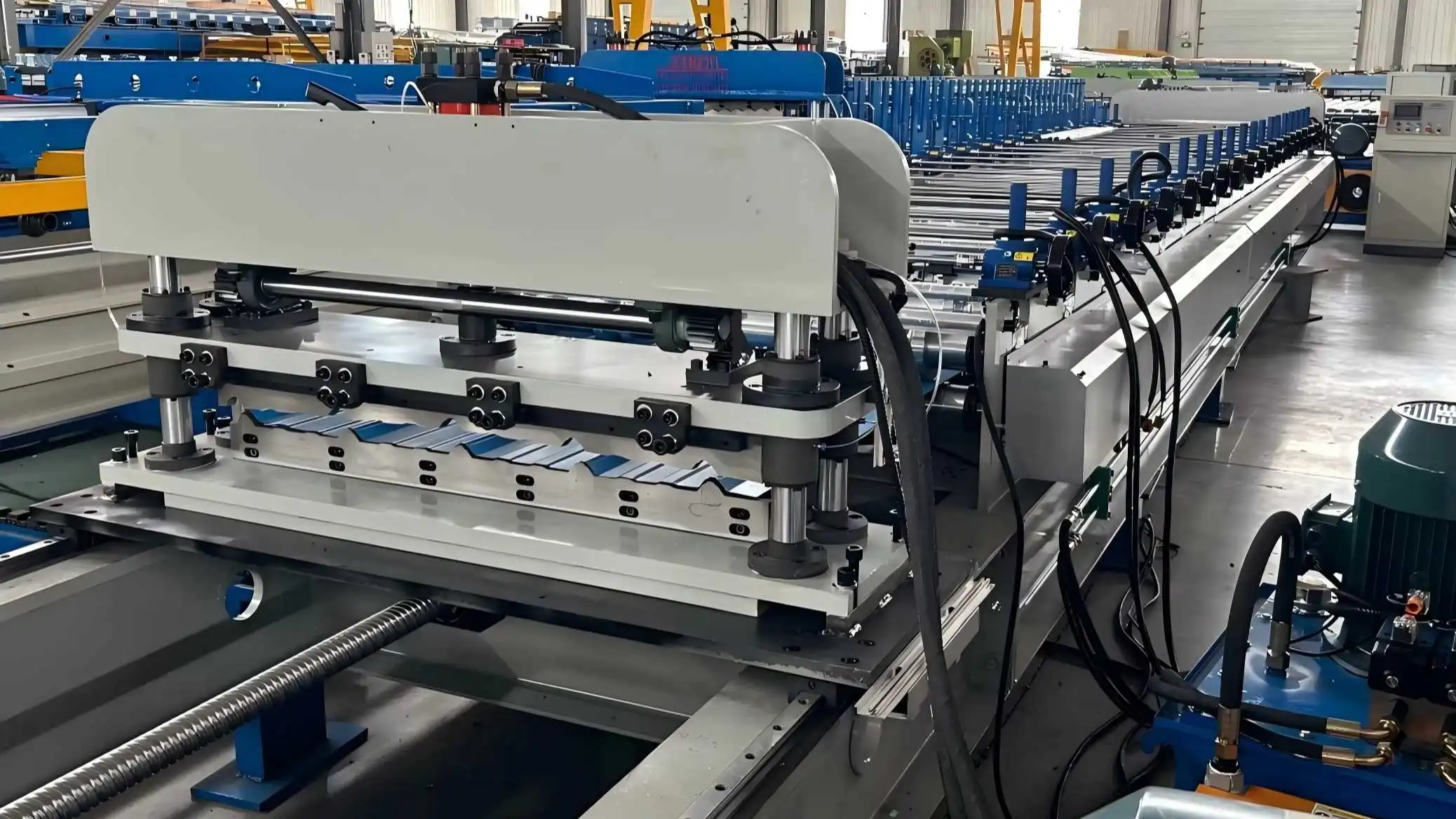
The choice of cutting mechanism affects the quality of the edge and how often it needs to be maintained. Hydraulic systems use CR12MoV blade material and 7.5kW pumps to power them. This makes clean cuts without burrs that don't need to be deburred again. The hydraulic pressure is spread out evenly across the cutting blade, which keeps the material from getting warped like it can in mechanical shear systems.
Flywheel motion or a straight motor drive is what makes mechanical cutting work. Even though these systems are easier to build and cost a little less at first, they produce more energy and need to have their blades adjusted more often. Hydraulic cutting is better for manufacturers working with pre-painted materials because it protects the surface better and causes less damage to the paint coating along the cut edges.
Maintenance and Operational Best Practices for Long-Term Efficiency
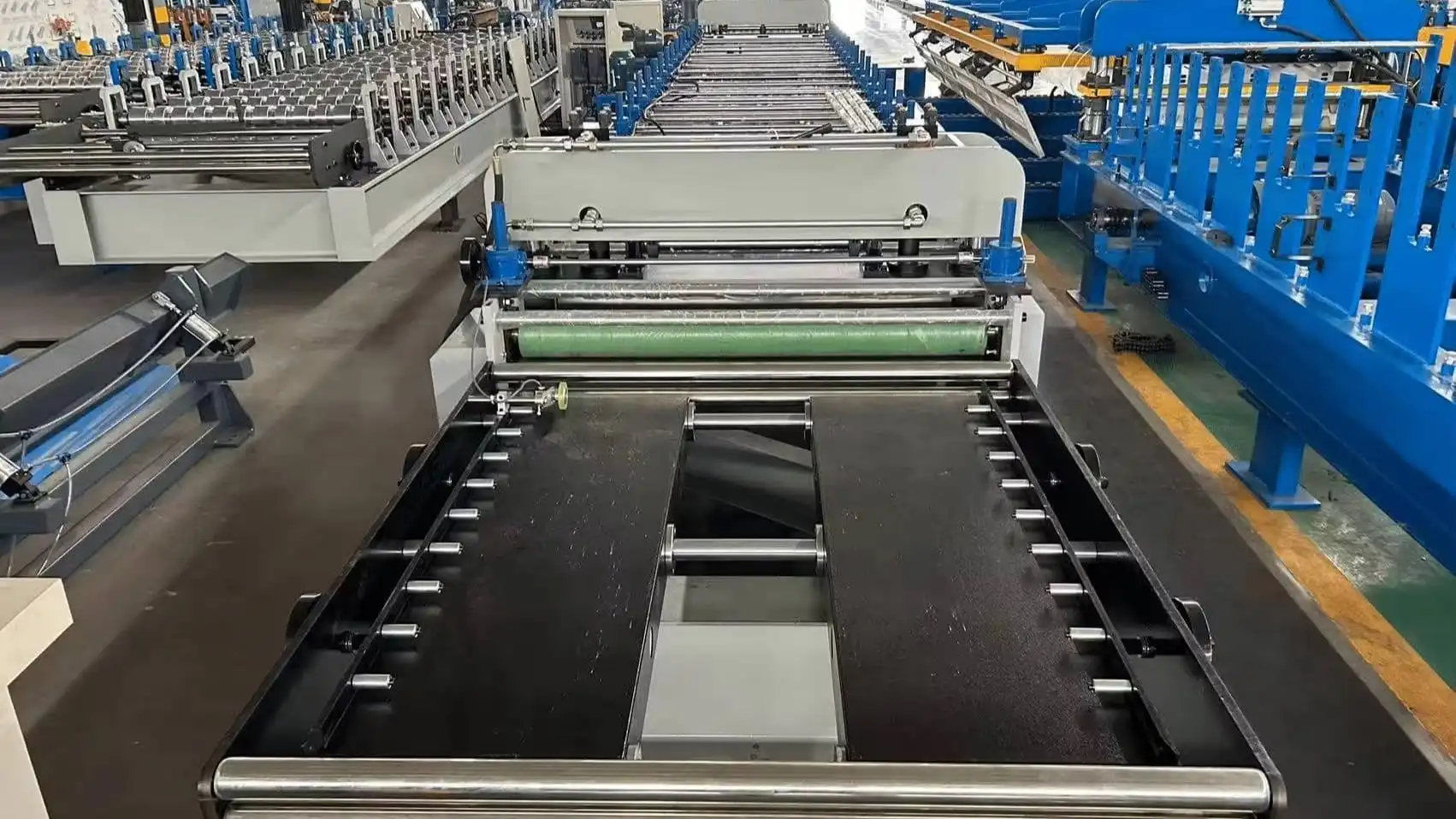
Consistent output quality and the longevity of trapezoidal sheet roll forming machine equipment depend a lot on how well it is maintained. If you don't do regular maintenance, your products will wear out faster, have unwanted downtime, and lose quality, which hurts your relationships with customers.
Essential Maintenance Schedules and Component Care
Roller stations need the most attention when it comes to cleaning. We suggest that you look at the panels every day for material buildup, which can show up as surface defects on later panels. Weekly lubrication of bearing housings with the right high-load grease keeps them from breaking down too soon. Replacing bearings requires stopping production, which can cost several thousand dollars in lost output on top of the cost of the parts.
Every 500 hours of use, the gearbox transmission system needs to have its oil level checked, and all of its fluid needs to be replaced once a year. Gear oil that is contaminated speeds up the wear on precise parts that keep the rollers aligned. According to our service data, manufacturers who stick to the maintenance schedules get 10 years or more of use before having to replace major parts. Manufacturers who don't stick to the schedules often have to make major fixes within five years. Maintenance on cutting blades needs extra care. Cutting quality and waste are directly related to how sharp the blade is. We suggest keeping track of the total linear length cut and planning when to rotate or replace blades based on performance factors that can be measured instead of random time intervals. When the blade is dull, it needs more hydraulic pressure, which uses more energy and puts extra stress on the cutting assembly.
Energy Efficiency and Cost Management Strategies
Roll-forming processes use a lot of electricity, so making them more efficient is good for the bottom line. During production, the main drive motor, hydraulic pump, and control systems all use between 5.5kW and 7.5kW of power all the time. This adds up to a lot of energy costs over the course of a year of two-shift running.
Variable frequency drives (VFDs) can be added to old machines to make them work better by letting the speed of the motor be changed to exactly match production needs. Based on our studies of power tracking, working with lighter-gauge materials at optimal speed instead of maximum speed cuts electricity use by 15 to 20 percent. Modern PLC systems can track energy use, which lets you see trends of use that help you make choices about how to run your business. It is also more efficient to do preventative maintenance. When bearings are well oiled and drive chains are properly tensioned, friction losses are kept to a minimum. Keeping the hydraulic fluid clean keeps the pump working well. These small things have a big effect on working costs, especially for companies that run various production lines at the same time.
Procurement Insights: Sourcing the Best Trapezoidal Sheet Roll Forming Machines Globally
For global sourcing choices, you have to weigh the skills of the tools, the dependability of the suppliers, and the total cost of ownership. Because roll forming systems are so complicated, choosing the right vendor is very important.
Evaluating Supplier Certifications and Manufacturing Standards
If a company has ISO9001 certification, it means they have quality control methods in place for the planning, production, and testing processes. This is important because roll forming machines have a lot of precise parts that need to work together. If manufacturing isn't regular, machines never work the way they're supposed to. The CE mark shows that a product meets European safety and electromagnetic compatibility standards, which have now become the norm for all industrial tools around the world.
In addition to certifications, you should also look at the supplier's direct production skills. At Cangzhou Zhongtuo, our building has precision machining centers for making rollers and places for putting machines together, where they are load tested before they are shipped. When suppliers don't have their own grinding capabilities, they often have to buy rollers from outside sources, which can affect the quality and make guarantee support more difficult. We've sent equipment to more than 150 countries, which meant we had to learn about foreign voltage standards, shipping logistics, and customs paperwork that smaller providers might not have.
Understanding 2024 Pricing and Total Cost Considerations
Beginner manual tools that are good for new businesses start at around $25,000 to $35,000 and have basic features for making simple profiles. Mid-range automatic systems with PLC controls, hydraulic cutting, and roller setups that can be changed usually cost between $55,000 and $85,000, but this depends on the specifics. Models that go faster than 40 meters per minute and have a lot of extra features cost around $100,000 to $150,000.
But the price of the buy is only part of what it costs to own something. Warranty terms have a big effect on risk. For example, a three-year warranty that covers parts and online technical help is a lot more valuable than a one-year warranty. When production problems happen, the availability of after-sales service is very important. We offer technical help by email at zhongtuorollforming@gmail.com and can access PLC systems directly to figure out what's wrong, so customers don't have to deal with as much costly downtime. Installation and training are extra costs that are often forgotten when planning. Spend between $3,000 and $8,000 on expert staff to oversee installation and train operators. This investment will pay off because it was set up correctly the first time and is operated correctly, which keeps upkeep problems from happening.
Customization Options for Project-Specific Requirements
Standard machines can handle common profile sizes and material requirements, but many projects need unique configurations. Customisations are often made to the width capacity—standard machines with 1000mm and 1250mm widths work well for most tasks, but wider sheets up to 1500mm need a bigger frame and longer rollers. Our engineering team can change designs to work with these sizes while keeping the structural stability needed for precise forming.
The thickness of a material can also change depending on the application. Light-gauge roofing for homes uses 0.3mm to 0.5mm material, while 0.8mm to 1.0mm steel may be needed for commercial uses to make the roof last longer. The sizes of the rollers, the shaft, and the motor must all be right for the job. For building uses where reducing weight is important, we've made systems that can work with aluminium that is as thin as 0.032 inches. Within the limits of the making process, the profile shape can be changed. The pitch spacing, rib height, and flange measurements can all be changed to meet the needs of structural engineering or architecture. Custom roller manufacturing takes longer and costs more, but it helps companies stand out in markets where products are already very competitive.
Enhancing Building Exteriors with Advanced Metal Cladding Solutions
When you look at how current roll forming technology is used in different types of buildings and settings, you can see how useful it is.
Performance in Demanding Environmental Conditions
Coastal construction is especially hard because the salty air speeds up the rusting of metal that hasn't been properly protected. In projects we've helped with along the Gulf Coast, pre-painted Galvalume steel is put through a trapezoidal sheet roll forming machine with specially designed rollers that don't damage the protected layer. The triangular shape quickly sheds water, which keeps the surface from getting wet, which would otherwise make it hard for paint to stick. Buildings that were built to these standards have kept their looks and structural stability through several storm seasons, showing how durable good forming tools can be.
Profiles that are properly made are also helpful in places with a lot of rain. When the male-female rib contact is made with very tight tolerances, it forms a weather seal that stops the capillary water leakage that happens in cheaper panel systems. We've seen this happen a lot in agricultural buildings and industrial warehouses, where controlling the moisture inside has a direct effect on the goods and tools that are stored.
Aesthetic Innovation and Architectural Applications
Metal cladding is used more and more as a main feature of modern business buildings, rather than just a useful covering. When placed horizontally or vertically, trapezoidal panels create a rhythmic look and add depth through shadow lines. When made from high-quality PPGI in custom colours, these panels meet design goals and give building owners the sturdiness and low upkeep they need.
Mixed-profile works use a variety of rib shapes to make a visual difference. For this application to work, makers must be able to regularly make a number of different profiles. This goes back to the issue of machine capability and supplier knowledge. Our PLC-controlled systems allow for quick profile changes, which work well with these design approaches.
Future Trends in Metal Forming Technology
The business keeps changing as it moves toward more automation and connection. Industry 4.0 ideas are being used in roll making by adding sensors that check the accuracy of dimensions, shaking patterns, and roller wear in real time. This information lets maintenance experts plan ahead, which stops problems before they happen and keeps quality high. We're adding these features to our newest models because big makers want them to work as much of the time as possible.
New materials are also what drive the development of equipment. With ultra-high-strength steels, smaller grades can provide the same level of structural performance, which lowers the cost of materials and lowers the building's dead load. To work with these high-tech materials, you need strong rollers and precise forming sequences that our engineering team is always improving.
Conclusion
Improvements in roll-making technology have made a huge difference in how metal wrapping is made. Modern trapezoidal sheet roll forming machine equipment solves basic manufacturing problems like production efficiency, profile accuracy, and material optimisation while giving building markets the wide range of design options they need. Instead of focusing only on the original buy price, good sourcing choices take into account technical requirements, the supplier's abilities, and the costs over the product's life. When manufacturers buy good equipment and keep it in good shape, they consistently gain a competitive edge through reliable output, minimal downtime, and the ability to serve a wide range of market segments. The outsides of buildings today show not only the architects' ideas but also the precise metalworking technology that makes those ideas possible and cost-effective.
FAQ
1. How does a roll forming machine handle varying material thicknesses?
Standard production machines can work with thicknesses between about 0.3 mm and 0.8 mm without having to be adjusted. When working with materials outside of this range, the roller spacing needs to be changed. Some high-tech systems use servo-controlled spacers to automatically fix the gap, which makes switching between light and heavy sizes very quick. If you try to process material that is much thicker than what was planned, you could damage the rollers or overload the motor. On the other hand, material that is too thin might not form correctly.
2. Can trapezoidal and corrugated profiles be produced on one machine?
For regular production, single-profile machines can't switch between different geometries without replacing all of the rollers, which isn't practical. Another option is double-layer machines, which stack two full forming lines vertically within one frame. This lets makers make a triangular profile on one level and a corrugated profile on the other. This configuration greatly lowers the amount of floor space needed while still allowing for flexible production.
3. What blade lifespan should manufacturers expect?
Cutting blade life varies a lot depending on the type of material and the amount of work that needs to be done. When cutting galvanised steel, the CR12MoV blade material can usually handle about 200,000 cuts before it needs to be sharpened or replaced. Aluminium and things that are already painted wear out less quickly. Proper blade care, such as using the right hydraulic pressure settings and staying away from dirty materials, greatly increases service life. Plan to change the blades every two to three years if everything goes as planned.
Partner with ZTRFM for Superior Roll Forming Solutions
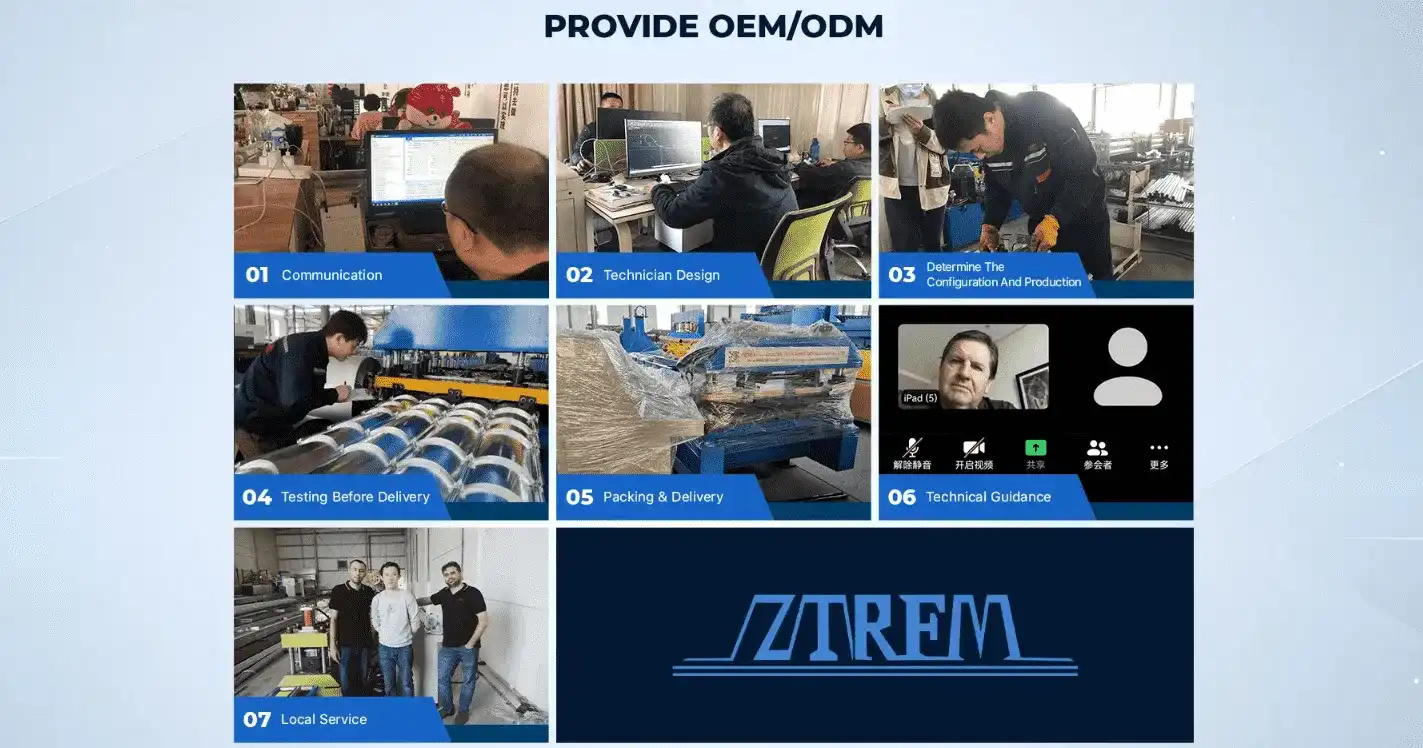
Since its start in 2014, Cangzhou Zhongtuo (ZTRFM) has focused on making high-precision roll-forming equipment. Because we've put effective forming systems in factories in 150 countries, we know the problems that roofing makers, metal profile manufacturers, and EPC contractors face when they try to make things. We are more than just a provider of trapezoidal sheet roll forming machines. We also offer OEM and ODM services, thorough technical training, and quick after-sales support to make sure your production runs smoothly.
Our ISO9001, CE, and CAS certificates show that we follow strict production standards that make sure our equipment is ready to be used right away and for a long time. Whether you're a new company looking for a cheap way to start making metal roofs or an existing company that wants to make more, we can come up with solutions that meet your needs. You can talk to our technical team about your project details at zhongtuorollforming@gmail.com to see all of our products. We're ready to help you grow by giving you equipment that consistently offers high quality, is easy to use, and can be changed as your market changes.
References
1. Anderson, M., & Roberts, K. (2022). Cold Roll Forming Technology: Principles and Industrial Applications. Manufacturing Engineering Press.
2. Chen, L. (2023). Advances in metal cladding systems for commercial construction. Journal of Building Envelope Design, 18(3), 145-162.
3. International Association of Roll Forming Engineers. (2021). Standards and Best Practices for Metal Profile Production Equipment. IARFE Technical Publication.
4. Martinez, J., Thompson, R., & Williams, D. (2023). Lifecycle cost analysis of automated versus manual metal forming systems. Industrial Equipment Economics Quarterly, 41(2), 78-94.
5. Peterson, S. (2022). Metal Roofing Systems: Engineering Design and Installation Standards. Construction Specifications Institute.
6. United States Department of Energy. (2023). Energy efficiency opportunities in metal fabrication facilities. Industrial Technologies Program Report, 2023-08.