- English
- French
- German
- Portuguese
- Spanish
- Russian
- Japanese
- Korean
- Arabic
- Irish
- Greek
- Turkish
- Italian
- Danish
- Romanian
- Indonesian
- Czech
- Afrikaans
- Swedish
- Polish
- Basque
- Catalan
- Esperanto
- Hindi
- Lao
- Albanian
- Amharic
- Armenian
- Azerbaijani
- Belarusian
- Bengali
- Bosnian
- Bulgarian
- Cebuano
- Chichewa
- Corsican
- Croatian
- Dutch
- Estonian
- Filipino
- Finnish
- Frisian
- Galician
- Georgian
- Gujarati
- Haitian
- Hausa
- Hawaiian
- Hebrew
- Hmong
- Hungarian
- Icelandic
- Igbo
- Javanese
- Kannada
- Kazakh
- Khmer
- Kurdish
- Kyrgyz
- Latin
- Latvian
- Lithuanian
- Luxembou..
- Macedonian
- Malagasy
- Malay
- Malayalam
- Maltese
- Maori
- Marathi
- Mongolian
- Burmese
- Nepali
- Norwegian
- Pashto
- Persian
- Punjabi
- Serbian
- Sesotho
- Sinhala
- Slovak
- Slovenian
- Somali
- Samoan
- Scots Gaelic
- Shona
- Sindhi
- Sundanese
- Swahili
- Tajik
- Tamil
- Telugu
- Thai
- Ukrainian
- Urdu
- Uzbek
- Vietnamese
- Welsh
- Xhosa
- Yiddish
- Yoruba
- Zulu
The Advantages of Using a China CZ Purlin Machine
An investment in a China CZ purlin roll former is one of the most important things to think about when buying industrial tools for making structural steel. On a single platform, these high-tech tools make both C-shaped and Z-shaped purlins. This means that there is no need for different production lines, and changeover times are cut down by a huge amount. Modern Chinese manufacturers have improved this technology to make equipment that is both affordable and very accurate. This is making them more and more popular with construction suppliers, metal fabricators, and engineering firms around the world that need reliable forming solutions that increase productivity without lowering quality.
Understanding China CZ Purlin Machines and Their Core Benefits
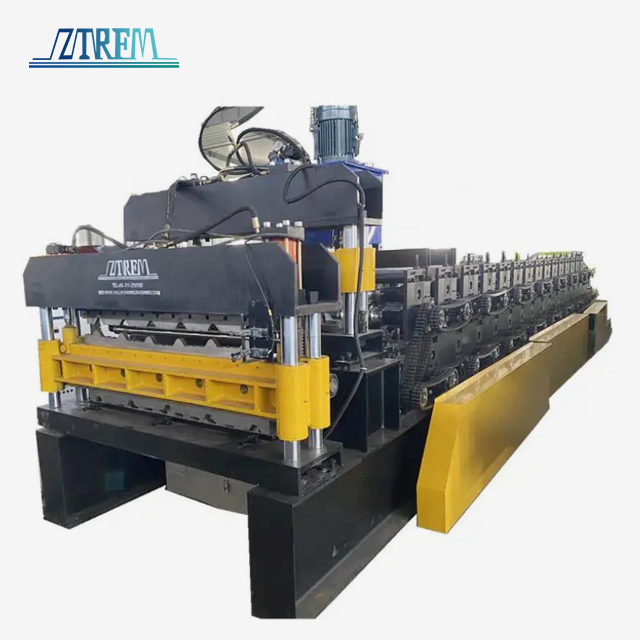
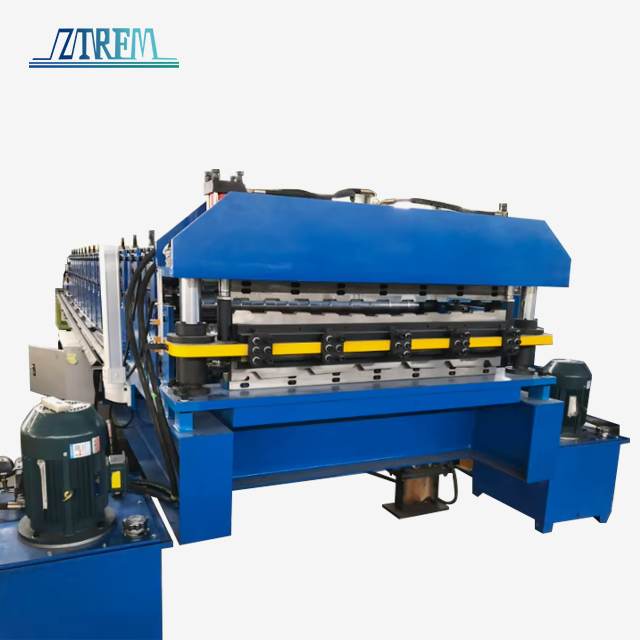
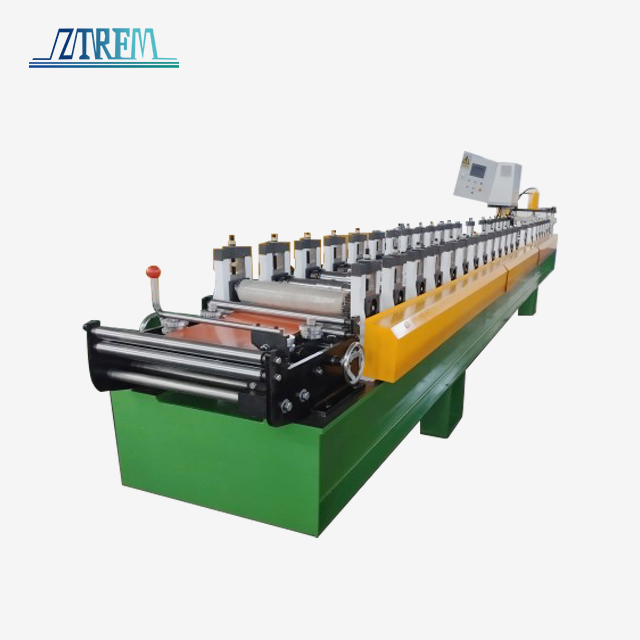
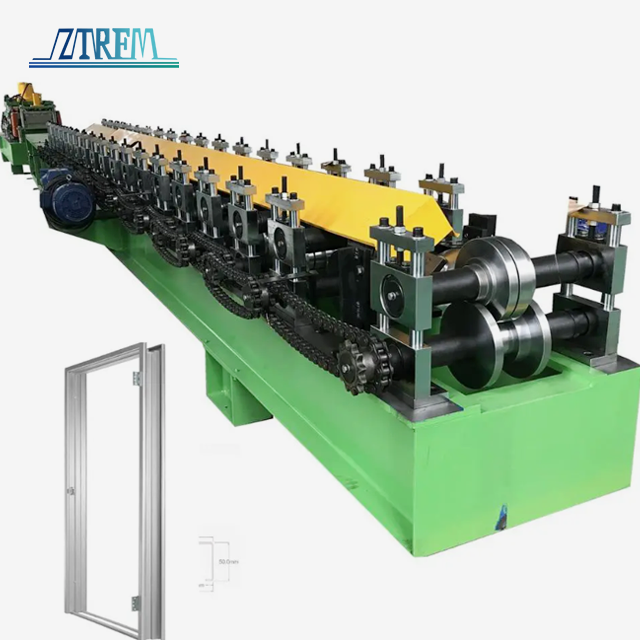
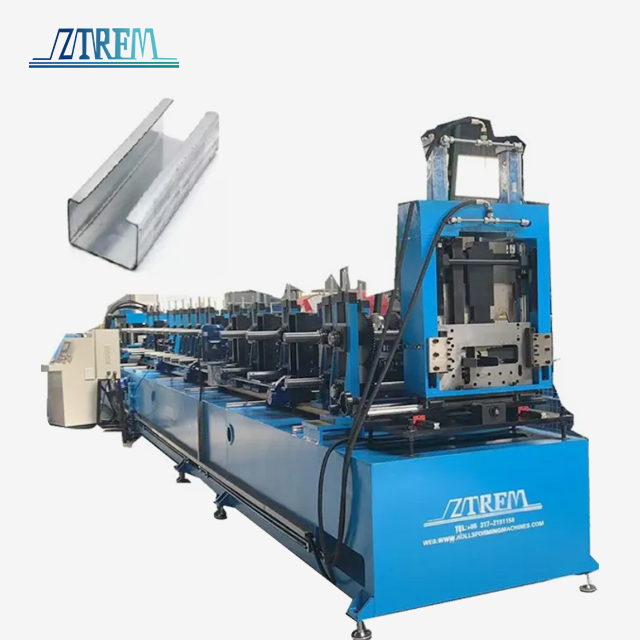
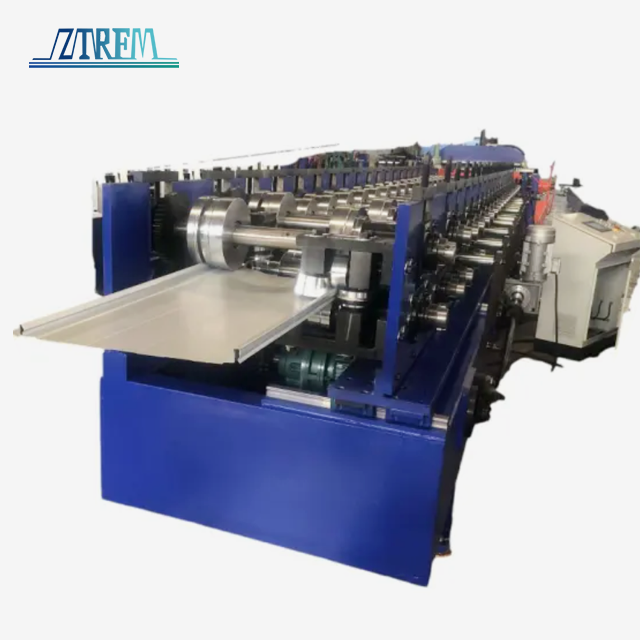
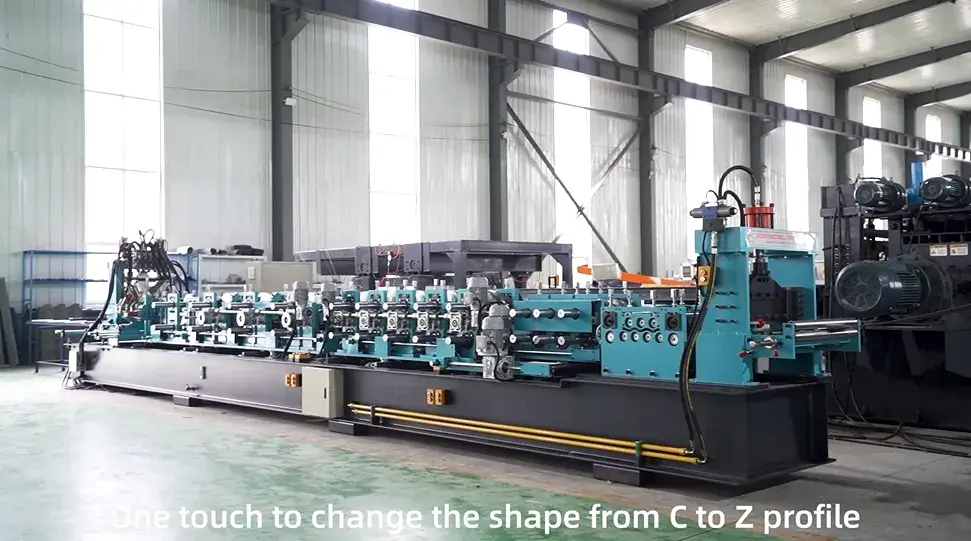
China CZ purlin roll former machines represent high-tech cold-forming production lines designed to make structural steel sections that are widely used in industry and construction. These machines use a process called "continuous roll forming," in which flat galvanized steel strips move through a series of forming stations, which are usually made up of 11 to 16 roller stands. These stations shape the material into precise C or Z forms without cutting or welding.
How the Roll Forming Process Works
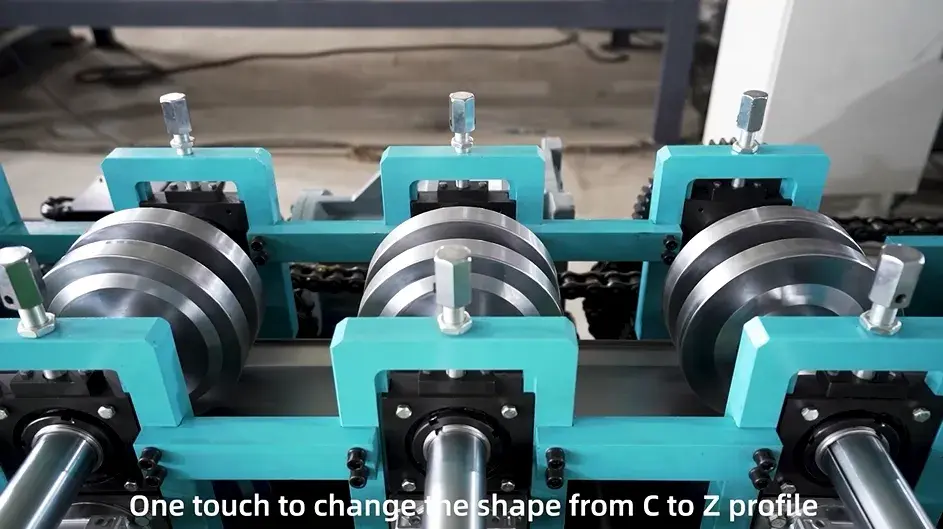
At the start of the making process, an uncoiler feeds steel coils into a shaping device with pinch rollers. The material is then sent to the main area for making. Here, GCr15 steel rollers gradually bend the sheet into the shape of the purlin that is needed. Servo motor-driven systems that keep the pressure and speed constant throughout the process are what set apart high-quality Chinese equipment. At ZTRFM, our machines, which are approved by ISO9001 and CE, can work at speeds of 15 to 22 meters per minute and keep very close limits on sizes.
Cost-Effectiveness Without Quality Compromise
China's manufacturing ecosystem is mature enough to allow for competitive prices that don't hurt performance. Manufacturers can get high-quality parts at lower prices than their Western peers thanks to the supply chain infrastructure for parts like hydraulic systems and PLC controls. This economic edge directly affects business-to-business buyers, who can get fully automated tools for 30–40% less money than they would cost in Europe or North America. The savings are especially big for new businesses or small makers that are trying to stay within their budgets. This lets them get into the metal manufacturing market with professional-grade tools.
Precision Engineering and Energy Efficiency
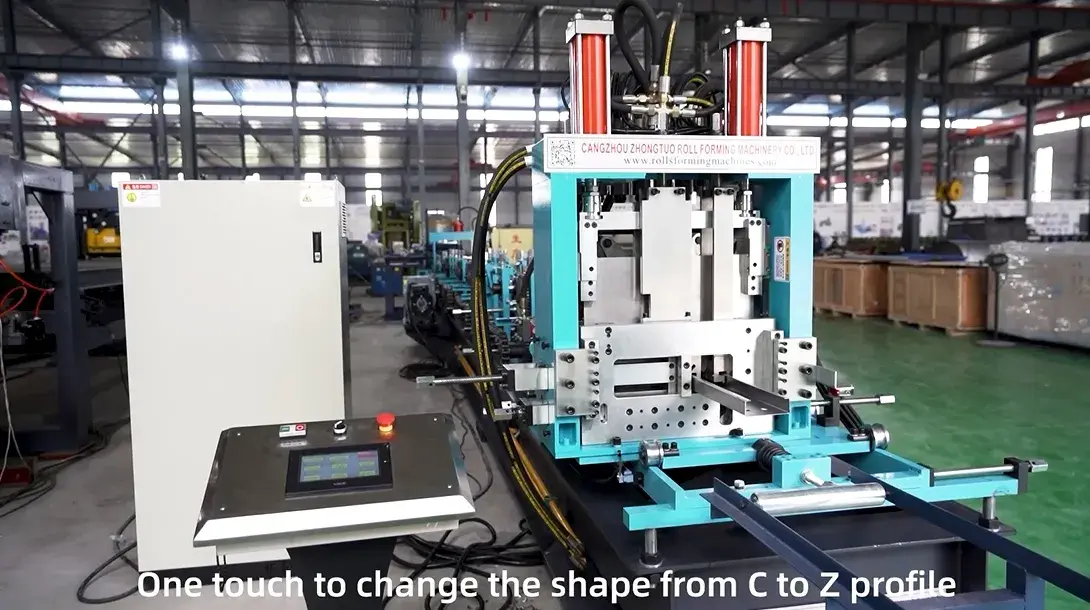
Panasonic PLC systems and Mitsubishi frequency converters are built into more advanced Chinese roll formers to make the best use of energy during production processes. Precision-guided screws and angle gears make sure that both sides of the mechanism are perfectly in sync with each other during the height adjustment mechanism, which can go from 40 mm to 100 mm. With this level of automation, material waste drops to less than 2%, which is very important for companies that use expensive high-tensile galvanized steel. Compared to older models with steady speeds, energy-efficient designs with 15KW main motors and variable frequency drives cut power costs by about 20%.
Comparative Insights: China CZ Purlin Roll Former vs Other Solutions
Knowing the differences between the various ways to operate a CZ purlin roll former helps procurement teams make smart choices that meet their operational needs and stay within their budget.
Automatic vs Manual Changeover Systems
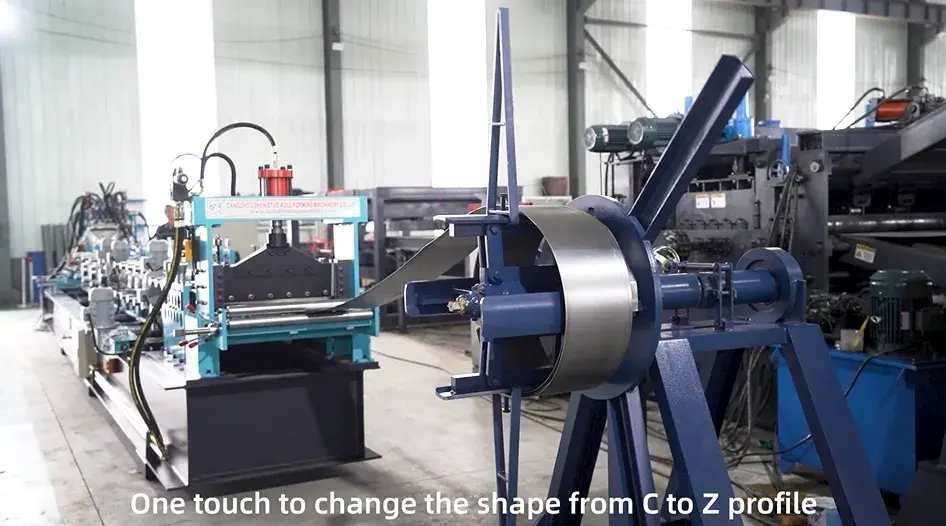
When switching between C and Z configurations on older single-profile machines, the dies had to be changed completely, which took 4 to 8 hours. With PLC-controlled placement systems, these downtimes are cut down to less than 10 minutes on modern automatic Chinese machines. The increase in working efficiency is big for manufacturers who work with a wide range of project requirements. It might take 30 to 45 minutes to switch to a semi-automatic version, but this is still a big improvement over manual systems. Companies that make standard purlins might be fine with semi-automatic models, but companies that work on a wide range of architectural projects would benefit greatly from fully automated changeover options.
Pre-Cutting vs Post-Cutting Technologies
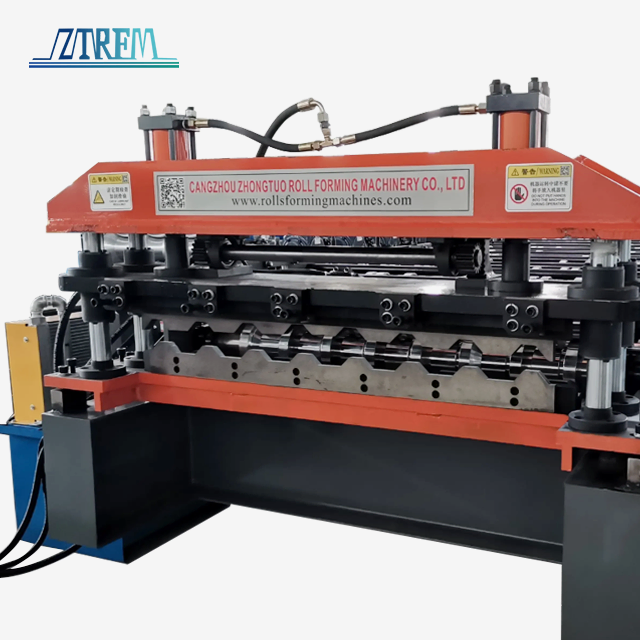
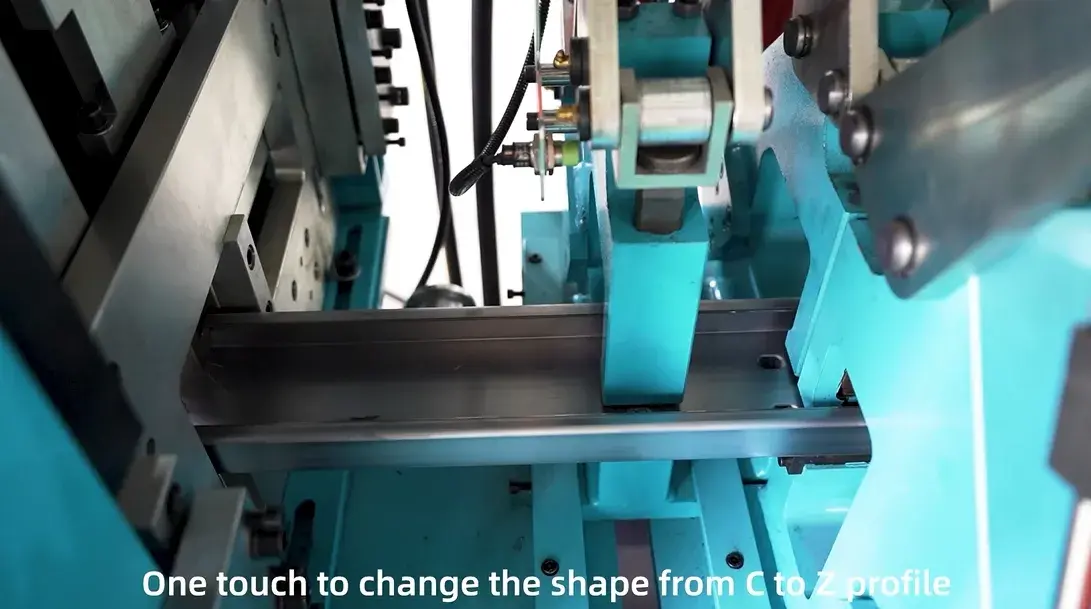
The cutting method has a big effect on both the speed of production and the quality of the final product. Pre-cutting methods cut the coil before forming it, which increases output but might leave ends that aren't straight and need more work. Post-cutting systems, like flying shear designs, cut profiles after the whole shape is formed, so the end geometry is perfect without any extra work. Both of these configurations are available on our ZTRFM machines. Standard features include hydraulic post-cutting, and flying saw systems can be added for high-volume jobs. Which one to use relies on your quality standards and production volume goals. For example, decorative uses need precision after cutting, while hidden structural parts may be able to handle pre-cut tolerances.
Integrated Punching Capabilities
With traditional stop-to-punch methods, the making process is stopped, which slows down production to about 12 to 15 meters per minute. Advanced servo-driven continuous drilling systems keep the flow of material steady, which lets them go up to 22 meters per minute without losing the accuracy of where the holes are placed. High-quality Chinese machines have hydraulic punching units that use Cr12 tool steel dies with changeable hole spacing patterns. This is important for meeting the needs of different structural connection requirements. Rotary punching devices are the best choice for producers who want to get the most work done on high-volume jobs.
How to Choose the Best China CZ Purlin Machine for Your Business
To choose the right CZ purlin roll former equipment, you need to carefully look at your manufacturing environment and your growth plans. Making this choice too quickly based only on the original buy price can cause operational problems or a capability that isn't being used.
Assessing Production Capacity Requirements
First, figure out how many linear meters you want to produce each day. In a normal 8-hour shift, a machine that works at 20 meters per minute and is pretty efficient makes about 7,200 meters. Take into account the time it takes to switch between systems, the frequency of repair, and the true uptime percentages (usually 75–85% for well-maintained equipment). Manufacturers working on multiple projects at the same time need machines that can quickly switch profiles. This is why automatic changing systems are necessary, even though they cost more up front. On the other hand, producers who focus on making a lot of the same-sized items in the long run can get a great return on investment (ROI) with easier designs.
Evaluating Space and Infrastructure Needs
Roll-making lines are usually 10 to 12 meters long and need 2 to 3 meters of width to be safe to use and service. In addition to the size, you should also think about the ceiling height for equipment that moves things and the amount of power that can be used by 380V three-phase systems. It's important that the machines can handle a sufficient floor load—with uncoilers and material, they can weigh more than 5,000 kilograms. Buyers are sometimes surprised by how much it costs to prepare a site. Make sure that your facility assessment includes the needs for a foundation, a source of compressed air for pneumatic parts, and enough air flow for hydraulic systems.
Supplier Credibility and Support Infrastructure
The track record of the maker is just as important as the machine's specs. Check to see if the product has ISO9001 quality certifications, meets CE safety standards, and has been installed successfully in your area. Since its start in 2014, ZTRFM has sent equipment to more than 150 countries, giving it a lot of experience with foreign logistics and a wide range of regulatory settings. Carefully read the guarantee terms. Reliable providers will cover electrical parts for at least 12 months and mechanical systems for at least 24 months. Long-term operating stability depends on how easy it is to get spare parts and how quickly technical help responds. Choose makers with established distributor networks or direct service capabilities in your market.
Price-to-Performance Optimization
Machine prices vary a lot depending on how automated they are, what kinds of parts they use, and what features they come with. A simple method for changing over by hand could cost between $25,000 and $35,000. Fully automatic lines with servo punching and flying saw cutting cost between $60,000 and $85,000. Don't just look at the purchase price; also think about the installation, training, extra parts inventory, and estimated upkeep costs over the next five years. Growing businesses can make their cash flow easier by finding ways to finance their purchases, like working with suppliers or buying tools. Some Chinese manufacturers offer discounts for buying more than one unit at a time, which is helpful for fabricators who want to increase their production.
Maintenance Tips and Longevity of China CZ Purlin Roll Formers
Following the right repair steps directly affects how long the China CZ purlin roll former lasts and how reliably it produces goods. Machines that aren't taken care of wear out faster, have more downtime, and make lower-quality products, which hurts relationships with customers and profits.
Establishing Lubrication Schedules
To keep them from wearing out too quickly, the forming rollers, drive chains, and gear reducers need to be oiled all the time. Every 200 hours of use, high-quality lithium-based grease should be put on roller bearings to keep them running smoothly and stop heat from building up. Cleaning and re-greasing chain drives once a month is a good idea, especially in dusty manufacturing areas. To keep the pressure steady and stop seal degradation, hydraulic systems need to have their oil changed once a year with ISO VG 46 hydraulic fluid. Write down all of your maintenance tasks in a logbook. This information helps you find patterns of wear and figure out which parts need to be replaced before they break.
Inspecting Critical Wear Components
Even though they are made of sharpened steel, the forming rollers wear down over time, which causes the finished purlins to have different sizes. Roller widths are measured every month at three different places along their length to find uneven wear that needs to be fixed or replaced. Cutting blades need to be checked every 5,000 cuts because dull blades make burrs and put more stress on the hydraulic system. The PLC touchscreen and encoder connections should be cleaned regularly to keep metal dust from building up and causing input errors. To keep sensitive control parts from getting dirty, electrical cabinet filters need to be changed every three months.
Troubleshooting Common Operational Issues
Waviness in the flange usually means that the roll gap settings are off or that there is too much forming pressure on the closing passes. Change the gap by 0.1 mm at a time until the wave patterns are gone. Profile twist is usually caused by uneven tension across the width of the material. Make sure that the straightening rollers put equal pressure on both edges. Inconsistent cut lengths are a sign of encoder calibration drift. To fix this, use the PLC menu and follow the manufacturer's instructions to recalibrate the encoder. Changes in hydraulic pressure are often caused by low oil levels or fluid that is dirty. Check the levels once a week and the state of the filter once a month.
Procurement Guide: How and Where to Buy a China CZ Purlin Machine
To get around in the Chinese manufacturing world, you need to know about the different ways to buy a CZ purlin roll former and what the benefits are for foreign buyers.
Direct Factory Purchase
Since there are no markups for distributors, buying straight from makers like ZTRFM gives you the best prices. Direct relationships also make it easier to talk about customization and make technical specifications clearer. The hard part is checking out providers who aren't in the same country as you. Ask for plant visits or virtual tours that show off production facilities and quality control methods. Use formal Chinese trade databases to check business licenses and export credentials. People who are comfortable with foreign shipping processes and customs clearance procedures can make good use of direct purchases.
Working with Trading Companies
Trading companies that have been around for a while can help buyers who don't know how to do business in China. For a commission that is usually 5–12% above factory prices, they deal with language hurdles, plan factory visits, and handle export paperwork. Trustworthy traders have connections with many manufacturers and can provide fair comparisons between brands. In exchange, you won't be able to talk to production teams as directly, and there may be delays when technical questions need to be discussed with the factory. This channel is good for people who only buy things occasionally or who value ease over saving as much money as possible.
Pricing Expectations and Payment Terms
Spend between $30,000 and $75,000, based on the amount of precision and features that come with it. A 30% fee is usually due when the contract is signed, 60% before the goods are shipped, and the remaining 10% is due after the goods have been installed and tested for quality. Letters of credit through foreign banks protect both parties' payments, but they cost 1% to 2% in bank fees. Some suppliers offer payment plans that last between 12 and 24 months and charge interest. Carefully compare the total cost of getting a loan from a bank in your area.
Shipping and Installation Logistics
It takes 25 to 35 days for sea freight to get to big ports in North America, and a whole machine queue costs $3,500 to $6,000. You should include extra money in your budget for inland trucking, customs duties (which are usually between 0% and 5% for industrial equipment under most trade deals), and customs broker fees. Professional installation by factory techs ensures proper setup and user training. Plan for 7–10 days of technician time at $150–$250 per day plus travel costs. Some manufacturers offer video installation instructions as an alternative that saves money and works well for buyers who have experienced maintenance staff.
Conclusion
Manufacturers who want to improve production efficiency while keeping capital costs low can benefit greatly from China CZ purlin roll formers. Competitive pricing, advanced automation technology, and energy-efficient operation make these machines strategically valuable for businesses of all sizes, from startups starting their first production line to established fabricators adding more machines. Chinese makers of high-quality goods are no longer just the cheapest; they also offer advanced engineering backed by international licenses and a track record of successful installations around the world. You can use these tools to gain long-term competitive benefits in the structural steel fabrication market by carefully analyzing your production needs, thoroughly screening suppliers, and following the right upkeep procedures.
FAQ
1. What is the typical lifespan of a China-made CZ purlin machine?
When properly cared for, a China CZ purlin roll former usually lasts between 15 and 20 years, with only a few parts needing to be replaced every so often. The main frame and base of the tools usually last forever, but the rollers need to be replaced every 3 to 5 years, based on how much is being made and how hard the material is. About every 10 years, hydraulic systems need to be rebuilt. Total lifespan rests a lot on how well it is maintained, how clean the working area is, and how well the machine is used within its stated capacity, instead of always being overloaded.
2. Can these machines handle high-strength steel grades?
High-tensile steel types, such as G550, can be used with quality CZ purlin roll formers, but they need to be designed in a certain way. The forming stations need to have over-forming angles to make up for the fact that high-strength materials have more spring-back. Talk to the manufacturers about the specifications of the materials you want to use when you're buying them so they can make the right roller profiles. If you don't change the rollers, machines that are made for normal Q235 steel might not work right when handling G550. During the quotation process, ZTRFM experts look at your material needs to make sure the machine is set up correctly.
3. How quickly can operators learn to run these machines?
Staff with general manufacturing experience usually learn how to do basic tasks within three to five days of training. Usually, it takes two to three weeks of guided operation to fully understand how to do changeovers, fix problems, and improve performance. Modern Chinese machines with PLC touchscreens have easy-to-understand menu structures that make it easier to change parameters than on older systems that needed to be calculated by hand. Getting thorough training for operators during installation shortens this learning curve and stops common mistakes that could break equipment or lower the quality of the first batch of products.
Partner with ZTRFM for Your CZ Purlin Roll Former Needs
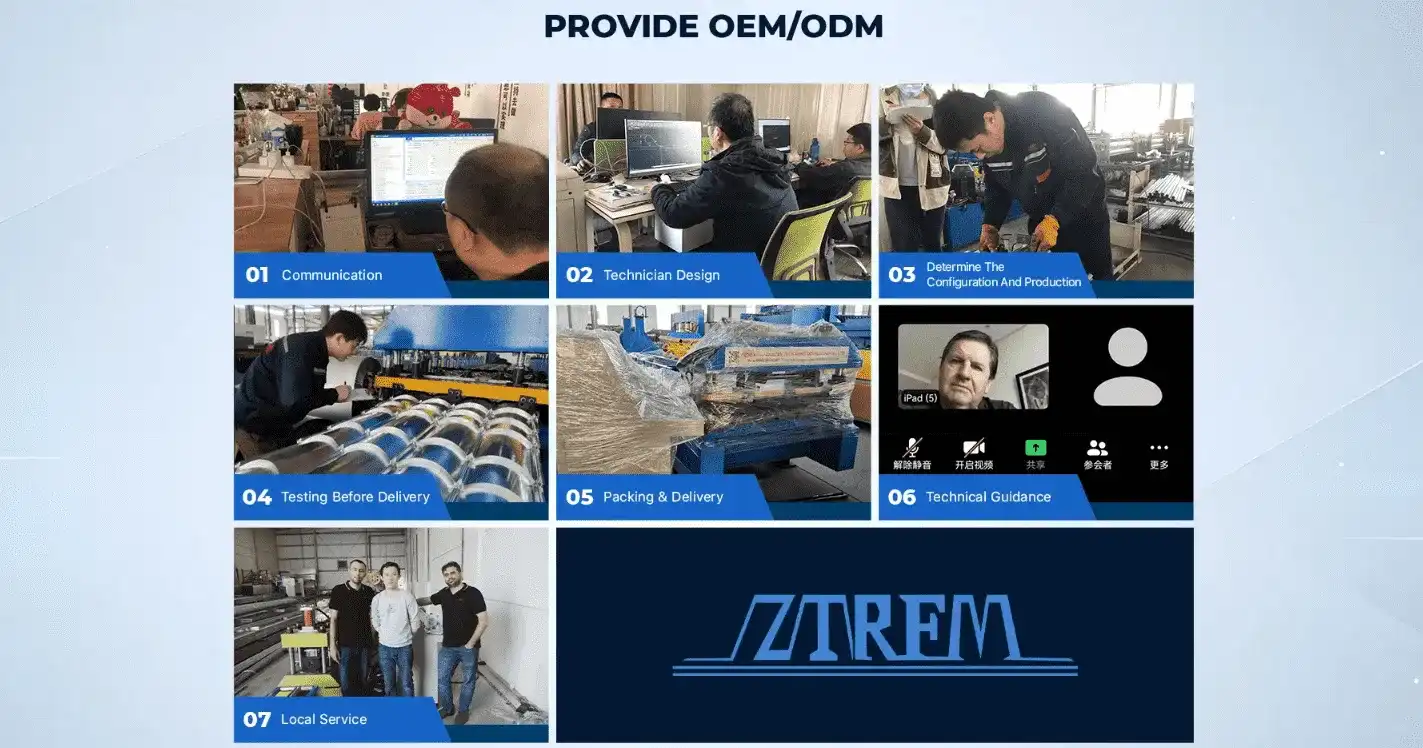
Since 2014, ZTRFM has been providing engineered roll forming solutions that manufacturers in 150 countries have come to trust. Our CZ purlin roll former machines are built with a strong GCr15 steel frame, servo motors for precision, and automatic computer control to meet the needs of modern steel fabrication. We are a certified supplier with ISO9001, CE, and CAS credentials. We can do both OEM and ODM work to meet your specific production needs. Our expert team at zhongtuorollforming@gmail.com is available to help you choose the right tools, set them up, and start using them right away. ZTRFM's one-stop service model makes it easier to buy things and guarantees long-term operational success, whether you're adding new production capacity or updating old equipment.
References
1. Chen, W., & Liu, H. (2021). Advanced Cold Roll Forming Technology in Structural Steel Manufacturing. Beijing: China Machine Press.
2. International Association of Cold Roll Forming Engineers. (2020). Global Standards for Purlin Production Equipment. Technical Report Series, Volume 14.
3. Kumar, S., & Zhang, Y. (2022). Comparative Analysis of Roll Forming Equipment Manufacturing: Cost-Efficiency and Quality Metrics. Journal of Manufacturing Systems, 58(3), 412-428.
4. Rodriguez, M. (2023). Strategic Procurement in Metal Fabrication: Equipment Selection and Supplier Evaluation. New York: Industrial Press.
5. Steel Construction Institute. (2021). Design and Specification of Cold-Formed Steel Purlins. Publication P293, Berkshire, UK.
6. Thompson, J., & Wang, L. (2022). Maintenance Optimization for Roll Forming Production Lines: A Predictive Approach. International Journal of Advanced Manufacturing Technology, 119(7-8), 4567-4583.