- English
- French
- German
- Portuguese
- Spanish
- Russian
- Japanese
- Korean
- Arabic
- Irish
- Greek
- Turkish
- Italian
- Danish
- Romanian
- Indonesian
- Czech
- Afrikaans
- Swedish
- Polish
- Basque
- Catalan
- Esperanto
- Hindi
- Lao
- Albanian
- Amharic
- Armenian
- Azerbaijani
- Belarusian
- Bengali
- Bosnian
- Bulgarian
- Cebuano
- Chichewa
- Corsican
- Croatian
- Dutch
- Estonian
- Filipino
- Finnish
- Frisian
- Galician
- Georgian
- Gujarati
- Haitian
- Hausa
- Hawaiian
- Hebrew
- Hmong
- Hungarian
- Icelandic
- Igbo
- Javanese
- Kannada
- Kazakh
- Khmer
- Kurdish
- Kyrgyz
- Latin
- Latvian
- Lithuanian
- Luxembou..
- Macedonian
- Malagasy
- Malay
- Malayalam
- Maltese
- Maori
- Marathi
- Mongolian
- Burmese
- Nepali
- Norwegian
- Pashto
- Persian
- Punjabi
- Serbian
- Sesotho
- Sinhala
- Slovak
- Slovenian
- Somali
- Samoan
- Scots Gaelic
- Shona
- Sindhi
- Sundanese
- Swahili
- Tajik
- Tamil
- Telugu
- Thai
- Ukrainian
- Urdu
- Uzbek
- Vietnamese
- Welsh
- Xhosa
- Yiddish
- Yoruba
- Zulu
Metal Roll Forming Process & Information
Metal roll forming is one of the most important technologies used in modern construction, especially when making parts for architectural cladding. In its most basic form, the metal wall panel machine continuously bends flat metal coils into precisely engineered profiles. Roll forming is different from traditional press braking methods that work sheet by sheet. It works by moving coil materials through a series of roller stations, slowly shaping galvanized steel, aluminum, or pre-painted substrates into building envelopes that work. This cold-forming method keeps the integrity of the material and creates consistent cross-sectional geometries that are needed for weathertight installations in warehouses, commercial facades, and residential siding.
Understanding the Metal Roll Forming Process
The roll forming method has completely changed how we make metal building parts. Instead of applying sudden pressure like stamping does, this method moves metal strips through several forming stations, where each pair of rollers makes small changes to the shape. Because this process is continuous, manufacturers can make panels at speeds of up to 25 meters per minute while keeping the tolerances for size within 0.5 mm—a feat nearly impossible to do by hand.
Coil Preparation and Material Handling
The quality of the raw materials determines the success of the final product before it is formed. Most of the time, manufacturers get galvanized steel in grade G550 for structural uses or aluminum alloys for light architectural needs. In the uncoiling stage, the material is fed through leveling rollers that get rid of the tendency for flat stock to keep the curves it had when it was rolled up for storage. Modern systems have automatic tension control that changes feed rates based on sensors that measure the thickness of the material in real time. This step is especially important when working with pre-coated materials like PVDF or polyester-painted steel, because it protects the surface during the forming process and stops expensive mistakes in the way it looks.
Progressive Roll Forming Stations
The moving roller assembly is what makes any metal wall panel machine work. Depending on the complexity of the profile, there are usually between 12 and 24 stations. Each station does a certain bend angle, which is usually between 3 and 7 degrees. This method of gradually shaping keeps material stress levels low, which keeps it from cracking, especially when working with high-tensile steels. Precision machining and chrome hardening are used to make the rollers strong enough to withstand constant contact pressures of more than 200 tons. Engineers use CAD software to plan roller profiles. This software figures out spring-back compensation, which is when metals that are elastic partially return to their original shape after being bent. The finished panels would not meet architectural requirements if the over-bending adjustments in the final stations were not done correctly.
Integrated Cutting and Punching Operations
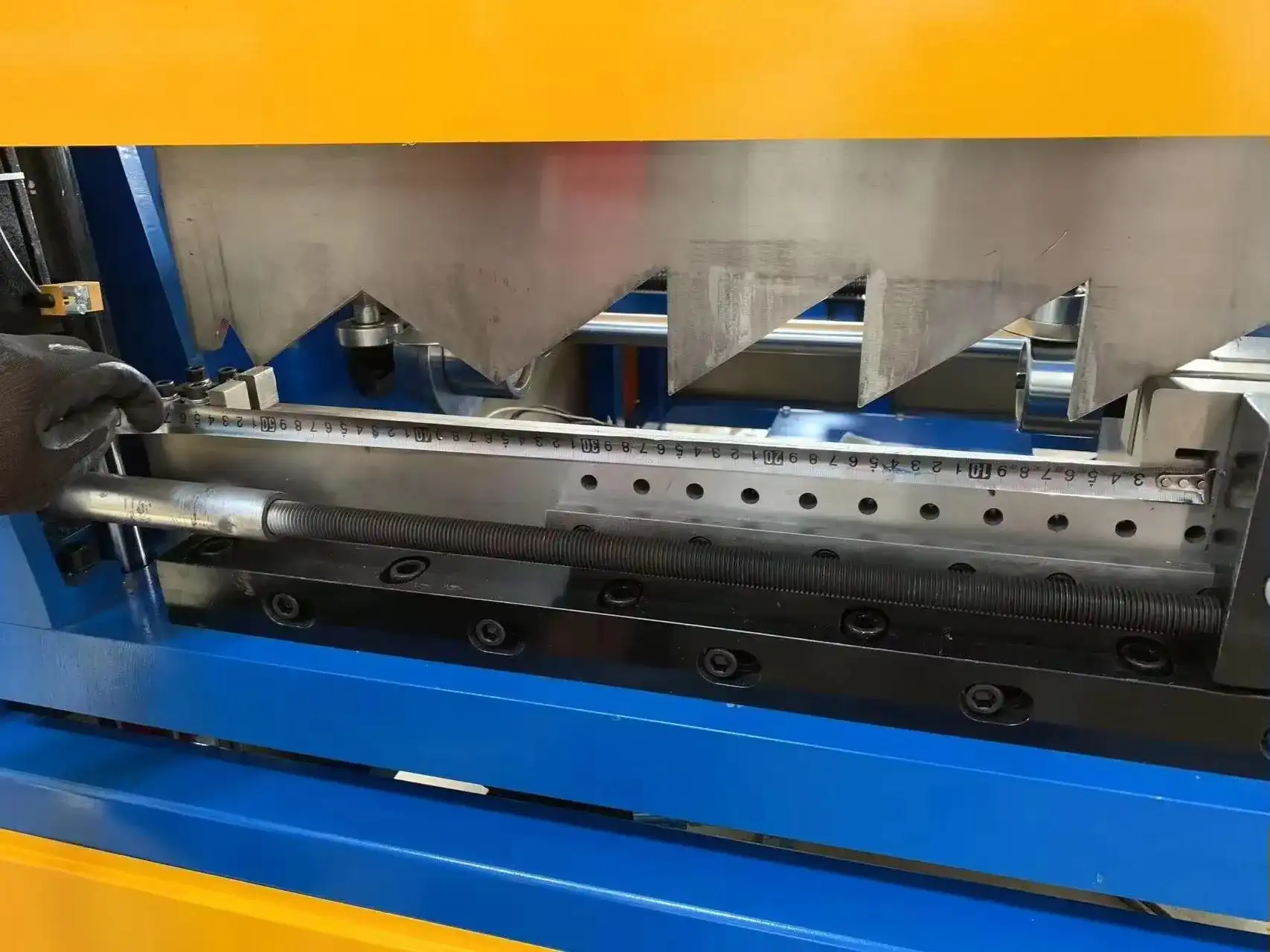
Modern production lines have cutting tools that work in sync with each other to cut panels to exact lengths without stopping the forming process. Cutting machines called hydraulic guillotine cutters or flying die systems follow the movement of the panel and match the speed before making cuts that leave edges without burrs. In some designs, hole-punching stations are added before the final stages of forming. These stations make mounting slots or drainage holes that are specified in the building plans. This integration gets rid of the need for extra steps, which cuts down on handling time and the chance of damage to the surface. Cutting accuracy has a direct effect on how quickly the panels can be put together; panels cut within ±2mm tolerances make sure that the overlaps are lined up correctly when the cladding is put together.
Quality Control and Inspection Protocols
During production, checks for quality assurance make sure that mistakes don't happen. Optical sensors look for surface scratches or damage to the coating and stop the line automatically when they see something wrong. Every so often, the dimensions are checked, and calibrated gauges are used to measure the profile heights, rib spacing, and flatness. Verifying the thickness of the material makes sure that the structural load calculations are correct. This is especially important for wall systems that will be exposed to hurricane-force winds or earthquakes. As part of the final inspection, the building is often looked at visually under controlled lighting to find small flaws (oil canning) that could make high-visibility facades look less appealing.
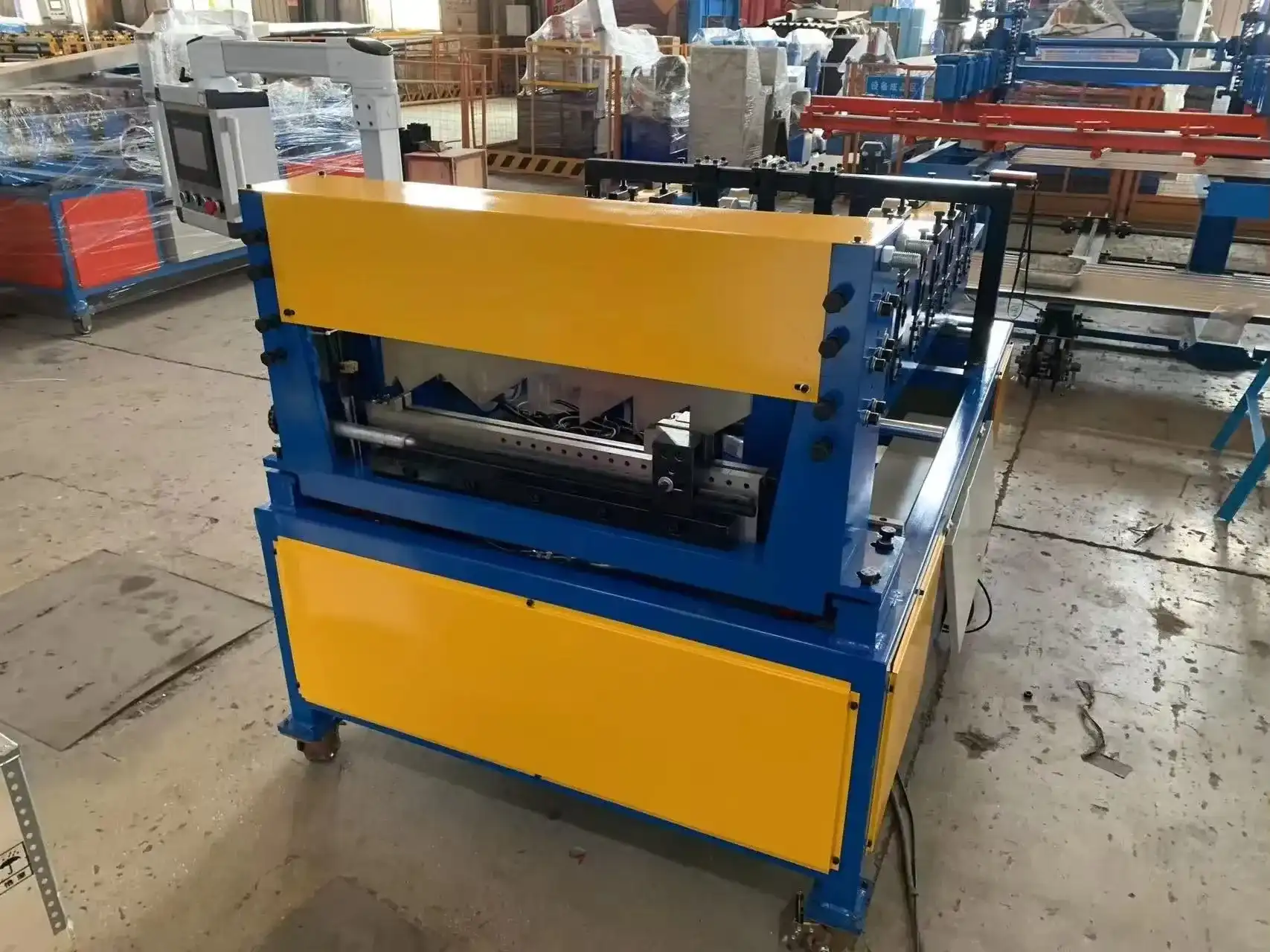
Types and Advantages of Metal Wall Panel Machines
To choose the right forming equipment, you need to know what configurations are available and how they work. The different types of machine designs show how different market segments have different production needs.
Machine Configuration Options
The machine’s roll forming stations must be configured to handle the specific material requirements of wall panels. Unlike roofing machines, a metal wall panel machine requires mirror-finished roller surfaces to prevent micro-scratches on PVDF or SMP-coated coils, which are sensitive to surface defects. For coastal projects requiring aluminum or Galvalume (AZ50-AZ150), the machine’s feed system must include edge guide sensors and soft-tension controls to prevent edge curling—a common defect when running softer or thinner materials (down to 0.4 mm). Additionally, wall panel machines should feature quick-change tooling systems for accessory profiles (corner posts, window trim), allowing manufacturers to produce color-matched trims and flashings without a separate forming line. These machine-specific adaptations directly impact production quality and operational flexibility.
Performance Advantages Over Traditional Methods
Unlike roofing, wall panels must resist wind suction (negative pressure) rather than gravity loads. A proper wall panel machine forms panels with interlocking side seams that transfer wind loads to substructures without panel separation. The gradual roll-forming process ensures consistent panel flatness—critical for wall applications where oil canning (visible distortion between ribs) creates unacceptable cosmetic defects. Additionally, wall panel machines can accommodate thinner gauges (26 to 28 gauge) than roofing machines, reducing material cost for vertical cladding where structural requirements are lower.
Material Selection Impact
Wall panels face different environmental stresses than roofs. UV exposure is the primary concern, so pre-painted substrates (PVDF or SMP coatings) require roller surfaces polished to a mirror finish to prevent micro-scratches that accelerate fading. For coastal installations, aluminum or Galvalume (AZ50-AZ150) coils are preferred over galvanized steel to resist salt corrosion. The machine's feed system must handle lighter-gauge coils without edge curling—a common defect when running 0.4mm material on machines designed for 0.7mm roofing stock. Color-matched trims and flashings often require secondary forming, so modular wall panel machines frequently include quick-change tooling for accessory profiles (corner posts and window trim).
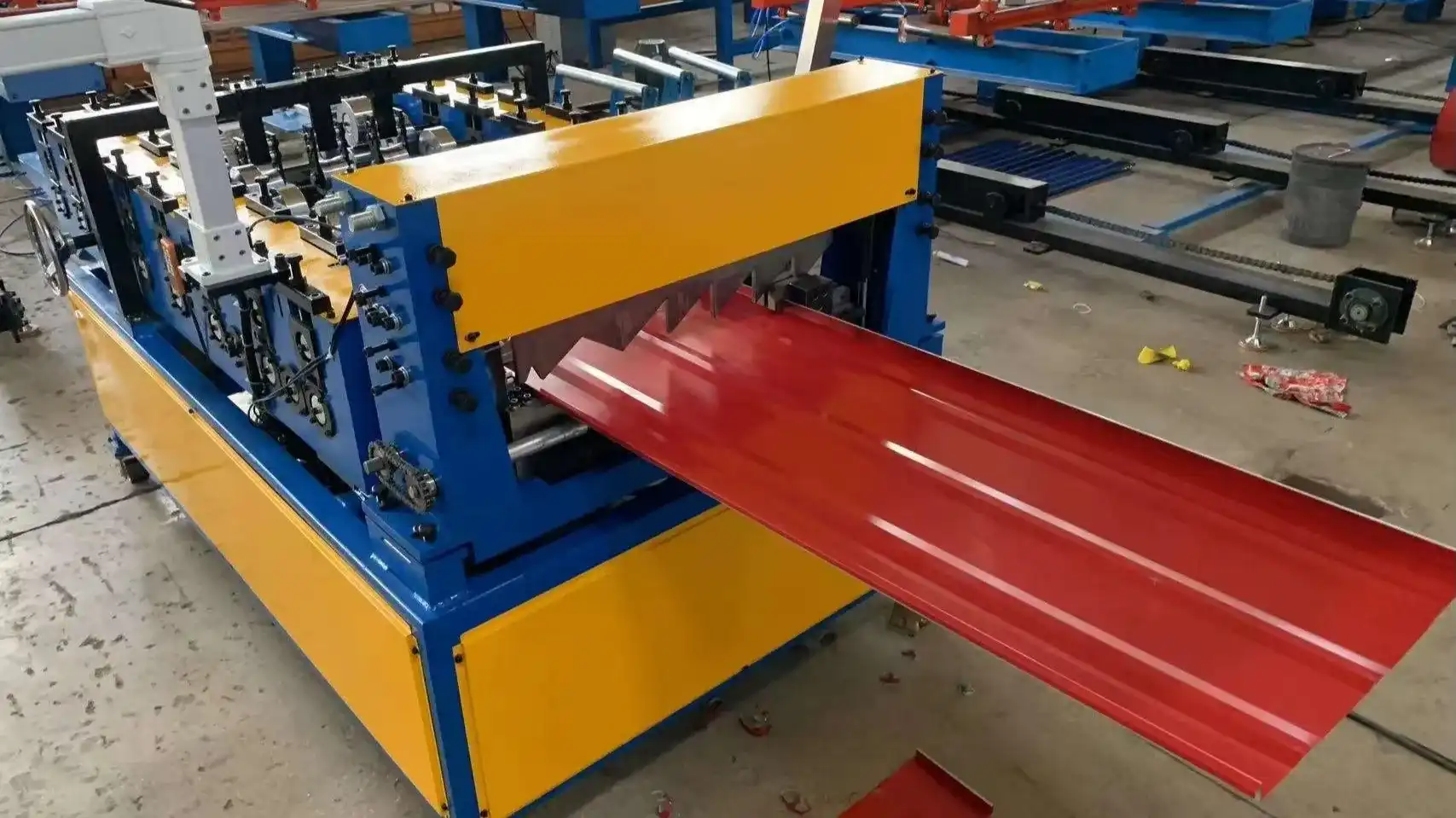
Maintenance Tips & Troubleshooting for Metal Wall Panel Machines
Maintenance schedules that are followed and problems that are fixed quickly are needed to keep production going. Downtime for equipment directly cuts into profits, so proactive care is very important.
Routine Maintenance Practices
All moving parts, especially roller bearings and chain drives, should be oiled every day as part of the normal operations. Automatic lubrication systems make this job easier, but the reservoir needs to be checked often. Checking the alignment once a week stops the rollers from slowly moving out of place, which causes profile differences. Technicians use laser alignment tools to make sure that all of the stations are in the same place. If there are any deviations of more than 0.1mm, the mounting bolts are adjusted. Sensors, such as thickness detectors, length encoders, and pressure transducers, need to be calibrated once a month to keep measurements accurate. Inspections of electrical systems find loose connections or worn contacts before they cause the system to shut down without warning. For thorough quarterly checks, important parts must be taken apart to check for wear, cutting blades must be replaced, and hydraulic fluids must be refilled.
Common Issues and Diagnostic Approaches
Most surface flaws, like scratches or indentations, are caused by dirty rollers or wrong pressure settings. Systematically checking each forming station helps find the place that isn't working right. When coil splices go through without being seen or when edge waviness causes misalignment, material jams often cause mechanical stoppages. These breaks can be avoided by adding upstream splice detectors and edge guides. Electrical problems show up as erratic operation or errors in the control system. The first step in troubleshooting is to make sure the power supply is stable and the PLC program is correct. Inconsistent hydraulic pressure could mean that the seals or pumps are wearing out, which means that they need to be replaced to get the proper forming force back. Recording every incident, along with the factors that led to it and the steps that were taken to fix it, builds institutional knowledge that speeds up future resolutions.
Safety Protocols and Operator Protection
When using cold roll forming equipment, such as a metal wall panel machine, there are inherent risks that must be strictly adhered to. Multiple emergency stop buttons placed along the line allow for quick action in dangerous situations. Guarding around the roller nip points keeps people from touching them by accident while they're working, and when the access doors are opened, they cut the power. Personal protective equipment (PPE) usually includes safety glasses, shoes with steel toes, and hearing protection for loud places. Comprehensive training programs teach operators how to use lockout/tagout procedures before doing maintenance. This makes sure that stored energy is released and stops machines from starting up by accident. Regular safety audits make sure that OSHA rules are being followed and look for ways to make safety measures better.
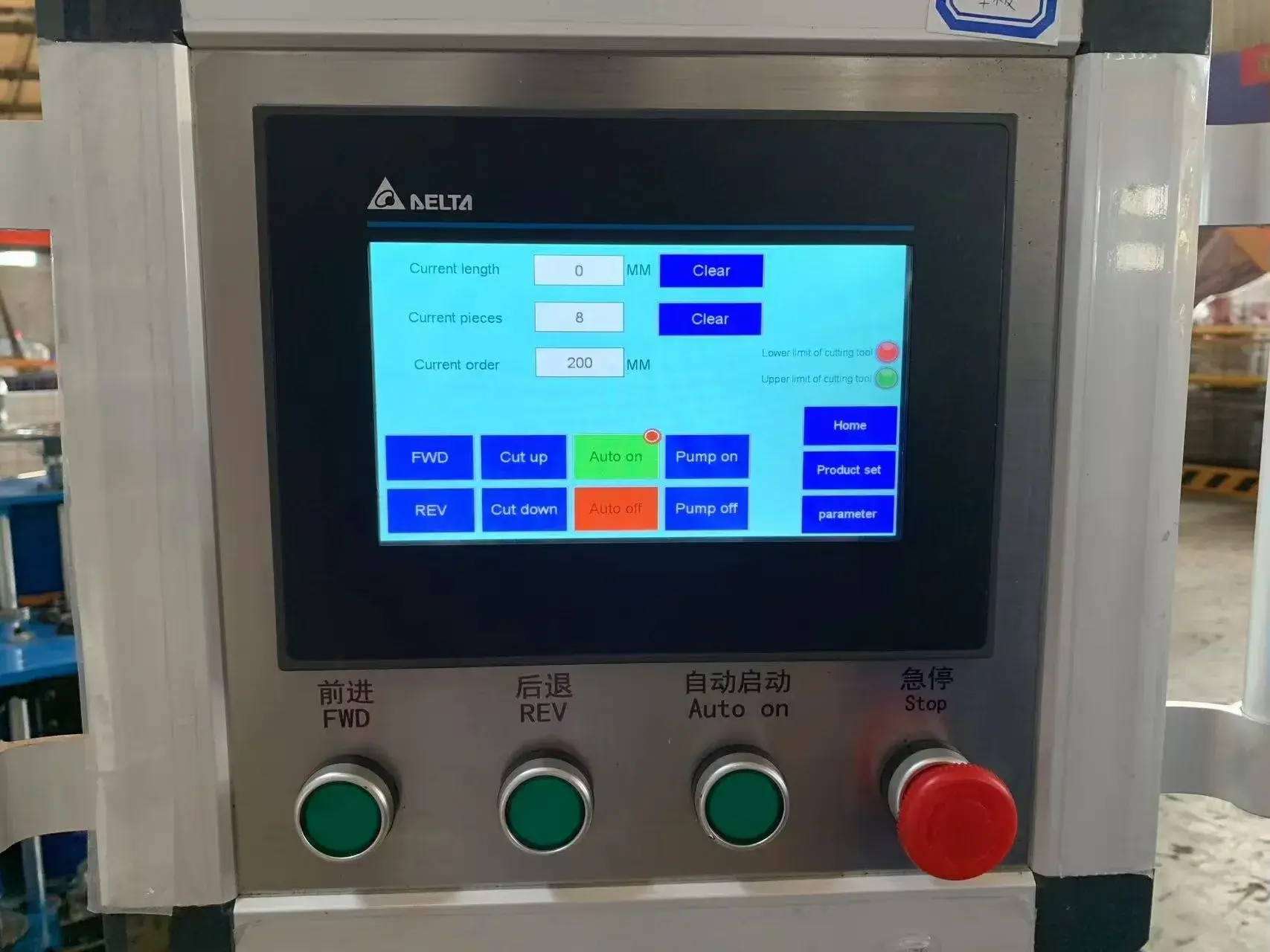
How to Choose & Compare Metal Wall Panel Machines for Your Business?
Assessing Production Requirements
Figuring out what you need for operations sets the criteria for selection. The production volume estimates tell you if the higher cost of speed-optimized machines is worth it. Facilities that aim to automate 500,000 square feet per year may benefit from high-speed automation, while smaller operations may find semi-automated systems more cost-effective. Different panel designs affect how flexible a machine needs to be. For example, companies that make a lot of different profiles need quick-change cassette systems or two-layer setups that make it easy to switch roller sets. When figuring out the total cost of ownership, you shouldn't just look at the initial purchase price. You should also look at how much energy it uses, how much it costs to maintain, and how long it's expected to last. When planning for growth and expecting production capacity to grow, scalability is important. Modular machine designs can add more stations or better controls as demand rises.
Automated Versus Manual Systems
There are trade-offs between operational efficiency and capital investment along the automation spectrum. Fully automated lines cut down on labor costs and increase throughput, but they require a lot of money up front and the ability to provide technical support. These systems work best in places where production is ongoing and consistent output justifies the complexity. Starting a business or having a production schedule that changes often might find manual machines appealing because they are easier to use and don't cost as much to buy. They do, however, need skilled operators and tend to produce less consistent results more slowly. Semi-automated configurations are a good middle ground because they automate important precision tasks while still letting you make setup and adjustment decisions by hand. The best level of automation can be found by looking at the skills of your workers, the consistency of your production needs, and the amount of capital you have available.
Evaluation Parameters for Long-Term Value
A piece of equipment's value changes over time for reasons other than how well it works. Different models of a metal wall panel machine use a lot of different amounts of energy. Newer models with more efficient drive systems and motors that are the right size can cut electrical costs by 20 to 30 percent compared to older models. The amount of downtime is related to the quality of the parts and how easy they are to maintain. Machines that can make adjustments without tools and have spare parts on hand reduce production interruptions. When comparing features, you should look at how complex the control system is, how well the sensors are integrated, and how well the data collection tools work with quality management systems. When looking at new technologies, we can see that servo-driven cutting has become more accurate, touchscreen interfaces have made operations easier, and IoT connectivity has made remote monitoring possible. When you work with well-known manufacturers, you can get engineering help, customization services, and reliable support after the sale, which protects your investment.
Conclusion
Putting money into metal roll forming technology is a long-term decision that will affect how much can be made for years to come. The metal wall panel machine you choose has a direct effect on the quality of the output, the efficiency of operations, and your ability to compete in construction markets that are becoming more demanding. Understanding the complicated forming process, comparing machine types based on your needs, maintaining equipment according to strict rules, and working with trustworthy suppliers are all things that are needed to make manufacturing great. Metal cladding is popular in architecture because it is long-lasting and can be used in a lot of different ways. If your business has reliable production capacity, you can take advantage of growing market opportunities in the industrial, commercial, and residential building sectors.
FAQ
1. What lifespan can I expect from a metal wall panel machine with proper maintenance?
When maintenance schedules are followed consistently, good roll forming equipment will usually work well for 15 to 20 years. These standards are often surpassed by machines that work in controlled environments and get regular lubrication, alignment checks, and part replacements. The roller stations can last forever if they are kept away from corrosive materials and damage from impacts. However, cutting blades need to be replaced every so often, depending on how much is being made.
2. Can these machines accommodate custom panel designs and varying sizes?
These days, roll forming systems give designers a lot of freedom. Custom roller profiles can make copies of almost any cross-sectional shape shown in architectural drawings, from simple corrugated patterns to complex systems that lock together. Programmable cutting controls let you change the length, so you can make panels that are anywhere from 1 meter to 12 meters or longer. The maximum width depends on the coil feeding capacity. Usually, it's between 600mm and 1,250mm, but some machines can handle wider materials.
3. What safety features should buyers prioritize during procurement?
Some important safety features are emergency stop buttons that can be reached from different places, full guarding around pinch points and rotating parts, and interlocked access panels that stop the machine from working when they are opened. Modern machines have light curtains or presence sensors that stop movement automatically when they sense an operator in a dangerous area. Lockout/tagout features should be built into control systems so that maintenance can be done safely. Putting these protections first shows that you care about the well-being of your workers and lowers your risk of being sued.
Partner with ZTRFM for Reliable Roll Forming Solutions
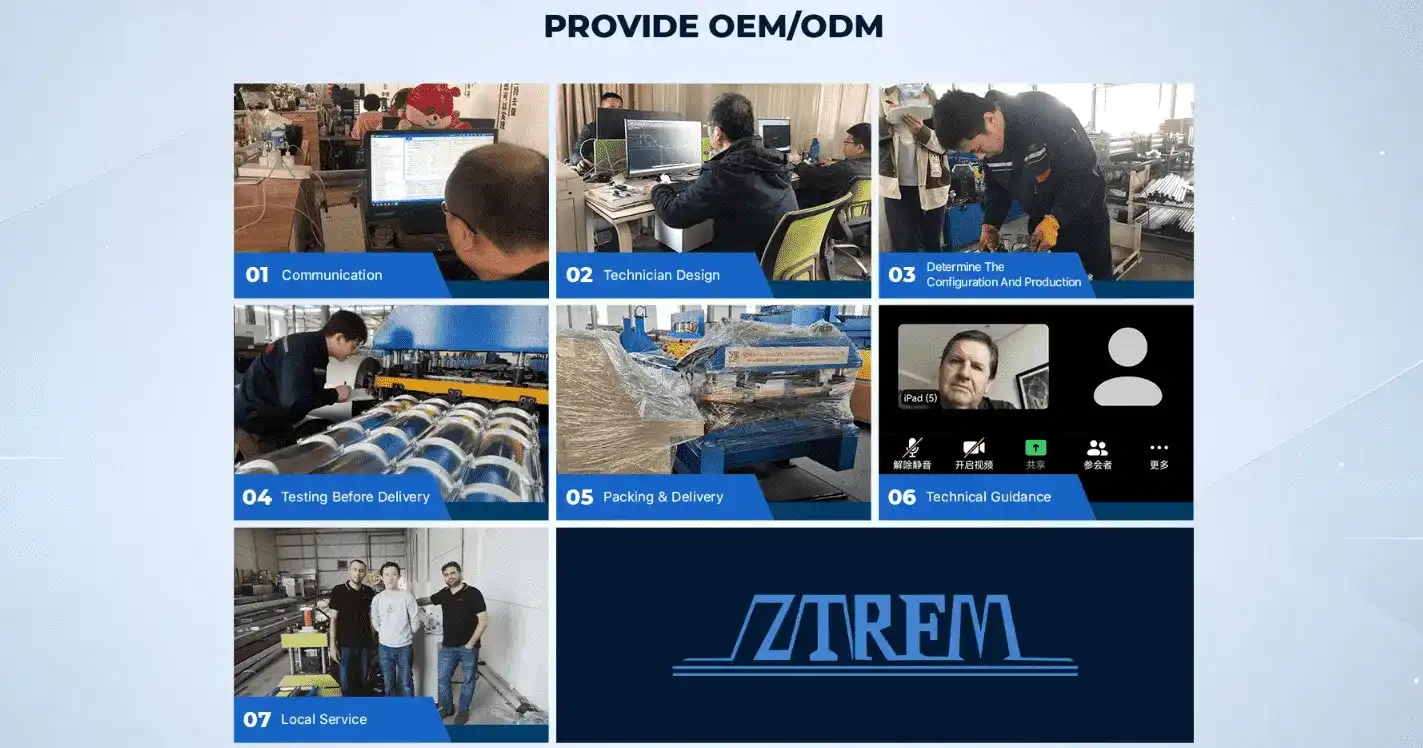
Roofing manufacturers, purlin manufacturers, and metal structure fabricators all need equipment that consistently delivers quality, works reliably in tough conditions, and gets quick technical support. Since 2014, ZTRFM has been working on these needs by designing cold-roll forming systems that solve real production problems. As a metal wall panel machine supplier, we do more than just sell machines. We also offer full support, such as finding raw materials, helping with installation, training operators, and ongoing technical consultation. Our machines are approved by ISO9001, CE, and CAS standards, and they work well in more than 150 countries. They are backed by a global service network.
Whether you're starting a business on a tight budget or increasing existing capacity for big projects, our team creates solutions that fit your specific profile needs and production goals. You can talk to us about how our OEM and ODM services can help your manufacturing operations by emailing zhongtuorollforming@gmail.com to see how committed ZTRFM is to quality and customer success, ask for detailed specifications, production samples, or to set up a virtual factory tour.
References
1. American Iron and Steel Institute. (2022). Cold-Formed Steel Design Manual. Washington, DC: AISI Publications.
2. Halmos, G.T. (2021). Roll Forming Handbook: Manufacturing Principles and Applications. Boca Raton: CRC Press.
3. Metal Construction Association. (2023). Technical Guidelines for Metal Wall Panel Systems. Glenview, IL: MCA Technical Publications.
4. Society of Manufacturing Engineers. (2020). Fundamentals of Metal Forming Processes. Dearborn: SME Publishing.
5. Bhattacharyya, D., Smith, P.D. (2019). Mechanics of Materials in Modern Manufacturing Methods and Processing Techniques. Oxford: Elsevier Science.
6. Building Envelope Design Guide. (2023). Metal Cladding Systems: Performance and Installation Standards. National Institute of Building Sciences, Washington, DC.
_1750323743240.webp)