- English
- French
- German
- Portuguese
- Spanish
- Russian
- Japanese
- Korean
- Arabic
- Irish
- Greek
- Turkish
- Italian
- Danish
- Romanian
- Indonesian
- Czech
- Afrikaans
- Swedish
- Polish
- Basque
- Catalan
- Esperanto
- Hindi
- Lao
- Albanian
- Amharic
- Armenian
- Azerbaijani
- Belarusian
- Bengali
- Bosnian
- Bulgarian
- Cebuano
- Chichewa
- Corsican
- Croatian
- Dutch
- Estonian
- Filipino
- Finnish
- Frisian
- Galician
- Georgian
- Gujarati
- Haitian
- Hausa
- Hawaiian
- Hebrew
- Hmong
- Hungarian
- Icelandic
- Igbo
- Javanese
- Kannada
- Kazakh
- Khmer
- Kurdish
- Kyrgyz
- Latin
- Latvian
- Lithuanian
- Luxembou..
- Macedonian
- Malagasy
- Malay
- Malayalam
- Maltese
- Maori
- Marathi
- Mongolian
- Burmese
- Nepali
- Norwegian
- Pashto
- Persian
- Punjabi
- Serbian
- Sesotho
- Sinhala
- Slovak
- Slovenian
- Somali
- Samoan
- Scots Gaelic
- Shona
- Sindhi
- Sundanese
- Swahili
- Tajik
- Tamil
- Telugu
- Thai
- Ukrainian
- Urdu
- Uzbek
- Vietnamese
- Welsh
- Xhosa
- Yiddish
- Yoruba
- Zulu
Understanding the Energy Consumption of Roll Forming Machines
Roll forming machines are now an important part of metal fabrication. They bend flat coil stock into complex profiles with great accuracy. Understanding energy consumption isn't just an operational detail for manufacturers in today's cost-conscious world; it's a strategic imperative that has a direct effect on profits. Modern roll forming machines use motors, drives, and hydraulic systems to turn electrical energy into mechanical force. The amount of energy used depends on the type of material, the speed of production, and the design of the system. The AG panel roll forming machine is a great example of this trend toward efficiency. It uses optimized motor loads and less mechanical friction to save measurable amounts of energy compared to standard equipment. These high-tech machines solve the main problems that manufacturers of building roofing systems and light steel structures have, which are increasing productivity and lowering costs. Over the past ten years of serving more than 150 countries, we've seen how choosing equipment that uses less energy can make the difference between businesses that are doing well and those that are having trouble paying their rising electricity bills.
General Overview of Energy Consumption in Roll Forming Operations
Modern roll forming technology depends on parts that are timed to work together to shape metal all the time. The main drive motor is at the heart of every system. Depending on the size of the machine and the thickness of the material, it usually needs 15 to 22 kilowatts of power. The roller stations are powered by this motor through chain drives or gearbox transmissions. The forming pressure stays the same on all passes.
Components Driving Energy Demand
The main forming motor, hydraulic cutting systems, and control electronics are the parts of roll forming that use the most energy. When they are turned on during cutting cycles, hydraulic pump stations add an extra 3 to 5 kilowatts. Control systems that use PLC technology from companies like Siemens or Mitsubishi use very little power—usually less than 1 kilowatt—but their intelligence has a big effect on total power use by figuring out the best way to run operations.
How Material Properties Affect Power Draw?
When you process galvanized steel versus aluminum, you get very different energy profiles. Because they have a higher yield strength, galvanized steel coils, especially G60 to G90 grades that are often used in commercial and agricultural roofing panels, need about 20 to 30 percent more power than aluminum coils of the same size. When manufacturers work with strong materials like Grade 80 steel, they often see peak loads reaching 125% of the motor's nominal rating during the important forming passes. Temperature also matters; when it's cold outside, the material is stiffer, which means it needs more forming force and, as a result, more energy.
Production Speed and Energy Relationships
A lot of operators think that faster production always means more energy costs, but the truth is that the relationship is more complicated than that. When you run an AG panel roll forming machine line at 45 meters per minute instead of 30 meters per minute, the instantaneous power draw goes up by about 15%. However, the energy used per linear meter goes down because fixed overhead consumption like lighting, controls, and ventilation is spread out over more product. Most of the time, the most efficient range of speeds is between 60 and 80% of the maximum rated speed. This is the range where mechanical systems work smoothly without too much vibration or material stress.
By knowing these basic patterns of consumption, you can evaluate the performance of your equipment and find ways to make it work better, which will have a direct effect on your bottom line.
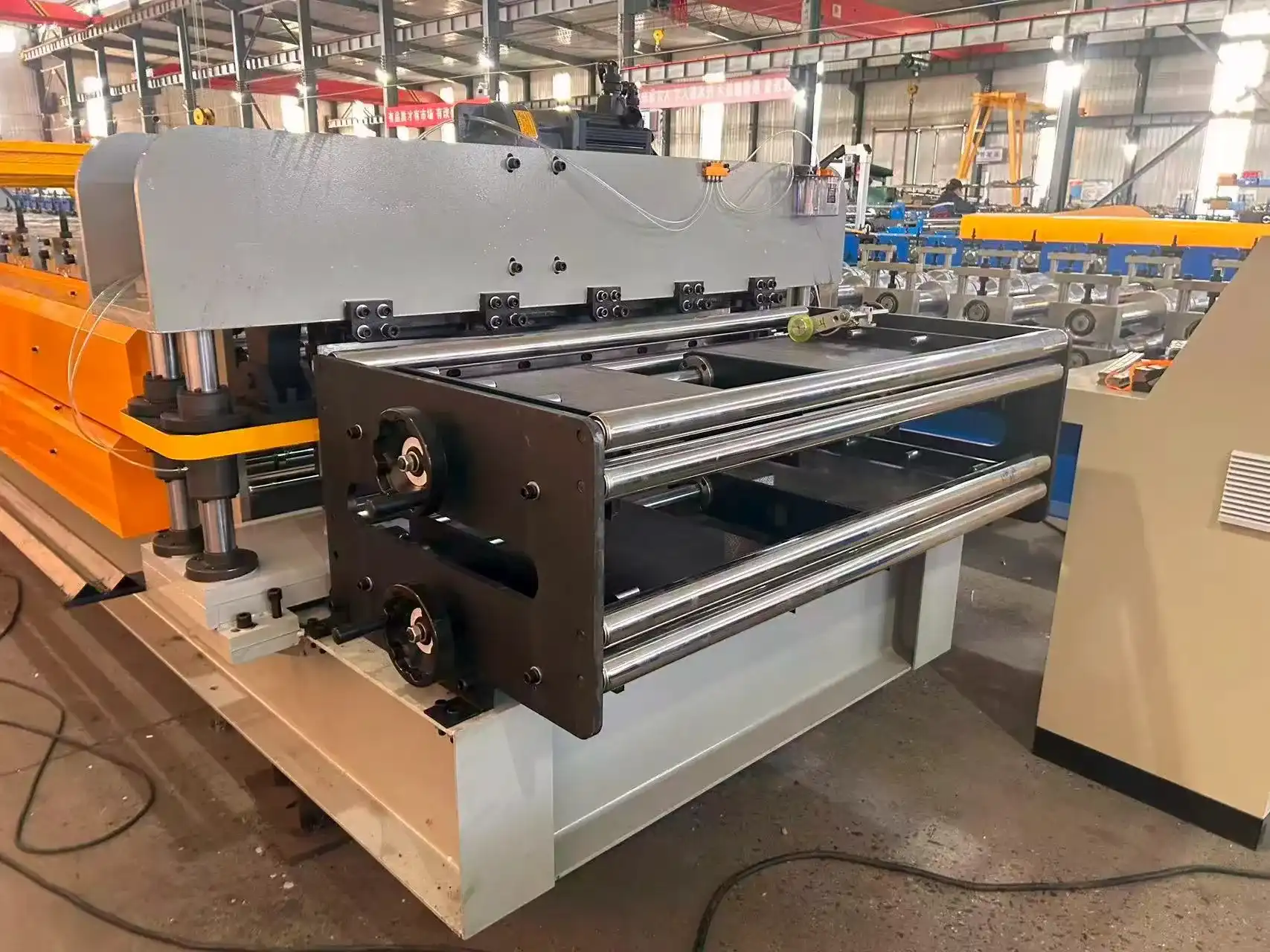
Key Factors Influencing Energy Efficiency
Metal-forming equipment's energy efficiency depends on a number of design choices and operational factors that work together. When procurement teams are aware of these factors, they can choose machines that meet both production needs and sustainability goals.
Mechanical Versus Hydraulic Drive Systems
When production conditions stay the same, mechanically driven roll formers with chain or gear transmission work more efficiently. These systems keep their energy transfer efficiency between 85 and 90%, and their power curves stay the same while they're working. Hydraulic-driven machines, including the AG panel roll forming machine, are very adaptable and can quickly switch between tasks and meet different product requirements. This is especially helpful for companies that make a lot of different types of purlins or panel profiles. However, hydraulic systems are only 70–75% efficient because they lose fluid compression and generate heat. The type of drive you choose should depend on the types of jobs you have. For dedicated high-volume runs, mechanical efficiency is best, while job shops that need to change setups often benefit from hydraulic flexibility, even though it costs more in energy.
Material Selection Impact on Energy Footprint
Working with aluminum or pre-painted galvanized steel requires a lot less energy than working with stainless steel. Stainless alloys work harder when they are heated, so they need more roller pressure and often more forming stations to get the right shape without damaging the material. According to data we got from companies that make composite sandwich panels, processing stainless steel can use 40 to 50 percent more energy than processing standard galvanized coil. Increasing the thickness of the material makes this effect much stronger. For example, when making agricultural panels, switching from 29-gauge steel to 24-gauge steel almost doubles the amount of energy needed per linear foot.
Automation and Intelligent Control Benefits
Energy management goes from being reactive to being proactive with the help of advanced control systems. Modern PLC-based controllers with encoder feedback change the motor loads on the fly based on the properties and resistance of the material being formed in real time. These systems can tell when the rollers come across different levels of coil thickness or hardness and change the pressure right away to keep quality high while reducing the amount of power used. Servo motor technology goes even further because it stops using energy continuously when it's not in use. Regular motors can use 30–40% of their rated power even when they're not moving, but servo systems cut this down to less than 5 percent. Integration with monitoring platforms lets production managers see patterns of energy use, which lets them make decisions based on data about when to run high-energy operations when utility rates are lower.
These factors affect efficiency in complicated ways, so it's important to look at the whole picture when comparing different pieces of equipment or figuring out what's wrong with performance in installations that are already in place.
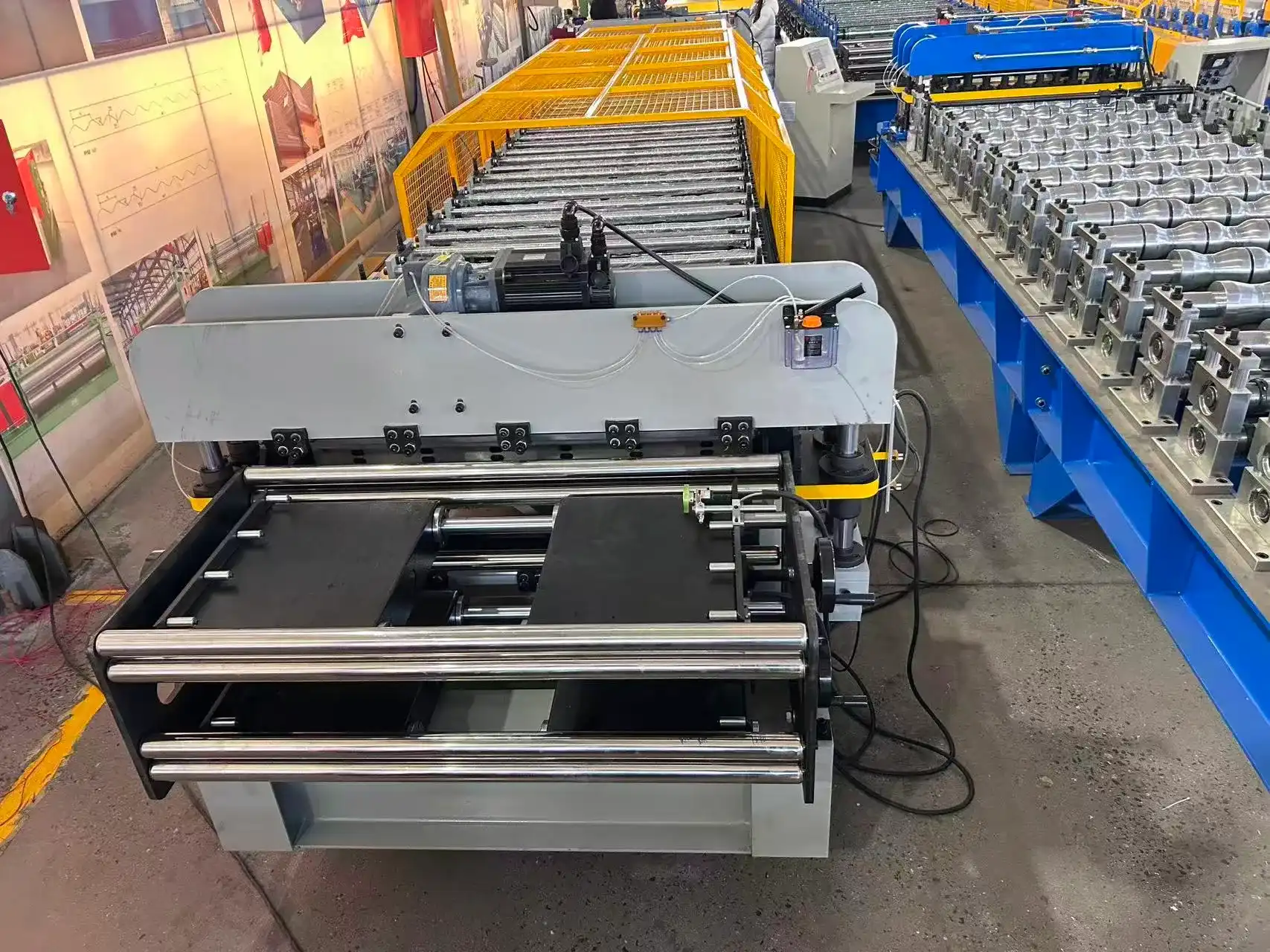
Optimization Strategies to Reduce Energy Consumption
Manufacturers who want to cut down on energy costs without lowering the quality of their products can use a number of tried-and-true methods that show results in just a few weeks.
Preventive Maintenance for Sustained Efficiency
Regular maintenance stops the loss of efficiency that raises energy bills over time without being seen. When roller stations' bearings wear out, they make more friction, which makes motors work harder to keep the line speed steady. From working with different roof system manufacturers, we know that worn bearings can make energy use go up by 8–12% before they cause quality issues that can be seen. Pay close attention to when to lubricate—properly lubricating chain drives and gearboxes lowers mechanical resistance, which directly leads to less power draw. Verification of alignment should happen every three months; rollers that aren't lined up right create uneven pressure, which makes motors draw more current to make up for it. Simple thermal imaging surveys can find trouble spots where there is too much heat, which means that energy is being wasted, before a component fails.
Process Parameter Tuning
Line speed optimization is easy work that many businesses don't do. By testing different speeds and keeping an eye on specific energy use (kilowatt-hours per ton produced), it's often possible to find the most efficient settings for the AG panel roll forming machine. Roller gap adjustment affects both quality and energy use. If the gap is too big, material will spring back between stations, which means that later rollers will have to re-form the profile, which uses more energy. Improvements to the design of tools can save a lot of money. For example, replacing worn or badly made rolls with precision-ground tools lowers the amount of force needed for forming by making sure that all stations bend gradually and consistently. One company we worked with that makes light steel structures cut their energy use by 17% by switching to better C-purlin roller profiles that spread out the forming stress more evenly.
Technology Upgrades Delivering ROI
Adding variable frequency drives (VFDs) to older machines gives a great return on investment, usually paying for itself in 18 to 24 months through lower energy costs. Instead of running all the time at full speed, VFDs let motors run at just the right speed, which cuts energy use by 20–30% in situations where production needs change. By switching to servo-driven cut-off systems, hydraulic pumps are no longer needed to run all the time. On regular machines, they do this during production, no matter how often they cut. Putting energy monitoring at the machine level instead of the facility level lets you look more closely at how energy is used, which can reveal opportunities that aren't visible in big data from utilities.
When these strategies were used in real life in AG panel roll forming machine operations, they saved 25 to 35 percent of the energy that was normally used. This made the companies much more competitive in price-sensitive markets.
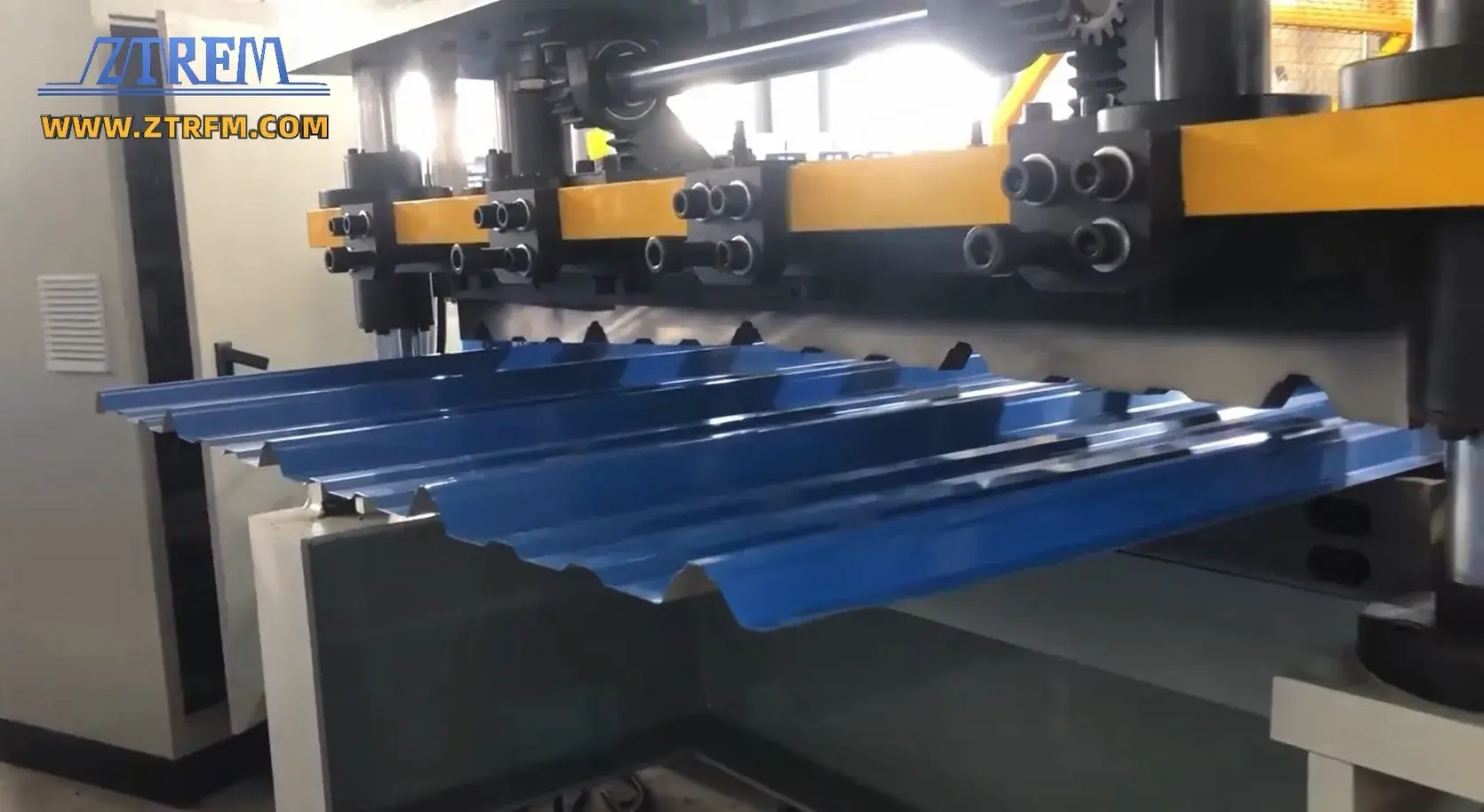
Procurement Considerations: Choosing an Energy-Efficient Roll Forming Machine
To choose equipment that balances the initial investment with the long-term costs of running it, you need to look at more than just the purchase price.
Evaluating True Total Cost of Ownership
In metal forming shops that work standard shifts, energy costs make up about 15 to 25 percent of all production costs. During a typical ten-year equipment lifespan, the cost of energy use can be equal to or higher than the price of the machine itself. Smart procurement teams use realistic production volumes and local utility rates to make predictions about how much energy will cost. At normal industrial rates in the US of $0.08 to $0.10 per kilowatt-hour, a machine that costs $15,000 less but uses three kilowatts more will cost an extra $18,000 to $20,000 in electricity over ten years. Instead of accepting vague claims of efficiency, ask for specifics on how much power is used, such as measurements of idle, typical load, and peak load.
Comparing Drive System Trade-offs
Mechanically driven machines use less energy and need less maintenance, but they are less flexible. These systems work best in dedicated production areas where companies that make roofing panels use the same profiles for long periods of time. Even though hydraulic systems use more power, they can quickly switch between profiles, which is very important for purlin manufacturers who use the same equipment to make C, Z, and hat profiles. In recent years, hybrid systems have been created that try to take the best parts of both mechanical and hydraulic approaches, but they are more expensive at first. This choice should be based on your production mix; find the point where the higher energy costs of hydraulic flexibility are balanced by the higher profits from making more products.
Supplier Capabilities and Support Infrastructure
Not only does the design of equipment affect how energy-efficient it is, but so does the installation, commissioning, and ongoing support of that equipment. Suppliers who have delivered goods around the world before know how the different markets' electrical needs and environments affect performance. Look for companies that have ISO 9001 certification and CE compliance. This shows that they have a system for quality management that includes claims about energy efficiency. Support after installation is very important; even roll-forming machines for metal panels that are well-designed need to be adjusted from time to time as the tools wear out and the production parameters change. Having access to technical support helps keep equipment running at its best for as long as it lasts.
If you want customized solutions for making composite panels or using more than one profile, work with manufacturers that offer engineering advice during specification development, such as those providing AG panel roll forming machines. This way, you can be sure that the final equipment meets all of your exact efficiency needs instead of having to settle for standard models.
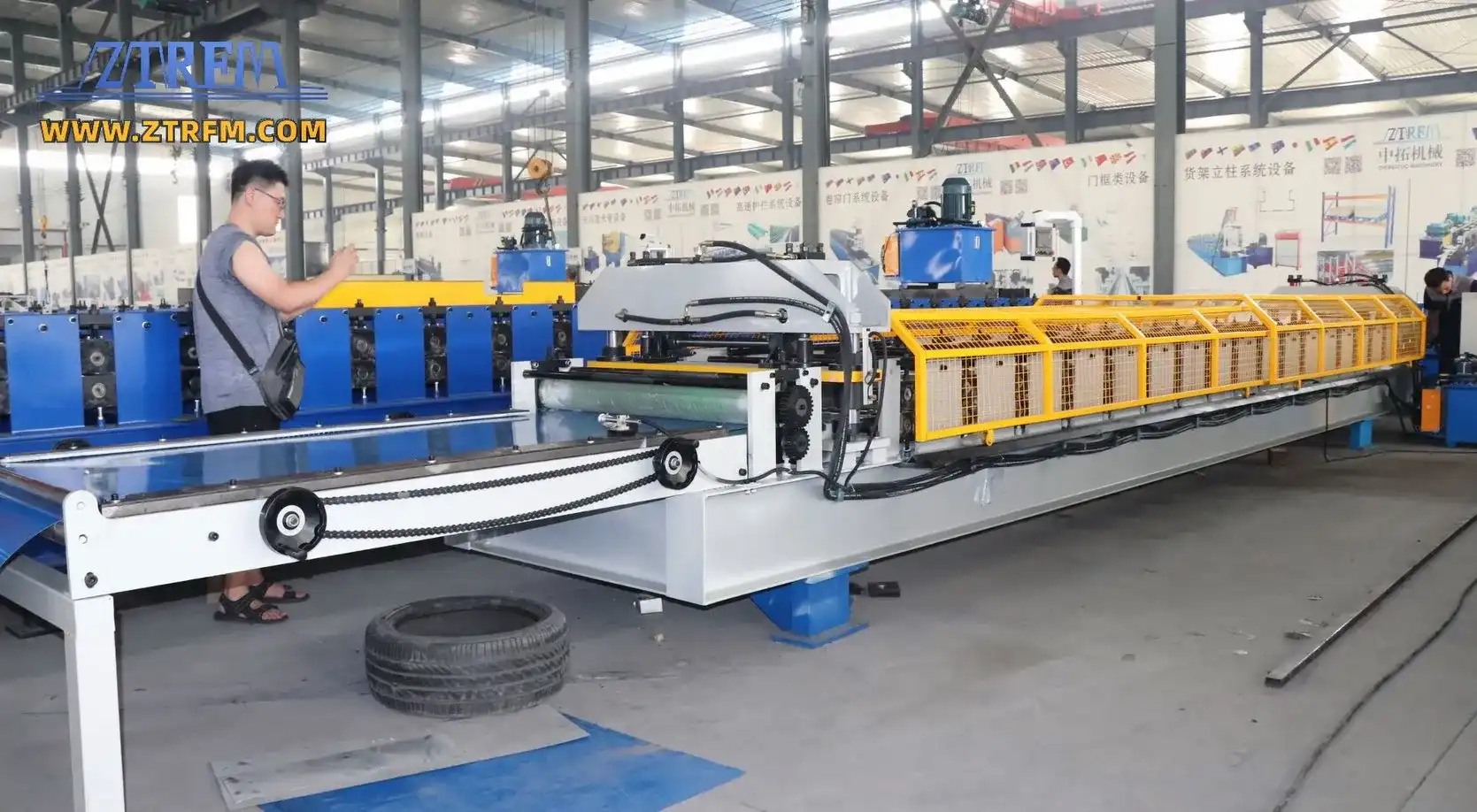
Conclusion
How much energy roll-forming operations use has a direct effect on their ability to make money, stay competitive, and leave a positive impact on the environment. Manufacturers can choose the right equipment by learning about the things that affect power use, such as the choice of drive system, the properties of materials, how to maintain them, and the technologies used for control. Modern machines like specialized AG panel formers show how careful engineering can lower energy needs while keeping speed and quality of production the same. Optimization strategies, such as preventive maintenance, process tuning, and technology upgrades, can save a lot of money, often more than 25% of the baseline amount used. As roll forming technology keeps getting better with smart controls, efficient drive systems, and the ability to predict what will happen, companies that adopt these new ideas gain long-lasting competitive advantages. When deciding what to buy, it's not just about the price at first. The real value of energy-efficient equipment can be seen by looking at the total cost of ownership along with realistic energy projections.
FAQ
1. How much energy can I realistically save by upgrading to a modern energy-efficient roll forming machine?
Savings on energy depend on the age of your current equipment and how it is used, but manufacturers usually get 20–35% lower electricity use when they replace machines that are over ten years old. Newer systems with servo drives, better roller design, and smart controls get rid of a lot of the energy waste that comes with older technology. Businesses that work more than one shift often see faster payback periods. Often, the extra cost of efficiency features is recouped in two to three years through lower utility bills.
2. Which is more energy-efficient: hydraulic or mechanical roll forming systems?
Mechanical drive systems always use less energy than hydraulic systems; they usually transfer 85–90% of their energy, while hydraulic systems only transfer 70–75%. But this comparison makes the choice too easy. When your production needs to change profiles often or control forces precisely, hydraulic machines may be worth the extra cost because they are more flexible and can switch between tasks more quickly. Figure out what you'll be using it for. For example, dedicated high-volume production benefits from mechanical efficiency, while job shops that do a lot of different things benefit from hydraulic versatility, even though it uses more energy.
3. What maintenance practices have the biggest impact on reducing energy consumption?
The best results for energy efficiency come from programs that inspect and replace bearings. When bearings get worn, they cause friction, which makes motors draw a lot more current—often 10-15% more before production problems become clear. Regularly greasing chain drives and gearboxes comes in second, and checking the alignment of the rollers is third. Using thermal imaging surveys every three months can help find problems early on, before they become big energy wastes. This lets you take action right away, which keeps equipment running at its best for as long as it lasts.
Partner with ZTRFM for Energy-Optimized Roll Forming Solutions
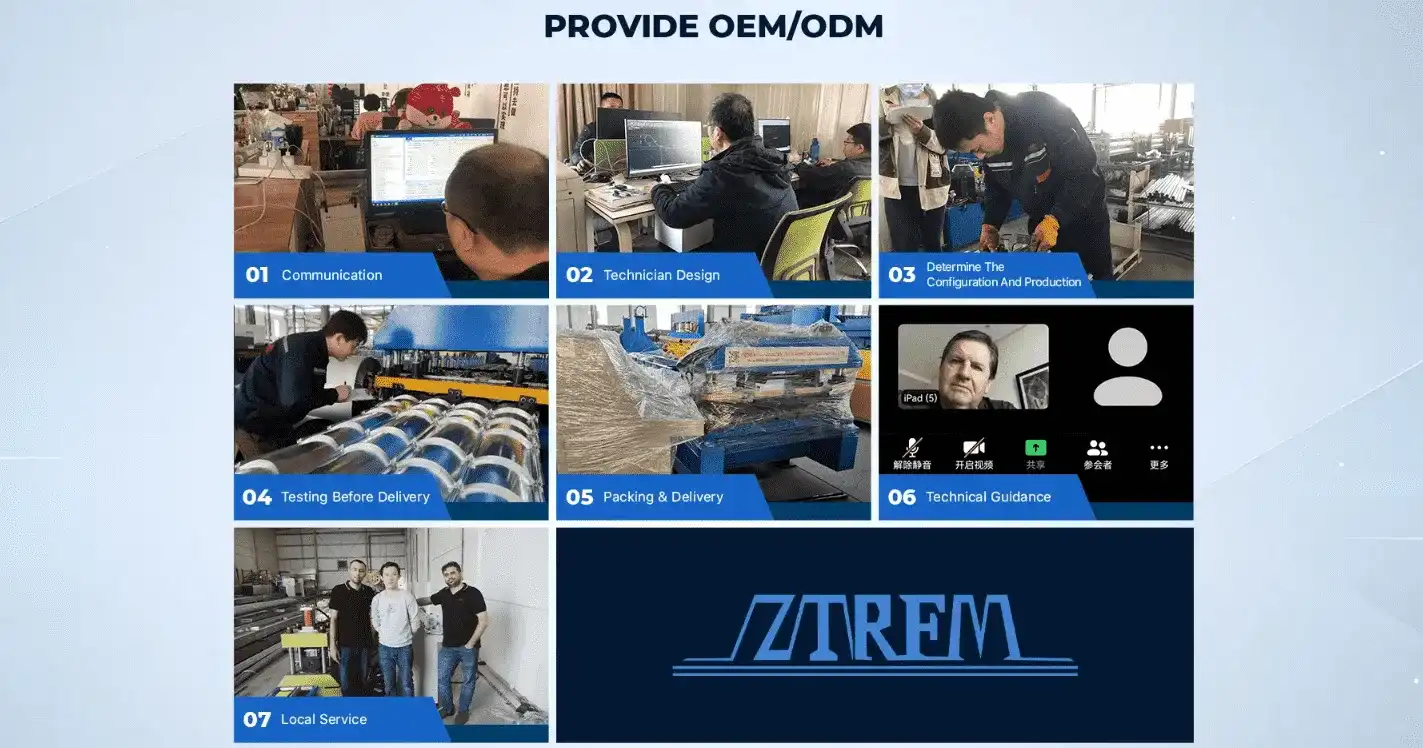
ZTRFM has ten years of experience designing and building roll forming machines that use less energy and are customized to your production needs. In addition to delivering equipment, our role as an AG panel roll forming machine supplier also includes full support, such as installation advice, operator training, and ongoing technical consultation. Every machine that leaves our ISO9001 and CE-certified factory has the best motors, the most precise tooling, and smart controls that use the least amount of energy without lowering the quality of the output. We know that companies that make building roofs, purlins, and composite panels have their own energy problems. That's why we offer flexible configurations that can be tailored to your specific material types, production volumes, and energy goals. Our engineering team works with you to make sure that the final solution strikes the right balance between capital investment and operational costs for the best total cost of ownership. Get in touch with our experts at zhongtuorollforming@gmail.com to talk about how our energy-efficient roll forming technology can help you save money on electricity costs and make more things.
References
1. Smith, J. & Anderson, R. (2021). Energy Management in Metal Forming Operations: Practical Strategies for Industrial Efficiency. Manufacturing Technology Press.
2. International Organization for Standardization. (2018). ISO 50001:2018 Energy Management Systems – Requirements with Guidance for Use. Geneva: ISO.
3. Chen, L., Wang, H., & Thompson, M. (2022). "Comparative Analysis of Drive System Efficiency in Cold Roll Forming Equipment." Journal of Manufacturing Processes, 78, 245-259.
4. U.S. Department of Energy, Advanced Manufacturing Office. (2020). Improving Motor and Drive System Performance: A Sourcebook for Industry. Washington, DC: DOE.
5. Martinez, E. & Liu, Y. (2023). "Predictive Maintenance Impact on Energy Consumption in Continuous Metal Forming." International Journal of Advanced Manufacturing Technology, 125(3), 1847-1862.
6. European Commission. (2019). Ecodesign and Energy Labelling for Electric Motors and Variable Speed Drives. Brussels: EU Publications Office.
_1750323743240.webp)