- English
- French
- German
- Portuguese
- Spanish
- Russian
- Japanese
- Korean
- Arabic
- Irish
- Greek
- Turkish
- Italian
- Danish
- Romanian
- Indonesian
- Czech
- Afrikaans
- Swedish
- Polish
- Basque
- Catalan
- Esperanto
- Hindi
- Lao
- Albanian
- Amharic
- Armenian
- Azerbaijani
- Belarusian
- Bengali
- Bosnian
- Bulgarian
- Cebuano
- Chichewa
- Corsican
- Croatian
- Dutch
- Estonian
- Filipino
- Finnish
- Frisian
- Galician
- Georgian
- Gujarati
- Haitian
- Hausa
- Hawaiian
- Hebrew
- Hmong
- Hungarian
- Icelandic
- Igbo
- Javanese
- Kannada
- Kazakh
- Khmer
- Kurdish
- Kyrgyz
- Latin
- Latvian
- Lithuanian
- Luxembou..
- Macedonian
- Malagasy
- Malay
- Malayalam
- Maltese
- Maori
- Marathi
- Mongolian
- Burmese
- Nepali
- Norwegian
- Pashto
- Persian
- Punjabi
- Serbian
- Sesotho
- Sinhala
- Slovak
- Slovenian
- Somali
- Samoan
- Scots Gaelic
- Shona
- Sindhi
- Sundanese
- Swahili
- Tajik
- Tamil
- Telugu
- Thai
- Ukrainian
- Urdu
- Uzbek
- Vietnamese
- Welsh
- Xhosa
- Yiddish
- Yoruba
- Zulu
Pbr Roll Former for Roofing Panels: Features and Benefits
A PBR roll former is the most important tool for making modern roofing panels. It uses continuous cold-forming technology to turn flat metal coils into precisely engineered purlin-bearing rib panels. This specialized equipment meets important production needs for companies that make building materials, especially those that want to stop water from getting in while keeping the structure's load capacity for large-span uses. The machine's special feature is that it can make panels with an extended bearing leg that makes sure they make full contact with the roof purlins during installation. This makes leaks much less likely than with regular corrugated profiles.
Understanding PBR Roll Formers for Roofing Panels
The PBR roll former is a unique piece of metal-forming equipment when it comes to industrial roofing solutions. Instead of the usual panel equipment, this technology makes panels with trapezoidal ribs that are usually 1.25 inches high and that wide, bearing leg character. In the continuous forming process, galvanized steel, Galvalume, or pre-painted aluminum is slowly shaped by moving it through a series of roller stations. Each station bends the material more and more until it reaches its final shape.
Working Principles Behind Metal Panel Forming
The main process uses cold-rolling mechanics, in which metal coils move through pairs of rollers set up in different stations. Cangzhou Zhongtuo's equipment usually has 19 forming stations that are designed to work with materials that are 24 to 26 gauge thick. The solid shaft diameter of 80 mm makes it possible to keep measurements accurate even when working with high-tensile steel up to 550 MPa yield strength. This method of shaping slowly keeps the material's integrity and stops protective coatings from microcracking.
Common Specifications Relevant to Roofing Production
When industrial buyers look at machines, they usually look at how fast they can form panels and how well they work with different materials. Standard configurations make panels with a 36-inch coverage width, but customization lets you make changes to meet local building codes. Forming speeds of 15 to 20 meters per minute are reasonable output rates when quality control and throughput need to be balanced. The machine can work with different types of substrates, such as hot-dipped galvanized steel that meets ASTM A653 standards and aluminum-zinc alloy coatings that meet ASTM A792 standards.
Industrial Applications Across Manufacturing Sectors
Manufacturing plants that use this technology work in a lot of different industries. Fabricators of pre-engineered metal buildings use these machines to make warehouse cladding panels that have to span long distances between structural supports. Agricultural infrastructure projects need panels that don't rust, which are made by forming heavier gauge materials with special tools. Commercial retrofitting works better because the precise rib geometry lets new panels fit over existing roof substrates without a lot of work. These machines are used by metal service centers to make just-in-time panels for construction distributors who have to deal with changing order volumes.
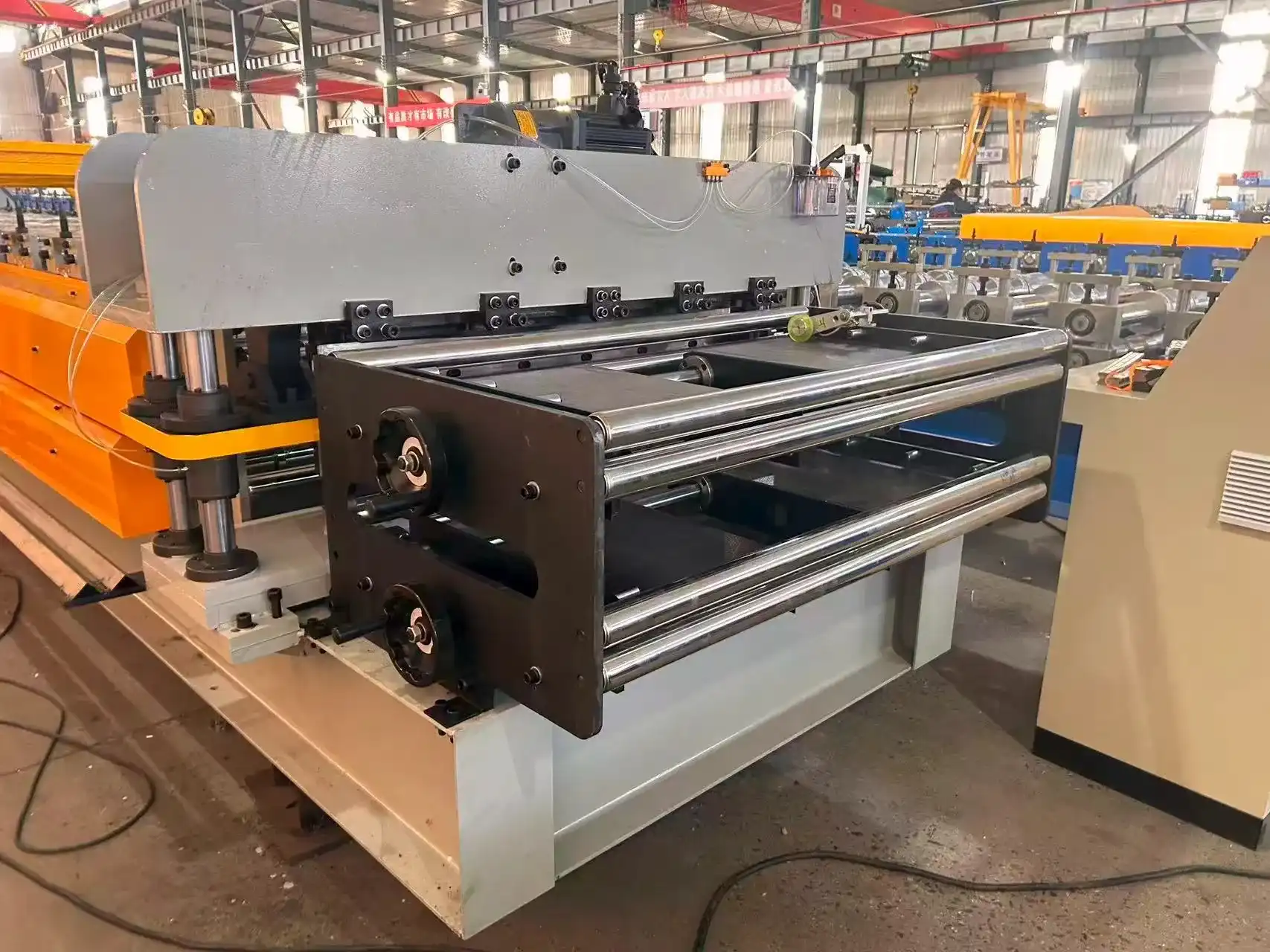
Key Features and Design Advantages of PBR Roll Formers
Modern roll forming technology has engineering improvements that directly address problems that manufacturers of roofing systems have found in production. The foundation of the machine determines how long it will last when it is continuously used, and the choice of parts affects how often it needs to be serviced and how consistently it produces results.
Robust Frame Construction and Material Engineering
The frame of the machine body is made up of a 350mm H-beam structure that is strengthened with 20mm welded steel middle support plates. This makes a platform that doesn't bend during high-speed forming operations. When working with thicker materials, where forming forces are much higher, this way of building is especially useful. The frame design also allows for thermal expansion during long production runs without affecting the alignment of the rollers, which is one thing that makes industrial-grade equipment different from lighter-duty options.
Precision Roller Manufacturing and Surface Treatment
Forming rollers made from high-quality 45# forged steel, including the PBR roll former, are heated to the right level of hardness before their working surfaces are hard chrome-plated. This surface treatment does two things: it protects pre-painted coil stock from scratches and extends the service life of the rollers beyond 500,000 linear meters of panel production. Ordinarily, the plating is 0.05 mm thick, which is thick enough to protect without changing important profile dimensions. Precision machining at roller stations keeps run-out tolerances below 0.05 mm. This makes sure that panels come out of the machine without any camber or twist problems.
Automated Control Systems and Drive Mechanisms
Programmable logic controllers that sync up material feeding, forming speed, and cutting operations are one way that production is made more efficient. The gear and double-chain transmission system evenly distributes drive torque across all roller stations. This gets rid of the speed changes that cause panel lengths to be off. Automatic cutting assemblies use Cr12MoV steel blades that are designed to shear three-dimensional profiles. They make clean edges that don't bend, even when cutting full-hard steel at its thickest point.
Customization Capabilities for Diverse Production Needs
We know that different markets have different needs that force roofing panel makers to change the profiles or add special features. Our engineering team helps OEMs work together by changing roller tools to make rib configurations or coverage widths that are specific to the customer. This also includes choosing the level of automation. For example, startups on a budget might choose semi-automatic length control, while high-volume producers may choose fully integrated coil-to-packaged-panel systems that require little to no operator input.
Together, these design elements make production environments where companies can consistently make high-quality products while still being able to change how they run their businesses. We put a lot of emphasis on long-lasting construction and precise parts because we know that equipment downtime has a direct effect on our customers' ability to make money and meet project deadlines.
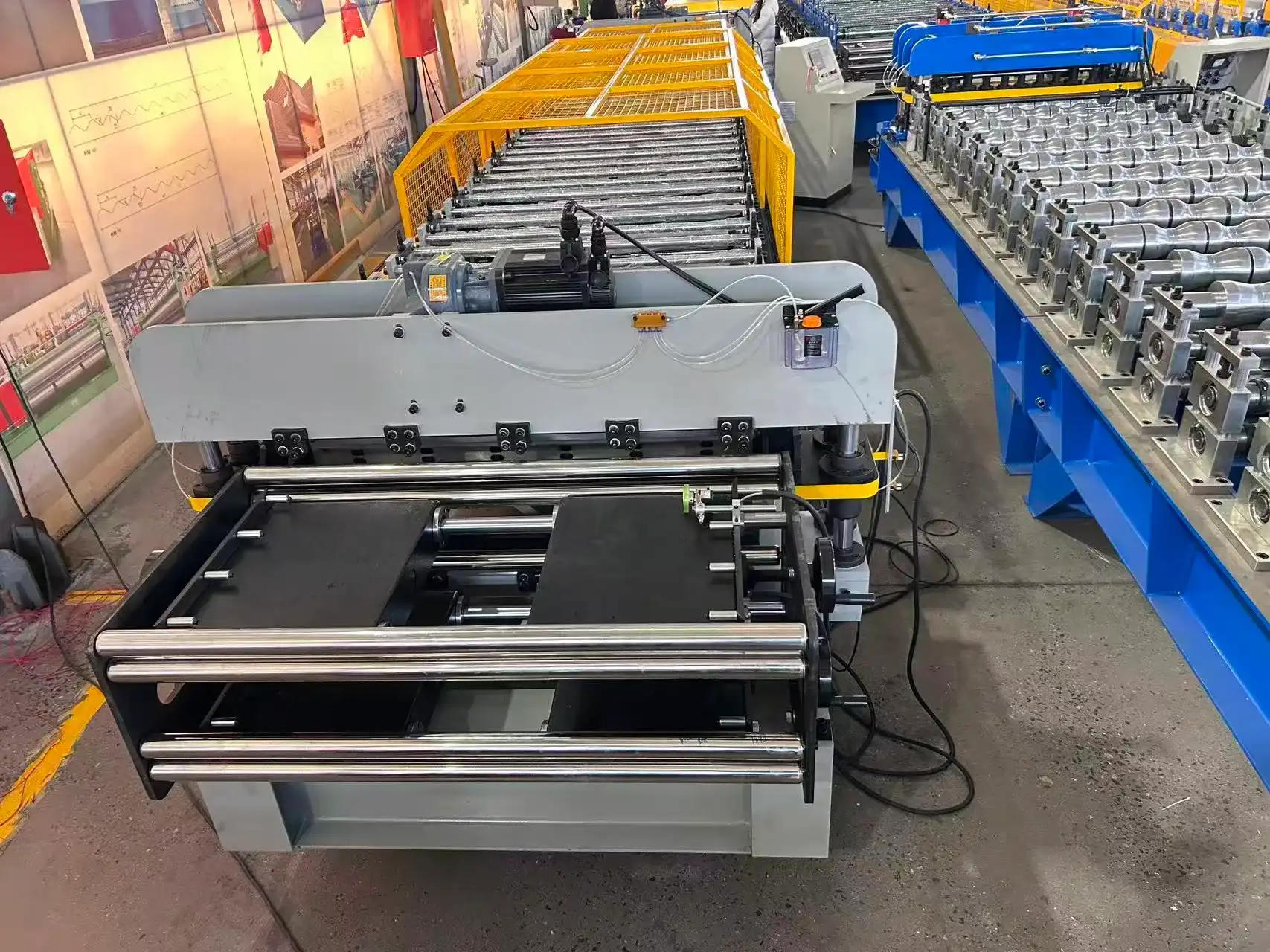
Benefits of Using a PBR Roll Former for Roofing Panel Production
Equipment investments in manufacturing are judged by how much they improve performance and how much money they make. Dedicated panel forming machinery has benefits that go beyond just being able to make things. These benefits include consistent quality and lower operational costs.
Enhanced Production Efficiency and Output Rates
With continuous forming technology, there are no more start-stop cycles that come with using a press brake. This means that panels can be made without interruptions, with the only limit being the size of the coil. When facilities switch from manual fabrication methods to automated roll forming lines, their throughput goes up by more than 300 percent. By cutting down on the number of steps needed to move materials, less work is needed to complete each panel, and there is also less chance of getting hurt at work from lifting heavy things. Compared to stamping, profile changes take a lot less time to set up. This is especially helpful for manufacturers who serve markets that need a lot of different panel styles.
Superior Panel Quality and Dimensional Accuracy
When panels are formed gradually through multiple stations, they are flatter than when they are stamped with a single stroke. This is an important quality that can be seen during installation, when the panels are easier to line up on the roof structures. The process makes sure that the rib height is the same along the entire length of the panel, which ensures that the structure works well and looks good. Dimensional tolerances usually allow a width difference of plus or minus 1 mm and a length difference of plus or minus 2 mm. This meets the needs of architectural projects that need precise panel alignment. The forming method also keeps the integrity of the protective coating better than aggressive bending, which increases the service life of the panel in harsh environments.
Cost-Effectiveness and Return on Investment Factors
Buying equipment requires a lot of money, but automated forming technology is more cost-effective for factories that make more than a certain number of products. When compared to cut-and-bend methods, material waste goes down a lot, and scrap rates often fall below 2% of coil input. As continuous operation becomes more efficient than intermittent processing, less energy is used per panel made. When one operator watches over automated production that used to need several workers, the cost of labor per unit goes down. Manufacturers usually list payback periods between 18 and 36 months, but this depends on how much they make and how much labor costs in their area. If you follow the manufacturer's maintenance guidelines, most equipment will last longer than 15 years.
When it comes to speed, quality, and cost-effectiveness, PBR roll former roll-forming technology is the best way for businesses to compete in the price-conscious roofing market while still meeting the quality standards needed for commercial and industrial buildings.
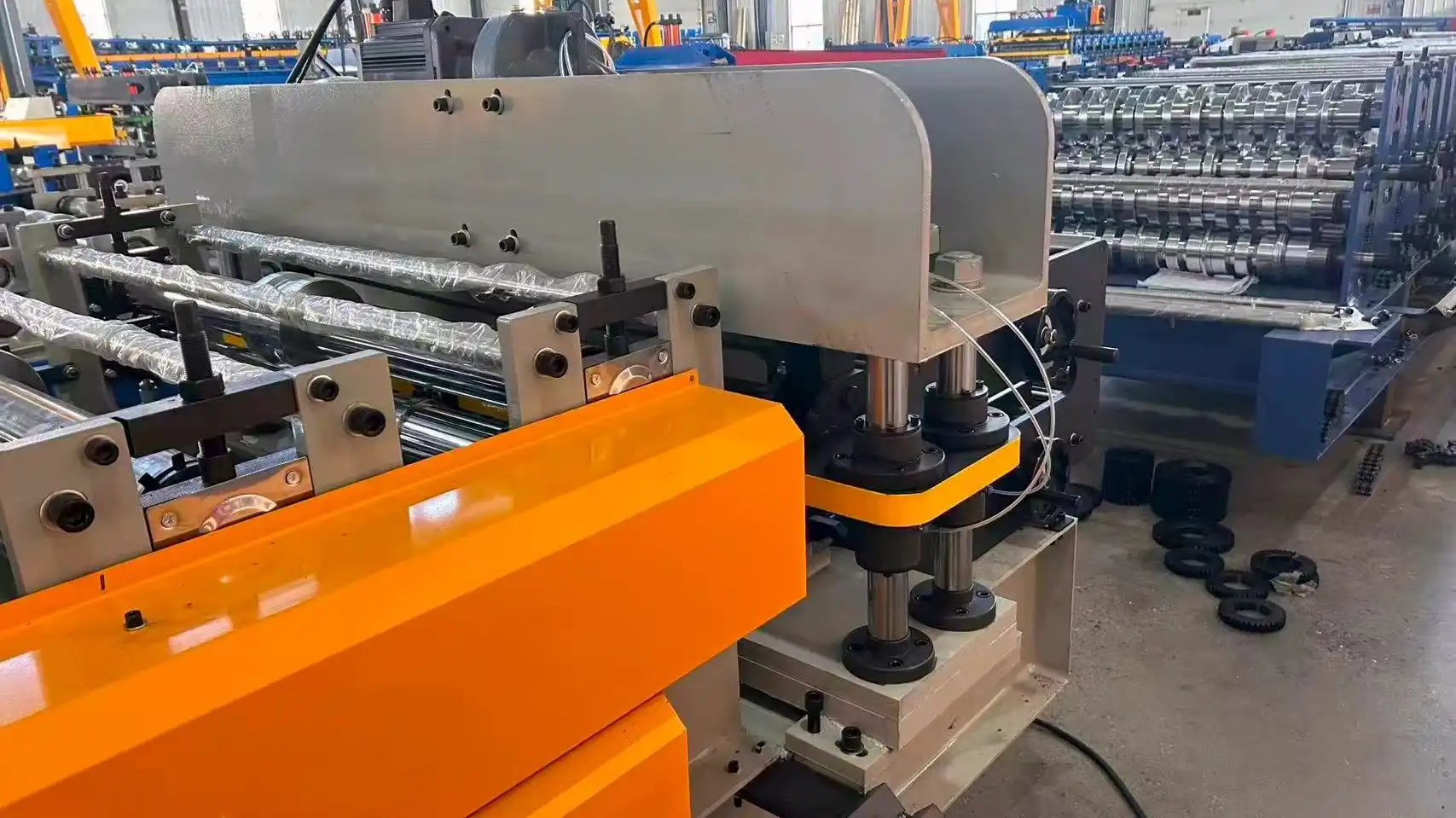
How to Choose the Best PBR Roll Former for Your Business?
To choose the right forming equipment, you need to make sure that the machine's capabilities match your production environment. A systematic look at technical needs, operational conditions, and supplier abilities helps the decision-making process.
Assessing Your Production Requirements
The expected output volume is the basis for choosing the right equipment. For facilities that want to make less than 5,000 linear feet per day, length control by hand might be enough. For operations that need to make more than 15,000 feet, fully automated systems with built-in stacking are better. When thinking about profile complexity, you should think about whether you need to stick to a single profile or have the ability to use multiple profiles, which requires quick-change tooling systems. The range of material thicknesses you want to work with determines the motor power and structural requirements. For example, for heavier gauge capacities, the structure needs to be stronger.
Comparing Equipment Models and Specifications
When comparing different forming systems, look at the number of roller stations because this has a direct effect on the quality of the profile and how the forming force is distributed. Machines with 16 stations might be able to handle lighter materials well, but have trouble with 24-gauge steel. On the other hand, machines with 19 stations, like our standard model, can handle all gauges without any material strain. Alignment stability over time depends on the diameter of the shaft and the quality of the bearings. In demanding production environments, solid shafts work better than hollow ones. The type of drive system affects how often it needs to be serviced. For example, enclosed gear drives don't need to be serviced as often as exposed chain systems, which need to be oiled more often.
Procurement Considerations and Supplier Evaluation
When evaluating suppliers for a PBR roll former, focus on their experience with PBR-specific tooling. Ask about the number of PBR profiles they have engineered, especially the critical 1.25-inch rib height and extended bearing leg geometry. Request sample panels from their machine to verify that the bearing leg makes full contact with simulated purlins—this directly affects leak prevention. Check if the supplier provides detailed roller station drawings (e.g., 19 stations for 24–26 gauge material) and hardness certificates for the 45 lb forged steel rollers with hard chrome plating.
Evaluate their after-sales support for PBR-specific issues, such as adjusting the forming stations to prevent microcracking on Galvalume coatings. A capable supplier should offer on-site commissioning and training focused on PBR panel alignment, cut-off die setup for trapezoidal ribs, and troubleshooting of bearing leg distortion. Avoid suppliers who cannot provide PBR-specific quality records, such as run-out tolerances below 0.05 mm or panel camber tests.
Certification and Compliance Requirements
When purchasing a PBR roll former, verify that the machine's specific forming geometry—particularly the 1.25-inch trapezoidal ribs and extended bearing leg—meets relevant performance certifications. The PBR roll former should undergo camber testing to ensure the bearing leg remains flat within ±0.05 mm over 3 meters, as any distortion directly causes leakage risks. For electrical systems, the PBR roll former's programmable logic controller and drive motors should comply with local safety standards (e.g., CE for Europe, UL 508A for North America).
However, the most critical certification is a manufacturer-issued PBR-specific forming validation report for the PBR roll former, which documents that the roller stations (typically 19 stations) produce consistent rib height and bearing leg contact across full coil lengths. This report should include sample panel measurements showing that the extended bearing leg makes continuous contact with a standard purlin simulation fixture. Without this PBR-specific documentation, the machine may fail to deliver the leak-resistant performance that distinguishes PBR panels from standard corrugated profiles.
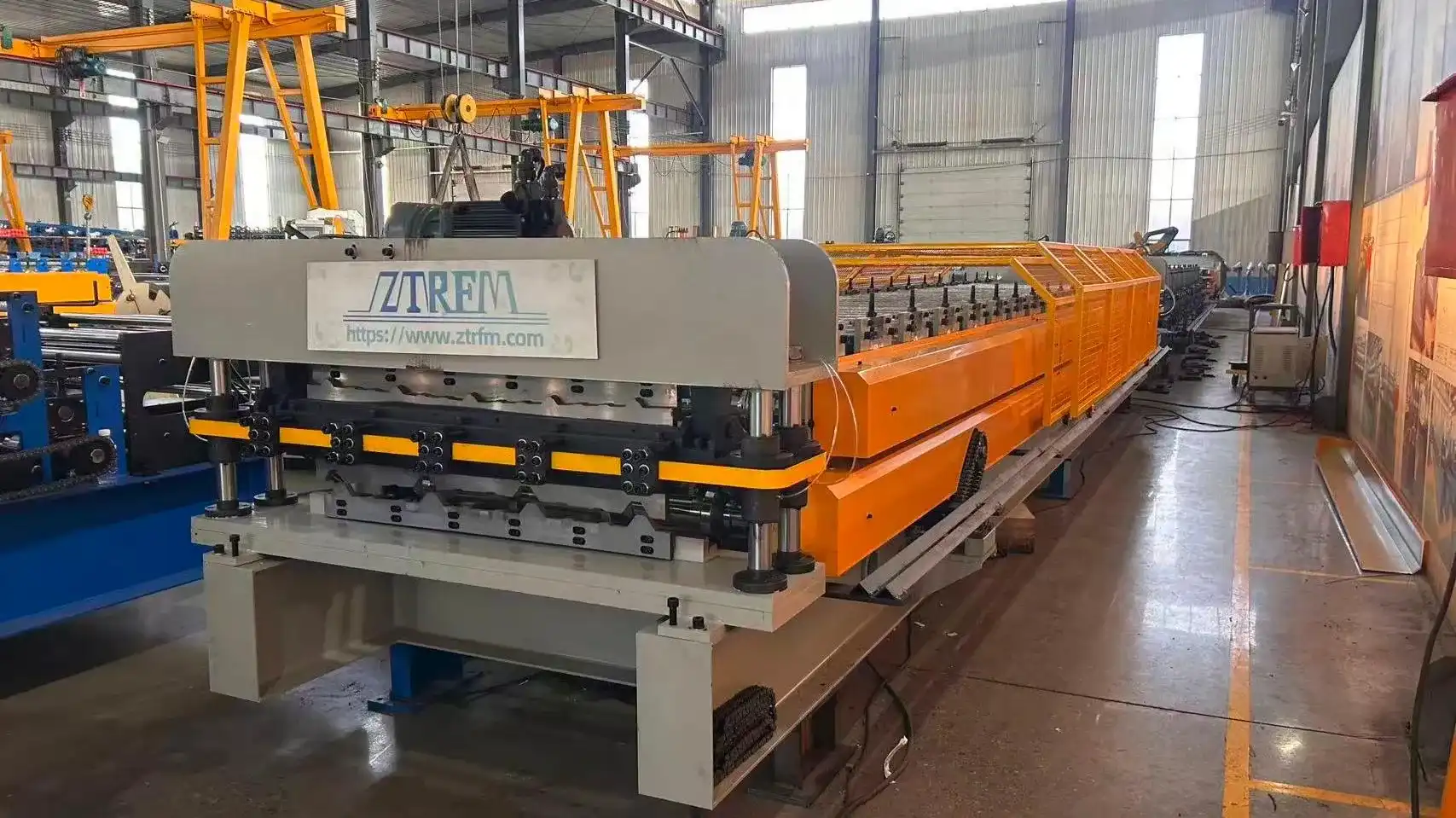
Conclusion
The PBR roll former is a smart investment for companies that make roofing panels and want to increase their production capacity while keeping the quality of the panels' dimensions and surfaces. We looked at how this specialized machinery uses continuous cold-forming technology to turn metal coils into structural panels, meeting important industry needs for waterproof roofing solutions. Strong construction, precise tools, and automated controls all work together to make the process more efficient and the quality of the products more consistent. To choose the right equipment, you need to carefully look at your production needs, the supplier's abilities, and the long-term support infrastructure. If you follow the right maintenance steps and train your operators, these machines will last for more than 15 years, giving businesses in the roofing manufacturing sector a big return on their investment.
FAQ
1. What is the typical lead time when ordering a PBR roll former?
Standard configurations usually take 60 to 90 days from the time the deposit is confirmed until the factory finishes the job. Shipping can add another 30 to 45 days, depending on the port of destination and the time it takes to clear customs. Customized specifications that include unique automation features or special tools may add three to four weeks to the lead time. We keep in touch with you clearly throughout the whole manufacturing process, sending you updates on the progress of the production and shipping documents to make planning the logistics of receiving easier.
2. Can the machine handle different panel profiles beyond standard PBR?
Our engineering team creates roller tools that can fit different customer profiles, such as those with different rib heights, panel widths, and bearing leg sizes. When you want to change the profile, you usually have to replace the whole roller set, which takes about four hours with trained staff. When a factory makes more than one style of panel, it often buys more tooling sets so that it can quickly switch between profiles to meet the needs of different markets without having to keep separate forming lines.
3. How does production efficiency compare with alternative forming methods?
Continuous roll forming has higher sustained output rates than press brake operations and stamping methods. When systems are set up correctly, they can make panels at speeds that are 250 to 400% faster than traditional fabrication. When there are a lot of items to make and setup time is a small part of the total production hours, the efficiency benefit becomes stronger. Also, continuous forming technology uses less energy per panel than intermittent manufacturing processes.
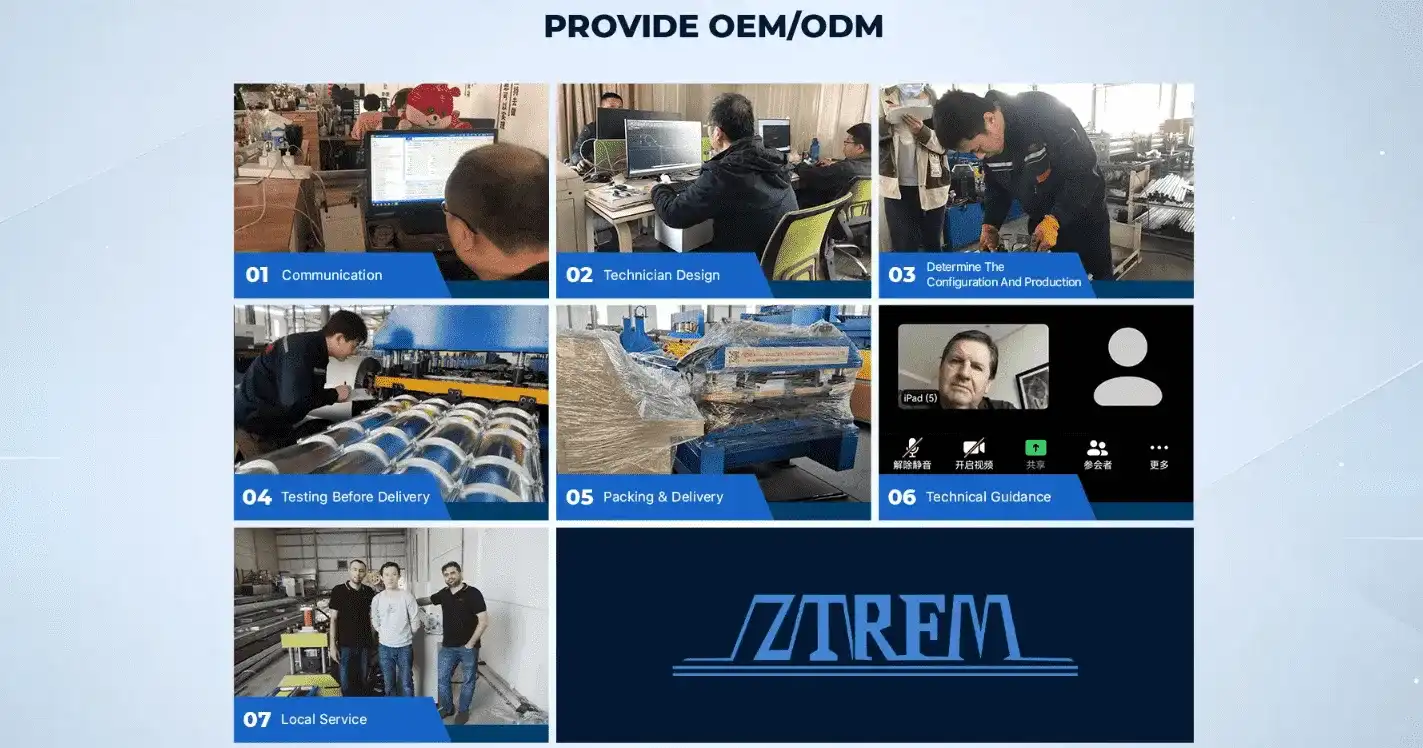
Partner with ZTRFM for Your Panel Production Solution
Cangzhou Zhongtuo (ZTRFM) has a lot of experience with roll forming technology because it has worked with roofing manufacturers in 150 countries since it started in 2014. Our engineering team knows what it's like to deal with production problems, whether you're in charge of large commercial projects or need to be able to adapt to different order requirements. We offer full support that goes beyond just supplying equipment. This includes installation advice, training for operators, and quick technical support for the life of your machine. As a verified manufacturer of PBR roll formers with ISO9001, CE, and CAS certifications, we offer international engineering firms and building product manufacturers quality assurance and the ability to deliver products all over the world. You can email our team at zhongtuorollforming@gmail.com to talk about your specific production needs and get detailed technical proposals that are in line with your business goals.
References
1. American Iron and Steel Institute. (2021). "Cold-Formed Steel Design Manual: Specifications and Design Standards for Metal Building Panels."
2. Metal Construction Association. (2020). "Technical Bulletin: Performance Requirements for Metal Roof Panel Systems in Commercial Applications."
3. Zhang, W., & Patel, R. (2019). "Advances in Roll Forming Technology: Process Optimization and Quality Control Methods." Journal of Manufacturing Science and Engineering, Vol. 141(8).
4. Building Research Establishment. (2022). "Comparative Analysis of Metal Panel Forming Methods: Economic and Quality Considerations for Industrial Buyers."
5. International Building Code Council. (2021). "Metal Roof Panel Installation Standards: Structural Requirements and Weather Barrier Performance Criteria."
6. Kumar, S., & Anderson, T. (2020). "Maintenance Strategies for Industrial Roll Forming Equipment: Predictive Techniques and Service Life Extension." Industrial Machinery Maintenance Quarterly, Vol. 34(2).
_1750323743240.webp)