- English
- French
- German
- Portuguese
- Spanish
- Russian
- Japanese
- Korean
- Arabic
- Irish
- Greek
- Turkish
- Italian
- Danish
- Romanian
- Indonesian
- Czech
- Afrikaans
- Swedish
- Polish
- Basque
- Catalan
- Esperanto
- Hindi
- Lao
- Albanian
- Amharic
- Armenian
- Azerbaijani
- Belarusian
- Bengali
- Bosnian
- Bulgarian
- Cebuano
- Chichewa
- Corsican
- Croatian
- Dutch
- Estonian
- Filipino
- Finnish
- Frisian
- Galician
- Georgian
- Gujarati
- Haitian
- Hausa
- Hawaiian
- Hebrew
- Hmong
- Hungarian
- Icelandic
- Igbo
- Javanese
- Kannada
- Kazakh
- Khmer
- Kurdish
- Kyrgyz
- Latin
- Latvian
- Lithuanian
- Luxembou..
- Macedonian
- Malagasy
- Malay
- Malayalam
- Maltese
- Maori
- Marathi
- Mongolian
- Burmese
- Nepali
- Norwegian
- Pashto
- Persian
- Punjabi
- Serbian
- Sesotho
- Sinhala
- Slovak
- Slovenian
- Somali
- Samoan
- Scots Gaelic
- Shona
- Sindhi
- Sundanese
- Swahili
- Tajik
- Tamil
- Telugu
- Thai
- Ukrainian
- Urdu
- Uzbek
- Vietnamese
- Welsh
- Xhosa
- Yiddish
- Yoruba
- Zulu
Metal Wall Panel Machine: A Complete Guide
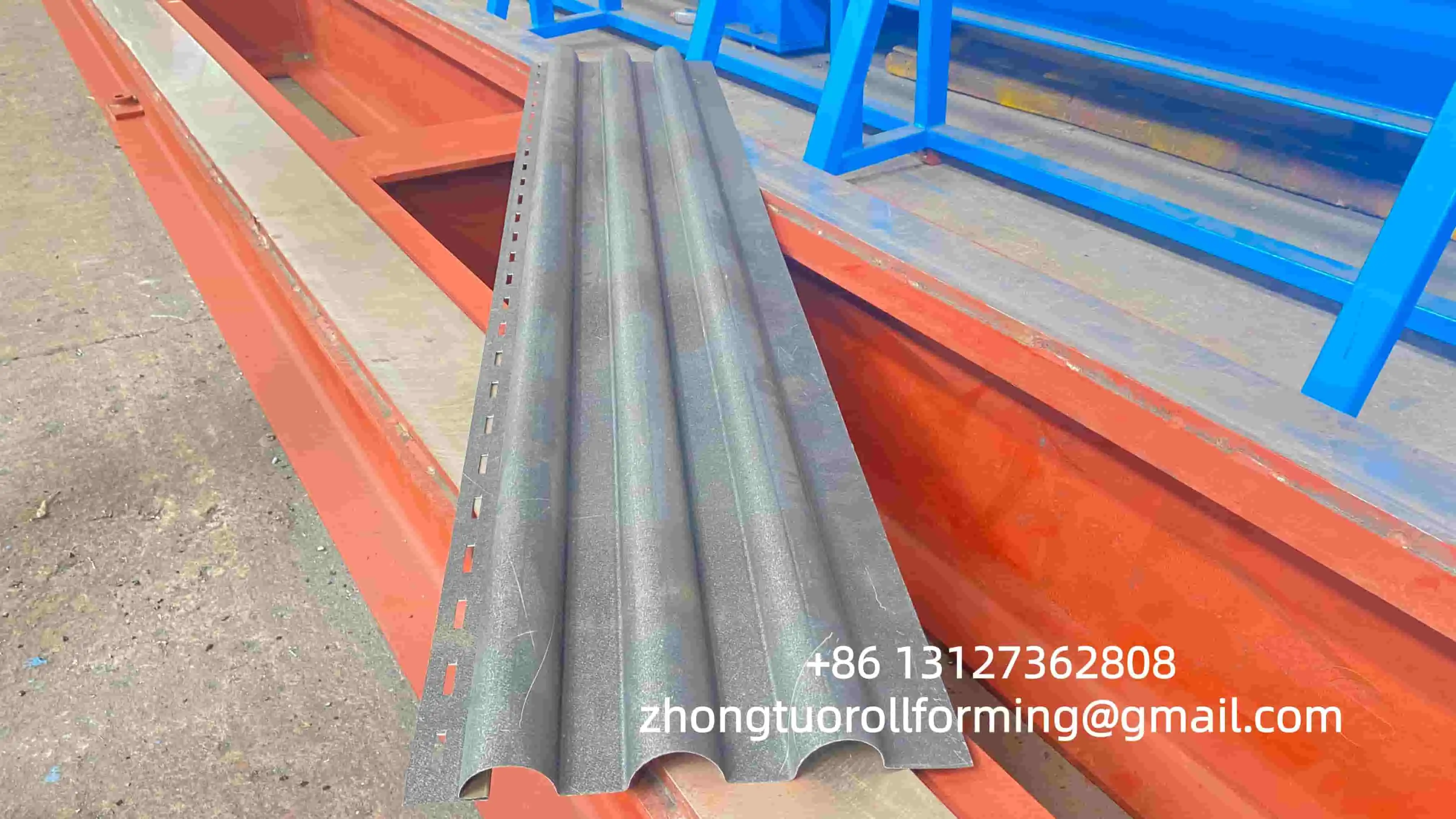
A metal wall panel machine is an industrial cold roll forming line that turns flat metal coils—usually galvanised steel, galvalume, or pre-painted steel (PPGI/PPGL)—into wall covering sheets with varying profiles. This machine employs many connected roller stations to bend metal strips into trapezoidal, corrugated, or concealed-fixing patterns simultaneously, unlike other press brakes. The key benefit is that it solves major building industry issues. It eliminates manual bending errors, reduces waste by a huge amount through perfect cut-to-length, and speeds up production to fulfil pre-engineered building and architectural facade deadlines.
Understanding Metal Wall Panel Machines: Core Concepts and Benefits
How Does Roll Forming Technology Work?
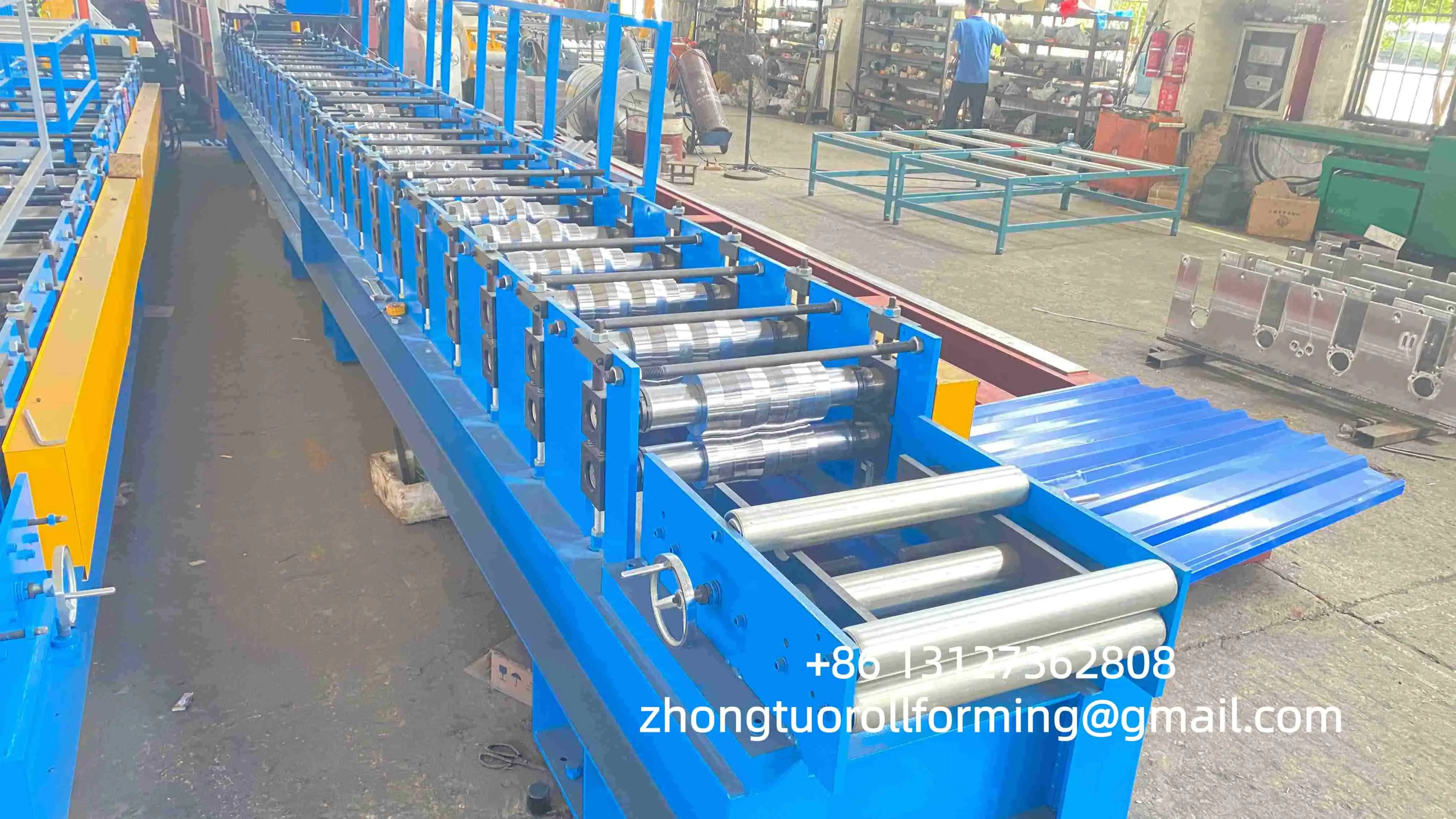
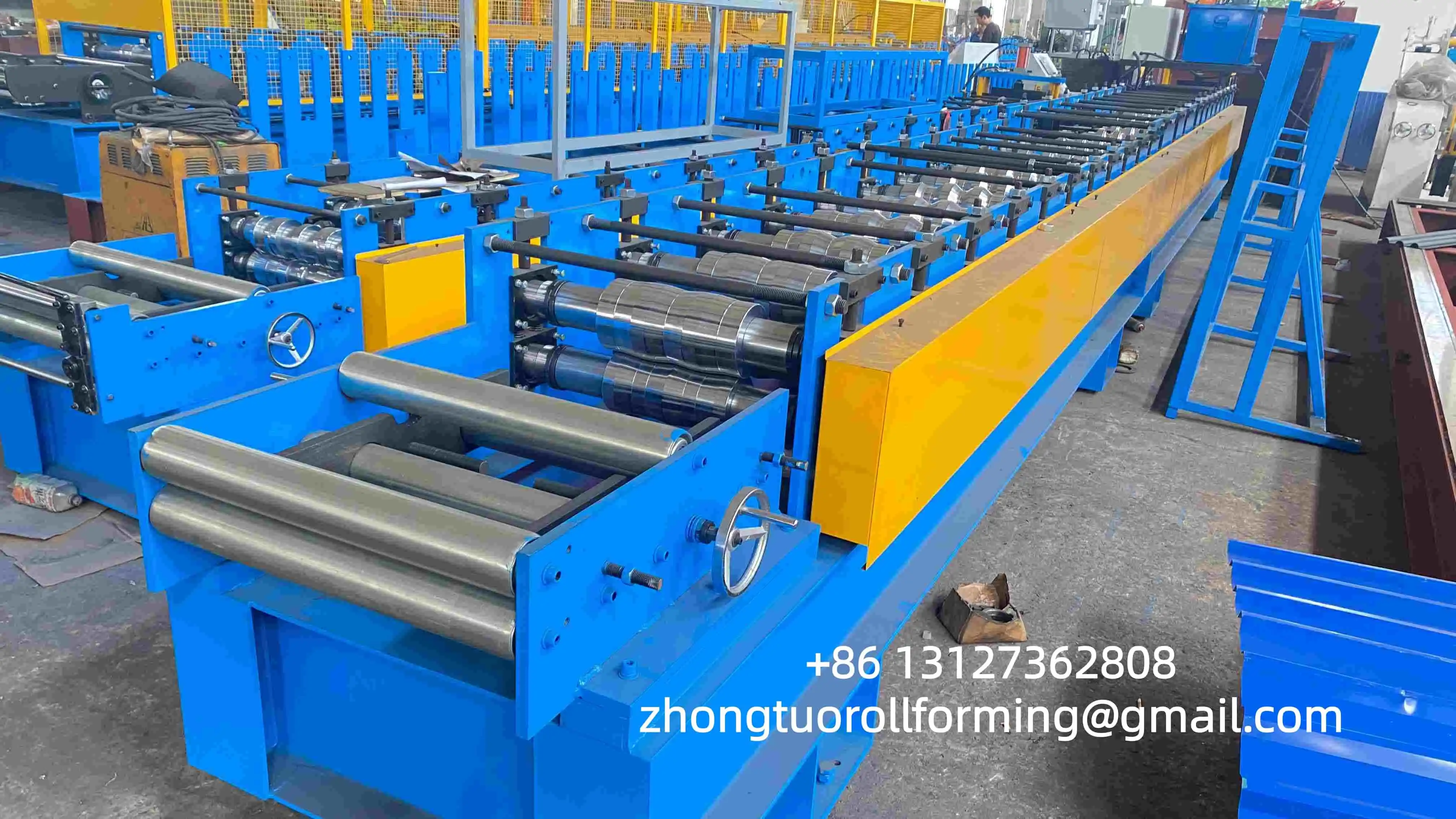
A metal wall panel machine's fundamental principle is cold-roll manufacturing. A metal coil passes through numerous roller stations in this procedure. Each set of rollers bends the material gradually till it's shaped. To prevent surface scratches on painted coils, the rollers are made of high-quality Cr12MoV or GCr15 steel heated to 58–62 HRC and hard chrome-plated. The machine's heavy-duty side-stand construction, not a wall-plate design, stabilises it at high speeds.
Machine Types and Technical Sophistication
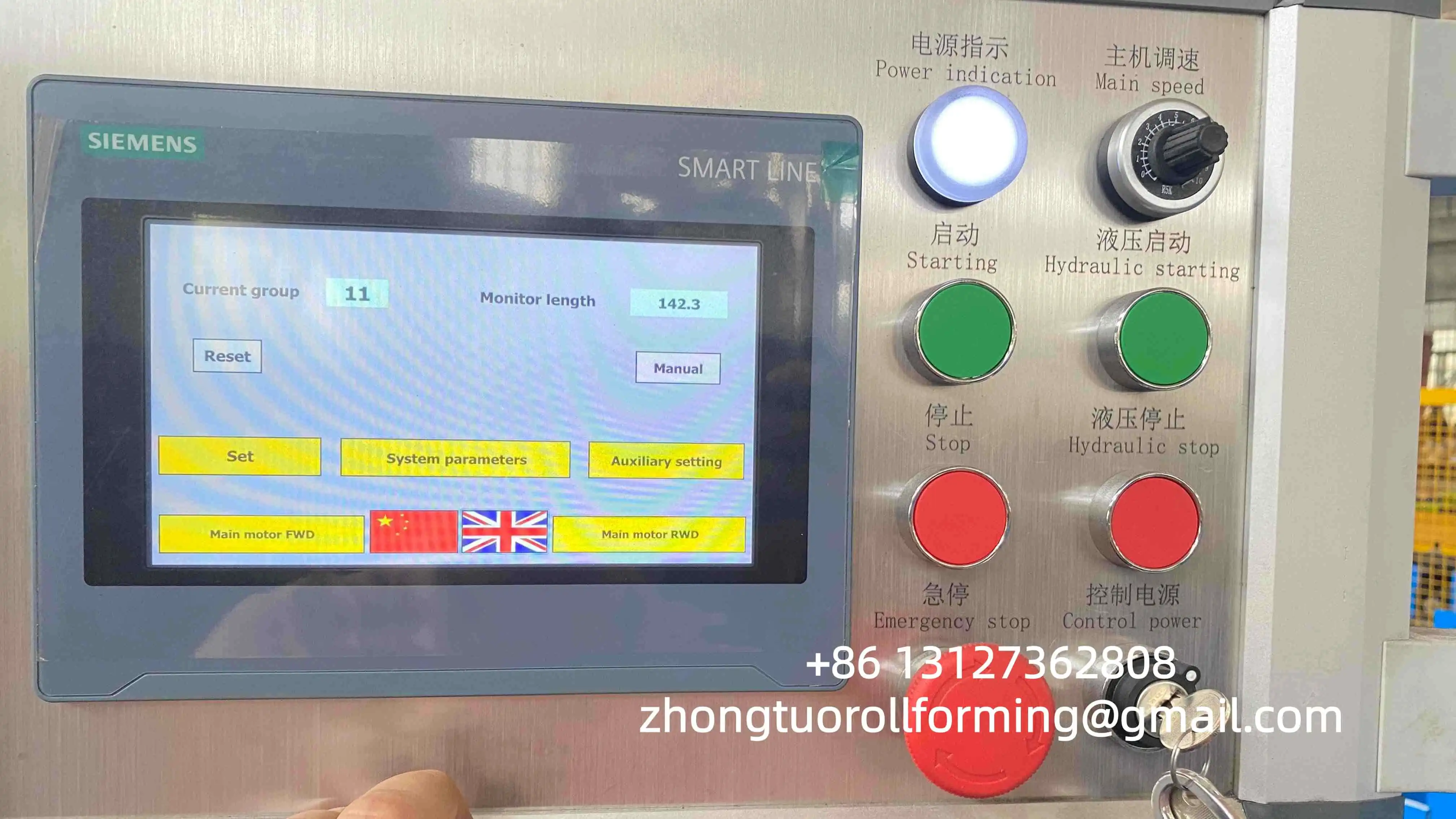
Manual machines are suitable for budget-conscious small firms since operators regulate cutting and feeding. Semi-automatic machines balance cost and convenience of operation with programmable length cutting and basic material inputs. Fully automated machines employ Siemens or Mitsubishi PLCs. This allows automated precision of a +/- 1.0 mm cutting length and +/- 0.5 mm profile shape. These systems have auto-stackers to streamline manufacturing and save personnel expenses.
Key Performance Benefits
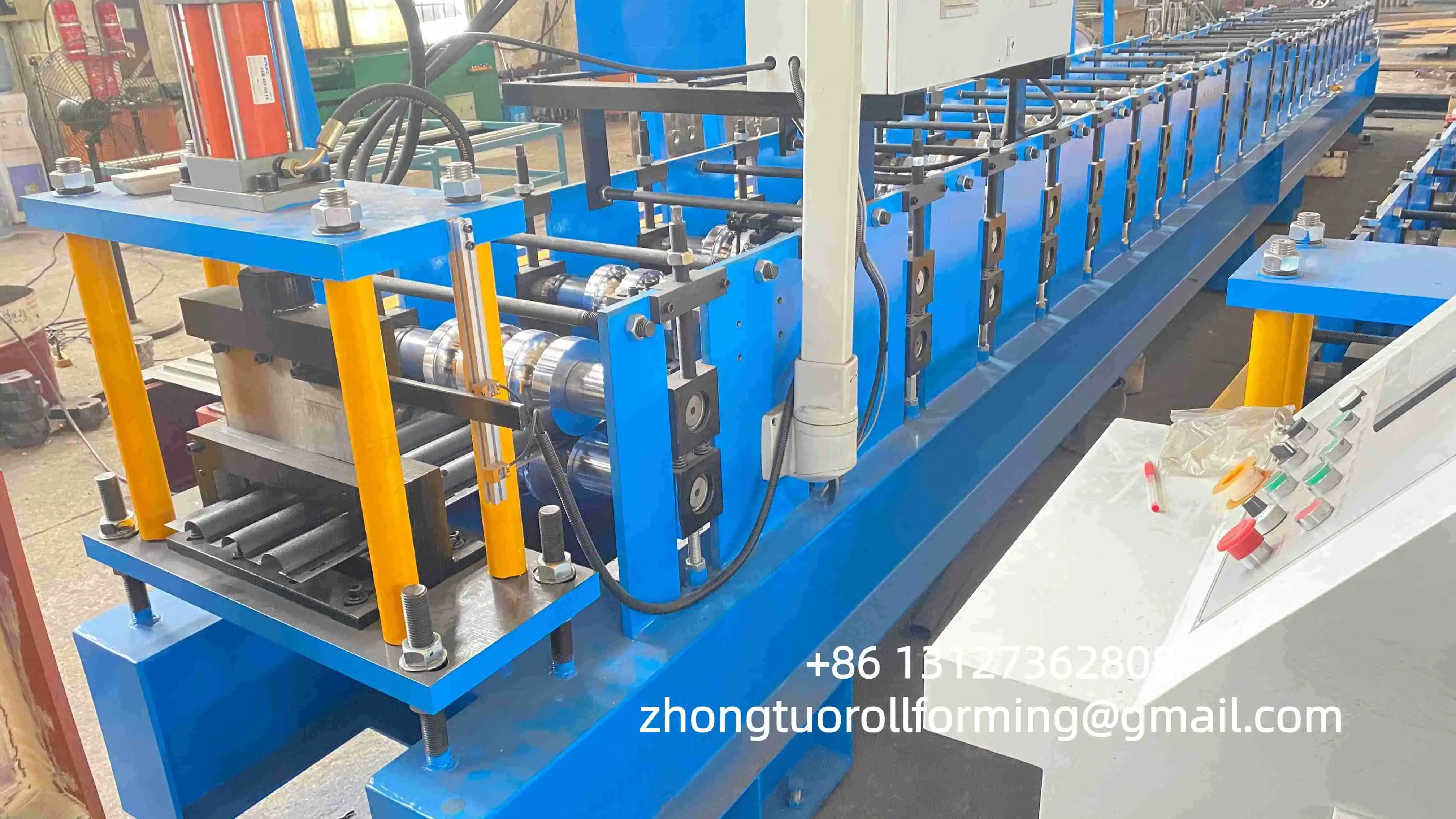
The benefits of these tools directly address manufacturing issues. Forming rates of 15 to 40 m/min can handle 0.3 mm to 0.8 mm thick materials, increasing manufacturing efficiency. Cost-effectiveness stems from less waste and effort than hand manufacturing. Product quality improves with precision roller alignment, energy-efficient hydraulic cutting systems, and burr-free slicing. Being ecologically friendly is easy with new equipment that consumes less energy and generates less garbage by using materials more efficiently.
Critical Specifications to Evaluate
Tools should be tested for roller strength to ensure they retain their form. Shaft run-out higher than 0.05 mm produces production tremors and inconsistent profiles; therefore, inspect it. Industrial buildings demand the machine's capacity to deal with high-yield-strength steel (G550) for panels that can withstand high winds and severe environments. Global working standards require emergency stops, guards, and electrical protection.
Comparative Analysis: Choosing the Right Metal Wall Panel Machine for Your Business
Manual Versus Automatic Systems
Manual or robotic techniques rely on production and labour availability. New or small metal product producers with modest start-up expenses and production targets benefit from manual machinery. Although they need little technical skill, these basic systems can only move 8–12 metres per minute. Automatic systems are worth the extra money since they generate 40 metres per minute and reduce work expenses significantly. Automatic systems are needed for high-efficiency production and rapid changeover between different wall panel profiles by architectural facade and pre-engineered building manufacturers.
Metal Versus Plastic Wall Panel Production
Plastic extrusion equipment differs from metal wall panel machines. Metal walls are great for commercial building facades and industrial warehouse complexes since they last longer, don't catch fire, and are recyclable. Metal panels match building code standards and are cheaper to insure; thus, the US market likes them for durable constructions. Metal tools cost more to create, but they last longer and offer a greater return on investment.
Purchasing Criteria That Matter
Price is just one factor in ownership costs. Warranties demonstrate product confidence, and only reliable suppliers give comprehensive parts and service agreements. Part quality determines durability. Poor rollers and thin metal frames wear out quickly and require additional maintenance. Industry leaders distinguish themselves from opportunistic suppliers with technical certifications (ISO9001, CE), worldwide delivery experience, and fast customer service. Technical certifications, worldwide shipping experience, and speedy after-sales service are examples.
Identifying Quality Manufacturers
Leaders demonstrate their knowledge in many ways. Advanced manufacturers integrate technology differently from basic fabricators. Engineering progress includes modular station design for rapid profile changes and smart PLC systems that store different product settings. Safety and manufacturing requirements are satisfied by third parties with certifications. Thorough training, detailed technical papers, and replacement components for long-term operation demonstrate excellent customer service.
The Complete Metal Wall Panel Machine Procurement Guide
Navigating the Buying Process
The procurement process begins with a list of production demands, such as the types of panels you want, how many you expect to create daily, the materials you need, and how much space you have in your facility. These facts should be requested first for accurate quotations. More than the base price is considered when considering a quote. Shipping expenses, installation, training, and warranty conditions are considered. International engineering and EPC organisations favour sellers with professional credentials and global shipping capabilities.
Understanding Price Structures
Prices vary depending on how automated and profitable the firm is. Beginning manual systems cost $15,000–$25,000 and are appropriate for small producers that make 500–1,000 metres daily. Growing firms can use semi-automatic instruments between $35,000 and $65,000. Fully automatic systems that can handle two layers or cassette-change systems for numerous forms cost $80,000 to over $200,000, but they aid composite sandwich panel and multilayer panel fabricators that need advanced automation. The price depends on the roller material, control system complexity, cutting system precision, and built-in functions like stamping or punching stations.
Acquisition Options and Their Trade-offs
When you buy directly from the factory, you avoid distributor markups and can talk to IT teams regarding customisation. This technology works well for metal structural profile and composite panel manufacturers that need integrated multi-station systems with live servo cutting and drilling. Used machines can save 40–60%, but they may have hidden defects, outdated control systems, and limited warranties. Your cash flow might be improved by leasing or paying for tools. New enterprises that must balance investment expenses and operations may benefit from this.
Logistics and After-Sales Expectations
Shipping this equipment requires planning, especially for a metal wall panel machine. Flat-rack or open-top containers are utilised to load containers due to the machine size. Customs clearance documentation requires a company invoice, packing list, bill of lading, and origin certifications. The maker helps prepare the base, connect the electricity, and calibrate the machine. Easy-to-get replacement parts, professional video chats, and frequent maintenance visits for large systems should be part of after-sales servicing.
Operation and Maintenance Best Practices for Metal Wall Panel Machines
Essential Maintenance Schedules
Structured maintenance prevents costly issues and extends tool life. Daily, check that all moving parts are greased, roller surfaces are clean, and cutting blades are in position. Weekly maintenance includes cleaning the PLC control panel, checking hydraulic system pressures, and checking electrical connections for corrosion or looseness. Monthly maintenance includes exact wheel wear measurements, emergency stop tests, and chain drive tension checks.
Safety Mechanisms and Compliance
Modern tools include several safety features that fulfil OSHA and global working regulations. If something goes wrong, emergency stop keys at operator positions shut off the system immediately. Safety light curtains disable the machine when hands are near rollers or cutting sections. Circuit breakers and grounding prevent electrical hazards. Regular safety audits ensure guards are in place and warning signs are readable.
Troubleshooting Common Production Issues
Twisting or bowing panels during manufacture indicates levelling issues. Adjust the machine's entrance feeding guide or levelling shafts to ensure material strikes the forming rollers. Too many burrs on cut edges may indicate worn cutting blades or an incorrect blade gap. Maintenance crews should clean or replace blades every one to two years, depending on workload. Spring-back issues with high-tensile steel require expert equipment with over-bending stations or movable turk's heads at the final shaping step to prevent elastic rebound.
Future Trends and Technological Innovations in Metal Wall Panel Machines
Automation and Smart Manufacturing Integration
The sector is increasingly adopting IoT, which allows real-time production tracking and maintenance planning. Sensors throughout the machine assess motor performance, roller wear, and hydraulic pressure. Workers are warned of potential issues by these sensors. According to material qualities, AI systems automatically select the ideal forming parameters. Setup time and waste are reduced. Robots move and stack objects automatically, eliminating hard lifting and making the workplace safer.
Energy Efficiency and Sustainability
Environmental legislation and company sustainability goals drive engineers to create energy-efficient technologies. Motor systems using variable frequency drives (VFDs) utilise less electricity since they adjust speed dependent on production demands. Better hydraulic systems consume 30–50% less energy with servo-driven pumps. Green industry certifications influence what firms buy as they reduce their carbon footprints and improve the environment.
Market Outlook and Emerging Opportunities
US demand for metal wall panel machines is rising due to several factors. The pre-engineered building sector grows because businesses demand speedier construction and lower expenses. Building more data centres requires specific wall panel forms that prevent electromagnetic radiation and retain heat. Movable house wall systems and temporary housing manufacturers might discover new consumers through modular housing projects. New materials like steel-aluminium composite panels and heat-controlling phase-change panels generate new markets for flexible forming tools.
Conclusion
Consider technical needs, budget, and long-term company goals when choosing a metal wall panel machine. We examined how cold roll-forming machines shape flat coil into exact shapes. Comparing human and machine methods, we found risk-free ways to buy. Intelligent industrial equipment and energy-saving designs protect your investment as technology advances. Knowing these basics will help you make decisions that improve production efficiency and product quality, whether you are building roofing systems and need high-speed equipment, light steel structures and need quick changeover, or a new business looking for cheap entry-level equipment.
FAQ
1. What production volume justifies investing in a fully automatic metal wall panel machine?
Businesses that generate more than 3,000 metres per day frequently find completely robotic systems worth the greater investment since they reduce labour expenses and function more effectively. Smaller enterprises that move 500 to 1,500 metres per day find semi-automatic tools improve ROI while outperforming human approaches. How many panels should you create before buying a fully automated metal wall panel machine?
2. How do I verify a manufacturer's certifications and global delivery experience?
Request copies of ISO9001, CE, and other applicable certificates directly from the issuers and verify their numbers. Request examples of projects in the markets you wish to sell to and contact information for past customers. Reputable manufacturers would readily provide this information and client references to prove their success. How can I verify that a maker has the proper permits and ships worldwide?
3. Can one machine handle multiple panel profiles without extensive downtime?
Standard tools produce one outline for precision. Dual-layer machines or cassette-change roller sets may handle more profiles but cost more. Changeover timeframes for cassette systems vary from two to four hours, depending on profile complexity. This benefits firms that create many products at once. Can one machine handle several panel sizes without extensive breaks?
Partner with ZTRFM for Your Metal Wall Panel Machine Needs
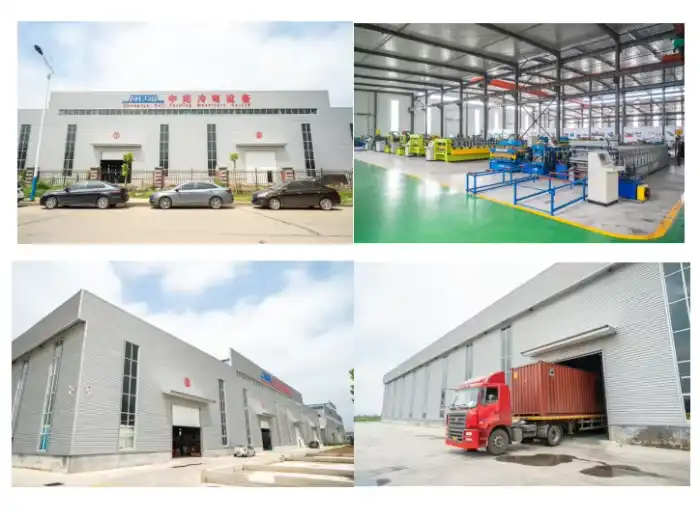
ZTRFM has extensive expertise in developing metal wall panel machines for businesses worldwide since 2014. Our technical team can design specialised roll forming solutions for high-speed roofing tile equipment, multi-specification purlin forming lines, and complex multilayer panel systems. Our ISO9001, CE, and CAS certifications demonstrate our commitment to safe, high-quality products. Having transported shipments to over 150 countries, we understand international markets' complex logistics and technological norms. Our comprehensive service covers raw material selection, machine customisation, installation, and operator training. Contact our experts at zhongtuorollforming@gmail.com to discuss your production needs and receive an estimate. ZTRFM's revolutionary cold roll forming solutions may improve your production abilities and put you ahead of the competition.
References
1. Halmos, G. T. (2006). Roll Forming Handbook. Boca Raton: CRC Press.
2. American Iron and Steel Institute. (2017). Cold-Formed Steel Design Manual. Washington, D.C.: AISI.
3. Bhattacharyya, D., et al. (2015). "Advances in Roll Forming Technology for Metal Building Components." Journal of Manufacturing Processes, 18(2), 112-125.
4. Lindgren, M. (2009). Cold Roll Forming of Steel Sheet: Process Modeling and Control. Stockholm: Royal Institute of Technology.
5. National Institute of Building Sciences. (2020). Metal Wall Systems Design Guide. Washington, D.C.: NIBS.
6. Zeng, G., Li, S., Yu, Z., & Lai, X. (2009). "Optimization Design of Roll Profiles for Cold Roll Forming Based on Response Surface Method." Materials & Design, 30(6), 1930-1938.
_1750323743240.webp)