- English
- French
- German
- Portuguese
- Spanish
- Russian
- Japanese
- Korean
- Arabic
- Irish
- Greek
- Turkish
- Italian
- Danish
- Romanian
- Indonesian
- Czech
- Afrikaans
- Swedish
- Polish
- Basque
- Catalan
- Esperanto
- Hindi
- Lao
- Albanian
- Amharic
- Armenian
- Azerbaijani
- Belarusian
- Bengali
- Bosnian
- Bulgarian
- Cebuano
- Chichewa
- Corsican
- Croatian
- Dutch
- Estonian
- Filipino
- Finnish
- Frisian
- Galician
- Georgian
- Gujarati
- Haitian
- Hausa
- Hawaiian
- Hebrew
- Hmong
- Hungarian
- Icelandic
- Igbo
- Javanese
- Kannada
- Kazakh
- Khmer
- Kurdish
- Kyrgyz
- Latin
- Latvian
- Lithuanian
- Luxembou..
- Macedonian
- Malagasy
- Malay
- Malayalam
- Maltese
- Maori
- Marathi
- Mongolian
- Burmese
- Nepali
- Norwegian
- Pashto
- Persian
- Punjabi
- Serbian
- Sesotho
- Sinhala
- Slovak
- Slovenian
- Somali
- Samoan
- Scots Gaelic
- Shona
- Sindhi
- Sundanese
- Swahili
- Tajik
- Tamil
- Telugu
- Thai
- Ukrainian
- Urdu
- Uzbek
- Vietnamese
- Welsh
- Xhosa
- Yiddish
- Yoruba
- Zulu
Preventive Care Plan for Roofing Sheet Making Machine Users
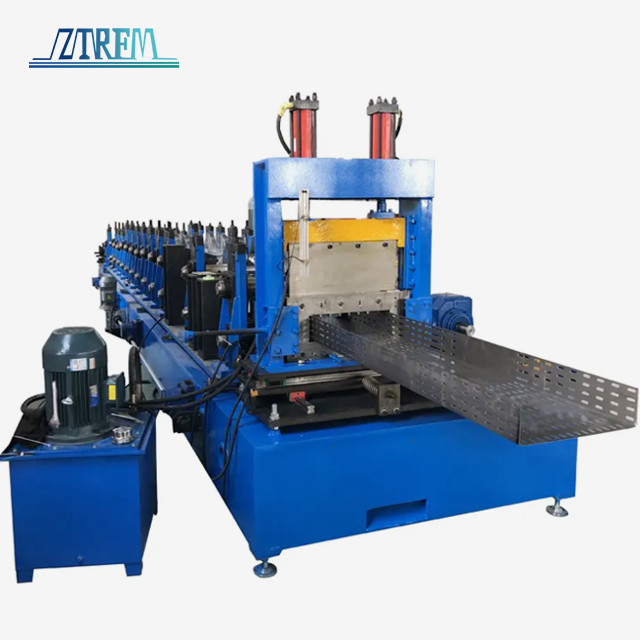
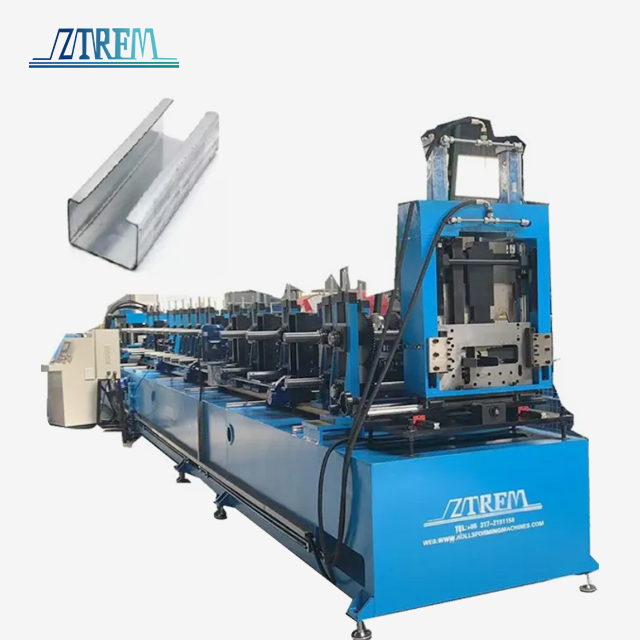
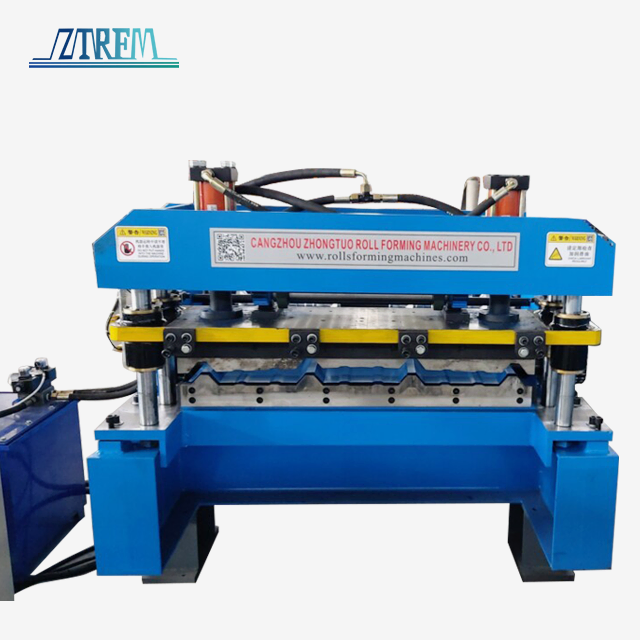
A well-structured preventive care plan for roofing sheet-making machinery is essential for any manufacturer seeking sustained production efficiency and minimal downtime. When we discuss the R101 Roofing Sheet Making Machine, we're referring to a specialized cold roll forming system that transforms flat metal coils into precise trapezoidal profiles used extensively in industrial and residential construction. Implementing a proactive maintenance strategy isn't just about avoiding breakdowns—it's about protecting your investment, ensuring consistent output quality, and maintaining the competitive edge your business depends on in today's demanding manufacturing landscape.
Understanding the R101 Roofing Sheet Making Machine and Its Maintenance Needs
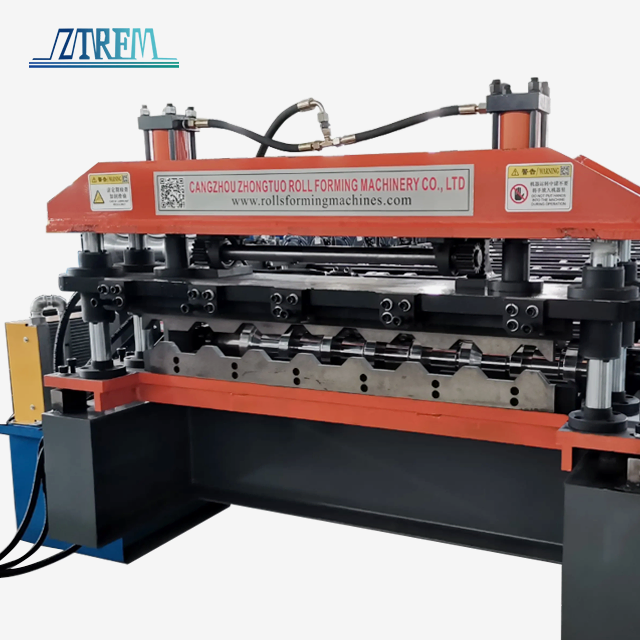
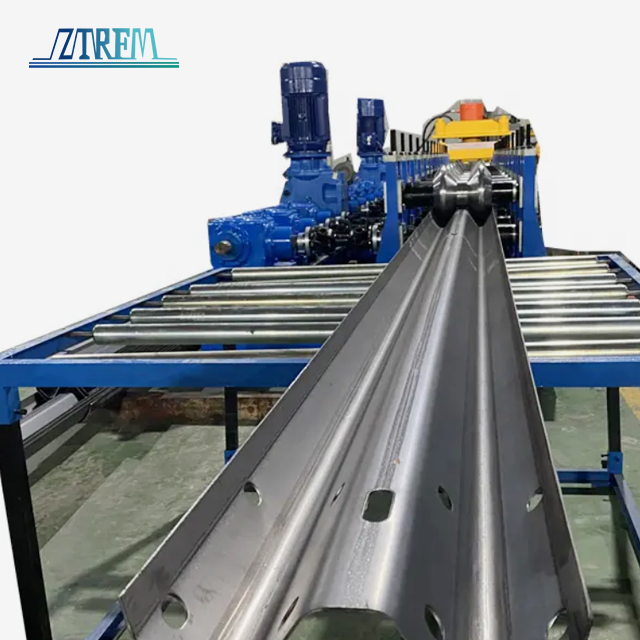
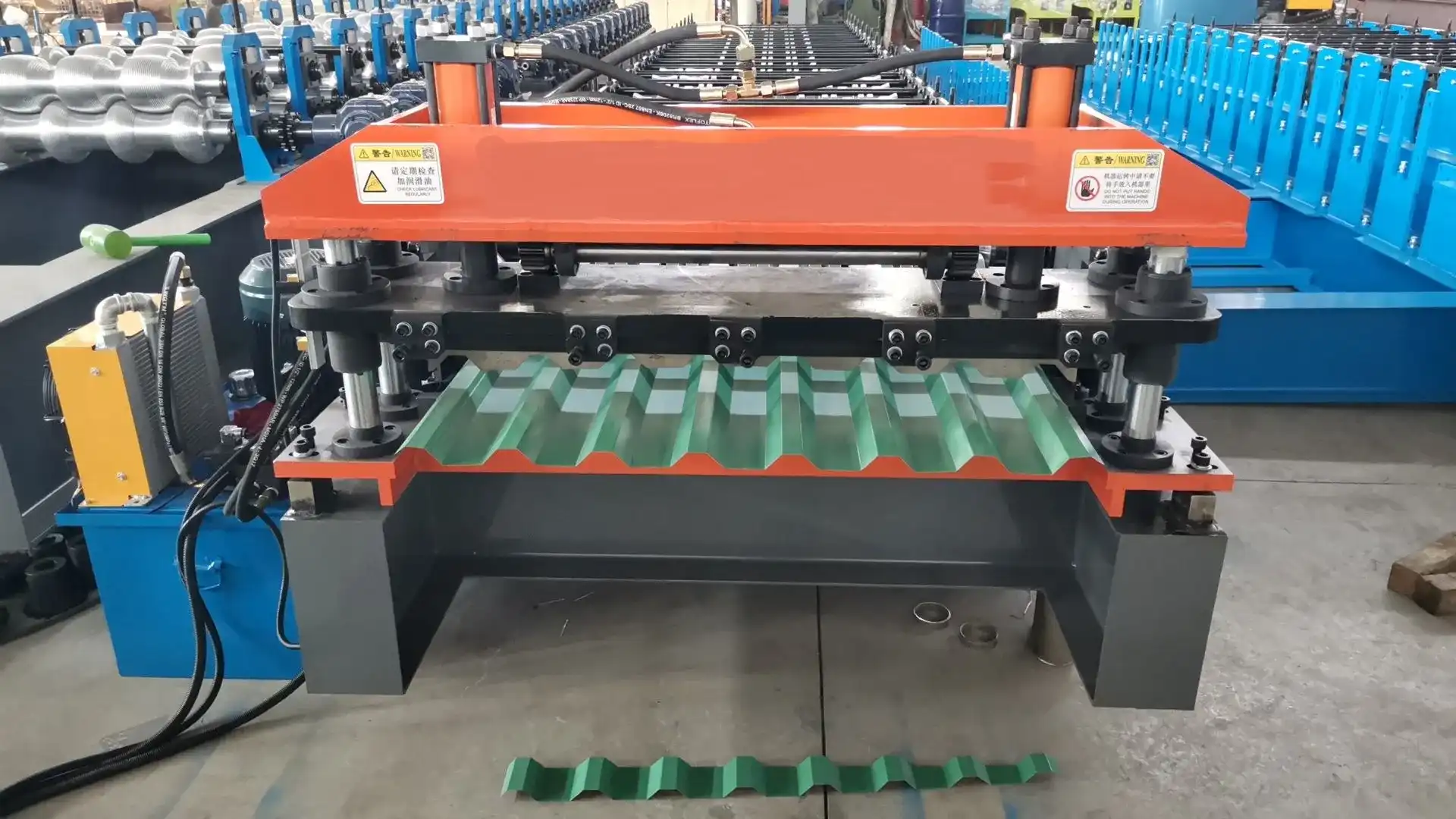
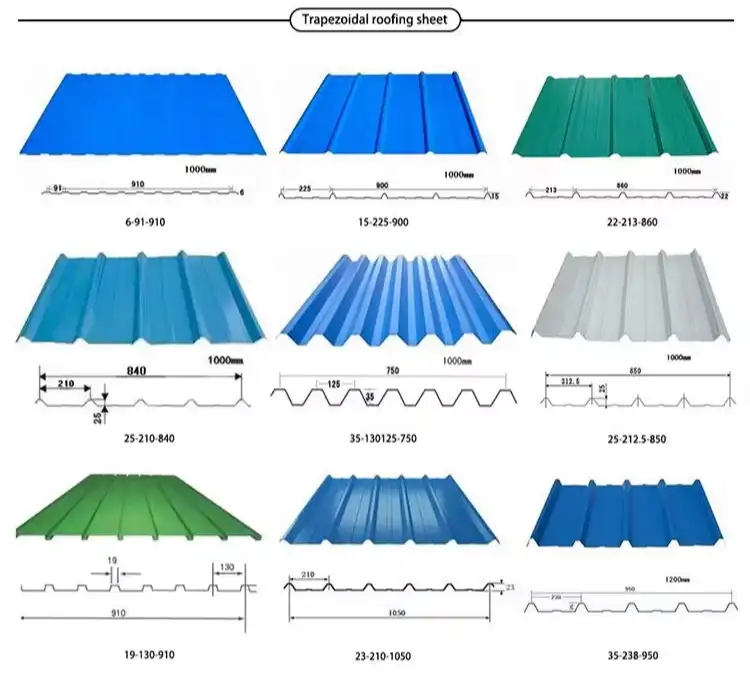
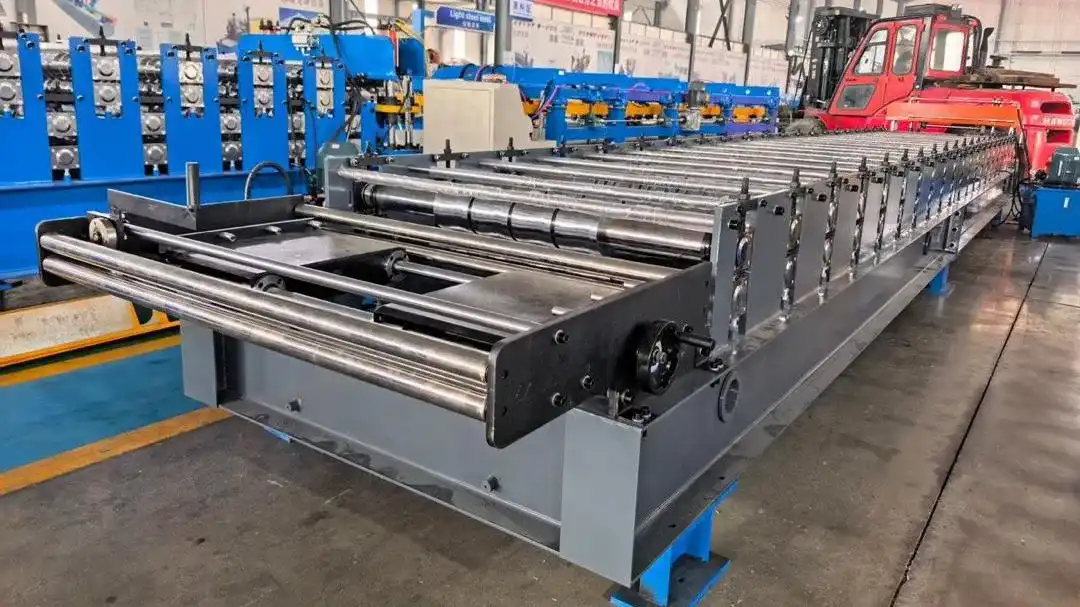
The R101 profile machine represents a sophisticated blend of mechanical precision and production efficiency. This equipment uses cold roll forming technology, where metal coils go through 18 precisely designed forming stations to create the exact R101 geometry without heat.
Technical Specifications That Define Performance
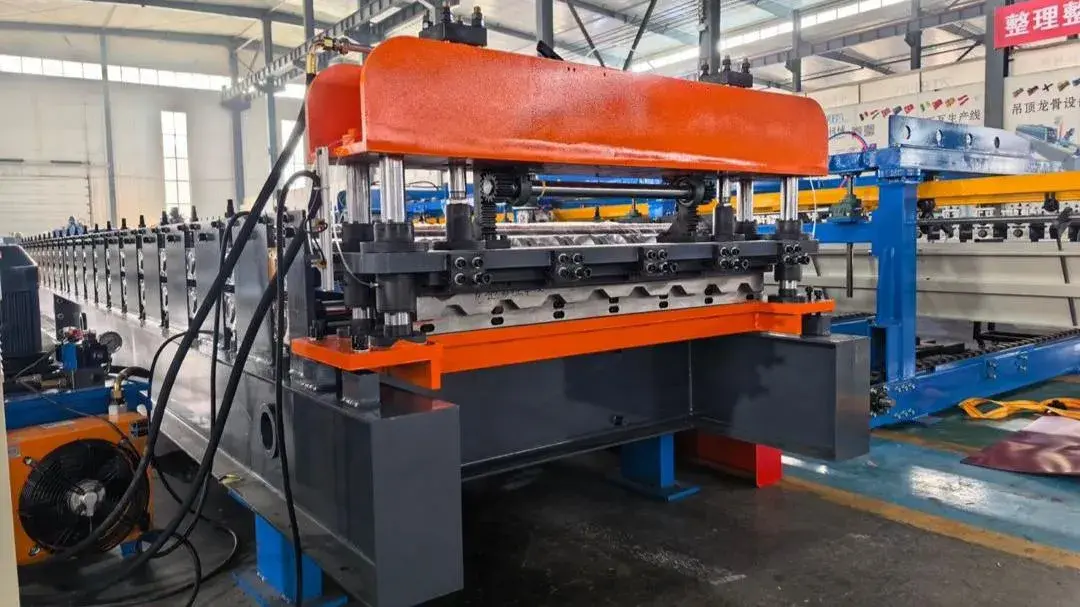
The machine's technical profile directly influences maintenance requirements. With a 70 mm shaft diameter constructed from solid steel, the system handles material thicknesses ranging from 0.3 to 0.8 mm with remarkable consistency. The 5.5 kW main motor delivers sufficient torque to maintain line speeds up to 15 meters per minute, while the 4 kW hydraulic unit powers the cutting system with ±2 mm accuracy. The robust 16 mm wall-plate H-beam frame provides structural stability across the machine's approximately 6,200×850×1,500 mm footprint, supporting the entire 3.5-tonne assembly.
Common Maintenance Challenges and Their Impact
Operating roll forming machinery requires attention to wear patterns. Roller stations degrade over time from steel coil contact, especially when processing coated materials. Over time, the hydraulic cutting system blade attrition reduces precision. Delta PLC control systems and touchscreens need metal dust shielding. Neglecting these areas causes dimensional discrepancies, scrap, and mechanical failure. Poor maintenance has caused 30-40% unscheduled downtime in industrial facilities, destroying supply timelines and customer confidence.
Why Preventive Care Matters More Than Reactive Repairs?
Establishing a preventive maintenance culture transforms equipment reliability. Rather than waiting for failure signals, scheduled interventions catch wear before it becomes critical. This approach reduces emergency repair costs by 60-70% compared to reactive strategies, according to industry maintenance studies. The machine's energy consumption remains optimised, material waste decreases, and product quality stays within specifications. Your maintenance team gains predictability in workload management, and production planning operates with greater confidence in equipment availability.
Essential Components of a Preventive Care Plan for the R101 Machine
Building an effective preventive care programme requires structured routines that cover every critical system component. This systematic approach protects your investment while maximising operational uptime.
Daily, Weekly, and Monthly Inspection Schedules
Maintenance discipline begins with consistent inspection routines. Daily checks should cover roller alignment, hydraulic fluid levels, and PLC display functionality. Operators must verify that material feeds smoothly through all 18 forming stations without binding or misalignment. Weekly inspections extend to checking shaft bearing temperatures, examining hydraulic hose integrity, and testing emergency stop functions. Monthly reviews demand deeper examination—measuring roller wear patterns, calibrating cutting blade position, and analysing production data for quality drift patterns. Documentation of these inspections creates a historical record that reveals developing issues before they escalate.
Lubrication and Cleaning Best Practices
Proper lubrication greatly extends component life. Every 200 hours, roller stations must apply high-quality lithium-based grease to the bearing housings. Shaft assemblies benefit from scheduled lubrication to reduce load-induced metal-to-metal contact. We recommend #46 hydraulic oil for the 4 kW hydraulic unit, changing it every six months and then annually. Metal dust and coating residue on rollers and guide rails damage completed sheets. Clean chrome-plated surfaces daily using proper solvents to prevent contamination. The Delta PLC touchscreen needs delicate cleaning with certified electronics cleaners to stay responsive.
Strategic Spare Parts Management
Downtime often results from part shortages. Strategic spare parts stocking speeds up maintenance. Replacement Cr12MoV steel hydraulic cutting blades heat-treated to HRC 58-62 hardness, backup PLC modules, hydraulic seals and O-rings, drive chain components, and roller bearing sets are necessary. Authentic and compatible components are sourced from authorised suppliers. Organised spare parts planning has reduced manufacturers' emergency procurement costs by 50%. roofing sheet making machine ZTRFM has parts networks in 150 countries, so replacement parts arrive quickly without disrupting production.
Operator Training Programs That Enhance Compliance
Technology sophistication means little without skilled operators who understand maintenance protocols. Comprehensive training programmes teach proper machine startup sequences, material loading techniques that minimise roller stress, how to recognise abnormal sounds or vibrations, and correct shutdown procedures that protect components. Training creates an ownership mentality among production staff—they become the first line of defence against developing problems. Regular refresher sessions keep maintenance awareness high, particularly when introducing new operators or implementing process changes.
Troubleshooting and Early Problem Detection
Catching issues early separates successful manufacturing operations from those plagued by unexpected failures. Developing diagnostic capability within your maintenance team pays continuous dividends.
Recognizing Warning Signs Before Failure Occurs
Machines signal problems with modest performance changes. Unusual vibrations may indicate bearing wear or roller misalignment, which worsens quickly if neglected. Insufficient lubrication or loose components cause noise. Inconsistent profile dimensions indicate roller wear, surface scratches indicate contaminated or damaged rollers, and edge waviness indicates inappropriate material tension. Motor housing or hydraulic system temperature changes indicate electrical or fluid issues. Each shift, your maintenance staff should do sensory inspections and record any abnormalities.
Diagnostic Tools and Real-Time Monitoring
Modern maintenance uses technology to pinpoint issues. A portable hardness tester checks roller surface integrity to HRC 58-62 requirements. Soft rollers wear faster and deform the profile. Infrared thermometers detect overheating components before damage occurs. Vibration analysers detect bearing degradation weeks before sound. The Delta PLC system logs performance trends such as cycle time drift, hydraulic pressure changes, and motor current variances. Production monitoring software generates real-time dashboards that notify maintenance staff of concerns before they affect production.
Case Study: Preventive Care Impact on Production Metrics
After frequent R101 machine failures, a Midwest roofing system manufacturer instituted preventive maintenance. The baseline had 22% unscheduled downtime and monthly repair costs over $8,000. Results changed substantially after planned inspections, strategic spare parts inventories, and operator training. Within six months, unplanned downtime fell to 4%. Despite additional preventive maintenance, monthly costs dropped to $2,800. As roller condition maintained profile correctness, product rejection rates dropped from 5.2% to 1.1%. The biggest improvement was on-time delivery from 73% to 96%, which strengthened client relationships and enabled contract renewals. This shows how comprehensive preventative care turns upkeep into a competitive advantage.
Comparing R101 with other roofing sheet-making machines in Terms of Maintenance
Equipment selection decisions extend beyond initial purchase price to long-term operational costs, where maintenance requirements play a decisive role.
System Complexity and Servicing Frequency
The R101 machine's 18-station configuration strikes an effective balance between forming quality and maintenance accessibility. Compared to simpler 12-14 station machines that require more aggressive forming angles and experience higher stress concentrations, the R101 distributes forming forces gradually, reducing component wear rates. Alternative 22-24 station configurations offer marginally better forming characteristics but introduce complexity that increases adjustment time and maintenance labor. The hydraulic cutting system with Cr12MoV blades typically delivers 500,000 to 1 million cuts between sharpenings—superior to mechanical shear systems that require more frequent blade attention. Delta PLC controls provide intuitive troubleshooting compared to proprietary systems that demand specialized technician visits.
Maintenance Cost Implications and ROI Considerations
Equipment alternatives differ in total cost of ownership due to upkeep. Multiple providers offer R101 replacement bearings, hydraulic seals, and electrical components at competitive prices. Owners of proprietary machines must acquire parts from a single vendor at a price. Energy efficiency affects operational costs: the 5.5 kW motor uses less power than older types that use 7.5-11 kW. This difference saves a lot of energy over five years. Maintenance labour prefers designs with accessible adjustment points and documented servicing methods. For well-built roll-forming equipment, annual maintenance expenses are 8-12% of initial machine investment, whereas badly constructed alternatives may approach 18-22%.
Customer Feedback on Reliability and Support
When buying roofing sheet equipment, roofing sheet making machine manufacturers prioritise reliability and supplier support. The R101 profile has performed well in rigorous production contexts, including industrial pre-engineered structures, agricultural infrastructure, and residential housing projects. Customers from light steel construction producers praise the machine's stability over long production runs and few material changeover adjustments. Supplier reputation for technical support and spares availability affects long-term satisfaction. When cooperating with experienced manufacturers with complete support infrastructure, companies avoid the problems of equipment suppliers without worldwide service networks or spares inventory.
Implementing a Preventive Care Plan: Step-by-Step Guide for Procurement and Engineering Teams
Translating maintenance concepts into operational reality requires a structured implementation that aligns with your production environment and organisational capabilities.
Defining Clear KPIs for Machine Performance
Effective maintenance plans monitor particular performance parameters to identify equipment health trends. Key metrics include overall equipment effectiveness (OEE), which measures availability, performance, and quality rates; mean time between failures (MTBF), which tracks reliability improvements; mean time to repair (MTTR), which evaluates maintenance efficiency; scrap rate percentages, which indicate forming accuracy; and energy consumption per production meter, which demonstrates operational efficiency. Establishing baseline measurements prior to programme implementation provides documentation of measurable improvements. Set realistic goals: increasing OEE from 65% to 80% within a reasonable time provides measurable progress that demonstrates the programme's value to leadership.
Collaboration With Suppliers and Service Providers
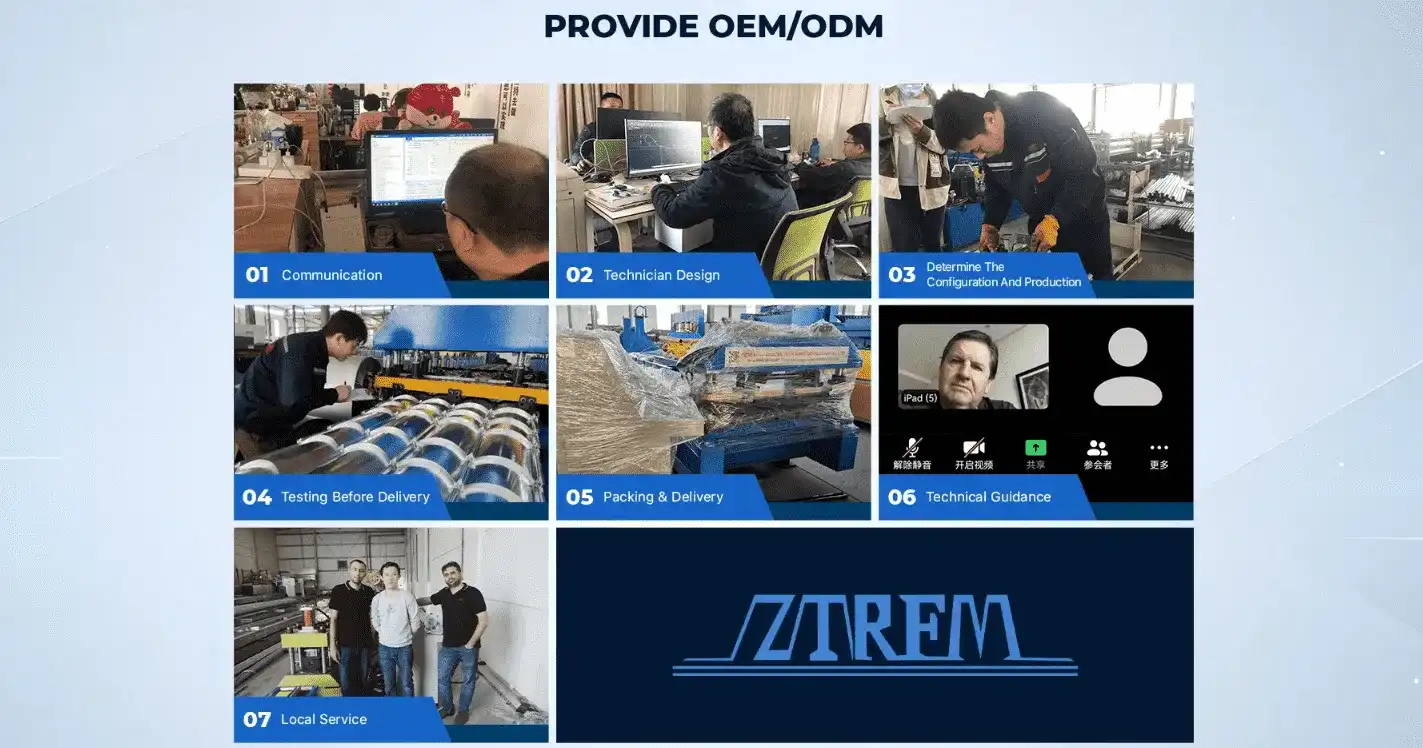
Strategic supplier relationships enhance the effectiveness of the maintenance programme. Manufacturers like ZTRFM with ISO9001, CE, and CAS certifications bring systematic quality management to equipment design and support. Engaging suppliers during installation ensures proper setup that prevents premature wear. Leverage supplier expertise for operator training, maintenance procedure development, and troubleshooting protocols specific to your equipment configuration. Negotiate comprehensive service agreements that include periodic performance audits, priority parts access, and remote diagnostic support. These partnerships prove particularly valuable for smaller manufacturers or startups with limited in-house technical resources—turning equipment suppliers into operational allies rather than transactional vendors.
Scheduling and Documentation Tools for Tracking Activities
Maintenance discipline depends on robust scheduling and documentation systems. Computerised maintenance management systems (CMMS) automate work order generation, track completion status, manage parts inventory, and accumulate historical records that inform future planning. Even spreadsheet-based systems provide structure superior to informal approaches. Schedule preventive tasks during planned production gaps to minimise disruption. Document all maintenance activities: inspections performed, measurements recorded, adjustments made, parts replaced, and labor hours invested. This documentation proves essential for warranty compliance, audit requirements, and continuous improvement analysis. When patterns emerge—perhaps hydraulic seal replacement frequency increases during summer months—documentation enables proactive seasonal adjustments.
Conclusion
Implementing a comprehensive preventive care plan for your roofing sheet-making equipment transforms maintenance from reactive firefighting into strategic asset management. The R101 Roofing Sheet Making Machine, with its robust 18-station design and proven reliability, rewards systematic care with extended service life and consistent production quality. Building maintenance discipline around scheduled inspections, proper lubrication, strategic spare parts inventory, and operator training creates measurable improvements in uptime, product quality, and total cost of ownership. Your investment in preventive care protects equipment value while strengthening competitive position through reliable delivery performance that builds customer trust and enables business growth.
FAQ
1. How Often Should Hydraulic Oil Be Changed in Roll Forming Equipment?
Hydraulic systems powering cutting units require oil changes after the initial six-month break-in period, then annually thereafter. This schedule prevents valve clogging and seal degradation that compromise cutting precision. Always use manufacturer-specified hydraulic fluid—typically grade #46 for optimal viscosity and system protection.
2. What Causes Profile Twisting During Production and How Do I Fix It?
Profile twisting results from improper roller alignment or uneven forming pressure distribution. Resolve this by adjusting the machine's entry levelling unit and fine-tuning the roller gaps at the final forming stations. Machines with adjustable straightener devices at the exit can effectively reduce bow and twist deformations, which helps maintain dimensional accuracy.
3. Can Standard R101 Machines Process High-Strength Steel Materials?
Standard configurations handle soft to medium-hard steel specifications. Processing full-hard G550 materials requires upgraded forming stations and increased motor power to overcome higher yield strength and prevent spring-back issues. Specify material requirements during equipment procurement to ensure proper system configuration.
4. What maintenance schedule minimises unplanned production interruptions?
Balanced maintenance combines daily visual inspections, weekly functional checks, and monthly detailed examinations. This layered approach catches developing issues early while distributing the maintenance workload manageably. Documentation of all activities creates historical records that predict component replacement timing before failures occur.
Ready to form operations?
ZTRFM delivers more than machinery—we provide complete operational solutions backed by decades-long expertise in cold roll forming technology. As an established R101 Roofing Sheet Making Machine manufacturer, we understand that equipment performance depends equally on design quality and maintenance support. Our engineering team offers customised preventive care protocols tailored to your production environment, comprehensive operator training programmes, and global parts availability through distribution networks spanning 150 countries. Whether you're a building roofing system manufacturer seeking high-efficiency equipment or a startup requiring hands-on technical guidance, we deliver the one-stop service and after-sales support your operation demands. Connect with our technical specialists at zhongtuorollforming@gmail.com to discuss how our ISO9001 and CE-certified solutions protect your production investment while maximising long-term ROI. Visit rollformingmachinemanufacturer.com to explore our complete range of roll forming equipment and discover why manufacturers worldwide trust ZTRFM for reliable, maintainable production systems.
References
1. Halpin, T. (2019). Cold Roll Forming Technology: Engineering Fundamentals and Process Optimisation. Manufacturing Engineering Press.
2. Industrial Maintenance Association. (2021). Preventive Maintenance Best Practices for Metal Forming Equipment. Technical Standards Publication IMA-2021-04.
3. Rodriguez, M. & Chen, L. (2020). "Total Cost of Ownership Analysis for Industrial Roll Forming Systems," Journal of Manufacturing Systems Economics, 34(2), 156-174.
4. National Association of Manufacturers. (2022). Equipment Reliability Metrics and Benchmarking Study. Research Report NAM-2022-18.
5. Peterson, J. (2018). Hydraulic Systems Maintenance: A Practical Guide for Production Engineers. Technical Press International.
6. Zhang, W. & Kumar, S. (2021). "Predictive Maintenance Strategies in Metal Forming Operations," International Journal of Production Research, 59(8), 2341-2358.