- English
- French
- German
- Portuguese
- Spanish
- Russian
- Japanese
- Korean
- Arabic
- Irish
- Greek
- Turkish
- Italian
- Danish
- Romanian
- Indonesian
- Czech
- Afrikaans
- Swedish
- Polish
- Basque
- Catalan
- Esperanto
- Hindi
- Lao
- Albanian
- Amharic
- Armenian
- Azerbaijani
- Belarusian
- Bengali
- Bosnian
- Bulgarian
- Cebuano
- Chichewa
- Corsican
- Croatian
- Dutch
- Estonian
- Filipino
- Finnish
- Frisian
- Galician
- Georgian
- Gujarati
- Haitian
- Hausa
- Hawaiian
- Hebrew
- Hmong
- Hungarian
- Icelandic
- Igbo
- Javanese
- Kannada
- Kazakh
- Khmer
- Kurdish
- Kyrgyz
- Latin
- Latvian
- Lithuanian
- Luxembou..
- Macedonian
- Malagasy
- Malay
- Malayalam
- Maltese
- Maori
- Marathi
- Mongolian
- Burmese
- Nepali
- Norwegian
- Pashto
- Persian
- Punjabi
- Serbian
- Sesotho
- Sinhala
- Slovak
- Slovenian
- Somali
- Samoan
- Scots Gaelic
- Shona
- Sindhi
- Sundanese
- Swahili
- Tajik
- Tamil
- Telugu
- Thai
- Ukrainian
- Urdu
- Uzbek
- Vietnamese
- Welsh
- Xhosa
- Yiddish
- Yoruba
- Zulu
Quality Control Tips: Ensuring Precision with Your Metal Wall Panel Machine
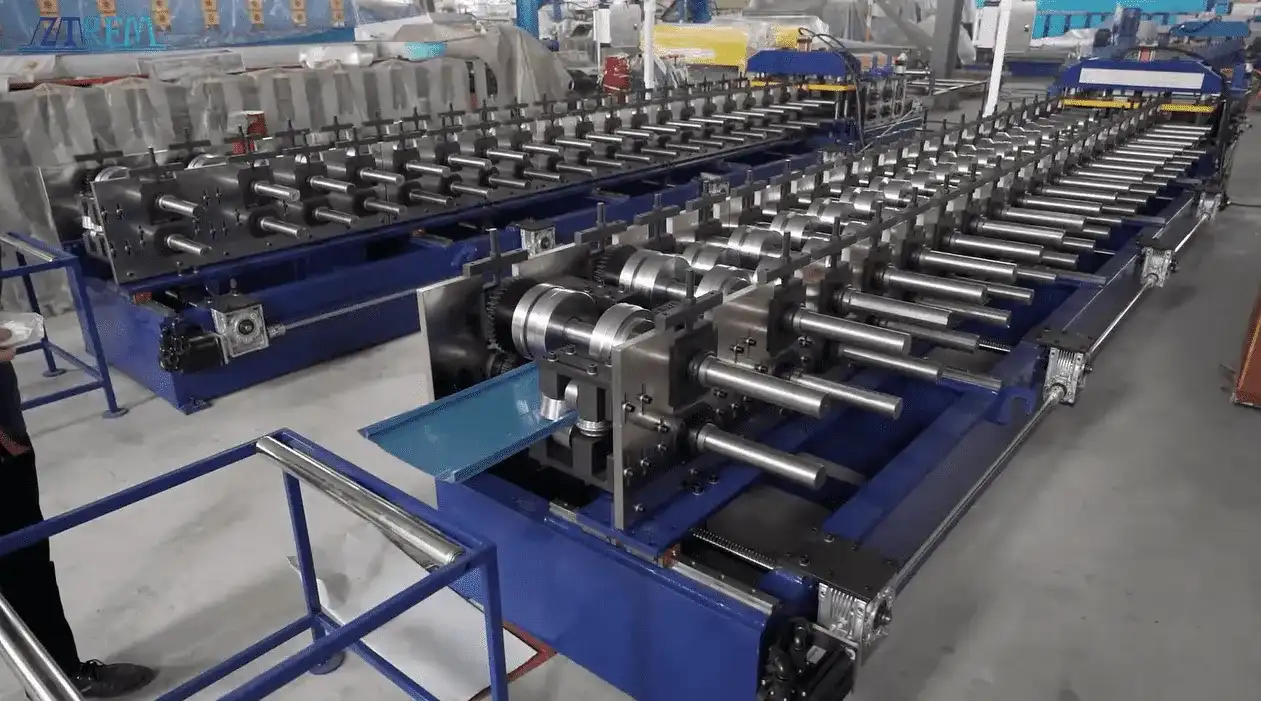
To get uniform quality when making metal wall panels, you need to use strict control measures all the way through the production process. A metal wall panel machine that is well taken care of and has the right tracking systems can greatly lower the number of defects and guarantee accurate measurements. Modern roll forming machines have high-tech sensors and automatic controls that let makers check the quality in real time. This helps them keep limits tight while making the most of their production efficiency. To meet the high standards of the business and meet customer demands in today's competitive market, these precise manufacturing methods are now necessary.
Understanding the Core Quality Challenges in Metal Wall Panel Production
Making metal wall panels comes with a lot of quality issues that have an immediate effect on how long the products last, how they look, and how happy the customers are. Surface flaws, measurement errors, and uneven panel thickness are all problems that manufacturers face all the time. These problems can hurt client trust and lead to expensive repair procedures.
Surface Defect Prevention and Control
One of the most obvious problems with the quality of metal panel production is surface flaws. Scratches, dents, and covering flaws are often caused by dirty rollers, bad material handling, or cleaning systems that don't work well. Roll forming machines with protection film applicators and precisely directed material feeds make it much less likely that the surface will get damaged during the forming process. Cleaning procedures and checking plans for rollers help keep the surface quality at its best during production runs.
Surface quality problems can be made worse by things in the environment, like dust and changes in temperature. Climate-controlled factories with the right filter systems keep the conditions fixed so that the panels always look the same and the coatings stay strong.
Dimensional Accuracy and Tolerance Management
Most of the time, machine calibration drift, old cutting parts, and heat expansion effects cause wall panel dimensions to be off. Modern equipment for making panels has servo-controlled placement systems that keep the roller gap sets exact over long production runs. These automatic systems take into account changes in temperature and tool wear to keep panel sizes the same along thousands of linear feet.
Dimensional errors are also caused by differences in the width of the material. Using upstream material checking processes and approved steel sources can help get rid of variations in raw materials before they affect the making process. Statistical process control methods help workers find problems that are happening more often before they cause panels that don't meet specifications.
Thickness Uniformity and Profile Consistency
Panel thickness that isn't always the same is often caused by uneven material flow through the making stations and pressure that isn't spread evenly across the width of the panel. Advanced forming machines use many tracking spots to keep track of how the material is moving and change the forming settings automatically to keep the width the same. These systems use real-time feedback loops that react right away to changes in the material and keep the panel patterns uniform.
When compared to traditional making methods, case studies from big panel makers show that using thorough material flow analysis cuts width difference by up to 40%. When these changes are made, the amount of scrap metal goes down and customer happiness goes up.
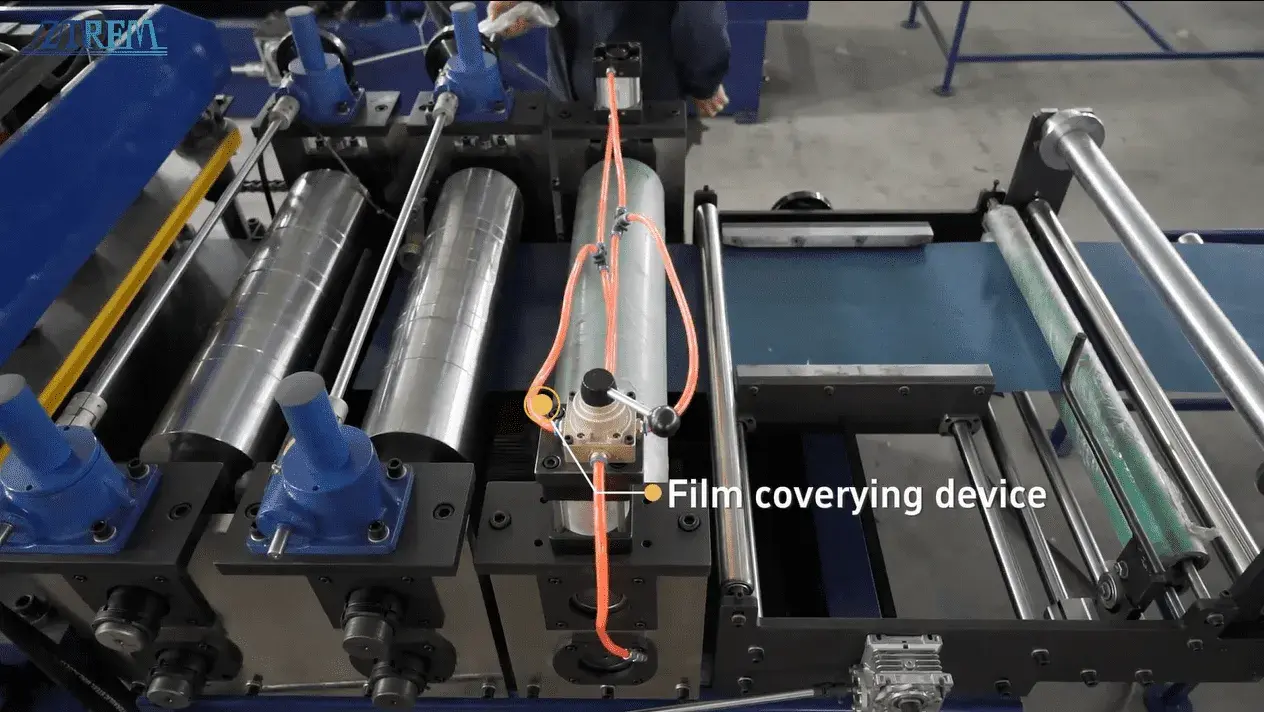
Best Practices for Quality Control in Metal Wall Panel Machines
To keep accuracy in metal panel making with the metal wall panel machine, it's important to follow regular quality control procedures. These practices include checking methods, measurement rules, and processes for preventative maintenance for the metal wall panel machine. All of these work together to make sure that the quality of the products is always the same.
Systematic Inspection and Monitoring Procedures
Setting up thorough review plans that cover all important production factors is the first step to good quality control. At different points along the making line, in-process tracking tools keep an eye on the panel's size, quality, and correctness of its shape. Automated measurement systems get rid of mistakes made by people and record data continuously so that trends can be studied and processes can be made better.
Here are the most important things to keep an eye on for full quality control:
- Material flow inspection: checking the width, thickness, and state of raw materials before they go into the making stations
- Progressive forming checks: keeping an eye on how the panel grows at each forming station to find problems early on in the process
- Final measurement checking: making sure the length is correct, the width stays the same, and the shape fits at the cutting station
- Checking the surface quality by looking for dents, scratches, covering flaws, and uneven color using standard lighting
These methods for tracking set up several checkpoints that keep faulty panels from getting to customers and collect useful information for efforts to improve the process.
Post-production checks give full analyses of final panels in controlled environments, in addition to real-time tracking. During these audits, a random sample of output is usually looked at, and damaging testing methods are used to check the features of materials and the stability of joints.
Advanced Measurement Tools and Calibration Standards
Precision measuring tools are very important for making sure that quality standards are met throughout the whole manufacturing process. Laser measurement systems can check dimensions without touching them and are accurate to within ±0.001 inches, so they can find small differences that could affect how well a panel fits and looks. Vision inspection systems use high-resolution cameras and complex image processing techniques to instantly find flaws on the surface and finish.
Calibration methods make sure that measurements are accurate over long periods of time. Calibration plans that use approved reference standards every month keep measurements traceable and meet the requirements for quality certification. Automatically calibrated digital measurement systems cut down on the amount of work that needs to be done by hand while still meeting accuracy standards.
Preventive Maintenance and Machine Precision
Regular repair plans keep quality from dropping because of worn-out parts and equipment that isn't lined up right. Vibration analysis, thermal imaging, and oil analysis are some of the tools that predictive maintenance programs use to find problems before they affect the quality of production. These preventative methods usually cut unexpected downtime by 30 to 50 percent while keeping the quality of the panels the same over the life of the equipment.
Automatic lubrication systems make sure that rollers work the same way every time and extend the life of tools. Centralized lubrication management makes it easy to control how the lube is spread and lowers the risk of leakage that can lower the quality of the panel surface. Condition tracking devices keep an eye on the quality of the lube and change it at regular intervals based on how it's being used, not on random plans.
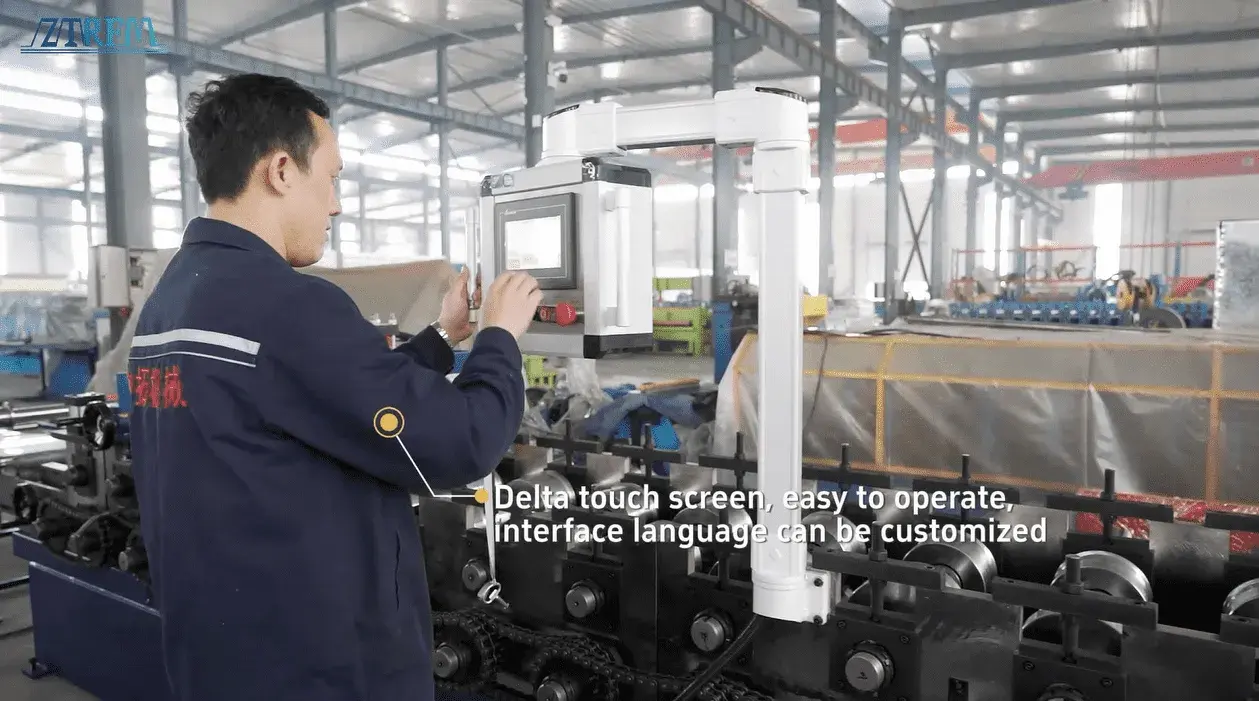
Key Technical Features to Ensure Precision in Metal Wall Panel Machines
Modern tools that make metal wall panels have a lot of complex technical features that are meant to make the making process as precise and consistent as possible. These systems use advanced control technologies and excellent mechanical engineering to consistently meet a wide range of output needs.
Critical Component Design and Engineering
The heart of any good panel making device is its carefully designed rollers. Advanced metalworking and precise grinding methods are used to make sure that these parts are always within ±0.0001 inches of their exact size across their entire working area. The building of hardened tool steel provides a longer service life and resistance to wear and deformation under heavy production loads.
Cutting systems with servo-controlled placement tools can keep the exact length of the cut even when the production speed changes. When working at speeds of more than 200 feet per minute, flying cut-off systems keep their cutting accuracy within ±1/16 inch. With these skills, producers can meet strict tolerance standards while keeping production rates affordable.
Control systems that use industrial-grade programmable logic controllers make sure that all of a machine's features work together perfectly. Panels for human-machine interfaces are easy to use and offer a wide range of monitoring tools that help with quick problem-solving and improvement.
Stability Enhancement and Repeatability Mechanisms
Heavy-duty steel manufacturing used in machine frame building gives the mechanical support needed for precise forming operations. Isolation systems and supports that reduce vibration get rid of outside disturbances that could affect the accuracy of the making process. In high-speed production settings, where dynamic forces can affect panel quality, these structural traits become even more important.
Automated thickness correction systems constantly check for changes in the thickness of the material and make the necessary changes to the making parameters. These systems use real-time input from precise sensors to keep panel shapes the same, even when working with materials that vary in thickness by as little as 0.002 inches. When working with products from different sources or production lots, these kinds of skills become very important.
Energy Efficiency and Operational Stability
Drive systems that use less energy not only lower running costs but also help keep quality high. Variable frequency drives let you precisely control the speed of the machine without any power changes that might affect the accuracy of the form. These systems instantly adjust for changes in load and keep the same working settings throughout output runs.
Power tracking systems keep track of how much electricity is used and find problems before they hurt the quality of output. Voltage regulation equipment makes sure that sensitive control systems and metal wall panel machine get stable power, so quality changes caused by electrical problems don't happen. Backup power systems keep important control functions running during short power outages. This keeps production going and stops loss.
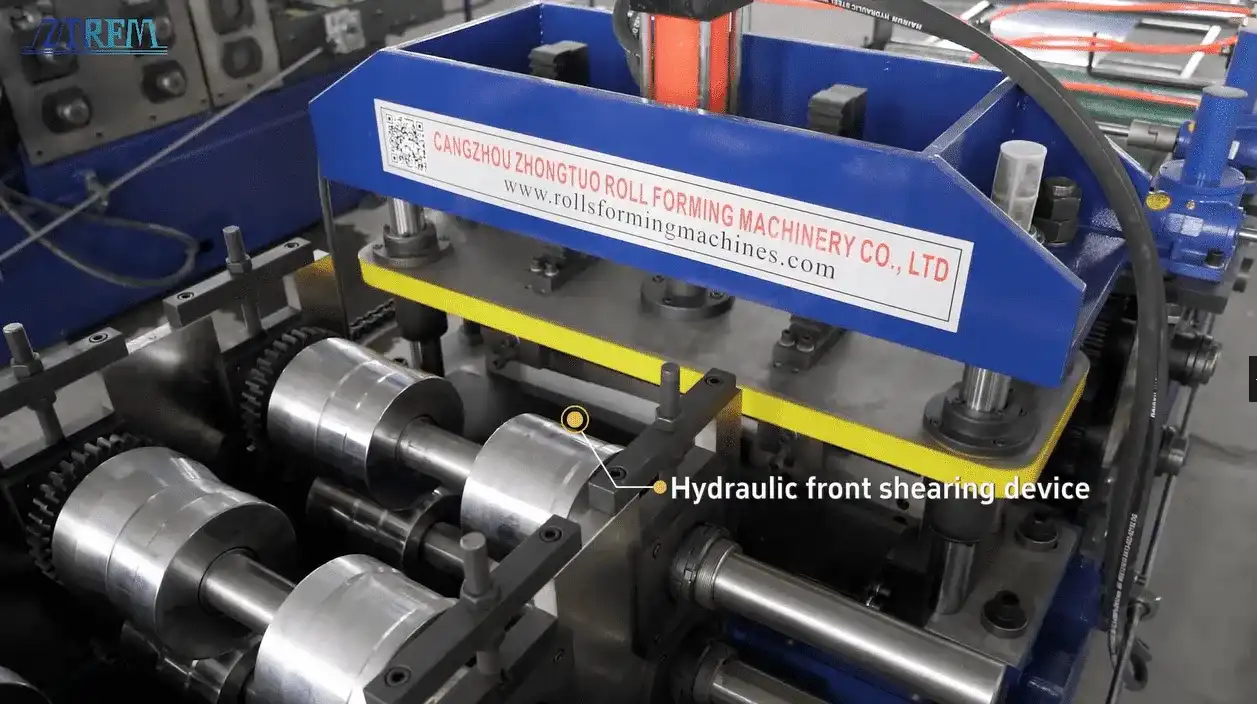
Comparison of Metal Wall Panel Machines for Quality-Focused Buyers
Selecting appropriate equipment requires careful evaluation of automation levels, production capabilities, and quality assurance features. Understanding the trade-offs between different machine configurations helps buyers make informed decisions aligned with their specific quality requirements and production objectives.
Automation Levels and Quality Impact
Fully automated systems offer superior consistency and precision compared to manual or semi-automated alternatives. Automated material handling eliminates variations caused by operator technique while providing repeatable positioning accuracy. Computer-controlled forming parameters ensure identical setup conditions for every production run, reducing variability and improving quality consistency.
Manual systems may provide advantages in specialized applications requiring frequent changeovers or custom panel configurations. Skilled operators can make real-time adjustments that automated systems might not accommodate, particularly when processing non-standard materials or producing prototype panels. However, manual operations introduce human variability that can affect quality consistency.
Semi-automated systems combine the flexibility of manual operation with the consistency benefits of automated control. These hybrid approaches allow operators to make necessary adjustments while maintaining automated control over critical quality parameters. Such systems often represent optimal solutions for medium-volume production environments with diverse product requirements.
Brand Evaluation and Selection Criteria
Evaluating equipment suppliers requires examining track records for reliability, service support capabilities, and technological innovation. Established manufacturers with decades of experience typically offer mature technologies with proven performance records. These companies invest heavily in research and development, resulting in equipment that incorporates the latest advances in precision manufacturing technology.
Service support infrastructure plays a crucial role in maintaining long-term quality performance. Suppliers with global service networks can provide rapid response times for maintenance and repair requirements. Technical support capabilities, including remote diagnostics and training programs, help manufacturers optimize equipment performance and maintain quality standards throughout equipment lifecycles.
Warranty coverage and parts availability affect total cost of ownership calculations. Comprehensive warranty programs demonstrate manufacturer confidence in equipment reliability while protecting buyers from unexpected repair costs. Assured parts availability for extended periods ensures continued operation and quality maintenance throughout equipment service life.
Investment Analysis and ROI Considerations
Quality-focused investment analysis must consider both direct costs and indirect quality benefits. Higher-precision equipment typically commands premium pricing but delivers superior quality consistency that reduces scrap rates and rework expenses. These quality improvements often generate savings that justify premium equipment investments within reasonable payback periods.
Financing options and leasing arrangements can facilitate access to advanced equipment while preserving working capital for other business needs. Equipment leasing programs offered by manufacturers often include maintenance packages that guarantee continued performance throughout lease terms. These arrangements provide predictable operating costs while ensuring access to the latest technology advances.
Long-term productivity improvements resulting from enhanced quality capabilities contribute significantly to return on investment calculations. Reduced customer complaints, warranty claims, and field service requirements translate into tangible cost savings that extend well beyond initial equipment investments.
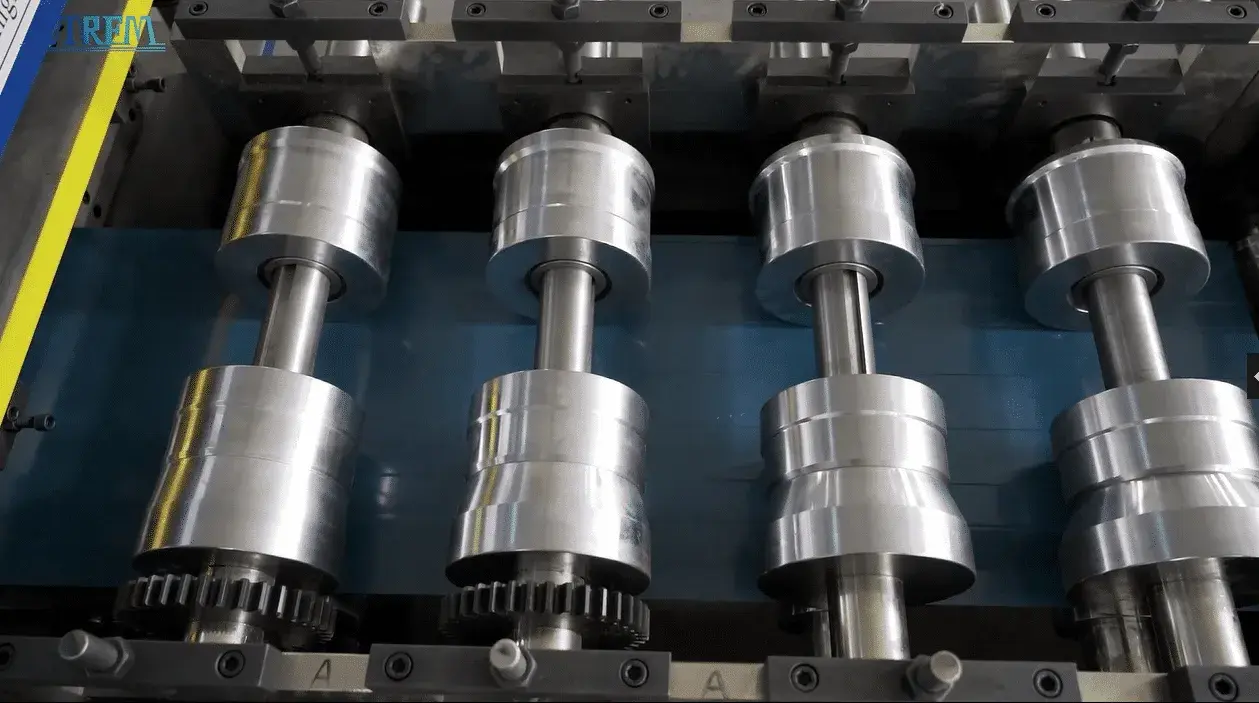
Long-Term Quality Assurance Strategies for Your Metal Wall Panel Machine
Sustaining exceptional quality performance on the metal wall panel machine requires implementing comprehensive strategies that address equipment maintenance, personnel development, and continuous improvement initiatives. These long-term approaches ensure consistent quality delivery while maximizing equipment service life and production efficiency.
Continuous Improvement Culture and Performance Tracking
Establishing a culture focused on continuous quality improvement involves engaging personnel at all organizational levels in quality enhancement initiatives. Regular quality meetings provide forums for sharing observations, discussing improvement opportunities, and implementing corrective actions. Employee suggestion programs encourage front-line workers to contribute insights based on their daily equipment interactions.
Key performance indicators track quality trends and identify improvement opportunities before they impact customer satisfaction. Statistical process control charts monitor dimensional accuracy, surface quality, and production efficiency metrics. These data-driven approaches enable proactive quality management rather than reactive problem-solving.
Quality improvement teams comprised of operators, maintenance personnel, and engineering staff collaborate on systematic problem-solving initiatives. Root cause analysis methodologies help identify underlying issues and implement permanent solutions rather than temporary fixes. Documentation of improvement initiatives creates organizational knowledge that supports continued quality enhancement.
Training Programs and Skill Development
Comprehensive operator training programs ensure consistent equipment operation and quality awareness throughout production shifts. Standardized training curricula cover equipment operation procedures, quality inspection techniques, and troubleshooting methodologies. Certification programs validate operator competency and provide career development pathways that support employee retention.
Cross-training initiatives develop versatile personnel capable of operating multiple equipment types while maintaining consistent quality standards. These capabilities provide operational flexibility during personnel changes and equipment maintenance periods. Advanced training programs covering maintenance procedures and quality optimization techniques develop internal expertise that reduces dependence on external service providers.
Regular refresher training sessions keep personnel current with evolving best practices and equipment modifications. Technology updates and process improvements require ongoing education to ensure optimal utilization and quality maintenance. Training documentation and competency records support quality certification requirements and demonstrate organizational commitment to professional development.
Strategic Supplier Partnerships and Support Systems
Long-term partnerships with equipment suppliers provide access to technical expertise, genuine replacement parts, and upgrade opportunities that support continued quality excellence. Authorized service agreements ensure qualified technicians perform maintenance procedures using proper tools and procedures. These partnerships often include priority response commitments that minimize downtime during equipment issues.
Parts inventory management programs balance carrying costs with availability requirements. Critical component identification and strategic stocking levels ensure rapid repair capabilities without excessive inventory investments. Supplier-managed inventory programs transfer inventory responsibility while guaranteeing parts availability when needed.
Technology upgrade pathways allow incremental equipment improvements without complete system replacement. Retrofit programs enable incorporation of new control systems, measurement technologies, and automation features into existing equipment. These upgrade options extend equipment service life while maintaining competitive quality capabilities.
Conclusion
Maintaining precision in metal wall panel manufacturing requires implementing comprehensive quality control strategies that address equipment capabilities, operational procedures, and continuous improvement initiatives. Modern forming equipment incorporates advanced technologies that support consistent quality delivery while maximizing production efficiency. Successful quality management combines proper equipment selection, systematic maintenance procedures, and skilled personnel development to achieve exceptional results. Organizations investing in quality-focused approaches realize substantial benefits through reduced scrap rates, enhanced customer satisfaction, and improved competitive positioning in demanding market environments.
FAQ
1. How often should I calibrate my metal wall panel machine?
Calibration frequency depends on production volume and quality requirements, but most manufacturers perform weekly dimensional checks and monthly comprehensive calibrations. High-volume operations may require daily verification of critical dimensions, while lower-volume production can extend calibration intervals. Environmental conditions and material variations also influence calibration schedules.
2. What are the most common defects in metal wall panel production?
Surface scratches, dimensional inaccuracies, and inconsistent panel thickness represent the most frequent quality issues. These defects typically result from worn tooling, improper machine setup, or material handling problems. Implementing systematic inspection procedures and preventive maintenance programs effectively reduces defect rates.
3. How does automation improve quality in metal panel manufacturing?
Automated systems eliminate human variability while providing precise control over forming parameters. Real-time monitoring capabilities enable immediate detection and correction of quality deviations. Automated material handling reduces surface damage risks while ensuring consistent panel positioning throughout the forming process.
Partner with ZTRFM for Superior Metal Wall Panel Machine Solutions
ZTRFM delivers cutting-edge roll forming equipment designed specifically for precision metal wall panel manufacturing. Our advanced systems incorporate automated quality control features, precision-engineered components, and comprehensive support services that ensure exceptional production results. With ISO9001, CE, and CAS certifications, our metal wall panel machine solutions meet the highest international standards while providing customizable configurations for diverse production requirements.
Our experienced engineering team works closely with clients to develop optimized solutions that address specific quality challenges and production objectives. Global service capabilities spanning over 150 countries ensure responsive support throughout equipment lifecycles. Contact our technical specialists at zhongtuorollforming@gmail.com to discuss your precision manufacturing needs and explore how our metal wall panel machine manufacturer expertise can enhance your production capabilities.
References
1. Smith, John A. "Advanced Quality Control Systems in Metal Forming Equipment." International Journal of Manufacturing Technology, vol. 45, no. 3, 2023, pp. 112-127.
2. Johnson, Maria L., and David Chen. "Precision Engineering in Roll Forming Applications." Manufacturing Engineering Quarterly, vol. 28, no. 2, 2023, pp. 45-62.
3. Williams, Robert K. "Statistical Process Control in Metal Panel Manufacturing." Quality Assurance Review, vol. 31, no. 4, 2022, pp. 78-95.
4. Anderson, Susan M. "Preventive Maintenance Strategies for Industrial Forming Equipment." Maintenance Technology Magazine, vol. 39, no. 1, 2023, pp. 23-38.
5. Thompson, Michael P., et al. "Automated Inspection Systems in Metal Working Industries." Industrial Automation Journal, vol. 52, no. 6, 2023, pp. 156-173.
6. Davis, Jennifer R. "Investment Analysis for Precision Manufacturing Equipment." Manufacturing Finance Review, vol. 19, no. 3, 2022, pp. 89-104.
_1750323743240.webp)