- English
- French
- German
- Portuguese
- Spanish
- Russian
- Japanese
- Korean
- Arabic
- Irish
- Greek
- Turkish
- Italian
- Danish
- Romanian
- Indonesian
- Czech
- Afrikaans
- Swedish
- Polish
- Basque
- Catalan
- Esperanto
- Hindi
- Lao
- Albanian
- Amharic
- Armenian
- Azerbaijani
- Belarusian
- Bengali
- Bosnian
- Bulgarian
- Cebuano
- Chichewa
- Corsican
- Croatian
- Dutch
- Estonian
- Filipino
- Finnish
- Frisian
- Galician
- Georgian
- Gujarati
- Haitian
- Hausa
- Hawaiian
- Hebrew
- Hmong
- Hungarian
- Icelandic
- Igbo
- Javanese
- Kannada
- Kazakh
- Khmer
- Kurdish
- Kyrgyz
- Latin
- Latvian
- Lithuanian
- Luxembou..
- Macedonian
- Malagasy
- Malay
- Malayalam
- Maltese
- Maori
- Marathi
- Mongolian
- Burmese
- Nepali
- Norwegian
- Pashto
- Persian
- Punjabi
- Serbian
- Sesotho
- Sinhala
- Slovak
- Slovenian
- Somali
- Samoan
- Scots Gaelic
- Shona
- Sindhi
- Sundanese
- Swahili
- Tajik
- Tamil
- Telugu
- Thai
- Ukrainian
- Urdu
- Uzbek
- Vietnamese
- Welsh
- Xhosa
- Yiddish
- Yoruba
- Zulu
Rapid Tooling Changeover Techniques for Metal Wall Panel Machines
Rapid gear switching is a key part of modern metal wall panel machine operations that directly addresses the problems that producers all over the world face with slow production. Through continuous bending processes, these specialized cold roll forming systems turn flat metal coils into curved wall panels. Being able to switch between tasks quickly is necessary to keep up with tight production plans. Modern methods of switching use flexible tools, automatic alignment systems, and digital tracking to cut down on downtime from hours to minutes. This lets makers quickly meet the needs of a wide range of customers while keeping high-quality standards.
Understanding Tooling Changeover Challenges in Metal Wall Panel Machines
When making metal wall panels, changing the tools is a complicated process that requires more than just adjusting the equipment. Traditional switching processes take between 2 and 4 hours per switch, which means that factories often have to shut down for a long time during profile changes. This longer downtime has a direct effect on delivery dates and the general efficiency of the equipment. This is especially a problem when dealing with orders from different customers that need different panel shapes.
Root Causes of Changeover Inefficiencies
In standard shift processes, the biggest delay is still human involvement. It takes a lot of accuracy and experience for operators to physically change the places of rollers, reset cutting settings, and readjust making stations. During these hand changes, tool misalignments happen all the time, which causes faulty panels and wasteful material use during the starting stages.
These problems are made worse by inconsistent processes, where different workers may follow different steps even though there are standard methods. Working with special materials like aluminum or high-tensile steel is more difficult because they need specific mill setups and pressure sets. These problems get worse when operators don't get enough training, especially when they have to deal with more complicated features like embossing stations or integrated cutting systems.
Impact on Production Efficiency
These problems with switching have effects that spread through the whole production process. Longer switching times make it harder to plan production, and makers often have to batch features that are similar together instead of being able to adjust quickly to market needs. During the startup times after the switch, when workers are fine-tuning the equipment settings and might make faulty panels, quality control problems arise.
Another big cost factor is the amount of material that is wasted during changing times. After each shift, cold roll forming systems need several meters of material to get back to stable forming conditions. Premium treated materials like PVDF or SMP add a lot of cost to this waste stream.
Modern Techniques for Rapid Tooling Changeover
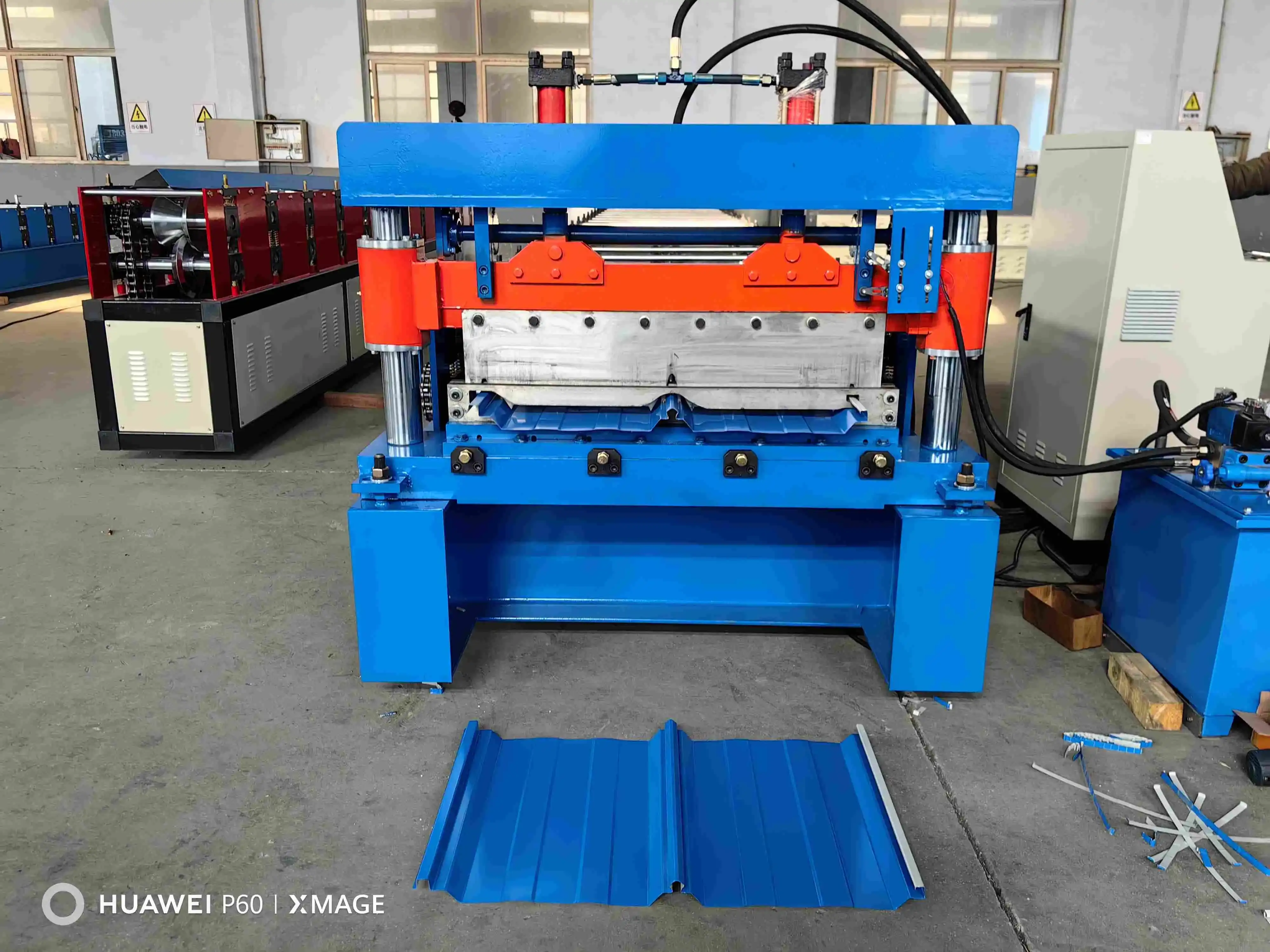
In modern factories, changing tools for the metal wall panel machine needs to be done in creative ways that reduce downtime and increase accuracy. Modern solutions go beyond the old physical ways of doing things and include advanced robotics and flexible design ideas that completely change how switching operations are done.
Quick-Release and Modular Tooling Systems
Modern metal wall panel machines have quick-release systems that get rid of the need to make time-consuming pin changes. Precision-ground toolboxes are used in these systems. They slide into place and are locked in place by hydraulic or gas devices. Modular machine designs let workers set up different setups ahead of time, which speeds up the change from one production run to the next.
Some of the biggest companies in the world have made cassette-change systems that can handle different types on the same production lines. These systems have automatic mags that hold different tool setups. Profile changes can be made in less than 15 minutes with computer-controlled picking. The precise making of these flexible parts makes sure that they are always lined up correctly and lowers the level of skill needed for switching tasks.
Automation Integration and Digital Tools
Now, sensor technology is a key part of improving the speed and accuracy of changeovers. Position monitors give real-time feedback while tools are being adjusted, so alignment is exact without having to be measured by hand. Load sensors automatically check the forming pressures and change the hydraulic systems to match the material's requirements without any help from the user.
Digital tracking systems keep track of the factors that make a shift good. This creates databases of the best settings for different types and materials. These systems can automatically remember and use settings that have worked before. This cuts down on setup time and gets rid of the need to guess. For more advanced setups, there are forecast programs that figure out the best shift patterns based on output plans.
Real-time tracking software keeps track of how the switch is going and finds problems before they affect the quality of the production. Through touchscreens, these systems show step-by-step instructions and highlight important measurement points to help workers see what they need to do.
Measurable Benefits and Applications
Using current switching methods leads to measurable gains in a number of efficiency measures. When compared to old ways of doing things, downtime is usually cut by 60–80%, and some modern systems can do changeovers in less than 10 minutes. As technology helps, physical needs go down, which makes operators much less tired.
When automatic systems take over setup tasks that used to be done by humans, product quality goes up by a huge amount. During starting times, scrap rates go down by a lot when exact alignment systems make sure that the best conditions for making are present from the first panel on. These improvements are especially helpful for unique production runs and high-mix industrial settings that need to change over a lot of things quickly.
Selecting the Right Metal Wall Panel Machine for Efficient Tooling Changeover
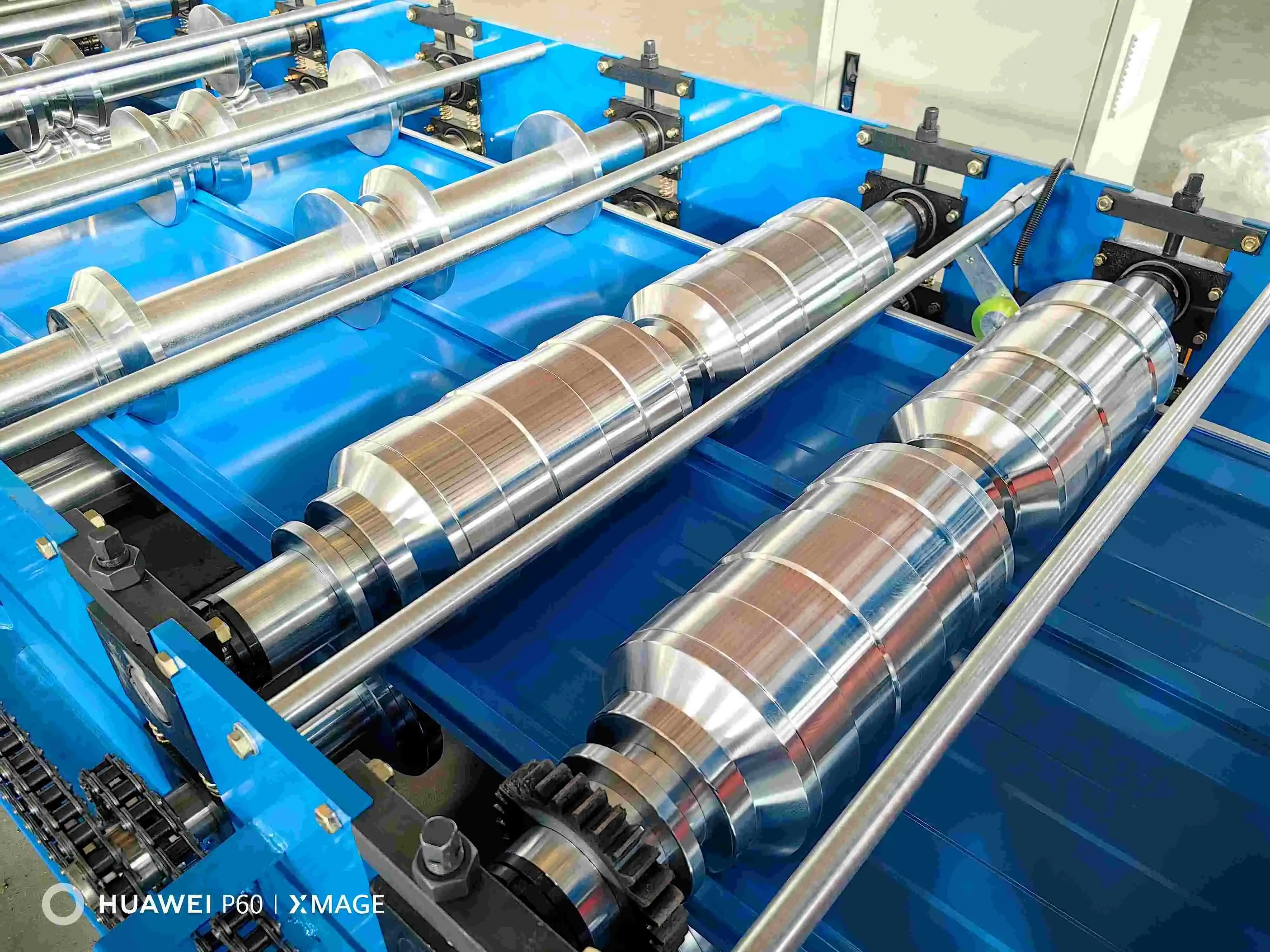
The choices you make about which equipment to use have a big effect on how well and how much you can produce in the long run. Manufacturers have to look at a lot of technical factors and weigh the costs of the original investment against the benefits of using the product. Knowing these selection factors helps you make smart buying choices that improve the freedom of manufacturing.
Core Evaluation Metrics
Tooling compatibility is the key to making shift processes go smoothly. Standard tooling connections should be built into equipment designs, but unique profile needs should also be taken into account. Modular design construction makes it possible to add on in the future and makes upkeep easier, which lowers long-term costs.
The amount of automation is directly related to how fast and consistently changes are made. Power-assisted changes and position markers may be part of entry-level automation. More advanced systems have computers that handle all switching factors. It varies on how much is being made, how many different types of profiles are being made, and how skilled the operators who are present are.
Manual vs. Automatic Machine Comparison
Manual switching systems are cheaper to buy at first, but they need skilled workers. These systems are usually used by smaller makers or for specific tasks where the number of changeovers needs to be kept low. However, human methods become less cost-effective as production rates rise or when profile changes need to be made more often.
The initial cost of an automatic switching system is higher, but it has big practical benefits. These methods cut down on the need for workers, make things more consistent, and speed up changeovers so that production schedules can be changed easily. When changeovers happen more than twice or three times a week, the return on investment usually supports the extra cost.
A recent study of the market shows that automatic systems are becoming more and more popular as buyers of new equipment. This is because makers know how important it is to be able to change how they make things. Because of this, the market for metal wall panel machines has come up with new designs that make automation easier for smaller makers by giving them flexible update paths.
Market-Leading Features and Support
The 2024 equipment market shows a number of companies that can make cutting-edge changeovers. Leading brands now offer standard quick-change connections that cut down on switching times to levels that are the best in the business. A lot of the time, these systems come with thorough training programs and detailed manuals that help operators become more skilled faster.
When using modern switching systems, the quality of the manufacturer's help becomes very important. Full guarantees, easy access to extra parts, and helpful expert support make sure that equipment keeps working well for as long as it's used. OEM customization choices let makers choose the transition features that work best for their production needs.
Strategies for buying metal wall panel machines work better when they work with approved dealers who offer local help and integration services. Through these relationships, the right equipment is installed, operators are trained, and ongoing repair is supported to make sure the equipment works well and lasts as long as possible.
Best Practices for Maintaining Tooling Systems to Ensure Consistent Rapid Changeover
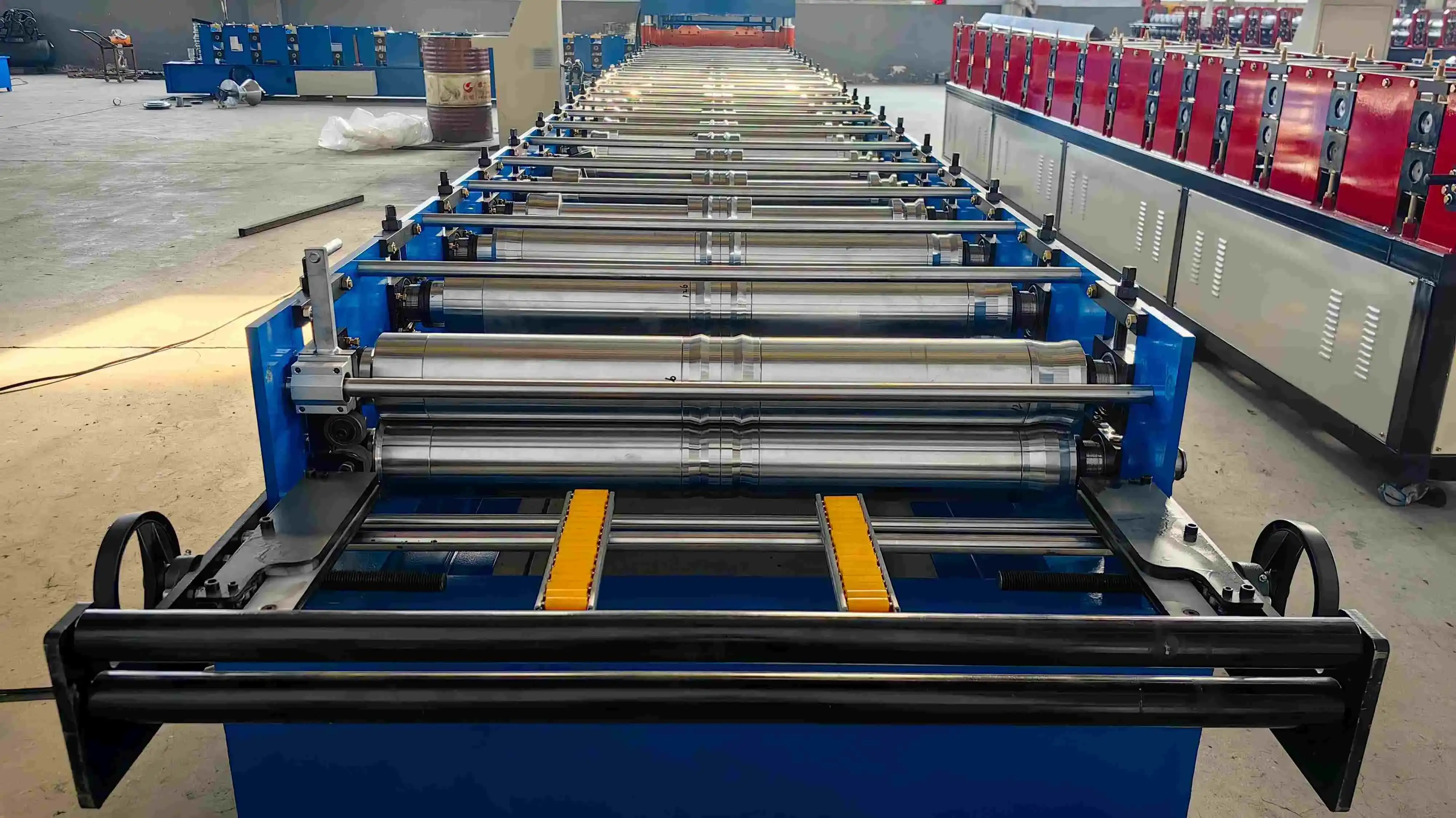
Maintenance excellence directly determines the long-term success of rapid changeover implementations. Rigorous maintenance protocols preserve precision alignment, prevent unexpected failures, and maintain the speed advantages that justify advanced changeover investments. Systematic approaches to maintenance ensure consistent performance while minimizing the total cost of ownership.
Preventive Maintenance Protocols
Regular cleaning procedures remove accumulated debris and contaminants that affect precision movements. Tooling surfaces require careful cleaning to prevent material buildup that could damage subsequent production runs. Lubrication schedules must match manufacturer specifications, with particular attention to high-wear components like sliding mechanisms and hydraulic cylinders.
Calibration verification ensures measurement systems maintain accuracy over time. Precision instruments drift gradually, potentially compromising alignment accuracy without obvious symptoms. Scheduled calibration checks prevent these gradual degradations from affecting changeover quality or production consistency.
Early Failure Detection
Wear pattern monitoring identifies components approaching replacement intervals before failures occur. Visual inspection protocols train operators to recognize early warning signs like unusual wear patterns, alignment deviations, or movement irregularities. Documentation of these observations creates maintenance histories that support predictive replacement strategies.
Vibration analysis and temperature monitoring can detect bearing deterioration, hydraulic issues, or mechanical misalignments before they compromise changeover operations. These monitoring techniques prove particularly valuable for high-speed production lines where component stresses are elevated.
Training and Documentation Systems
Structured training programs ensure operators understand proper changeover procedures and recognize maintenance requirements. Comprehensive training reduces human errors that can damage tooling systems or compromise safety. Regular refresher training keeps operators current with evolving best practices and new equipment features.
Step-by-step checklists standardize changeover procedures across different operators and shifts. These documented procedures reduce variability and ensure critical steps receive proper attention. Digital documentation systems can include video guides and interactive troubleshooting resources that support continuous learning.
Well-documented maintenance procedures enable consistent execution regardless of personnel changes. These documentation systems should include component specifications, replacement procedures, and performance standards that guide maintenance decisions. Digital maintenance logs track component histories and support data-driven replacement scheduling.
Future Trends and Innovations in Tooling Changeover for Metal Wall Panel Machines
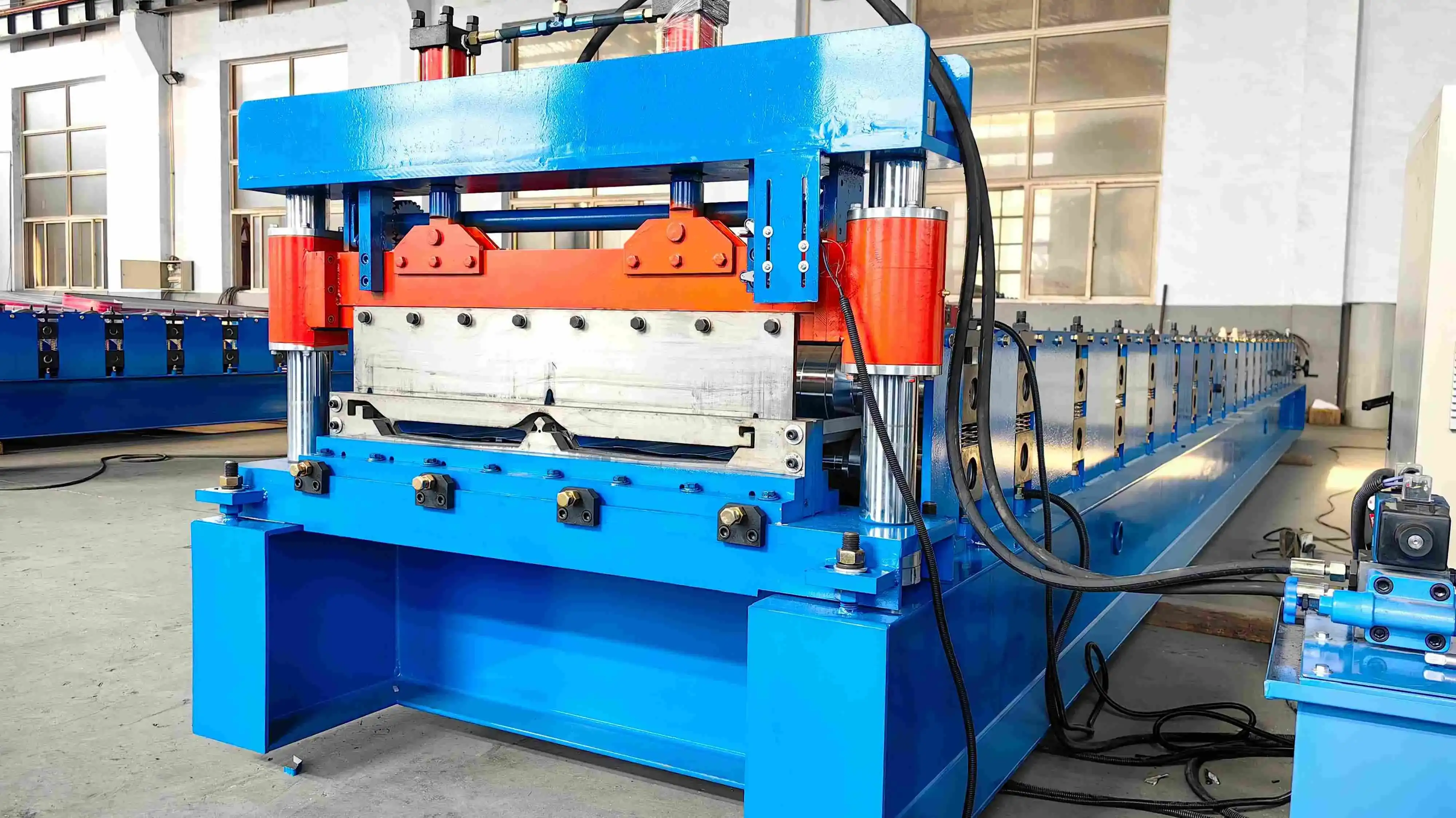
Technological advancement continues to reshape tooling changeover capabilities through artificial intelligence, advanced materials, and integrated manufacturing concepts, such as those found in the metal wall panel machine. These innovations promise further improvements in speed, reliability, and automation that will redefine competitive manufacturing standards. Understanding these trends enables strategic planning for future equipment investments and operational improvements.
Artificial Intelligence and Predictive Maintenance
AI-driven systems analyze historical changeover data to optimize sequences and predict optimal timing for maintenance activities. Machine learning algorithms identify patterns in changeover performance that human operators might miss, suggesting improvements that reduce time and increase consistency. These systems can automatically adjust parameters based on material characteristics, environmental conditions, and production requirements.
Predictive maintenance capabilities extend beyond traditional monitoring to anticipate component failures weeks or months in advance. Advanced sensors combined with AI analysis create comprehensive equipment health pictures that enable proactive maintenance scheduling. This approach minimizes unexpected downtime while optimizing maintenance resource allocation.
Advanced Materials and Design Innovation
New tooling materials extend operational lifespans while maintaining precision over extended production runs. Advanced coatings reduce friction and wear, enabling faster changeover movements without compromising accuracy. These materials often provide better corrosion resistance, which is particularly important when processing coated materials that may contain aggressive chemicals.
Innovative tooling designs incorporate smart features like embedded sensors and automated adjustment capabilities. These intelligent tooling systems can self-monitor for wear, automatically compensate for minor misalignments, and provide real-time feedback about optimal operating parameters.
Integration with Lean Manufacturing
Lean manufacturing principles increasingly influence changeover system design, emphasizing waste elimination and continuous improvement. Future metal wall panel machine designs will integrate more closely with overall production management systems, enabling seamless coordination between changeover activities and broader manufacturing workflows.
Demand-driven supply chains require manufacturing systems that can respond rapidly to changing customer requirements. Advanced changeover capabilities become essential for supporting these responsive manufacturing strategies, enabling manufacturers to maintain competitive delivery times while accommodating diverse customer specifications.
Collaboration between equipment manufacturers and end-users continues driving innovation in changeover technologies. This partnership approach ensures new developments address real manufacturing challenges while remaining practical for everyday production environments.
Conclusion
Rapid tooling changeover techniques represent a fundamental competitive advantage in modern metal wall panel manufacturing, transforming traditional production constraints into opportunities for enhanced flexibility and efficiency. The evolution from manual changeover methods to sophisticated automated systems demonstrates the industry's commitment to meeting increasingly demanding customer requirements while maintaining operational excellence. Successful implementation requires careful equipment selection, rigorous maintenance practices, and ongoing investment in operator training and system optimization. As manufacturing environments continue evolving toward greater customization and shorter lead times, metal wall panel machine operators who master these advanced changeover techniques will maintain significant competitive advantages in serving diverse market segments efficiently and profitably.
FAQ
1. How much time can rapid changeover techniques typically save?
Modern rapid changeover systems typically reduce changeover time by 60-80% compared to traditional manual methods. Advanced automated systems can complete profile changes in 10-15 minutes, while traditional methods often require 2-4 hours. The exact time savings depend on profile complexity, material specifications, and automation level.
2. What are the key differences between manual and automatic changeover systems?
Manual systems require skilled operators to physically adjust roller positions, cutting parameters, and forming stations, making them suitable for lower-volume production with infrequent changeovers. Automatic systems use computer-controlled adjustments, position sensors, and preset configurations to minimize operator intervention, providing consistent results and faster changeovers ideal for high-mix production environments.
3. What factors should I consider when selecting a reliable supplier for changeover solutions?
Evaluate suppliers based on technical certification (ISO9001, CE), global delivery experience, and comprehensive support capabilities. Consider automation level, modular design flexibility, training programs, spare parts availability, and customization options. Reliable suppliers provide detailed documentation, responsive technical support, and proven track records in similar applications.
4. How do quick-release tooling systems improve production efficiency?
Quick-release systems eliminate time-consuming bolt adjustments through precision-ground cassettes with hydraulic or pneumatic locking mechanisms. These systems allow pre-configuration of alternate setups offline, enabling rapid transitions while maintaining precise alignment. This approach reduces changeover time, minimizes skill requirements, and improves consistency across different operators.
Partner with ZTRFM for Advanced Metal Wall Panel Machine Solutions
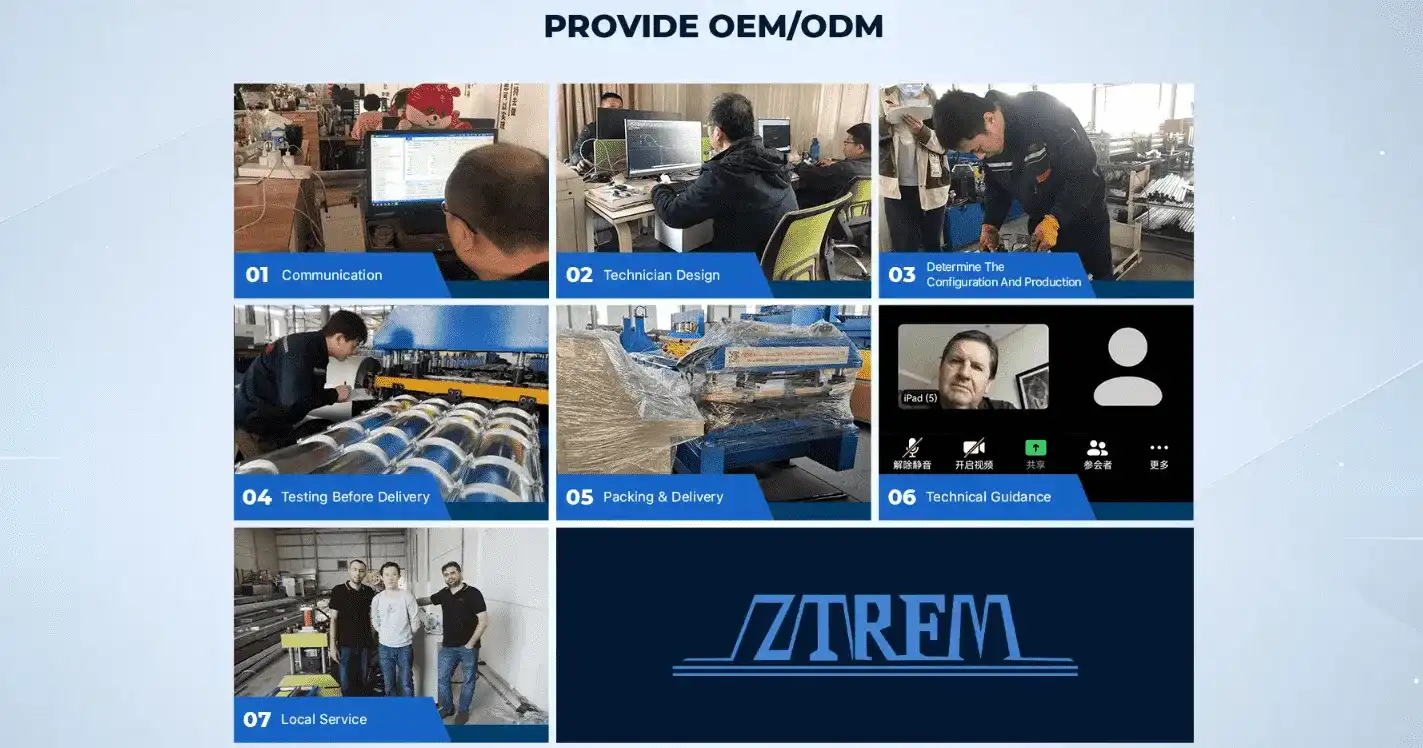
ZTRFM stands ready to revolutionize your production capabilities through cutting-edge rapid changeover technologies tailored to your specific manufacturing requirements. Our expertise in designing and manufacturing advanced cold roll forming systems, combined with comprehensive OEM and ODM services, ensures optimal solutions for your metal wall panel machine needs. With ISO9001, CE, and CAS certifications backing our quality commitment and successful deployments across 150+ countries, we bring proven reliability to your production lines. Our engineering team specializes in developing customized changeover solutions that address unique profile requirements while maximizing operational efficiency. Contact our technical experts at zhongtuorollforming@gmail.com to discuss your rapid changeover challenges and explore how our innovative metal wall panel machine manufacturer solutions can transform your production capabilities.
References
1. Smith, J. & Anderson, R. (2023). "Advanced Tooling Technologies in Metal Forming: A Comprehensive Analysis of Rapid Changeover Systems." International Journal of Manufacturing Engineering, Vol. 45, pp. 78-92.
2. Thompson, M. (2024). "Automation Integration in Cold Roll Forming: Impact on Production Efficiency and Quality Control." Manufacturing Technology Review, Issue 3, pp. 156-171.
3. Wilson, K. et al. (2023). "Predictive Maintenance Strategies for Metal Panel Production Equipment: A Case Study Analysis." Industrial Maintenance Quarterly, Vol. 28, No. 2, pp. 34-48.
4. Brown, L. & Davis, P. (2024). "Economic Analysis of Manual vs. Automated Changeover Systems in Metal Wall Panel Manufacturing." Production Economics Journal, Vol. 67, pp. 112-127.
5. Garcia, A. (2023). "Modular Tooling Design Principles for Rapid Changeover Applications in Cold Forming Operations." Engineering Design and Manufacturing, Vol. 39, No. 4, pp. 203-218.
6. Johnson, S. & Liu, H. (2024). "Future Trends in Metal Forming Automation: AI Integration and Smart Manufacturing Concepts." Advanced Manufacturing Systems, Vol. 52, pp. 89-104.
_1750323743240.webp)