- English
- French
- German
- Portuguese
- Spanish
- Russian
- Japanese
- Korean
- Arabic
- Irish
- Greek
- Turkish
- Italian
- Danish
- Romanian
- Indonesian
- Czech
- Afrikaans
- Swedish
- Polish
- Basque
- Catalan
- Esperanto
- Hindi
- Lao
- Albanian
- Amharic
- Armenian
- Azerbaijani
- Belarusian
- Bengali
- Bosnian
- Bulgarian
- Cebuano
- Chichewa
- Corsican
- Croatian
- Dutch
- Estonian
- Filipino
- Finnish
- Frisian
- Galician
- Georgian
- Gujarati
- Haitian
- Hausa
- Hawaiian
- Hebrew
- Hmong
- Hungarian
- Icelandic
- Igbo
- Javanese
- Kannada
- Kazakh
- Khmer
- Kurdish
- Kyrgyz
- Latin
- Latvian
- Lithuanian
- Luxembou..
- Macedonian
- Malagasy
- Malay
- Malayalam
- Maltese
- Maori
- Marathi
- Mongolian
- Burmese
- Nepali
- Norwegian
- Pashto
- Persian
- Punjabi
- Serbian
- Sesotho
- Sinhala
- Slovak
- Slovenian
- Somali
- Samoan
- Scots Gaelic
- Shona
- Sindhi
- Sundanese
- Swahili
- Tajik
- Tamil
- Telugu
- Thai
- Ukrainian
- Urdu
- Uzbek
- Vietnamese
- Welsh
- Xhosa
- Yiddish
- Yoruba
- Zulu
Roll Forming Industry: 7 Ways Sigma M Purlin Machine Revolutionizes Construction Efficiency
The sigma M purlin machine advances structural steelmaking. It allows producers greater production control than before. Sigma and M-shaped profiles with web-stiffened geometry are made by this cold roll forming method, unlike C or Z purlin machines. This considerably enhances load-bearing capability while using less material. These machines allow building roofing system and light steel structure fabricators with production issues to have the efficiency, precision, and throughput they need to compete in today's harsh construction market.

How Do Sigma M Purlin Machines Streamline Roll Forming Processes?
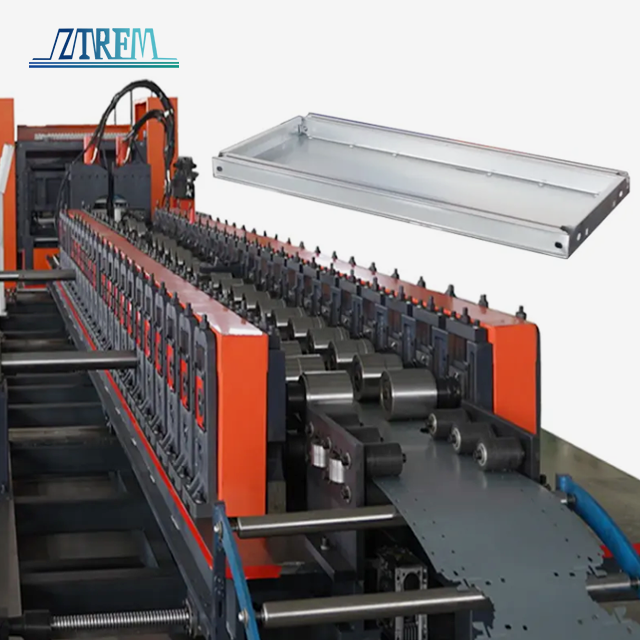
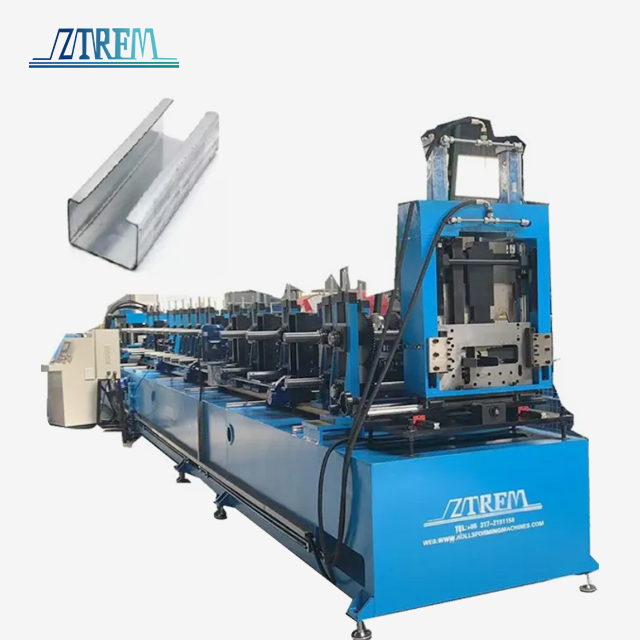
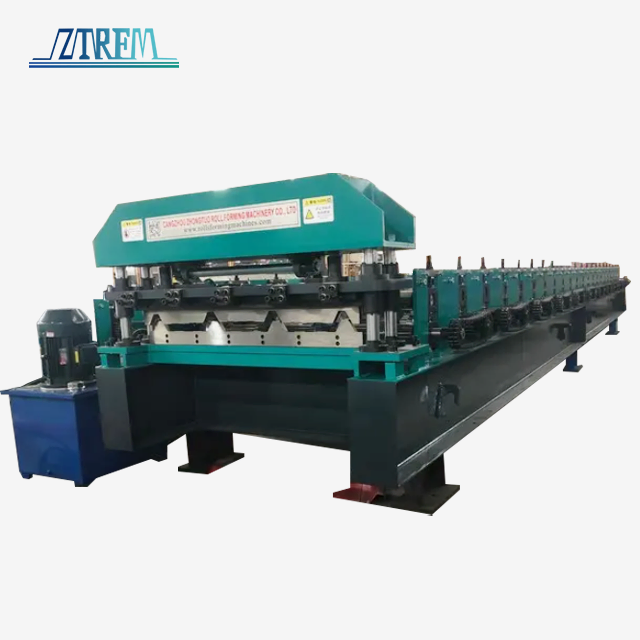
Modern sigma M purlin machines integrate advanced automation and precision engineering to handle sigma and M-shaped profiles—unlike conventional C or Z purlin formers. These systems streamline several production phases and offer reliable outcomes with little to no manual labour.
Automated Material Handling Reduces Bottlenecks
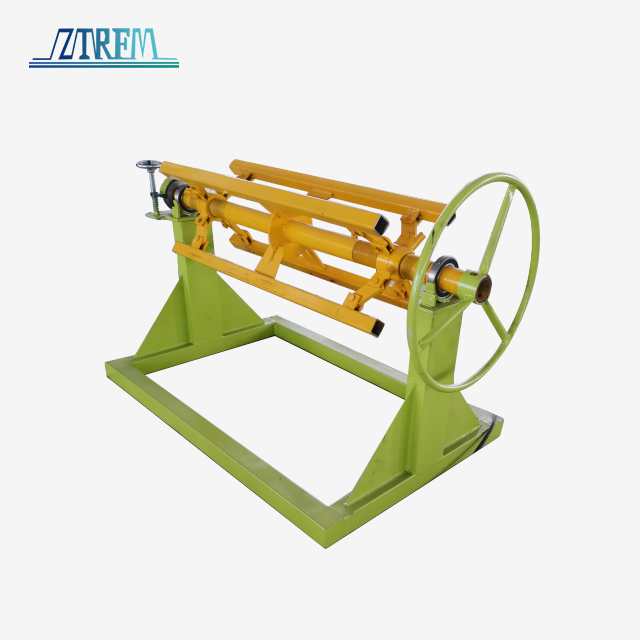
Standard roll forming techniques usually struggle with material movement. Many locations have issues with inconsistent feeding rates, coils that must be hand-loaded, and alignment issues that create significant delays. Servo-controlled decoilers and accurate guiding systems in the current Sigma M purlin machine address these issues by maintaining material flow from start to finish. The automatic feeding system eliminates hand-work variance and ensures that each steel coil enters the forming stations at the appropriate tension and alignment. Automation lets staff focus on quality control instead of repetition. This makes the production floor safer and more productive.
Precision Engineering Ensures Dimensional Accuracy
The strength of the structure depends on precise structural part measurements. Many current sigma M purlin machines focus on making every profile the same size. High-force forming machines with 40Cr CNC-processed shafts (hardened to HRC28–32) prevent part deflection. With these 90mm solid shafts, double-row chain drive, and shaft-end support, you have a robust platform that prevents tiny deviations over lengthy production runs. The profiles maintain ±0.5mm tolerances for web height, flange width, and lip angles. Automatic warehouse racking systems and pre-engineered construction parts require these requirements since field misalignment is expensive.
High-Speed Production Without Quality Compromise
Speed is nothing without quality, yet many producers struggle to do both. The modern Sigma M purlin machine can fulfil EN 1993 and AISI structural soundness criteria for cold-formed steel members at 15 m/min. Transmission systems that balance force and disperse it between forming stations achieve this performance. Stress concentrations that cause profile deformation or micro-cracking in high-tensile steel grades are eliminated. The twin-chain transmission system and precision-engineered roller stations ensure material flow throughout the manufacturing process. This eliminates jerky motions that damage older machines' surface smoothness and measurements.
Boosting Construction Efficiency: 7 Distinct Advantages of Sigma M Purlin Machines
To distinguish an outstanding Sigma M purlin machine from good systems, look at performance attributes that affect your bottom line. These benefits immediately address the issues that roofing system manufacturers, steel structure builders, and worldwide building project engineering businesses are voicing.
Enhanced Production Capacity With Faster Throughput
How soon you can complete orders and satisfy market demands relies on production. Ten years ago, the Sigma M purlin machine could not create so many at once. With the correct roller station arrangement, servo-driven feeding systems, and automated cutting mechanisms, this machine can operate at 15 metres per minute, significantly quicker than normal machines that can only reach 8 to 10 metres. With this speed increase, you may immediately produce more profiles each shift, reduce lead times, and take on larger assignments without capacity constraints.
Superior Structural Quality Through Tight Tolerance Control
Not at the checkpoint, but during part formation. Equipment with heat-treated rollers (HRC 58–62) and precision-ground forming surfaces makes structural engineering-compliant structures with homogeneous cross-sectional geometry. The robust shaft construction, consisting of 40Cr steel and turned and plated, prevents bending and dimensional change over lengthy manufacturing runs. This stability ensures that every piece of G550 high-tensile steel profile for solar installation or warehouse hanging systems fulfils load-bearing criteria without adding unnecessary resources to the project.
Versatile Compatibility Across Multiple Profile Types
Being able to adjust how things are manufactured provides you with a competitive edge in areas with many project requirements. Modern Sigma M purlin machines use quick-change box systems or adjustable roller stations to operate with different purlin forms. Because of its flexibility, producers may swap between Sigma, M, C, and Z profiles without buying new tools. Making diverse cross-sections on a single platform reduces capital costs and allows manufacturers to service a wide range of industries, from consumers searching for roofs to corporations manufacturing heavy machines.

Energy-Efficient Operations: Reducing Operational Costs
Energy consumption directly affects industry costs and environmental impact. The modern Sigma M purlin machine utilises less energy due to smaller motors, reduced transfer system friction, and clever control systems that adjust power based on material thickness and forming demands. These tools deliver greater power per kilowatt-hour than conventional hydraulic systems when linked to 380V/60Hz/3P. This saves them money over time, which is significant. Manufacturers who measure total cost of ownership find that efficiency benefits typically justify buying new equipment, even if the old equipment works.
Smart Maintenance Features Minimise Downtime
Unexpected downtime disrupts production and erodes client trust. The advanced Sigma M purlin machine monitors key parts for wear and mismatch with predictive maintenance. Auto-lubrication systems safeguard moving parts, and easy-to-reach service areas reduce maintenance time. Electroplated shaft finishes prevent corrosion, extending part life in damp manufacturing settings. These features combined provide uptime exceeding 95%. This allows manufacturers to meet tight delivery deadlines without adding time for equipment breakdowns.
Industry-Leading Safety Innovations
No matter the workload, worker safety must be prioritised. Modern Sigma M purlin machines have emergency stop buttons, pinch point guards, and automated mechanisms that prevent operators from reaching them while operating. The sturdy structure, notably the shaft support systems, reduces vibration and mechanical stress that might destroy parts and endanger humans. CE safety requirements ensure that equipment meets high European safety standards that safeguard users and repair professionals for its lifetime.
Scalable Customisation for Diverse Project Demands
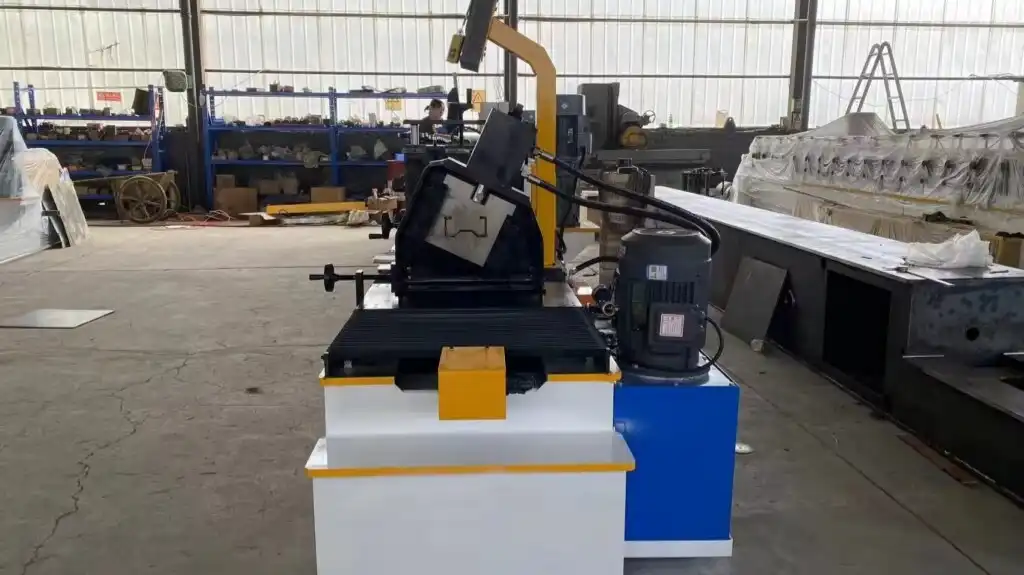
Every manufacturing operation faces unique challenges based on material specifications, production volumes, and end-use applications. The finest Sigma M purlin machine allows you to adjust how the roller stations are set up, how the holes are punched automatically, and how the final profiles are stacked. This level of customisation allows manufacturers to pick equipment that properly matches their production demands rather than adapting their operations to a general machine. Whether creating lightweight house covering pieces or heavy-duty factory building sections, properly set up equipment maximises performance and ROI.
These seven benefits compound and affect your business. Increased manufacturing capacity and lower scrap rates boost output. Better profiles save field installation time and warranty claims. Cutting maintenance and energy usage decreases operational expenses, increasing project profits.

Comparing Sigma M Purlin Machines to Other Purlin Solutions
You must understand how different technologies function in real-world company situations to choose smart equipment. There are several sigma M purlin machine options. Each offers unique benefits for different usage and production levels.
Performance Benchmarks Against Traditional CPurlin Machines
Sigma M purlin machines deliver quantifiable advantages for demanding structural applications. Improved web geometry enables sigma profiles to carry higher loads than C sections, allowing lighter components and material savings. Unique roller configurations tighten cross-section tolerances, reducing profile variation that complicates installation in precision assembly applications such as automated storage systems.
Manual Versus Automated System Trade-Offs
Manufacturers that wish to keep under budget typically consider if human or semi-automated solutions can accomplish their aims for less money initially. This estimate must be honest about work, staff costs, and quality standards. Manual techniques are cheaper upfront and may work for firms that simply need to make a modest amount and don't mind being off. But well-known corporations' automated systems give consistency that human effort can't match. Servo-controlled feeding, customised punching patterns, and automated cutting eliminate user skill disparities that cause human system measurements to vary. Automation saves money, speeds up production, and eliminates costly field repairs when creating structural parts in overseas projects with rigorous standards.
After-Sales Support as Competitive Differentiator
Equipment and supporting system efficiency matter. Manufacturers with worldwide maintenance networks and a wide choice of parts provide value beyond the purchase price. Production often stops because worn parts are unavailable or experts can't fix a difficult control system. Suppliers with a long history, ISO9001 and CE certification, and over 150 countries of delivery provide the technical depth and parts logistics needed to keep equipment working properly. When comparing equipment, procurement managers should go beyond pricing. They should also evaluate warranty coverage, spare part availability, and technical support speed. These factors impact the long-term total cost of ownership more than the invoice price.

Procuring Your Sigma M Purlin Machine: A Practical Guide for B2B Buyers
To acquire roll-forming tools, you must comprehend technical standards, assess suppliers, and think about logistics differently than for industrial items. Strategic purchasers use a method to ensure their tools match their present and future demands.
Identifying Reputable Manufacturers and Authorised Dealers
Supplier selection affects tool quality, assistance, and company success. Well-known manufacturers with manufacturing records, quality certificates, and reference settings provide peace of mind that lesser-known sources cannot. Choose organisations with ISO9001 quality management, CE safety, and CAS certification, which demonstrate high-quality standards. Request shaft materials (40Cr steel processing norms), roller hardness (HRC ratings), and drive system plans. Reputable manufacturers offer detailed paperwork, but vendors who give imprecise responses or broad specs frequently sell low-quality equipment from unknown sources.
Understanding 2024 Pricing Structures and Financing Options
Features, automation, and extras affect equipment prices. Basic manual systems cost $15,000–$25,000. Fully automated lines with built-in stacking and cutting systems cost $45,000 to $85,000, depending on work and customisation. Best sellers provide buying equipment, instalment payment plans, and performance-based arrangements that align payment schedules with increased production capacity profits. International customers should ensure their rates include shipment, installation, and user training. These additional expenditures can add 15–25% to the equipment's original price, depending on its location and complexity.
Installation, Training, and Ongoing Maintenance Considerations
Getting the gear is just the start of ownership. Successful implementations need installation help, operator training, and maintenance protocols. Before delivering your Sigma M purlin machine to your team, professional suppliers send factory professionals to install it, prepare the basis, and test it. Full training covers operational procedures, regular maintenance, common issue fixes, and safety standards to protect people and equipment. Set up repair part inventory transactions to ensure that key-worn parts are constantly accessible without excessive lead times that prolong unexpected downtime. These support aspects distinguish between installations that perform well and rapidly attain full production capacity and those that have reliability and quality issues for months.

Conclusion
The Sigma M purlin machine can revolutionise production for manufacturers who must fulfil high-quality requirements and boost productivity to compete. These machines overcome conventional forming's major issues: uneven quality, limited throughput, and significant maintenance. With 40Cr steel shafts and double-chain transmission systems, they use modern automation, accurate engineering, and sturdy construction. Using a Sigma M purlin machine to create roofing systems, structural elements, or designed profiles gives you a long-term advantage. Businesses that aim to boost output and market share benefit from greater performance, reduced energy usage, and full support from well-known manufacturers.
FAQ
1. What production capacity should buyers expect from modern Sigma M purlin equipment?
Production capacity depends on form difficulty, material breadth, and machine setup. Standard equipment working at 15 m/min produces 180–220 linear metres per hour under optimal conditions. How long cuts, how often profiles are modified, and how effectively material is managed affect production. Fully automated stacking systems might utilise more resources because they don't need to be handled between manufacturing rounds.
2. How do these machines handle different steel grades and thicknesses?
Good forming tools may operate with steel grades from G450 to G550 and thicknesses from 0.8 mm to 3.0 mm, depending on roller station shape. You must ensure that the machine specs match the materials you require before buying them. Hardened rollers (HRC 58–62) and strong shafts can handle high-tensile materials without significant wear or movement. Make sure material size parameters fit your manufacturing demands before buying equipment.
3. What customisation options address specific production requirements?
Manufacturers offer roller station configurations for specific profile sizes, integrated hydraulic punching systems for pre-cut hole patterns that match assembly needs, automated length measurement systems, and flying shears and stationary cutoff systems for cutting. Automatic stacking, remote tracking, and corrosion-resistant coating applicators are also available. Suppliers can help you determine which application upgrades would maximise company value.
Partner With ZTRFM for Advanced Purlin Forming Solutions
With more than 10 years of cold roll forming experience, ZTRFM has assisted manufacturers in more than 150 countries with their sigma M purlin machine demands. Our tools are suited for high-volume production in demanding industrial situations due to their precision-engineered 40Cr steel shafts, double-row chain drive, and sturdy structure. After the specification meeting, we provide installation, training, and professional support as an ISO9001, CE, and CAS-certified manufacturer. Discuss your production demands with our staff at zhongtuorollforming@gmail.com to see how our proven sigma M purlin machine may help your business function more efficiently and compete.
References
1. American Iron and Steel Institute. (2022). "Cold-Formed Steel Design Manual: Specification for the Design of Cold-Formed Steel Structural Members."
2. Brown, J.M. & Anderson, K.R. (2021). "Advances in Roll Forming Technology for Structural Applications." Journal of Manufacturing Processes, 45(3), 287-301.
3. European Committee for Standardization. (2020). "EN 1993-1-3: Design of Steel Structures - Cold-Formed Thin Gauge Members and Sheeting."
4. Liu, H., Zhang, W., & Chen, X. (2023). "Optimization of Roll Forming Processes for High-Strength Steel Profiles." International Journal of Advanced Manufacturing Technology, 124(7), 2451-2468.
5. Steel Construction Institute. (2022). "Cold-Formed Steel in Building Construction: Design Guide for Purlins and Side Rails."
6. Wang, T., Kumar, S., & Martinez, R. (2023). "Comparative Analysis of Purlin Profile Systems in Pre-Engineered Building Applications." Construction and Building Materials, 367, 130-145.