- English
- French
- German
- Portuguese
- Spanish
- Russian
- Japanese
- Korean
- Arabic
- Irish
- Greek
- Turkish
- Italian
- Danish
- Romanian
- Indonesian
- Czech
- Afrikaans
- Swedish
- Polish
- Basque
- Catalan
- Esperanto
- Hindi
- Lao
- Albanian
- Amharic
- Armenian
- Azerbaijani
- Belarusian
- Bengali
- Bosnian
- Bulgarian
- Cebuano
- Chichewa
- Corsican
- Croatian
- Dutch
- Estonian
- Filipino
- Finnish
- Frisian
- Galician
- Georgian
- Gujarati
- Haitian
- Hausa
- Hawaiian
- Hebrew
- Hmong
- Hungarian
- Icelandic
- Igbo
- Javanese
- Kannada
- Kazakh
- Khmer
- Kurdish
- Kyrgyz
- Latin
- Latvian
- Lithuanian
- Luxembou..
- Macedonian
- Malagasy
- Malay
- Malayalam
- Maltese
- Maori
- Marathi
- Mongolian
- Burmese
- Nepali
- Norwegian
- Pashto
- Persian
- Punjabi
- Serbian
- Sesotho
- Sinhala
- Slovak
- Slovenian
- Somali
- Samoan
- Scots Gaelic
- Shona
- Sindhi
- Sundanese
- Swahili
- Tajik
- Tamil
- Telugu
- Thai
- Ukrainian
- Urdu
- Uzbek
- Vietnamese
- Welsh
- Xhosa
- Yiddish
- Yoruba
- Zulu
Should you buy a CZ purlin roll former for your roofing business?
You may have pondered whether buying purlin-making equipment makes financial sense for a roof or light steel building business. A CZ purlin roll former can increase production speed, product quality, and operating freedom. This machine can create C- and Z-section purlins on the same base due to its two profiles. Two manufacturing lines or long die changes are unnecessary. When dealing with changing orders or unique demands, businesses that adopt this technology frequently see an improvement in efficiency within a few months.
What Is a CZ Purlin Roll Former and How Does It Work?
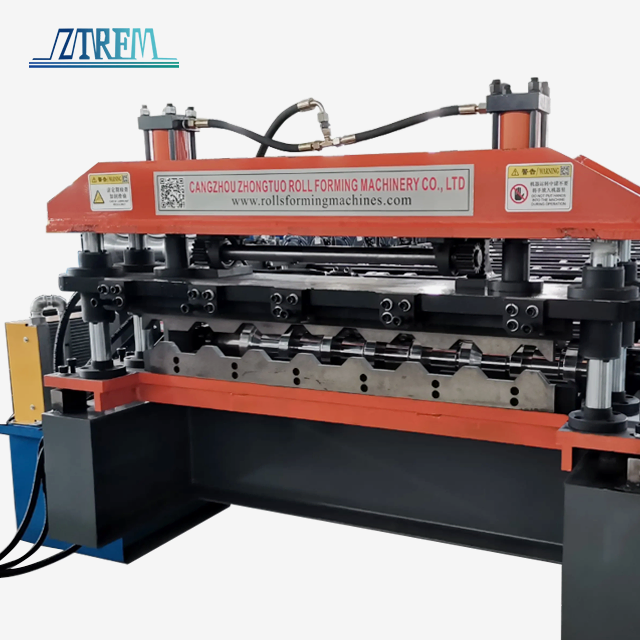
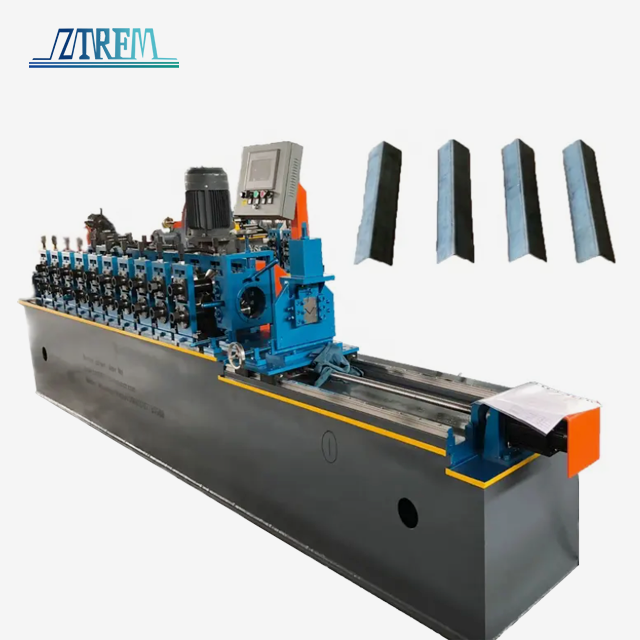
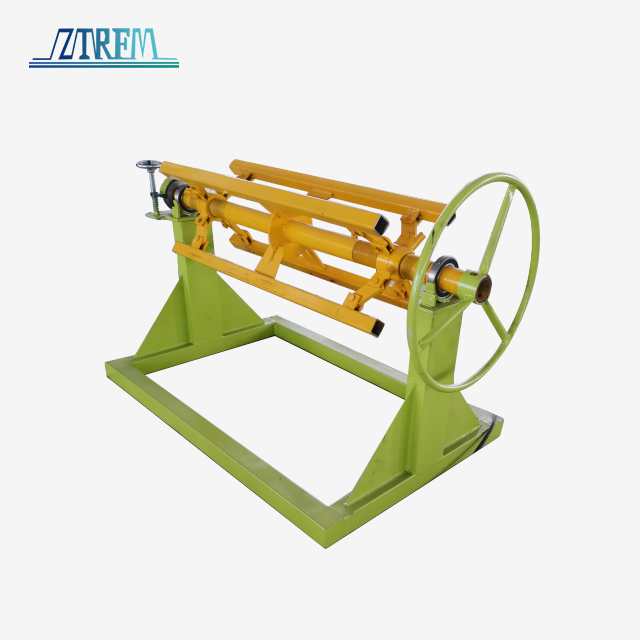
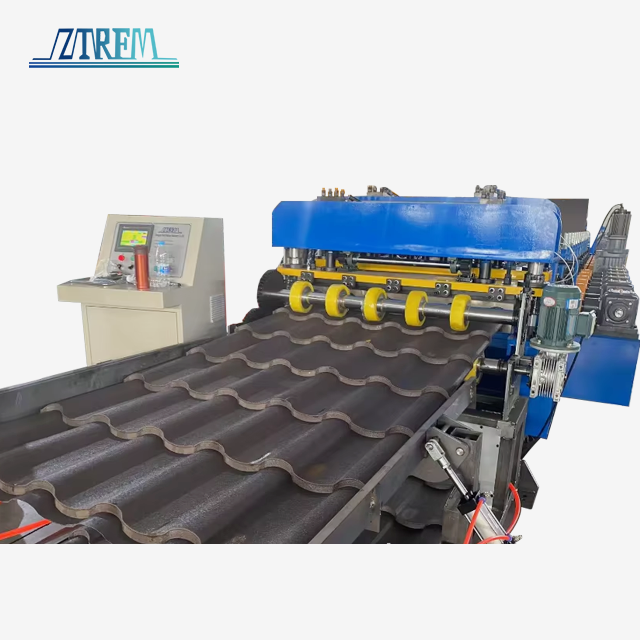
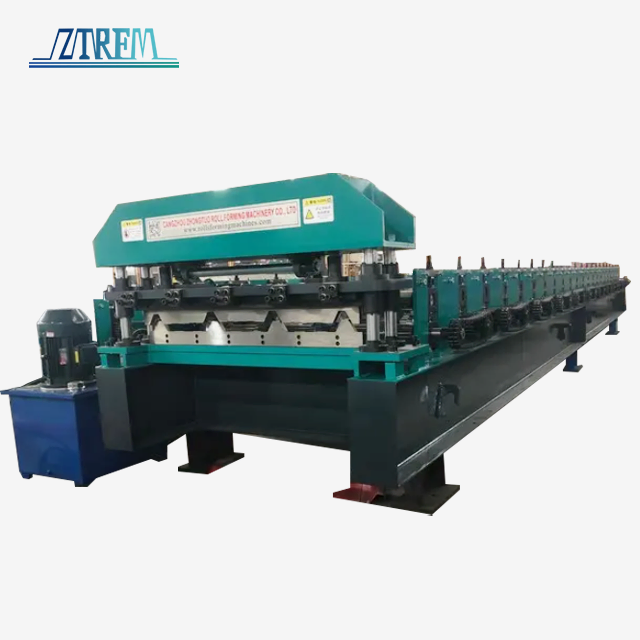
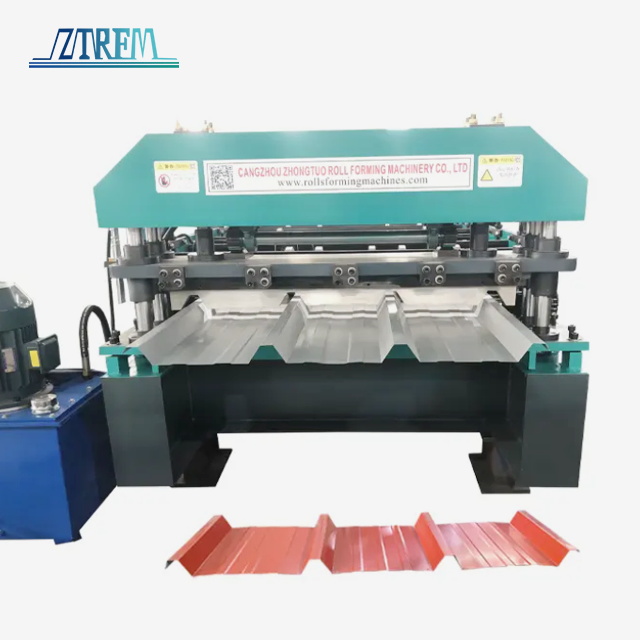
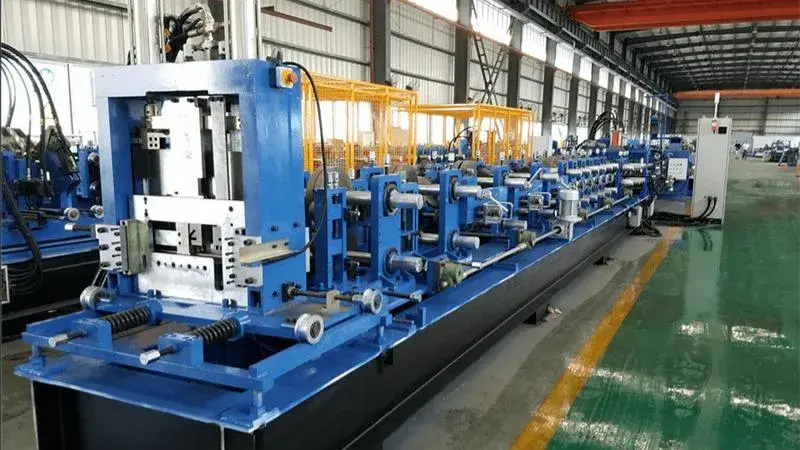
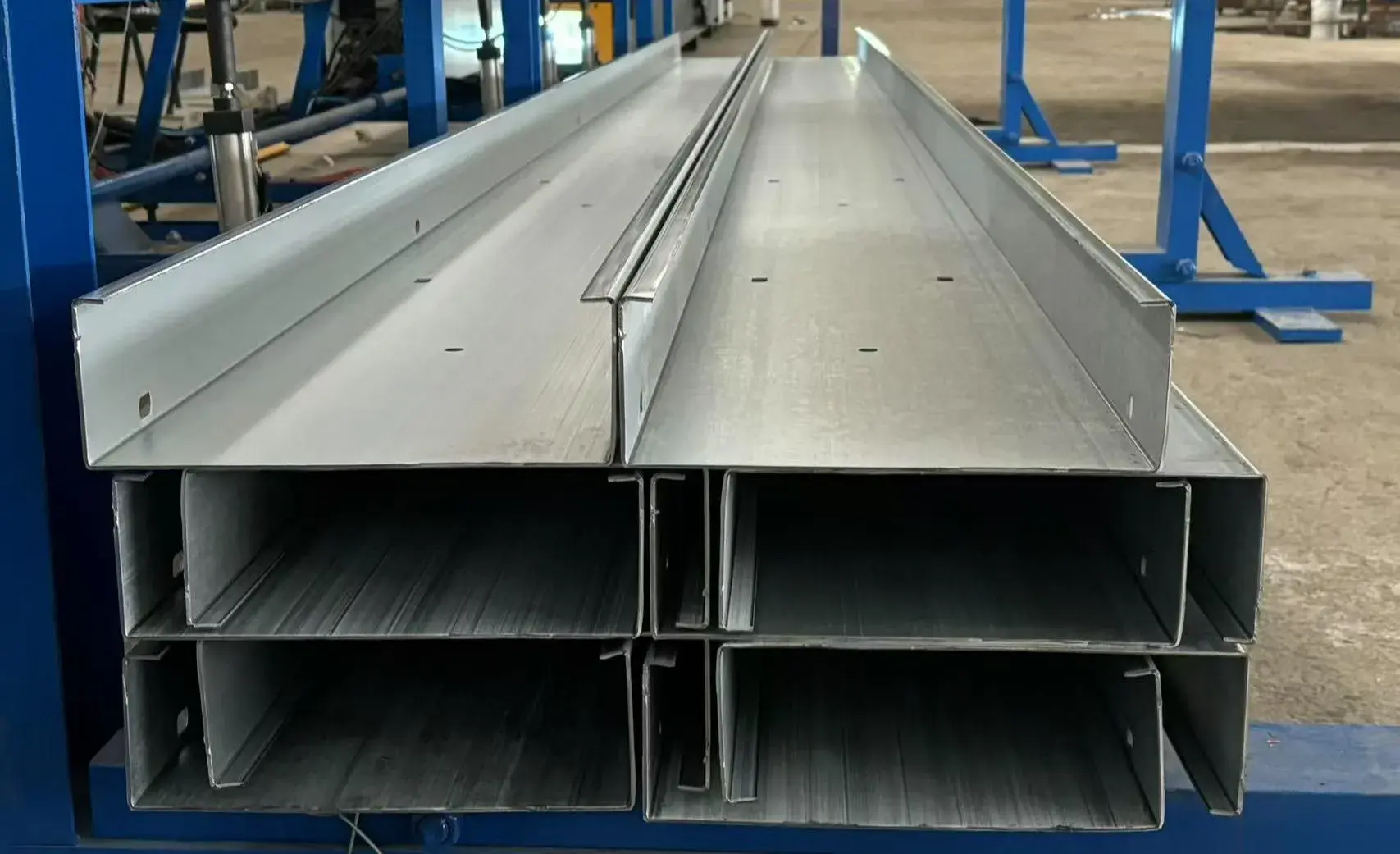
Cold-forming CZ purlin roll formers mechanically shape galvanised steel coils into C- or Z-shaped building designs. Purlins support metal panels and distribute weight over primary beams in roofing and wall systems.
The Roll Forming Process Explained
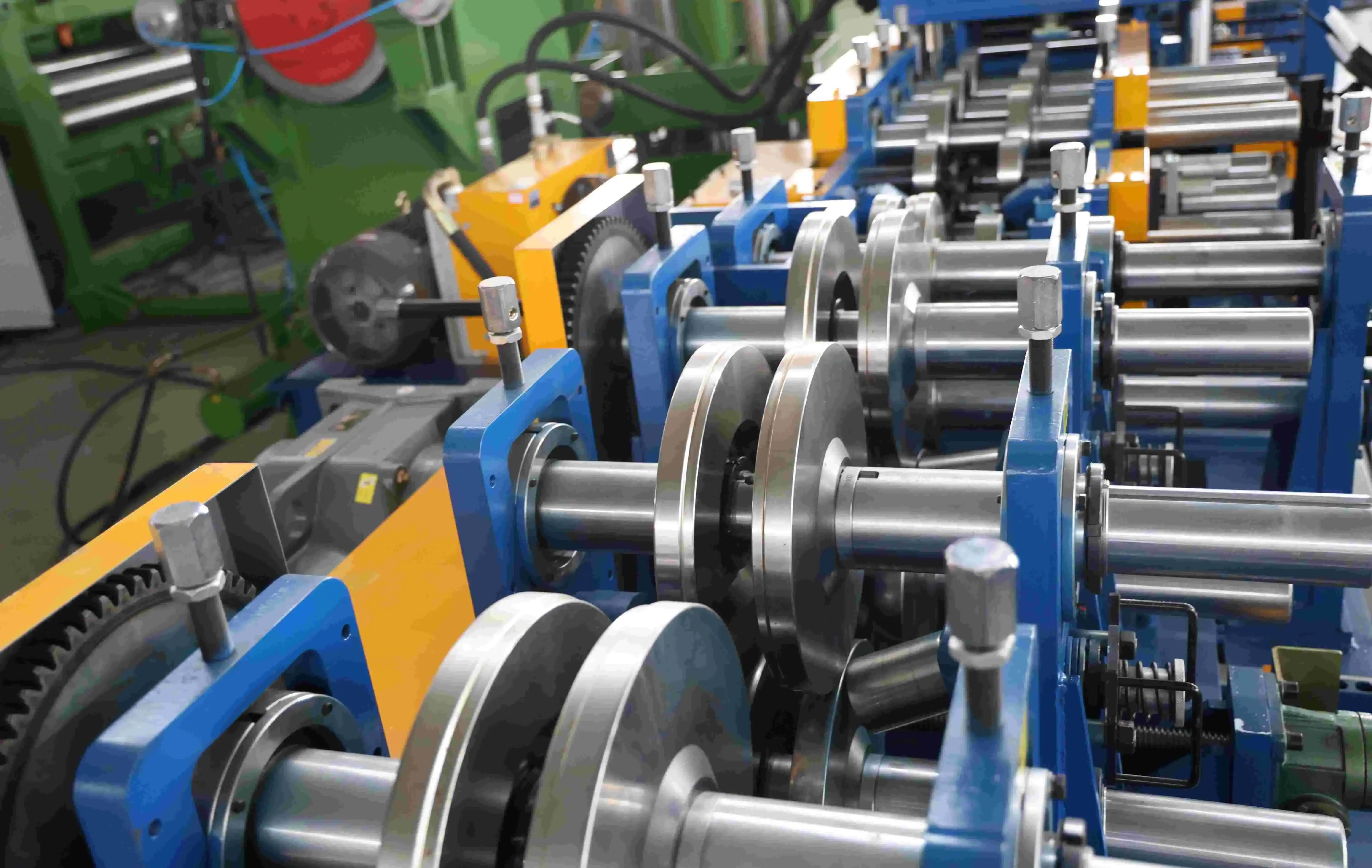
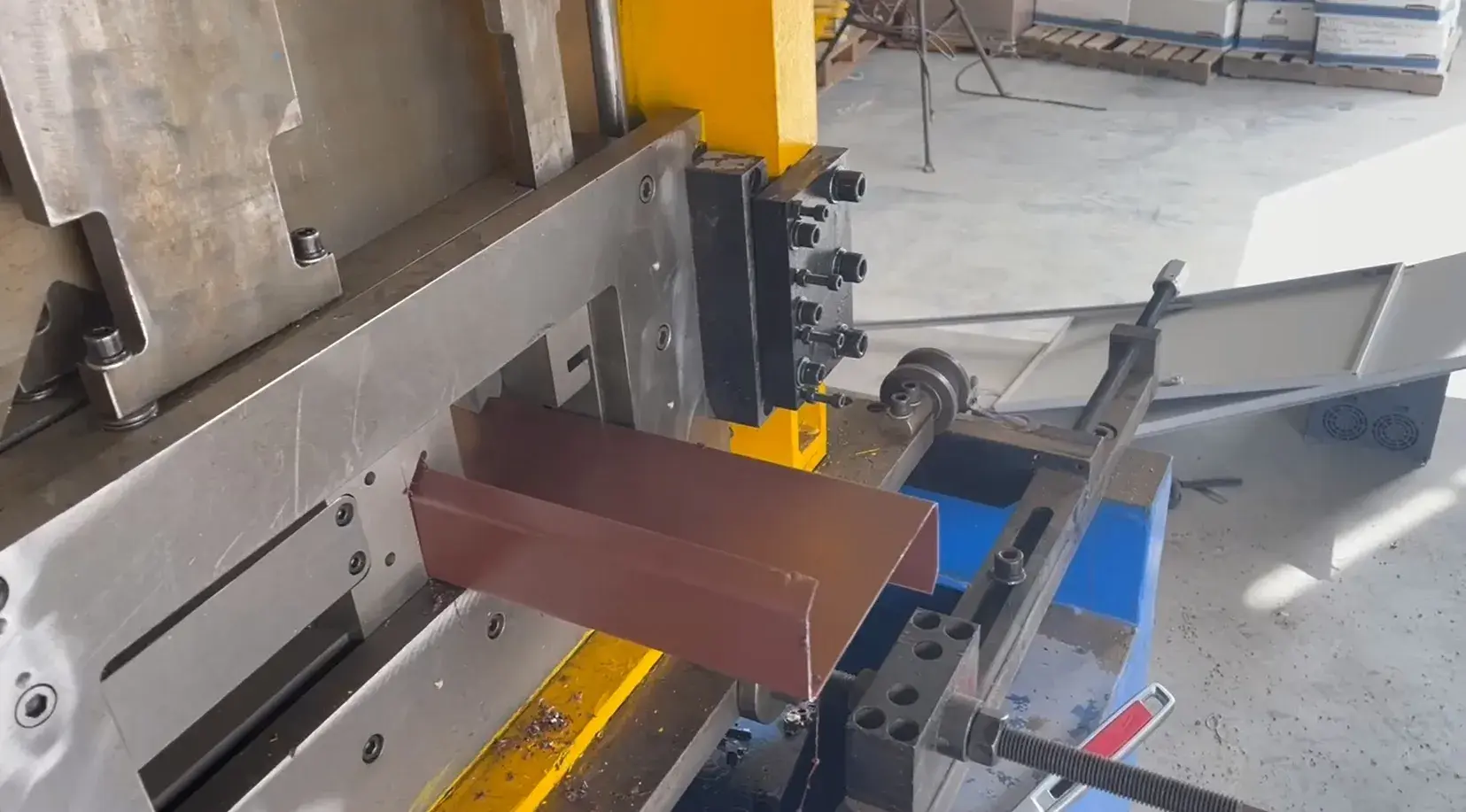
Through stations of paired rollers, the machine bends the flat steel strip progressively. Each station shapes the material gradually until the desired shape is achieved. Modern systems use PLC-controlled feeding and servo-driven hydraulic punching equipment. Operators set dimensions via touchscreens. The raw coil and the final purlin are cut and punched simultaneously to match the manufacturing pace.
Key Mechanical Components
High-performance tools employ GCr15 shafts. Hardened chromium steel resists repeated stress. Heated rollers reach HRC 58–62 hardness. This prevents high-tensile galvanised steel deformation. Servo motors ensure exact material feeding with ±1mm precision, reducing waste and maintaining quality over thousands of units.
Manual vs. Automated Systems
Adjusting starter machines' manufacturing stations by hand takes 30–45 minutes when switching between C and Z profiles. Fully automated devices with linear guideways or spinning station systems can changeover in under 10 minutes. This distinction is crucial when your organisation works on numerous projects or creates small quantities for different clients.
Benefits of Using a CZ Purlin Roll Former in Your Roofing Business
When factories acquire CZ purlin roll former equipment, several operational parameters increase. Beyond boosting productivity, these benefits influence quality control, material efficiency, and market competitiveness.
Increased Production Speed and Output
A CZ purlin roll former operates at 15–22 m/min, producing both C and Z sections on the same machine platform. A single eight-hour shift can generate several thousand square metres of purlins, depending on profile complexity and cut length. The ability to switch between profiles without changing tooling eliminates downtime associated with separate production lines, directly increasing output per shift.
Superior Dimensional Accuracy
Roll forming tightens tolerances better than labour-intensive manufacturing processes. Web width precision of ±1 mm and flange consistency provide accurate fitting installation, reducing project site refunds and revisions. This precision is especially important for pre-engineered building manufacturers and solar mounting system installers, where misaligned bolt holes create costly delays.
Material Waste Reduction
With continuous coil stock, the machine creates purlins with less waste than cut-to-length. Automated punching methods put holes precisely at profile ends. Extra drilling can harm protective coatings; thus, this eliminates it. This results in cleaner products and lower material costs per linear foot.
Flexibility for Custom Projects
Modern forming stations, including a CZ purlin roll former, can adapt to purlin heights from 40 to 100 mm without tool modifications. With this versatility, you may bid on residential roof frames, agricultural structures, and industrial warehouses from the same machine platform. You may rapidly swap between kinds to produce tiny bespoke orders and huge standard sizes at minimal cost.
Light steel structure builders struggle with extended changeover times, inconsistent forming quality, and expanding production to fulfil contract deadlines. Features immediately address these issues. When your tools can create many accurate parts, you have more negotiation leverage with general builders and EPC firms searching for reputable suppliers.
How to Choose the Best CZ Purlin Roll Former for Your Business Needs?
When selecting a CZ purlin roll former for your business and growth, there are several factors to consider. You need to consider more than pricing to make an informed decision. The product's long-term potential and total cost of ownership must also be considered.
Assessing Your Production Volume
If they employ conventional patterns, semi-automatic methods may work for companies making fewer than 5,000 square metres a month. Operations that use more than 10,000 metres of material per month benefit from fully automated punch-cut machines. These devices reduce labour and maintain quality while working 24/7. When purchasing the correct size equipment, consider your current demand and how much it will expand in three years.
Understanding Automation Levels
Manual machines require graded scales and locking mechanisms to move forming stations. Semi-automatic stations are moved by hydraulic or electric systems, although personnel change them using control panels. Fully automated versions may access dimensions via PLC and move all stations simultaneously. When profiles are replaced many times every shift, the difference in changing time—45 minutes vs. 8 minutes—significantly affects productivity.
Comparing Post-Cut vs. Pre-Cut Systems
Shearing occurs before the making stations. This speeds things along, although the ends may be screwed up and need trimming. Post-cutting devices, often termed "flying shears", provide each end a precise profile after manufacture. When clients have high appearance criteria, or purlins need perfect end installations for hardware connections, this difference matters.
Evaluating Supplier Credentials and Support
When selecting a CZ purlin roll former, prioritise manufacturers with proven experience in dual-profile (C and Z) forming systems. Verify that the supplier provides technical documentation on the rotating station or linear guideway mechanism used for profile changeover. Ensure operator training covers C/Z transition procedures, spare parts for the servo-driven positioning system, and support for maintaining ±1mm dimensional accuracy across both profile types.
Get roller material, shaft diameter, drive system, and control platform characteristics when comparing options. Technical specifics tell you more about the machine's durability and reliability than hazy marketing promises.
Maintenance Tips and Troubleshooting for Prolonged Machine Life
A CZ purlin roll former, like any good industrial instrument, needs regular maintenance. Preventive maintenance extends part life and reduces production failures.
Establishing Lubrication Schedules
Roller bearings, drive chains, and hydraulic cylinders need frequent oiling as suggested by the manufacturer. Most firms schedule daily eye exams, weekly lubrications, and monthly complete service. Oil of the correct quality prevents wear and friction-related heat buildup that damages seals and bearings.
Inspecting Critical Wear Points
The surface of forming rollers changes over time due to wear. By watching roller surfaces for scoring or flat patches, you may resurface or replace them before finished items arrive. The cutting blade condition affects edge quality. Burrs from dull blades must be ground down and can harm galvanised coatings.
Addressing Common Operating Issues
Mismatched roll gap sets or unequal pressure across the material width usually produce flange wave defects. Changing the spacing on the last few passes usually cures the problem without readjusting the stations. If the purlin twists, the manufacturing stations are misaligned, or the material width is inconsistent. This doesn't happen since station centrelines and material feed rails are regularly verified.
Operators should check material thickness, debris between rollers, and hydraulic pressure to ensure they meet preset parameters. Detailed service records assist in identifying recurring issues and support warranty claims for broken parts.
Leveraging Technical Training
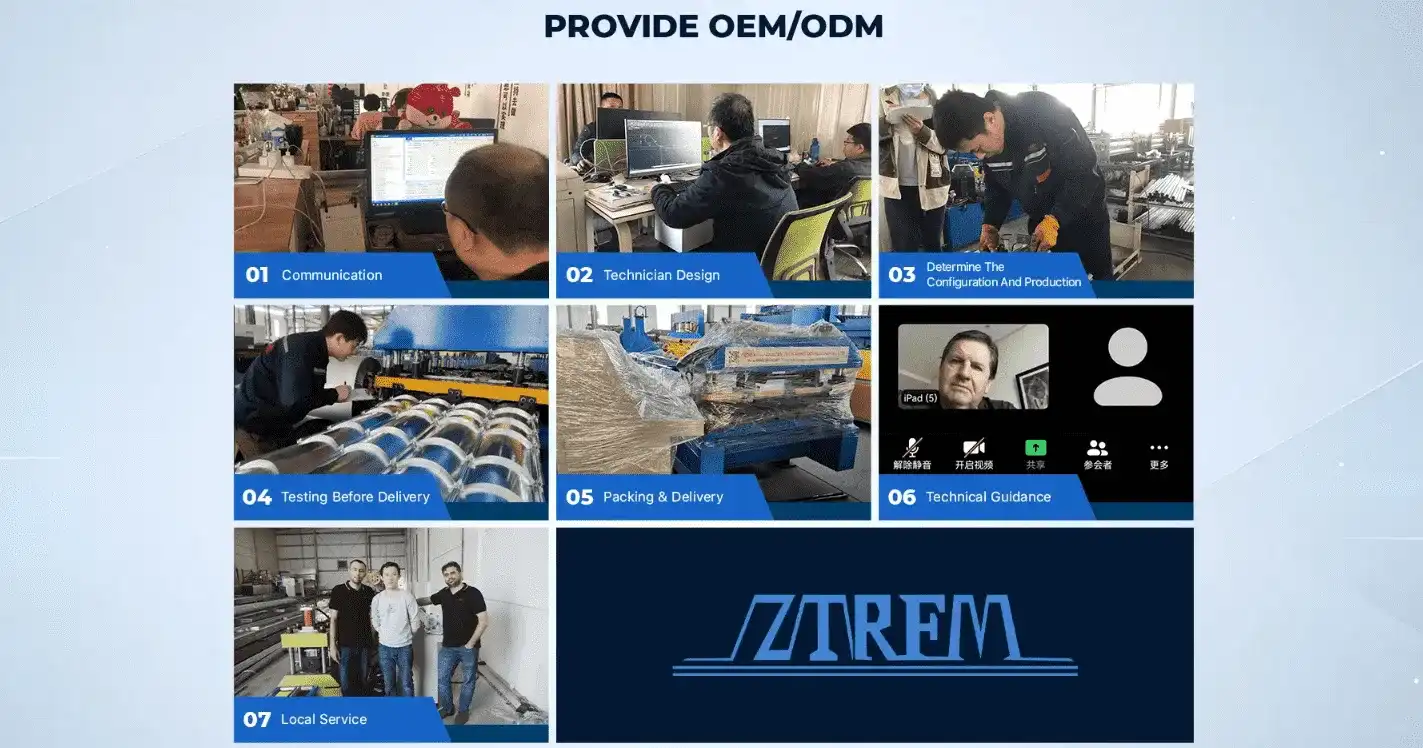
Suppliers with thorough operator training programmes reduce learning time and operating errors significantly. When taught, staff can make frequent modifications, recognise issues before they create downtime, and communicate easily with technical support teams. This expertise is especially beneficial for new enterprises and smaller manufacturers acquiring technical abilities.
Practical Applications and ROI: Is It Worth Investing in a CZ Purlin Roll Former?
Examples of a CZ purlin roll former in production demonstrate their strategic significance. Additional companies require precision-formed purlins, giving manufacturers who can serve these locations additional revenue streams.
Pre-Engineered Buildings and Industrial Construction
Good structural framing is essential for warehouses, manufacturers, and distribution centres. The building's performance depends on the purlins' dimensions, which support the roof and wall panels. Z-profile purlins can overlap and unite to provide continuous spans without support beams, saving work costs.
Solar Energy Infrastructure
The supports for ground-mounted solar panels must withstand decades in hostile conditions and not corrode. Hot-dip galvanised C and Z purlins allow designers to employ diverse panel mounting angles and forms. Renewable energy's global adoption boosts demand for these manufacturers.
Agricultural and Commercial Roofing
The purlin frame is dependable and inexpensive; thus, poultry houses, cattle barns, and tool sheds employ it. Not using conventional construction designs in agricultural contexts is possible since profile measures may be changed rapidly. Commercial roofers also favour providers that can quickly offer certain profiles in accurate quantities.
Calculating Return on Investment
Consider a medium-sized manufacturer producing 8,000 linear metres monthly using separate C and Z purlin lines. Replacing two single-profile machines with one CZ purlin roll former eliminates duplicate equipment costs and reduces floor space by 40–50%. Changeover time between profiles drops from 45 minutes (manual) to under 10 minutes (automated), increasing effective uptime. Material waste decreases 8–12% due to precise servo feeding and integrated punching. With these savings and the ability to bid on projects requiring both profile types, payback typically occurs within 18–24 months.
The machine's design range may be altered to take advantage of new market alternatives without spending more. If solar panel demand grows in a region, you may adjust output without buying new machinery. Operating independence provides you a competitive edge over single-tasking machines.
Conclusion
Roofing firms that wish to expand and improve should get a CZ purlin roll former. This technology increases manufacturing speed, product uniformity, industrial freedom, and worker and material savings. The machine can service pre-engineered buildings and solar infrastructure from one production base. This benefits new and established makers. As long as the vendor provides complete support and regular maintenance, these systems will last decades and provide you a fair return on investment.
FAQ
1. What differentiates C and Z profiles functionally?
C-purlins are straightforward to install on basic roofs since their flanges extend in one direction. Z-purlins nest when lapped end-to-end because their flanges stretch in separate directions. Z-profiles are preferable for wide-bay structures and other heavy-duty usage because they overlap. Because they generate continuous structural elements that span larger distances without extra supports.
2. How do modern machines handle high-tensile steel?
G550 and other high-strength steels bounce back when produced, partially returning to their flat shape. To compensate, excellent machines employ overforming angles in their roller profiles to bend the material past the required shape, so springback can straighten it. Roller hardness and driving system force must be higher to shape these materials without wearing out rapidly.
3. Can existing operators learn to run these machines?
Operators who know fundamental production tools become professionals in one week of systematic instruction. Modern PLCs include simple tablet buttons with visibility cues for measurements. Suppliers who provide extensive training, operation instructions, and continuing technical support reduce learning time and operational errors by a lot.
Transform Your Manufacturing Capabilities with ZTRFM
Light steel construction and roofing system manufacturers that need dependable, high-output purlin-forming equipment may customise ZTRFM solutions. Our automated solutions answer modern fabricators' greatest difficulties with GCr15-hardened shafts, servo motor control, and rapid switching devices. ISO9001 and CE certification backs every machine we offer. Since 2014, we've helped install in over 150 countries.
Our experts provide customised recommendations on how to boost production, improve product consistency, or penetrate new markets. We assist with design, installation, operator training, and part availability. Contact us at zhongtuorollforming@gmail.com to discuss your idea, acquire specs, or schedule a production demonstration. We're a CZ purlin roll former manufacturer eager to assist you in increasing production and profitability.
References
1. Steel Framing Alliance. (2021). Technical Guide to Cold-Formed Steel Construction. Washington, DC: Steel Framing Alliance Publications.
2. American Iron and Steel Institute. (2020). North American Specification for the Design of Cold-Formed Steel Structural Members. AISI S100-16. Washington, DC: AISI.
3. Yu, W.-W., & LaBoube, R. A. (2020). Cold-Formed Steel Design (5th ed.). Hoboken, NJ: John Wiley & Sons.
4. Lawson, R. M., & Popo-Ola, S. O. (2019). "Application of Modular Construction in High-Rise Buildings." Journal of Architectural Engineering, 25(2), 1-14.
5. Dubina, D., Ungureanu, V., & Landolfo, R. (2018). Design of Cold-Formed Steel Structures: Eurocode 3 Design of Steel Structures Part 1-3. Berlin: Ernst & Sohn.
6. Hancock, G. J. (2022). "Recent Developments in Cold-Formed Steel Structures." Thin-Walled Structures, 171, 108-125.