- English
- French
- German
- Portuguese
- Spanish
- Russian
- Japanese
- Korean
- Arabic
- Irish
- Greek
- Turkish
- Italian
- Danish
- Romanian
- Indonesian
- Czech
- Afrikaans
- Swedish
- Polish
- Basque
- Catalan
- Esperanto
- Hindi
- Lao
- Albanian
- Amharic
- Armenian
- Azerbaijani
- Belarusian
- Bengali
- Bosnian
- Bulgarian
- Cebuano
- Chichewa
- Corsican
- Croatian
- Dutch
- Estonian
- Filipino
- Finnish
- Frisian
- Galician
- Georgian
- Gujarati
- Haitian
- Hausa
- Hawaiian
- Hebrew
- Hmong
- Hungarian
- Icelandic
- Igbo
- Javanese
- Kannada
- Kazakh
- Khmer
- Kurdish
- Kyrgyz
- Latin
- Latvian
- Lithuanian
- Luxembou..
- Macedonian
- Malagasy
- Malay
- Malayalam
- Maltese
- Maori
- Marathi
- Mongolian
- Burmese
- Nepali
- Norwegian
- Pashto
- Persian
- Punjabi
- Serbian
- Sesotho
- Sinhala
- Slovak
- Slovenian
- Somali
- Samoan
- Scots Gaelic
- Shona
- Sindhi
- Sundanese
- Swahili
- Tajik
- Tamil
- Telugu
- Thai
- Ukrainian
- Urdu
- Uzbek
- Vietnamese
- Welsh
- Xhosa
- Yiddish
- Yoruba
- Zulu
Sheet Metal Fabrication via Roofing Sheet Making Machine
Roofing sheet-making machines that work with sheet metal have changed the way that makers make long-lasting, well-engineered roofing panels. The R101 Roofing Sheet Making Machine is a must-have for businesses that need reliable cold roll making tools to turn flat metal coils into trapezoidal steel sheets that are used in construction for businesses, farms, and homes. This technology gets rid of inconsistent sizes by automating the bending process through sequential roller stations. It also makes production speeds fast enough to meet current needs. Knowing how these tools work helps people who work in procurement make smart choices that have a direct effect on the quality of the work and the prices of running the business.
Understanding the R101 Roofing Sheet Making Machine and Its Working Process
Cold Roll Forming Technology Explained
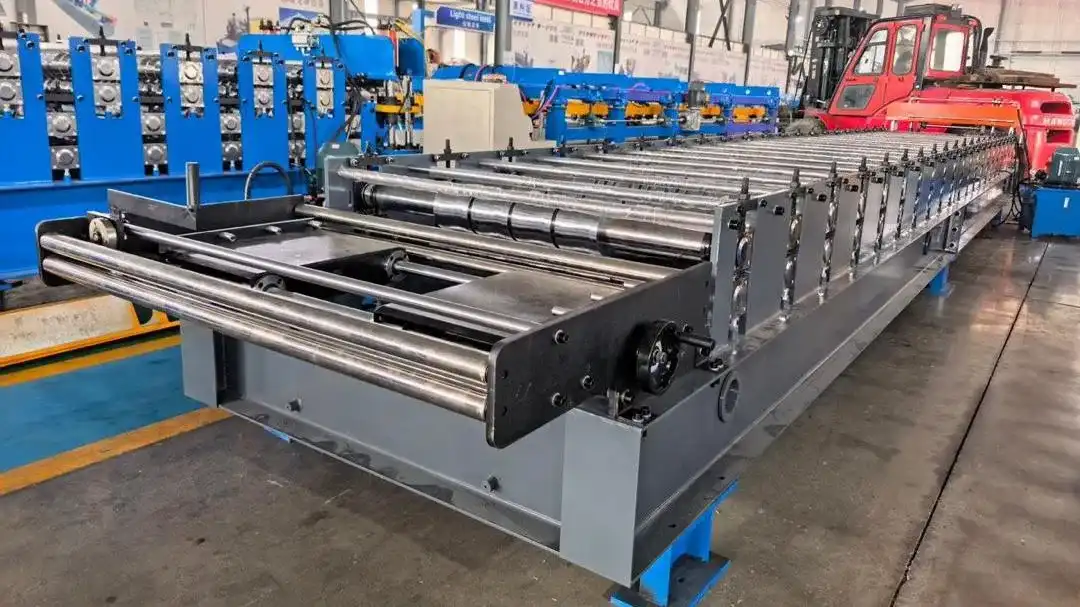
Cold roll forming is the most important part of making metal roofs today. In this method, flat metal coils—usually galvanized, prepainted steel, or Galvalume—are fed through a number of perfectly aligned roller stations that shape the material into the R-101 trapezoidal shape without using heat. The R101 Roofing Sheet Making Machine has 18 making stations, and each one has paired rollers that slowly bend the sheet metal into its finished shape. The 70 mm shaft diameter gives it the strength to work with materials that are between 0.3 and 0.8 mm thick, keeping the forming pressure the same across the 1,250 mm width.
The decoiler starts the working process. It can hold up to 5 tons of metal coil and sends material into the leveling unit at a controlled tension. This first step of bending gets rid of the coil memory and makes sure that the material enters the forming section flat. As the material moves through the 18 stations, each pair of rollers gradually bends it closer to the final shape. This spreads the stress equally to avoid cracks or damage to the surface.
Automation and Control Systems
With the Delta PLC and a 5.7-inch touchscreen display, workers can set up production runs with exact sheet lengths and numbers. This "set it and forget it" feature cuts down on human mistakes and keeps output quality constant. The line can move up to 15 meters per minute, which, based on the lengths of the sheets being cut, means that 300 to 400 normal roofing sheets can be made in an eight-hour shift. The 4 kW unit powers the hydraulic shears system, which cuts with an accuracy of ±2 mm using Cr12MoV tool steel blades that have been heat-treated to HRC 58–62 to make them last longer.
The 16 mm wall-plate H-beam frame design of the machine makes it stable enough for precise work. The equipment weighs about 3.5 tons and has a footprint of about 6,200 x 850 x 1,500 mm, which is doable for most production sites while still providing industrial-grade performance. Power for North American commercial systems is 380 V/50 Hz/3-phase, which is what the 5.5 kW main motor needs to work.

Benefits and Performance Optimization of the R101 Roofing Sheet Making Machine
Core Advantages for Manufacturing Operations
The R101 Roofing Sheet Making Machine is a clear step forward from human or partially automatic ways of making things. Automation cuts down on the need for workers by about 60%, so one skilled worker can run the whole production line. Precise length control makes better use of materials and lowers scrap rates, which drop from 8–12% on average to below 3% in improved processes.
Here are the main benefits this tool gives you:
- Consistent Profile Accuracy: The 18-station progressive forming keeps the dimensions within ±1 mm across the effective cover width. This makes sure that the panels fit together correctly during installation and cuts down on the time needed for field adjustments.
- Surface Protection: When roller speeds are properly coordinated, prepainted coils are not scratched or marked. This protects the coating's integrity and keeps expensive repairs and customer rejections from happening.
- Rapid Changeover Capability: The R101 Roofing Sheet Making Machine is best at making the R-101 shape, but small changes can be made to the rib height or pitch to fit the needs of a particular job without having to replace all the rollers.
- Energy Efficiency: The motor and hydraulics use an average of 9.5 kW of power while the machine is running, which is a lot less than older press brake methods that need much higher peak loads.
These benefits directly address problems that makers of building roofing systems have, such as not being able to make enough at once and having unreliable forming quality. The machine's dependability means that output schedules can be predicted, which is important for meeting just-in-time supply promises in competitive markets.
Maintenance Strategies for Sustained Performance
The R101 Roofing Sheet Making Machine will keep giving accurate results as long as it is used as long as it is properly maintained. After the initial six-month break-in time, hydraulic oil (ISO 46 grade) needs to be changed once a year to keep valves from getting clogged and seals from wearing out. Every 500,000 cuts, a roller check helps find wear patterns before they hurt the quality of the profile. Hard chrome plate on rollers (0.05 mm thick) makes them very resistant to wear, but workers should keep an eye out for uneven wear that could mean the rollers aren't aligned correctly.
Cleaning the rollers once a week gets rid of the metal dust and coating residue that builds up and can leave lines on the final sheets. Every 200 hours of use, the lubrication spots on the drive chain and bearing blocks need to be checked. Every three months, thermal imaging should be used to check electrical links for broken contacts before they cause downtime. By following these rules, facilities can get uptime rates of more than 95% and make tools last longer than 15 years of continued use.
Comparing the R101 Machine with Other Roofing Sheet Making Solutions
Benchmarking Against Competitive Models
When procurement managers look at roll forming tools, they need to think about more than just the original purchase price. The R101 Roofing Sheet Making Machine goes up against similar machines made by foreign companies, but it has clear benefits in a number of important areas.
Comparing how much energy each device uses shows that the R101 Roofing Sheet Making Machine is more efficient. Similar machines need 12–15 kW of total power draw. The R101 Roofing Sheet Making Machine's optimized hydraulic system and 5.5 kW motor configuration lower running costs by about 25% compared to normal production plans. At normal industrial energy rates, this means that each machine will save $1,200 to $1,800 a year, which makes the payback figures better.
Levels of automation change a lot from one market to the next. Basic machines don't have PLC control; instead, they use automatic counts and length adjustments that have to be done by hand, which causes differences between sheets. The R101 Roofing Sheet Making Machine's Delta PLC system gets rid of these problems and lowers the level of skill needed by operators, so it can be used in places with limited technical know-how, which is important for small metal product makers and new businesses.
Scalability Considerations
There is an optimal spot in the capacity range for the R101 Roofing Sheet Making Machine. Manufacturers of light steel structures with smaller facilities, like its short 6.2-meter length, which means it doesn't require major changes to the plan of the floor. The 5-ton decoiler can handle normal coil sizes without the need for special material handling tools, and it can still support eight-hour production runs that don't stop.
Composite panel makers who need to be able to work with more than one profile of sheet metal forming machine can use multiple R101 Roofing Sheet Making Machine units that are set up for different profiles instead of buying a single high-end machine with quick-change tools. This spread-out method also offers backup output, which keeps the line from shutting down completely for maintenance or fixes.

Purchasing Guide and After-Sales Support for the R101 Roofing Sheet Making Machine
Sourcing from Certified Suppliers
It turns out that picking the right provider is just as important as picking the right machine specs. Since it was founded in 2014, Cangzhou Zhongtuo Roll Forming Machinery has become known for providing cold roll forming solutions to more than 150 countries. Their ISO9001, CE, and CAS certifications show that they meet the international safety and quality standards that engineering and EPC businesses need to launch projects around the world.
Before signing buy deals, procurement professionals should make sure that a few key suppliers can do what they say they can do. Reviewing the technical drawings makes sure that the R101 Roofing Sheet Making Machine will work with current methods for decoiling and packing upstream and downstream. Factory acceptance testing lets buyers see production runs using their exact material specs before they are shipped, which verifies claims about performance.
Delivery logistics of the R101 Roofing Sheet Making Machine are very important for 3.5-ton tools. Suppliers with a lot of experience handle containerized shipping, customs paperwork, and overland freight to the installation site. They give you rigging plans and base needs early on in the planning process, which keeps the installation from being held up. When facilities increase their capacity, or EPC companies outfit multiple project sites at the same time, bulk buy benefits become useful.
Comprehensive After-Sales Support
Support after the sale is what sets good sellers apart from great partners. ZTRFM's after-sales network includes guarantee coverage for important parts, with clear terms that spell out how to make a claim and how long the coverage lasts. When consumables like cutting blades or hydraulic seals need to be replaced, having access to genuine extra parts keeps downtime to a minimum.
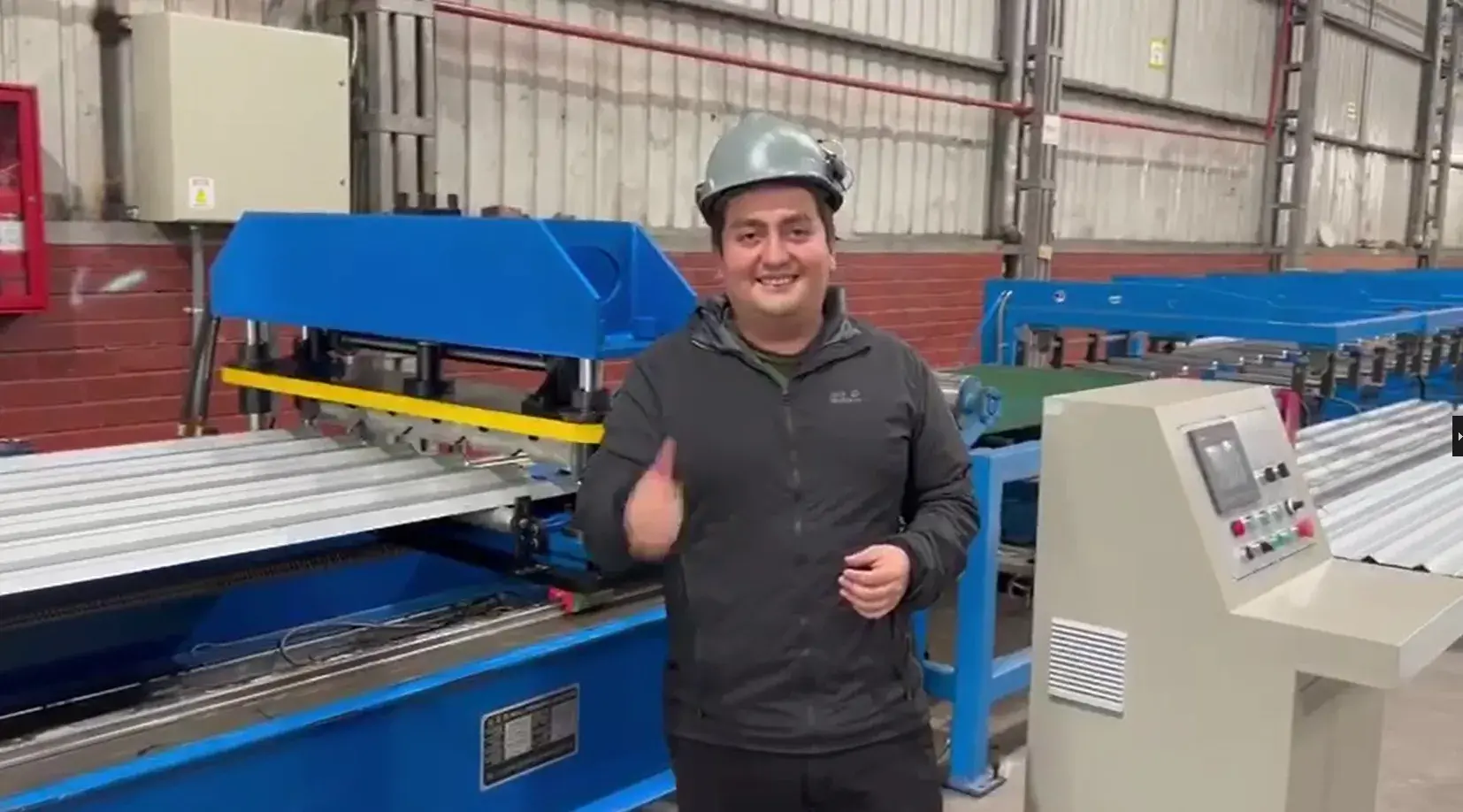
Technical help for the R101 Roofing Sheet Making Machine is more than just fixing problems. Certified maintenance services help businesses set up preventative maintenance plans that work with how much they produce. Technicians can look at problems with control systems over the internet using remote diagnostics, which means that problems are often fixed without having to go to the site. Training programs make sure that workers know how to set things up correctly and can make regular changes that keep things running at their best.
Building Trust Through Brand Reputation and Client Success Stories
Global Footprint and Industry Recognition
The fact that Cangzhou Zhongtuo is a national high-tech company shows how much they spend in research and development, which makes their products better all the time. Their work with building roofing system makers in North America, Latin America, and other places gives them useful knowledge about how to operate in different regulatory and operational settings.
When working on foreign projects of sheet metal forming machines, certifications are important. The CE mark shows that the product meets European standards for health, safety, and the environment. The ISO9001 mark shows that the product is managed in an orderly way throughout the creation, production, and service delivery processes. These credentials meet the technical certification standards that engineering companies around the world need to show to clients in order to get approval and for insurance reasons.
Measurable Client Outcomes
Marketing claims don't work as well at building trust as real-world success data. A company in the Midwest that makes roofing panels said that after replacing their 20-year-old equipment with the R101 Roofing Sheet Making Machine, their production went up by 40% and their scrap rate went down from 9% to less than 2%. Because the profiles were more consistent, there were no more callbacks from the field about panel fit problems. This saved them about $15,000 a year in insurance costs and kept their good name.
A southern U.S. farm building dealer liked how the R101 Roofing Sheet Making Machine could work with heavy zinc-coated steel without damaging the surface. Their old tools often scratched the protected coating while it was being formed, which meant that it had to be painted over, which took more time and cost more money. The properly aligned roller speeds of the R101 Roofing Sheet Making Machine completely fixed this issue, which led to a 23% rise in customer happiness within six months of installation.
Manufacturers of metal structures that make support lines and shelf parts can use the R101 Roofing Sheet Making Machine, which can work with punching tools further down the line. By organizing the hole designs while the mold was being formed, they got rid of the need for a separate drilling step that had been slowing down production. This combination cut the cost of making each unit by $0.42 and sped up shipping by three days for most orders.
Conclusion
Roofing sheet making machines that are specifically designed for sheet metal work more precisely, more efficiently, and for less money than old or human methods. The R101 Roofing Sheet Making Machine has a strong mechanical design and current automation to meet the needs of a wide range of customers, from small fabricators looking for solid entry-level equipment to companies that make building roofing systems and need to make a lot of them. Its PLC-controlled operation, 18-station making process, and hydraulic cutting system all help with important issues like waste, quality stability, and time and money saved on production. This equipment is a smart investment for businesses that want to grow in the competitive roofing market because it comes with full after-sales support and has been used successfully in 150 countries.
FAQ
1. What material thicknesses can the R101 process effectively?
The R101 Roofing Sheet Making Machine can work with materials that are between 0.3 and 0.8 mm thick, which includes grade 22 through 30 steel that is often used for roofs. Thinner materials need careful tension control to keep them from getting wrinkled, and as the gauge gets heavier near the upper limit, the line speed may need to be slowed down a bit to keep the quality of the making. The yield strength of the material is just as important as its thickness. Soft to medium-hard steel (G300) is easy to work with, but full-hard G550 steel needs to be roller-hardened and motor capacity upgraded to avoid spring-back problems.
2. How does the hydraulic cutting system maintain accuracy?
The hydraulic shear has blades made of Cr12MoV tool steel that have been heat-treated to an HRC 58–62 hardness. These blades can cut consistently for about 500,000 to 1 million cuts before they need to be sharpened. When the material moves forward, the PLC system makes sure that the time of the blades is in sync with it. This makes up for changes in line speed that could affect the accuracy of the length. When setting up, making sure the blade gap is just right guarantees clean cuts without deforming the material, and checking the hydraulic pressure on a regular basis keeps the cutting force the same across the width of the sheet.
Partner with a Trusted R101 Roofing Sheet Making Machine Manufacturer
ZTRFM offers full roll forming options backed by ten years of engineering know-how and project experience from around the world. Our R101 Roofing Sheet Making Machine meets the needs of companies that make roofing systems, work with metal, and build things that need solid, low-cost production tools. Through our global service network, we offer personalized setups, full operator training, and quick technical support. Email our team at zhongtuorollforming@gmail.com for full specifications, an evaluation of your facility, and a quote that is tailored to your output goals.

References
1. American Institute of Steel Construction. (2021). Cold-Formed Steel Design Manual: Specifications and Commentary. Chicago: AISC Publications.
2. Metal Construction Association. (2022). Technical Bulletin: Roll Forming Process Parameters and Quality Control. Glenview: MCA Technical Division.
3. Zhang, H., & Liu, W. (2020). Advanced Manufacturing Technologies in Metal Forming. Singapore: Springer Industrial Engineering Series.
4. International Organization for Standardization. (2019). ISO 9001:2015 Quality Management Systems—Requirements for Metal Fabrication Equipment. Geneva: ISO Standards Publications.
5. National Roofing Contractors Association. (2023). The NRCA Roofing Manual: Metal Panel and SPF Roof Systems. Rosemont: NRCA Publications.
6. Davidson, P., & Morrison, T. (2021). "Efficiency Analysis of Automated Roll Forming Systems in Industrial Applications." Journal of Manufacturing Processes and Equipment, 45(3), 287-304.
_1750323743240.webp)