- English
- French
- German
- Portuguese
- Spanish
- Russian
- Japanese
- Korean
- Arabic
- Irish
- Greek
- Turkish
- Italian
- Danish
- Romanian
- Indonesian
- Czech
- Afrikaans
- Swedish
- Polish
- Basque
- Catalan
- Esperanto
- Hindi
- Lao
- Albanian
- Amharic
- Armenian
- Azerbaijani
- Belarusian
- Bengali
- Bosnian
- Bulgarian
- Cebuano
- Chichewa
- Corsican
- Croatian
- Dutch
- Estonian
- Filipino
- Finnish
- Frisian
- Galician
- Georgian
- Gujarati
- Haitian
- Hausa
- Hawaiian
- Hebrew
- Hmong
- Hungarian
- Icelandic
- Igbo
- Javanese
- Kannada
- Kazakh
- Khmer
- Kurdish
- Kyrgyz
- Latin
- Latvian
- Lithuanian
- Luxembou..
- Macedonian
- Malagasy
- Malay
- Malayalam
- Maltese
- Maori
- Marathi
- Mongolian
- Burmese
- Nepali
- Norwegian
- Pashto
- Persian
- Punjabi
- Serbian
- Sesotho
- Sinhala
- Slovak
- Slovenian
- Somali
- Samoan
- Scots Gaelic
- Shona
- Sindhi
- Sundanese
- Swahili
- Tajik
- Tamil
- Telugu
- Thai
- Ukrainian
- Urdu
- Uzbek
- Vietnamese
- Welsh
- Xhosa
- Yiddish
- Yoruba
- Zulu
Why choose a corrugated sheet making machine?
Buying a corrugated sheet-making machine is an investment in your ability to make things and your business's ability to run smoothly. These tools consistently produce good work while cutting down on waste and worker costs. Metal curved sheets are stronger and lighter than flat panels, which makes them essential for use in roofs, wall covering, and building construction. Modern equipment solves the main problems that makers face today: keeping up with high throughput while making sure accuracy in measurements and consistency in surface finish. It does this by having shapes that can be changed quickly and easily, and automated precision forming.
Introduction
Making metal perforated sheets is now an important part of the building, farming, and manufacturing industries across North America. With these forming methods, flat coil stock can be turned into curved panels that are strong, weatherproof, and nice to look at. If you're a supplier to roofing builders, prefabricated building makers, or storage facility developers, you need to make sure you have the right roll forming tools to stay competitive.
Manufacturing decision-makers can choose machinery that meets their production goals by understanding the technical specs, working benefits, and buying factors. This guide looks at why buying specialized roll forming technology makes sense from an engineering and financial point of view, especially when looking at the skills of the provider, the dependability of the equipment, and the availability of long-term service support.
Understanding Metal Corrugated Sheet Roll Forming: How These Systems Work and Key Benefits
The Roll Forming Process Explained
Instead of the old ways of corrugating packages, continuous roll forming technology is used to make metal corrugated sheets. From a hydraulic decoiler, thin sheets of coated or pre-painted steel (0.3 mm to 0.5 mm thick) are fed through a series of forming stations. Through small bends, each roller station gradually bends the flat strip into the desired corrugated shape.
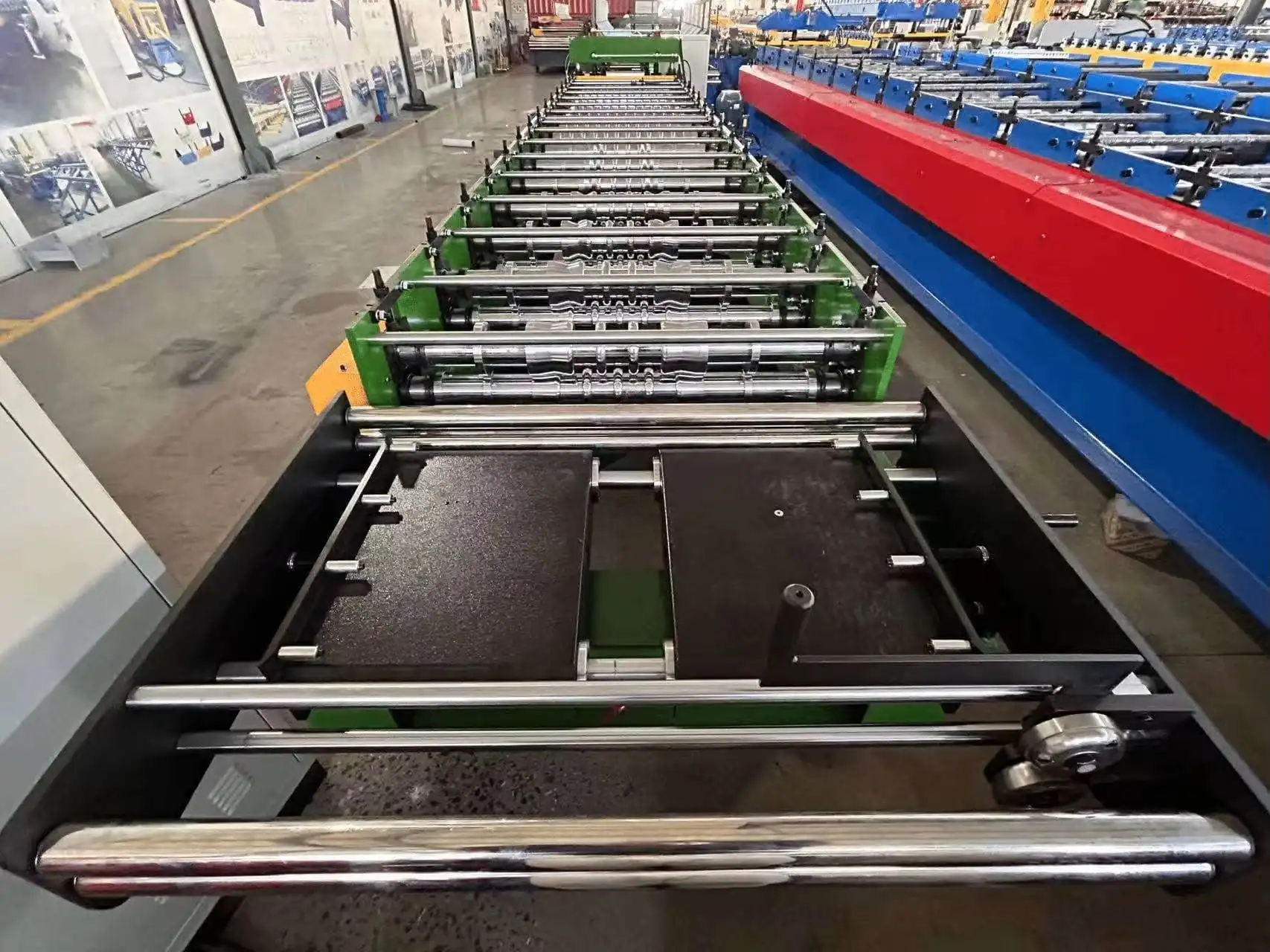
The system we make has 18 roller stations made of 45# steel that has been hardened, which makes it strong even under constant production stress. A 5.5kW motor powers a gearbox that moves the material forward. The speed and pressure stay the same throughout the making routine. The 80 mm diameter shaft is made of hardened 45# steel, which gives it the strength needed to keep tolerances tight even when production speeds are high. Once the profile is the right size, panels are cut to the right lengths by a hydraulic cutting system driven by a separate 5.5kW hydraulic unit.
Operational Advantages That Impact Your Bottom Line
When compared to hand fabrication or press brake processes of corrugated sheet making machines, automated roll forming is clearly better. Depending on how complicated the profile is, production speeds can hit 10 to 15 meters per minute, which is much faster than other ways. The use of materials is better because constant forming reduces scrap more than pressing, which creates a lot of edge waste.
Another important benefit is that dimensions stay the same. Roller-formed panels keep wave heights and pitch spacing the same throughout entire production runs, which isn't possible with hand methods. This stability is very important when panels need to fit together perfectly during installation or to meet building requirements for proper alignment. The strong 350H steel-welded machine frame absorbs shaking and stays aligned even during long production runs. This keeps the accuracy of the making, which has a direct effect on the quality of the finished product. It's also important to think about energy economy, since roll making uses less power per linear meter than doing the same thing over and over on a press.
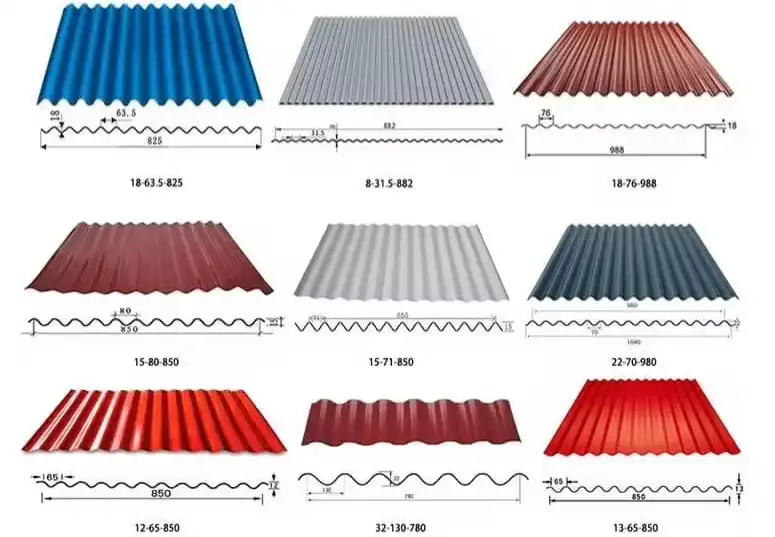
Different Production Capacities and Configuration Options: Selecting Equipment That Matches Your Volume Requirements
Evaluating Decoiler Capacity and Material Handling
The 5-ton hydraulic decoiler that comes with our basic setup can handle most industrial coil weights that are used to make corrugated panels. This capacity works well for makers who need to work with standard coil sizes and keep the material feed tension fixed. With hydraulic systems, unwinding is smooth and controlled, so there is no damage to the material or surface that can happen with hand decoilers.
There are still other combinations that can be used for activities with different needs. Higher-capacity decoilers work best in places that use heavy coils to lower the regularity of changeovers during high-volume production. On the other hand, new businesses or makers that only need to make a few items at a time may choose manual decoiling systems instead, which require less starting capital but still provide good feed control. When you set the decoiler's capacity, you should think about how often the coils need to be changed, how much floor room you have, and how skilled the operators are.
Customization Possibilities for Specific Profile Requirements
Standard corrugated profiles can be used for most roofing and panel jobs, but some markets need specific shapes and sizes. Our engineering team can change the roller station tools to make waves with particular patterns, levels, and pitches that meet building codes or load requirements. This versatility comes in handy when going after niche markets or meeting the requirements of contracts that call for specific designs.
Customizing a profile does come with costs for tools and wait times to think about. Procurement managers should weigh the chance to make a product stand out against the cost of buying specific roller sets. Businesses that serve a variety of markets might benefit from keeping various sets of tools on hand. This way, they can quickly switch between profiles to meet the needs of different customers without having to set up separate production lines.
Maintenance Best Practices and Troubleshooting Common Production Issues
Preventative Maintenance Protocols That Extend Equipment Life
Setting up regular repair plans will protect your investment and keep it from breaking down at the worst possible time. The roller stations need to be checked for surface wear on a regular basis, especially in places where materials rub against each other a lot. The quenched treatment on our 45# steel rollers makes them very resistant to wear, but keeping an eye on the surface state helps us know when to replace them before quality problems show up.
Another important part of the upkeep of corrugated sheet making machine is lubrication. Gearbox transmissions need to have stable oil levels and fluid changes at regular intervals, as specified by the manufacturer. When using a hydraulic cutting system, it's important to keep the fluid clean and the pressure just right so that the cuts stay clean and free of burrs. On a set plan, shaft bearings should be cleaned. Pay attention to any strange noises or vibrations that could mean the bearings are wearing out.
Addressing Performance Issues Before They Escalate
Material tracking problems, in which the strip moves side to side while being formed, are usually caused by rollers that aren't lined up right or entry force that isn't even. These problems are generally fixed by checking the parallelism of the rollers and changing the tension on the decoiler brake. Changes in profile dimensions are usually caused by worn rollers or bad gaps between the upper and lower making stations. By comparing key dimensions to specifications and baseline measures, you can tell when rollers need to be adjusted or replaced.
Uneven hydraulic cutting can happen when blades are dull, there isn't enough hydraulic pressure, or there are problems with time alignment. How often blades need to be inspected and sharpened depends on how hard the material is and how much is being made. Our expert support team is always ready to help you fix operational problems that happen, so you can keep the quality of your output consistent.

Procurement Considerations: Evaluating Suppliers and Total Cost of Ownership
Supplier Qualifications That Matter
When looking for roll forming tools, the qualifications of the provider have a big effect on how happy you are in the long run. ISO9001 approval shows that you are committed to quality management systems, and CE marking shows that you meet widely recognized safety and performance standards. We've kept these certificates since we started the company in 2014, which shows how committed we are to making the best products possible.
Experience with global shipping is another factor that can be used to judge someone. Customers in 150 countries have bought our equipment, which has helped us learn more about foreign shipping, customs paperwork, and installation help that can help U.S. buyers. This track record shows that the organization is mature and has the means to meet the needs of customers after the sale.
Beyond Purchase Price: Calculating True Ownership Costs
The cost of buying equipment is only one part of the total cost study. Long-term running costs are affected by the supply of spare parts, especially for parts that wear out quickly, such as cutting blades, bearings, and roller surfaces. Suppliers with large stocks of parts and acceptable wait times help keep production breaks to a minimum.
Having easy access to technical help for corrugated sheet making machines can also cost money. How fast production problems are fixed depends on how many time zones are covered, how many languages can be used, and how many online monitoring tools are available. We offer engineering help through a variety of methods because we know that downtime for your equipment has a direct effect on your ability to make money. Training programs that help employees learn how to operate and fix things on their own cut down on the need for outside service calls and improve the organization's skills.

Future-Proofing Your Production: Technology Trends Shaping Roll Forming Equipment
Automation Integration and Industry 4.0 Connectivity
More and more, modern roll forming systems use computer settings that make them more precise and easier to keep an eye on. PLC-based systems can store more than one profile program, which lets them quickly switch between product specs without having to make any hardware changes. Production data logging keeps track of the amount of output, cycle times, and operating factors that help with efforts to make things better all the time.
Connectivity features let you watch and diagnose things from afar, which speeds up service response times. Tracking sensors for motor load, hydraulic pressure, and forming forces let you know early on when problems are starting to happen, before they become too big to fix. Our stock equipment is built to be mechanically reliable, but we're also working on ways for businesses that value data-driven production management to connect to our systems.
Sustainable Manufacturing and Energy Efficiency
Environmental concerns are becoming more and more important when buying tools. Roll making naturally makes less waste than cutting or pressing, which helps with the goals to conserve materials. When we build our equipment, we make sure that it uses as little energy as possible by making sure that the motors and drive systems are the right size and not too big.
With pre-painted steel processing, producers can send finished goods to customers without having to do any extra coating work. This saves energy and doesn't require coating facilities to follow any environmental rules. Buying tools that can work with recovered steel supports circular economy efforts that appeal to customers who care about the environment and government rules that support these efforts.
Conclusion
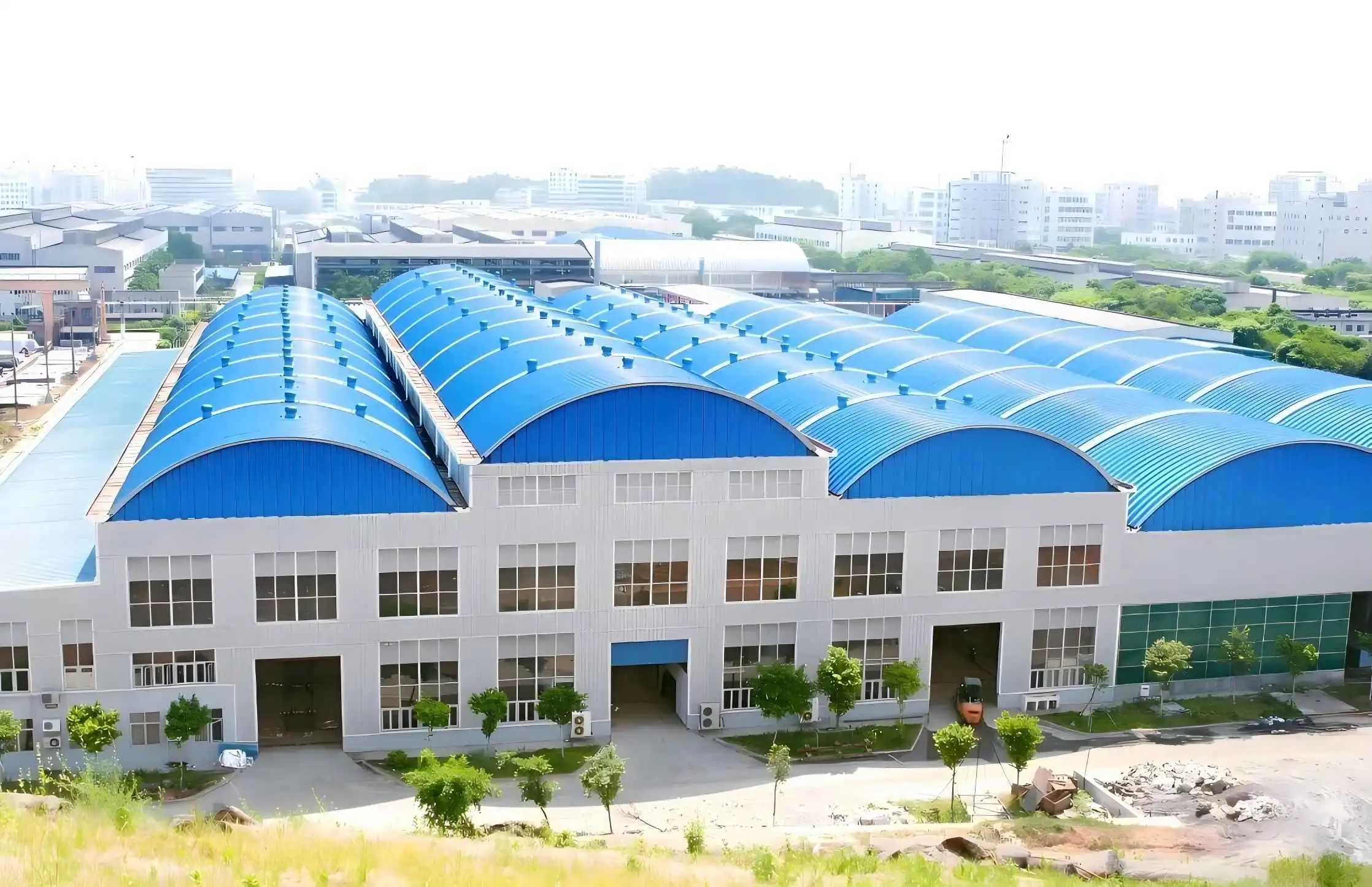
When choosing metal corrugated sheet roll-making tools, you have to weigh the technical requirements, the production needs, and the supplier's abilities. The machines are a big investment in cash, but they should last for many years and work well. Our systems are strong because they are made with tempered steel parts and hydraulic technology, and they are also designed to be easy to maintain and work efficiently. It is possible to work with galvanized and pre-painted materials ranging in width from 0.3mm to 0.5mm. This makes it useful for roofs, siding, and building projects. When planning a strategic purchase, it's not just the initial costs of buying something that are taken into account. Long-term factors like the availability of parts, the quality of professional support, and the security of the provider are also taken into account.
FAQ
1. What production speed can I expect from corrugated roll forming equipment?
Production speeds usually run from 8 to 15 meters per minute, but this depends on the thickness of the material, the complexity of the shape, and the length of the cut that is needed. It is possible to work faster with thinner gauges and easier shapes, but slower speeds are needed for heavier materials or deeper corrugations to keep the quality of the form. Our 18-station setup with gearbox drive gives you constant control over the speed across all of these factors.
2. How difficult is profile changeover when switching between different corrugation patterns?
When the profile changes, the roller tools need to be replaced, which can be easy or hard depending on how the equipment is built. With standard tools, our portable roller stations let experienced workers make changes in a few hours. Maintaining pre-set tooling kits is helpful for facilities that change designs often, but it costs more money. To get the most out of their work, many businesses only use one or two accounts.
3. What material specifications work best with this forming process?
Best results are seen with galvanized steel and pre-painted steel that is between 0.3mm and 0.5mm thick. To keep its shape without springing back, the material must meet minimum yield strength standards. Coatings on the surface should be able to handle the twisting pressures that come up during forming. We can give you advice on material specifications based on the uses you want to make them for and the skills of the steel suppliers in your area.
Partner With ZTRFM for Reliable Metal Forming Solutions
ZTRFM has been specializing in cold roll forming technology for ten years and works with producers all over North America. There are tried-and-true technical designs in our corrugated sheet making machine, as well as useful features that solve real production problems. This 18-station forming system has tempered steel parts, hydraulic control, and 5.5kW power systems that make it reliable enough for tight production plans.
We know the different needs of the roofing, building, and industrial sectors because we are a corrugated sheet making machine maker that serves more than 150 countries. Our equipment is ISO9001 and CE certified, and it comes with a lot of scientific information, training for operators, and ongoing help to keep your investment safe. Our engineering team can set up systems that meet your exact number, profile, and material needs, whether you're adding new production capacity or improving current equipment.
You can talk to our technical experts about your corrugated panel production goals by emailing zhongtuorollforming@gmail.com. We'll give you full specifications, production samples, and quotes that are relevant to your business needs. This will help you make choices based on clear information and reasonable expectations for performance.

References
1. American Iron and Steel Institute. (2023). Roll Forming Design Guide: Principles and Applications for Metal Construction Products. Washington, DC: AISI Technical Publications.
2. Chen, W., & Bradford, M.A. (2022). Cold-Formed Steel Structures: Design and Construction Standards. Journal of Structural Engineering, 148(4), 201-218.
3. Metal Construction Association. (2024). Technical Bulletin: Quality Standards for Profiled Metal Roofing and Siding Panels. Chicago, IL: MCA Industry Guidelines.
4. National Association of Architectural Metal Manufacturers. (2023). Roll Forming Equipment Specifications and Performance Benchmarking Study. NAAMM Research Report Series.
5. Thompson, R.L. (2023). Manufacturing Process Economics: Comparative Analysis of Metal Forming Technologies. Industrial Engineering Quarterly, 45(2), 89-107.
6. Zhang, L., & Johnson, K. (2024). Automation Integration in Roll Forming Systems: Industry 4.0 Applications and ROI Analysis. International Journal of Advanced Manufacturing Technology, 131(3), 1567-1584.
_1750323743240.webp)