- English
- French
- German
- Portuguese
- Spanish
- Russian
- Japanese
- Korean
- Arabic
- Irish
- Greek
- Turkish
- Italian
- Danish
- Romanian
- Indonesian
- Czech
- Afrikaans
- Swedish
- Polish
- Basque
- Catalan
- Esperanto
- Hindi
- Lao
- Albanian
- Amharic
- Armenian
- Azerbaijani
- Belarusian
- Bengali
- Bosnian
- Bulgarian
- Cebuano
- Chichewa
- Corsican
- Croatian
- Dutch
- Estonian
- Filipino
- Finnish
- Frisian
- Galician
- Georgian
- Gujarati
- Haitian
- Hausa
- Hawaiian
- Hebrew
- Hmong
- Hungarian
- Icelandic
- Igbo
- Javanese
- Kannada
- Kazakh
- Khmer
- Kurdish
- Kyrgyz
- Latin
- Latvian
- Lithuanian
- Luxembou..
- Macedonian
- Malagasy
- Malay
- Malayalam
- Maltese
- Maori
- Marathi
- Mongolian
- Burmese
- Nepali
- Norwegian
- Pashto
- Persian
- Punjabi
- Serbian
- Sesotho
- Sinhala
- Slovak
- Slovenian
- Somali
- Samoan
- Scots Gaelic
- Shona
- Sindhi
- Sundanese
- Swahili
- Tajik
- Tamil
- Telugu
- Thai
- Ukrainian
- Urdu
- Uzbek
- Vietnamese
- Welsh
- Xhosa
- Yiddish
- Yoruba
- Zulu
Complete Guide to Choosing the Best OEM/ODM Snap Lock Standing Seam Roll Forming Machine for Roofing Industry
It's important to think about technical specs, production needs, and the supplier's skills when picking the right snap lock standing seam roll forming machine for your roofing business. This detailed guide covers important topics like how reliable the equipment is, how precise the manufacturing is, the automation features, and the customization options. Whether you're a foreign engineering business or a company that makes building roofing systems, you need to know about machine specs, supplier qualifications, and long-term support services to get the most out of your production and investment.
Understanding Snap Lock Standing Seam Technology
The innovative connecting structure of the snap lock standing seam system changes the way modern roofs are put together. This technology gets rid of the need for standard nails that go through the roof's surface. This makes the roof more weatherproof and better looking. To make these very exact shapes, you need special tools that can keep the limits the same throughout the forming process.
Standing seam panels have high ribs that physically connect to each other when they are put together. The snap lock design makes sure that panels join tightly without any visible fasteners. This makes them more durable against wind uplift and temperature changes. Snap lock systems are very useful for business buildings, industrial facilities, and high-performance home uses because of these factors.
To make sure that panels fit together correctly, high-quality snap lock standing seam roll forming machines must be very precise. Even small differences in size can make fitting less efficient and affect how well the weatherproofing works. For manufacturers to put these systems at the top of their list, they need tools that can keep standards tight while still producing at competitive speeds.
Critical Technical Specifications to Evaluate Frame Construction and Stability
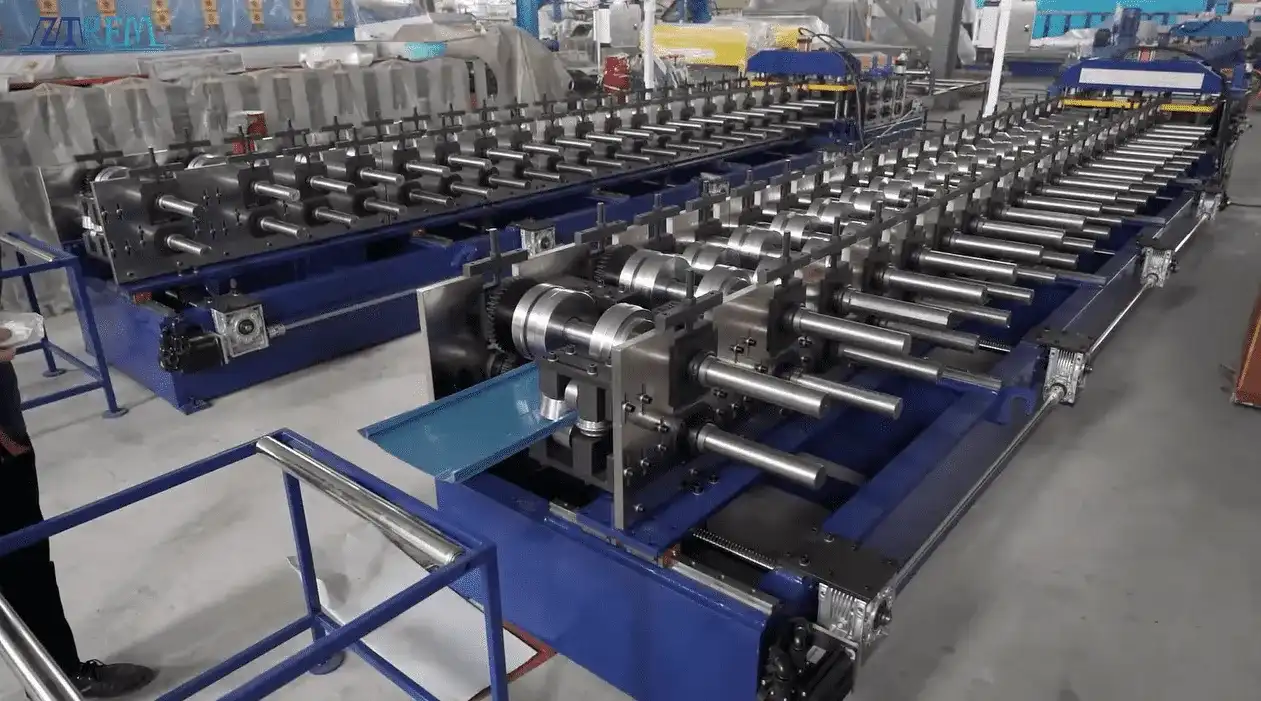
The shape of an equipment frame has a big effect on how accurate the making is and how long it lasts. Better machines have 350mm H-beam frames that make them very stable even when they're under dynamic loads. Heavy-duty construction keeps vibrations to a minimum during high-speed operation, so the profile dimensions stay the same over long production runs.
How long a machine lasts and how accurately it stays is directly related to the quality of the frame material. High-end makers use high-grade structural steel that has been treated with the right stress-relieving chemicals to keep it from bending over time. This investment in strong building means that less maintenance will be needed and the tools will last longer.
The right frame shape also makes it easier to do upkeep and replace parts. Well-designed machines have covers that can be taken off and parts that are placed in a way that makes them easier to service. When manufacturers have ongoing production plans, these design concerns become very important.
Roller Configuration and Material Quality
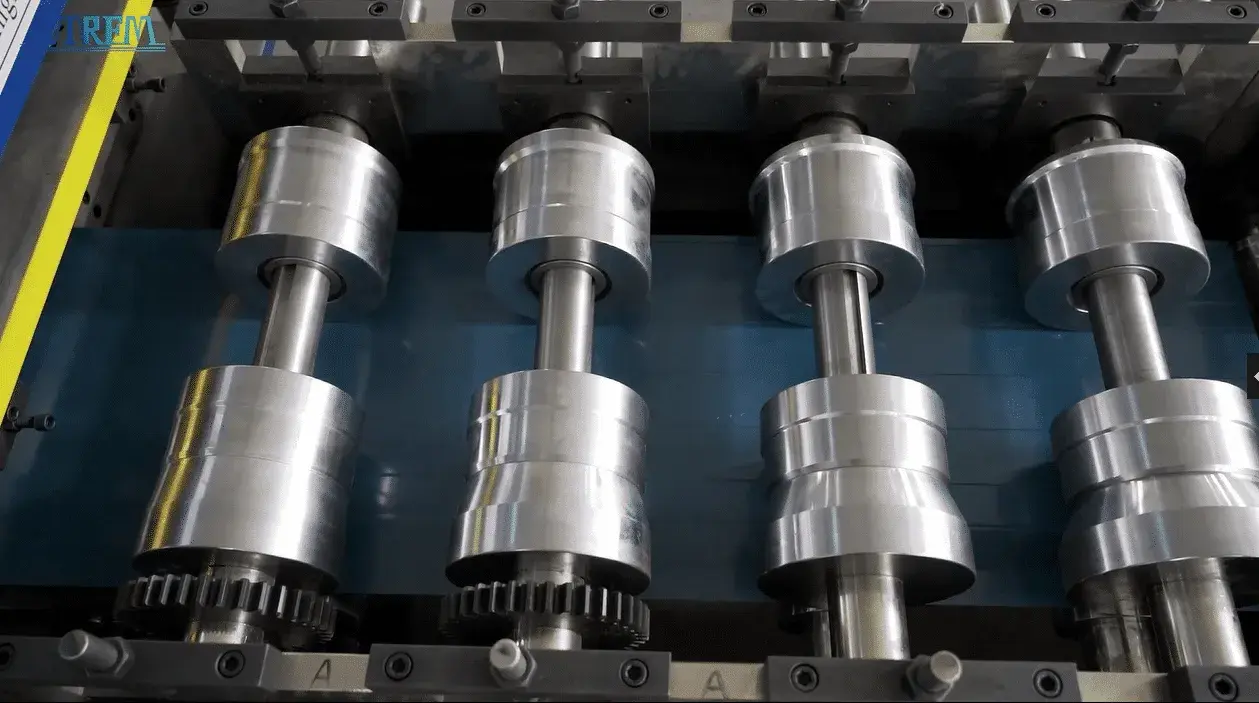
The number of forming stations and the specs of the rollers decide how complicated the profile is and how much can be made. Modern snap lock standing seam roll forming machines usually have 16 forming stations to make sure the panels are the right shape. At each point, the material is shaped more and more, but the quality of the surface finish stays the same.
With CNC cutting, high-quality 45 steel wheels make sure that the dimensions and surface quality are correct. The hard chrome covering is very resistant to wear, which makes rollers last a lot longer than rollers made of regular materials. This layer also lowers friction during making, which improves the finish on the material's surface and uses less power.
The width of the roller affects both the quality of the form and the life of the equipment. When compared to hollow shafts, 75mm solid shafts are stronger and can handle higher forming loads without bending. The right shaft size keeps bearings from breaking down too soon and maintains the accuracy of the forming process throughout the duration of the equipment.
Drive System Components
Power is reliably sent through double-chain transmission devices, which can also handle working loads and temperature changes. This setup has redundancy, which means that the system will keep working even if some of its parts wear out. Chain drive systems are also easier to maintain than systems with a lot of gears.
Motor size has a direct effect on how much can be produced and how much energy is used. The 5.5kW motors have enough power for most snap lock uses and keep the costs of operation low. Motors that are the right size work within the most efficient ranges, which lowers electricity use and increases the life of parts.
With speed control, producers can find the best production rates for a range of material sizes and profile complexity. Variable frequency drives let you change the speed precisely, which helps you balance the need for high output with high quality.
Production Speed and Efficiency Considerations
Operating Speed Parameters
Modern snap lock standing seam roll forming machines can work at speeds between 0 and 20 meters per minute, so they can be used for a variety of production needs. To keep the sharpness of the shape, all machine parts must be very precise at higher speeds. When choosing tools, manufacturers have to find a balance between the need for speed and the need for quality.
Efficiency in production includes more than just the fastest speed possible. It also includes setup time, the amount of time needed for changeovers, and how well the equipment works generally. Machines with easy-to-use settings and quick-change options cut down on wasted time, increasing the amount of work that can be done in a shift.
Panel quality stays the same throughout production runs because the speed of operation stays the same. Advanced control systems keep the rate at which materials are fed steady, even if there are small changes in the thickness or hardness of the materials. This stops quality changes that could affect how well the installation works.
Automation Features and Benefits
Automation cuts down on the need for workers while also making things more consistent and safer. Automated cutting systems get rid of the need to measure and cut things by hand, which cuts down on waste and boosts production. When you use electric cutting with Cr12Mov blades, you get clean, accurate cuts that make installation go more quickly.
Modern control systems let operators save more than one profile setup, which makes switching between panel types very quick. This feature is especially useful for companies that serve a wide range of customers or have specific project needs.
Integrated quality tracking systems can find changes in dimensions in real time, so they can be fixed right away before they cause a lot of material waste. These methods help make production more efficient while keeping the quality of the result consistent.
Material Compatibility and Versatility
Metal Gauge Capabilities
For different uses, snap lock standing seam machines need to be able to handle different amounts of material. Lighter gauges are usually used for residential projects, while heavier gauges are needed for business and industry projects to make them last longer and perform better structurally.
How flexible and useful a machine is depends on how well it can handle different sizes of material. Manufacturers have more options to meet the needs of a wide range of customers when they have equipment that can handle a wide range of gauges. This skill is especially important for businesses that want to reach more than one type of customer.
Material feed systems need to be able to work with a range of sizes without needing a lot of changes. Well-designed machines have parts that can change themselves to different thicknesses of materials. This cuts down on setup time and the amount of skill needed by the user.
Coating Compatibility
Modern roofing materials have many protective and artistic coatings that need to be handled carefully while they are being formed. To keep coatings from getting damaged, rollers must be set up in certain ways on painted, galvanized, or galvalume surfaces.
Due to their good looks and ability to prevent rust, pre-painted materials are becoming more popular. Snap lock standing seam roll forming machines have to work with these materials without scratching or otherwise hurting the finish. This keeps the protection and aesthetic qualities of the coating.
Specialized roller surfaces and making methods can handle coats that are sensitive while still forming precisely. Companies that make things for high-end customers need machines that can work with these expensive materials without lowering the quality.
Quality Control and Precision Requirements
Dimensional Accuracy Standards
To make sure that snap lock profiles fit together correctly during fitting, they need to be very accurate in terms of size. Changes in profile width, height, or angle can make it impossible for panels to join properly, which can hurt both the look and the weather protection.
Consistent edge quality affects how well the fitting goes and how well the weather seals. Precise making gets rid of burrs, waves, and other flaws that could make it hard for the panel to connect properly. Quality tools keep these standards even during long production runs, so they don't need to be adjusted all the time.
How straight the profile is has a big effect on how the installation looks and how well it works. Bow, twist, or other geometric changes make fitting harder and might make the roof system look less nice. With the right design and building, high-quality forming tools can keep the straightness under tight control.
Surface Finish Protection
Protecting the finish on the material's surface while it is being formed keeps the coating's integrity and looks good. When rollers are designed and maintained correctly, they don't get scratches, marks, or other surface flaws that could hurt their looks or ability to resist rust.
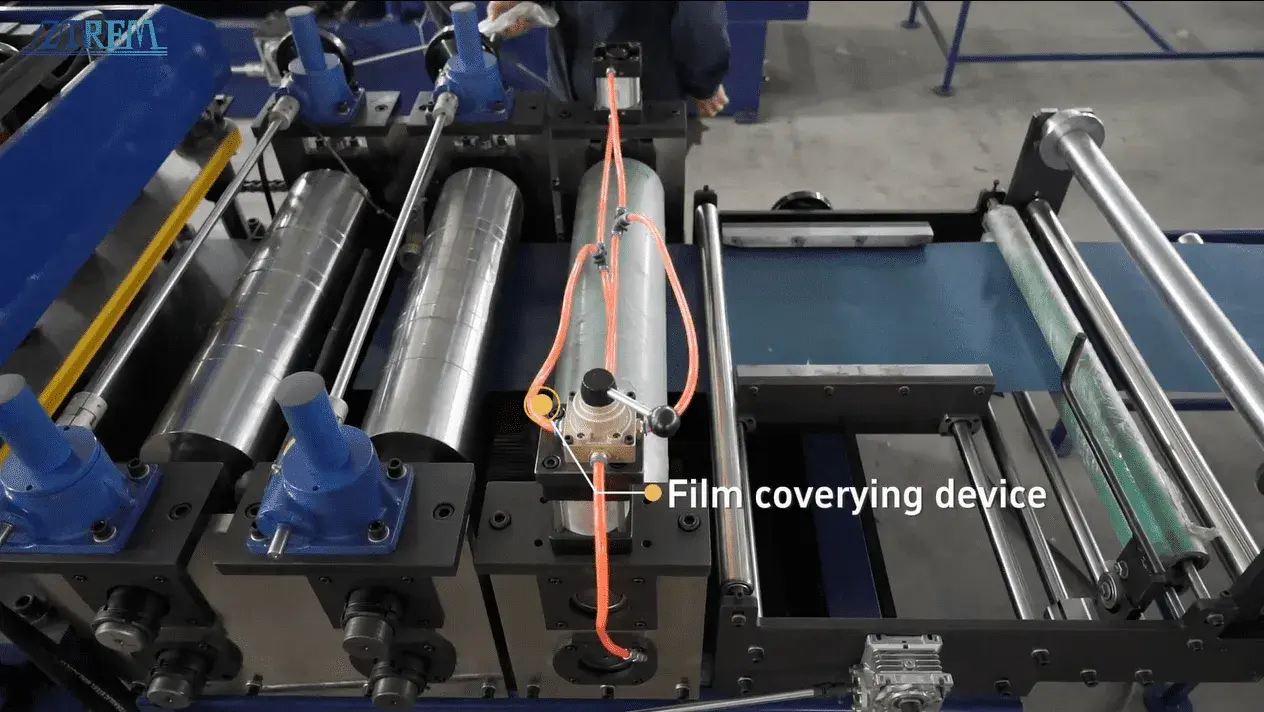
Material handling devices have to hold panels up while they are being formed without leaving marks or damaging them during transport. Good runout tables and support methods keep the quality of the panels from the time they are formed until they are packed.
Regular repair methods protect the surface finish for the whole life of the equipment. Roller upkeep, lubrication, and replacement plans that are followed correctly keep the surface quality from slowly declining, which could make the product less marketable.

Supplier Selection Criteria
Manufacturing Capability Assessment
When looking at possible providers, you need to carefully check out their technical know-how, production skills, and quality control systems. For example, Cangzhou Zhongtuo, which was founded in 2014, is a company that specializes in cold roll making tools and offers both OEM and ODM services.
When companies get ISO9001, CE, or CAS certifications, it means they follow well-known safety and quality control standards. These certifications give customers faith that the quality of the products will be the same across all foreign markets and that they will follow all regulations.
Global supply experience shows that providers can handle complicated paperwork, shipping, and support needs. Companies that have delivered goods in more than 150 countries know what it takes to do business internationally and can offer the right support services.
Technical Support and Training
Full expert help makes sure that the equipment works at its best for as long as it is in use. Suppliers with thorough training programs help workers get the most work done while reducing quality problems and safety risks.
Both the original setup and long-term maintenance efficiency are affected by the quality of the documentation. Full operation manuals, repair schedules, and troubleshooting tips make it easier to handle tools and lessen the need for outside help.
For foreign installations, the ability to provide remote help is becoming more and more important. Suppliers that offer videoconferencing, online diagnosis, and digital document access can help you right away, no matter where you are in the world.
Spare Parts and Service Network
Parts supply has a direct effect on how much equipment is used and how much it costs to run. Suppliers who keep large stocks of spare parts make sure that new parts are delivered quickly, which keeps production from stopping too often.
When there is a local service network presence, important problems can be fixed faster. Suppliers who have formed service partnerships or area offices can help you more quickly than those who only offer help from their factories.
Long-term running costs are affected by how much parts cost and how easy they are to get. When planning the lifecycle of an item, it's easier to predict costs when suppliers offer clear prices and guaranteed supply.
Cost-Benefit Analysis Framework
Initial Investment Considerations
The price of equipment needs to match the amount of work that needs to be done and the expected return. Even though luxury machines cost more at first, their higher levels of accuracy and dependability often make up for it in lower running costs and better product quality.
Options for financing and payment terms affect cash flow and the ability of a project to be completed. When suppliers offer open payment terms, producers can better plan how to spend their money and when to finish projects.
The total cost of the investment should include the costs of installation and testing. Suppliers who offer "turnkey" installation services are often a better deal than those who need a third party to help with the installation.
Operating Cost Evaluation
Using a lot of energy can raise the prices of running a business, especially when making a lot of things. Drive systems that are efficient and forming processes that are tuned can cut down on electricity use while keeping efficiency high.
Maintenance needs affect both direct prices and the amount of time that can be used for production. The total cost of ownership is cheaper for equipment that is easy to maintain and has parts that are easy to find than for complex systems that need expert service.
There are big differences in how much labor is needed for each type of tool. Automated systems may cost more to set up at first, but they save a lot of money on staff costs over the life of the tools.
Installation and Commissioning Best Practices
Site Preparation Requirements
A well-designed base is necessary for a machine to work steadily and keep its accuracy. Vibration, misalignment, and early wear can be caused by supports that aren't strong enough, which hurts both efficiency and product quality.
The requirements for the electrical source must exactly match the requirements for the tools. 380V/50Hz/3-phase power with the right grounding and safety systems ensures safe, reliable operation and stops electrical damage.
The framework for moving materials on a snap lock standing seam roll forming machine affects how efficiently production runs as a whole. Having enough room to store materials, get to tools, and move finished goods around stops bottlenecks that could slow down work.
Startup and Testing Procedures
Systematic starting checks all systems to make sure they work right before production starts. Full testing finds any changes that need to be made to meet certain performance standards.
Initial production runs with standard materials check the quality of the shaping and make sure the dimensions are correct. Before going to full-scale operation, these tests make sure that the equipment meets the needs of production.
During launch, training for operators makes sure that everyone knows how to do their jobs safely and correctly. Practical training with real production materials is better for getting ready than just learning about them in a classroom.
Maintenance and Lifecycle Management
Preventive Maintenance Programs
Regular repair plans keep equipment working well and stop it from breaking down when you least expect it. To get the best total cost of ownership, well-designed programs balance the need for dependability with the cost of upkeep.
Roll making calls for extra care when it comes to lubrication systems. Proper lubrication stops wear before it's due and keeps the quality of the product constant.
How rollers are maintained and replaced affects both the quality of the product and how quickly it is made. Setting the right replacement and check times stops quality loss and avoids expensive emergency repairs.
Performance Monitoring
Regular quality checks make sure that production standards are still being met. Statistical process control methods help find patterns that could mean that machine problems are starting to happen.
Production tracking systems give information that can be used to find ways to make things better and make the working settings more efficient. This knowledge helps with both short-term improvements in production and long-term plans for equipment.
Monitoring the state of equipment can tell you about possible breakdowns before they happen. Diagnostic tools like vibration analysis, temperature tracking, and others make it possible to do preventative maintenance that stops costly unplanned downtime.
Conclusion
To choose the best snap lock standing seam roll forming machine, you need to carefully look at its technical specs, the supplier's skills, and your needs for long-term support. Finding the right balance between the original investment, operational efficiency, quality standards, and output flexibility is key to success. Manufacturers can make sure their products are reliable, profitable, and meet the needs of a wide range of customers by focusing on trusted providers who offer full support. Investing in good tools and good ties with suppliers is the key to long-term business growth and a competitive edge in the fast-paced roofing industry.
Ready to Transform Your Roofing Production Capabilities?
ZTRFM delivers industry-leading snap lock standing seam roll forming machine solutions backed by over a decade of specialized expertise. Our ISO9001, CE, and CAS certified equipment combines precision engineering with proven reliability, serving manufacturers across 150+ countries. As your trusted snap lock standing seam roll forming machine supplier, we provide comprehensive OEM/ODM services, complete technical support, and guaranteed parts availability. Contact our experts at coo@zhongtuocn.com to discuss your specific requirements and discover how ZTRFM can optimize your production efficiency and product quality.

References
1. Metal Construction Association. "Standing Seam Metal Roofing Design and Installation Guidelines." Technical Manual Series, 2023, pp. 45-78.
2. International Building Code Council. "Metal Roofing Systems: Performance Standards and Testing Requirements." Construction Industry Standards Publication, 2023, pp. 156-189.
3. American Society for Testing and Materials. "ASTM E1680-23: Standard Test Method for Rate of Air Leakage Through Exterior Metal Roof Panel Systems." Standards Documentation, 2023.
4. Roll Forming Industry Association. "Cold Roll Forming Equipment Specifications and Best Practices." Manufacturing Technology Handbook, 2023, pp. 234-267.
5. National Roofing Contractors Association. "Metal Roofing Installation and Quality Control Procedures." Professional Practice Guidelines, 2023, pp. 89-123.
6. Steel Construction Institute. "Design Guide for Standing Seam Metal Roofing Systems in Commercial Applications." Engineering Practice Manual, 2023, pp. 178-211.
_1750323743240.webp)