- English
- French
- German
- Portuguese
- Spanish
- Russian
- Japanese
- Korean
- Arabic
- Irish
- Greek
- Turkish
- Italian
- Danish
- Romanian
- Indonesian
- Czech
- Afrikaans
- Swedish
- Polish
- Basque
- Catalan
- Esperanto
- Hindi
- Lao
- Albanian
- Amharic
- Armenian
- Azerbaijani
- Belarusian
- Bengali
- Bosnian
- Bulgarian
- Cebuano
- Chichewa
- Corsican
- Croatian
- Dutch
- Estonian
- Filipino
- Finnish
- Frisian
- Galician
- Georgian
- Gujarati
- Haitian
- Hausa
- Hawaiian
- Hebrew
- Hmong
- Hungarian
- Icelandic
- Igbo
- Javanese
- Kannada
- Kazakh
- Khmer
- Kurdish
- Kyrgyz
- Latin
- Latvian
- Lithuanian
- Luxembou..
- Macedonian
- Malagasy
- Malay
- Malayalam
- Maltese
- Maori
- Marathi
- Mongolian
- Burmese
- Nepali
- Norwegian
- Pashto
- Persian
- Punjabi
- Serbian
- Sesotho
- Sinhala
- Slovak
- Slovenian
- Somali
- Samoan
- Scots Gaelic
- Shona
- Sindhi
- Sundanese
- Swahili
- Tajik
- Tamil
- Telugu
- Thai
- Ukrainian
- Urdu
- Uzbek
- Vietnamese
- Welsh
- Xhosa
- Yiddish
- Yoruba
- Zulu
Solar Strut Channel Roll Forming Machine Installation and Maintenance Guide
Installing and taking care of a Solar Strut Channel Roll Forming Machine the right way is important for photovoltaic mounting system manufacturers to get the production efficiency and dependability they need. Through automatic decoiling, levelling, punching, forming, and cutting steps, this machine turns steel coils into precisely made strut channels. If a business buys this equipment, like a roofing company, a light steel structure maker, or a new metal fabricator, knowing the right way to install it and keep it in good shape is very important for uptime, product quality, and return on investment. This guide explains how to set up everything, how to do important maintenance, and how to deal with common operational problems. It's meant to help procurement workers and building managers get the most out of their equipment's lifespan while minimising costly downtime.
Understanding Solar Strut Channel Roll Forming Machines
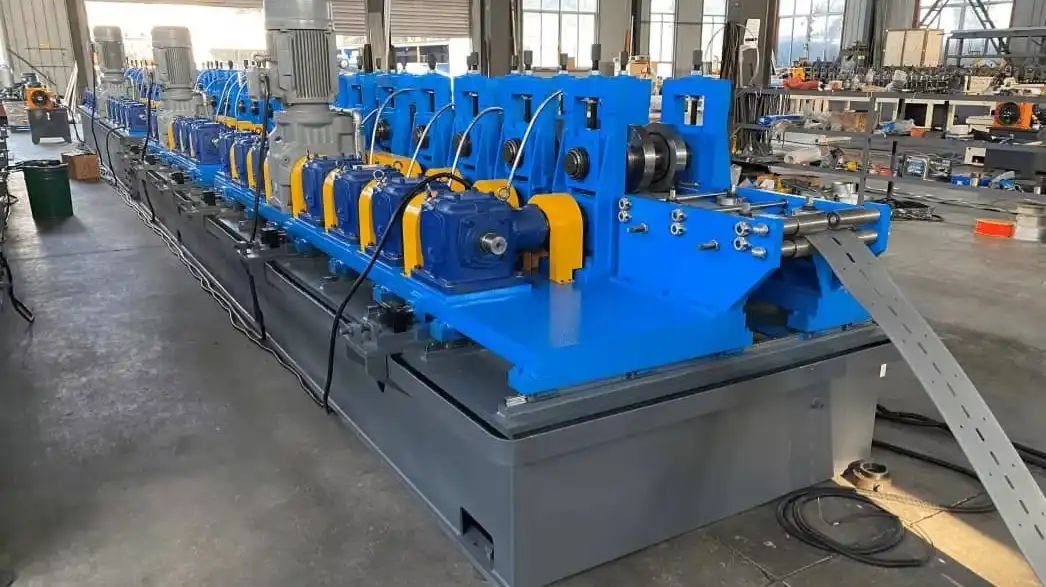
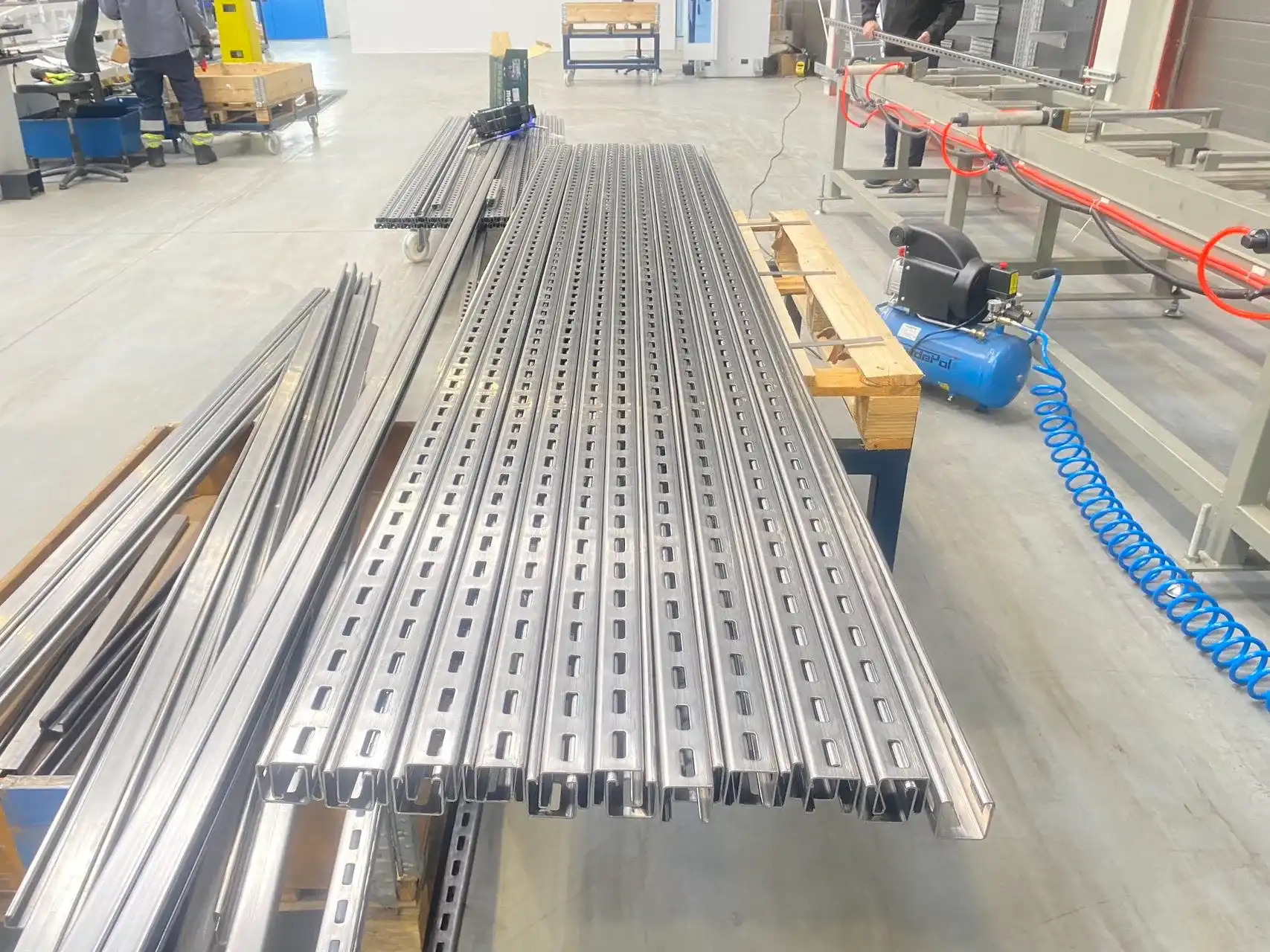
The most important part of current photovoltaic mounting infrastructure is the Solar Strut Channel Roll Forming Machine. This equipment transforms galvanised steel coils with a thickness of 1.5 mm to 2.5 mm into standard C-channel or U-channel shapes that are used in the green energy industry. The continuous forming process keeps the material's structural integrity while achieving dimensional accuracy within ±1.5mm. This is very important for making sure that the solar panels are installed correctly.
Core Machine Components and Technical Specifications
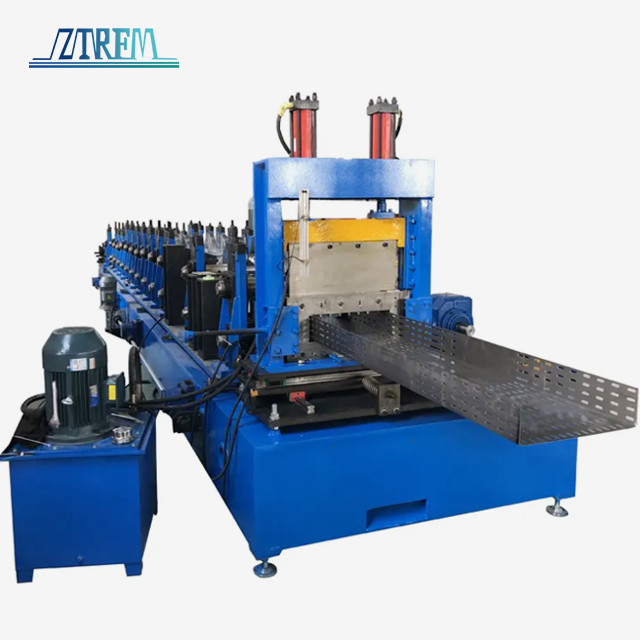
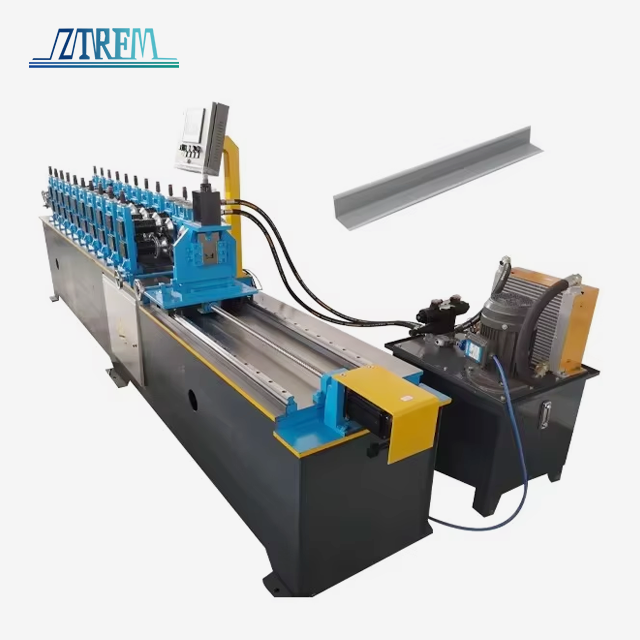
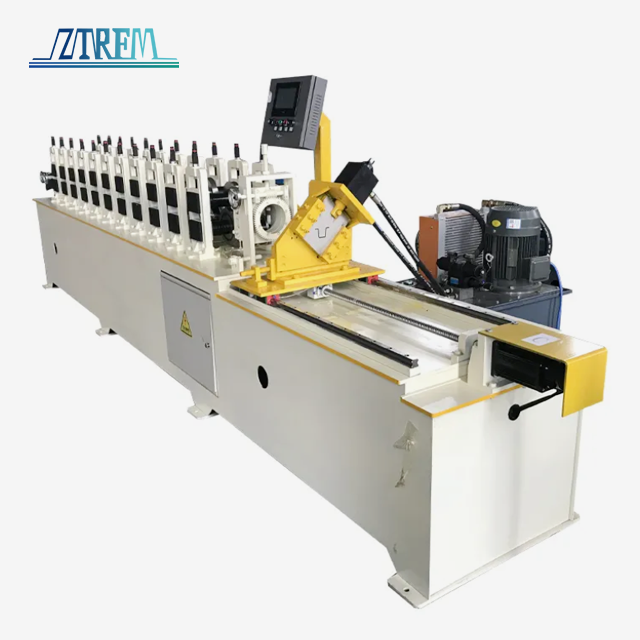
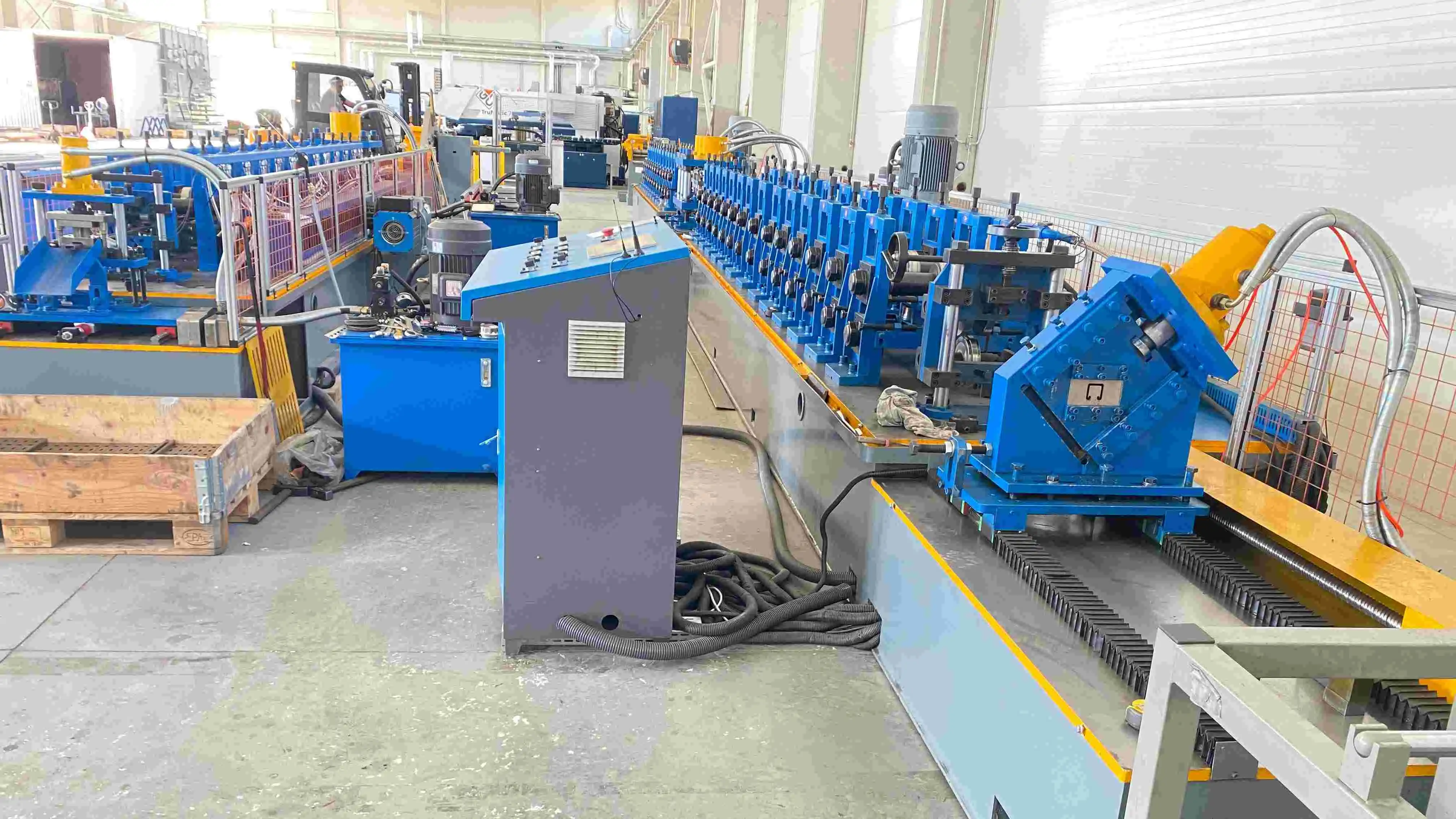
The production line is made up of several useful areas that work one after the other. At the entrance, an uncoiling system sends the material through a levelling unit, which gets rid of the coil set and gets the strip ready to be formed. The material is then moved to the punching station, where 11 KW of power is delivered by hydraulic systems to make precise spacing for slotted holes or mounting apertures. This set-up has 24 forming rollers made of GCR15 steel that has been chrome-plated and mounted on 45# forged steel shafts that are 80 mm in diameter. The strong 25mm 45# steel machine frame is stiff enough to keep the machine accurate while it is running continuously at speeds of up to 8 meters per minute.
A 22 KW main motor drives the system through a double chain gearbox, which sends power to the system. When making standard amounts of products, this drive method works reliably, and it doesn't need as much maintenance as more complicated gearbox systems. The hydraulic shearing unit automatically cuts finished profiles to length. It is controlled by a PLC interface that lets operators set parameters and program cutting sequences through a touchscreen.
Roll Forming Process and Production Workflow
The material goes into the machine as a coiled strip with a width between 90 and 230 mm. It is then bent gradually as it moves through the roller stations. Each shaping stand slowly forms the flat steel into the channel design that is needed, without stretching or thinning the metal. When you use this cold-forming method, the steel gets work-hardened, which makes it stronger than the original coil stock. The method of gradually bending keeps the surface of galvanised coats from getting damaged, which is very important for keeping corrosion resistance in solar setups outside.
The continuously created channel moves on to the cutting station after going through all of the making stations. Cr12 mould steel blades that have been heated until they are 58–62 HRC hard cut through the profile cleanly, leaving no burrs that could make the next steps in the assembly process harder. Once operators load materials and enter production settings, the whole process, from coil to finished channel, is done mechanically. This level of automation solves the problems with efficiency that makers of building materials have when they have to increase production to meet the needs of the growing solar market.
Step-by-Step Installation Guide
The basis for effective long-term function of Solar channel roll forming machine is set by proper installation. Setting up a Solar Strut Channel Roll Forming Machine quickly or not at all can cause alignment problems, earlier wear, and quality issues with the product that cost a lot to fix after production starts.
Preparing the Installation Site
About 30 meters of floor space in a climate-controlled room is needed for the machine. The concrete floor should be at least 200 mm thick and have enough reinforcement to hold the weight of the equipment and any dynamic loads that happen while it's working. Before delivery, mark where the anchor bolts will go on the base model that the maker gives you. To keep the frame from getting stressed during mounting, these positions must line up within 5 mm.
Before assembly day, the electrical equipment needs to be looked at. The 380V three-phase power supply needs special circuit safety that can handle the load of the 22 KW main motor and hydraulic station. To keep the operator safe and protect sensitive control electronics from voltage fluctuations, grounding resistance should be less than 4 ohms. A minimum of 4 meters of overhead space is usually needed for coil loading tools and repair workers to get to the upper parts of the machine.
Mechanical Assembly and Alignment
Installing teams start by putting the main frame on supports that have already been prepared. They use precision levels to make sure that there is less than 0.5 mm of movement along the length of the machine. This important step makes sure that the roller stations are lined up correctly along the path of the material. Anchor bolts permanently hold the frame in place, but they aren't tightened all the way until the alignment is confirmed. Levelling pads under the fixing spots let you make small adjustments to fix any uneven floors.
When roller stations are put together, they are carefully watched over. To make a smooth way for the material that doesn't bend laterally, each making stand must line up concentrically with the stations next to it. To make sure that roller centerlines stay perfectly aligned, technicians use alignment lasers or tight wire ways. The feed width should be able to handle a range of 90 to 230 mm without pushing the material against the guides, which could damage the edges or make the feeding uneven.
Chain drive parts need to be properly tensioned according to the manufacturer's instructions. Too much slack lets the load jump, while too much shortening speeds up the wear on the sprockets and chains. To keep the drive shaft from being unevenly loaded, the double chain design needs equal force on both sides. Before any testing starts, all of the lubrication points in the drive train are serviced for the first time.
Electrical Connection and Control System Setup
All power connections are made by qualified electricians who follow local electrical codes and wiring diagrams from the manufacturer. Motor connections use the right gauge of wires and thermal safety devices that are the right size for the amount of current needed at start-up. Because the hydraulic station sometimes needs a lot of current during the cutting and punching cycles, it has its own circuit protection. Control voltage transformers lower the supply voltage for PLC and interface parts. This keeps sensitive electronics from being affected by changes in the power line.
The PLC control screen is mounted so that the user can easily reach it and see what's going on with the machine. Technicians make sure that all of the input sensors, such as material present monitors, encoder signals, and limit switches, are properly registered in the control program. Testing the output makes sure that the motor contactors, hydraulic valves, and alarm signs work as they should when orders are sent. Emergency stop circuits are tested thoroughly to make sure that all dangerous motion parts lose power right away.
Initial Trial Runs and Performance Verification
The first step in the starting process is to manually run each part of the machine to make sure it works without any materials. Operators listen for strange sounds that could mean there are problems with the system while watching the rollers turn, the chain move, and the hydraulic actuator do its job. During the dry-run step, small problems can be fixed before material that could jam or damage parts is added.
A steel strip that matches the final production specifications is used for trial production. Technicians keep a close eye on the first profiles and measure their cross-sectional sizes several times along their length. Checking the hole spacing makes sure that the punching system is in sync with the material feed rates. During the surface quality review, scratches, roller marks, or damage to the coating could be signs of imbalance or too much forming pressure. From slow starts, production speed gradually rises to full stated capacity. This lets you see how the machine works when it's under normal working loads.
Essential Maintenance Practices for Longevity and Efficiency
Production lines that work well and those that have problems with unexpected breakdowns and inconsistent quality are separated by strict repair schedules. Regular servicing is much more important for keeping a Solar Strut Channel Roll Forming Machine in good shape than fixing it when it breaks down.
Daily and Weekly Maintenance Tasks
At the beginning of each shift, operators visually check for loose fasteners, strange wear patterns, and the right amount of oil in the Solar channel roll forming machine. The chain drive system gets extra attention because not lubricating it properly speeds up wear by a huge amount. ISO VG 220 gear oil is often suggested as a lube that should be applied to chains without getting too much on finished profiles. When there is too much oil, it pulls dirt and other particles that are bad for bearing surfaces.
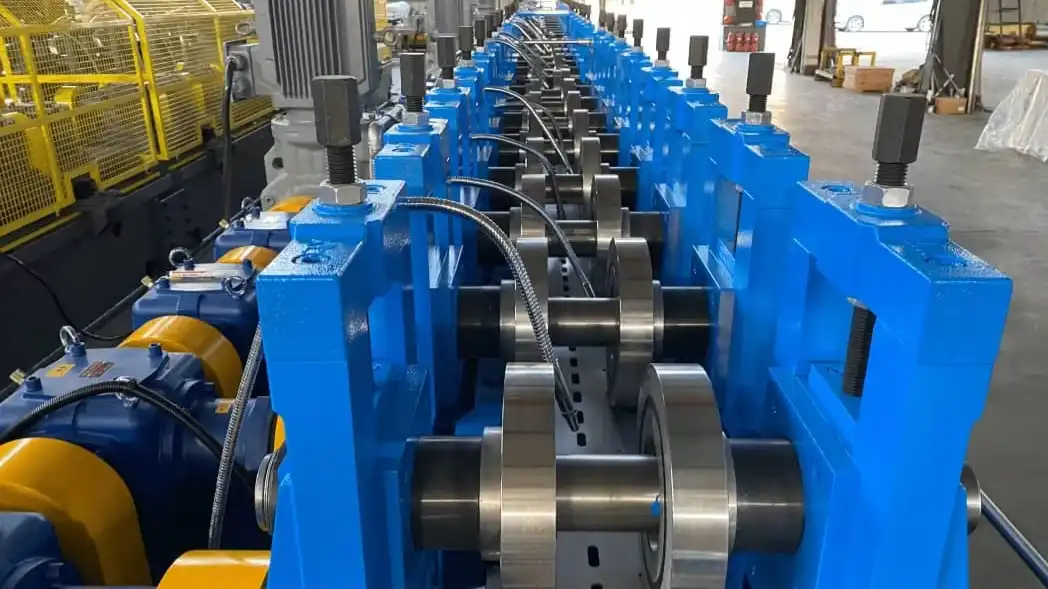
Every day, roller surfaces need to be cleaned to get rid of the metal chips and coating residue that build up during production. Using soft brushes or cloths that have been soaked in the right liquids can stop buildup that could leave marks on other materials. The chrome-plated GCR15 rollers don't wear down very easily, but surface contamination makes pressure points that speed up coating penetration and eventually damage to the substrate.
As upkeep grows to happen once a week, measurements of important lengths of manufactured profiles are checked. In making stations, gradual dimensional shift is often a sign of roller wear or bearing play starting to happen. If you notice these trends early, you can replace them on a set downtime instead of having to make fixes during production runs. Every week, the levels and condition of hydraulic fluid are checked, and any contamination or low levels are fixed right away to keep the pump from breaking down or the actuator from working in a way that isn't consistent.
Monthly Preventive Maintenance and Inspection
As part of the monthly maintenance plans, all of the roller stations and drive components' bearings are carefully inspected. Technicians listen with stethoscopes or use vibration analysis tools to find early signs of bearing wear and tear before they cause a catastrophic failure. Bearing failures often cause damage to shafts and housings, which makes repairs more expensive. This is why proper bearing upkeep is so important for extending the life of equipment.
Every month, a full review of the hydraulic system is done. Filter elements are replaced at the manufacturer's recommended times, even if they don't look like they need it, because contamination inside can't be seen from the outside. Hydraulic lines are checked for damage like wear and tear, cracks, and swells. Even small leaks need to be fixed right away because leaking fluid makes it easier to slip and shows that the seal is failing, which will get worse quickly.
Maintenance on an electrical cabinet includes cleaning the dust off the control parts and making sure the cooling fans work properly. When dust builds up on circuit boards, it lets current leak out and water in, which makes the controls behave erratically. Terminal connections are checked to make sure they are tight because thermal cycling can slowly loosen connections, causing resistance that leads to heat and failure.
Troubleshooting Common Operational Issues
Most of the time, problems with feeding materials are caused by not levelling or not applying enough pressure to the feed rollers. When coil curvature is still present in the strip when it enters the forming stations, it hits the rollers unevenly and may break or get stuck. Changing the pressure on the levelling rollers generally fixes these problems, but material that is badly coil-set may need more levelling capacity than the machine can provide. Feed roller pressure needs to be just right so that it grips the material well enough to move it along without being too strong and deforming the strip before it even starts to form.
Problems with punching are often caused by die clearance or hydraulic time. When tools are dull, they need more force and leave burrs on the sides of holes, which means they need to be sharpened or replaced. When the time of the punch moves away from where the material is, holes show up off-centre or at the wrong intervals. Timing problems are usually fixed by adjusting the PLC's parameters. However, encoder problems can sometimes cause chronic synchronisation failures that need sensor replacement.
When finished profiles don't match up in size, it's usually because of roller wear or alignment drift. Using a system to measure profiles from different production times can help you tell the difference between slow changes and big shifts. Gradual changes in dimensions mean that the rollers need to be replaced because they are worn out, while sudden changes mean that there are alignment issues or that parts are becoming loose. By keeping accurate records of production numbers, we can tell the difference between wear patterns and problems with the assembly.
Comparison with Alternative Solutions and Market Considerations
When making a purchase decision, it's helpful to know how the Solar Strut Channel Roll Forming Machine stacks up against other ways of making things and how different machine configurations meet specific operational needs.
Roll Forming Versus Alternative Fabrication Methods
Sequential bending is how strut channels are made in traditional press brake processes, but it doesn't have the throughput and precision that continuous roll forming does. Press brake methods need skilled workers to place the material exactly where it needs to be for each bend. This makes each piece unique and limits the production rate to a few parts per hour. Roll forming gets rid of the need for different levels of operator skill by automating the whole forming process. This makes quality consistent at production rates measured in meters per minute instead of pieces per hour.
Stamping businesses can make short channel pieces cheaply, but they have trouble with longer ones because they can't handle as much material, and their dies are too small. Because roll forming is progressive, it can handle almost any length or shape. The only thing that limits it is the handling tools, not the machine itself. When mounting solar panels and needing channels that are 3 to 6 meters long, roll forming is clearly better than stamping, which would require joining shorter pieces together.
Automatic Versus Semi-Automatic Configuration Options
Fully automatic machines do decoiling, levelling, making, punching, and cutting all at the same time, with very little help from an operator. These methods work best for companies that make a lot of stock profiles and don't need to change the setup very often. Automation cuts down on labour costs by a lot while keeping quality standards high. However, the initial investment is usually 40–60% higher than with semi-automatic options.
Offline punching machines or human material loading may be used in semi-automatic setups, which lowers the cost of the tools but requires more work. These setups work for companies that make a lot of different profiles and need to switch between them often, or for companies that don't make a lot of products and can't afford to invest in full automation. The trade-off between capital costs and ongoing labour costs relies on how much is being made, how complicated the products are, and how much labour costs are in the area.
Evaluating Supplier Capabilities and Support
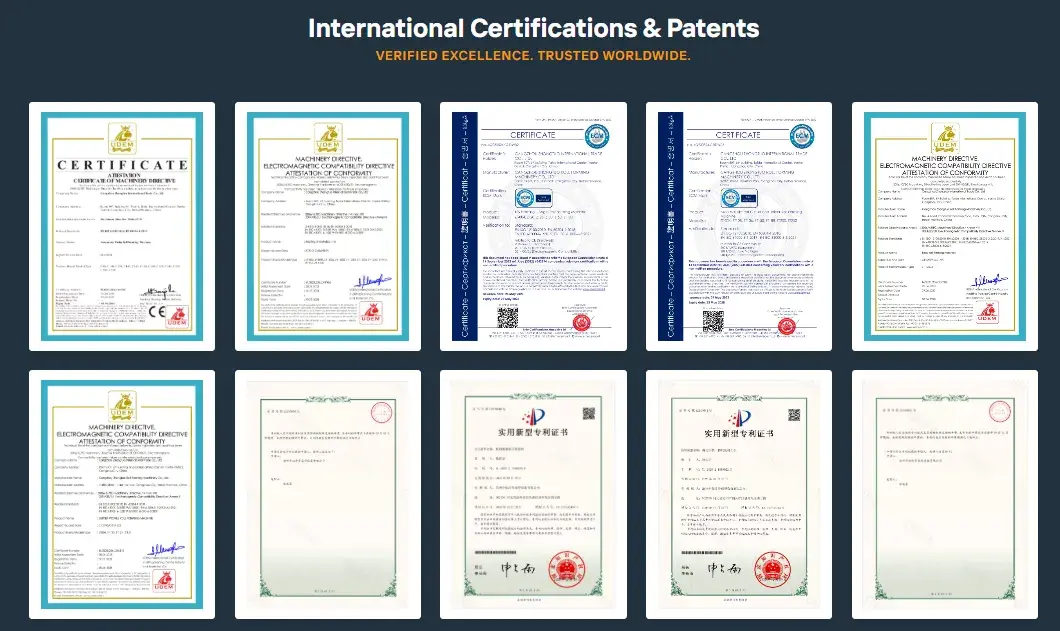
Not only does the quality of the machine affect how reliable it is, but so does the manufacturer's ability to help customers. Suppliers who have ISO9001 approval and recorded quality systems show that they are dedicated to making sure that production standards are always met. CE certification shows that safety standards have been met, which is especially important for businesses that want to operate in markets with strict governmental control. Manufacturers that sell to customers all over the world, especially those that have installed products in 150 or more countries, can help you deal with problems that are unique to each place and changes in regulations.
Long-term ownership costs are greatly affected by the system for after-sales assistance. Suppliers that offer online troubleshooting cut down on downtime when problems happen, and suppliers that keep extra parts in stock make it easy to change parts quickly. Training programs that help employees learn how to do maintenance tasks on their own make it less necessary to hire outside help for everyday problems. Manufacturers can help with upgrades and changes to machines as output needs change over the years by offering lifetime expert support backed by detailed machine records.
Best Practices for Procurement and Vendor Partnership
Strategic Solar Strut Channel Roll Forming Machine purchasing goes beyond just negotiating the purchase price. It also involves building relationships that will help the business succeed in the long run.
Identifying Qualified Equipment Manufacturers
Reputable makers show what they can do by providing project references that can be checked and equipment that is working at customer centers and can be inspected. Site visits to current installations give information about how the machine really works, how often it needs to be serviced, and how responsive the maker is, which marketing materials can't. Talking to current users of the equipment can give you useful information about how reliable it is, how good the service is, and how well it lives up to its promises.
A technical capability evaluation looks at the engineering tools and customisation options of the manufacturer. When suppliers hire experienced engineers who know a lot about roll making, they can change standard designs to fit specific needs or make sure that the tools they use work best with certain types of materials. Having access to advanced design software and making simulation tools shows that you are technically savvy, which means that your equipment will be better designed and problems will be solved faster when they happen.
Structuring Purchase Agreements and Service Contracts
Comprehensive purchase agreements spell out not only the specs of the equipment, but also who is responsible for installation, how much training is provided, and the terms of the guarantee. When the scope is clearly defined, there are no mistakes about who is responsible for preparing the site, connecting utilities, or getting the permit. Installation supervision by manufacturer technicians makes sure that everything is put together correctly and helps facility maintenance staff learn new skills during commissioning.
When it comes to warranty coverage, you should pay close attention to how long it lasts, what parts it covers, and how long it promises to respond. Standard guarantees usually cover problems with the way the product was made for 12 to 24 months. However, important parts like the main drive system or control electronics may need longer coverage. Making it clear what normal wear and what defects are stops arguments when a part needs to be replaced. Guaranteed response times for technical support and spare parts delivery keep production schedules from being thrown off by long periods of downtime.
Building Long-Term Collaborative Relationships
Rather than being one-time deals, buying equipment is the start of a long-term partnership. Manufacturers who check their equipment on a regular basis can help find ways to make it work better and figure out what repairs it needs before they affect production. Technical training programs that keep workers and repair staff up to date on the latest best practices make sure that equipment works at its best for as long as it is in use.
Feedback systems that let customers have an impact on how a product is made are good for everyone. Manufacturers learn more about operational problems and feature needs in the real world, and customers benefit from equipment that changes to meet their needs. This way of working together makes equipment creation and support services better all the time, which gives everyone in the relationship a competitive edge.
Conclusion
Installing Solar Strut Channel Roll Forming Machines correctly, keeping them in good shape, and choosing the right vendor are all important for success. The detailed steps described here give B2B manufacturers useful information for making tools work better and last longer. Alignment problems and early wear can be avoided by installing things correctly, and regular maintenance checks can find problems early on, before they become expensive to fix. Manufacturers can be successful in the long run if they make smart purchasing decisions that take into account not only the original cost but also the total ownership value. As the solar industry grows, it needs production methods that are reliable and efficient. Forming equipment that is well taken care of consistently meets these needs. Following these installation and maintenance tips and working with qualified providers gives makers the security they need to confidently meet the growing demand in the market.
FAQ
1. How long does a typical installation take for a strut channel forming line?
Including preparing the base, mechanical assembly, electrical connection, and testing, a full installation usually takes 7–10 working days. The schedule depends on how ready the spot is and whether the building work is done before the equipment arrives. When foundations are made and utilities are connected, installation takes less time. On the other hand, when concrete needs to cure or electrical equipment needs to be upgraded, installation takes longer. Installation teams from manufacturers usually finish setting up the mechanical parts in three to four days. The electricity work and control system setup takes another two to three days. The last two or three days are spent commissioning and training operators so that staff can use the equipment on their own before the installation teams leave.
2. What causes most unexpected downtime, and how can it be prevented?
Most Solar Strut Channel Roll Forming Machine problems that could have been avoided are caused by poor lubrication. At certain times, chain drives, roller bearings, and hydraulic parts all need to be properly oiled. Setting up and sticking to repair plans cuts down on unexpected downtime by a huge amount. Changes in the quality of the materials also cause frequent stops when the thickness of the strip or the uniformity of the coating are not within the machine's limits. Many feeding and forming problems can be avoided by working with dependable steel sources and inspecting all arriving materials. When wear parts like cutting blades and punching dies are checked regularly, they can be replaced during planned downtime instead of having to be fixed quickly during production runs.
3. Can this equipment be customised for different strut channel profiles?
Modern forming lines can handle a range of profile sizes by using roller changeovers or tooling systems that can be adjusted. With a feed width range of 90 to 230 mm, the machine can make a number of standard strut sizes. For custom profile development, technical research is needed to find the right roller setups and make sure that forming is possible. Manufacturers who can do their own design work can make custom tools for profiles that aren't standard, but they may need a minimum order quantity to cover the costs of developing the tools. Modern machines have quick-change systems that cut the time it takes to switch between profiles from hours to less than 30 minutes. This makes it possible to set adjustable production schedules for a wide range of product specs.
Partner with ZTRFM for Reliable Solar Mounting Production Equipment
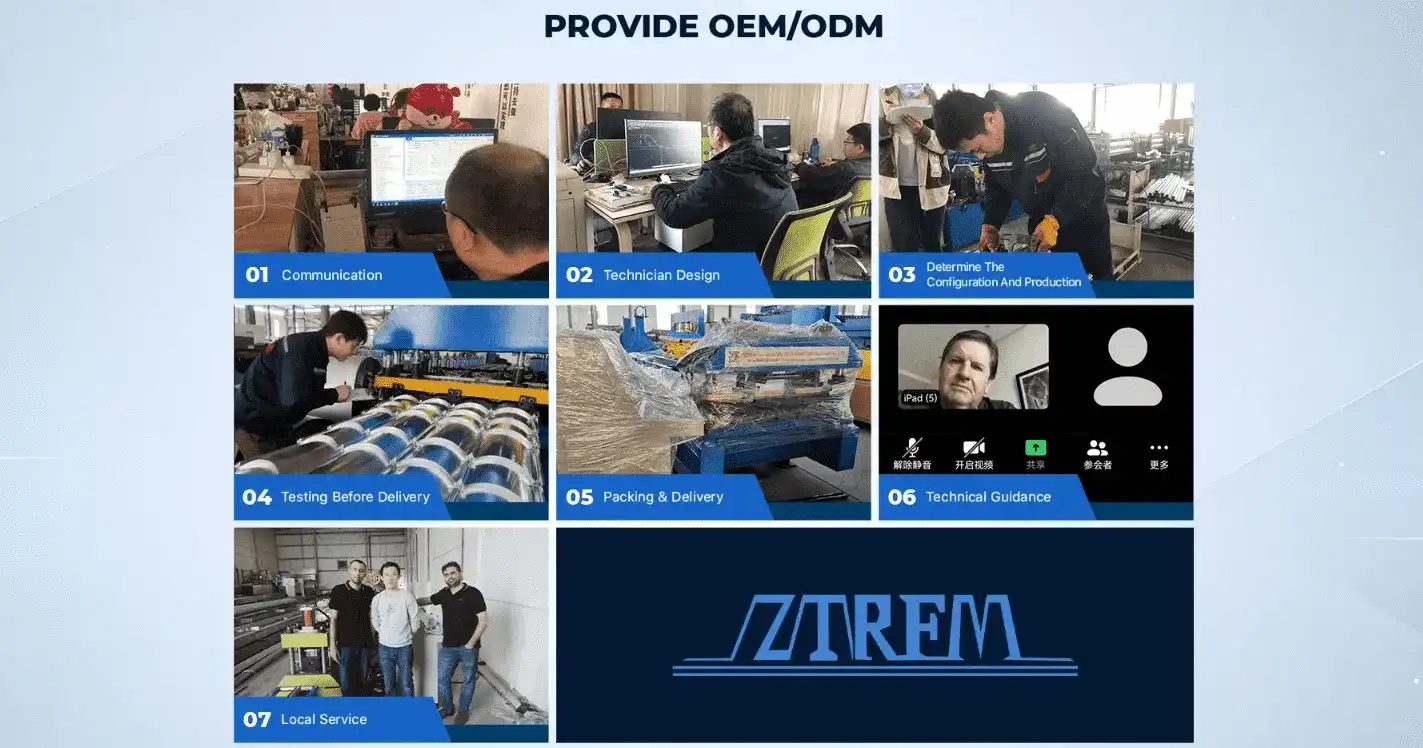
When it comes to Solar Strut Channel Roll Forming Machine options, ZTRFM has more than ten years of specialised engineering experience. Our machines meet the exact measurements and consistent output needs of mounting system makers. They are backed by ISO9001 and CE standards that are recognised all over the world. As a well-known producer with installations in more than 150 countries, we know the operating problems you face and make equipment that meets the needs of real-world production. Our full support includes on-site installation supervision, hands-on training for operators, and quick technical support to make sure your production line works at its best. Our engineering team works closely with you to set up equipment that meets your unique production needs and material requirements, whether you're expanding your current manufacturing skills or starting up new ones. We keep a large stock of spare parts and offer online troubleshooting to keep output as steady as possible. Get in touch with us at zhongtuorollforming@gmail.com to talk about how our Solar Strut Channel Roll Forming Machine services can help you stay competitive in the growing market for renewable energy.
References
1. Anderson, J. M. (2021). Roll Forming Handbook: Advanced Manufacturing Techniques for Metal Profiles. Industrial Press.
2. Chen, W., & Martinez, R. (2022). Precision maintenance protocols for high-speed metal forming equipment. Journal of Manufacturing Systems and Technology, 45(3), 287-304.
3. Hughes, T. P. (2020). Solar Mounting Systems: Engineering Design and Production Methods. Renewable Energy Technical Publications.
4. International Organization for Standardization. (2019). Quality Management Systems for Metal Forming Equipment Manufacturers (ISO 9001:2015 Guidelines). ISO Standards Press.
5. Robertson, K., & Zhang, L. (2023). Comparative analysis of continuous forming versus stamping methods in structural channel production. International Journal of Advanced Manufacturing, 58(2), 412-429.
6. Williams, D. R. (2022). Industrial Equipment Procurement Strategies: Building Effective Supplier Partnerships. Business Technical Publishing.