The most important part of modern metal roofing production is the standing seam making tools, the standing seam forming machine, which makes exact panels that meet strict industry standards. These complex systems need planned upkeep in order to keep them working at their best and avoid expensive downtime. Proper repair procedures have a direct effect on how much is produced, the quality of the product, and how long the equipment lasts. By using thorough repair plans, makers can keep up the high-speed performance that today's market wants. This lets them keep forming accuracy, lower scrap rates, and get the most out of their investments.
Understanding Core Maintenance Requirements for Metal Panel Production Equipment
Today's metal roofing machines work in tough conditions, shaping galvanized and pre-painted steel with widths of 0.3 to 0.5 mm at up to five making stations. These systems are complicated, so it's important to know which upkeep areas will have the biggest impact on their efficiency.
In advanced making systems with an 18-station roller setup, there are a lot of places where precise alignment is very important. Each roller station has to stay in the right place so that the panels stay the same size and the seams form correctly. The 45# steel rollers with quenched treatment are durable, but need to be checked regularly to find early signs of wear that could hurt the quality of the product.
Chain transmission systems in a standing seam forming machine need to be carefully looked at because the wrong amount of strain or grease can cause unexpected problems and make the system less efficient at transmitting power. The 5.5kw motor system makes a lot of torque through the drivetrain, so it is important to keep it in good shape so that production runs can keep going. The 350H steel-welded machine frame keeps the structure stable, but to keep the forming accuracy, the fixing points and alignment guides need to be checked every so often.
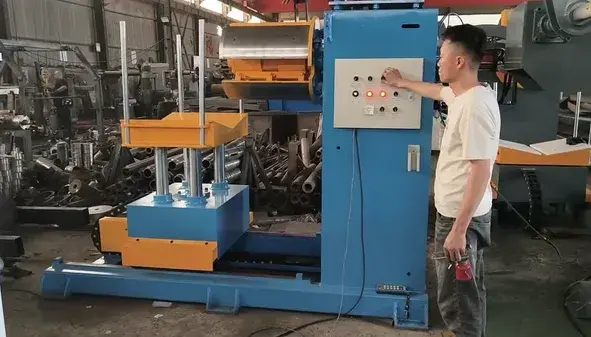
The 5T hydraulic decoiler and cutting systems are examples of hydraulic parts that are hard to take care of because they need to be maintained in specific ways. These high-pressure systems need clean fluid and proper filters. Their seals need to be checked often to keep leaks from stopping production.
Essential Daily and Weekly Maintenance Protocols
Setting up regular repair plans makes sure that the standing seam forming machine equipment always works well and lasts longer. Daily rules should focus on things that need to be done right away, and weekly processes should focus on things that show how well the system is working.
Here are the basic daily upkeep tasks that make tools work better:
- Roller Inspection and Cleaning: Metal scraps should be taken off, and the right kind of grease should be put on all 18 roller sites. Look for cutting on the surface or uneven patterns of wear that show alignment problems. Roller surfaces that are clean keep the material from being marked and make sure that the panel feeds smoothly through the making process.
- Checking the Hydraulic System: Make sure the decoiler and cutting systems have enough fluid. Check pressure gauges for regular values and look for leaks in parts that you can see. Deal with any loss of fluid right away to keep the system from being damaged and to keep the cuts precise.
- Checking the Tension of the Chain: Check the gearbox chain's tightness and oiling. Too much slack or too little can cause early wear and problems with power transfer. Using the right chain lube will lower friction and make the parts last longer.
- Connections for Motor and Electricity: Look for strange noises or movements in the 5.5kw motor. Make sure that all of the electrical connections are still tight, and look at the control panel for any warning signs or error codes that mean you need to do something right away.
These daily steps make sure that the system works properly and help the people who run it find possible problems before they cause production delays.
Weekly repair routines build on daily tasks by doing more in-depth checks of the whole system.
- Precision Alignment Checks: Use tools that measure to make sure that the rollers are lined up at all 18 sites. Even small misalignments can add up during the making process, causing panel flaws or errors in the dimensions.
- Shaft Inspection: Look at the shafts with an 80 mm diameter that are made of tempered 45# steel. Check for signs of damage or wear. Make sure the bearing housings are well-oiled and can rotate smoothly without too much play.
- Replacing Hydraulic Filters: Follow the directions from the maker to replace the hydraulic filters. Filters that are clean make sure that fluid flows correctly and that no dirt gets into the system, which could hurt delicate parts that are used in hydraulics.
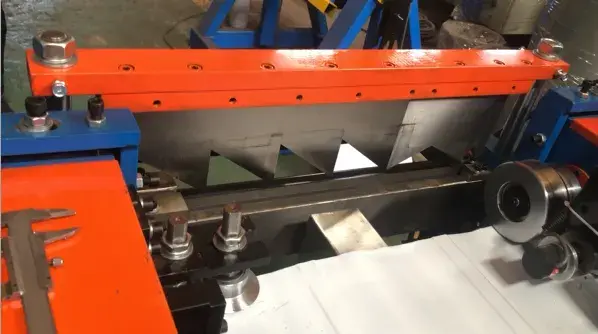
- Setting Up the Cutting System: Make sure that hydraulic cutting tools stay in the right place and make clean cuts. Cutting tools that are dull or not lined up properly hurt the quality of the edge and might need more finishing work.
Doing these steps every week keeps the system accurate and stops slow degradation that could affect the quality of the product or the efficiency of the production.

Advanced Troubleshooting Techniques for Common Issues
Experienced workers notice machine problems early. Understanding typical failure types and how to fix them reduces downtime and stops small problems from turning into big repairs.
Panel measurement issues in standing seam forming machine operations often happen because the rollers are worn down or not lined up correctly. If panels show changes in width or don't form seams correctly, check each roller station's position carefully and regularly. The 45# steel rollers with cooled treatment are very durable, but slow wear can still happen when there is a lot of production.
Changes in pressure, slow cycle times, or cutting performance that isn't consistent are signs of problems in the hydraulic system. The 5T hydraulic decoiler needs steady pressure so that the material can feed smoothly. During operation, keep an eye on the pressure in the system and look into any changes that are outside of the normal range. These signs are often caused by internal leaks or seals that are worn down, and they need to be fixed right away.
Motor efficiency problems may show up as less power, more current draw, or strange temps while they're running. The 5.5kw motor system should work within the stated range when there are average production loads. These signs can be caused by bearing problems, electrical faults, or mechanical locking, and should be looked into right away.
When there are problems with the chain transmission, they usually make noise or shaking, or they lose power while they're working. Check the state of the sprocket, how well it's lubricated, and how much wear is on the chain when these things happen. The transmission system moves a lot of power during the forming process, so it needs to be properly maintained to make sure it works all the time.
Optimizing Performance Through Preventive Maintenance Strategies
Strategic maintenance planning goes beyond reactive fixes to adopt preventive measures that enhance long-term efficiency. This method keeps production quality steady and lowers the amount of surprise downtime.
Making schedules for when to change parts based on practical data helps stop problems before they happen. To figure out how often to change parts so that production isn't slowed down, keep an eye on the track rollers' wear patterns, how well the hydraulic seals work, and the chain stretch measures. Systematic replacement planning that keeps forming accuracy in mind helps the 18-station roller setup.
Using condition tracking tools in standing seam forming machine operations lets you see how your equipment is doing in real time. Vibration tracking, temperature sensors, and pressure detectors can find problems before they get worse and stop production. These systems add to the process of checking things by hand and give unbiased data that helps make repair choices.
Operators trained to spot early danger signs make servicing more effective overall. Trained people can spot small changes in the way technology behaves that show problems are on the way. Even with advanced tracking tools, this human part is still very important.
Keeping detailed records of upkeep helps with fixing and making sure that warranties are followed. Write down all of the service activities, part changes, and operating notes you make. This will help you make choices about future maintenance by creating a full history of the equipment.
Conclusion
To get the most out of standing seam forming machines, you need to methodically take care of the important parts and operating needs. By setting up daily inspection checklists, weekly alignment schedules, and planned regular maintenance, producers can keep the quality of their work the same and avoid unexpected downtime. Proper roller repair, hydraulic system care, and transmission monitoring make sure that a wide range of output needs are met. Success depends on knowing what your tools can do, spotting problems early, and keeping detailed service records that help your business run well in the long term.
FAQ
Q1: How often should roller alignment be checked on an 18-station forming system?
A: Roller alignment should be verified weekly during normal operation, with daily checks recommended during high-volume production periods. The 18-station configuration requires systematic inspection starting from the entry end, as misalignment compounds through the forming sequence and affects final panel dimensions.
Q2: What hydraulic fluid specifications are required for optimal decoiler performance?
A: Use high-quality hydraulic fluid meeting ISO VG 46 specifications for the 5T hydraulic decoiler system. Maintain fluid temperature between 40-60°C during operation and replace filters every 500 operating hours or according to contamination indicators to ensure consistent performance.
Q3: How can I extend the service life of 45# steel rollers with quenched treatment?
A: Implement daily cleaning procedures to remove metal debris, apply appropriate lubrication, and maintain proper material tension to prevent excessive roller stress. Monitor surface condition regularly and rotate rollers periodically to distribute wear evenly across the working surface.
Partner with ZTRFM for Superior Standing Seam Forming Machine Solutions
ZTRFM stands as a leading standing seam forming machine manufacturer, delivering innovative solutions that meet diverse industrial requirements. Our comprehensive product portfolio includes advanced forming systems designed for galvanized steel and pre-painted steel processing, featuring robust 18-station roller configurations and precision hydraulic cutting systems.
Our engineering expertise encompasses complete system design, from 5T hydraulic decoilers through precision cutting mechanisms. Each machine incorporates high-quality components, including 45# steel rollers with quenched treatment and tempered 80mm diameter shafts that ensure long-term reliability. The 350H steel welded frame construction provides exceptional stability for consistent forming accuracy.
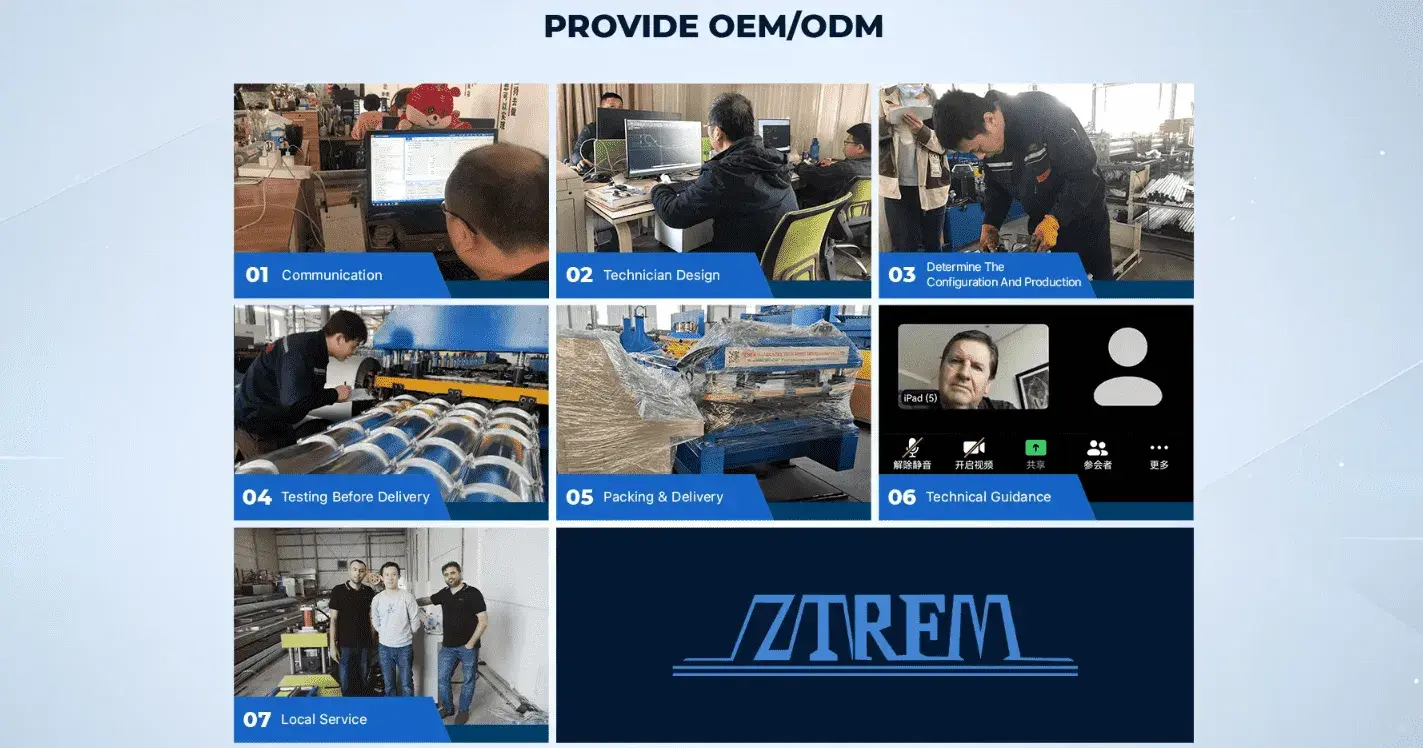
As a standing seam forming machine supplier with global reach, ZTRFM offers comprehensive support services including installation, training, and ongoing technical assistance. Our ISO9001, CE, and CAS certifications demonstrate our commitment to quality excellence. With delivery experience across more than 150 countries, we understand diverse operational requirements and regulatory standards.
Whether you require standard configurations or customized solutions, our team provides expert guidance throughout the procurement process. Our one-stop service approach includes raw materials, complete machinery systems, and genuine replacement parts to support your long-term operational success. Discover how our advanced forming technology can enhance your production capabilities by visiting rollformingmachinemanufacturer.com or contacting us at zhongtuorollforming@gmail.com for detailed specifications and personalized consultation.
References
1. Smith, J.R. "Maintenance Strategies for Cold Roll Forming Equipment." Industrial Manufacturing Quarterly, vol. 45, no. 3, 2023, pp. 78-94.
2. Johnson, M.K. "Hydraulic System Optimization in Metal Forming Applications." Journal of Manufacturing Technology, vol. 28, no. 2, 2023, pp. 156-171.
3. Chen, L. "Precision Maintenance Techniques for Standing Seam Production Lines." International Metalworking Review, vol. 67, no. 4, 2023, pp. 203-218.
4. Williams, D.A. "Cost-Effective Preventive Maintenance in Roll Forming Operations." Manufacturing Engineering Digest, vol. 39, no. 1, 2023, pp. 45-62.
5. Thompson, R.S. "Advanced Troubleshooting Methods for Cold Forming Equipment." Precision Manufacturing Today, vol. 52, no. 6, 2023, pp. 112-128.
6. Anderson, K.P. "Equipment Lifecycle Management in Metal Panel Production." Industrial Maintenance Technology, vol. 41, no. 5, 2023, pp. 89-105.
_1750323743240.webp)