- English
- French
- German
- Portuguese
- Spanish
- Russian
- Japanese
- Korean
- Arabic
- Irish
- Greek
- Turkish
- Italian
- Danish
- Romanian
- Indonesian
- Czech
- Afrikaans
- Swedish
- Polish
- Basque
- Catalan
- Esperanto
- Hindi
- Lao
- Albanian
- Amharic
- Armenian
- Azerbaijani
- Belarusian
- Bengali
- Bosnian
- Bulgarian
- Cebuano
- Chichewa
- Corsican
- Croatian
- Dutch
- Estonian
- Filipino
- Finnish
- Frisian
- Galician
- Georgian
- Gujarati
- Haitian
- Hausa
- Hawaiian
- Hebrew
- Hmong
- Hungarian
- Icelandic
- Igbo
- Javanese
- Kannada
- Kazakh
- Khmer
- Kurdish
- Kyrgyz
- Latin
- Latvian
- Lithuanian
- Luxembou..
- Macedonian
- Malagasy
- Malay
- Malayalam
- Maltese
- Maori
- Marathi
- Mongolian
- Burmese
- Nepali
- Norwegian
- Pashto
- Persian
- Punjabi
- Serbian
- Sesotho
- Sinhala
- Slovak
- Slovenian
- Somali
- Samoan
- Scots Gaelic
- Shona
- Sindhi
- Sundanese
- Swahili
- Tajik
- Tamil
- Telugu
- Thai
- Ukrainian
- Urdu
- Uzbek
- Vietnamese
- Welsh
- Xhosa
- Yiddish
- Yoruba
- Zulu
Three Main Types of Purlin Roll Forming Machines
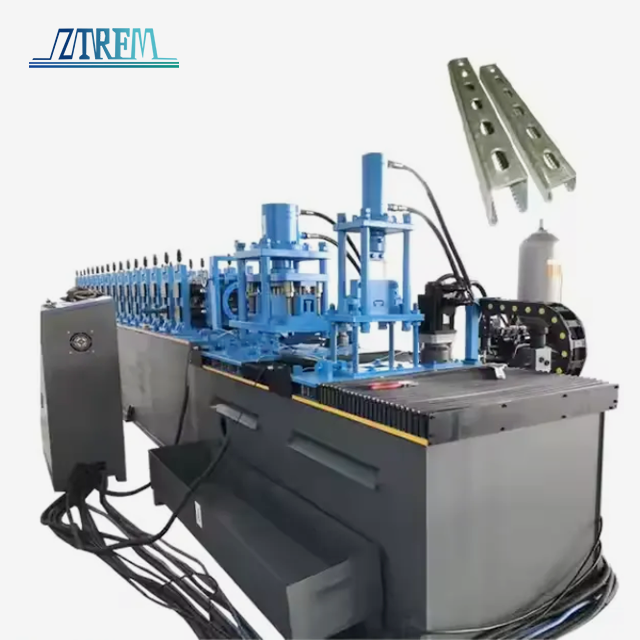
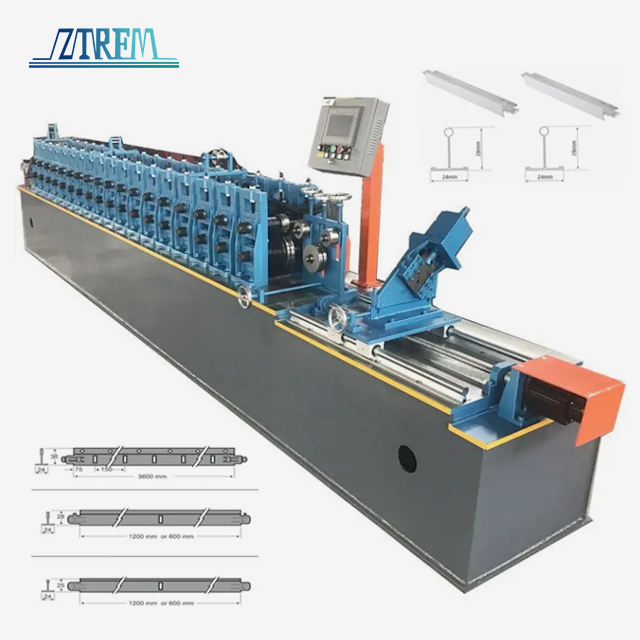
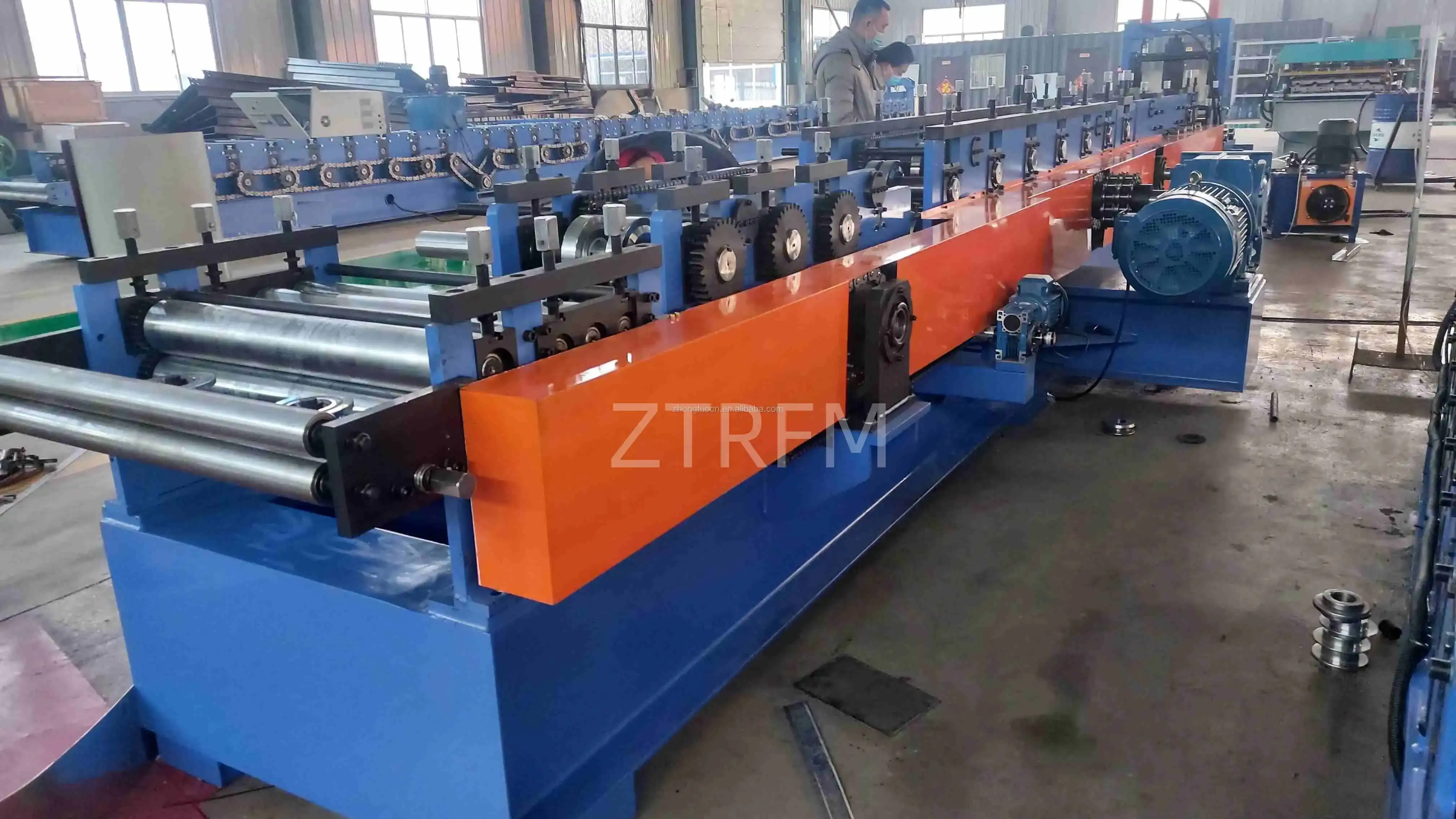
When looking for steel fabrication tools for building projects, it's important to know the differences between fully automatic, semi-automatic, and manual purlin forming systems. The C purlin making machine is a special kind of cold roll forming equipment that is made to make C-shaped structural steel channels from hot-rolled or galvanised steel strips that are wound around a roll. Modern purlin-forming machines combine uncoiling, levelling, servo-driven punching, continuous roll forming, and hydraulic cutting into a single automated production line. This is different from traditional press braking methods, which stop and start and require a lot of work. Choosing the right type of machine has a direct effect on how fast and accurately you can make things, how much material you waste, and how competitive you are in the market for structural steel.
Understanding Purlin Roll Forming Machines: Types and Functions
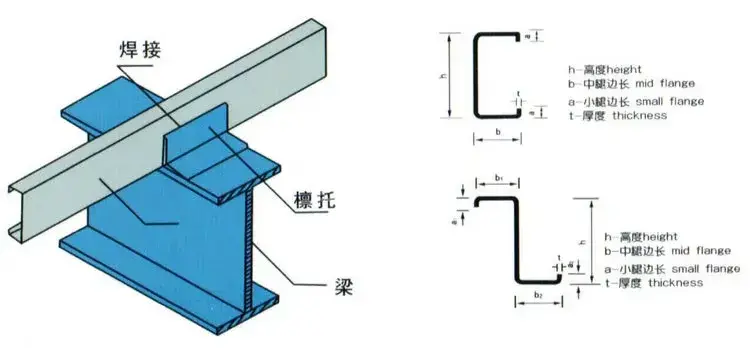
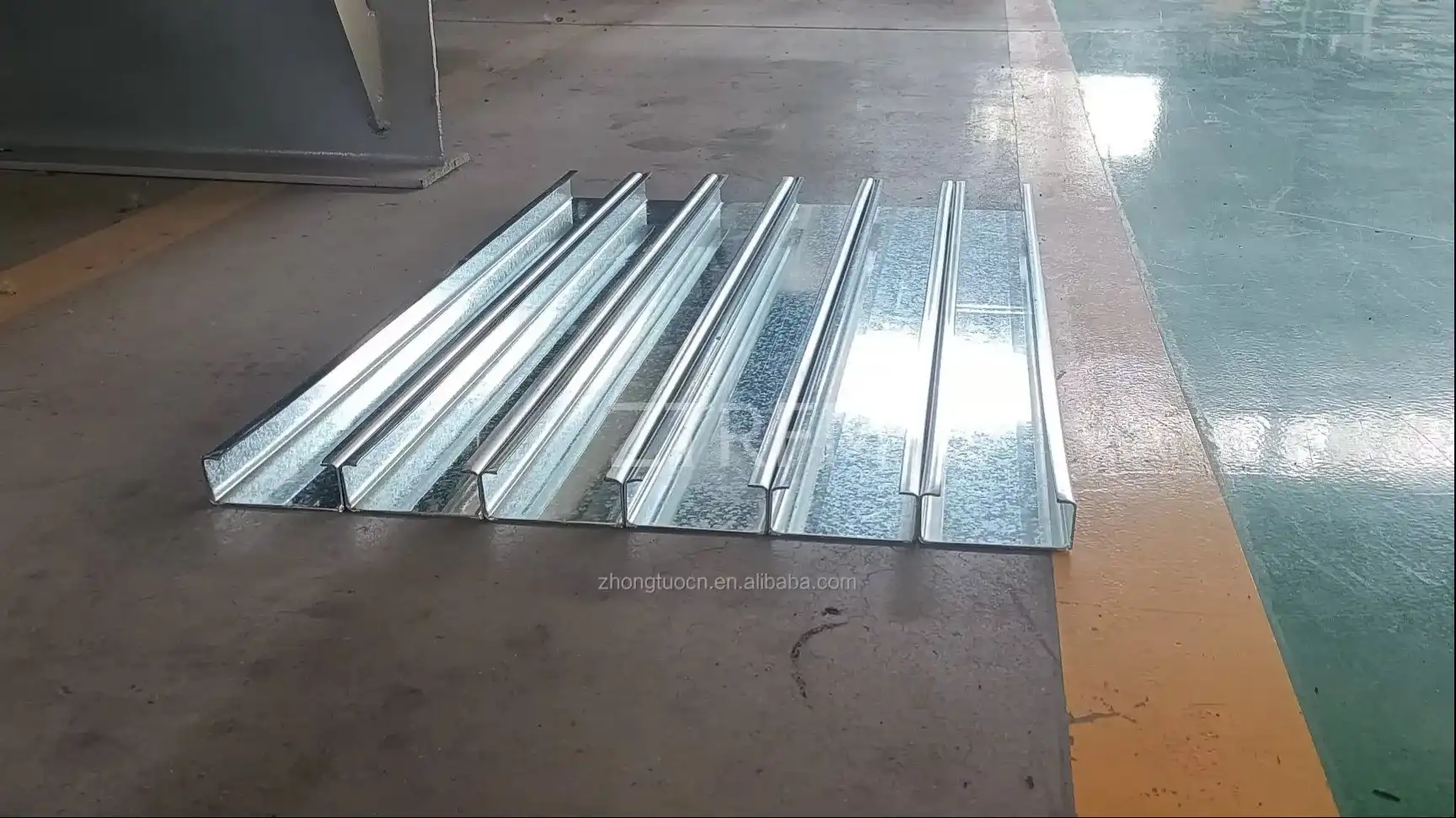
In pre-engineered buildings, warehouses, and industrial facilities, purlins are horizontal structural members that hold up the roofs and walls of cladding systems. C-shaped and Z-shaped purlins are used for different architectural purposes depending on how the load needs to be distributed and how the structure is put together.
Structural Differences Between C and Z Purlins
The C purlins have a basic channel profile with a web and two flanges. They are easy to install and can hold a lot of weight for single-span applications. Z purlins have an angled web design that lets connections overlap during installation. This makes them better for continuous multi-span systems that need flexible joinery for thermal expansion and contraction. Z profiles need more complex roll forming tools than C profiles because of their complicated geometry.
Industrial Applications Across Construction Sectors
These structural parts are very important to companies that make pre-engineered buildings. Purlins are used as frames for corrugated sheets and standing seam panels by companies that make metal roofing systems. Solar mounting structure builders are asking for high-zinc coating purlins (Z275–Z600) more and more so that they can stand up to being outside in large photovoltaic farms. Manufacturers of warehouse racking systems use C-channel profiles as uprights and beams in heavy-duty storage solutions. This is because accurate measurements directly affect the safety of the structure.
Three Primary Machine Categories
When changing the specifications of a product, operators of manual purlin forming machines have to physically move spacers and forming stands. Motorised adjustment systems in semi-automatic machines cut down on changeover time while still letting the operator keep an eye on important parameters. Fully automatic purlin forming machines use PLC-controlled servo systems that allow sizes be changed quickly through digital interfaces. This means that no one has to do anything by hand, and the setup time for production drops from hours to minutes.
Detailed Analysis of the Three Main Types of Purlin Roll Forming Machines
Knowing the differences in structure and operation between fully automatic, semi-automatic, and manual systems helps people who buy things match the capabilities of equipment to production needs and growth expectations.
Manual Purlin Roll Forming Machines
Manual systems are the most basic type of technology used in metal forming. To change the size of a profile, operators physically move and remove spacers along forming shafts. Most of the time, these machines have 12 to 16 forming stations with 45# steel shafts and 400 H steel frames to make them strong. The initial investment costs are still pretty low, but the changeover process is very labour-intensive and takes 2 to 4 hours per specification change, which limits the production flexibility. With speeds of 8 to 15 metres per minute, the thickest material that can be formed is usually between 1 and 3 mm. The 11–15kw main motor drives the system through a chain transmission. Hydraulic cutting systems with 5.5–7.5 kW motors use blades made of Cr12 steel that has been hardened to 60–62°C. For small fabrication shops that only make a few standard ranges of parts or custom profiles for unique projects where the frequency of changeovers is low, manual machines work well.
Semi-Automatic Purlin Forming Systems
Semi-automatic machines are in the middle of fully automated and manual work, and this includes the C-purlin-making machine. These systems have motorised adjustment features that let workers move forming stands around using control panels instead of physically moving them. Changeover time is usually cut down to 30 to 60 minutes, which is a big boost in productivity compared to manual systems. The equipment has the same basic structure, with 45# steel shafts, 400 H steel frames, and 12–16 forming stations, but it has electronic controls that make adjustments more accurate every time. Semi-automatic systems improve the accuracy of measurements because they don't require people to make mistakes when setting them up. This technology helps production facilities that are going through moderate changes in specifications because it strikes the best balance between investing in automation and being able to change how things are done. This makes the return on investment the best it can be for growing manufacturers.
Fully Automatic Purlin Roll Forming Machines
The most advanced roll-forming technology is fully automatic systems. PLC-controlled servo systems let operators enter the profile dimensions they want using touchscreens. This causes the forming stands to move in sync along precise linear guides. Changeover time cuts down to 2–5 minutes, which greatly improves the flexibility of production schedules. These high-tech machines have GCr15 bearing-grade steel rollers that have been heat-treated to HRC 58–62 to make them very resistant to wear from rough galvanised coatings. Shaft diameters usually get bigger—to 75–90 mm—so they don't bend when heavy loads are put on them during forming. Automated systems keep forming speeds between 15 and 25 metres per minute, depending on how complicated the punching is. For profiles that aren't punched, some configurations can reach 30 metres per minute. Better motor control and less idle time make energy efficiency better. Labour needs to drop by a lot, and often, a single operator is needed to watch over whole production lines. This technology makes high-volume manufacturers that work with a wide range of project specifications more competitive. It lets them quickly switch between C and Z profiles, change web depths, and change flange widths without having to wait for production to finish.
Key Considerations When Choosing a Purlin Roll Forming Machine
To make sure of long-term operational success, choosing the right roll-forming equipment means carefully looking at production needs, budget, and supplier capabilities.
Production Volume and Specification Diversity
Figure out how much you expect to produce each year in linear metres and tonnes. Write down the range of profile sizes your projects need, such as web heights (usually 80–300mm), flange widths (40–80mm), and material thicknesses. Facilities that make fewer than three different versions of a specification may be able to get by with manual systems. Semi-automatic equipment helps operations that deal with 5–10 specification types. Manufacturers who work on a wide range of projects with 15 or more different specifications get the most out of fully automatic systems, even though they cost more at first.
Automation Level and Labour Cost Analysis
Check out the local job market and wage rates in your area. Figure out how often the changeovers will happen based on how the project is scheduled. Operators of manual systems must be skilled and able to make precise mechanical adjustments. Semi-automatic equipment lowers the level of skill needed while still allowing for manual supervision. Fully automatic machines have easy-to-use digital interfaces that let less experienced operators handle complicated production schedules. In places with high wages, like the US, investing in automation usually pays off within 18 to 24 months by saving money on labour and speeding up work.
Total Cost of Ownership Assessment
The purchase price is only the first part of the equipment investment. Look at how much energy a machine uses, how often it needs to be maintained, and how easy it is to get replacement parts. Finding parts is easier when equipment uses standard parts like 45# steel shafts and Cr12 cutting blades. With 11–15 kW motors, machines moving at 8–15 metres per minute use less energy than high-speed systems but make less. To find out the true cost of production, you need to figure out the cost per metre of the finished product, taking into account things like wear and tear, energy use, and labour.
Supplier Certification and Global Support
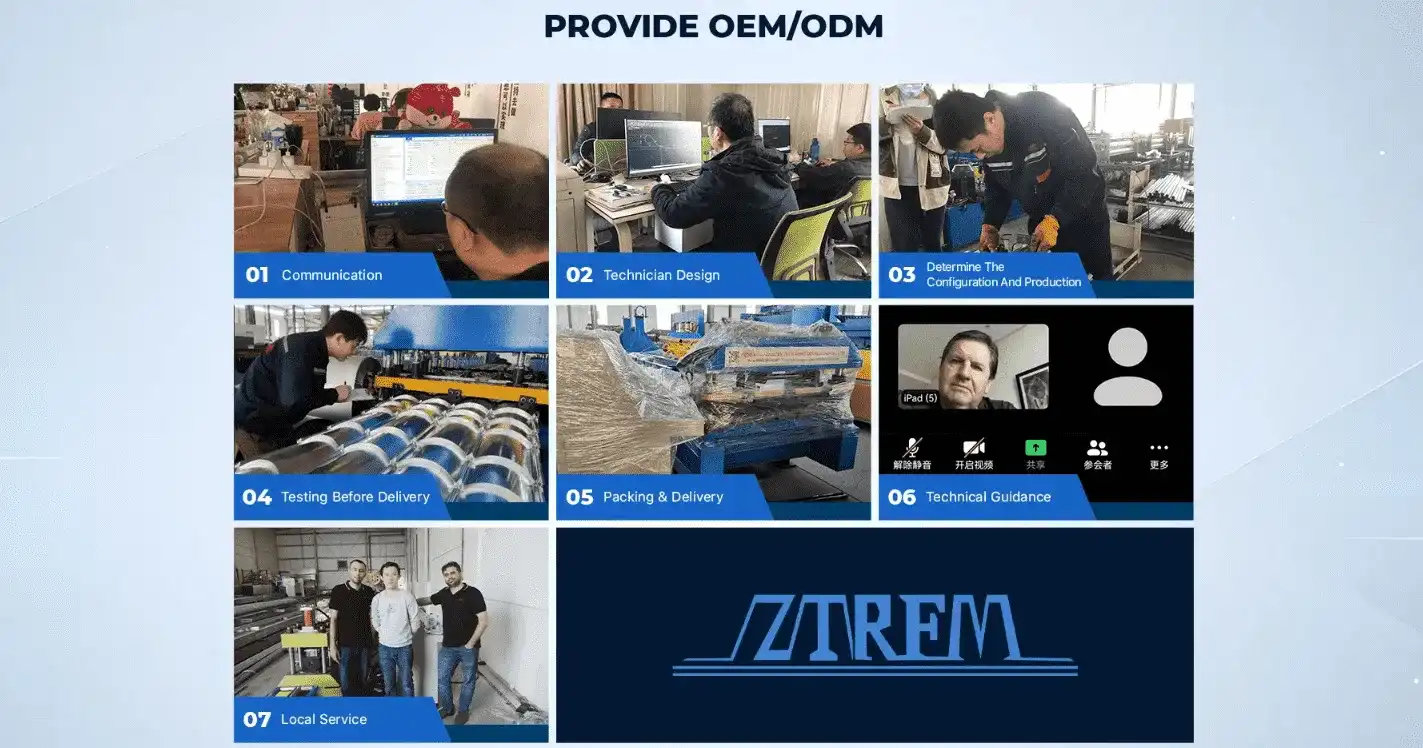
Partner choice has a huge effect on how well and how long equipment lasts. Reputable manufacturers keep their ISO9001 quality certifications, CE safety certifications, and CAS product certifications up to date. Cangzhou Zhongtuo was founded in 2014 as a national high-tech enterprise. We have provided roll-forming solutions to more than 150 countries by offering full OEM and ODM services, as well as supplying raw materials and supporting spare parts. Our engineering team creates solutions that are specific to the needs of production, and our quick technical support keeps downtime to a minimum. Manufacturers who don't have international certification or service networks that have been proven to work pose operational risks by providing inconsistent quality and poor after-sales support.
Benefits of Using Advanced C Purlin-Making Machines
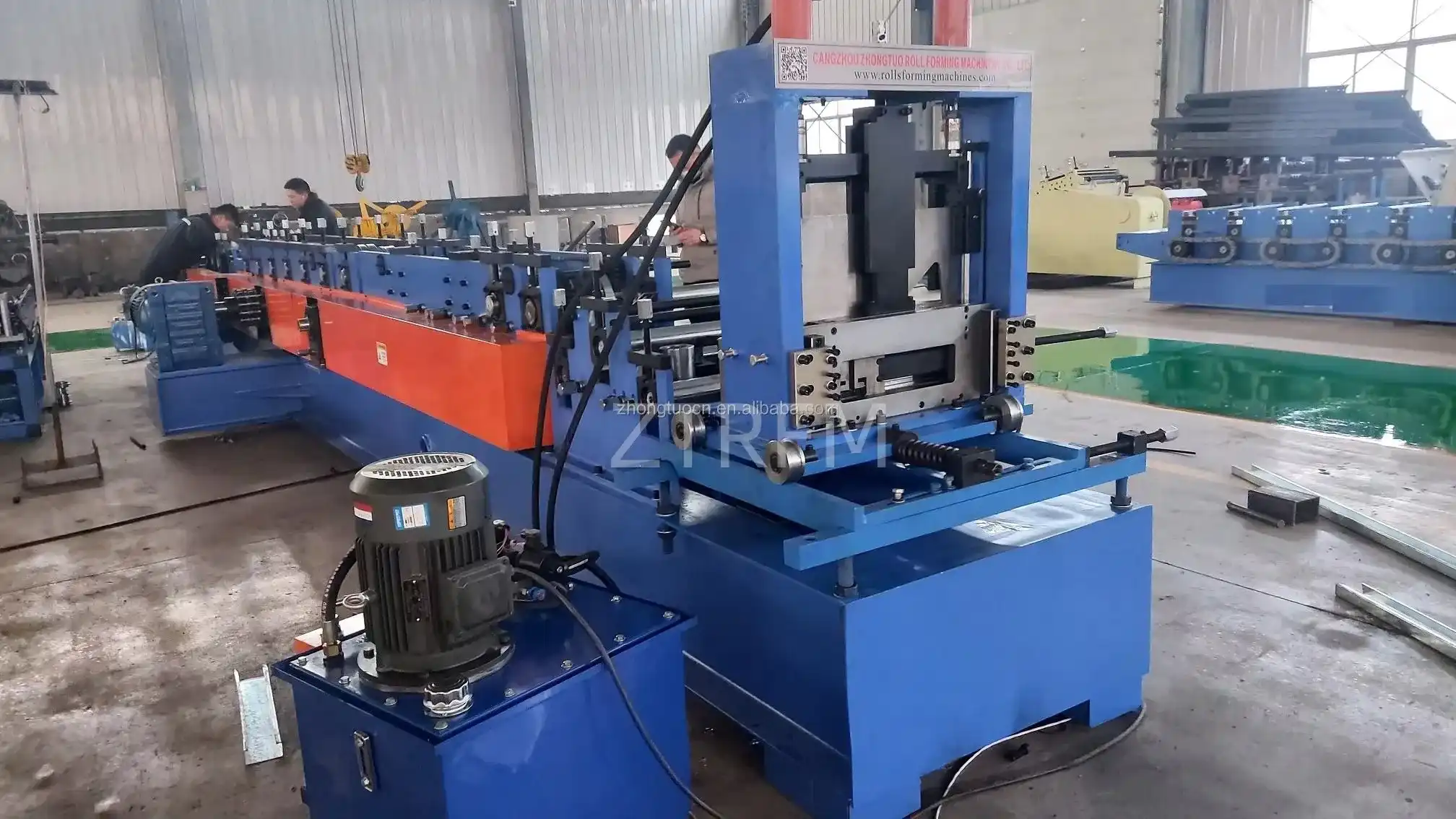
Modern roll-forming technology, such as the C-purlin-making machine, makes a real difference in productivity, quality, and profits, which is why forward-thinking manufacturers are willing to invest in new equipment.
Enhanced Production Efficiency and Material Utilisation
Modern systems cut down on waste by using precise roll forming that keeps cross-sectional dimensions the same throughout production runs. Automatic servo punching systems place holes with an accuracy of ±0.5 mm, which gets rid of the problems with assembly fit that come up with equipment that has to be adjusted by hand. When compared to older technology, continuous operation at 15 to 25 metres per minute greatly increases daily output. Our client, a Texas-based company that makes pre-engineered buildings, said that switching from manually operated to fully automated equipment increased production by 40%. This allowed the company to take on bigger projects and grow its market share.
Energy-Efficient Operation and Sustainability
These days, machines use variable frequency drive technology, which changes the motor speed based on the load, instead of running at full power all the time. Hydraulic cutting systems use proportional valve control to keep energy use as low as possible when the system is not in use. Some configurations save 20–30% of the energy used by older constant-speed equipment. This lowers operational costs and supports the company's efforts to be more environmentally friendly. Not only does precision forming save energy, but it also cuts down on waste material that would otherwise need to be recycled or thrown away.
Simplified Maintenance Through Modular Design
Modern machines are built in modules, and their bearing assemblies, chain drives, and cutting systems are all the same. This makes it easier to replace parts. Vibration sensors and temperature monitoring are used in predictive maintenance to find signs of wear before they lead to major failures. Some more advanced systems have remote diagnostics that let technicians from the manufacturer look at performance data and suggest fixes without having to visit the site. These features cut down on unplanned downtime that throws off production schedules and causes projects to be delayed, which costs a lot of money.
Maintenance Tips and Troubleshooting Common Issues in C Purlin Making Machines
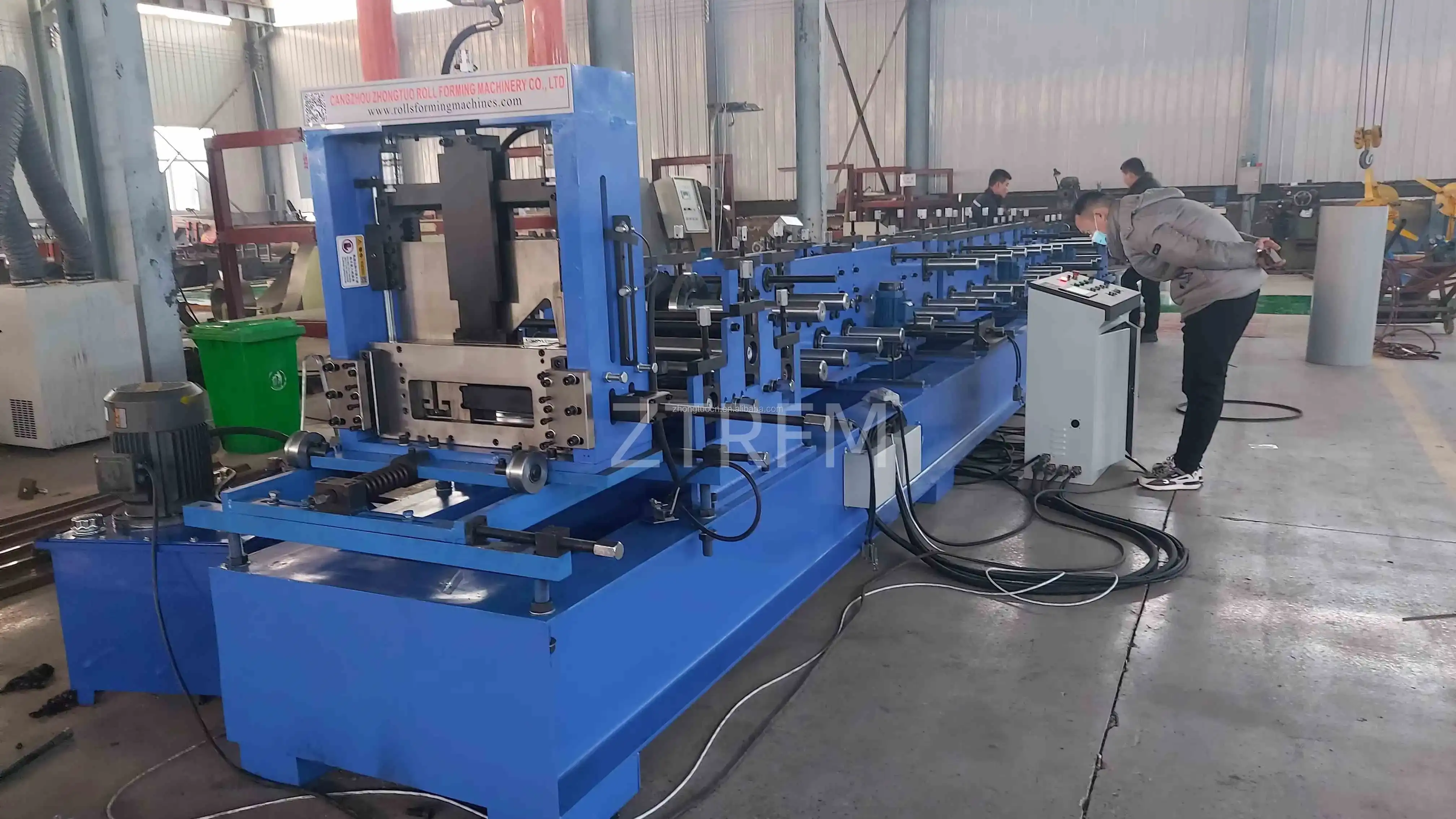
By following systematic maintenance protocols and learning how to do diagnostics, you can make sure that your equipment always works well and extend its useful life.
Preventive Maintenance Schedules
Set up daily inspection routines that include checking the level of hydraulic oil, visually inspecting the chain tension, and making sure that the safety interlocks work properly. As part of weekly maintenance, the forming shaft bearings should be oiled with the right grease recommended by the equipment's maker. As part of the monthly routine, the roller surfaces are carefully checked for signs of wear, the gaps between the cutting blades are measured (usually between 0.3 and 0.5 mm for 2 mm material), and the alignment of the punching die is checked. As part of the machine's quarterly maintenance, the chain drive is fully inspected, hydraulic filter elements are replaced, and length measurement systems are calibrated. Professional evaluation of the structural frame alignment using precision levels, thermal imaging of electrical components to find problems before they get worse, and full replacement of hydraulic fluids should all be done once a year.
Common Issues and Diagnostic Approaches
In the case of a C purlin making machine, profile twist is usually caused by uneven pressure distribution across the forming rollers or uneven feeding of the material. To fix this, make sure the material goes into the forming section perfectly centred and slowly change the roller gaps at each station to make the forming pressure even. Dimensional errors are often caused by worn roller surfaces or shafts that have bent. Measure finished profiles more than once during production runs to find changes that are systematic versus those that are random. Too much energy use could mean that drive systems are mechanically stuck, hydraulic pumps aren't working as well as they should, or parts aren't lined up correctly, which causes friction that isn't needed. Keep an eye on the amperage draw while the machine is running and compare it to the starting values that were set during commissioning.
Conclusion
Which of the manual, semi-automatic, or fully automatic purlin roll forming machines to use depends on the amount of work that needs to be done, the variety of specifications, the cost of labour, and the company's growth plan. For low-volume speciality tasks, manual systems work best. Semi-automatic equipment strikes a good balance between flexibility and moderate automation. And for high-volume tasks, fully automatic machines are the most productive. It's just as important to compare equipment specs as it is to compare the total cost of ownership, supplier certification, and technical support capabilities. Modern systems with digital controls, energy-efficient drives, and modular maintenance designs offer huge cost savings and production flexibility that make capital investments worthwhile for competitive manufacturers.
FAQ
1. What distinguishes C purlin-making machines from Z purlin equipment?
C purlin-forming machines make simple channel profiles with webs and flanges that are perpendicular to each other. Z purlin systems, on the other hand, have angled webs that need special roller configurations. Many new machines can switch between CZ profiles by using rotating forming station assemblies that can turn 180 degrees. This lets both profiles be made on the same machine line, making the best use of the equipment.
2. How do material thickness ranges affect machine selection?
Standard machines can handle 1.5 to 3 mm material and come with 11 to 15 kW motors and standard roller materials. Heavy-duty machines that work with 3.0 to 4.0 mm high-tensile steel need reinforced shafts (90 mm diameter), better motors (18 to 22 kW), and GCr15 bearing-grade rollers to keep them from deflecting and wearing out. Make sure that the equipment's specs match your material needs to keep parts from breaking down too soon.
3. What causes dimensional variations in finished purlins?
Dimensional issues happen when roller gap settings aren't consistent, forming parts are worn out, shafts bend under load, and material isn't properly centred during feeding. Most accuracy problems can be fixed by using regular calibration procedures, keeping the roller surfaces in perfect condition, and making sure that material feeds directly into the forming sections. More advanced machines with servo-controlled adjustments keep their tolerances tighter than machines that are adjusted by hand.
Partner With ZTRFM for Superior CPurlin Making Machine Solutions
ZTRFM is an expert at designing and building high-performance roll forming systems that work well in tough production settings. With 12 to 16 forming stations, a 400 H steel frame, and hydraulic cutting systems, our fully automatic models offer very accurate measurements and production speeds of up to 15 meters per minute. As a certified manufacturer with ISO9001, CE, and CAS credentials, we provide comprehensive technical support and spare parts availability across 150 countries. Our engineering team works directly with clients to make sure that the specifications are tailored to their specific production needs. Reach out to our experts at zhongtuorollforming@gmail.com to talk about how our C Purlin making machine supplier capabilities can optimise your structural steel fabrication operations and accelerate business growth.
References
1. American Institute of Steel Construction. (2022). Specification for Structural Steel Buildings. AISC Publications, Chicago, Illinois.
2. Halmos, G.T. (2006). Roll Forming Handbook. Manufacturing Engineering Series, CRC Press, Boca Raton, Florida.
3. Metal Construction Association. (2021). Technical Bulletin on Cold-Formed Steel Purlins and Girts. MCA Technical Publications, Glenview, Illinois.
4. Yu, W.W. and LaBoube, R.A. (2010). Cold-Formed Steel Design (4th Edition). John Wiley & Sons, Hoboken, New Jersey.
5. Society of Manufacturing Engineers. (2019). Cold Roll Forming: Process Technology and Equipment Design. SME Technical Papers, Dearborn, Michigan.
6. International Organization for Standardization. (2018). ISO 10721: Steel Structures - Material and Design Standards. ISO Technical Committee Publications, Geneva, Switzerland.