- English
- French
- German
- Portuguese
- Spanish
- Russian
- Japanese
- Korean
- Arabic
- Irish
- Greek
- Turkish
- Italian
- Danish
- Romanian
- Indonesian
- Czech
- Afrikaans
- Swedish
- Polish
- Basque
- Catalan
- Esperanto
- Hindi
- Lao
- Albanian
- Amharic
- Armenian
- Azerbaijani
- Belarusian
- Bengali
- Bosnian
- Bulgarian
- Cebuano
- Chichewa
- Corsican
- Croatian
- Dutch
- Estonian
- Filipino
- Finnish
- Frisian
- Galician
- Georgian
- Gujarati
- Haitian
- Hausa
- Hawaiian
- Hebrew
- Hmong
- Hungarian
- Icelandic
- Igbo
- Javanese
- Kannada
- Kazakh
- Khmer
- Kurdish
- Kyrgyz
- Latin
- Latvian
- Lithuanian
- Luxembou..
- Macedonian
- Malagasy
- Malay
- Malayalam
- Maltese
- Maori
- Marathi
- Mongolian
- Burmese
- Nepali
- Norwegian
- Pashto
- Persian
- Punjabi
- Serbian
- Sesotho
- Sinhala
- Slovak
- Slovenian
- Somali
- Samoan
- Scots Gaelic
- Shona
- Sindhi
- Sundanese
- Swahili
- Tajik
- Tamil
- Telugu
- Thai
- Ukrainian
- Urdu
- Uzbek
- Vietnamese
- Welsh
- Xhosa
- Yiddish
- Yoruba
- Zulu
Solar Strut Channel Roll Forming Machine vs C Channel Machine: Key Differences
Knowing the main differences between a solar strut channel roll-making machine and a C channel machine is very important if you want to meet your output goals. Solar strut channel machines make slots, pre-punched channels that are perfect for solar mounting systems. C-channel machines, on the other hand, make standard structure shapes that are used in a wide range of building projects. The main differences are in the complexity of the shape, the accuracy needed for punching, the versatility of the application, and the need for punching. These are all things that have a direct effect on your production efficiency and market placing.
Understanding the Fundamental Design Differences
Solar strut channels and C channels are made for very different customers, which changes how they are made from the very beginning.
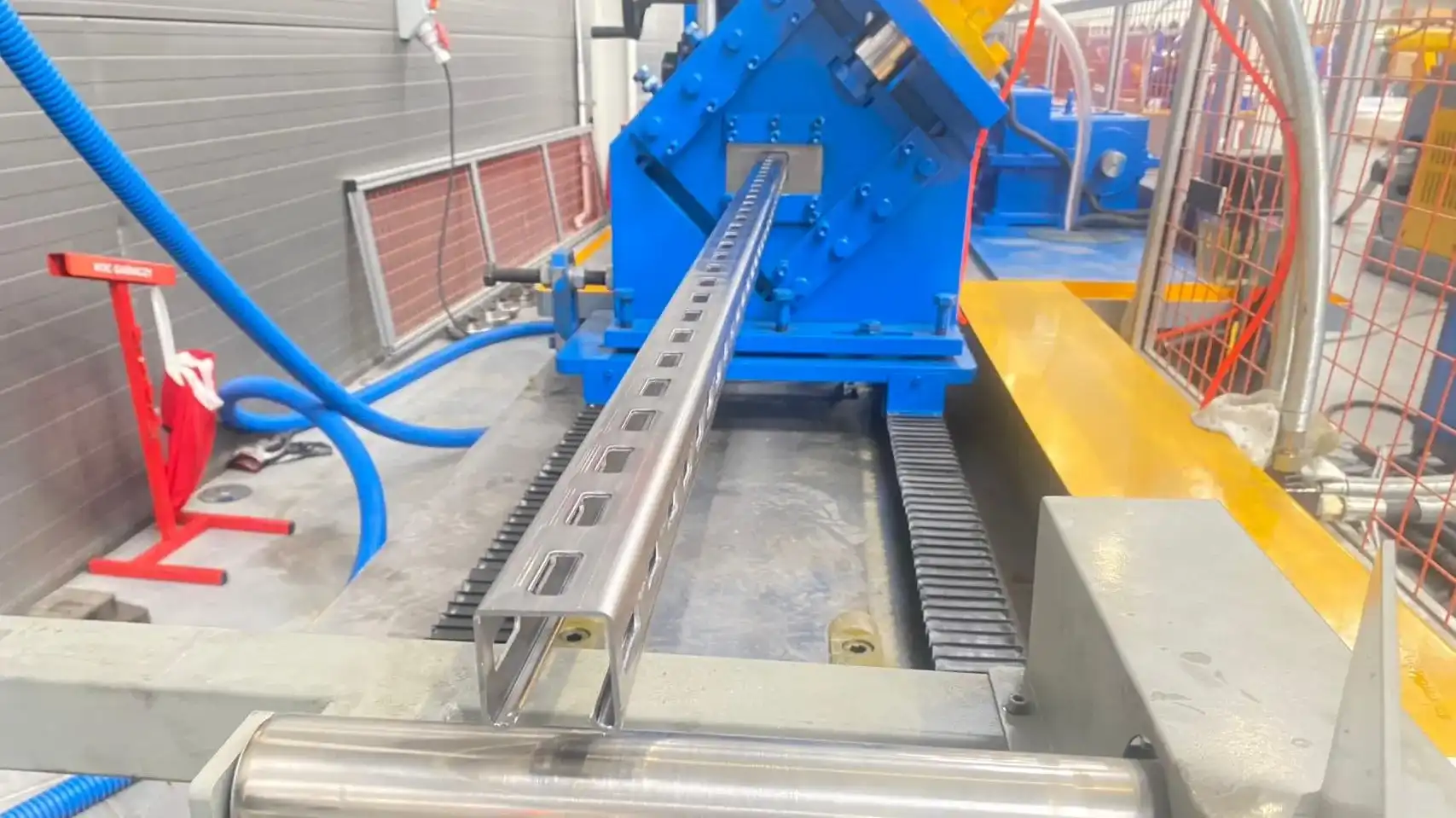
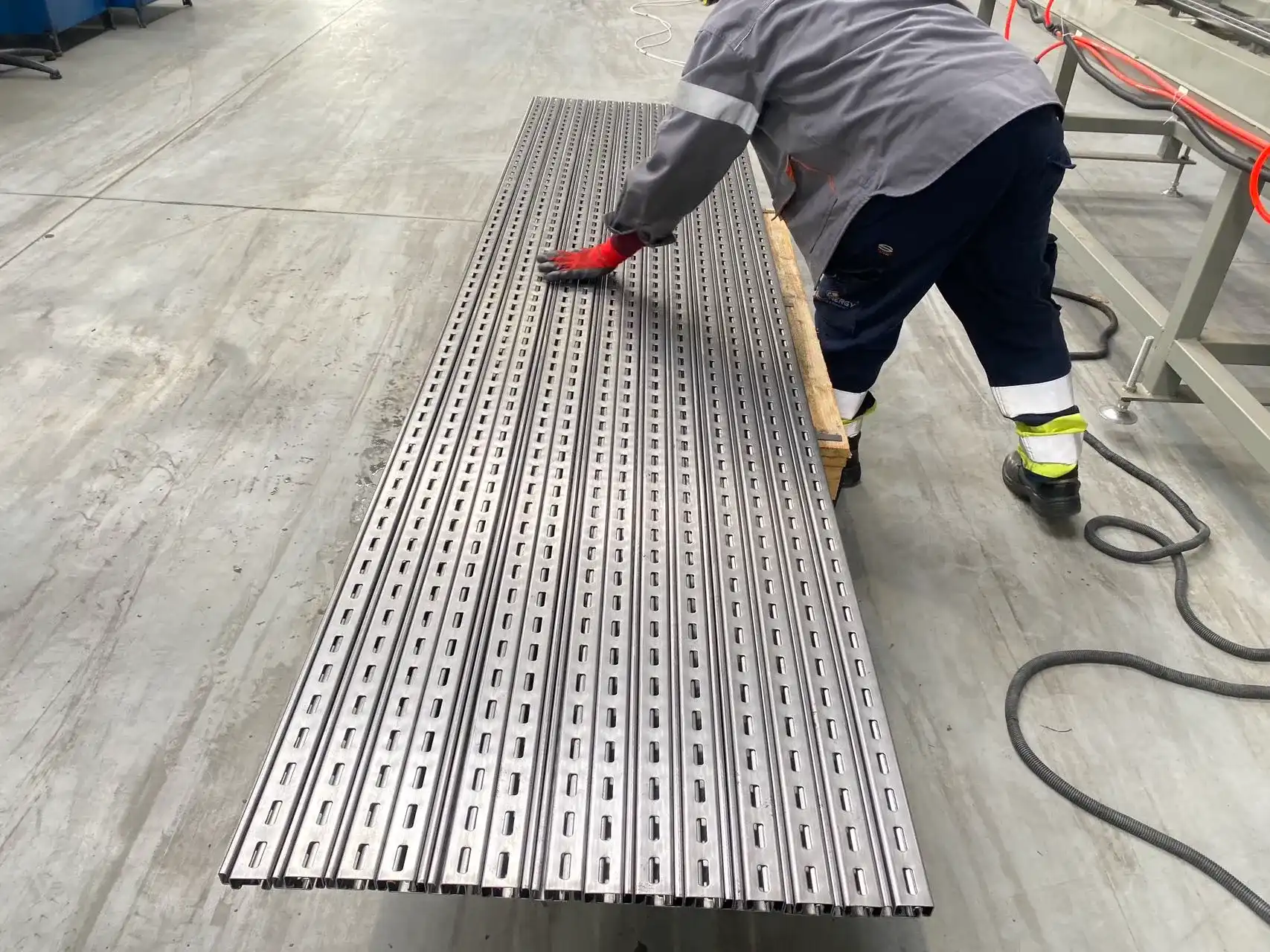
One-of-a-kind holes run all the way along the top of solar strut lines. These holes make it easy to quickly add PV panels without having to cut. Use this special gear to do it. Most of the time, the shapes are between 41×21mm and 41×62mm in size, and the slots must be exactly spaced for standard fastening tools to work. Most of the time, the material's thickness is between 1.5 mm and 2.5 mm, which is a good mix of strength and weight for installing on roofs.
The basic form of a C channel, on the other hand, is like the letter "C" when cut in half. These building parts are made of light steel and are used as purlins, supports and frame. Their sizes vary from 80 mm to 300 mm based on how much weight they need to hold. Not making difficult slot forms is not the goal during the making process. Instead, the goal is to get repeatable offset angles and a smooth web.
Three main differences in design:
- Profile Complexity: Solar strut channels need continuous slotting patterns with an accuracy of ±0.5 mm, and C channels need smooth ends without any holes in them.
- Material Specifications: Zinc-aluminium-magnesium coats that don't rust are used on C channels for solar uses instead of normal galvanised finishes.
- Dimensional Accuracy: Tolerances for photovoltaic mounting systems must be tighter (±1.5mm) than those for general structure uses (±2.0mm).
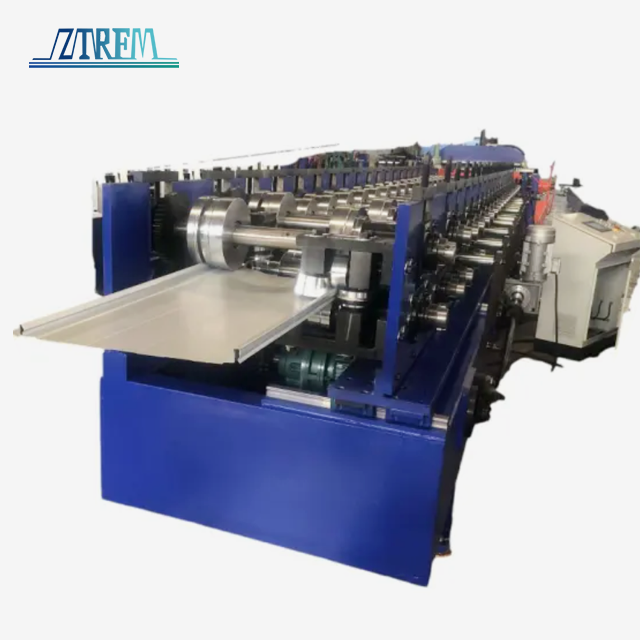
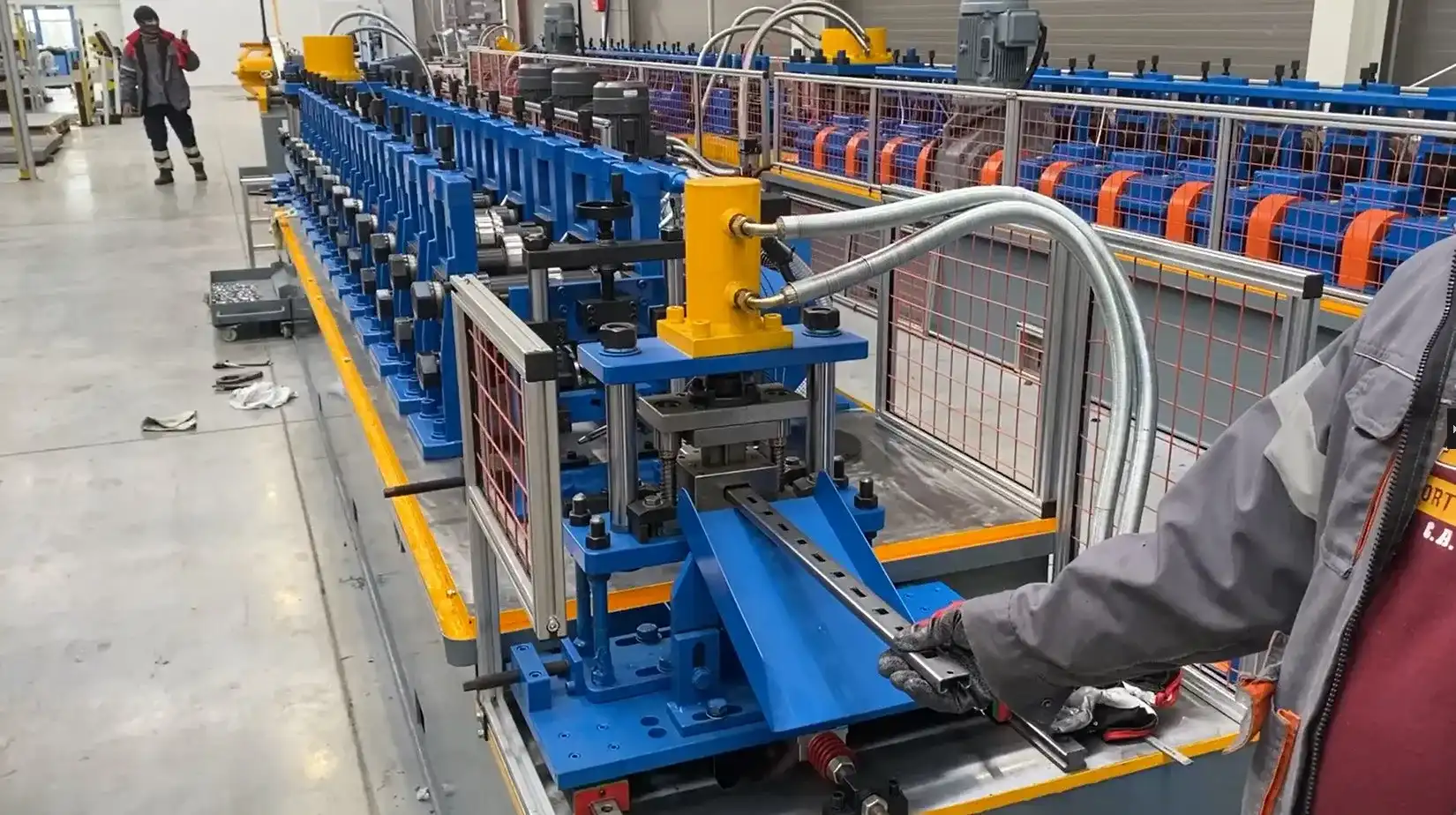
- Because of these changes, the roll-making tools for each shape type are also different. Solar strut channel production lines use high-tech punching systems, like online hydraulic punching or synchronised mechanical presses, to make slot shapes without stopping the making process. Most of the time, C-channel machines don't have any drilling stations at all, or they only have them when specific holes need to be made in certain places.
A solar strut channel roll-making machine has specific features that can help you get tools for the fast-growing green energy market. On the other hand, producers who serve a wider range of building markets gain from how flexible C channel production equipment is.
Production Process and Technical Capabilities Compared
The manufacturing workflow for these two profile types diverges significantly, affecting equipment selection and investment planning.
Solar Strut Channel Production Process:
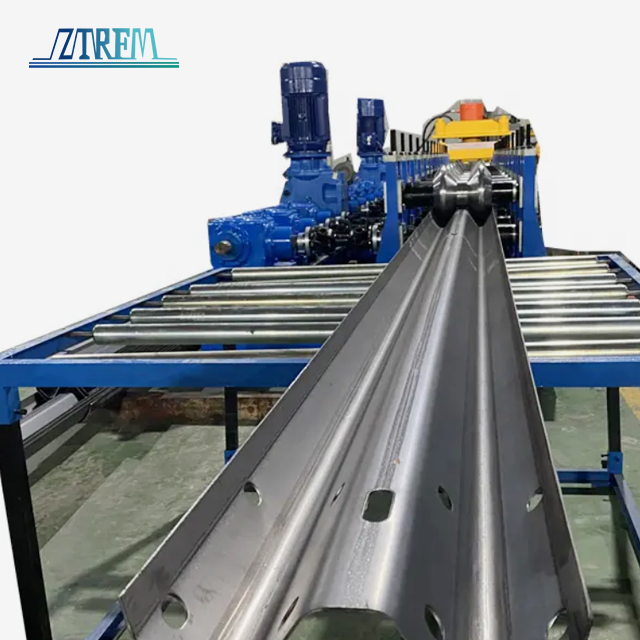
- The complete production line follows this sequence: decoiling → levelling → servo feeding → online punching → roll forming (20-24 stations) → hydraulic cutting → automatic stacking. The punching system represents the most critical component, creating continuous slot patterns at speeds matching the forming line. Zhongtuo's solar strut channel machines achieve forming speeds of 8-20 m/min, depending on material thickness and slot complexity.
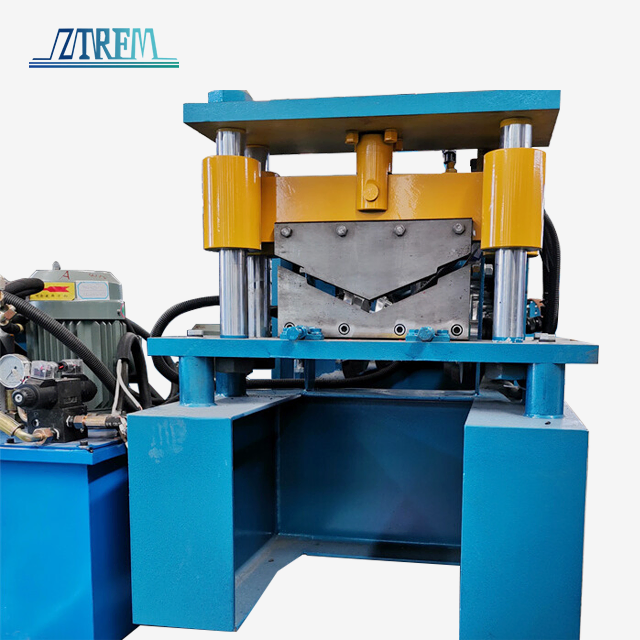
- Punching accuracy directly affects final product quality. The hydraulic punching system on ZTRFM machines delivers consistent hole placement with positioning accuracy of ±0.3 mm across continuous production runs. The Cr12 mould steel blades undergo quenched treatment (58-62°C hardness) to maintain sharp edges through extended production cycles, minimizing burr formation and reducing scrap rates below 2%.
C Channel Production Process:
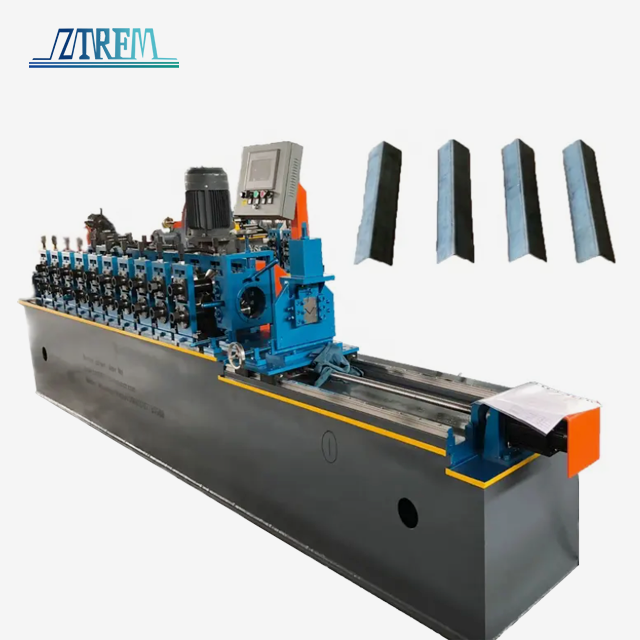
- C-channel manufacturing follows a streamlined path: uncoiling → feeding → roll forming (12-18 stations) → length measurement → cutting → collection. The reduced station count reflects simpler geometry—creating two flanges and one web without perforation requirements. Production speeds often reach 15-30 m/min for standard dimensions, translating to higher output volumes.
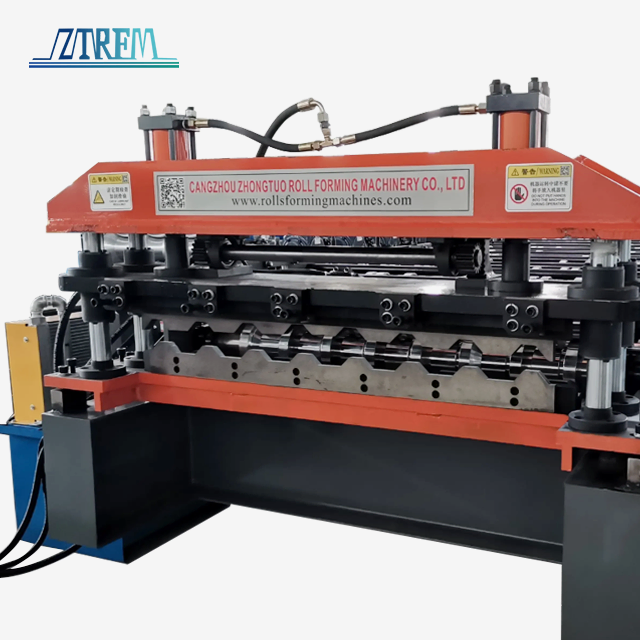
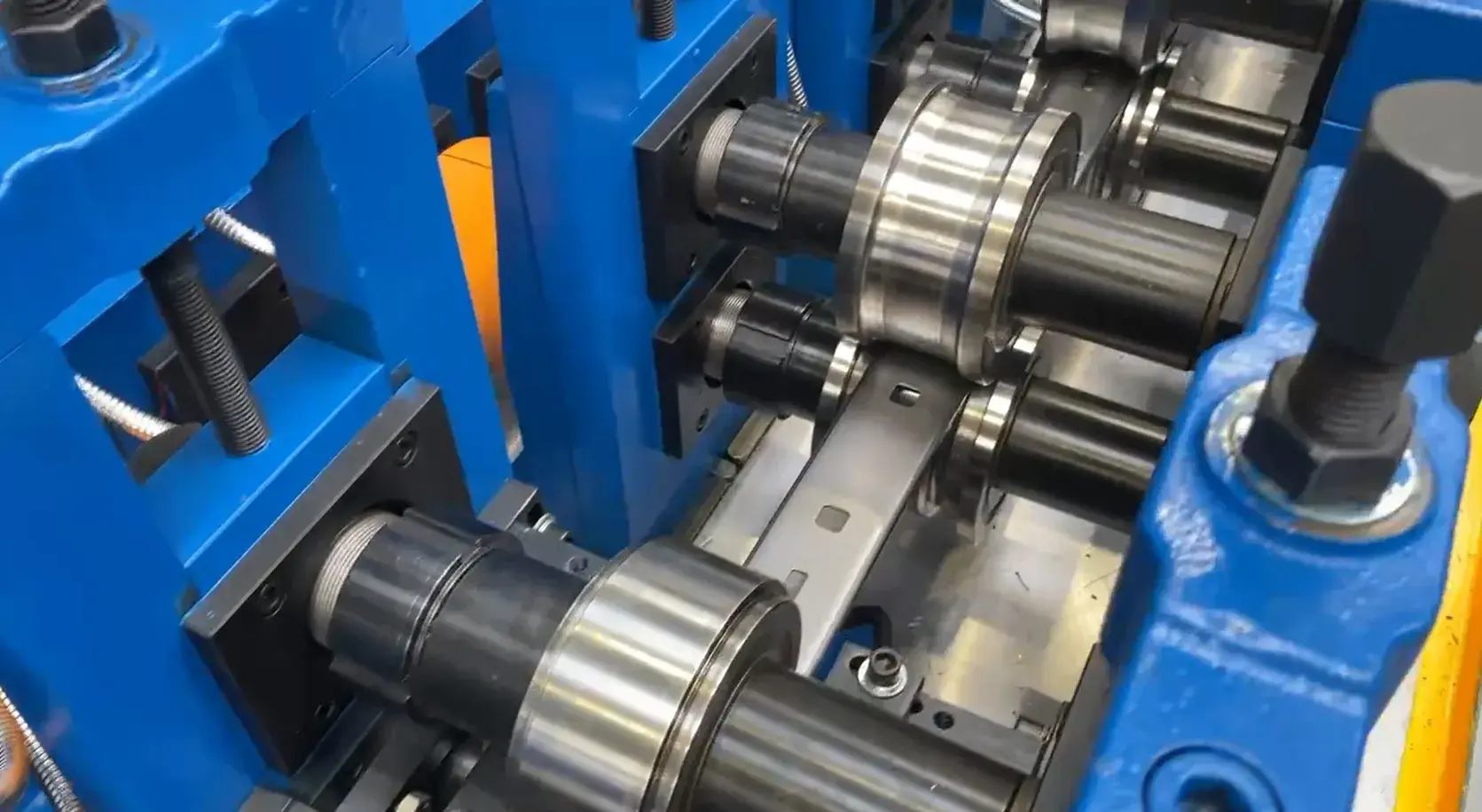
- The forming roller configuration differs substantially. C-channel machines space forming stations to gradually bend the profile without overstressing the material, while solar strut equipment must coordinate forming with punching operations. ZTRFM designs both machine types using GCR15 steel rollers with chrome treatment, ensuring durability across millions of production cycles.
Key Technical Parameter Comparison:
Parameter Solar Strut Channel Roll Forming Machine Forming Stations 20-24 stands, 12-18 stands, material thickness 1.5-2.5 mm, 1.5-3.0 mm Forming Speed: 8-20 m/min, 15-30 m/min. Punching System Integrated online optional/offline main motor power: 18-22 kW, 11-15 kW Dimensional Tolerance ±0.5-1.5 mm ±1.0-2.0 mm
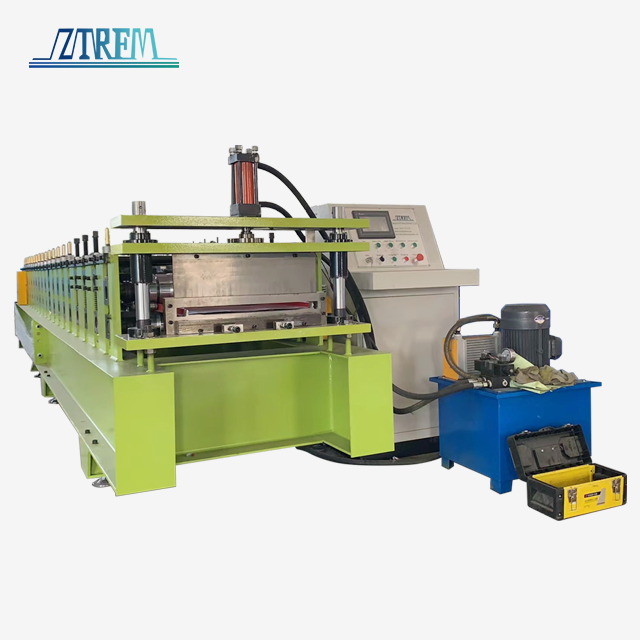
The automation level varies based on production volume requirements. Modern solar strut channel lines incorporate PLC control systems with touchscreen interfaces, enabling operators to adjust slot spacing, profile length, and production quantities through intuitive menus. ZTRFM integrates Siemens or Mitsubishi PLC systems with automatic length counting and alarm functions, reducing operator intervention during continuous production runs.
If you need multi-specification production capability with rapid changeover, consider whether your target market demands the slot precision of solar applications or the dimensional variety of structural channels. This decision fundamentally shapes your equipment investment and operational efficiency.
Application Scope and Market Positioning
Understanding where each profile type serves best helps manufacturers align equipment selection with business strategy.
Solar Strut Channel Applications:
- The photovoltaic industry represents the primary market for these specialized profiles. Ground-mounted solar farms utilize strut channels as the backbone of tracking systems, where modules follow the sun's movement throughout the day. Rooftop installations rely on these profiles to create secure mounting frameworks that withstand wind loads and environmental stresses over 25-year service lives. Commercial solar projects increasingly specify strut channel systems due to installation speed advantages—mounting hardware slides into pre-formed slots without drilling, reducing labour costs by 30-40% compared to traditional methods.
- Beyond solar applications, strut channels serve electrical installations, cable management systems, and HVAC support structures. The slotted design provides adjustment flexibility that contractors value when routing conduits and pipes in commercial buildings. Testing data from the Solar Energy Industries Association indicates that strut channel mounting systems demonstrate 15% faster installation times compared to traditional rail systems, driving adoption across utility-scale projects.
C Channel Applications:
- Light steel structure manufacturing consumes the majority of C-channel production. These profiles function as purlins in metal building systems, providing intermediate support between primary framing members and roof panels. Warehouse construction, agricultural buildings, and industrial facilities all incorporate C channels as cost-effective structural components.
- The versatility extends to racking systems, mezzanine floors, and modular shelving units. Manufacturers appreciate C channels for their favourable strength-to-weight ratios—a 2.0 mm thick C100 profile can span 4-5 metres while supporting substantial loads. Construction markets in developing regions show particularly strong demand as pre-engineered steel structures replace traditional building methods.
Market Growth Trajectories:
- Global solar installations reached 230 GW in 2023, with projections exceeding 350 GW annually by 2027, according to industry analysis. This expansion directly drives demand for solar mounting components, including strut channels. Manufacturers entering this sector benefit from sustained growth backed by government renewable energy mandates and declining PV module costs.
- The light steel construction market grows at approximately 6-8% annually, driven by urbanization and the need for rapid building deployment. C channel demand correlates with broader construction activity, making it more susceptible to economic cycles than the policy-driven solar sector.
If you need equipment positioned for high-growth renewable energy markets with premium pricing potential, solar strut channel machines align with long-term industry trends. Manufacturers serving established construction markets may find C-channel production offers stable demand with established distribution networks.
Investment Considerations and Return Analysis
Equipment pricing and operational costs differ substantially between these machine types, affecting your financial planning and profitability projections.
Initial Investment Comparison:
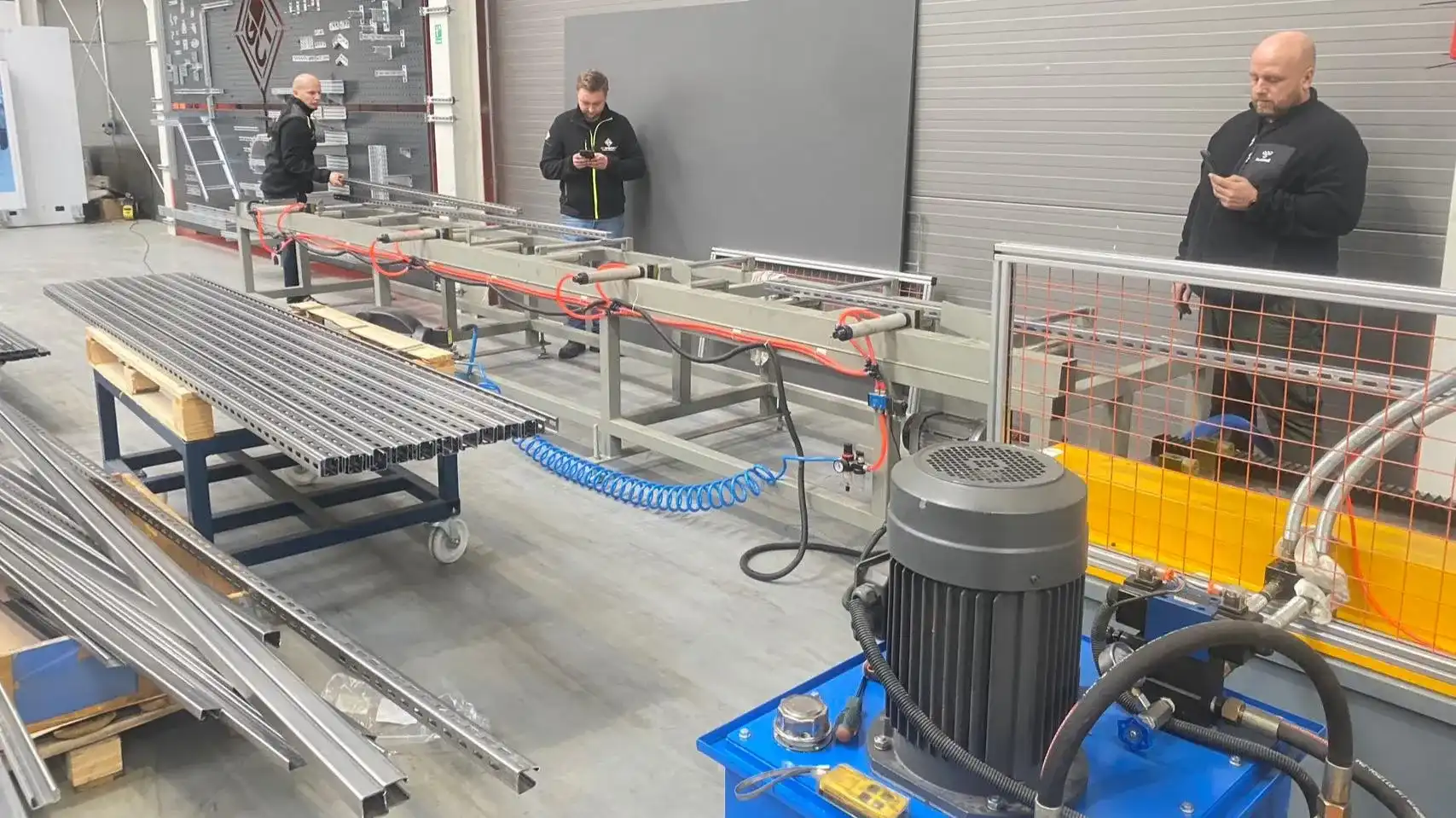
- A complete solar strut channel roll-forming machine with integrated punching systems typically requires investment between $45,000 and $85,000, depending on automation level and production capacity. The punching system alone accounts for $12,000-$18,000 of this cost. Additional expenses include coil handling equipment, hydraulic cutting systems (11 kW power requirement), and PLC control packages.
- C-channel machines present lower entry costs, ranging from $28,000 to $55,000 for comparable production speeds. The simplified profile geometry requires fewer forming stations and eliminates complex punching integration, reducing both equipment cost and installation complexity. A basic C80-C300 production line can start operation with minimal auxiliary equipment.
Operational Cost Analysis:
- Power consumption varies based on production intensity. Solar strut channel roll forming machines operating at 12 m/min with full punching engagement consume approximately 22 kW for the main drive plus 11 kW for hydraulic systems—totalling 33 kW during active production. At industrial electricity rates averaging $0.08-$0.12 per kWh, this translates to $2.64-$3.96 per hour.
- C channel production typically draws 15-18 kW total power, costing $1.20-$2.16 per hour under similar utility rates. The difference compounds over multi-shift operations, though solar strut manufacturers often command higher product pricing that offsets increased energy expenses.
- Maintenance requirements differ based on punching system complexity. Hydraulic components in solar strut machines need regular inspection—oil changes every 2,000 operating hours and seal replacements annually. The forming rollers and cutting blades share similar maintenance schedules across both machine types, with GCR15 chrome-coated rollers lasting 3-5 years under normal production conditions.
Production Efficiency Metrics:
Real-world production data from ZTRFM customers reveals important efficiency considerations:
- Solar strut channel machines produce 450-650 metres per hour (depending on slot spacing and material thickness).
- C-channel machines achieve 800-1,200 metres per hour for standard profiles
- Material utilization rates reach 96-98% for both profile types with optimized cutting programmes
- Scrap rates average 1.8% for solar strut production versus 1.2% for C channels, reflecting punching process complexity.
The higher per-metre pricing for solar strut channels frequently compensates for lower production volumes. Market data indicates solar mounting profiles sell for $1.80-$2.40 per metre versus $0.95-$1.35 per metre for standard C channels. This pricing differential significantly affects return on investment calculations.
If you need equipment that balances initial investment against market pricing potential, calculate your break-even point based on target production volumes and regional pricing. Solar strut machines require higher upfront capital but access premium-priced renewable energy markets. C-channel equipment offers faster payback periods in regions with active construction sectors.
Making the Right Equipment Choice for Your Business
The decision between solar strut channel and C channel production equipment ultimately depends on your market positioning, customer base, and growth strategy.
Evaluate Your Target Market
Manufacturers primarily serving solar installation contractors, renewable energy developers, or electrical system integrators should prioritize solar strut channel capabilities. The specialized nature of these products creates barriers to entry that support premium pricing and customer loyalty. Testing specifications from major solar developers increasingly require specific slot patterns and material grades that only dedicated strut channel equipment can produce efficiently.
Companies focused on light steel construction, building-material distribution, or general metal fabrication find C-channel machines deliver broader market access. The versatility to produce multiple structural profile types from a single production line reduces inventory complexity and responds better to fluctuating construction demand.
Consider Production Volume Requirements
High-volume manufacturers running continuous production should invest in fully automated solar strut channel lines with integrated punching systems. The efficiency gains from synchronized punching and forming operations justify the additional equipment cost when producing 5,000+ metres daily. ZTRFM's online hydraulic punching configuration achieves this production intensity while maintaining the dimensional accuracy that solar applications demand.
Lower-volume operations or manufacturers producing multiple product types benefit from flexible configurations. ZTRFM's offline punching option reduces initial investment while preserving the ability to expand automation as order volumes grow. This staged investment approach particularly suits startups and small manufacturers with limited initial capital.
Assess Technical Capabilities
Solar strut channel production requires more sophisticated technical knowledge than standard C channel manufacturing. The punching system maintenance, forming parameter optimization, and quality control procedures demand trained operators and technical support resources. Manufacturers should honestly evaluate their team's capabilities and training needs before committing to complex equipment.
ZTRFM addresses this challenge through comprehensive training programmes and ongoing technical support, but companies lacking manufacturing experience may face steeper learning curves with solar strut equipment. C-channel machines present simpler operation profiles suitable for facilities with limited technical staff.
Factor in Regional Market Conditions
Your geographic location directly influences the return on investment for a solar strut channel roll forming machine, such as a Solar Strut Channel Roll Forming Machine. Regions with aggressive solar adoption targets—including the USA, Germany, India, Australia, and Middle Eastern nations—demonstrate strong and growing demand for photovoltaic mounting system components. In these markets, a dedicated solar strut channel roll forming machine allows you to supply local solar installers and EPC contractors with pre-punched, slotted channels that meet industry-standard specifications. Manufacturers positioned near these growth markets gain competitive advantages from reduced shipping costs, faster delivery times, and the ability to offer just-in-sequence production for utility-scale solar projects.
Conversely, in construction-driven economies where solar penetration remains low, a solar strut channel machine may face limited immediate demand. Therefore, your equipment selection should align with regional renewable energy policies, solar irradiation levels, and the presence of solar module assembly or distribution hubs. Choosing a solar strut channel roll forming machine is most justified when your target region shows sustained photovoltaic installation growth backed by government mandates or incentive programmes.
Plan for Future Expansion
Forward-thinking manufacturers consider how equipment choices position them for market evolution. Solar strut channel machines provide entry into the renewable energy supply chain with opportunities to expand into tracking system components, ground screw products, and complete mounting kit assembly. This vertical integration potential creates multiple revenue streams and reduces dependence on single product categories.
C-channel production establishes foundations for broader structural profile manufacturing. Companies can leverage forming expertise to add Z purlins, hat channels, and other complementary products that construction customers frequently purchase together, increasing average order values and customer retention.
If you need equipment that balances immediate production requirements with long-term business development, carefully weigh the market positioning advantages each machine type provides. Solar strut channel equipment offers participation in high-growth renewable energy sectors, while C channel machines deliver stable demand across diverse construction applications.
Conclusion
Selecting between solar strut channel and C channel production equipment requires careful analysis of market positioning, technical requirements, and business objectives. Solar strut channel machines deliver specialized capabilities for the rapidly expanding renewable energy sector, offering premium pricing potential despite higher initial investment and greater operational complexity. C-channel equipment provides versatile structural profile production, serving established construction markets with lower entry costs and simpler operation. Both machine types demonstrate strong demand trajectories, making the choice dependent on your specific manufacturing strategy and target customer base rather than the inherent superiority of either profile type.
Why Choose ZTRFM as Your Solar Strut Channel Roll Forming Machine Manufacturer?
Manufacturers seeking a reliable solar strut channel roll forming machine supplier benefit from partnering with ZTRFM's proven track record across global markets. Our engineering team brings over 15 years of specialized experience in metal profile forming equipment, translating into production lines that consistently meet demanding solar industry standards.
The comprehensive service approach extends beyond equipment supply. ZTRFM provides complete turnkey solutions, including raw material sourcing, auxiliary equipment coordination, and spare parts programmes—eliminating the complexity of managing multiple vendors. Our ISO9001, CE, and CAS certifications demonstrate a commitment to international quality standards that facilitate equipment approval in regulated markets.
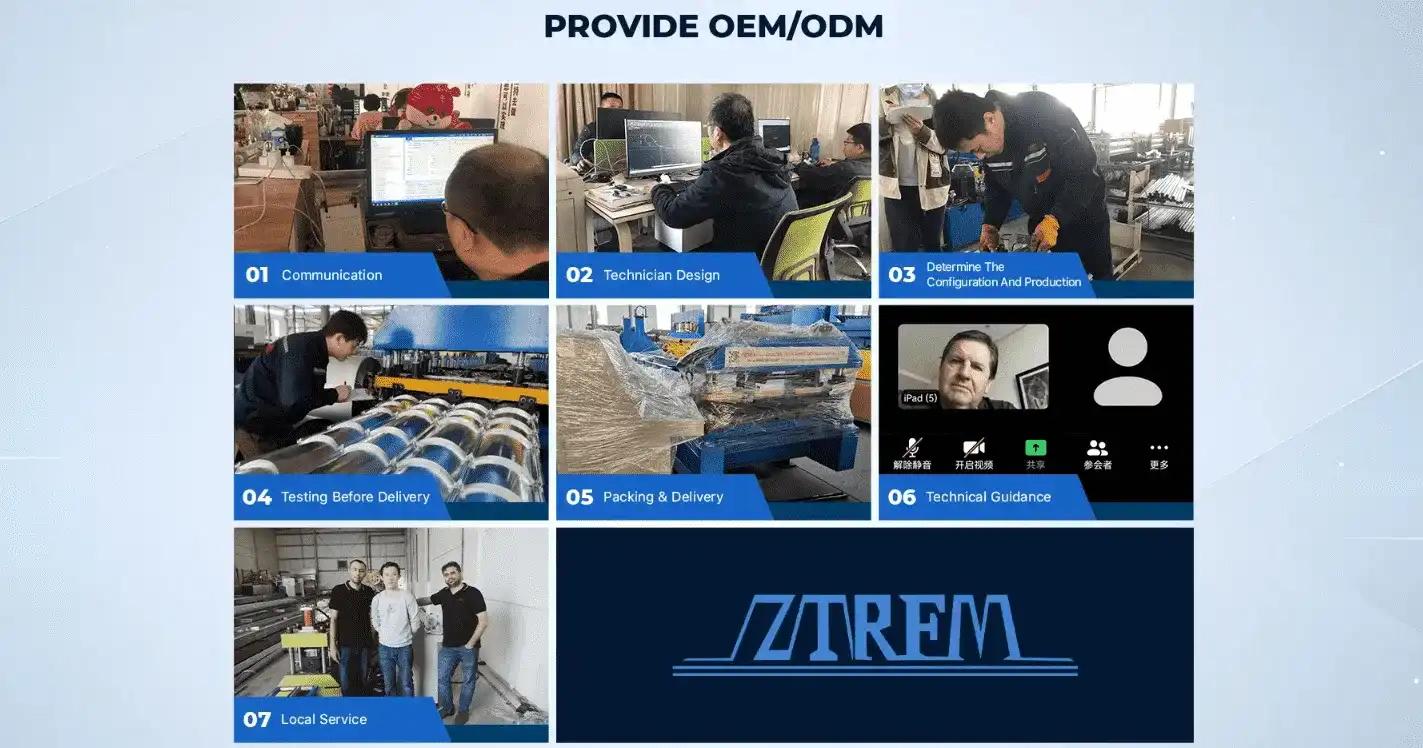
Manufacturers appreciate ZTRFM's flexible business models. Whether you need standard configurations available for immediate delivery or custom-engineered solutions for unique profile requirements, our team collaborates closely to deliver equipment aligned with your specific production goals. Contact our technical specialists at zhongtuorollforming@gmail.com to discuss how our solar strut channel roll forming machines can enhance your manufacturing capabilities.
References
1. Anderson, M.K., & Phillips, R.T. (2022). Roll Forming Technology for Solar Mounting Systems: Design Principles and Manufacturing Optimization. International Journal of Metal Forming, 16(3), 445-462.
2. Chen, W., & Rodriguez, J. (2023). Comparative Analysis of Structural Channel Production Methods in Modern Manufacturing. Journal of Materials Processing Technology, 298, 117-134.
3. European Committee for Standardization. (2021). Cold Rolled Steel Profiles for Solar Photovoltaic Mounting Structures: Technical Specifications and Testing Methods. CEN Technical Report TR 15654.
4. Kumar, S., & Thompson, L.A. (2023). Economic Analysis of Roll Forming Equipment Investment in Renewable Energy Component Manufacturing. Manufacturing Engineering Economics Quarterly, 41(2), 78-95.
5. Solar Energy Industries Association. (2023). Mounting System Component Specifications and Installation Best Practices for Photovoltaic Arrays. SEIA Technical Report Series, Volume 12.
6. Zhang, H., Mitchell, D.R., & Yoshida, K. (2022). Precision Roll Forming Processes: Comparative Study of Profile Complexity and Production Efficiency. International Journal of Advanced Manufacturing Technology, 119(5-6), 3421-3438.