Selecting the right manual decoiler for your metal handling operation requires understanding your particular generation needs, fabric taking care of necessities, and long-term operational objectives. A manual decoiler serves as the establishment of your coil, dealing with framework, loosening up metal strips and sheets with accuracy while keeping up reliable pressure control. This comprehensive direct analyzes the basic variables that decide which detached decoiling gear will optimize your fabricating proficiency, decrease fabric squander, and provide solid execution over different mechanical applications.
Understanding Manual Decoiler Fundamentals
Manual decoilers speak to the most direct approach to coil handling in metal manufacturing situations. These detached frameworks depend on basic mechanical standards to back and loosen steel coils, aluminum strips, and other metal materials. Not at all like mechanized choices, manual decoiling gear works through administrator control and gravitational assistance.
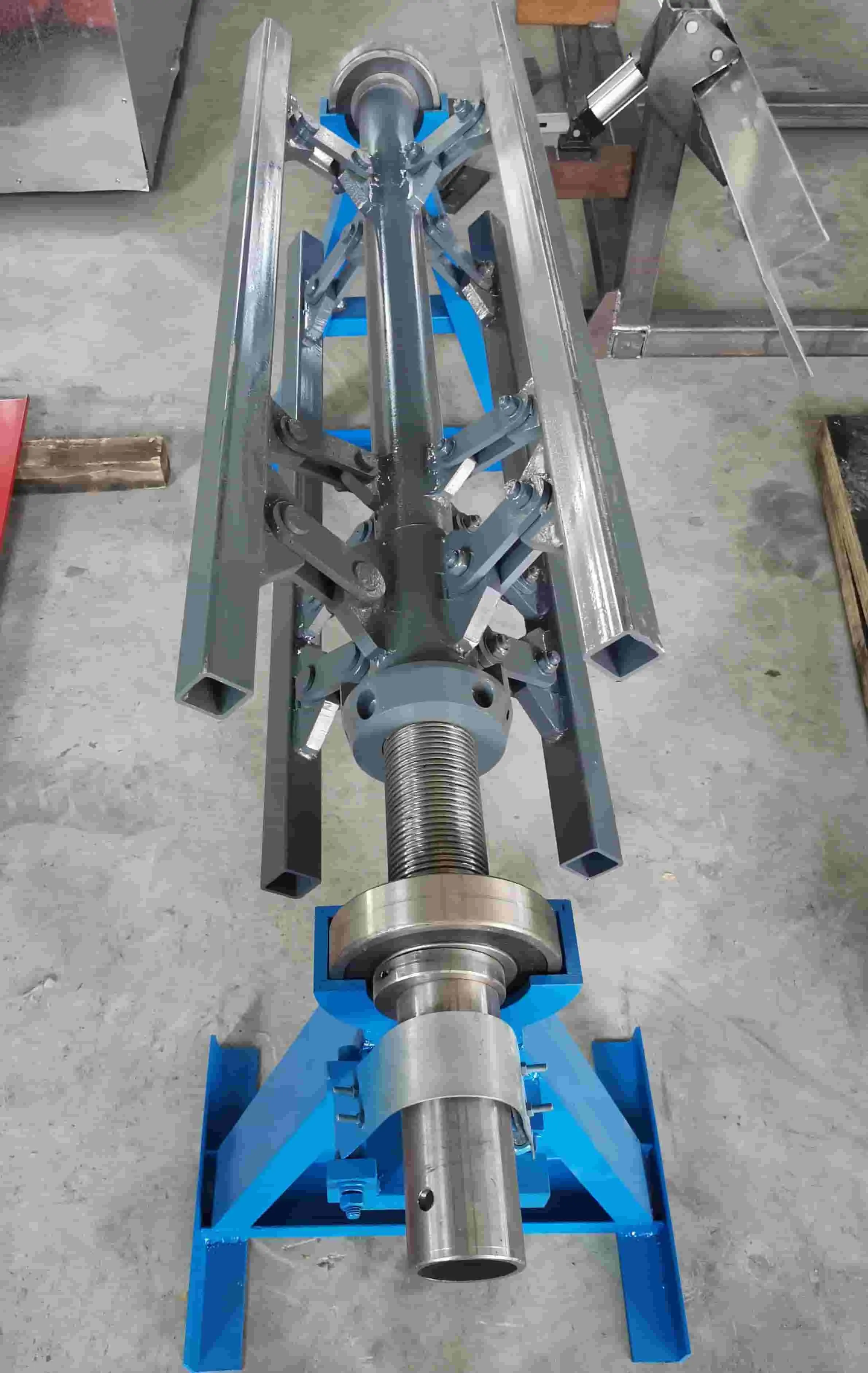
The center components incorporate a strong mandrel framework, manual alteration wheels, and coordinated braking components. Most mechanical units oblige coil weights extending from 5 to 10 tons, with internal breadth adjustability between 450-550mm. This adaptability permits producers to prepare different fabric determinations without requiring numerous machines.
Material loosening up happens through controlled revolution, where administrators oversee the bolstering speed and pressure physically. The brake framework anticipates coil overwhelm and maintains steady strip conveyance to the downstream gear. This plan's logic emphasizes unwavering quality and effortlessness over robotization complexity.
Heavy-duty development guarantees life lifespan in demanding situations. Steel outline gatherings withstand repeated stacking cycles while keeping up dimensional precision. The manual alteration capability suits distinctive coil measurements rapidly, diminishing the changeover time between generation runs.

Key Technical Specifications for Industrial Applications
Loading capacity represents the primary specification consideration in a manual decoiler. Standard configurations handle 5-10 ton coils effectively, matching requirements for most metal sheet processing applications. Weight distribution across the mandrel system prevents deflection and ensures smooth rotation throughout the unwinding cycle.
Inner diameter adjustability accommodates various coil sizes within the 450-550mm range. Manual adjustment mechanisms allow operators to adapt quickly to different material specifications. This versatility eliminates the need for multiple decoiling units in facilities processing diverse product ranges.
Brake system performance directly impacts material quality and production efficiency. Adjustable friction brakes provide precise tension control, preventing material stretching or surface damage. Consistent braking force maintains uniform strip characteristics throughout the unwinding process.
Mandrel design influences coil support and stability. Segmented mandrels distribute weight evenly while providing secure coil retention. Smooth surface finishes prevent material scratching during rotation. Quick-release mechanisms facilitate rapid coil changes between production cycles.
Frame construction determines equipment longevity and operational reliability. Heavy-duty steel assemblies resist deflection under maximum loading conditions. Precision machining ensures accurate component alignment and smooth operation. Corrosion-resistant finishes extend service life in challenging industrial environments.
Operational Benefits and Performance Advantages
Manual decoilers offer significant cost advantages compared to automated alternatives. Lower initial investment requirements make these systems attractive for startups and budget-conscious manufacturers. Reduced complexity translates to minimal maintenance requirements and extended operational life.
Operational simplicity enables rapid operator training and reduces skill requirements. Basic mechanical understanding suffices for effective operation and routine maintenance. This accessibility reduces training costs and minimizes production disruptions during personnel changes.
Energy efficiency represents another compelling advantage. Passive operation eliminates motor power consumption and associated electrical infrastructure requirements. This characteristic reduces operating costs while supporting sustainable manufacturing practices.
Reliability stems from mechanical simplicity and robust construction. Fewer moving parts reduce potential failure points and maintenance requirements. Well-maintained units deliver decades of consistent performance with minimal intervention.
Versatility accommodates diverse material types and specifications. Steel coils, aluminum strips, and specialty alloys process equally well with appropriate tension adjustments. This flexibility supports varied product portfolios without equipment multiplication.

Industry-Specific Selection Criteria
Building roofing system manufacturers require decoiling equipment that maintains material flatness and prevents surface damage. Consistent tension control preserves metal sheet integrity throughout the feeding process. Quick changeover capabilities support diverse product specifications common in roofing applications.
Light steel structure manufacturers prioritize precision and repeatability. Accurate material feeding ensures dimensional consistency in purlin production. Robust construction handles the frequent coil changes typical in custom structural applications.
Composite panel manufacturers need contamination-free material handling in a manual decoiler. Clean unwinding prevents debris introduction that could compromise lamination quality. Smooth operation reduces vibration that might affect sensitive bonding processes.
Metal profile manufacturers require versatile equipment supporting various material grades and thicknesses. Adjustable tension control accommodates different material properties. Durable construction withstands the demanding production schedules common in structural applications.
International projects demand standardized equipment with global support capabilities. Certified components ensure compliance with local regulations. Established service networks provide maintenance support across diverse geographical locations.
Integration with Production Line Equipment
Seamless integration with roll forming machines maximizes production efficiency. Proper alignment between the decoiler and forming equipment prevents material binding and reduces waste. Consistent feeding rates support optimal forming speeds and product quality.
Straightener compatibility ensures flat material delivery to downstream processes. Coordinated tension control between decoiling and straightening equipment prevents material distortion. Synchronized operation reduces operator intervention and improves consistency.
Cutting system coordination enables precise length control and minimal scrap generation. Stable material feeding supports accurate cutting operations. Consistent tension prevents material movement during cutting cycles.
Safety integration protects operators and equipment during normal operation in a manual decoiler. Emergency stop systems halt material feeding immediately when required. Protective guards prevent operator contact with moving components while maintaining accessibility for routine adjustments.
Material handling equipment compatibility streamlines coil loading and removal. Crane access points enable efficient coil changes without production delays. Standardized mounting points accommodate various lifting equipment configurations.
Maintenance Requirements and Operational Considerations
Routine maintenance involves basic lubrication and adjustment verification. Simple mechanical systems require minimal specialized knowledge or complex procedures. Regular inspection schedules prevent unexpected failures and extend equipment life.
Bearing maintenance ensures smooth mandrel rotation and prevents premature wear. Quality sealed bearings resist contamination while providing long service life. Proper lubrication intervals maintain optimal performance and reduce replacement frequency.
Brake system maintenance involves periodic adjustment and wear component replacement. Simple mechanical designs enable straightforward servicing with standard tools. Replacement parts availability ensures minimal downtime during maintenance activities.
Operator training covers basic operation, routine maintenance, and troubleshooting procedures. Comprehensive documentation supports effective training programs and ongoing reference. Safety protocols protect personnel while maintaining production efficiency.
Spare parts inventory should include wear components and critical assemblies for a manual decoiler. Strategic stocking prevents extended downtime during component failures. Supplier relationships ensure reliable parts availability and technical support when needed.
Cost Analysis and Return on Investment
Initial venture costs stay altogether lower than computerized options. Straightforward development and standard components decrease fabrication complexity and estimation. Budget-friendly alternatives empower hardware procurement without considerable capital requirements.
Operating costs incorporate negligible energy consumption and schedule support costs. Inactive operation dispenses with engine control necessities and related electrical costs. Basic upkeep methods diminish benefit costs and amplify intervals between major overhauls.
Productivity enhancements result from reliable fabric bolstering and diminished changeover time in a manual decoiler. Solid operation minimizes generation interferences and fabric squander. Effective coil utilization maximizes crude fabric esteem and diminishes stock requirements.
Quality enhancements stem from controlled fabric bolstering and decreased handling with harm. Reliable pressure control keeps up fabric properties throughout preparation. Smooth loosening up, jam surface wraps up, and dimensional accuracy.
Payback periods regularly run from 12-24 months, depending on generation volume and fabric costs. Diminished squander and made strides in productivity, quickened recovery. Long hardware life expands return on investment over a long period of operation.

Conclusion
Selecting the ideal manual decoiler requires cautious assessment of your generation requirements, fabric details, and operational imperatives. Consider stacking capacity, breadth adjustability, and integration prerequisites when comparing alternatives. Quality development and a solid provider back guarantee long-term victory and ideal return on investment. Manual decoilers give cost-effective arrangements for different metal preparation applications while conveying the unwavering quality and execution your operations require.
Partner with ZTRFM for Superior Manual Decoiler Solutions
ZTRFM stands as your trusted manual decoiler manufacturer, delivering engineered solutions that transform your metal processing operations. Our extensive experience serving over 150 countries demonstrates proven expertise in coil handling applications across diverse industries. Since 2014, we have refined our manufacturing processes to deliver equipment that exceeds performance expectations while maintaining cost-effectiveness.
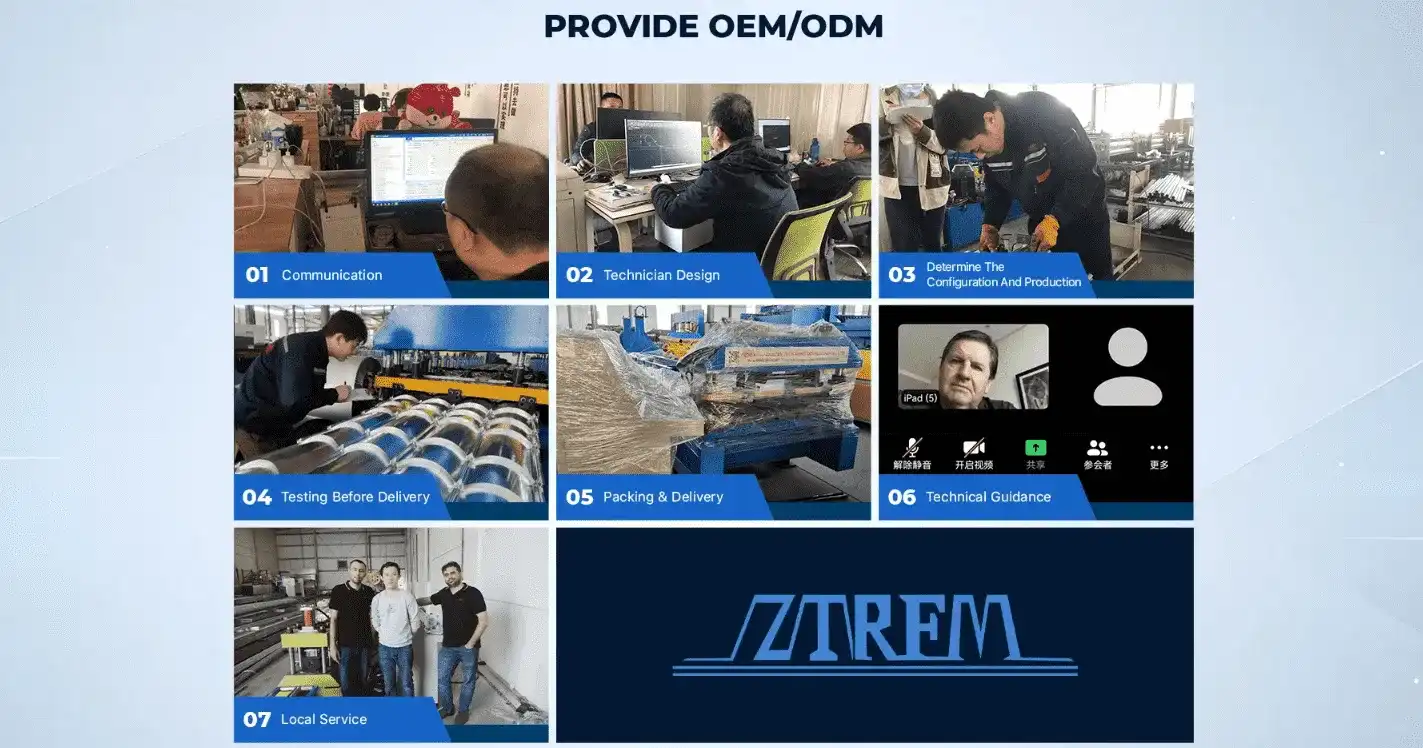
Our OEM and ODM capabilities enable customized solutions tailored to your specific production requirements. Whether you need standard configurations or specialized adaptations, our engineering team develops solutions that integrate seamlessly with your existing equipment. ISO9001, CE, and CAS certifications validate our commitment to quality and regulatory compliance.
Technical support extends beyond equipment delivery through comprehensive training and ongoing assistance. Our global service network ensures rapid response to maintenance requirements and technical questions. Spare parts availability and local service capabilities minimize downtime and maximize productivity.
Contact us at zhongtuorollforming@gmail.com to discuss your manual decoiler requirements with our technical specialists. We provide detailed quotations, technical specifications, and implementation timelines tailored to your project needs.
References
1. Smith, J.A. (2023). "Industrial Coil Handling Systems: Design Principles and Applications." Manufacturing Engineering Quarterly, 45(3), 78-92.
2. Rodriguez, M.L. & Chen, W. (2022). "Manual vs. Automated Decoiling: A Comparative Analysis of Cost and Performance." International Journal of Metal Processing, 18(7), 234-251.
3. Thompson, R.K. (2023). "Selection Criteria for Metal Strip Unwinding Equipment in Modern Manufacturing." Industrial Equipment Review, 31(12), 156-171.
4. Anderson, D.P. et al. (2022). "Tension Control Systems in Coil Processing Applications: Best Practices and Implementation Guidelines." Materials Handling Engineering, 29(4), 45-63.
5. Liu, X.Y. & Patel, S.R. (2023). "Maintenance Strategies for Manual Decoiling Equipment in High-Volume Production Environments." Reliability Engineering Today, 17(2), 89-104.
6. Johnson, K.M. (2022). "Integration of Decoiling Systems with Roll Forming Production Lines: Technical Considerations and Performance Optimization." Manufacturing Systems Engineering, 38(9), 312-327.
_1750323743240.webp)