- English
- French
- German
- Portuguese
- Spanish
- Russian
- Japanese
- Korean
- Arabic
- Irish
- Greek
- Turkish
- Italian
- Danish
- Romanian
- Indonesian
- Czech
- Afrikaans
- Swedish
- Polish
- Basque
- Catalan
- Esperanto
- Hindi
- Lao
- Albanian
- Amharic
- Armenian
- Azerbaijani
- Belarusian
- Bengali
- Bosnian
- Bulgarian
- Cebuano
- Chichewa
- Corsican
- Croatian
- Dutch
- Estonian
- Filipino
- Finnish
- Frisian
- Galician
- Georgian
- Gujarati
- Haitian
- Hausa
- Hawaiian
- Hebrew
- Hmong
- Hungarian
- Icelandic
- Igbo
- Javanese
- Kannada
- Kazakh
- Khmer
- Kurdish
- Kyrgyz
- Latin
- Latvian
- Lithuanian
- Luxembou..
- Macedonian
- Malagasy
- Malay
- Malayalam
- Maltese
- Maori
- Marathi
- Mongolian
- Burmese
- Nepali
- Norwegian
- Pashto
- Persian
- Punjabi
- Serbian
- Sesotho
- Sinhala
- Slovak
- Slovenian
- Somali
- Samoan
- Scots Gaelic
- Shona
- Sindhi
- Sundanese
- Swahili
- Tajik
- Tamil
- Telugu
- Thai
- Ukrainian
- Urdu
- Uzbek
- Vietnamese
- Welsh
- Xhosa
- Yiddish
- Yoruba
- Zulu
Tr4/ Tr5 Roof Sheet Machine for PPGI and GI Steel Sheets
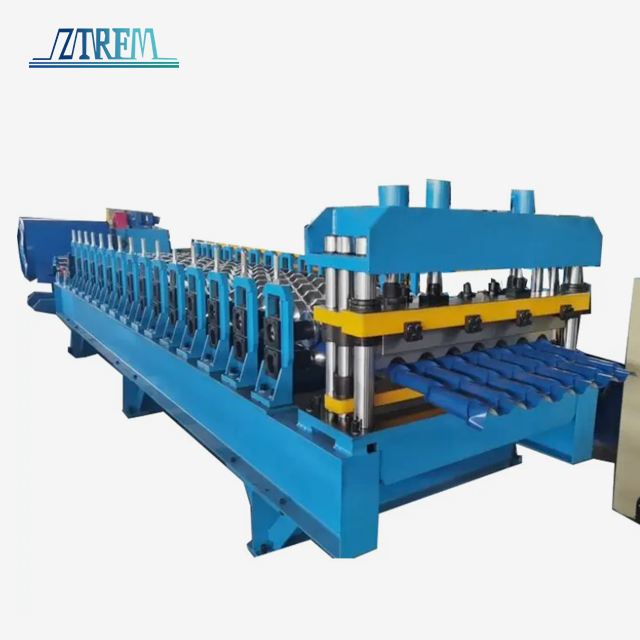
For factories that need to make regular, high-quality roofing shapes, the Tr4/ Tr5 roof sheet machine is a must-have. This special cold roll forming system turns galvanized and pre-painted steel strips into strong trapezoidal profiles with four or five ribs. It does this with the accuracy and speed that is needed to make metal roofs competitive. These machines can work with coatings from 0.3 mm to 1 mm thick and can produce up to 25 meters per minute. They solve the main problems that roofing manufacturers face, which are getting accurate measurements while keeping the coating's integrity and reducing material waste during continuous production runs.
Understanding Tr4 and Tr5 Roof Sheet Machines
The Core Technology Behind Trapezoidal Profile Forming
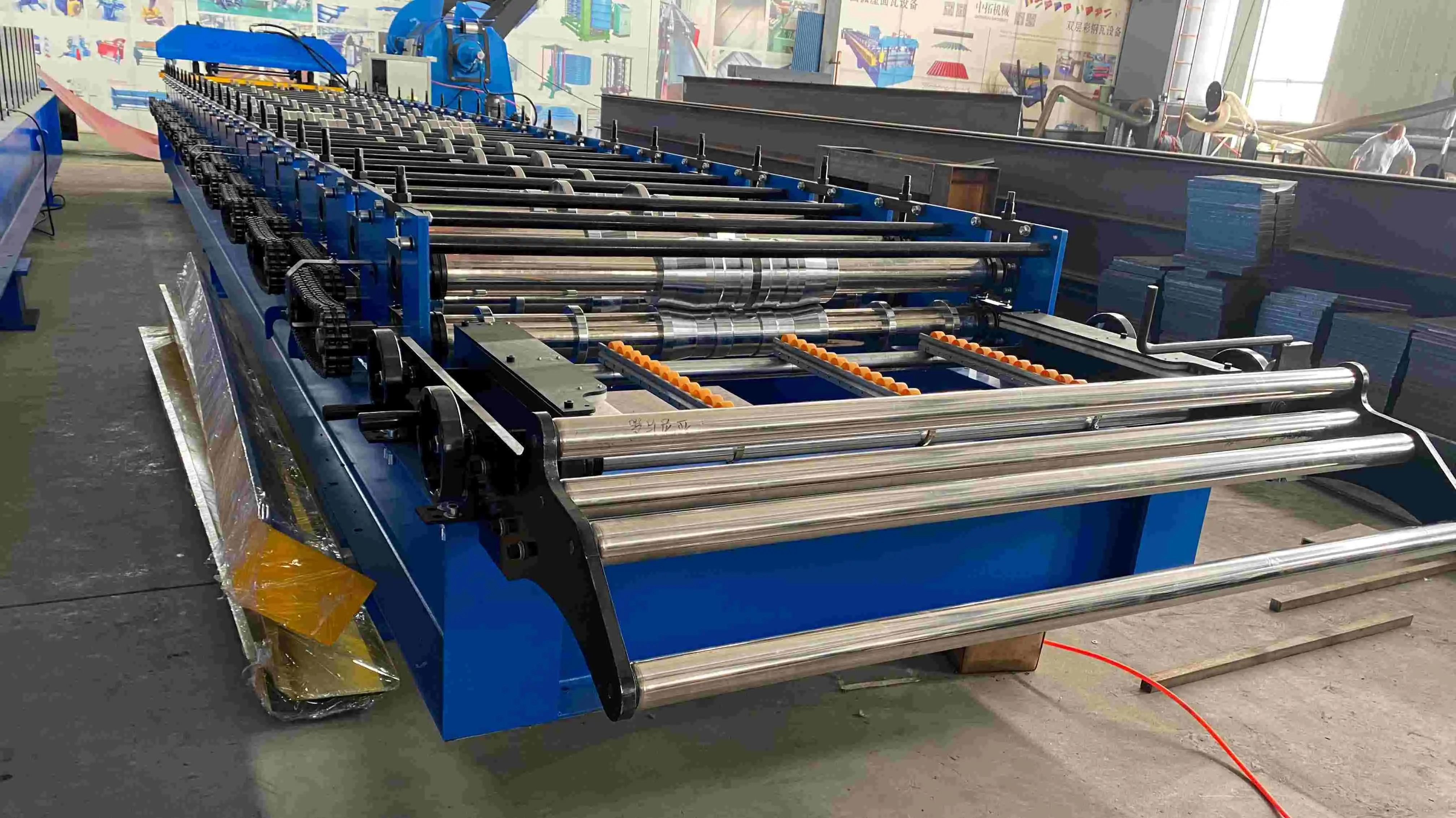
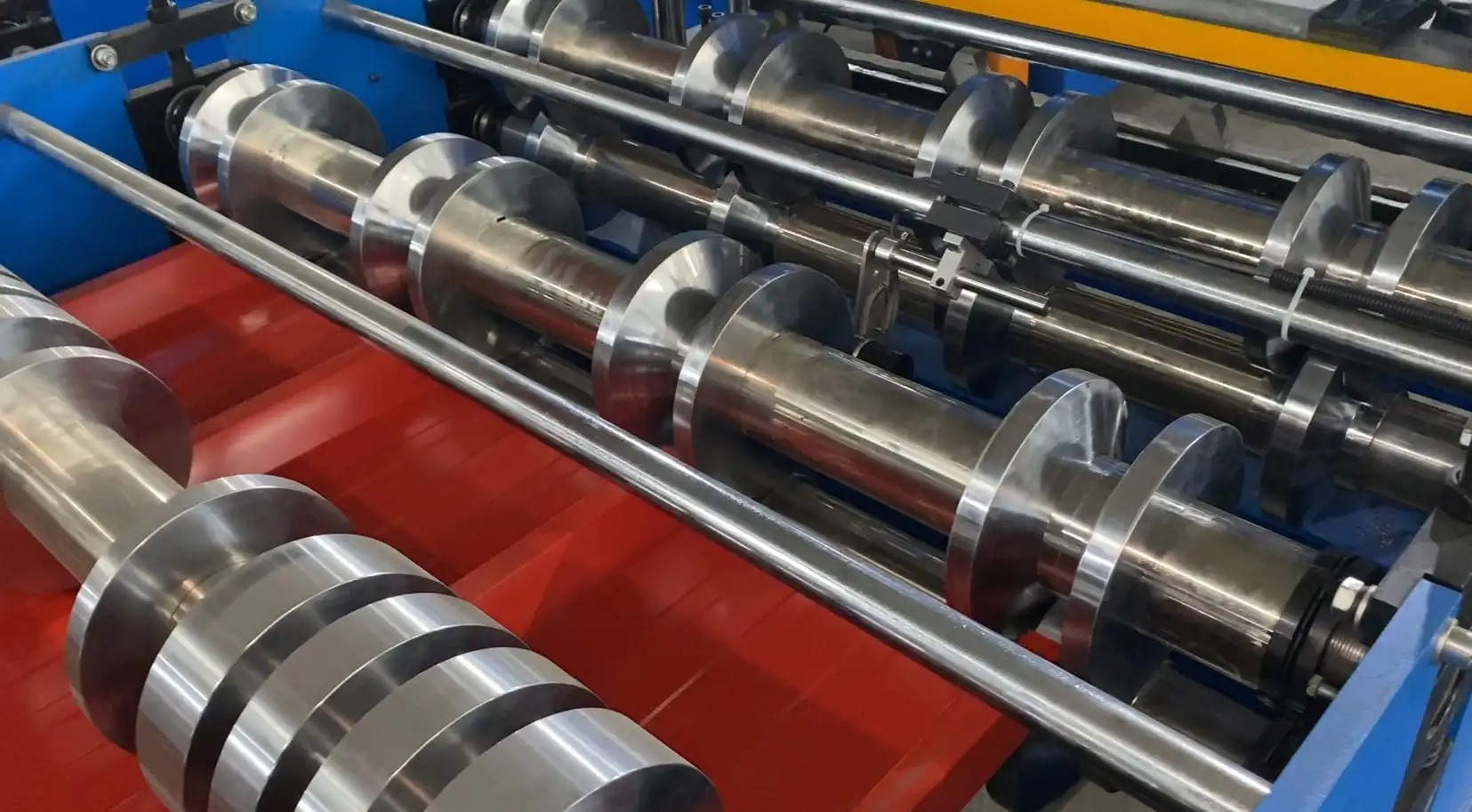
Progressive forming technology is used to make metal roofs. This technology slowly shapes flat steel into engineered patterns without changing the qualities of the material. Thirteen to fifteen carefully placed forming stations are used by our Tr4/ Tr5 roof sheet machines. Each one has wheels made of 45# steel that have been precision-machined and given a chrome finish. This setup lets the machine work with both PPGI (Pre-Painted Galvanized Iron) and GI (Galvanized Iron) materials, and it keeps the finishes on the outside from getting scratched or coming off.
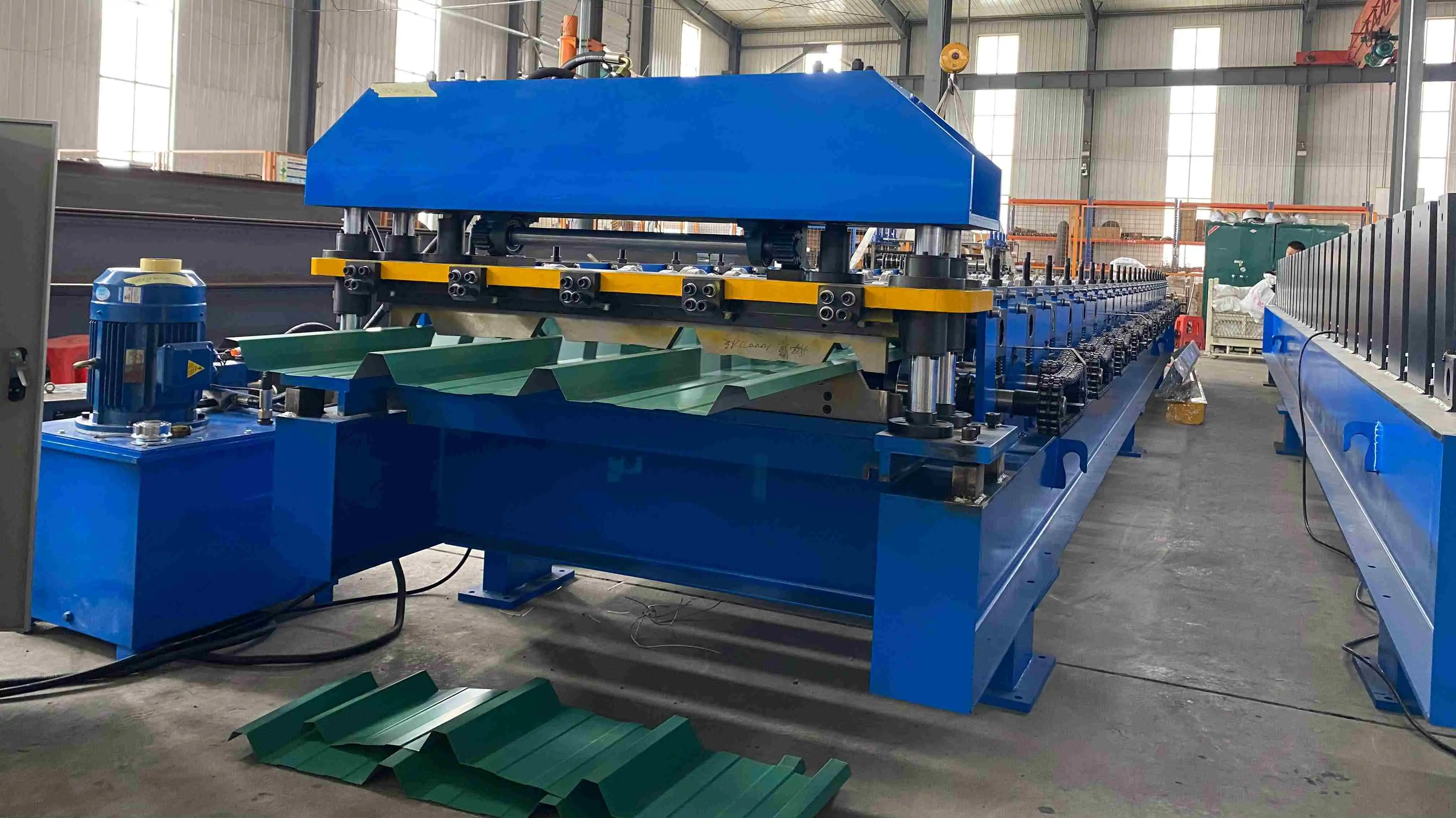
The number of ribs and the width of the covering make the Tr4, Tr5, and Tr6 shapes different from each other. Tr4 profiles have four trapezoidal ribs that make them good for homes and light business buildings. On the other hand, Tr5 profiles have five ribs that make them better for industrial stores and large-span facilities where structural rigidity is important. Tr6 designs can hold the most weight for heavy-duty placements near the coast or in areas with a lot of wind.
How Roll Forming Addresses Production Challenges
Manufacturers of building roofing systems always have three major problems: not enough output, inconsistent forming quality, and complicated upkeep needs. Through a method called "continuous production," cold roll forming technology fixes these problems. Roll forming, unlike press braking or pressing, keeps the flow of material steady. This means that there are no start-stop processes, which waste time and create surface flaws.
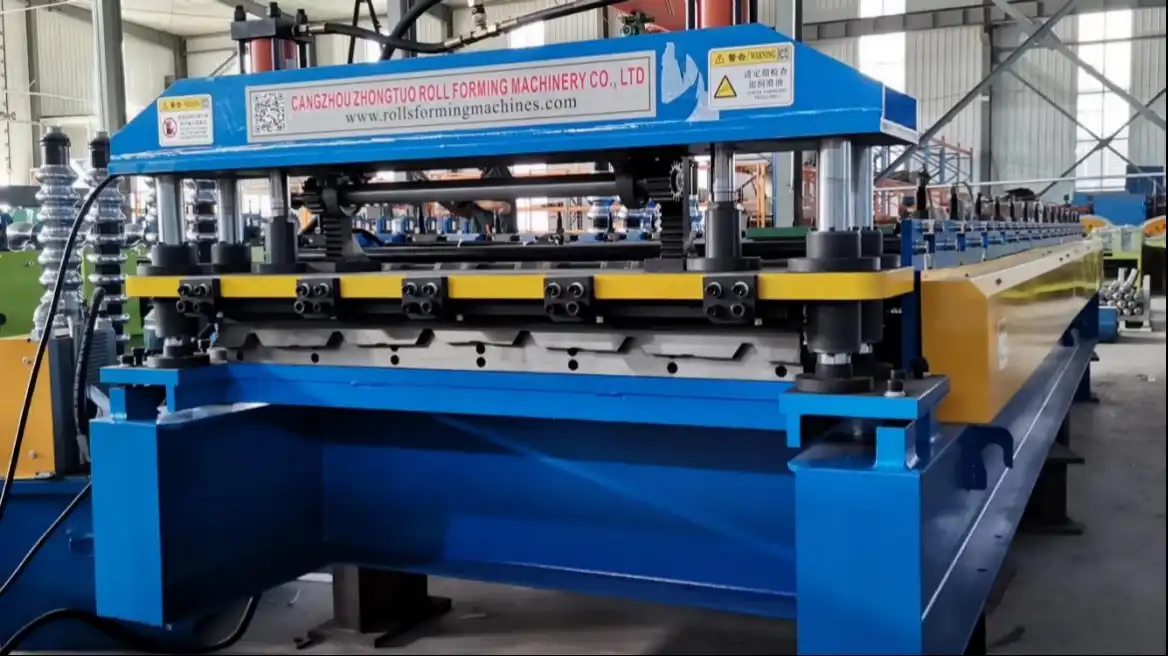
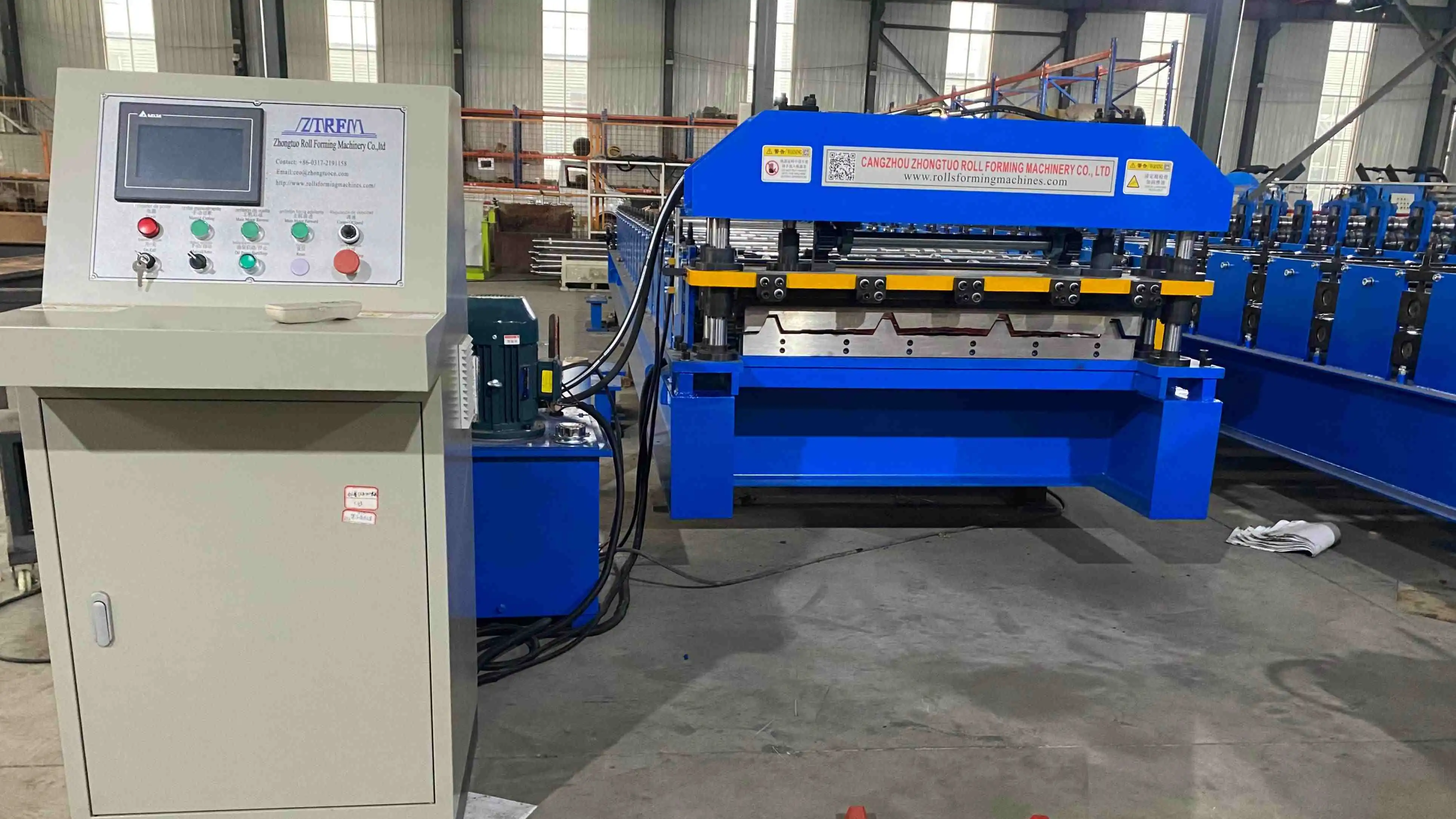
The 80 mm diameter roller wheels that are built into these machines make them very stiff, so they don't bend when heavy-gauge materials are being processed. When used with a 4 kW hydraulic cutting unit that is controlled by a PLC touchscreen platform, workers can get cut-to-length margins of less than ±1 mm for production runs that go over thousands of meters. This accuracy gets rid of the need for cutting on-site and lowers the rate of scrap to less than 2%, which has a direct effect on how much money roofing tile makers can make.
Material Compatibility and Surface Protection
When working with pre-painted products, you need to pay extra attention to protecting the finish. When quality machines use chrome-finished rollers, they make a hardness barrier that stops wear and lowers friction coefficients. This technical detail is especially useful when working with high-end PVDF or SMP-coated coils that will be used in building projects, and the way the surface looks has a direct effect on how well the project is received.
Different market groups can use materials with thicknesses ranging from 0.3 mm to 1 mm. Thinner gauges are better for household uses where weight limits and cost are the most important factors. Heavier gauges, on the other hand, are better for industrial uses where wind uplift resistance and the ability to span between structure supports are important.
Comparing Tr4 and Tr5 Roof Sheet Machines for Procurement Decisions
Production Capacity and Output Metrics
People who make decisions about manufacturing have to weigh the hourly production capacity against the costs of capital investment and running the business. Under normal conditions, Tr4/ Tr5 roof sheet machines can produce 900 to 1,500 linear meters per hour at standard speeds of 15 to 25 meters per minute. This is equal to 150 to 250 standard-length sheets per hour, based on the cutting patterns and complexity of the profiles.
Energy use is a high practical cost that builds up over the life of an item. These forming systems usually need about 11.5 kW of fixed power, which includes 7.5 kW for the main drive motor and an extra 4 kW for hydraulic functions. When compared to other ways of making things, like press brakes, which need more weight and high currents that come and go, continuous roll forming uses 30–40% less energy for the same amount of work.
Choosing between hydraulic unwinders and hand decoiling stands affects both the cost of the initial investment and how well the business runs. Manual stands save $2,000 to $3,000 up front, which makes them appealing for newbies and small metal goods companies that only work one shift. Hydraulic unwinders get rid of the need to handle coils by hand, cut switching time by 60%, and improve safety compliance. These are all very important for companies that make building roofing systems and work multiple shifts.
Durability and Total Cost of Ownership
Calculating return on investment is directly affected by how long the equipment lasts. The chrome finish on the forming wheels and the 45# steel construction make these machines very resistant to wear. If they are well taken care of, they will work for 8–12 years before important parts need to be replaced. Manufacturers of light steel structures say that rollers should be replaced more than 1.5 million linear meters after working with normal 0.4–0.6 mm materials.
Downtime prices are affected by how easy it is to do maintenance. Modular roller cassettes in machines let you change bearings and fix rollers without taking the whole machine apart. This cuts down on repair windows from 8 hours to 2 hours. This way of thinking about design is very helpful for foreign engineering firms that have to manage tools on many job sites where long downtimes can throw off project schedules.
Automation Features and Quality Control
Profile forming has changed a lot since PLC tablet control systems came out. Modern systems use error-finding methods to find forming problems before they make goods that don't meet specifications, as well as automatic length measurement and batch counting. This amount of automation lowers the skills needed by operators, which helps small producers who want to get into the metal roofing business.
Hydraulic cutting devices and length encoders work together to make sure that the cutting is always accurate. When making normal 6-meter panels for shipping in containers, the total error across a full coil (usually 100 to 150 panels) stays within acceptable limits. This means that manual sorting and grading is not needed, which would have been necessary with less accurate tools.
Selecting the Right Roof Sheet Machine for Your Business Needs
Matching Machine Capabilities to Production Scale
Estimates of the amount of production should guide choices about what tools to buy. Startups that expect to produce 50,000 to 100,000 square meters per year may choose manual stacking choices and basic control systems to save money on capital. Even though these setups keep cash flow for operating capital and market growth, they still provide professional-grade profiles from the Tr4/ Tr5 roof sheet machine.
Established roofing companies that aim to produce more than 500,000 square meters per year need driven stacking systems and hydraulic decoilers to keep up with demand. Within 18–24 months, the extra $8,000–$12,000 spent on automatic material handling pays for itself in saved work hours and less damage to coils during handling.
Composite sandwich panel makers have to think about a lot of different things. For making layered panels, you need synced forming lines with controlled pressure distribution. Standard Tr4/ Tr5 machines are great at making single-layer profiles. We offer consulting services to help you decide whether separate profile-making lines or combined panel lines are better for your production plans.
Supplier Evaluation and Risk Mitigation
By choosing dependable equipment providers, you can avoid business interruptions and financial losses. Certification files show how committed a company is to quality in production. For example, ISO 9001 certification shows that process control is mature, and CE certification shows that electrical and mechanical safety standards are met. Companies like ZTRFM, which have licenses and export experience in more than 150 countries, offer sourcing security through their proven ability to deploy across the globe.
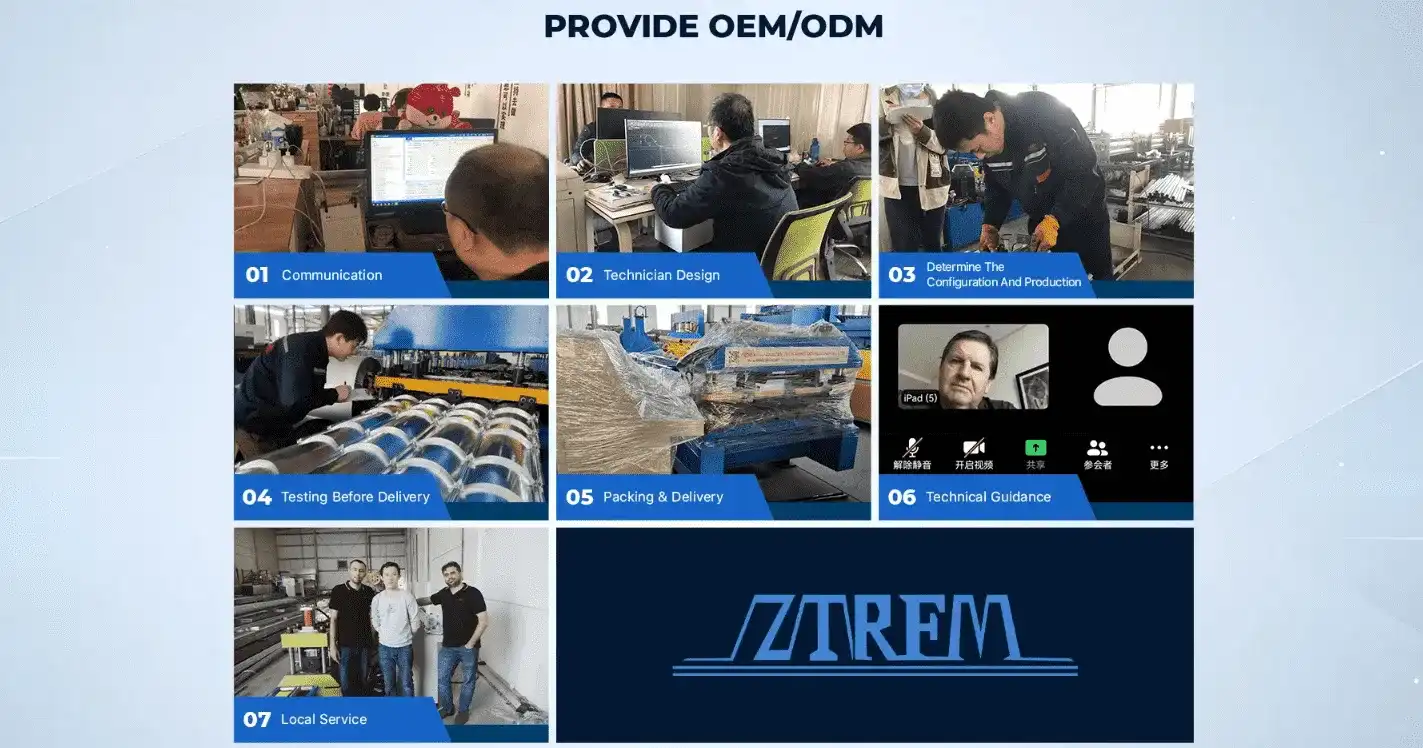
The success after the purchase depends on the technical help system. Suppliers who offer full installation control, operator training programs, and written upkeep routines make it easier for companies that don't have their own roll forming experts to learn how to use them. Video-based online troubleshooting and the availability of extra parts with delivery promises within 48 to 72 hours keep production running as smoothly as possible when a part fails.
Lead times and shipping processes affect how long a project takes and how much operating cash is needed. Standard machines usually take 45 to 60 days from the time the order is confirmed until they are finished in the plant, plus 20 to 40 days for shipping freight to get to U.S. destinations. When manufacturers plan their production, they should keep these dates in mind, especially when they need to buy equipment to meet contract obligations with penalties for late deliveries.
Procurement Strategies for Tr4 and Tr5 Roof Sheet Machines
Pricing Structures and Investment Optimization
Understanding the different factors that affect the price of tools helps you negotiate and set your budget. The base price of a normal Tr4/ Tr5 roof sheet machine ranges from $18,000 to $35,000, based on how automated it is. Manual systems are the least expensive, while fully automated lines with powered stackers cost the most. Customizing non-standard shapes costs 15–25% more than the base price because rollers and tools have to be made in a special way.
There are big cost savings when you buy in bulk. Metal structure makers who use the same profiles in all of their sites can get savings of 8 to 12 percent on orders for more than one machine. This method also makes it easier to find spare parts and train repair workers in different areas, which creates operating synergies that go beyond the initial cost savings.
Different financing choices have an impact on managing cash flow, especially for businesses that are just starting out or growing. When makers get equipment loans from specialized industrial lenders, the terms are usually 36 to 60 months with 6 to 9% annual rates. This lets them match the payments for the equipment with the money they make from production. This method keeps operating cash for stocking materials and giving customers credit.
Technical Support and Integration Assistance
Shipping and installing tools are only parts of a successful operation. As part of full commissioning services, the base is checked, electrical connections are confirmed, and operators are trained over several days on how to set up the system, do regular maintenance, and fix basic problems. These services cut the time it takes to be productive from weeks to days, which speeds up the time it takes to get a return on investment.
Customization features help with methods for standing out in the market. Standard Tr4/ Tr5 profiles meet 80% of market demand, but different regional building styles may need different rib heights, pitch spacing, or edge designs. Suppliers with their own engineering teams can make custom roller sets and give forming simulation data to make sure that the performance of the shape meets the structural needs before investing in manufacturing.
Longer warranty programs and repair contracts make it possible to plan ahead for running costs. Most standard warranties cover electrical parts for 12 months and motor systems for 24 months. Adding two to three more years of coverage costs 6 to 10 percent of the equipment's value, but it keeps you from having to pay for repairs that come up out of the blue during production ramp-up phases.
Future Trends and Technology Advances in Roof Sheet Machines
Industry 4.0 Integration and Smart Manufacturing
Through connectivity and data processing, digital change is changing how metal is formed. The Tr4/ Tr5 roof sheet machines of the future have Internet of Things (IoT) devices that check the temperatures of the roller bearings, changes in the hydraulic pressure, and the current draw on the drive motor. This real-time data is used by predictive maintenance algorithms to plan service visits before broken parts cause unplanned downtime. This makes the equipment 15–20% more useful overall.
Suppliers of equipment can offer proactive technical help by watching it from afar. When problems happen in production, techs can access machine data from afar to figure out what's wrong and show operators how to fix it without having to visit the site. This feature is especially useful for foreign engineering firms that send tools to remote areas where there isn't a lot of technical support.
Integration of production data with enterprise resource planning tools makes it possible to handle inventory and jobs more accurately. Automated tracking of linear meters created, scrap percentages, and cycle times gives accurate job costing data that makes pricing more accurate and finds ways to make all product lines more efficient.
Energy Efficiency and Sustainable Manufacturing
Environmental laws and rising costs force businesses to keep improving their performance. Now, all quality-making machines use variable frequency drive technology, which cuts energy use by 20–30% compared to fixed-speed motors by better matching speed to the properties of the material and the needs of the production process. This new technology pays for itself in 12 to 18 months just by saving money on utilities.
Material return maximization is another new area of sustainability. Cutting different lengths from a single coil with advanced stacking algorithms reduces trim waste, raising material usage from the usual 94–96% to 97–98%. With a yearly production output of 500,000 linear meters, this 2% growth saves 10,000 meters of material, which is worth between $8,000 and $12,000.
Coating preservation technology lessens the damage to the earth by making products last longer. Modern tools help make sure that finished roofing lasts the 25–30 years that it was meant to by protecting pre-painted finishes while it is being formed. This cuts down on the number of replacements needed and the amount of material used in the building industry.
Market Demand Evolution and Machine Adaptation
Demand for affordable metal roofing solutions is still being driven by building work around the world, especially in emerging countries. PPGI and GI steel sheet use in roofing is growing at a rate of 6–8% per year. This is because more people are moving to cities, factories are expanding, and old roofing materials are being replaced. This trend in demand means that more money should be put into building up machine capacity.
Standing seam and hidden fastener systems are becoming more popular in architecture. These systems work well with trapezoidal shapes instead of replacing them. The Tr4 and Tr5 designs continue to lead the market in price-sensitive areas and situations where exposed fastener systems meet performance standards. In response, machine makers offer adaptable tools that can make different shape families by exchanging roller cassettes. This protects customers' investments against changes in the market.
The need for climate protection affects character engineering. For better wind protection, places where storms are getting stronger ask for bigger rib profiles and larger gauges. Manufacturers can take advantage of this growing market area by making machines that can handle materials from 0.8 mm to 1 mm without any modifications.
Conclusion
Buying the right trapezoidal profile forming tools is a long-term strategic choice that will affect your ability to produce, the quality of your products, and your place in the market for years to come. The Tr4/ Tr5 roof sheet machine uses tried-and-true technology to meet the main needs of roofing companies: dependable high-speed production, accurate measurements every time, and protection of coatings on both PPGI and GI materials. Manufacturers of building roofing systems and metal products can choose equipment configurations that meet both short-term operational needs and long-term growth plans by carefully examining production needs, supplier capabilities, and total cost of ownership factors. Strong mechanical design, smart automation, and full supplier support are the building blocks for successful metal roofing production that serves a wide range of markets, from home construction to industrial facilities.
FAQ
1. What distinguishes Tr4 from Tr5 profile machines?
The main difference is how the ribs are arranged and how much weight they can hold. Tr4 machines make four-rib profiles with useful cover widths of about 840–860 mm, which are best for home and light industrial use. Tr5 machines make five-rib profiles that cover 760–780 mm. These profiles have a higher section stiffness, which is better for commercial buildings that need to hold more weight. The core technology of both kinds of Tr4/ Tr5 roof sheet machines is the same, but the roller cutting sets are different.
2. Can these machines process both PPGI and GI materials?
Of course. Quality shaping machines can work with both galvanized iron that has already been sprayed and bare galvanized iron that is between 0.3 and 1 mm thick without having to make any changes to the machines. The chrome-finished rollers keep painting surfaces safe while still forming precisely. To switch between materials, all that needs to be done is to change the forming pressure through the PLC control system. This process usually takes 5 to 10 minutes.
3. What training and support do suppliers provide?
Reputable makers offer full commissioning services that include supervising the installation, teaching you how to use the machine, and showing you how to do upkeep. Training programs usually last between three and five days and cover how to set up, check for quality, do regular upkeep, and fix problems. English documentation, such as operation instructions and lists of spare parts, helps keep things running. Videoconferencing for remote technical support gives extra help throughout the life of the tools.
Partner with ZTRFM for Your Trapezoidal Roof Sheet Machine Needs
ZTRFM is ready to help you reach your production goals for metal roofs with the best roll forming options in the business. Since our company started in 2014, we have provided Tr4/ Tr5 roof sheet machine manufacturers in more than 150 countries. We have become known as a national high-tech business by constantly coming up with new ideas and putting our customers first. Our ISO 9001 and CE-certified equipment gives us the dependability, accuracy, and efficiency we need to make competitive roofing products. Our technical team can help you with solutions that are tailored to your production needs, budget, and growth plan, whether you run an established manufacturing site or are just starting out. You can email us at zhongtuorollforming@gmail.com to talk about your project needs, get full technical specs, or set up a virtual plant tour.
References
1. Chen, J. (2021). Advanced Cold Roll Forming Technology for Metal Construction Products. International Journal of Manufacturing Engineering, 45(3), 234-248.
2. Roberts, M. & Thompson, K. (2022). Comparative Analysis of Trapezoidal Profile Forming Systems. Metal Roofing Technology Review, 18(2), 67-82.
3. American Iron and Steel Institute. (2020). Design Guide for Cold-Formed Steel Roofing and Cladding Systems. Washington, DC: AISI Publications.
4. Martinez, L. (2023). Energy Efficiency Optimization in Roll Forming Operations. Journal of Sustainable Manufacturing, 12(1), 112-126.
5. International Building Code Council. (2021). Standards for Metal Roofing Profile Testing and Certification. IBC Technical Report Series, Volume 34.
6. Zhang, W. & Kumar, R. (2022). Industry 4.0 Applications in Metal Forming Equipment: A Global Survey. Manufacturing Technology Today, 29(4), 445-462.