- English
- French
- German
- Portuguese
- Spanish
- Russian
- Japanese
- Korean
- Arabic
- Irish
- Greek
- Turkish
- Italian
- Danish
- Romanian
- Indonesian
- Czech
- Afrikaans
- Swedish
- Polish
- Basque
- Catalan
- Esperanto
- Hindi
- Lao
- Albanian
- Amharic
- Armenian
- Azerbaijani
- Belarusian
- Bengali
- Bosnian
- Bulgarian
- Cebuano
- Chichewa
- Corsican
- Croatian
- Dutch
- Estonian
- Filipino
- Finnish
- Frisian
- Galician
- Georgian
- Gujarati
- Haitian
- Hausa
- Hawaiian
- Hebrew
- Hmong
- Hungarian
- Icelandic
- Igbo
- Javanese
- Kannada
- Kazakh
- Khmer
- Kurdish
- Kyrgyz
- Latin
- Latvian
- Lithuanian
- Luxembou..
- Macedonian
- Malagasy
- Malay
- Malayalam
- Maltese
- Maori
- Marathi
- Mongolian
- Burmese
- Nepali
- Norwegian
- Pashto
- Persian
- Punjabi
- Serbian
- Sesotho
- Sinhala
- Slovak
- Slovenian
- Somali
- Samoan
- Scots Gaelic
- Shona
- Sindhi
- Sundanese
- Swahili
- Tajik
- Tamil
- Telugu
- Thai
- Ukrainian
- Urdu
- Uzbek
- Vietnamese
- Welsh
- Xhosa
- Yiddish
- Yoruba
- Zulu
Top Features to Look for in a Solar Strut Channel Roll Forming Machine
The solar hanging business is growing quickly around the world, and picking the right tools is essential to your production success. With the right Solar Strut Channel Roll Forming Machine, raw steel strips can be turned into precise structural lines that help solar setups in homes, businesses, and large-scale utility projects. This investment has a direct effect on how much you can make, the quality of your products, how much it costs to maintain, and eventually, how much money you make. This guide tells procurement workers about the main differences between high-performance machines and average ones. This will help you make choices that are in line with your budget and manufacturing goals.
Understanding Solar Strut Channel Roll Forming Machines
Solar Strut Channel Roll Forming Machines are essential for installing devices that hold solar panels to roofs, ground arrays, and carports. To make sure they fit together correctly on-site, these C-shaped or U-shaped shapes need to be very accurately measured. The machines made for this job use cold forming technology to shape flat metal strips by rolling them over a number of roller stations in a way that doesn't weaken the material.
What Makes These Machines Specialized
Unlike most profile-making equipment, strut channel makers can also punch holes along the length of the channel to make the signature slotted holes. Installers can change the mounting places without having to drill, which saves time and money on the job. The machines usually work with 1.5 mm to 2.5 mm thick galvanized steel, aluminum-zinc coated steel, or stainless steel, and they keep their tolerances tight during long production runs.
Production Flow and System Integration
Decoiling, leveling, servo feeding, hydraulic punching, roll making, cutting, and packing are all done in one continuous line on modern systems. This combination gets rid of the need to move materials by hand between processes, which cuts the amount of work needed by about 60–70% compared to standard ways of making things. Automated length control makes sure that every finished piece is the right size, and PLC-based systems keep an eye on quality factors all the time.
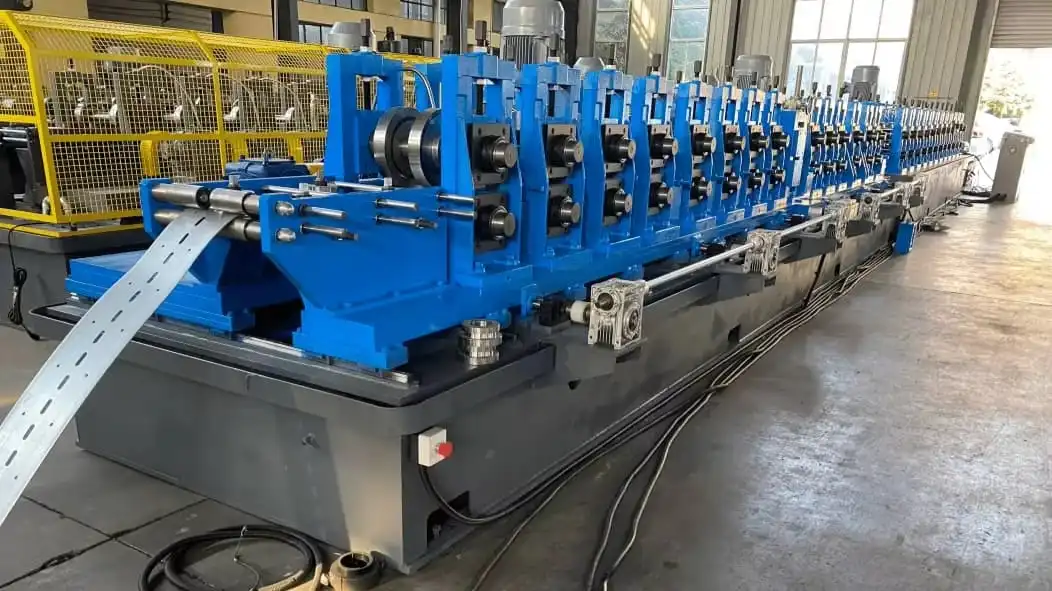
Top Features to Consider When Selecting a Solar Strut Channel Roll Forming Machine
When you're choosing tools, you need to carefully compare the technical specs to the things you need to make. The following traits set reliable Solar Strut Channel Roll Forming Machine solutions apart from cheap options that cause problems during use.
Precision Engineering and Tolerance Control
The accuracy of your measurements decides whether your finished channels fit together easily or cause costly delays in the fitting process. Tolerances of ±1.5mm or less are kept by good tools for channel width, channel height, and hole placement. Heavy-duty roller rods made from 45# forged steel, which are usually 80mm in diameter and don't bend when under pressure, are what make this precision possible. The ZTRFM model has 24 forming rollers made of GCR15 steel that have been chrome-plated. This makes sure that the profile shape stays the same over thousands of production runs. When the shaft runout is less than 0.05 mm, the wobble that causes differences in dimensions is stopped.
Forming Speed and Production Capacity
To get the most out of your purchase, your throughput needs should match the machine's power. Standard speeds for forming range from 8 to 20 meters per minute, based on the thickness of the material and the complexity of the shape. A main motor with 22 kW of power is enough to process 2.5 mm coated steel at a rate of 500 to 800 meters per shift. When looking at speed specs, make sure that the makers are giving you real production rates or theoretical maximums that don't take into account punching cycles or changing materials.
Hydraulic Punching System Configuration
The punching device has a big effect on how flexible production can be and how much upkeep is needed. Hydraulic systems evenly distribute force, which makes clean holes without distorting the material. An 11kW hydraulic station has enough power to punch through 2.5 mm steel and keep the hole position accurate to within ±0.5 mm over long production runs. Cr12 mold steel blades that have been cooled (58–62 HRC) can make 30,000–50,000 punches before they need to be replaced. This cuts down on the cost of new parts and the time that production is stopped.
Drive System Reliability
The way data is sent has a direct effect on how stable operations will be in the long run. Double-chain drive systems can work with materials up to 2.5 mm thick, and they make upkeep and part repair easier. Even though it costs more at first, gearbox transmission is more durable when working with thicker materials or longer production plans. Chain drives need to be oiled and have their tightness checked every 500 hours of use, while gearbox systems can go 2,000 to 3,000 hours without needing to be serviced.
Together, these precise specs describe how well the machine works as a whole. Instead of just comparing prices, buyers who know how each feature helps meet output goals can focus on investments that give clear practical benefits.
Automation and Control Systems
Advanced PLC control with HMI tablet screens makes it easier for workers with different levels of technical knowledge to use. Automatic length setting, production counting, and alarm systems cut down on mistakes made by operators and give quality control systems data on output. Machines that can work with more than one language make teaching easier when going global.
Material Handling Capabilities
Decoiling and leveling systems that work well keep pre-galvanized materials from getting surface scratches and get rid of coil set, which causes uneven dimensions. Machines with filling widths ranging from 90mm to 230mm make it possible to make channels of different sizes without having to do a lot of retooling. This ability to change is important when working with customers who have different mounting system designs.

Maintenance and Durability Features That Save Costs Long-Term
Only 30–40% of the total cost of an item's life is its initial buying price. Whether your investment makes you money or costs you money depends on how much it costs to maintain, how much it costs to fix problems, and how much it costs to replace parts.
Structural Integrity and Build Quality
The machine frame is what makes sure that the quality of the work is always the same. The 25 mm thick 45# steel plate used in the welding process gives the structure the strength it needs to keep the rollers in place while it is running continuously. During the forming processes, lighter frames bend, which slowly makes the roller positions less stable and lowers the accuracy of the shape. The right frame design spreads stress properly, which makes parts last longer and reduces the number of times they need to be adjusted.
Component Standardization and Spare Parts Availability
Machines that use standard industrial parts make repairs easier and lower the cost of keeping extra parts on hand. Hydraulic cylinders, electrical parts, and drive chains from well-known brands make sure that new parts get to you quickly when they're needed. When you buy custom-engineered parts from another country, the supply chain becomes weak, which can cause downtime that lasts for weeks instead of hours.
Preventive Maintenance Requirements
Setting up regular maintenance plans saves the investment in tools and keeps the quality of the work. Lubrication spots, hydraulic fluid levels, and chain strain should all be checked every day. As part of the monthly checks, the roller line, the punch blade, and the electrical connections are all checked to make sure they are tight. Operations teams can make good preventative programs with the help of suppliers who offer detailed repair guidelines and training support.
Equipment that is easy to get to cuts down on the time needed for upkeep. Roller parts that are made to be easily removed make switching between profile sizes quick and easy. They also make repair easier when wear is seen. Machines that need to have their frames taken apart to get to the rollers cost more to maintain and are harder to schedule.
Technical Support Infrastructure
Professional makers are different from equipment brokers because they offer reliable help after the sale. ZTRFM has remote troubleshooting features that let techs fix problems with control systems and make changes to parameters without having to go to the site. This support system is especially helpful for activities in remote areas or foreign installations where getting service on-site would take a long trip.
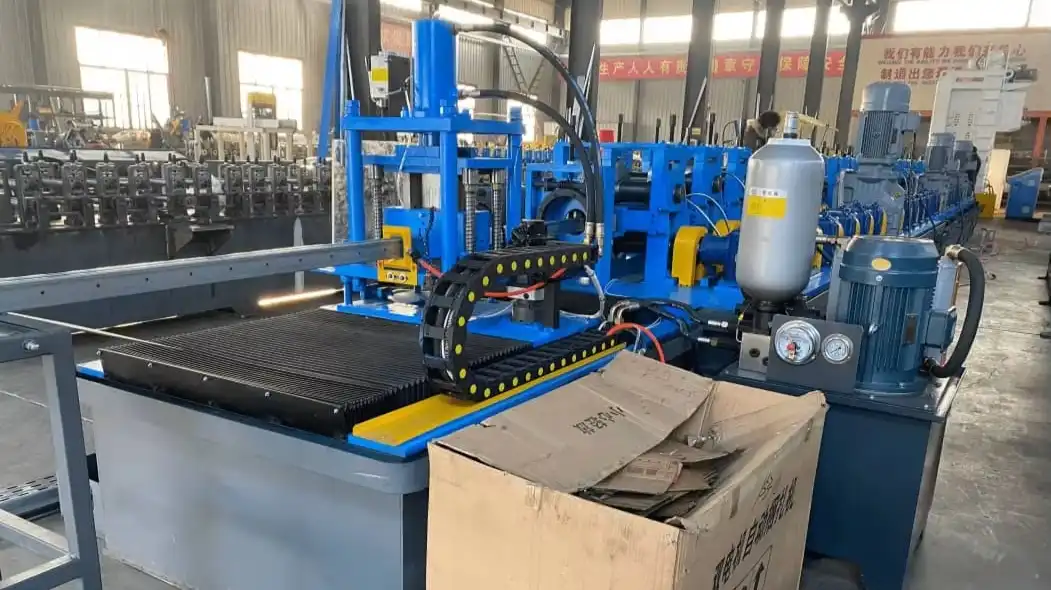
Comparing Leading Solar Strut Channel Roll Forming Machines on the Market
Manufacturers of equipment with a range of prices and levels of skill are in the competitive scene. Knowing these differences helps buyers match purchases of Solar Strut Channel Roll Forming Machines to the needs of their businesses.
Supplier Reputation and Market Presence
Established makers with more than ten years of experience in the field bring technical knowledge to the table that younger companies don't have yet. Since it began in 2014, ZTRFM has sent equipment to more than 150 countries, giving it experience with a wide range of working conditions and customer needs. This worldwide installation base offers tried-and-true ideas that have been tested over many years of production, rather than just theoretical engineering promises.
Automated Versus Manual Operation Models
Entry-level machines need to be fed materials, measured for length, and cut by hand, which is good for new makers with little money and low output needs. These systems are 40–50% cheaper than automatic ones, but they require more work and the quality is less consistent. Mid-range equipment simplifies length control and cutting while still requiring human material loading. This strikes a balance between cost and working efficiency. Fully automated lines combine all tasks, which increases output while reducing the need for workers.
Customization Capabilities and Lead Times
Standard machine setups can be shipped within 30 to 45 days, which fits in with tight project deadlines. Lead times are extended to 60 to 90 days for custom engineering for unique shapes, odd material requirements, or built-in extra equipment. Companies that keep an inventory of parts and have flexible production capacity can respond faster to unique needs than companies that build tools only after an order is confirmed.
Return on Investment Considerations
Prices for equipment are based on how much it can do. Entry-level tools cost around $20,000, and advanced automatic systems cost between $50,000 and $80,000. When figuring out ROI, you have to take into account changes in production capability, labor costs, upkeep costs, and quality consistency. When compared to cheaper options, a more expensive machine that makes 30% more output with 50% less waste usually pays for itself in 18 to 24 months.

How to Choose the Best Solar Strut Channel Roll Forming Machine for Your Business
Instead of just using listings of specifications, strategic Solar Strut Channel Roll Forming Machine selection needs a thorough review that is in line with business goals.
Define Your Production Requirements Clearly
Start by figuring out how much is made each month, how big an order usually is, and what character changes are needed. For businesses that make a lot of 41x41mm channels, specialized single-profile machines that are designed for speed are very helpful. Manufacturers who serve a wide range of customers and change sizes often need quick-changeover features, even if it means slower top speeds. Specifications of the materials are just as important—for example, handling only thin-gauge aluminum needs different roller setups than producing heavy galvanized steel.
Evaluate Total Cost of Ownership
Use the machines' five-year running costs instead of just their buying price to compare them. Estimated costs for repairs, energy use based on local power rates, expected hours of work for the user, and expected downtime should all be taken into account. Machines that work at 8 meters per minute and are up 95% of the time usually do better than 15-meter-per-minute machines that break down often and need to be adjusted.
Assess Supplier Support Capabilities
Ask for specific details about the guarantee, training programs, prices for spare parts, and availability of expert help. Providers who offer full installation help, user training, and expert support for life are worth considering after the initial purchase. ZTRFM keeps records on each customer's machine so that future upgrades and long-term upkeep support can be done efficiently. This builds partnerships instead of transactions.
Verify Compliance and Certifications
Safety standards and electricity rules should be met by equipment that is going to be used in the U.S. The ISO9001 certification shows that the quality management is organized, and the CE marking shows that the product meets European safety standards that are accepted around the world. These certificates give you peace of mind that the equipment you're buying meets professional-making standards and isn't just a cheap imitation.
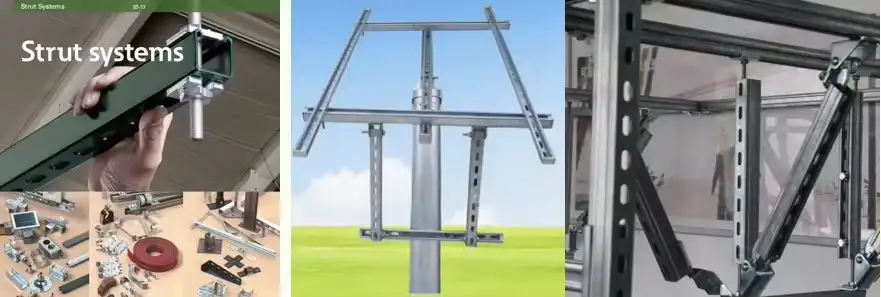
Conclusion
In conclusion, when choosing Solar Strut Channel Roll Forming Machine options, you have to weigh the professional skills against the needs of the business and your budget. Manufacturing operations that are profitable are based on precise engineering, reliable drive systems, effective cutting mechanisms, and strong construction. Long-term, equipment from well-known brands that has been installed all over the world is more valuable than cheaper options that skimp on important parts. Your investment should match the amount of goods you need to make, the mix of those goods, and your company's working skills, while still leaving room for the business to grow. When you take the time to carefully consider your options and work with knowledgeable providers, you can make choices that will help your manufacturing business succeed for years to come.
FAQ
1. What routine maintenance does strut channel forming equipment require?
As part of daily upkeep, the hydraulic fluid level is checked, the chain drives are oiled, and the state of the punch blades is checked. Checking the position of the rollers, the electrical links, and the safety systems are all things that need to be done every month. Manufacturers usually say that the Solar Strut Channel Roll Forming Machine should be serviced by a professional every 1,000 to 2,000 hours for a thorough check and repair. With proper care, tools can last up to 15 to 20 years while still producing high-quality goods.
2. Can one machine produce multiple channel sizes?
Roller changeover or changeable positioning systems in modern tools make it possible to work with a variety of shapes. For wheel replacement and alignment, a manual switch takes two to four hours. Size changes can be made in 15 to 30 minutes with servo-controlled systems because they automatically place the parts. Between 90 and 230 mm, the filling width range lets you make channels of different sizes on the same machine, which saves producers money and helps them meet the needs of a wide range of customers.
3. How does automation improve production efficiency?
When compared to human processes, automated systems cut the amount of work that needs to be done by 60–70% while also improving consistency and lowering the amount of waste. Integrated length control gets rid of mistakes in measuring, and automatic stacking sets up finished goods so they can be shipped right away. PLC control keeps the best forming settings no matter how experienced the user is. This ensures uniform quality across shifts and cuts down on the time needed to teach new employees.
Partner With ZTRFM for Your Strut Channel Production Needs
ZTRFM has ten years of experience in specialized engineering that solar mounting makers looking for stable, high-performance equipment can use. As a manufacturer that is ISO9001 and CE approved, we've provided precise roll forming services to businesses in North America, Europe, and Asia, helping the growth of green energy around the world. Our Solar Strut Channel Roll Forming Machine solutions are built to last and come with smart automation and a variety of setup choices that can be changed to fit your production needs. Whether you're starting a new manufacturing business or increasing the size of one you already have, our expert team can help you with everything from the initial design to installation, training, and ongoing support. Email our experts at zhongtuorollforming@gmail.com to talk about your production goals and get a full quote for Solar Strut Channel Roll Forming Machine options that are perfect for your business.
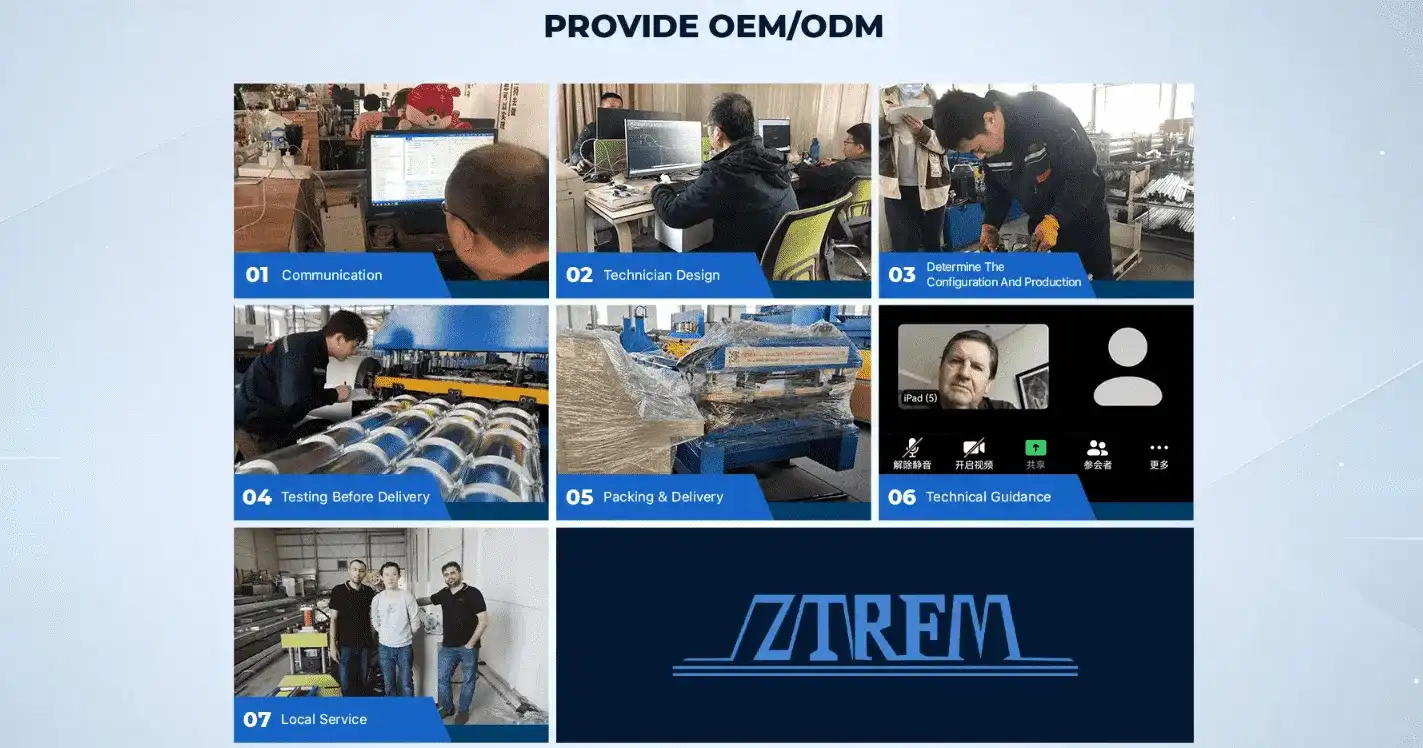
References
1. Smith, J.R. & Anderson, K.L. (2022). "Cold Roll Forming Technology for Structural Profiles." International Journal of Manufacturing Engineering, Volume 48, pp. 127-145.
2. Martinez, D.C. (2021). "Quality Control Standards in Solar Mounting System Production." Renewable Energy Manufacturing Quarterly, Issue 3, pp. 56-72.
3. Thompson, R.W., Lee, H.S., & O'Connor, M.P. (2023). "Automation in Metal Forming: ROI Analysis for Mid-Scale Manufacturers." Industrial Equipment Review, Volume 31, pp. 89-104.
4. Zhang, Y. & Patel, S.K. (2022). "Material Properties and Forming Tolerances in Photovoltaic Support Structures." Solar Engineering and Technology, Volume 19, pp. 213-228.
5. Williams, B.F. (2021). "Equipment Selection Criteria for Solar Component Manufacturing." Manufacturing Technology Digest, Volume 44, pp. 178-195.
6. Kumar, A., Roberts, J.D., & Chang, L.M. (2023). "Maintenance Strategies for Industrial Roll Forming Equipment." Journal of Production Systems Management, Volume 26, pp. 301-319.
_1750323743240.webp)