- English
- French
- German
- Portuguese
- Spanish
- Russian
- Japanese
- Korean
- Arabic
- Irish
- Greek
- Turkish
- Italian
- Danish
- Romanian
- Indonesian
- Czech
- Afrikaans
- Swedish
- Polish
- Basque
- Catalan
- Esperanto
- Hindi
- Lao
- Albanian
- Amharic
- Armenian
- Azerbaijani
- Belarusian
- Bengali
- Bosnian
- Bulgarian
- Cebuano
- Chichewa
- Corsican
- Croatian
- Dutch
- Estonian
- Filipino
- Finnish
- Frisian
- Galician
- Georgian
- Gujarati
- Haitian
- Hausa
- Hawaiian
- Hebrew
- Hmong
- Hungarian
- Icelandic
- Igbo
- Javanese
- Kannada
- Kazakh
- Khmer
- Kurdish
- Kyrgyz
- Latin
- Latvian
- Lithuanian
- Luxembou..
- Macedonian
- Malagasy
- Malay
- Malayalam
- Maltese
- Maori
- Marathi
- Mongolian
- Burmese
- Nepali
- Norwegian
- Pashto
- Persian
- Punjabi
- Serbian
- Sesotho
- Sinhala
- Slovak
- Slovenian
- Somali
- Samoan
- Scots Gaelic
- Shona
- Sindhi
- Sundanese
- Swahili
- Tajik
- Tamil
- Telugu
- Thai
- Ukrainian
- Urdu
- Uzbek
- Vietnamese
- Welsh
- Xhosa
- Yiddish
- Yoruba
- Zulu
Why Roofing Sheet Making Machine Matters in Steel Construction?
Roofing sheet-making machines are now an important part of modern steel construction. They have changed how durable, precision-engineered roofing profiles are made on a large scale. The R101 Roofing Sheet Making Machine is a great example of this change because it makes trapezoidal steel sheets that are strong enough for industrial warehouses, farm buildings, and home projects all over North America. By automating the cold roll forming process, these machines get rid of the problems with inconsistent sizes and wasteful waste that come with making things by hand. They help manufacturers fill large orders while keeping tight tolerances and the integrity of protective coatings, which are important factors when competing for contracts in today's fast-paced construction market.
The Role of Roofing Sheet Making Machines in Modern Steel Construction
More and more pressure is being put on the steel construction industry to finish projects faster while still maintaining high-quality standards. Roofing sheet making machines directly deal with these problems by automating tasks that require a level of accuracy that can't be achieved by hand.
Meeting Growing Demand for Durable Roofing Solutions
Over the past ten years, construction timelines have shrunk by a huge amount. Roofers are now expected to deliver consistent, high-quality metal profiles within short delivery windows by general contractors. Automated roll forming machines take a galvanized, prepainted steel or aluminum-zinc alloy coil and turn it into finished profiles without heating it. This keeps the coatings that protect against corrosion in harsh environments. This feature is very important for agricultural buildings that are exposed to ammonia and humidity, or for warehouses on the coast that have to deal with salt air.
Eliminating Production Bottlenecks and Quality Inconsistencies
When bending panels by hand, mistakes can happen, which can cause them not to fit properly when they are installed. We've seen this happen firsthand when roofing contractors have to wait a long time and pay a lot of money because the sheets they get don't always have the same rib heights or effective widths. These factors are no longer important with modern roll-forming machines that have PLC controls and touchscreen interfaces. The machine always follows the programmed instructions, which is impossible for a person to do by hand. This makes sure that every sheet exactly matches the architectural drawings.
Reducing Material Waste and Operational Costs
A big chunk of any roofing project's budget goes to the cost of materials. When cutting with traditional methods, measurement mistakes and bad blade positioning cause 8–12% of the work to be wasted. This waste is greatly reduced by hydraulic shear systems that can cut with an accuracy of ±2 mm. When you process thousands of linear meters per month, these savings add up quickly, which boosts your profit margins and helps meet sustainability goals that are becoming more and more important in purchasing decisions.
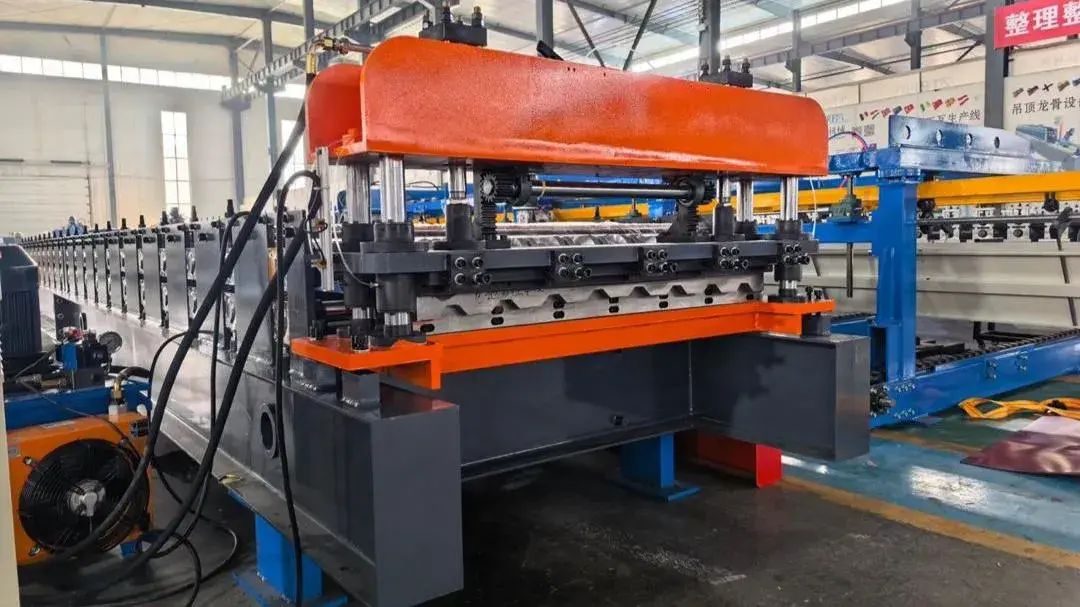
Core Features and Technical Specifications of the R101 Roofing Sheet Making Machine
Procurement managers can make smart investment decisions when they know what the technical capabilities of roll forming equipment are. The R101 model strikes a good balance between speed, accuracy, and energy efficiency in a small package that's good for medium-sized businesses.
Production Capabilities and Speed
The R101 can handle steel coils that are 0.3 to 0.8 mm thick and can work at line speeds of up to 15 meters per minute. This adaptability means that different project needs can be met without having to switch out equipment. The 18 forming stations on the machine shape the material gradually by making small bends. This keeps stress fractures from happening, which would weaken the structure. With a profile width of 1,250 mm, each sheet has a great coverage ratio, which cuts down on installation time for contractors who are short on time.
The 5.5 kW main motor delivers steady power throughout production runs, and the 4 kW hydraulic unit makes the cutting system work well. The R101 Roofing Sheet Making Machine is a great choice for manufacturers who need to balance production capacity with energy costs because it only needs a small amount of power. This keeps operating costs low compared to larger industrial systems.
Control Systems and User Interface
The Delta PLC and 5.7-inch touchscreen interface are great for people who run equipment. This combination makes order programming easier—all you have to do is enter the number and length of sheets you want, and the system will take care of the sequencing for you. The easy-to-use controls cut down on the time it takes to train new employees and cut down on mistakes that waste materials.
Over long production runs, the hydraulic shear cutting system keeps its accuracy to within ±2 mm. This level of accuracy is very important when providing panels for pre-engineered buildings, where consistent sizes affect how the structure's weight is distributed. The cutting mechanism is made of Cr12MoV mold steel that has been heated to an HRC 58-62 hardness. This makes the blade last more than 500,000 cuts before it needs to be sharpened.
Structural Design and Durability
The R101's frame is made of 16 mm wall-plate H-beam architecture, which gives it the rigidity it needs to keep forming consistently, even when it's running all the time. This strong base stops deflection that would change the size of the profile during high-speed production. The 70 mm shaft diameter can handle tensile forces from harder steel grades without bending. The 45# steel rollers have a hard chrome plating (0.05 mm thickness) that stops them from wearing down when they come into contact with rough materials.
With dimensions of 6,200 x 850 x 1,500 mm and a weight of about 3.5 tons, the machine doesn't take up too much floor space in places where space is limited. You can choose a manual or motorized 5-ton decoiler that works with standard coil weights used in the industry and fits right into your current material handling workflow.
Maintenance Requirements and Operational Support
Long-term dependability of equipment depends on how often it is serviced. The R101 is easy to service because it has lubrication points that are easy to reach and clearly marked adjustment mechanisms. After the initial six-month break-in period, hydraulic oil (#46 grade) needs to be changed once a year to keep valves from getting clogged and seals from wearing out. This maintenance schedule works with the normal times that the facility shuts down, so there aren't too many breaks in production.
The machine runs on a 380V/50Hz/3-phase power supply, which is the same as the electrical infrastructure used in factories across North America. Because of this standardization, there is no longer a need for external transformers or specialized electrical changes. This makes installation easier and cheaper.
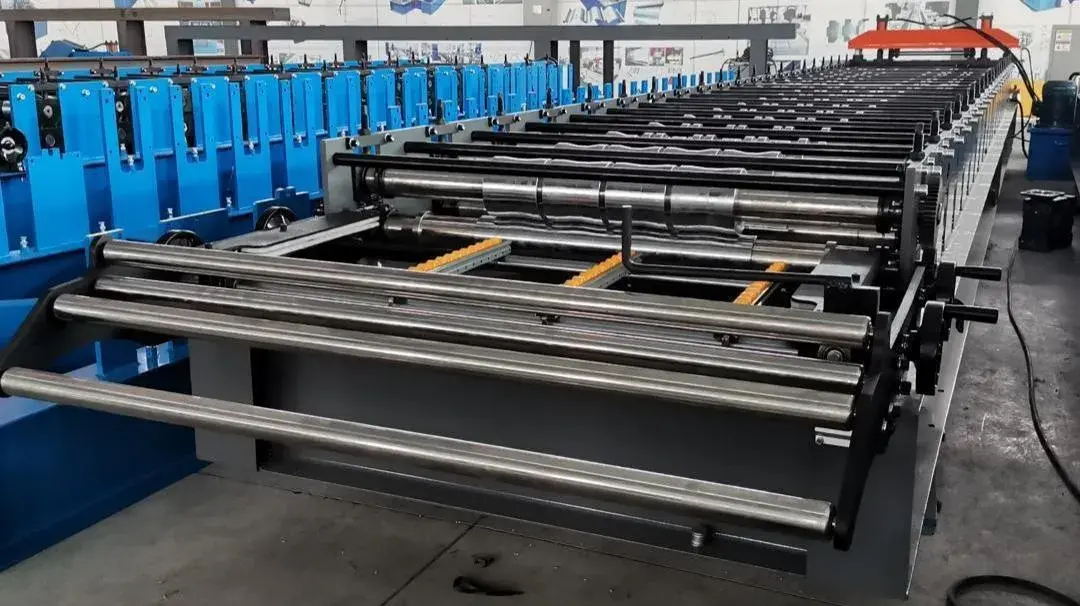
Procurement Considerations for the R101 Roofing Sheet Making Machine
Aside from the specifications of the equipment, things like supplier dependability, support infrastructure, and the possibility of a long-term partnership are also important for successful procurement. If you buy a machine, these things will determine whether it is a strategic asset or an operational headache.
Supplier Reliability and Certification
Since 2014, Cangzhou Zhongtuo has been making cold roll forming equipment, including roofing sheet making machines. They have gained experience by constantly improving designs based on feedback from customers. The ISO9001, CE, and CAS certifications show that the company is committed to quality standards that international buyers look for when they are trying to convince management teams to buy capital equipment.
Zhongtuo has dealt with a wide range of electrical standards, shipping logistics, and regulatory environments because its products are sold in more than 150 countries. This global experience makes the buying process easier for people in North America, thanks to established documentation standards and compliance protocols that have been fine-tuned through thousands of installations around the world.
After-Sales Support and Technical Assistance
When equipment breaks down, it directly affects how much money is made, so quick technical support is very important. Authorized R101 suppliers keep spare parts on hand for important parts like cutting blades, hydraulic seals, and control system parts. Having access to replacement parts in a reasonable amount of time keeps production from having to stop for long periods of time, which hurts relationships with customers and profits.
Installations for the roofing sheet making machine usually take two to three days, which includes setting up the equipment, connecting the power, and training the operators. Warranty coverage for the roofing sheet making machine protects the initial investment and shows that the manufacturer trusts the product to work well. Comprehensive training programs for the roofing sheet making machine make sure that production staff know how to operate the machine correctly, do routine maintenance, and fix common problems without having to send a technician to the site.
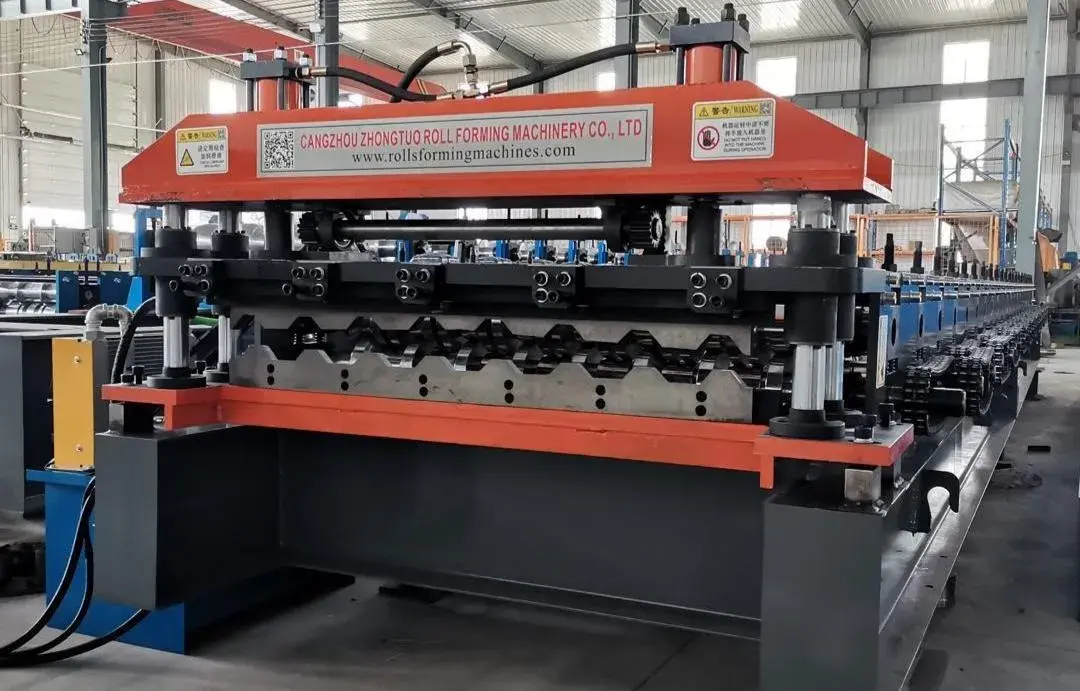
Maximizing Value: How the R101 Roofing Sheet Making Machine Benefits Your Business?
Buying new equipment requires a lot of money and must be clearly justified by improvements in operations that can be measured. In addition to increasing production speed, the R101 is useful in other ways as well.
Measurable Efficiency Improvements
Automated production cuts down on the time it takes to go from raw coil to finished panels. This lets orders be filled faster, which improves the company's competitive position. Customers with tight construction schedules are drawn to companies that can promise shorter lead times. On-time delivery of materials is crucial to the success of a construction project. This dependability builds a good reputation, which leads to repeat orders and word-of-mouth advertising.
Another measurable benefit is a drop in the cost of labor. The machine needs skilled operators, but it gets rid of the need for many people to measure, cut, and check the quality by hand. The automation does repetitive tasks consistently, which is something that humans can't do over long shifts. This increases the quality of the work while lowering the staffing needs.
Superior Product Quality and Competitive Advantages
Consistent profile dimensions make sure that the right fit is made during installation. This saves contractors money on field labor costs, and when suppliers deliver trouble-free materials, they become loyal customers. The protective coating stays intact better with hydraulic forming than with mechanical bending. This makes panels that don't rust for longer in service. This makes the brand more reputable with specifiers and general contractors who care more about long-term performance than just initial cost.
Precision tolerances let people take part in pre-engineered building projects where exact material measurements are needed for structural calculations. Larger order volumes and higher profit margins are common in commercial and industrial projects compared to residential ones. This makes these market segments appealing to companies that are trying to expand.
Future-Proofing Operations and Scalability
The R101's control architecture lets it work with software for managing inventory and planning production. The base model can work on its own, but manufacturing facilities that use Industry 4.0 can add the machine to larger automation plans as their business grows. This path for upgrades protects the value of the equipment investment as operations become more complex over time.
Comprehensive training programs give employees the skills they need to help the business grow after the initial installation of the R101 roofing sheet-making machine. In automated manufacturing, PLC system operation, and quality control practices for the roofing sheet-making machine, employees learn skills that can be used in other situations. These skills improve the overall competency of the facility. These improvements to human capital go along with the investment in the roofing sheet-making machine and create value for the organization that lasts as long as the machine does.
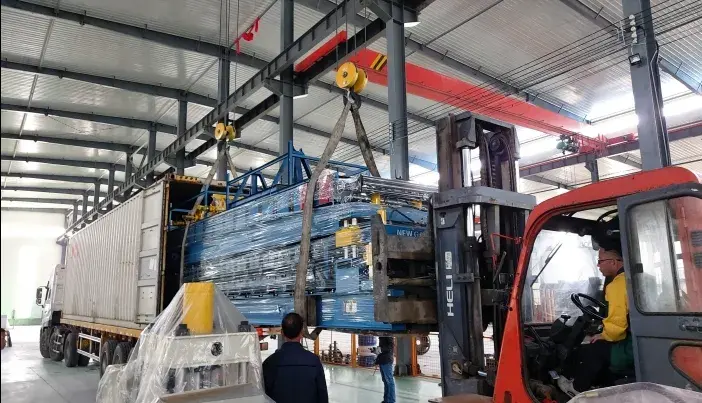
Conclusion
Roofing sheet machines have changed over time from simple mechanical benders to complex production systems that are essential for success in today's steel construction markets. The R101 Roofing Sheet Making Machine can make these things using tried-and-true technology, useful features, and support systems that are perfect for small and medium-sized businesses that want to get into or grow in the metal roofing industry. It solves the problem of how to buy reliable equipment without spending too much money by using a balanced approach to automation that is both advanced enough to improve quality and easy enough to use for a reasonable investment. Machines like the R101 change operational capabilities in ways that financial returns alone can't fully capture. They do this by reducing waste, improving consistency, and speeding up production cycles. This sets the stage for long-term business growth in competitive markets.
FAQ
1. Can the R101 process full-hard G550 steel grades?
The standard R101 setup works with soft to medium-hard steel types (G300 yield strength). To work with full-hard G550 material, you need better forming stations and more motor power to get around the springback properties of higher tensile strength steel. When you specify equipment, be clear about the types of materials you want to process. That way, manufacturers can set up the right roller designs and power systems during production, instead of having to make expensive changes in the field later.
2. How long do cutting blades maintain accuracy before requiring replacement?
With properly heated Cr12MoV blades, you can expect them to last between 500,000 and 1 million cuts before they need to be sharpened or replaced. The actual blade life depends on the thickness of the material and the hardness of the steel. Harder grades and thicker gauges wear out faster. Lowering cutting resistance, keeping the roller surfaces clean, and keeping the hydraulic pressure right can make blades last longer.
3. What causes profile twisting, and how can operators correct it?
Profile twisting usually happens when the roller gap isn't adjusted correctly at the forming stations or when the material isn't entered at the correct level. To fix the problem, the leveling unit at the machine's entrance needs to be fine-tuned, and the roller spacing at the final forming stations needs to be changed. At the discharge end of high-quality machines, there are adjustable straightener devices that are designed to stop twisting and bowing. Check the machine's manual for instructions on how to adjust each station for your profile geometry.
Partner with Experienced R101 Roofing Sheet Making Machine Manufacturers
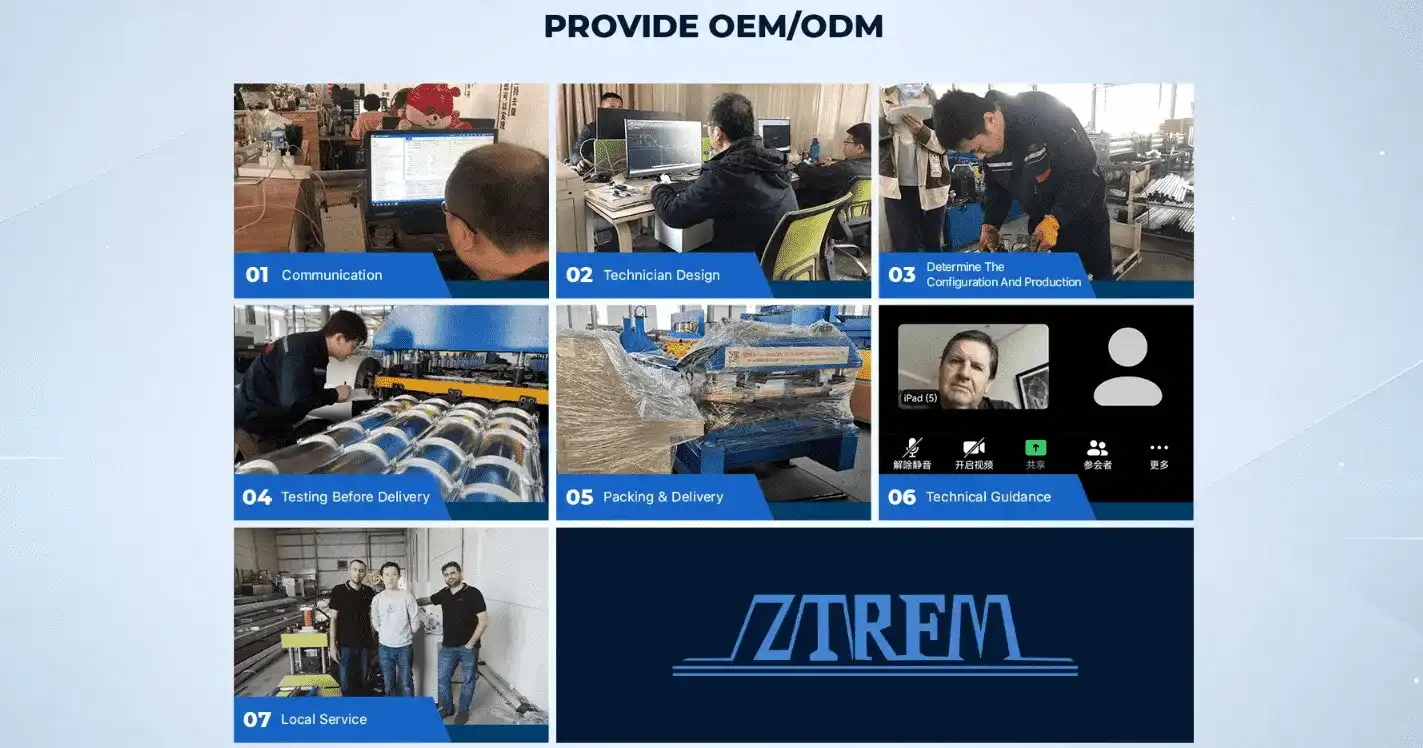
ZTRFM is ready to help you reach your production goals with roll forming solutions that have been tested and proven to work in North American steel construction. Our R101 Roofing Sheet Making Machine is a combination of engineering that has been improved over a decade, with features that make it easier to run a roofing sheet manufacturing business. Since 2014, we've been experts in this field and have helped people in over 150 countries. We know how hard it is to get the right equipment, set it up, and provide ongoing technical support, all of which affect a customer's satisfaction long after the initial delivery. Email our team at zhongtuorollforming@gmail.com to talk about your specific production needs, look into your customization options, and get detailed specifications that are made to fit the capabilities of your facility. If you're an established roofing system manufacturer looking to increase your capacity or a new business looking at your first equipment investments, we can help you make sure that the capabilities of your machinery are in line with your business goals.
References
1. American Iron and Steel Institute. (2021). Cold-Formed Steel Framing Design Guide. Washington, DC: AISI Standards Committee.
2. Halmos, G.T. (2006). Roll Forming Handbook. Boca Raton: CRC Press Taylor & Francis Group.
3. Metal Construction Association. (2020). Technical Bulletin on Metal Roofing Installation Best Practices. Glenview, IL: MCA Publications.
4. Bhattacharyya, D., Smith, P.D., Yee, C.H., & Collins, I.F. (1984). The prediction of deformation length in cold roll-forming. Journal of Mechanical Working Technology, 9(2), 181-191.
5. Lindgren, M. (2007). Cold roll forming of light gauge steel structure components. Journal of Materials Processing Technology, 191(1-3), 251-255.
6. Steel Framing Industry Association. (2019). Technical Guide to Cold-Formed Steel Construction. Washington, DC: SFIA Technical Resources Division.
_1750323743240.webp)