- English
- French
- German
- Portuguese
- Spanish
- Russian
- Japanese
- Korean
- Arabic
- Irish
- Greek
- Turkish
- Italian
- Danish
- Romanian
- Indonesian
- Czech
- Afrikaans
- Swedish
- Polish
- Basque
- Catalan
- Esperanto
- Hindi
- Lao
- Albanian
- Amharic
- Armenian
- Azerbaijani
- Belarusian
- Bengali
- Bosnian
- Bulgarian
- Cebuano
- Chichewa
- Corsican
- Croatian
- Dutch
- Estonian
- Filipino
- Finnish
- Frisian
- Galician
- Georgian
- Gujarati
- Haitian
- Hausa
- Hawaiian
- Hebrew
- Hmong
- Hungarian
- Icelandic
- Igbo
- Javanese
- Kannada
- Kazakh
- Khmer
- Kurdish
- Kyrgyz
- Latin
- Latvian
- Lithuanian
- Luxembou..
- Macedonian
- Malagasy
- Malay
- Malayalam
- Maltese
- Maori
- Marathi
- Mongolian
- Burmese
- Nepali
- Norwegian
- Pashto
- Persian
- Punjabi
- Serbian
- Sesotho
- Sinhala
- Slovak
- Slovenian
- Somali
- Samoan
- Scots Gaelic
- Shona
- Sindhi
- Sundanese
- Swahili
- Tajik
- Tamil
- Telugu
- Thai
- Ukrainian
- Urdu
- Uzbek
- Vietnamese
- Welsh
- Xhosa
- Yiddish
- Yoruba
- Zulu
Solar Strut Channel Roll Forming Machine: Complete Buying Guide for 2026
As the solar energy industry speeds up to reach levels of growth that have never been seen before, choosing the right solar strut channel roll-making machine becomes a very important choice for producers all over the world. This detailed buying guide talks about the technical specs, production options, and cost factors that determine how well high-quality solar mounting systems are made. If you want to stay ahead of the competition in 2026's fast-paced market, you need to know how roll-making equipment works, whether you're expanding your business or getting into the solar bracket manufacturing space.
Why Solar Strut Channel Manufacturing Is Booming in 2026?
Installing green energy around the world keeps setting new marks. For example, solar power adds are expected to go over 450 GW per year. This increase directly raises the need for structural parts, especially metal strut channels that are used in ground-mount arrays, rooftop installs, and mobile solar projects.
Manufacturers are under more and more pressure to make shapes that are precisely designed, can survive tough circumstances, and keep their measurements. Integrated roll forming lines are much more efficient than traditional methods of production that use different processes for punching, bending, and cutting.
The move toward automatic production methods is in line with larger trends in the business. Companies that make solar hanging systems know that using modern roll-forming technology cuts the cost of making each unit by 40 to 60 per cent compared to doing it by hand. Because of this economic fact, a lot of people are buying metal-forming tools that are made just for solar uses.
Understanding Solar Strut Channel Roll Forming Technology
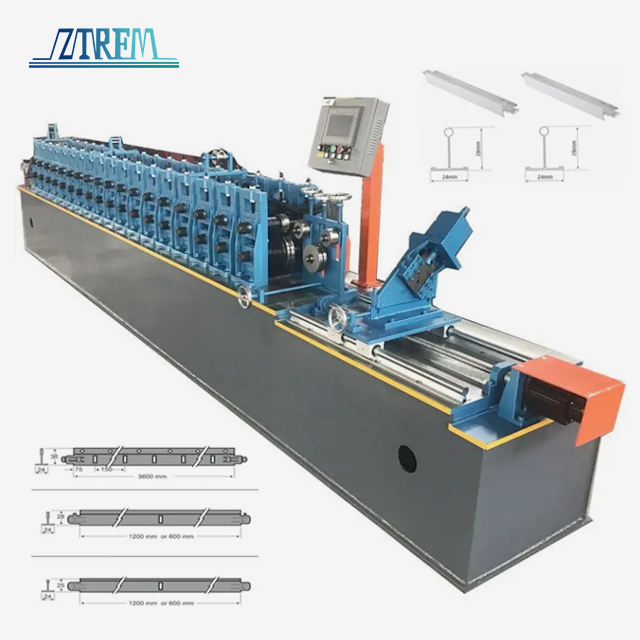
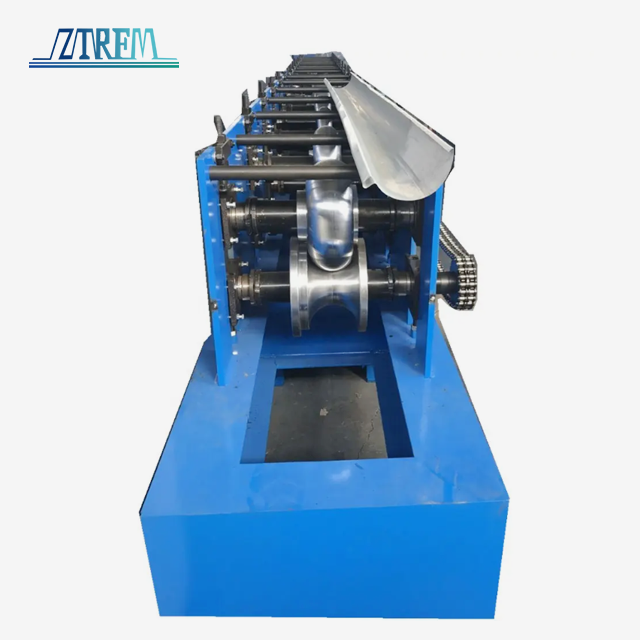
In cold roll forming, a metal strip is bent continuously as it moves through successive sets of rollers, each shaping the material slightly differently until it reaches the final channel shape. This method, unlike pressing, keeps the steel's functional qualities while making tolerances that are very close to perfection.
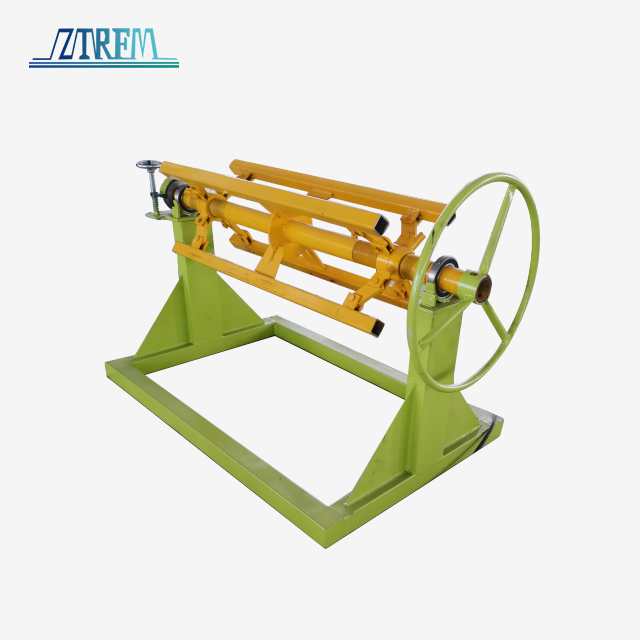
Decoiling, balancing, servo-feeding, hydraulic punching, progressive making, and precision cutting are all common steps in the production process. These steps are done at speeds of up to 8 to 20 meters per minute by modern systems, which rely on the thickness of the material and the complexity of the shape.
The choice of material is very important for how well a sun support system works. Galvanised steel in grades G350 to G550 has the best strength-to-weight ratios, and zinc coats that are already on the steel protect it from rust for 25 years. The roll forming method keeps the coating's structure much better than bonding or mechanically putting it together after manufacturing.
The profile measurements change based on the needs of the application. The Solar Strut Channel Roll Forming Machine comes with 41x41mm, 41x21mm, and 41x62mm channels as standard options. However, it can be customised to almost any specification. The complexity and quality of the surface are limited by the machine's making stations, which are usually made up of 20 to 24 roller stands.
Critical Specifications to Evaluate Before Purchasing
Material Handling Capacity
Feeding widths range between 90 and 230 mm to accommodate various profile sizes, while a thickness capacity of 1.5-2.5 mm suits most solar mounting applications. Manufacturers targeting heavy-duty ground-mount systems may require equipment handling up to 3.0mm steel for enhanced load-bearing capabilities.
Forming Speed and Production Output
Standard forming speeds of 8 metres per minute translate to approximately 300-350 linear metres per eight-hour shift. Higher-speed models reaching 15-20 metres per minute justify their premium cost only when production volumes exceed 10,000 metres monthly.
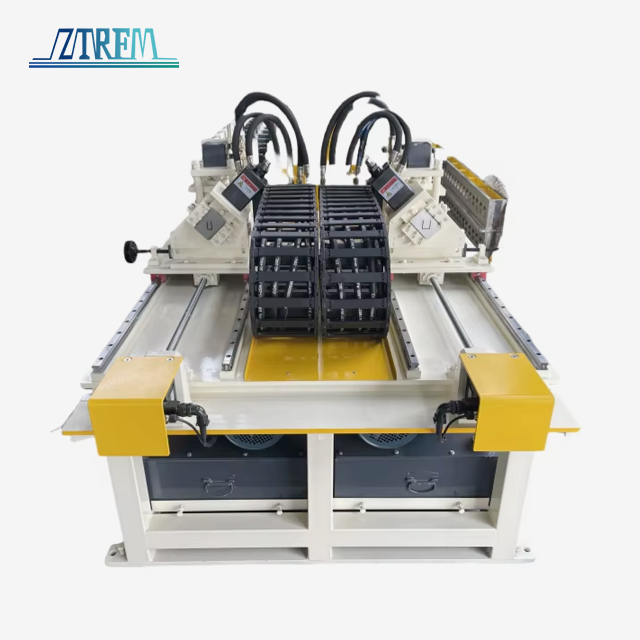
Punching System Configuration
Integrated hydraulic punching stations eliminate secondary operations while maintaining hole position accuracy within ±0.5mm. The choice between online punching, press punching, or offline solutions depends on hole pattern complexity and production flexibility requirements.
Building roofing system manufacturers producing multiple profiles benefit most from quick-changeover designs. Light steel structure and purlin manufacturers should prioritise servo-driven punching systems that accommodate frequent pattern modifications without manual die adjustments.
Drive System Architecture
Gearbox transmission provides superior torque delivery for thicker materials, ensuring consistent forming pressure across all roller stations. Chain drive systems offer lower initial investment but may require replacement within 3-5 years under continuous operation.
The 22kW main motor power specification handles standard 2.0mm steel efficiently, though manufacturers processing heavier gauges should verify motor capacity matches material resistance requirements. The hydraulic station's power of 11 kW indicates adequate cutting force for clean, burr-free shearing.
Frame Construction and Roller Quality
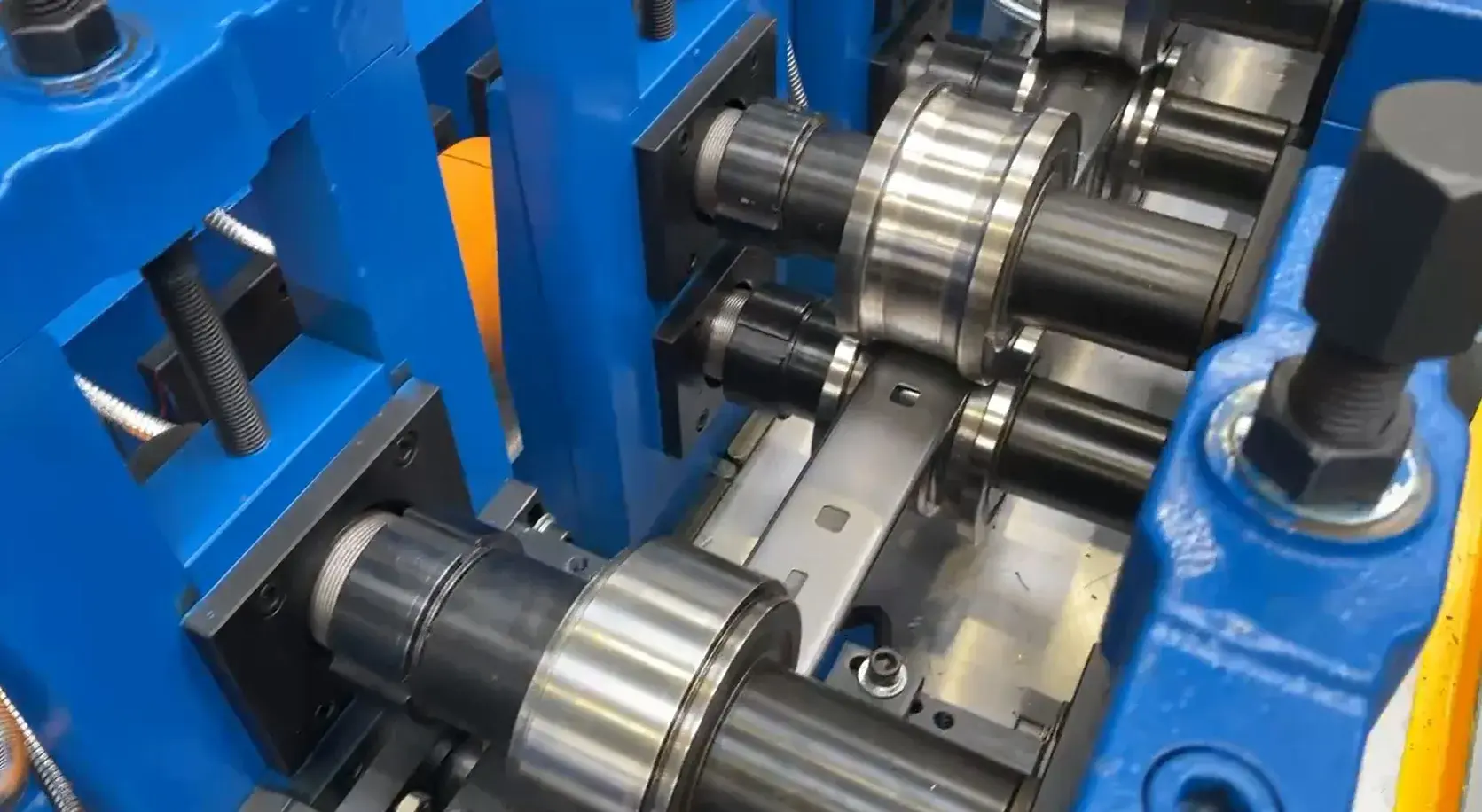
Machine body construction using 25 mm 45# steel provides the structural rigidity necessary for maintaining tight tolerances over years of operation. Roller material significantly impacts longevity—GCr15 steel with chrome plating resists wear far longer than standard carbon steel alternatives.
A shaft diameter of 80 mm using 45# forged steel minimises deflection under load, directly contributing to consistent profile dimensions. The 24-roller configuration allows gradual material deformation, reducing stress concentrations that could compromise surface finish or dimensional stability.
Matching Machine Capabilities to Your Business Model
For Established Solar Mounting Manufacturers
Companies producing 500+ tonnes annually should prioritise fully automated systems incorporating PLC control, touchscreen interfaces, and automatic length measurement. The investment in premium components pays dividends through reduced scrap rates, minimised labour requirements, and enhanced quality consistency.
Multi-profile capability becomes essential when serving diverse customer segments. Advanced designs allow changeover between different channel sizes within 20-30 minutes through modular roller cassettes or servo-adjustable forming stations.
For Metal Structure Fabricators Entering Solar Markets
Existing manufacturers expanding into photovoltaic components benefit from equipment offering integrated punching and cutting capabilities, such as the Solar Strut Channel Roll Forming Machine. The ability to produce channel steel, support profiles, and solar strut channels on a single platform maximises asset utilisation while controlling capital expenditure.
Manufacturers producing both standard solar strut channels and specialised profiles for rooftop or floating PV systems should evaluate machines that accommodate different material grades (e.g., G350 to G550 galvanised steel) without compromising zinc coating integrity. Proper roller design and surface finish – such as chrome-plated GCr15 rollers – prevent galling or scratching of the anti-corrosion layer, ensuring 25-year durability required by solar project specifications.
For Startups and Small-Scale Producers
Entry-level manufacturers face unique challenges in balancing initial investment against growth potential. Mature machine designs with proven reliability reduce technical risk while comprehensive training programmes accelerate operator proficiency.
Equipment requiring minimal maintenance and offering simplified troubleshooting procedures deserves premium consideration. The hidden costs of complex systems—specialised repair expertise, extended downtime, and expensive replacement parts—often exceed purchase price savings on budget alternatives.
Automation Features That Actually Matter
Modern control systems incorporate programmable logic controllers managing length setting, quantity counting, and emergency stops. The practical value lies not in technological sophistication but in operational efficiency gains and error reduction.
Automatic length measurement eliminates manual marking and reduces material waste to under 1%. Integrated counting systems track production output in real-time, enabling accurate scheduling and inventory management.
Servo feeding systems maintain precise material advancement regardless of line speed variations, ensuring consistent hole spacing critical for solar panel installation compatibility. This capability proves particularly valuable when producing components requiring millimetre-level accuracy across 6-12 metre lengths.
Evaluating Total Cost of Ownership Beyond Purchase Price
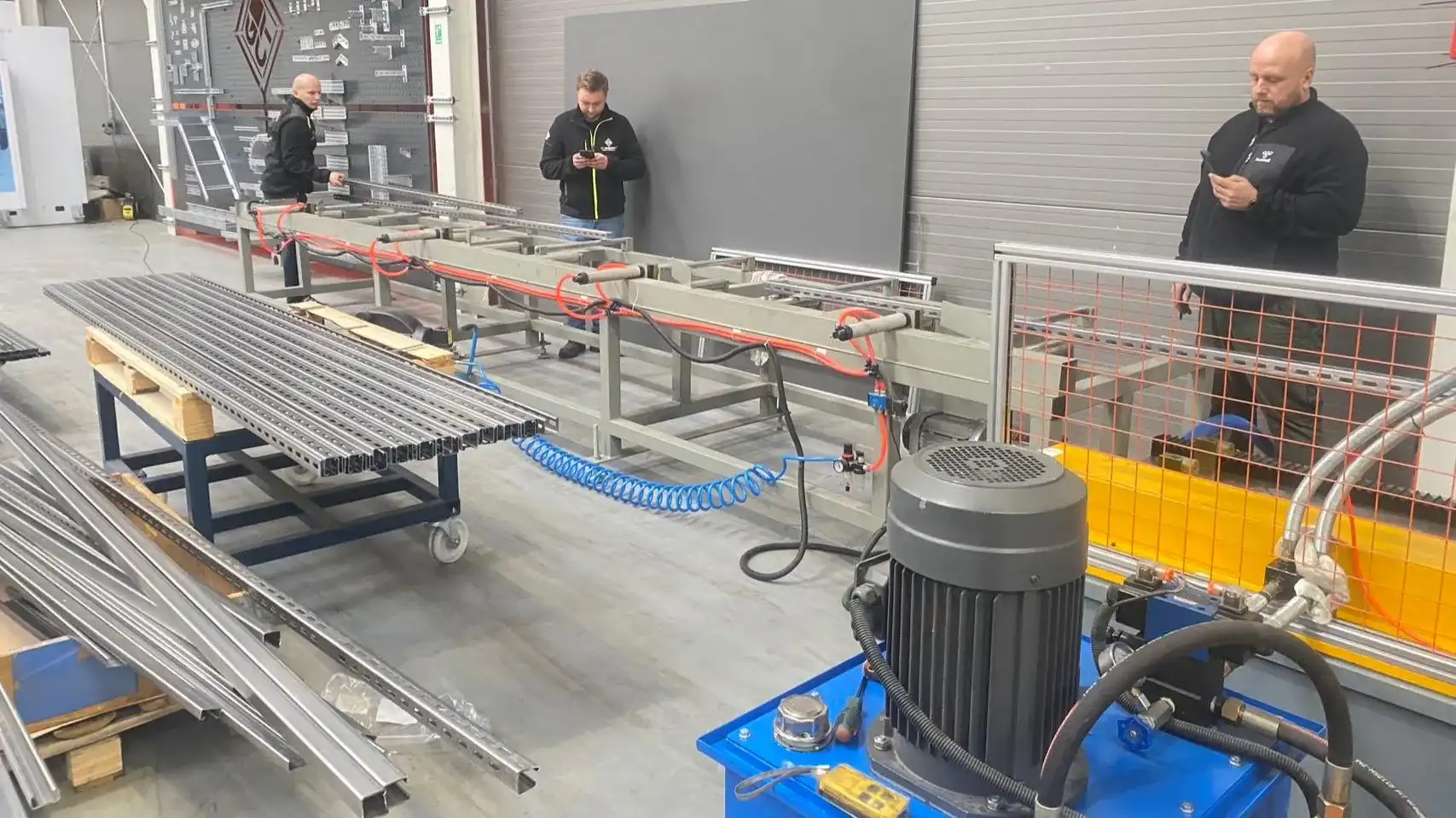
Initial equipment investment represents only 60-70% of ten-year ownership costs. Comprehensive financial analysis must account for installation expenses, operator training, maintenance requirements, spare parts availability, and potential production downtime.
Energy consumption varies significantly between drive system designs. Efficient motors and optimised hydraulic systems can reduce monthly electrical costs by $200-500 compared to older technology, accumulating substantial savings over equipment's lifespan.
Maintenance accessibility directly impacts long-term operational costs. Machines requiring complete disassembly for roller changes or adjustment procedures translate to expensive downtime. Quick-change tooling systems and modular component designs minimise service interruptions while reducing dependency on specialised technicians.
Quality Assurance and Compliance Considerations
International engineering and EPC companies must verify equipment compliance with relevant safety and performance standards. ISO 9001 certification indicates systematic quality management, while CE marking confirms European safety directive compliance.
Tolerance specifications deserve careful scrutiny. The ±1.5mm tolerance mentioned in basic specifications may suffice for general applications, yet high-precision solar racking systems often require ±0.5mm or tighter dimensional control.
Cutting system quality determines edge finish and dimensional accuracy. Hydraulic shearing using Cr12 mould steel blades with proper heat treatment (58-62 HRC) produces clean cuts without secondary deburring operations.
Global After-Sales Support Infrastructure
Equipment longevity depends heavily on manufacturer support capabilities. Companies operating in multiple countries need suppliers offering local technical assistance, rapid spare parts delivery, and remote troubleshooting capabilities.
Delivery experience across 150+ countries for the Solar Strut Channel Roll Forming Machine signals established logistics networks and international service infrastructure. This global reach becomes critical when equipment malfunctions threaten production schedules in remote locations.
On-site installation and operator training conducted by factory-trained engineers accelerates commissioning while ensuring proper machine setup. Remote support capabilities provide ongoing technical guidance without expensive service visits for minor issues.
Spare parts availability significantly impacts equipment uptime. Manufacturers maintaining comprehensive inventories of wear components, electrical parts, and hydraulic elements minimise emergency downtime costs.
Customisation Capabilities for Specialised Applications
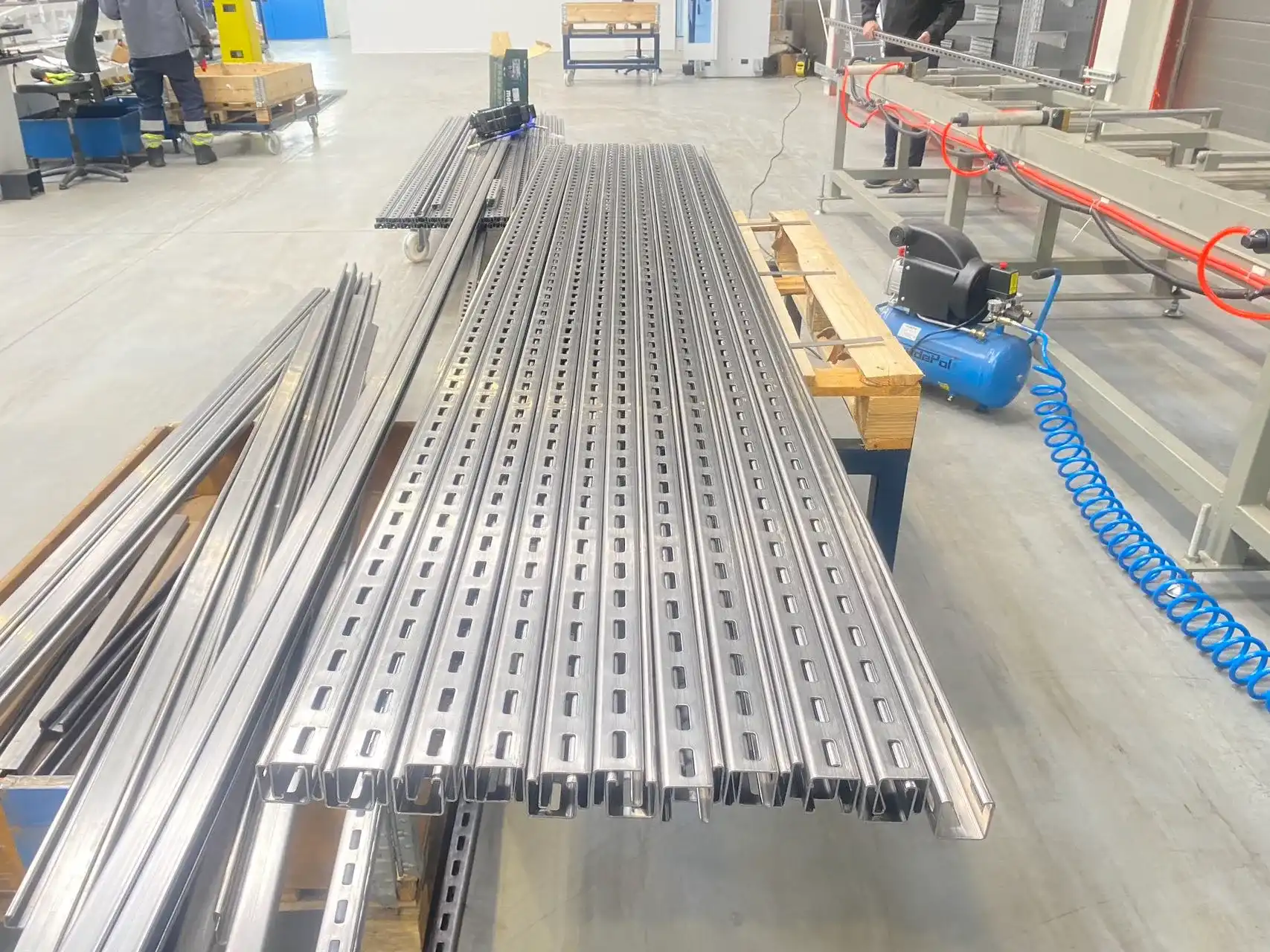
Standard machine configurations serve mainstream applications effectively, yet many manufacturers require modifications addressing unique production requirements. Reputable suppliers offer engineering support for custom profile designs, specialised punching patterns, or integration with existing production lines.
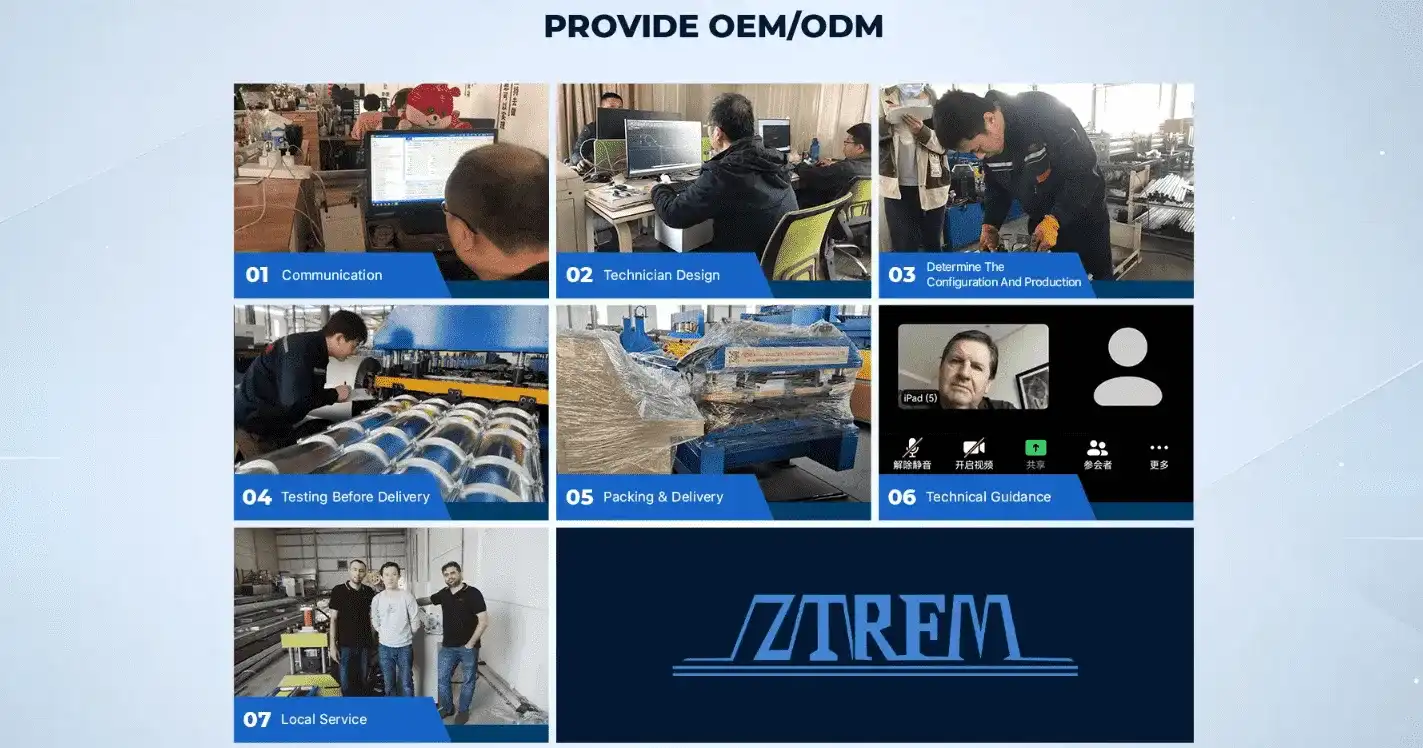
OEM and ODM services enable branded equipment tailored to specific operational workflows. This flexibility particularly benefits large-scale manufacturers establishing proprietary production systems or companies requiring seamless integration with automated material handling equipment.
Making the Smart Investment Decision
Successful equipment selection balances immediate production needs against future growth trajectories. Machines offering modular expandability accommodate capacity increases without complete line replacement.
Technical specifications provide objective comparison points, yet supplier reputation and service capabilities often determine long-term satisfaction. Reference installations, customer testimonials, and factory visits offer insights beyond marketing materials and technical datasheets.
Financial considerations extend beyond purchase price to encompass installation costs, operator training, maintenance requirements, and potential financing options. Comprehensive ROI analysis should project payback periods based on realistic production volumes and market pricing assumptions.
Conclusion
In 2026’s rapidly expanding solar market, investing in the right solar strut channel roll forming machine is essential for achieving efficiency, precision, and long-term competitiveness. By carefully evaluating technical specifications, automation features, and total cost of ownership, manufacturers can align equipment capabilities with their production goals and growth plans. Advanced roll forming solutions not only reduce costs but also ensure consistent quality and scalability for diverse solar applications. Partnering with a reliable supplier like ZTRFM provides the engineering expertise, customisation, and support needed to build a resilient, future-ready manufacturing operation in the global renewable energy industry.
Partner With ZTRFM for Your Solar Strut Channel Roll Forming Machine Needs
ZTRFM delivers proven solar strut channel roll forming machine solutions combining engineering excellence with comprehensive support services. As a certified manufacturer serving 150+ countries since 2014, we understand the precise requirements of solar mounting system producers worldwide. Our technical team provides customised designs, on-site installation, and lifetime support, ensuring your production success. Contact zhongtuorollforming@gmail.com today to discuss your specific requirements and receive a detailed technical proposal tailored to your manufacturing goals.
References
1. Johnson, M. R., & Peterson, K. L. (2023). Advanced Roll Forming Technologies for Renewable Energy Applications. Industrial Manufacturing Press.
2. Zhang, H., & Kumar, S. (2024). "Cold Roll Forming Process Optimisation for High-Strength Steel Channels." Journal of Manufacturing Science and Engineering, 146(3), 031008.
3. Williams, D. A. (2025). Solar Mounting Systems: Design, Manufacturing, and Installation Standards. Renewable Energy Technical Publications.
4. European Committee for Standardisation. (2024). EN 15512:2024 Steel Static Storage Systems - Adjustable Pallet Racking Systems - Principles for Structural Design. CEN Brussels.
5. Anderson, T., & Lee, J. (2025). "Economic Analysis of Automated vs. Manual Solar Support Structure Manufacturing." International Journal of Production Economics, 271, 109187.
6. National Renewable Energy Laboratory. (2025). Best Practices in Photovoltaic Mounting Structure Fabrication and Quality Control. NREL Technical Report NREL/TP-6A20-87456.