- English
- French
- German
- Portuguese
- Spanish
- Russian
- Japanese
- Korean
- Arabic
- Irish
- Greek
- Turkish
- Italian
- Danish
- Romanian
- Indonesian
- Czech
- Afrikaans
- Swedish
- Polish
- Basque
- Catalan
- Esperanto
- Hindi
- Lao
- Albanian
- Amharic
- Armenian
- Azerbaijani
- Belarusian
- Bengali
- Bosnian
- Bulgarian
- Cebuano
- Chichewa
- Corsican
- Croatian
- Dutch
- Estonian
- Filipino
- Finnish
- Frisian
- Galician
- Georgian
- Gujarati
- Haitian
- Hausa
- Hawaiian
- Hebrew
- Hmong
- Hungarian
- Icelandic
- Igbo
- Javanese
- Kannada
- Kazakh
- Khmer
- Kurdish
- Kyrgyz
- Latin
- Latvian
- Lithuanian
- Luxembou..
- Macedonian
- Malagasy
- Malay
- Malayalam
- Maltese
- Maori
- Marathi
- Mongolian
- Burmese
- Nepali
- Norwegian
- Pashto
- Persian
- Punjabi
- Serbian
- Sesotho
- Sinhala
- Slovak
- Slovenian
- Somali
- Samoan
- Scots Gaelic
- Shona
- Sindhi
- Sundanese
- Swahili
- Tajik
- Tamil
- Telugu
- Thai
- Ukrainian
- Urdu
- Uzbek
- Vietnamese
- Welsh
- Xhosa
- Yiddish
- Yoruba
- Zulu
Common Problems in Solar Strut Channel Roll Forming Machines and Solutions
Making accurate solar mounting system parts requires reliable equipment. Solar system structural profiles are made from coiled steel using Solar Strut Channel Roll-Forming Machines. Producers face production disruptions constantly. Dimensional mistakes, surface imperfections, and alignment issues degrade product quality, which affects installation and durability. You must identify roller wear, inconsistent materials, calibration drift, and human error to rectify these issues. It will assist procurement staff in picking equipment that produces consistent outcomes and reduces costly downtime. Finding and correcting these issues preserves short-term output objectives and long-term consumer pleasure.
Identifying Common Defects in Strut Channel Production
Dimensional Inconsistencies and Profile Warping
Solar mounting methods are incompatible due to profile bending. Workers struggle to align parts in the field when channel measurements vary by more than ±1.5 mm. Metal bends or twists when cold forming stress is unequal and roller pressure is different at all 24 locations. These discrepancies increase with production environment temperature, especially when working with 1.5–2.5 mm coated steel.
Surface Damage and Coating Deterioration
Pre-galvanised steel contains protective layers; therefore, it must be treated cautiously throughout production. If you damage, scuff, or remove an outer base metal coating, it will rust faster. Chrome treatment on GCR15 steel rollers prevents scratches, although lubrication and filthy contact areas might still cause issues. These surface imperfections reduce the likelihood of a 25-year solar service life.
Punching Position Errors and Hole Quality
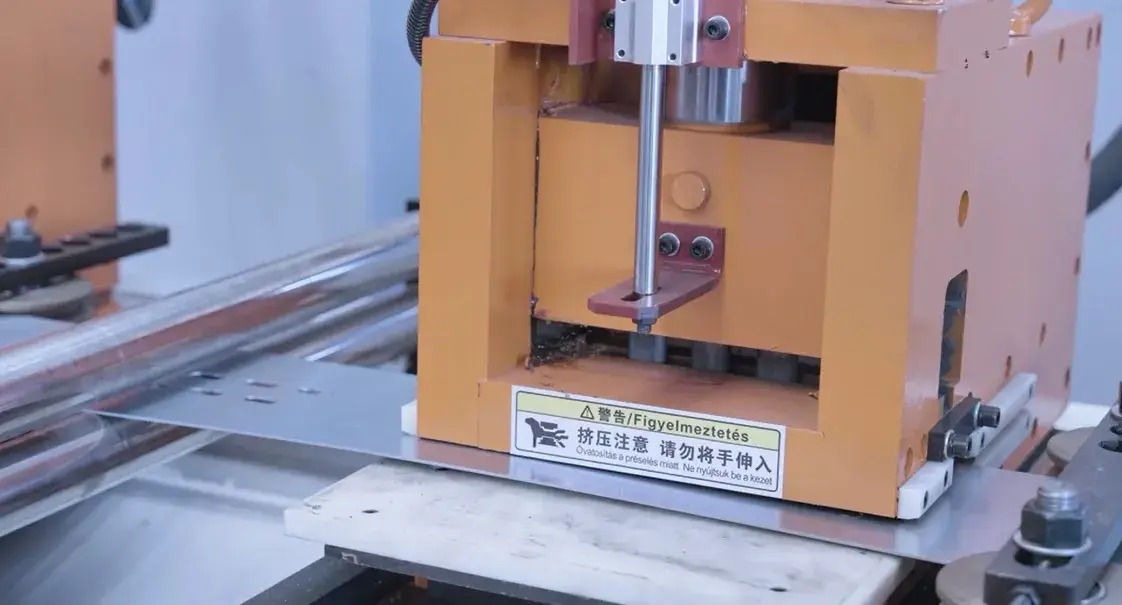
The slots' accuracy determines how well the fastening elements line up during installation. Mistakes over large profile lengths generate assembly mismatches that waste field modification time and money. Using hydraulic punching systems with outdated or inappropriate pressures creates burrs, odd-shaped holes, or directional drift that worsens over time.
Systematic Solutions to Enhance Machine Performance and Product Quality
Implementing Preventive Maintenance Protocols
Instead of fixing problems, routine maintenance cycles ensure equipment reliability. Regular double chain drive system inspections prevent unexpected breakdowns that interrupt manufacturing lines. Lubrication schedules for the 22kW main motor and hydraulic station keep everything working smoothly and increase part life. Recorded roller inspections at all 24 sites demonstrate how they wear down before they break.
Manufacturing benefits from repair personnel trained on machine characteristics, including the Solar Strut Channel Roll Forming Machine. Realising that the 45# cast steel 80 mm diameter shaft needs special bearing care prevents catastrophic failures. The 11KW hydraulic cutting system power unit is constantly examined to ensure clean, burr-free cuts satisfy quality requirements.
Repair becomes a competitive advantage with these coordinated procedures. Manufacturers claim that preventative programmes significantly reduce emergency downtime while maintaining the ±1.5 mm range for solar mounting. Documentation builds institutional knowledge that the organisation keeps after personnel changes. This preserves operational competence throughout manufacturing changes.
Optimising Material Handling and Feeding Systems
Consistent material input prevents downstream quality issues. Coil handling tools must maintain tension during decoiling and manage feeding widths from 90 to 230 mm. Edge polishing and surface cleaning remove contaminants that might damage chrome-plated forming rollers or degrade profile surfaces.
Calibration and Quality Control Integration
Live monitoring tools spot discrepancies before they cause a lot. After crucial processes, measuring checkpoints allow staff to make tiny modifications without affecting dimensions. Profile gauges calibrated to evaluate cross-sectional geometry ensure technical requirements are followed throughout manufacturing runs, preventing final review issues.

Design Features and Manufacturing Technology to Mitigate Common Issues
Advanced Roller Engineering and Material Selection
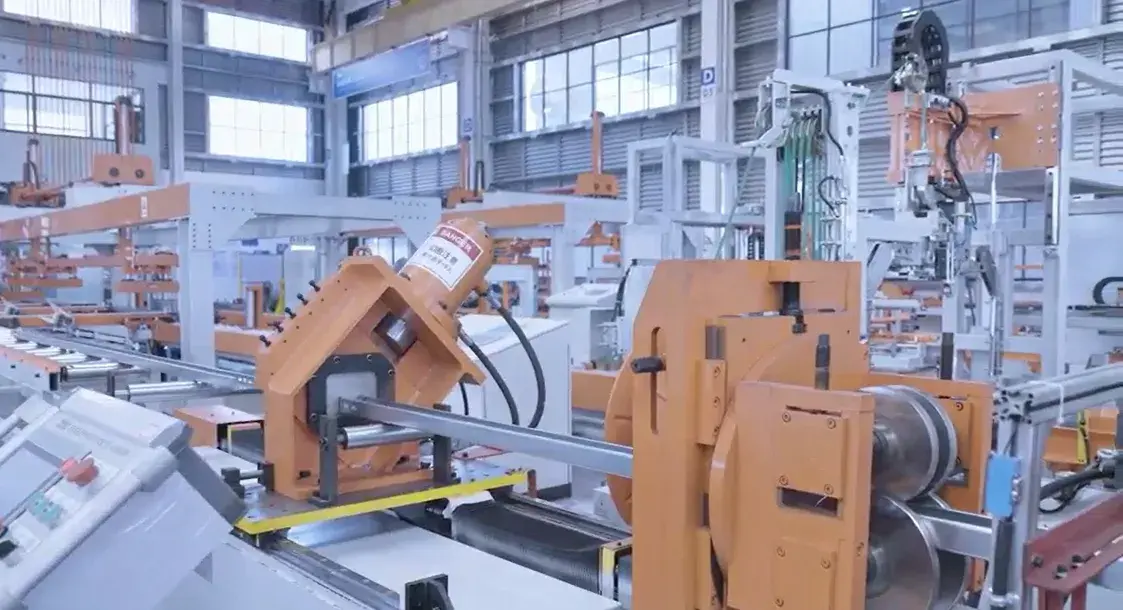
Precision tools ensure excellent profile quality. Chrome-treated GCR15 steel forming rollers harden to HRC 58–62. Their wear strength is sufficient for extensive manufacturing runs. This material balances durability and feed material galvanised coat protection. The 24-roller arrangement uniformly distributes forming forces, reducing material stress and bending.
A 45# cast steel shaft with an 80mm diameter. Due to its rigidity, it does not deflect when cold forming is vigorous. This structural support aligns rollers over the machine bed, resulting in a ±1.5 mm tolerance in final profiles. Building the machine frame with 25mm 45# steel ensures correct geometry for years.
Hydraulic vs. Mechanical Drive Considerations
Transmission system choice influences operation and maintenance. Double chain drive systems move power dependably and enable future advancements at 8 m/min forming speed. This setup helps producers compare the machine's initial cost against its long-term value. This is crucial for thicker material activities when transmission loads increase.
Hydraulic cutting systems produce smooth cuts without vibrations that might affect measurement accuracy. Choosing the proper blade material allows the 11 kW hydraulic station to cut 2.5 mm steel with great quality, using a solar strut channel machine. Quenched Cr12 mould steel cutting blades harden at 58–62°C. This allows longer blade replacement intervals.
Automation and Control System Integration
Modern PLCs affect how operators use complex machinery. Production teams may modify forming parameters, examine real-time performance statistics, and get maintenance warnings via easy-to-use HMI interfaces. Automated length setting eliminates measuring errors, and production counting features track supplies and quality.
Tech advances help manufacturing businesses fill their skills shortage. Automated systems reduce the need for qualified operators while maintaining quality. Alarm features help management spot issues before they shut down production in lean manufacturing.
Maintenance Best Practices for Extended Equipment Longevity
Establishing Comprehensive Inspection Routines
Equipment lasts longer with systematic checks that detect wear before it affects quality. Daily visual examinations reveal oil leaks, loose screws, and unusual noises that need immediate repair. Every week, the chain drive system, roller condition, and hydraulic links are carefully checked to make sure that small problems don't turn into big ones.
Monthly calibration tests ensure measurement accuracy within limitations. When accurate measurement equipment is employed to monitor roller position, tiny variations across thousands of production metres can be identified. Writing down these metrics lets you recognise which parts need to be changed during scheduled maintenance rather than in an emergency.
Operator Training and Knowledge Transfer
The technical expertise of the production crew affects work quality and tool life. Comprehensive training programmes that teach workers how to start machines, add materials, and fix basic problems equip them for daily tasks. You can address the problem quickly if you know how feed force impacts profile quality or can notice roller wear.
Cross-training initiatives ensure that tool experts don't have everything. When team members comprehend a machine, activities continue after they depart. Regular review sessions include best practices and learning from quality mishaps or near misses.

Selecting Equipment to Minimise Production Problems
Matching Machine Specifications to Production Requirements
Buying the correct instruments starts with accurate production estimates. Continuous machines that employ few switches aid activities that use many common patterns. Manufacturers who service many markets and need variable channel diameters might use quick-change equipment or forming stations.
The 1.5-2.5 mm thickness range is suitable for most solar installations; however, checking its compatibility with steel prevents accidental formation. Rollers must be used properly on galvanised, aluminium-zinc, and pre-painted materials.
Production speeds must consider the entire manufacturing process, not simply the speed. The solar strut channel machine can go 8 m/min; however, a fair throughput estimate accounts for time spent adding ingredients, setting up, testing for quality, and transporting materials between processes. Knowing these real-world restrictions will help you avoid disappointment when production doesn't meet theoretical capacity estimations.
Evaluating Manufacturer Support Capabilities
Buying equipment is a long-term commitment. Manufacturers that offer comprehensive professional support add value beyond the product price. Installation assistance from experienced professionals ensures proper setup and calibration, ensuring years of reliable performance. On-site training teaches teams how to work.
Replacement components with reliable delivery schedules reduce downtime. Cutting blades, bearings, and hydraulic seals should be readily available without long-distance shipping. Technical support speeds up problem-solving, especially when production is going up.
Global producers with reliable service networks have proven themselves. ZTRFM and other firms operating equipment in over 150 countries have refined their designs by learning from client feedback and working situations. Due to this international expertise, robust machines have been built that can function in many power sources, surroundings, and business practices.
Certification and Quality Standards Verification
ISO9001 certification ensures production quality controls and documentation. CE certification signifies a product fulfils European safety requirements. This indicates that engineering prioritises user safety. These credentials don't guarantee perfection, but they reflect the maker's commitment to reliable quality standards.
Ask for client samples from comparable apps to learn how the app operates in real life. Talking to production managers who use comparable technologies might reveal operational insights not in specs. Procurement choices are based on knowing about frequent repair needs, trends of spare parts use, and how quickly manufacturers are during support situations.

Conclusion
To produce high-quality solar strut channels, you must know your tools, observe tight maintenance regulations, and use skilled suppliers. Dimensional accuracy, surface quality, and reliability come from precision engineering and targeted operational methods. Preventive maintenance, operator training, and tool selection save production quality and efficiency. Solar industry growth requires solid, high-quality structural elements. This implies equipment stability is a competitive need, not an add-on. In this booming sector, organisations that acquire robust machinery with strong service networks succeed long-term.
FAQ
1. What causes dimensional inconsistencies in formed channels?
Dimensions alter most over extended manufacturing cycles due to roller wear. The profile specifications go too far off when the manufacturing rollers lose form. When feed material approaches tolerance limits, breadth changes in particular locations also matter. Keeping rollers clean and examining material helps prevent these issues.
2. How often should hydraulic systems be serviced?
Hydraulic station maintenance depends on usage, but most workplaces recommend three-month checks. Checking oil levels, filters, and pressure settings helps prevent system failure. A comprehensive pump inspection and seal replacement once a year ensures long-term reliability.
3. Can automation improve production consistency?
Automated control systems reduce human error in process setting changes, improving stability. PLCs regulate feed rates, punching locations, and cutting lengths to maintain precision over thousands of profiles. Real-time tracking allows you to resolve issues immediately if factors change, reducing scrap. These strategies are useful for firms with shift workers who do multiple activities.
Partner with ZTRFM for Reliable Solar Mounting Solutions
Our Solar Strut Channel Roll Forming Machine source expertise helps US enterprises ensure product quality. We manufacture precision machinery for 1.5-2.5 mm material with ±1.5 mm inaccuracy since 2014, backed by ISO9001 and CE certifications. Strong 45# steel structure, 24 GCR15 chrome-plated rollers, and a sturdy double chain drive make our machines reliable. Operator training, installation assistance, and lifetime professional support are available. Contact zhongtuorollforming@gmail.com for creative business solutions that boost competitiveness.

References
1. Chen, W., & Zhang, L. (2021). Cold Roll Forming Technology for Solar Mounting Systems. Industrial Press.
2 .Harrison, M. (2020). Precision Maintenance Strategies for Roll Forming Equipment. Manufacturing Engineering Quarterly, 45(3), 78-92.
3. Kumar, R., & Patel, S. (2022). Material Handling Optimization in Metal Forming Operations. Technical Publishing House.
4. Rodriguez, J. (2019). Hydraulic System Design for Industrial Forming Machinery. Journal of Manufacturing Processes, 38, 156-171.
5. Thompson, A., & Williams, D. (2023). Quality Control Methods in Structural Steel Production. Engineering Publications Ltd.
6. Zhou, X. (2021). Automation Integration in Cold Forming Systems. International Journal of Advanced Manufacturing, 52(4), 203-218.
_1750323743240.webp)