- English
- French
- German
- Portuguese
- Spanish
- Russian
- Japanese
- Korean
- Arabic
- Irish
- Greek
- Turkish
- Italian
- Danish
- Romanian
- Indonesian
- Czech
- Afrikaans
- Swedish
- Polish
- Basque
- Catalan
- Esperanto
- Hindi
- Lao
- Albanian
- Amharic
- Armenian
- Azerbaijani
- Belarusian
- Bengali
- Bosnian
- Bulgarian
- Cebuano
- Chichewa
- Corsican
- Croatian
- Dutch
- Estonian
- Filipino
- Finnish
- Frisian
- Galician
- Georgian
- Gujarati
- Haitian
- Hausa
- Hawaiian
- Hebrew
- Hmong
- Hungarian
- Icelandic
- Igbo
- Javanese
- Kannada
- Kazakh
- Khmer
- Kurdish
- Kyrgyz
- Latin
- Latvian
- Lithuanian
- Luxembou..
- Macedonian
- Malagasy
- Malay
- Malayalam
- Maltese
- Maori
- Marathi
- Mongolian
- Burmese
- Nepali
- Norwegian
- Pashto
- Persian
- Punjabi
- Serbian
- Sesotho
- Sinhala
- Slovak
- Slovenian
- Somali
- Samoan
- Scots Gaelic
- Shona
- Sindhi
- Sundanese
- Swahili
- Tajik
- Tamil
- Telugu
- Thai
- Ukrainian
- Urdu
- Uzbek
- Vietnamese
- Welsh
- Xhosa
- Yiddish
- Yoruba
- Zulu
Custom PBR Roll Former for OEM Metal Roofing Production
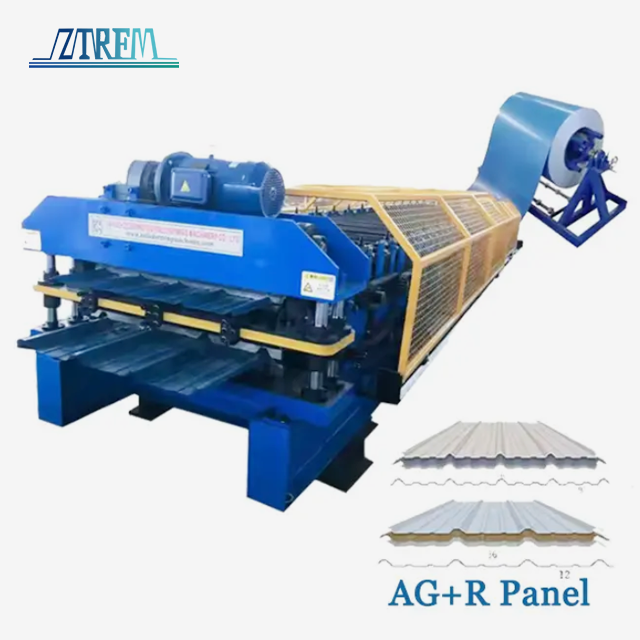
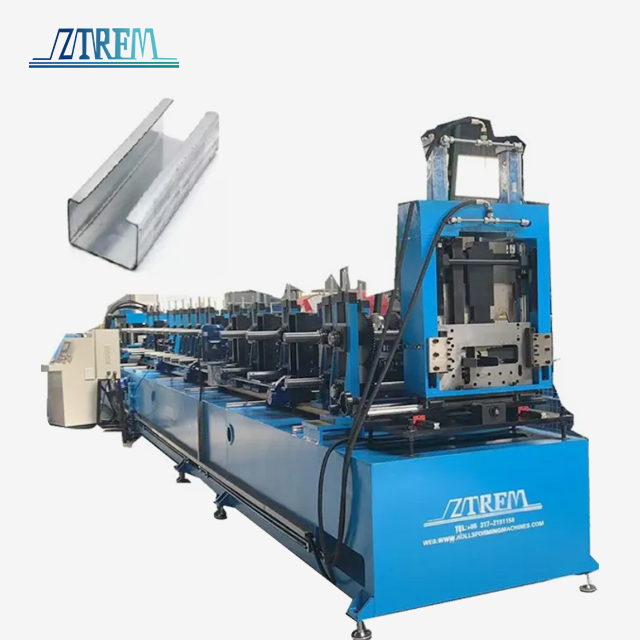
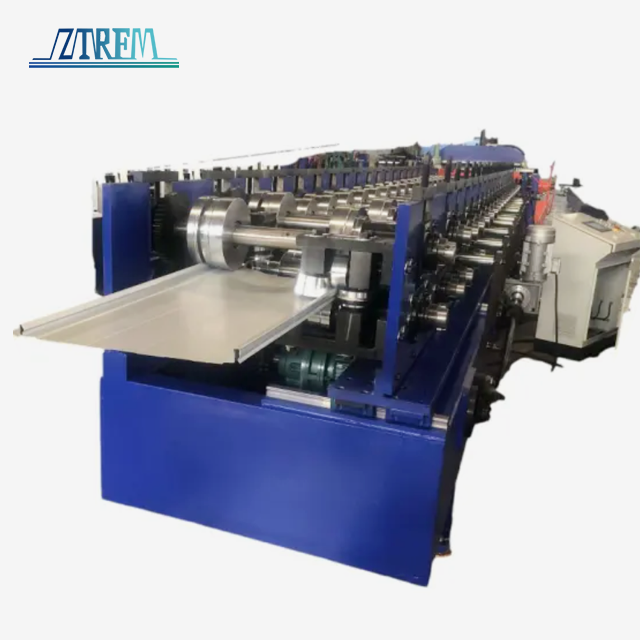
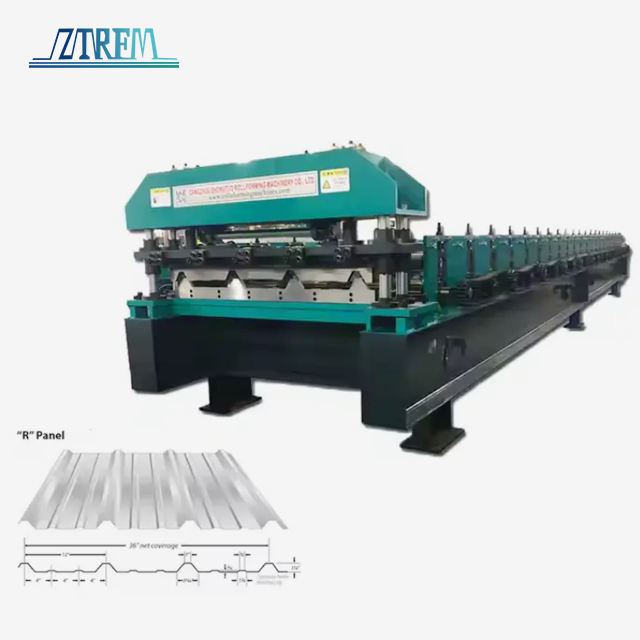
When building roofing systems, manufacturers need precision equipment that delivers consistent PBR profiles at scale; they turn to specialised OEM partners who understand both metal-forming technology and market demands, including the PBR roll former. A custom PBR roll former transforms raw steel coils into structurally superior roofing panels featuring the signature purlin-bearing leg that distinguishes these profiles from standard corrugated sheets. Through tailored engineering, manufacturers gain equipment calibrated exactly to their production volume, material specifications, and regional compliance standards—eliminating the compromises inherent in off-the-shelf machinery.
Why OEM/ODM Customisation Transforms PBR Panel Production?
Generic roll-forming equipment rarely addresses the nuanced challenges roofing manufacturers face daily. You might purchase a standard machine only to discover it cannot handle your preferred 24-gauge Galvalume without causing micro-cracking in the coating. Or perhaps the fixed tooling limits you to a single rib height when your clients demand both 1.25-inch and 1.5-inch profiles.
OEM (Original Equipment Manufacturing) and ODM (Original Design Manufacturing) partnerships solve these frustrations. Through OEM services, you receive machinery built precisely to your specifications—roller configurations matched to your material hardness, cutting systems calibrated to your panel lengths, and control systems programmed in your operators' language. ODM collaboration goes further, allowing you to co-develop entirely new panel profiles that differentiate your product line in competitive markets.
We've worked with roofing manufacturers across six continents since 2014, watching how customisation directly impacts their bottom line. One client in Australia needed equipment that could switch between standard PBR and a proprietary concealed-fastener profile within 15 minutes. Their previous machine required four hours of manual adjustment. After implementing our quick-changeover roller cassette system, their production flexibility increased by 340 per cent within the first quarter.
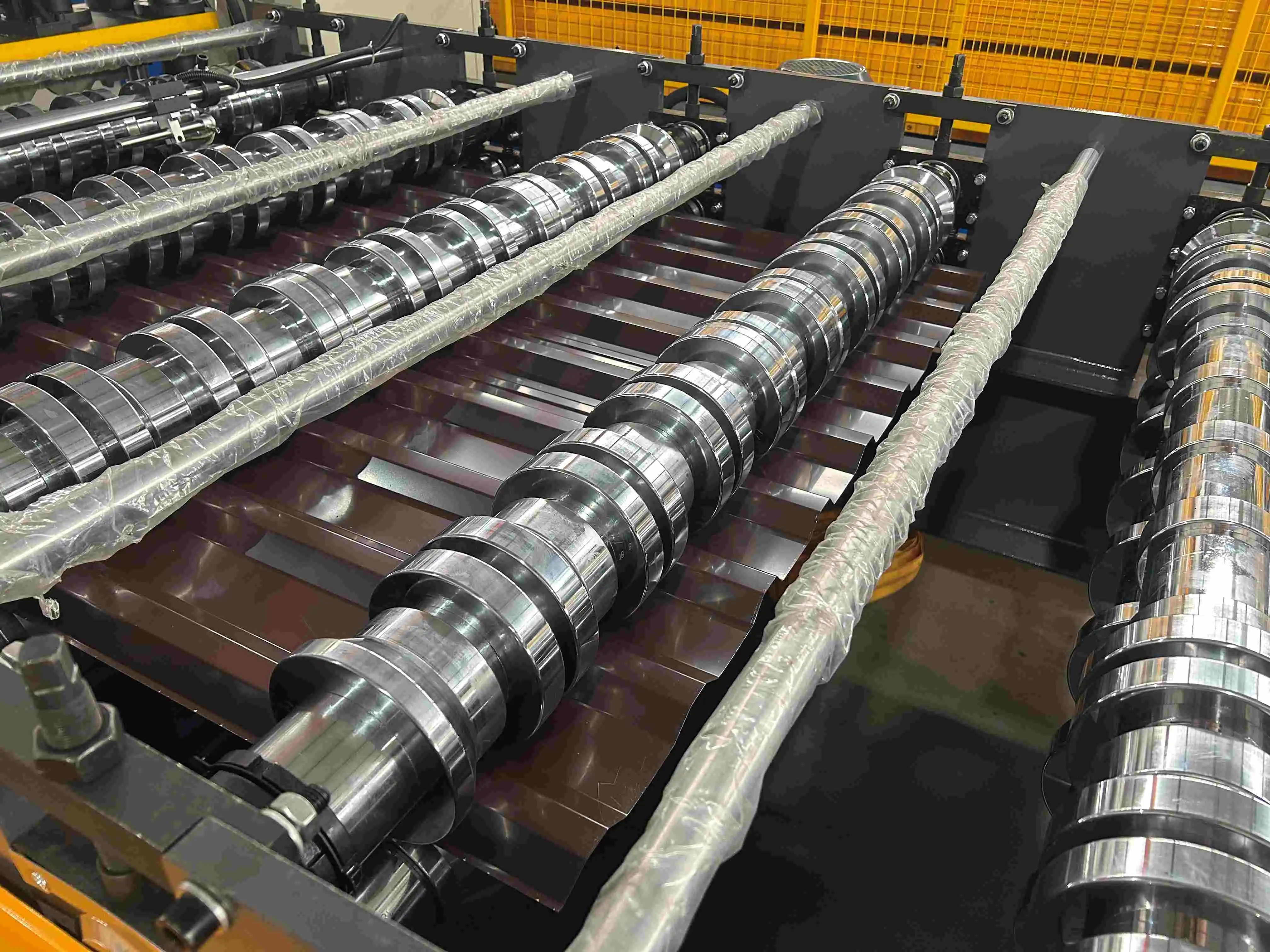
Metal roofing production demands this level of precision engineering. The roll-forming process subjects steel to tremendous stress as it passes through progressive forming stations. Each roller pair bends the material incrementally closer to the final profile geometry. With standard PBR panels requiring 18 to 24 forming stations, even minor misalignments compound into visible defects—panel camber, edge wave, or the dreaded twist that makes installation impossible.
Our OEM/ODM Strengths in Roll Forming Technology
Cangzhou Zhongtuo brings a decade of specialised focus to every custom PBR roll former project. As a national high-tech enterprise certified under ISO9001, CE, and CAS standards, we've delivered equipment to over 150 countries, accumulating insights that only come from solving real-world production challenges.
- Manufacturing Depth: Our 35,000-square-metre facility houses CNC machining centres dedicated exclusively to roller fabrication. We don't outsource critical components. Every shaft, every forming station, and every hydraulic cylinder originates in our workshops, where quality control happens at each production stage rather than just final assembly.
- R&D Integration: Our engineering team includes metallurgists who understand how cold-working affects different steel grades. When a European client wanted to process high-strength S550 steel (80 ksi yield strength), we redesigned the roller geometry and increased the shaft diameter to 95 mm solid construction. Standard 75mm shafts would have deflected under load, creating inconsistent panel dimensions.
- Manufacturing Depth for PBR Precision: Our 35,000-square-metre facility houses CNC machining centres dedicated exclusively to fabricating roller stations for PBR roll formers. Every shaft, forming station, and hydraulic cylinder is engineered specifically to maintain the critical purlin-bearing leg angle (±0.5°) and consistent rib height across 18–24 forming stations. We don't outsource PBR-specific tooling because even 0.1 mm deviation in roller alignment can compromise panel nesting during roof assembly. Quality control occurs at each stage—from hardening rollers to handle Galvalume coatings to laser-verifying station progression—ensuring your PBR panels meet MCA design guide tolerances.
- Scalability Architecture for PBR Production: Whether you're a startup producing a single PBR rib height or an established manufacturer needing to switch between 1.25-inch and 1.5-inch profiles, our designs accommodate growth without compromising purlin-bearing leg accuracy. We build modular control systems that allow adding quick-change roller cassettes for PBR leg tooling, automated coil-handling for 24-gauge Galvalume, or inline embossing stations—all while maintaining the ±0.5° leg angle tolerance that defines true PBR panels.
- After-Sales Commitment: Equipment reliability means nothing without responsive support. Our global service network provides technical assistance within your time zone, and we maintain spare parts inventories in regional warehouses for your PBR roll former to minimise downtime. You're not purchasing a machine; you're gaining a long-term production partner.
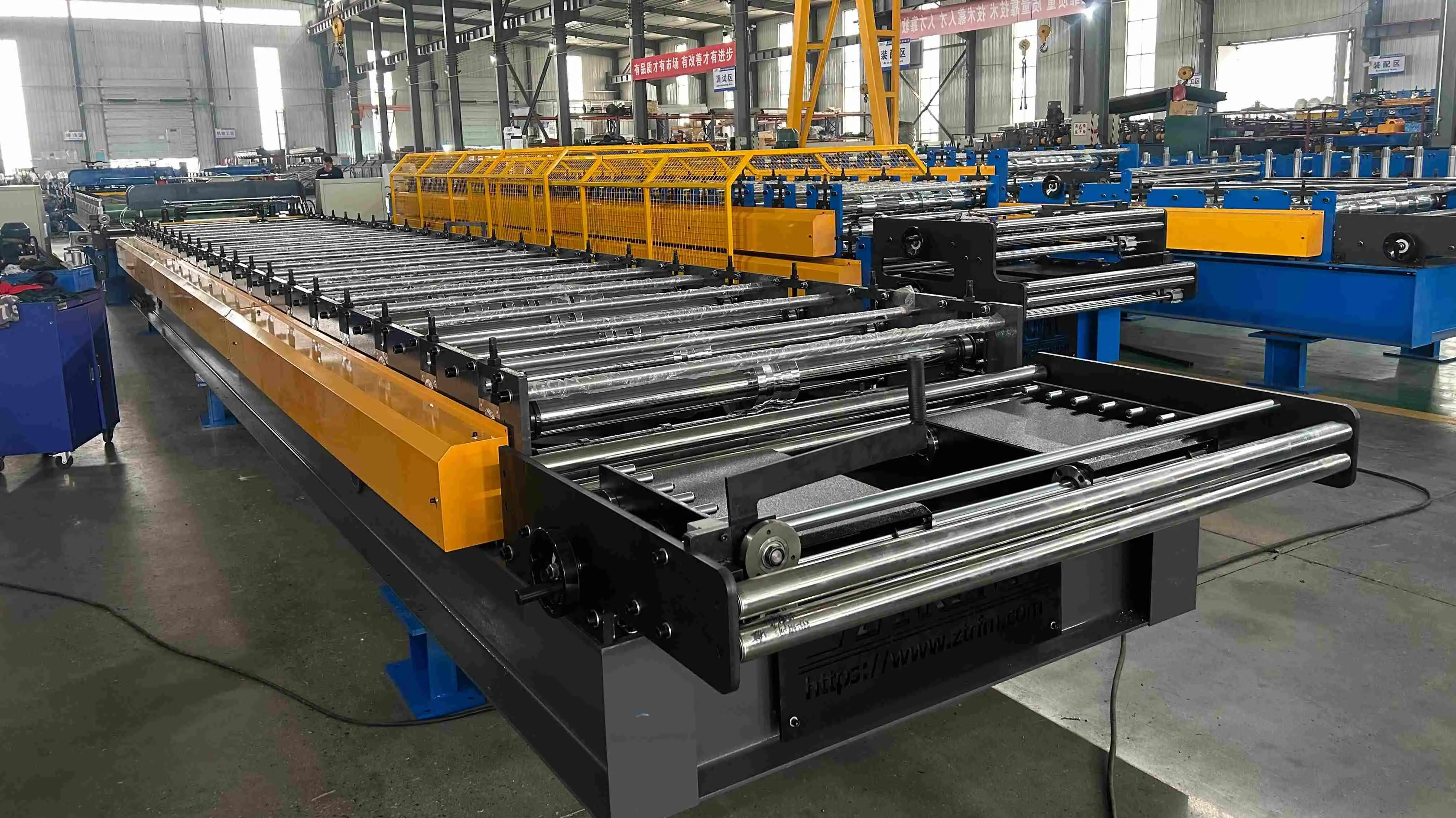
Comprehensive Customisation Options for Your Production Line
Every roofing manufacturer operates under unique constraints and opportunities. Our customisation methodology addresses these variables systematically.
- Physical Design Adaptation: Standard PBR roll former configurations assume certain facility dimensions and material flow patterns. We redesign equipment footprints to fit your available floor space, whether that means vertical stacking of hydraulic units or relocating control cabinets. One client in South America had only 12 metres of linear space available. We created a compact 19-station design with nested forming sections that maintained full production capability within their spatial limitations.
- Material Compatibility Engineering: Not all steel behaves identically under forming stress. Pre-painted materials require chrome-plated rollers to prevent coating damage. Aluminium substrates need different roller profiles than galvanised steel due to the material's lower elasticity. We calibrate each roll-forming line to your specific coil suppliers, testing samples to determine optimal forming speed and station spacing.
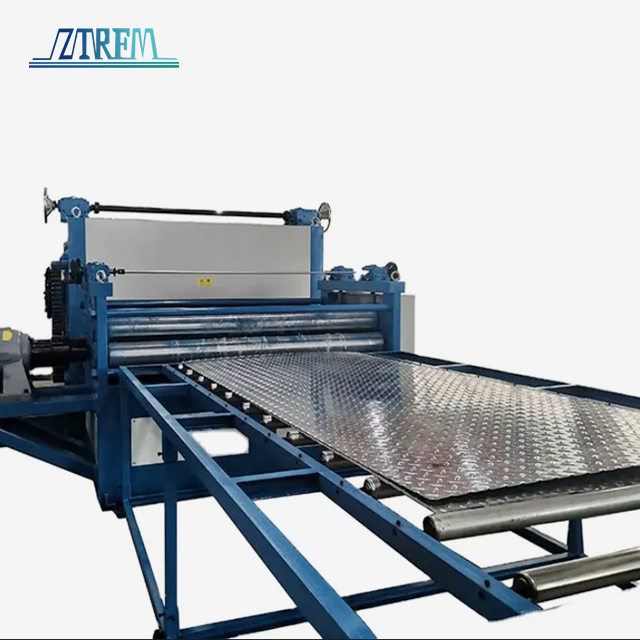
- Functional Feature Development: Beyond basic panel production, manufacturers increasingly need integrated capabilities. We incorporate servo-driven punching systems that create ventilation slots or fastener holes during the forming process. Our inline embossing stations add texture patterns that enhance aesthetic appeal and reduce oil-canning visibility. Automatic stacking systems with programmable bundle sizes eliminate manual handling bottlenecks.
- Technology Integration: Modern metal roofing production demands Industry 4.0 connectivity. We install PLC control systems with touchscreen HMIs that display real-time production metrics—linear feet per hour, scrap percentages, and maintenance alerts. IoT-enabled machines transmit performance data to your management systems, enabling predictive maintenance scheduling and OEE analysis.
- Profile-Specific Branding Customisation: For manufacturers developing proprietary PBR variants, we integrate branding directly into the roll-formed panel—not just the machine. Our custom PBR roll formers can emboss your company logo, product code, or installation alignment marks into the panel’s flat pan or rib valley during forming. This adds traceability and brand recognition to every roofing panel without secondary operations, while maintaining the purlin-bearing leg geometry and structural integrity required for PBR profiles.
- Compliance Configuration: Regional building codes and safety regulations vary dramatically. European installations require CE-certified guarding and emergency stop protocols. North American projects often need UL-listed electrical components. We navigate these requirements during the design phase, ensuring your equipment arrives ready for immediate operation without costly retrofit modifications.
- PBR Profile Protection During Transit: Shipping a custom PBR roll former requires safeguarding its profile-specific tooling—especially the critical forming stations that create the purlin-bearing leg. We engineer custom crating with shock-absorbing mounts for each roller cassette, preventing misalignment that could alter the 1.25-inch or 1.5-inch rib geometry. Critical components like the servo-driven punching system for PBR fastener holes receive protective coatings. Documentation includes station-by-station calibration records, so your team can verify PBR leg angle integrity upon arrival—streamlining installation without re-engineering your panel dimensions.
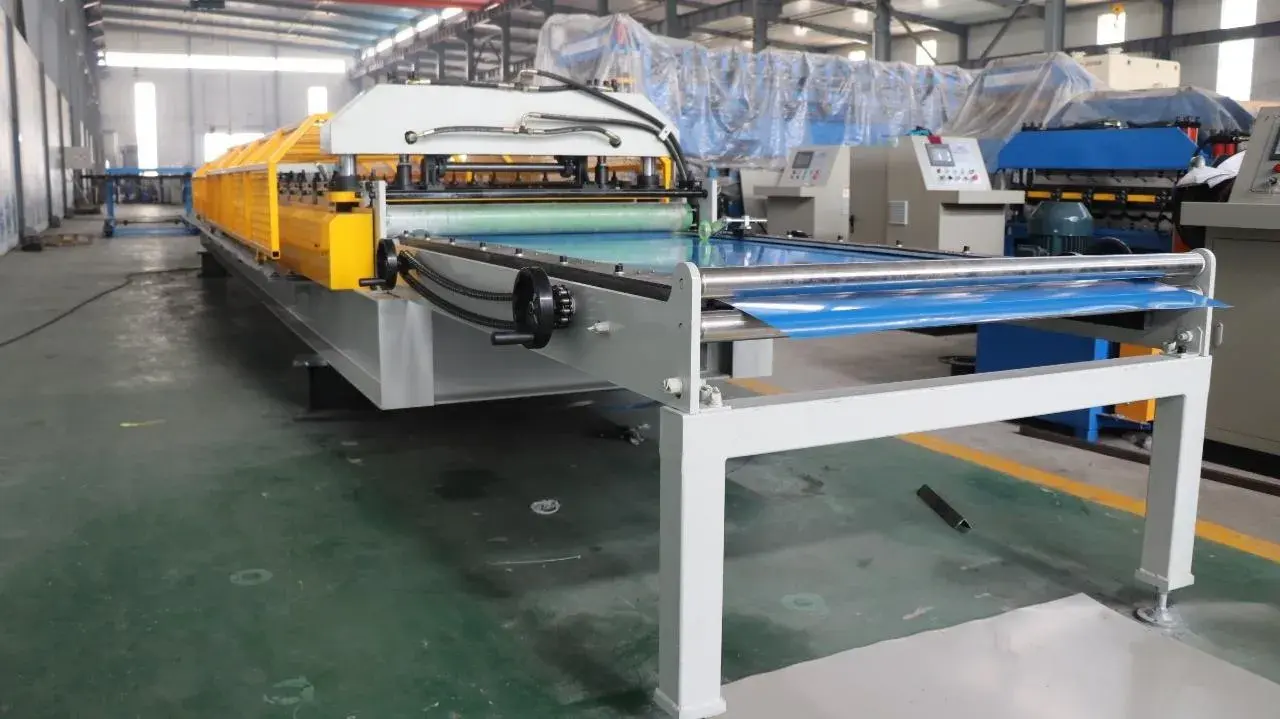
The ODM Advantage: Co-Developing Next-Generation Profiles
In ODM collaboration, we don’t just customise a standard PBR roll former to your material and volume needs—we also redesign the PBR roll former’s forming stations to accommodate modified PBR profile geometries. For example, a Canadian client needed a PBR roll former capable of forming an additional condensation channel along the valley rib while keeping the same purlin-bearing leg angle and rib spacing as standard PBR panels. Our engineering team redesigned three forming stations, adjusted roller clearances, and modified the station progression sequence accordingly. The result was a custom PBR roll former that produces a differentiated PBR panel yet uses the same roll former chassis and quick-change cassette system. This keeps your production line firmly within the PBR ecosystem, without inventing an entirely new machine from scratch.
Our Customisation Process: From Concept to Commissioning
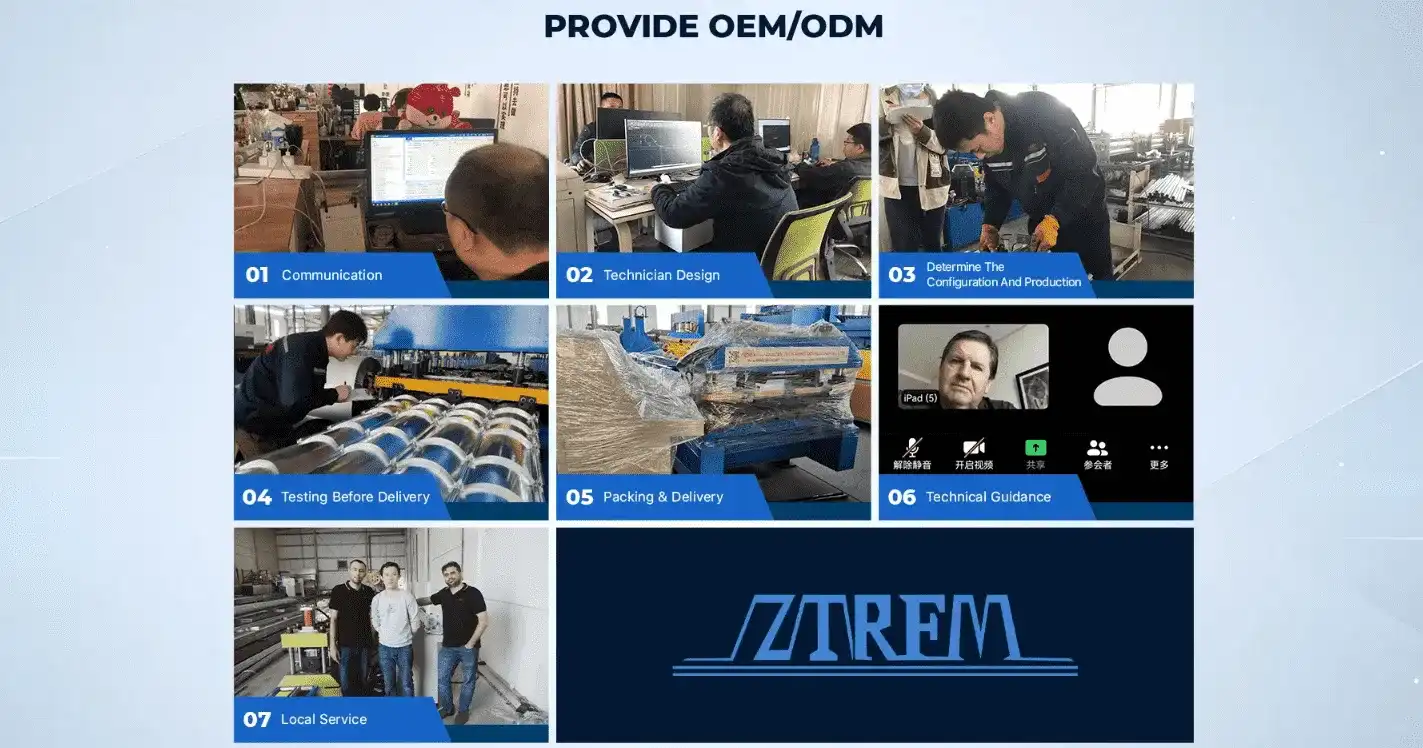
Transparency throughout the customisation journey builds the trust necessary for successful OEM partnerships. We've refined our process through hundreds of projects into six clearly defined phases.
- Discovery Consultation: You share your production objectives, material specifications, volume targets, and facility constraints. We ask detailed questions about your current equipment frustrations and future growth plans. This conversation often reveals opportunities you hadn't considered—for example, how to optimise coil handling specifically for PBR’s purlin-bearing leg geometry, or how quick-release roller cassettes can reduce changeover time between 1.25-inch and 1.5-inch rib heights, ensuring your PBR roll former delivers consistent leg angles and panel flatness without micro-cracking on Galvalume coatings.
- Technical Proposal: Within 10 business days, you will receive a comprehensive proposal including machine specifications, production capacity calculations, equipment layout drawings, and investment breakdown. We provide multiple configuration options when trade-offs exist between cost and capability, empowering you to make informed decisions.
- Engineering Development: After contract signing, our design team creates detailed manufacturing drawings. We maintain weekly video conference updates, sharing 3D renderings and requesting your feedback on specific components. This collaborative approach prevents surprises during final delivery.
- Manufacturing Execution: Production begins with critical components—roller shafts machined on 5-axis CNC equipment and forming stations assembled and pre-tested individually. You receive photo documentation at key milestones, watching your custom PBR roll former take shape in our facility.
- Factory Testing: Before shipment, we run comprehensive trials using your actual coil material (which you provide via courier). We produce sample panels and measure them against specifications using laser measurement systems. Any deviation beyond ±0.5mm triggers tooling adjustment. You're welcome to witness testing in person or via video link.
- Installation Support: Our technicians travel to your facility for installation supervision, calibration, and operator training. We don't leave until your team can independently run production and perform routine maintenance. This hands-on knowledge transfer typically requires 5-7 days, depending on equipment complexity.
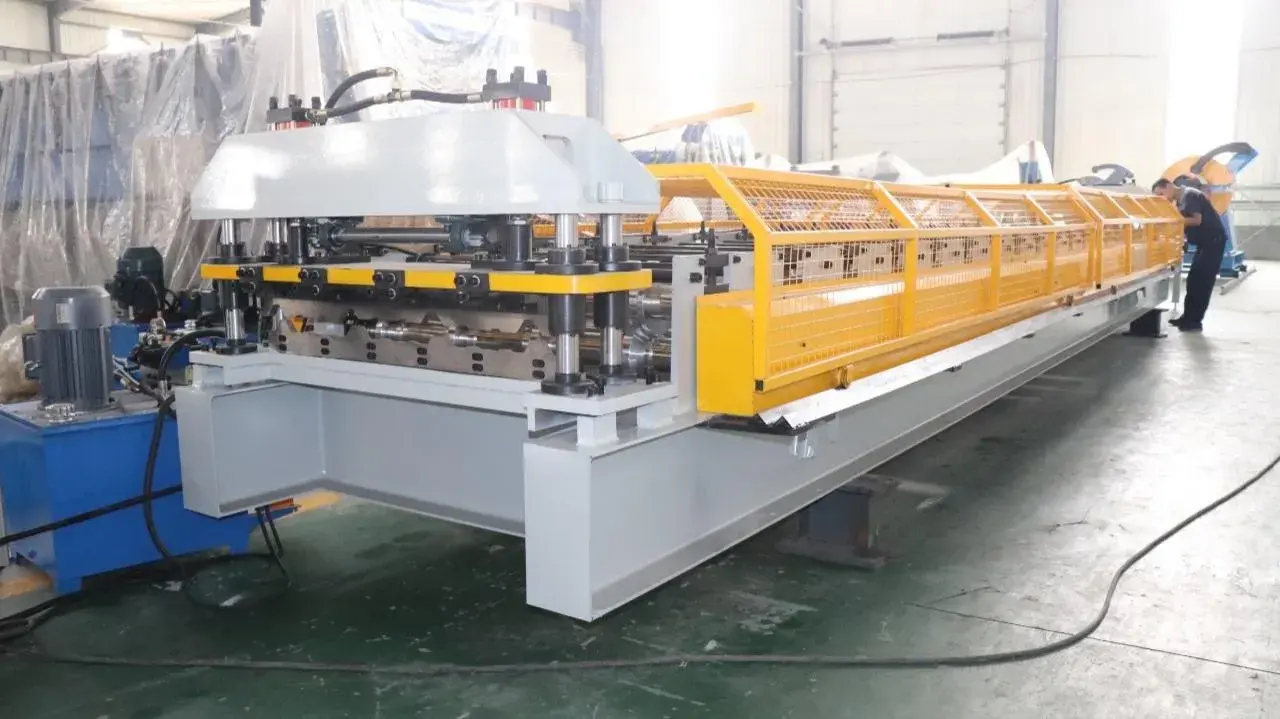
Benefits to Your Manufacturing Operation
Investing in customised roll-forming equipment delivers measurable advantages across multiple operational dimensions.
- Production Efficiency Gains: Tailored automation reduces manual touchpoints and accelerates throughput. Manufacturers switching from generic equipment to our custom designs typically report 30-50 per cent increases in linear feet per shift. Faster production means lower per-unit costs and improved responsiveness to customer orders.
- Quality Consistency: Precision-engineered forming stations eliminate the dimensional variations that cause installation problems and customer complaints. When panels nest perfectly during roof assembly, your reputation strengthens, and warranty claims decrease. One Texas manufacturer calculated that reduced callbacks saved them $47,000 in the first year after the equipment upgrade.
- Material Optimisation: Properly calibrated cutting systems and forming sequences minimise scrap. We've helped clients reduce material waste from 4.5 per cent down to 1.8 per cent through better coil tracking and servo-controlled shearing. With steel prices volatile, these savings directly impact profitability.
- Operational Flexibility: Quick-changeover designs let you produce multiple profiles on a single line, eliminating the capital expense of dedicated machines for each panel type. This versatility opens new market segments without proportional equipment investment.
- Maintenance Simplification: We design for serviceability—accessible lubrication points, modular components that technicians can replace without disassembling entire sections, and diagnostic systems that pinpoint issues before they cause downtime. Lower maintenance costs and higher uptime percentages directly enhance your competitive position.
- Competitive Differentiation: PBR profiles demand precise control of the purlin-bearing leg angle (±0.5°), rib height consistency (±0.3 mm), and edge flatness to prevent nesting gaps during roof assembly. Our PBR roll former and custom roll formers integrate real-time laser sensors at forming stations 14, 18, and 22—critical points where leg formation occurs. If deviation is detected, the PLC automatically adjusts roller pressure or line speed. This closed-loop control ensures that every panel meets MCA design guide tolerances, reducing field complaints and warranty claims. One Texas manufacturer reported a 74% drop in installation-related callbacks within six months of commissioning our custom PBR line.
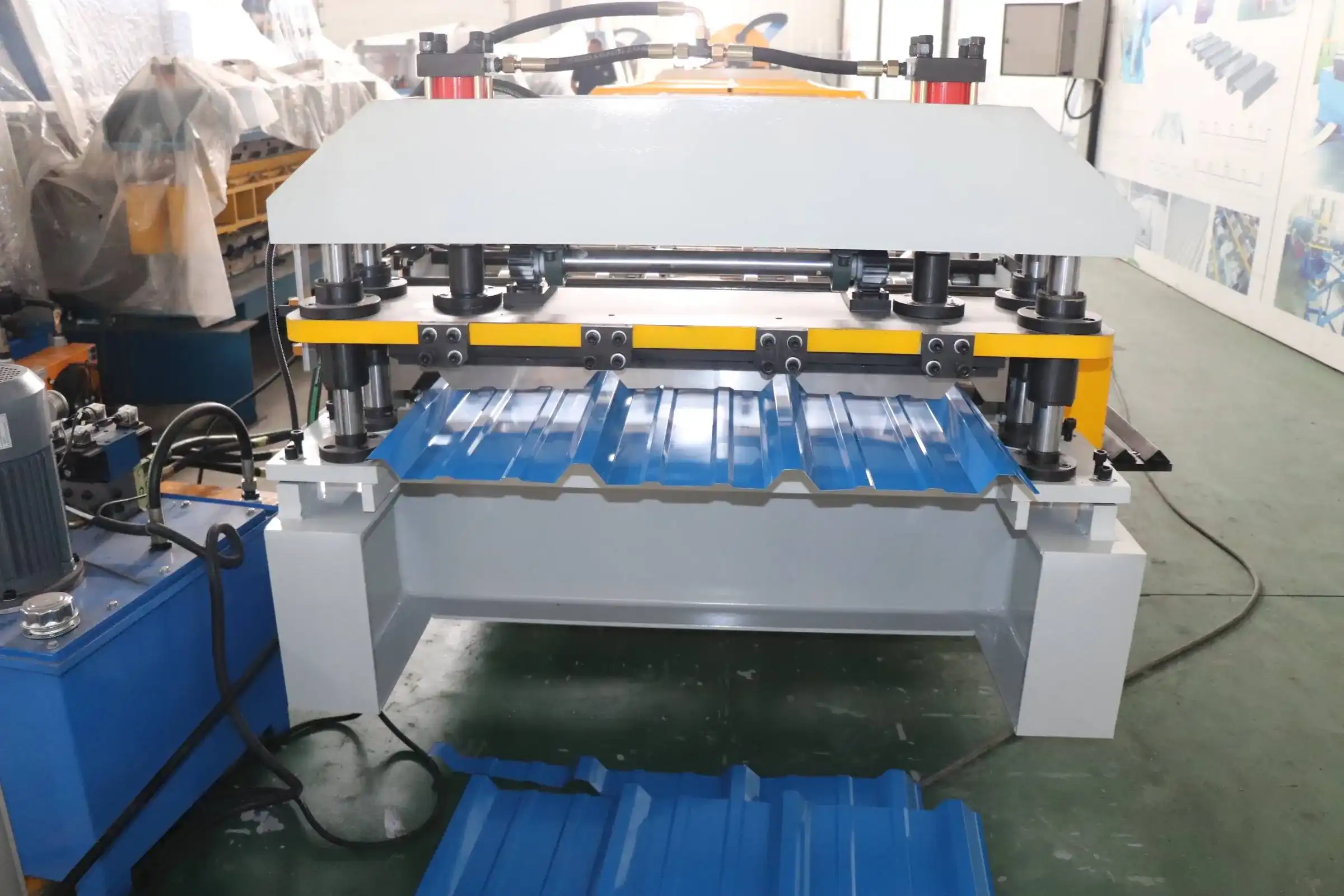
Conclusion
In today’s competitive roofing market, investing in a custom PBR roll former is no longer optional—it is a strategic necessity. OEM and ODM partnerships empower manufacturers to achieve precision, efficiency, and product differentiation that standard machines simply cannot deliver. From material compatibility to advanced automation and profile innovation, tailored solutions unlock higher productivity, consistent quality, and long-term scalability. By collaborating with an experienced partner like ZTRFM, manufacturers gain not just equipment but a future-ready production system designed to adapt, perform, and lead in evolving global roofing demands.
FAQ
1. What material thicknesses can custom PBR roll formers handle?
Our standard configurations process 24-26 gauge steel, which covers most commercial roofing applications. We can engineer equipment for heavier materials up to 22 gauge when structural requirements demand thicker substrates. Lighter materials down to 29 gauge are also feasible, though they require adjusted roller clearances to prevent wrinkling.
2. How long does custom equipment delivery typically require?
Standard lead time runs 60-75 days from deposit payment to factory testing completion. Complex customisations involving proprietary profiles or extensive automation may extend timelines to 90 days. We provide detailed production schedules during the proposal phase so you can plan facility preparations accordingly.
3. Can existing roll forming lines be upgraded rather than replaced?
In many cases, yes. We assess your current equipment and propose retrofit solutions—upgraded control systems, replacement roller stations, and added automation modules. Retrofitting makes economic sense when your existing frame structure and drive systems remain sound. Complete replacement becomes advisable when fundamental design limitations prevent achieving your production goals.
4. What training do operators need for custom machinery?
We provide comprehensive onsite training covering machine operation, quality control procedures, routine maintenance, and basic troubleshooting. Training duration depends on equipment complexity and your team's existing experience with metal roll forming technology. We supply detailed operation manuals and maintenance schedules in your preferred language, and our technical support remains available indefinitely for questions.
Connect with ZTRFM: Your Trusted PBR Roll Former Manufacturer
Selecting the right OEM partner shapes your production capabilities for years ahead. At ZTRFM, we've built our reputation on engineering excellence and unwavering customer support across 150 countries. Our custom PBR roll former solutions transform your roofing production challenges into competitive advantages through precision manufacturing, thoughtful automation, and designs that anticipate your growth trajectory.
We understand the pressures roofing system manufacturers face—demanding customers, tight project timelines, and razor-thin margins. You need equipment that runs reliably shift after shift, producing panels that installers praise rather than curse. Our approach combines proven roll-forming technology with customisation flexibility that addresses your specific operational context.
Whether you're launching a new product line, expanding capacity, or replacing ageing equipment, we bring decade-long expertise in PBR roll formers and metal profile forming to your project. Our team has solved production challenges you haven't encountered yet, and we're eager to apply those insights to your customisation requirements.
Reach out to zhongtuorollforming@gmail.com today with your project details. Tell us about your production volume targets, material preferences, facility constraints, and timeline expectations. We'll respond with preliminary recommendations within 48 hours, beginning a conversation that could redefine your manufacturing capabilities. Your competitors are already exploring customisation advantages—don't let them gain ground while you settle for generic solutions that limit your potential.
References
1. Metal Construction Association. (2019). Design Guide for Standing Seam and PBR Metal Roof Systems. MCA Technical Bulletin Series, Volume 14.
2. Zhou, J., & Wang, L. (2021). "Precision Control in Cold Roll Forming: Effects of Roller Geometry on High-Strength Steel Profiles." Journal of Manufacturing Processes, 68(2), 412-428.
3. American Iron and Steel Institute. (2020). Cold-Formed Steel Design Manual. AISI S100-16 Standard with Commentary.
4. Lindgren, M. (2018). Roll Forming Technology: Process Engineering and Equipment Design. Industrial Press Technical Manufacturing Series.
5. International Building Code Council. (2021). IBC Metal Roof Deck Standards: Load Requirements and Installation Protocols. Chapter 15: Roof Assemblies and Rooftop Structures.
6. Hallquist, R., & Chen, Y. (2022). "Automation Integration in Metal Forming Production Lines: Case Studies from Global Manufacturing." International Journal of Advanced Manufacturing Technology, 119(7-8), 5033-5049.