- English
- French
- German
- Portuguese
- Spanish
- Russian
- Japanese
- Korean
- Arabic
- Irish
- Greek
- Turkish
- Italian
- Danish
- Romanian
- Indonesian
- Czech
- Afrikaans
- Swedish
- Polish
- Basque
- Catalan
- Esperanto
- Hindi
- Lao
- Albanian
- Amharic
- Armenian
- Azerbaijani
- Belarusian
- Bengali
- Bosnian
- Bulgarian
- Cebuano
- Chichewa
- Corsican
- Croatian
- Dutch
- Estonian
- Filipino
- Finnish
- Frisian
- Galician
- Georgian
- Gujarati
- Haitian
- Hausa
- Hawaiian
- Hebrew
- Hmong
- Hungarian
- Icelandic
- Igbo
- Javanese
- Kannada
- Kazakh
- Khmer
- Kurdish
- Kyrgyz
- Latin
- Latvian
- Lithuanian
- Luxembou..
- Macedonian
- Malagasy
- Malay
- Malayalam
- Maltese
- Maori
- Marathi
- Mongolian
- Burmese
- Nepali
- Norwegian
- Pashto
- Persian
- Punjabi
- Serbian
- Sesotho
- Sinhala
- Slovak
- Slovenian
- Somali
- Samoan
- Scots Gaelic
- Shona
- Sindhi
- Sundanese
- Swahili
- Tajik
- Tamil
- Telugu
- Thai
- Ukrainian
- Urdu
- Uzbek
- Vietnamese
- Welsh
- Xhosa
- Yiddish
- Yoruba
- Zulu
Custom Solar Strut Channel Roll Forming Machine for OEM Production Lines
When companies that make solar mountings need precisely engineered Solar Strut Channel Roll Forming Machine structural support channels that meet exact specs, they go to suppliers of specialised equipment that know both the technical needs and the business flexibility that is needed. Through automatic decoiling, punching, forming, and cutting processes, a solar strut channel roll forming machine made for OEM production lines can turn coiled steel into standard or custom photovoltaic mounting profiles. Solar part makers, mounting system makers, and renewable energy contractors can use these machines to make consistent, high-strength structural channels that are used as the backbone for residential, industrial, and utility-scale solar installations all over the world.
Understanding OEM and ODM in the Solar Strut Channel Manufacturing Landscape
The solar energy industry is growing quickly, but many mounting system brands have the same problem: they know a lot about the market and have good marketing networks, but they can't make special parts like strut channels in-house. This gap makes it possible for strategic relationships to form.
OEM (Original Equipment Manufacturer) arrangements allow you to source machines built to your specifications while maintaining your brand identity. Your company retains control over product design while we handle the engineering and production execution. This model suits established brands looking to expand production capacity without capital-intensive facility investments.
Original Design Manufacturer (ODM) partnerships go further. We work with you from the idea stage on, using our technical knowledge to help you come up with new solar strut channel options. You may have seen a need in the market for thinner channels that can hold more weight or shapes that work with new frameless solar panel designs. Our tech team takes these ideas and turns them into things that can be made.
Why does customization matter specifically for PV mounting channel roll-forming machines? Unlike generic metal forming equipment, solar applications demand precise slot patterns for adjustable mounting hardware, exact dimensional tolerances for connector compatibility, and material handling capabilities for corrosion-resistant coatings. Standard machines rarely address these specialized requirements adequately.
Many of our partners initially attempted to modify general-purpose channel roll formers, only to encounter quality inconsistencies and production bottlenecks. The breakthrough came when they engaged us to engineer purpose-built solutions aligned with their specific product roadmap and target markets.
What Sets ZTRFM Apart as Your OEM/ODM Manufacturing Partner
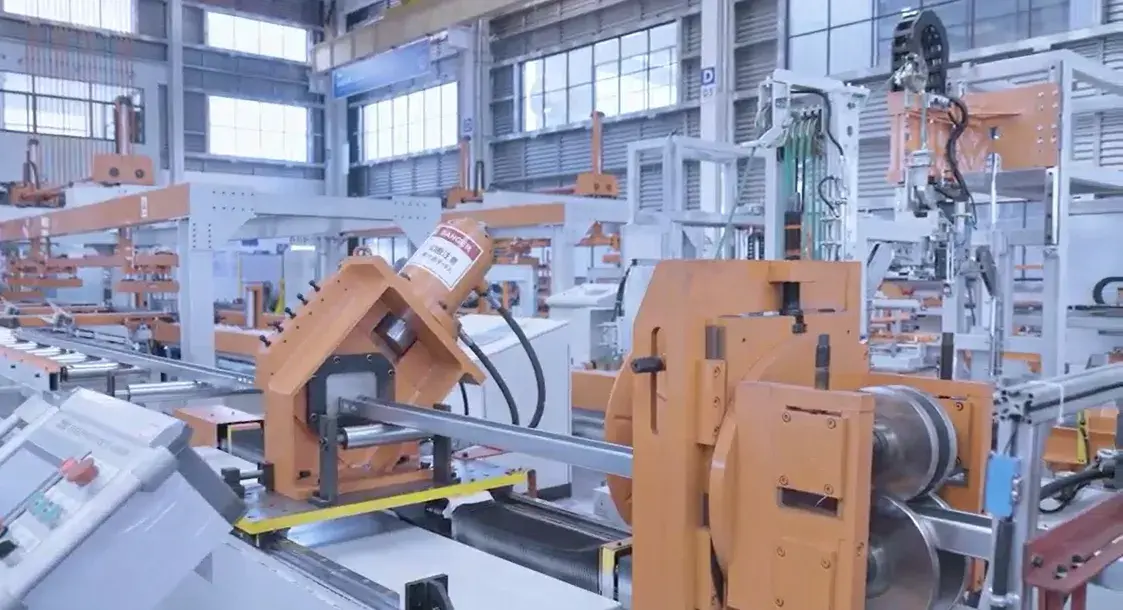
Since establishing Cangzhou Zhongtuo in 2014, we've focused exclusively on PV mounting channel roll forming machines on cold roll forming technology. This specialization gives us depth that generalist machinery suppliers cannot match.
Our manufacturing credentials include ISO9001, CE, and CAS certifications—documentation that reassures your quality assurance teams and satisfies international compliance requirements. As a nationally recognized high-tech enterprise, we maintain R&D investments that translate directly into superior machine performance for your production lines.
Consider our global footprint: equipment operating successfully across 150+ countries. This geographic diversity means we've solved problems you haven't encountered yet. Temperature extremes in Middle Eastern solar farms? High-humidity conditions in Southeast Asian facilities? Challenging power infrastructure in developing markets? We've engineered solutions for all these scenarios.
Our team brings over 15 years of roll forming experience. This tenure matters because metal forming involves a nuanced understanding of material behavior, tooling wear patterns, and process optimization that only comes from sustained hands-on work. Young engineers fresh from university know theory; our specialists know how 2.0mm galvanized steel behaves differently than 2.5mm magnesium-aluminum-zinc coated material during high-speed forming operations.
We maintain complete supply chain integration. Beyond machinery, we source quality raw materials and replacement components. This capability streamlines your procurement while ensuring compatibility across your entire production system. Many clients appreciate having a single point of contact rather than coordinating between multiple vendors across different time zones.
Comprehensive Customization Capabilities for Your Unique Requirements
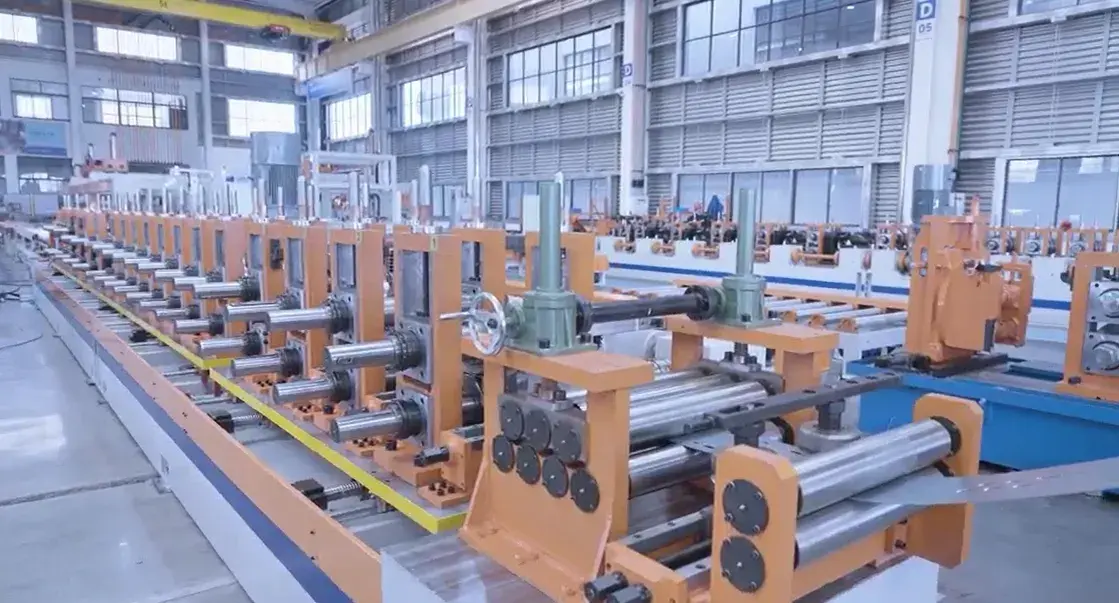
Physical design customization starts with the profiles themselves. While standard strut channels follow common dimensions (41×41mm, 41×21mm, 41×62mm), your application might benefit from proprietary geometries that offer competitive advantages. We modify roller configurations and forming sequences to produce your exact cross-sectional shape.
Material thickness capacity requires careful engineering. Our standard solar strut channel roll forming machines handle 1.5-2.5mm steel, but we've built specialized equipment accommodating up to 3.0mm for heavy-duty utility-scale applications. Conversely, if your target market emphasizes residential rooftop systems where weight matters, we optimize for thinner gauges with maintained structural integrity.
Punching system selection dramatically impacts your operational efficiency and product versatility. We offer three distinct approaches:
- Online hydraulic punching integrates seamlessly into the forming line, ideal when you're producing high volumes of standardized patterns. The system we configure for your machine can create multiple hole types—elongated slots, round apertures, or custom shapes—with positioning accuracy within ±0.5mm.
- Press punching stations suit manufacturers requiring complex perforation patterns or frequent design changes. This modular approach provides flexibility without line reconfiguration.
- Offline punching arrangements reduce initial capital investment, an approach many startups appreciate. As production volumes grow, you transition to integrated systems without replacing the entire forming line.
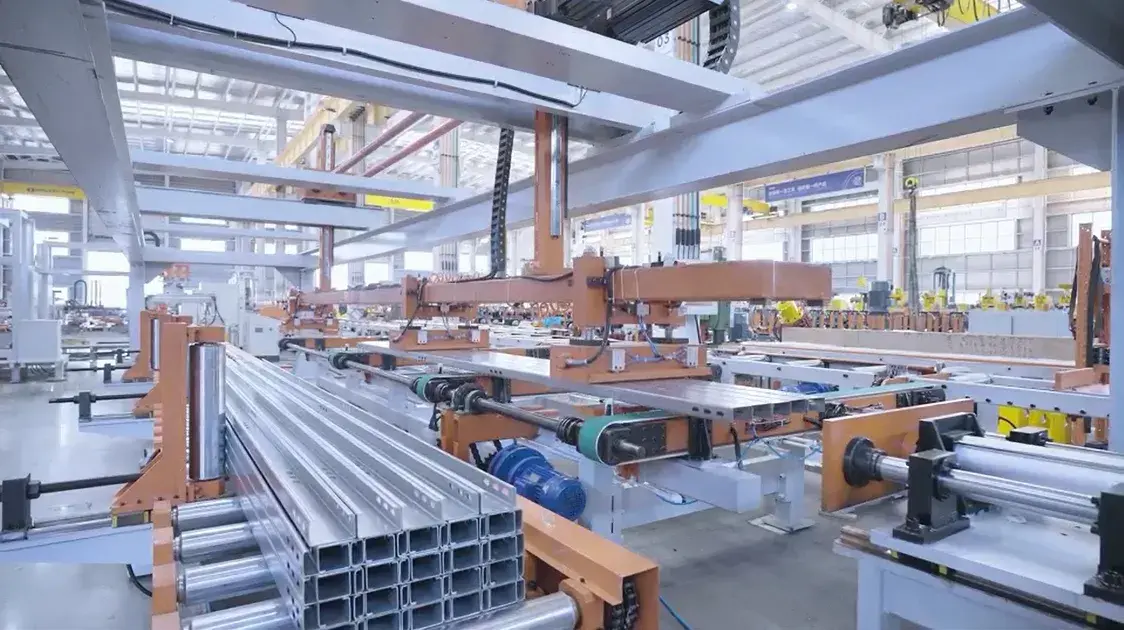
Functional technology customization addresses your production PV mounting channel roll forming machine environment. PLC control systems come from premium suppliers like Siemens or Mitsubishi, selected based on your team's familiarity and regional service availability. Touchscreen interfaces can display multiple languages, accommodating multinational operations. Drive system selection between gearbox, chain, or servo configurations depends on your production parameters. For material thickness exceeding 2.0mm or continuous operation exceeding 16 hours daily, we recommend gearbox transmission. It costs more initially but delivers superior longevity and reduced maintenance. Chain drive systems work well for lighter-duty applications with moderate production schedules. Cutting technology determines finished product quality. Hydraulic shearing provides clean cuts for most applications.
The Strategic Advantage of ODM Collaboration
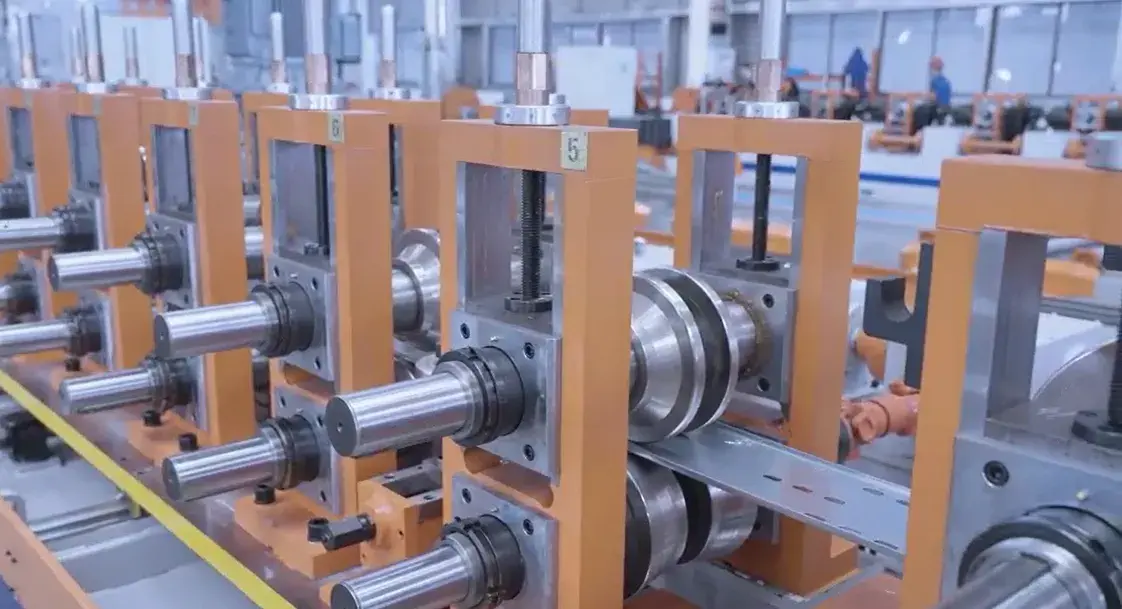
ODM partnerships unlock innovation that pure equipment purchasing cannot achieve. You bring market insight; we contribute manufacturing expertise. This combination produces breakthrough solutions.
A European client approached us frustrated with standard channel profiles that worked adequately for traditional crystalline panels but poorly for emerging thin-film technologies. Together, we developed a modified geometry with enhanced torsional rigidity and reduced material usage. Their branded mounting system now commands premium pricing in the thin-film solar segment.
Another partnership with an Australian distributor identified demand for rapid-deployment solar installations in remote mining operations. We co-engineered a strut channel machine producing snap-together profiles that eliminate field fasteners. Their proprietary mounting system reduced installation time by 40%, creating a substantial competitive advantage in the off-grid market.
Co-development arrangements typically involve shared intellectual property terms. We structure agreements protecting your market exclusivity while allowing us to leverage core technology across different applications. This approach benefits both parties: you gain customized equipment optimized for your specific product, while we advance our technical capabilities.
The ODM process begins with a detailed consultation. What problems do your customers complain about with current mounting systems? Which installation scenarios cause difficulties? What price points must your finished products achieve? Understanding these business contexts allows our engineers to design not just functional equipment, but solutions that strengthen your market position.
Our Proven Customization Process: From Concept to Commissioned Equipment
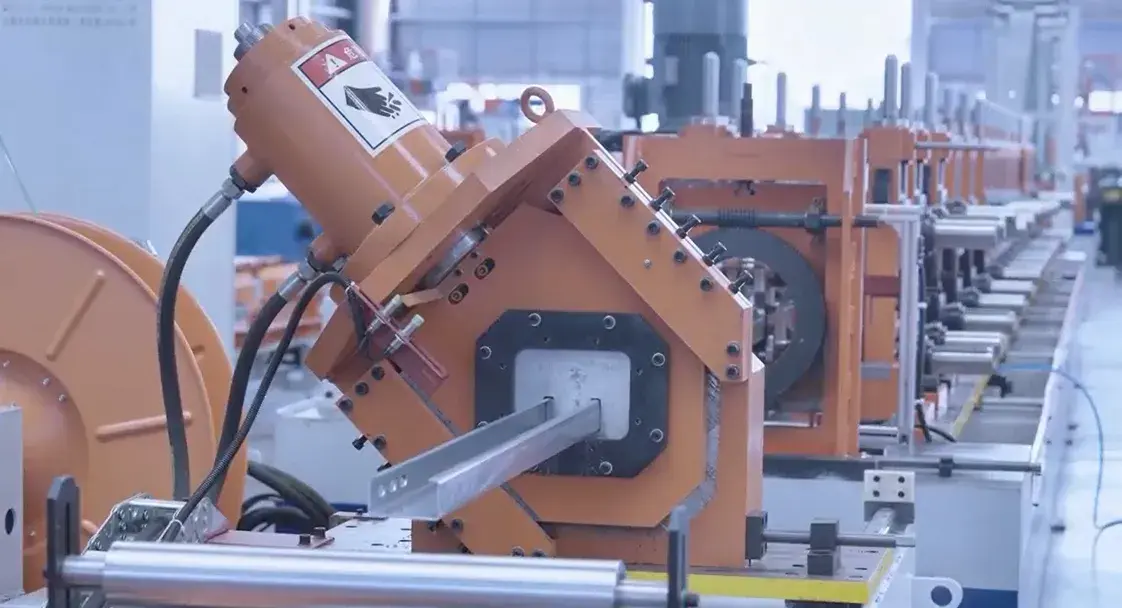
Engaging ZTRFM for your custom solar mounting structure machine project follows a structured pathway that minimizes risk and maximizes results.
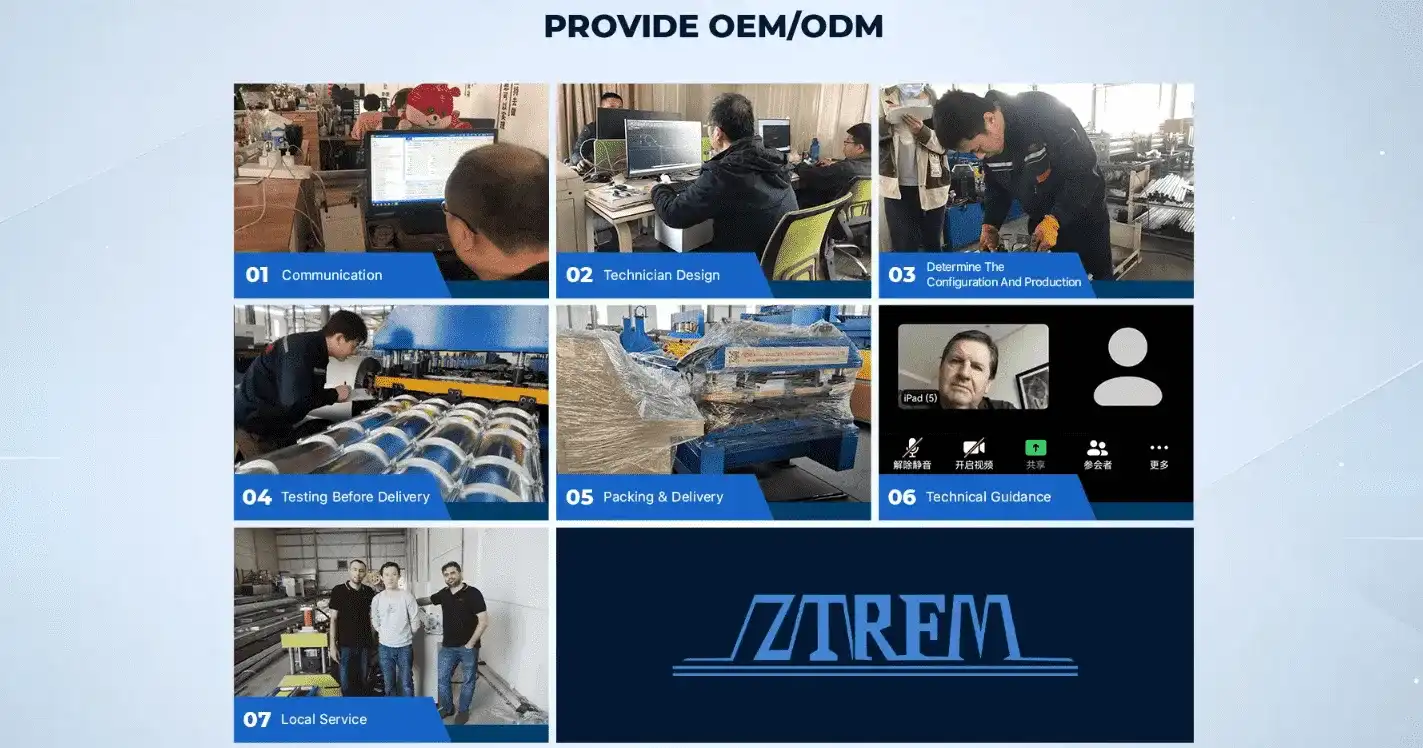
Initial consultation happens through multiple channels—email exchanges, video conferences, or facility visits, depending on project scope. We gather detailed information about your current production challenges, target specifications, volume requirements, and timeline constraints. Many clients appreciate that we ask probing questions; this diligence prevents costly misunderstandings later.
Technical specification development transforms your requirements into engineering documentation. Our team prepares detailed proposals covering machine configuration, performance parameters, component suppliers, and compliance certifications. We provide transparent cost breakdowns separating base equipment from optional enhancements, helping you make informed investment decisions.
Design review sessions ensure alignment before fabrication begins. Using CAD models and simulation software like AutoCAD, SolidWorks, and COPRA, we demonstrate how your machine will function. Virtual profile forming simulations reveal potential issues before cutting steel, dramatically reducing development risk.
Manufacturing execution follows approved designs. Our production facility, Solar Strut Channel Roll Forming Machine, applies rigorous quality control at each assembly stage. Critical components undergo dimensional verification. Roller hardness testing confirms heat treatment effectiveness. Electrical systems receive comprehensive functionality checks.
Factory acceptance testing invites you to witness your machine operating in our facility. We run production trials using your specified materials, measuring output against contracted specifications. This verification protects both parties—you confirm equipment performance; we validate that our design meets your expectations.
Tangible Benefits for Your Business
Partnering with ZTRFM for custom metal channel forming equipment delivers measurable advantages across multiple business dimensions.
Reduced capital requirements through OEM arrangements mean you avoid building in-house manufacturing capabilities. The capital preserved can fund market development, inventory expansion, or other growth initiatives with faster returns than machinery investments typically generate.
Accelerated market entry matters tremendously in the fast-moving renewable energy sector. Our established engineering processes and proven component supply chains compress development timelines. Projects that might require 18-24 months if you built internal capabilities launch in 6-9 months through our partnership.
Quality consistency stems from our specialized focus. We've manufactured hundreds of structural channel machines and refined details that broader equipment suppliers overlook. This experience translates into more reliable production equipment for your operation.
Flexibility to evolve represents a crucial but often underestimated benefit. Solar technology advances rapidly. Panel dimensions change, mounting hardware evolves, and installation methods improve. Machines we design incorporate adaptability—quick-change tooling, adjustable forming stations, and modular subsystems that accommodate future product development without complete equipment replacement.
Risk mitigation through our certifications and testing protocols protects your investment. Equipment failures cause devastating production interruptions. Our quality systems and component selection minimize breakdown risks.
FAQ
1. What material thicknesses can custom machines handle beyond standard specifications?
Standard configurations process 1.5-2.5mm steel effectively. Custom engineering extends this range to 3.0mm for heavy-duty applications or optimizes for thinner materials below 1.5mm when weight reduction matters. Material handling capacity depends on roller diameter, shaft strength, and drive power—parameters we adjust based on your specific needs.
2. How long does custom equipment development typically require?
Timeline varies with complexity. Machines based on proven platforms with moderate customization ship within 60-90 days after order confirmation. Extensive custom engineering involving new profile geometries or specialized subsystems may require 120-150 days. We provide realistic schedules during proposal development.
3. Can existing production lines integrate with new custom equipment?
Absolutely. We design interface compatibility with upstream coil handling equipment and downstream stacking or packaging systems. Providing specifications for your existing equipment during consultation ensures seamless integration.
4. What training do you provide for custom machine operation?
Comprehensive on-site training accompanies installation. Our technicians work directly with your operators and maintenance staff, covering operation procedures, quality control methods, routine maintenance tasks, and basic troubleshooting. Training documentation in your preferred language supports ongoing skill development.
Ready to Transform Your Solar Strut Channel Production? Partner with ZTRFM Today
The solar industry rewards manufacturers who combine quality products with responsive production capabilities. Generic equipment limits your potential; purpose-built machinery aligned with your specific requirements unlocks growth.
ZTRFM brings specialized cold roll forming expertise, comprehensive OEM/ODM capabilities, and global service infrastructure to your solar strut channel manufacturing challenges. Whether you need a single production line or complete turnkey factory solutions, we engineer systems that strengthen your competitive position.
Our ISO9001, CE, and CAS certified manufacturing processes ensure reliable equipment. Successful installations across 150+ countries demonstrate our ability to support your business regardless of location. As a leading solar strut channel roll forming machine manufacturer, we understand both the technical requirements and business pressures you face.
What specific capabilities would transform your production? Custom profile geometries for proprietary mounting systems? Higher-speed operation for growing demand? Multi-profile flexibility supporting diverse product lines? Let's discuss how our engineering team can design solutions matching your exact requirements.
Contact ZTRFM now at zhongtuorollforming@gmail.com to begin your custom equipment project. Share your technical specifications, production volumes, and timeline requirements. We'll respond with detailed proposals outlining how our OEM/ODM partnership can advance your business objectives. The solar market waits for no one—secure your competitive manufacturing advantage today.
References
1. Smith, J.R. & Anderson, M.K. (2021). Advanced Roll Forming Technologies for Renewable Energy Applications. International Journal of Manufacturing Engineering, Vol. 47, pp. 112-129.
2. Chen, W. (2020). Cold Roll Forming Process Optimization in Metal Profile Manufacturing. Industrial Press Technical Series.
3. European Committee for Standardization (2022). Solar Mounting Structural Components: Design and Manufacturing Standards. CEN Technical Report EN 1090-2.
4. Rodriguez, F. & Yamamoto, H. (2023). OEM Partnerships in Specialized Manufacturing Equipment: Strategic Approaches for Market Entry. Global Manufacturing Review, Issue 8, pp. 45-67.
5. International Renewable Energy Agency (2023). Solar PV Global Supply Chains and Manufacturing Trends Report. IRENA Publications.
6. Thompson, L.D. (2022). Precision Metal Forming: Engineering Solutions for High-Tolerance Structural Profiles. Manufacturing Technology Publishers.
_1750323743240.webp)