- English
- French
- German
- Portuguese
- Spanish
- Russian
- Japanese
- Korean
- Arabic
- Irish
- Greek
- Turkish
- Italian
- Danish
- Romanian
- Indonesian
- Czech
- Afrikaans
- Swedish
- Polish
- Basque
- Catalan
- Esperanto
- Hindi
- Lao
- Albanian
- Amharic
- Armenian
- Azerbaijani
- Belarusian
- Bengali
- Bosnian
- Bulgarian
- Cebuano
- Chichewa
- Corsican
- Croatian
- Dutch
- Estonian
- Filipino
- Finnish
- Frisian
- Galician
- Georgian
- Gujarati
- Haitian
- Hausa
- Hawaiian
- Hebrew
- Hmong
- Hungarian
- Icelandic
- Igbo
- Javanese
- Kannada
- Kazakh
- Khmer
- Kurdish
- Kyrgyz
- Latin
- Latvian
- Lithuanian
- Luxembou..
- Macedonian
- Malagasy
- Malay
- Malayalam
- Maltese
- Maori
- Marathi
- Mongolian
- Burmese
- Nepali
- Norwegian
- Pashto
- Persian
- Punjabi
- Serbian
- Sesotho
- Sinhala
- Slovak
- Slovenian
- Somali
- Samoan
- Scots Gaelic
- Shona
- Sindhi
- Sundanese
- Swahili
- Tajik
- Tamil
- Telugu
- Thai
- Ukrainian
- Urdu
- Uzbek
- Vietnamese
- Welsh
- Xhosa
- Yiddish
- Yoruba
- Zulu
Exploring Automatic Roofing Sheet Making Machine Features
Automation is no longer a nice-to-have when it comes to making current roofing sheets; it's a must. The R101 Roofing Sheet Making Machine is at the heart of this change in the industry. It uses smart automation and precise engineering to make uniform, high-quality trapezoidal roofing profiles. Through cold roll forming technology, this automatic equipment turns flat metal coils into physically strong roofing sheets. This gets rid of differences in size and speeds up production. This machine was made to help building roofing system manufacturers who have problems with low production efficiency, unstable forming, and hard maintenance. It works at a stable high speed, can be customized for different profile configurations, and comes with full after-sales support that covers all global markets.
Understanding the R101 Roofing Sheet Making Machine
Core Functions and Automation Capabilities
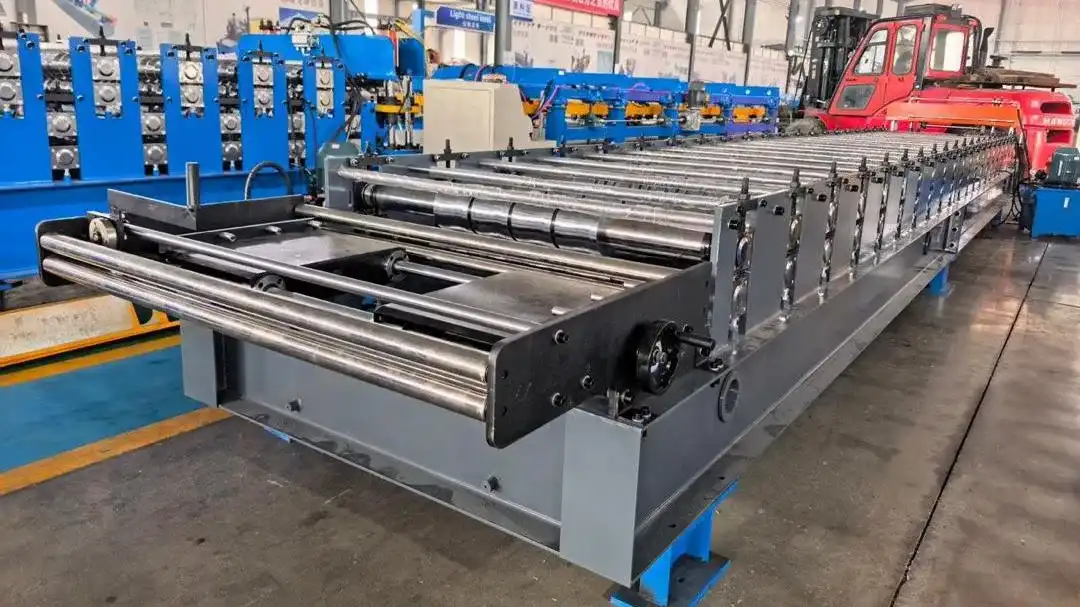
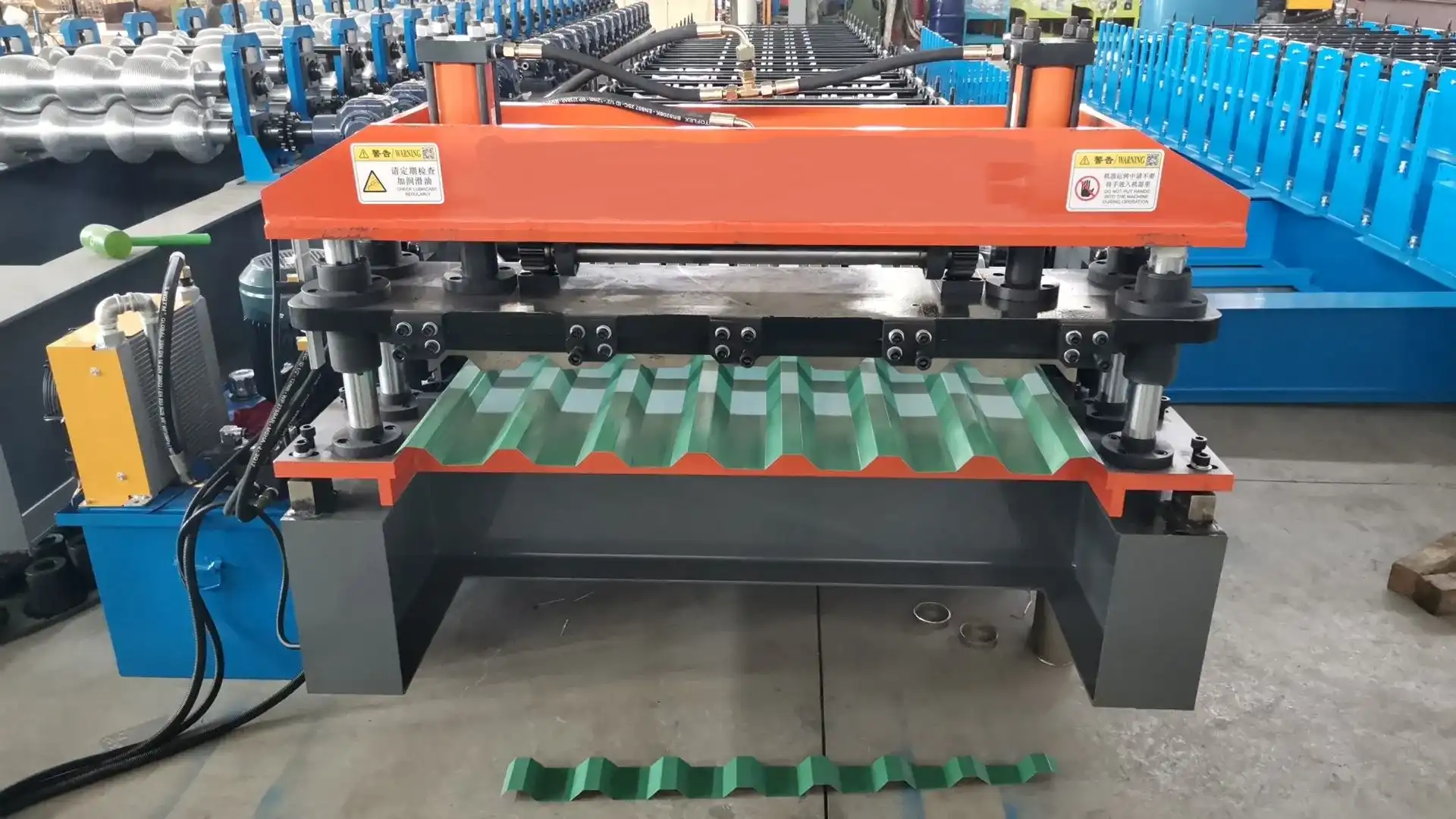
For the R101 Roofing Sheet Making Machine to work, metal bands must pass through carefully designed roller stations without being heated. This is called "cold roll forming." This process gradually shapes flat material into the unique R101 trapezoidal shape that is well known in the construction markets of North America and Latin America. The machine has a number of automated systems that all work together smoothly. An uncoiling mechanism feeds material continuously, forming stations that shape the profile gradually, a hydraulic cutting system allows precise length control, and an output system efficiently stacks finished products. Its smart control design is what makes this equipment stand out. The Delta PLC and a 5.7-inch touchscreen display make it possible for workers with little technical knowledge to plan production runs. You only need to tell the system how many and what length sheets you want, and it will make sure that the feeding, shaping, and cutting all happen at the same time. This level of automation cuts down on human involvement by a huge amount. This keeps the quality of the output uniform over long production cycles while reducing the chance of mistakes.
Technical Specifications Overview
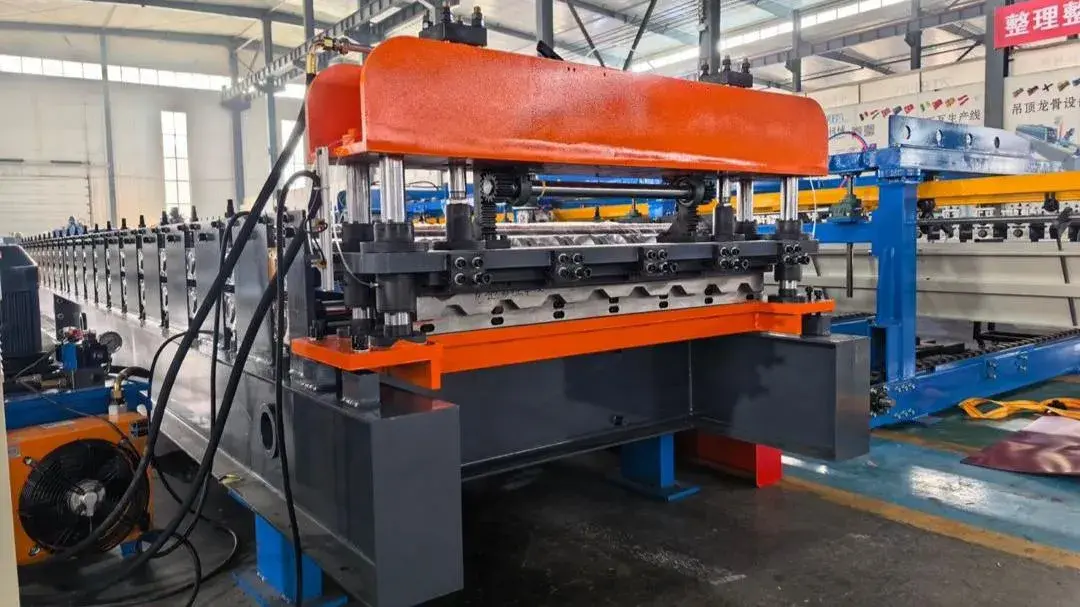
Impressive technical features are packed into a small industrial-sized unit by the R101:
- Forming Capacity: The machine can work with materials that are between 0.3 mm and 0.8 mm thick, which is the range of gauges that are most often used in roofing (usually 22-30). With 18 forming stations and a 70 mm shaft width, the machine makes sure that the material deforms slowly, which stops stress cracks and keeps the material's integrity.
- Power and Performance: The R101 can reach line speeds of up to 15 meters per minute with its 5.5 kW main motor, automatic roofing sheet making machine, and 4 kW hydraulic unit. Depending on how long the profiles are set, this rate of production covers about 180 to 220 square meters of roof per hour. This power supply works with normal commercial electrical systems in the United States. It has 380V, 50Hz, and three phases.
- Precision Engineering: The hydraulic shear cutting system keeps an accuracy of ±2 mm, which is very important for projects that need to stick to very tight size limits. The frame is made with a 16 mm wall-plate H-beam design, which gives it the strength it needs to stay in line while it's running all the time. The machine's total measurements are about 6,200 mm x 850 mm x 1,500 mm, and it weighs 3.5 tons. It takes up a fair amount of room on the factory floor while being stable enough for industrial use.
Benefits and Advantages of Using the R101 Roofing Sheet Making Machine
Enhanced Production Efficiency and Output Quality
Manufacturers are always under pressure to keep quality standards high while increasing output. Several built-in design factors on the R101 Roofing Sheet Making Machine make it possible to deal with this problem. The automatic length control gets rid of the measurement mistakes that happen when marking and cutting by hand. This accuracy means less material waste over the course of an eight-hour work shift, usually reducing scrap rates by 3–5% compared to semi-automatic options. The line speed of 15 meters per minute gives medium-sized roofing producers a lot of production space. Taking into account setup time and changes in materials, we can say that a single R101 can make between 1,200 and 1,500 square meters of finished roofing sheets every day. Depending on the panel length, this amount is enough to finish domestic roofing jobs that cover between 800 and 1,000 square meters per day.
Cost Savings Through Operational Efficiency
The R101 has economic benefits that go far beyond its original production numbers. Under normal production conditions, the 5.5 kW main motor uses only 44–55 kWh of power during an eight-hour shift, which is very low. This uses 15 to 25 percent less energy than older hydraulic-drive systems, which usually need motors that are 7.5 to 11 kW. Over the course of a year of continuous running, these saves add up to real cuts in operating costs. Because engineers were careful, maintenance costs stayed low as expected. The chrome-plated making rollers don't wear out quickly, and they usually only need to be replaced after working two to three million linear meters of material. Standard #46 hydraulic oil is used in the hydraulic system, and it only needs to be serviced once every year after the first six months to break it in. This longer repair period cuts down on downtime and the costs of labor that come with it, so makers can keep their production plans steady.
User-Friendly Operation and Technical Support
The R101 is still surprisingly easy to learn how to use, even for people who aren't very good with computers. The tablet interface shows workers clear pictures and simple text that help them set up the production. Changing the parameters for different sheet lengths only takes seconds, so you don't need to know a lot about technology to quickly switch between customer orders. Every R101 installation comes with full professional help from Cangzhou Zhongtuo, which has offices in more than 150 countries. Our after-sales team offers online troubleshooting help, operating training materials, and fast shipping of spare parts. This global support system is especially helpful for companies that have more than one facility or are just starting to use automatic roofing sheet making machine roll forming technology.
Procurement Insights for the R101 Roofing Sheet Making Machine
Investment Considerations and Pricing Transparency
Knowing how much it will cost to buy all the necessary tools helps buying teams make accurate budgets and avoid spending more than planned. The R101 Roofing Sheet Making Machine is in the middle to higher range of automatic roofing sheet equipment, as its base price represents its industrial-grade construction and automation features. When customers look at offers, they should think about more than just the price of the machine itself. Shipping costs change a lot depending on where the package is going and how it will be delivered. Ocean freight usually comes in a normal 40-foot container, and it takes 25 to 35 days for the equipment to get to U.S. ports from where it was made in China. Transportation and unloading within the country can add extra costs that depend on where the building is located and how easy it is to get to. Customs agents should be consulted about import taxes, which are currently based on specific tariff classifications for metalworking equipment, to make sure that budget forecasts are correct.
Supplier Verification and Warranty Terms
Unfortunately, the market for industrial tools has sellers that aren't always reliable or committed to their customers after the sale. Procurement professionals should give more weight to makers with provable licenses and a long history of operating. Cangzhou Zhongtuo's ISO9001, CE, and CAS certifications show that their manufacturing quality systems and product safety compliance have been checked by a third party. This is important for U.S. businesses because it is needed for insurance and regulatory reasons.The R101 comes with a standard guarantee that covers parts that are defective in production for twelve months from the date of installation or eighteen months from the date of shipping, whichever comes first. This covers electrical parts, hydraulic systems, and structural parts, but not things that are used up quickly, like cutting blades and normal wear parts. During the procurement process, you can ask for longer warranty periods and preventative maintenance contracts. These can be very helpful for protecting work areas that are used a lot.
Installation, Operation, and Maintenance Guidelines for R101
Site Preparation and Installation Requirements
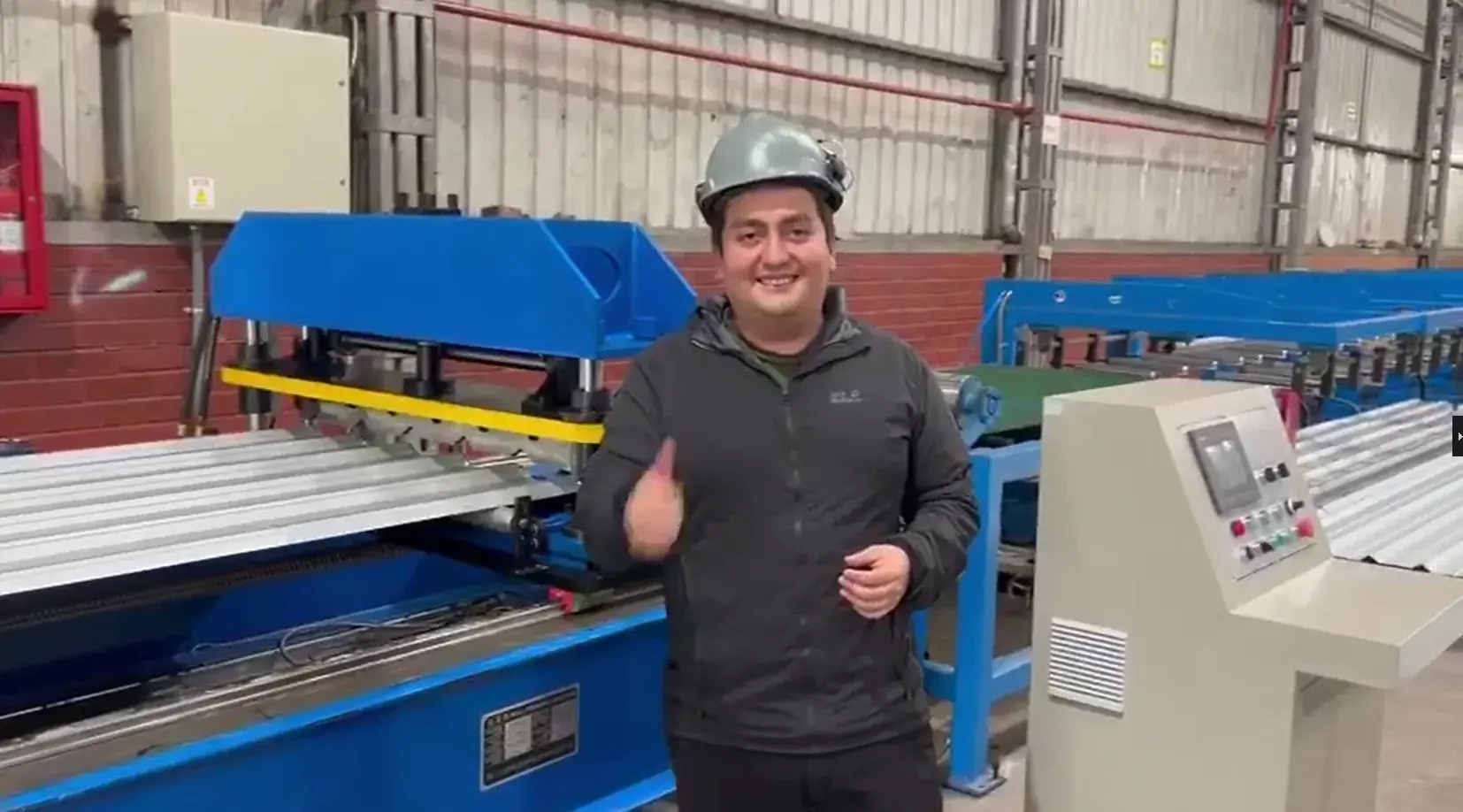
For a R101 Roofing Sheet Making Machine installation to go smoothly, the building must be properly prepared long before the equipment arrives. For the machine to work, it needs a level concrete base that can hold 5 tons of weight spread out over about 5.3 square meters of floor space. Specifications for foundations should include vibration dampening, which is usually done with rubber isolation pads or movable leveling feet to stop reverberation from spreading to nearby buildings. The electrical system needs to provide steady 380V three-phase power with enough amperage. Usually, a 30-amp circuit breaker is enough for the 9.5 kW motor load plus the control systems. In the US, electrical rules require good grounding and may say that disconnect switches must be close to the equipment. Hiring a qualified industrial electrician who knows how to work with welding equipment will make sure that the installation is done correctly and that the electricity works at its best.
Operational Best Practices for Maximum Productivity
Operator training is an important resource that has a big effect on how well and how long the equipment lasts. The R101's controls are easy to learn, but workers need to go through a lot of training to make sure they understand process improvement and can spot problems before they get worse. We give you thorough operating manuals that include standard processes, instructions on how to change parameters, and basic troubleshooting steps. Every day's work should start with a quick check of the tools. Operators should check the amount of hydraulic oil, look for any obvious problems with the balance of the rollers, and make sure that the cutting blade doesn't have any damage or wear that is too much. By making several test pieces, you can make sure that the measurements are correct before committing to full production runs. This quick five-minute start-up process keeps things from going to waste and finds problems early on.
Maintenance Scheduling and Troubleshooting
Structured care keeps technology working well and makes it last a lot longer. We suggest a tiered R101 Roofing Sheet Making Machine approach to maintenance, where certain jobs are planned every day, every week, and every month. Cleaning is the main focus of daily maintenance. Metal shavings and dust are removed from roller surfaces, hydraulic fluid is checked for contamination, and the PLC tablet is tested to make sure it works properly. A more thorough check is part of weekly maintenance. Operators should look at the roller surfaces to see if they have any scratches or coating buildup. They should also make sure that all of the belt strengths and chain drives are set correctly and that all of the limit switches and safety interlocks work properly. Putting light machine oil on uncovered shaft surfaces stops rust from forming and keeps the spinning smooth. These preventative steps take about 30 to 45 minutes, but they make it much less likely that something will break down unexpectedly. Every month, you should check the hydraulic system, look for any leaky seals around the cylinders and fittings, and use precise tools to measure the position of the rollers. Check the cutting blade for edge wear. If the quality of the cuts drops or burrs show up on the sides of the sheets, the blade needs to be rotated or replaced. Check the electrical connections to see if they are tight and look for any signs of burning. By keeping track of these maintenance tasks, you can build a service history that helps you find trends and find the best maintenance intervals based on how things are really running.
Conclusion
Manufacturers of roofing sheets who want to boost output, guarantee constant quality, and cut costs should consider buying the R101 Roofing Sheet Making Machine. Because it is automated, precise, easy to use, and well-built, it solves the main problems that makers of building roofing systems have, which are increasing production efficiency, maintaining quality, and making upkeep easier. 18 making stations, a 15-meter-per-minute production speed, and accurate hydraulic cutting are some of the technical specs that make the equipment both useful and easy to use in a wide range of production settings. The R101 is a reliable base for makers who want to compete in the tough industrial and residential building markets. It comes with full global support and has been tested and proven to work in more than 150 countries.
FAQ
1. What material types can the R101 process effectively?
Between 0.3 and 0.8 mm thick, the R101 Roofing Sheet Making Machine can work with galvanized steel, steel that has already been sprayed, and aluminum-zinc coated surfaces. As usual, the machine can handle solids with a yield strength of up to G300. To handle the spring-back properties of full-hard G550 steel, forming stations need to be updated, and motor power needs to be raised. Always say what type of material you need when you buy it to make sure the machine is set up correctly.
2. How long does a typical installation and commissioning take?
Installation and completion usually take three to five working days, as long as the spot is properly prepared. In this time range, mechanical positioning, electrical links, setting up the hydraulic system, and checking the system's functionality are all included. Having the base work, electricity infrastructure, and material handling equipment ready before the machine arrives cuts the time it takes to install by a large amount. We help with installation by giving you thorough instructions and technical help over the internet.
3. What training and support does Cangzhou Zhongtuo provide?
We give full practical training that includes setting up machines, making things, checking for quality, and basic upkeep. There are thorough manuals, video lessons, and remote help access in the training tools. Throughout the equipment's working life, our expert team is available by email at zhongtuorollforming@gmail.com to help with problems and give instructions on how to use the equipment.
Partner with ZTRFM for Your Production Excellence
ZTRFM has more than ten years of experience in cold roll forming technology and can help you find solutions that will change the way you make roofing sheets. Our ties with R101 Roofing Sheet Making Machine suppliers span the entire United States. They are backed up by authorized distributors who offer regional service, spare parts, and expert advice. Whether you're setting up new production sites or increasing the capacity of current ones, our team can help you match the specifications of the tools you need with your unique operational needs. Contact us at zhongtuorollforming@gmail.com or go to rollformingmachinemanufacturer.com to talk about how our ISO9001 and CE-certified equipment can help your manufacturing run more smoothly with dependable, high-efficiency technology and a worldwide network of support services.
References
1. Smith, J. & Anderson, R. (2022). Cold Roll Forming Technology: Principles and Applications in Modern Manufacturing. Industrial Press Inc.
2. Martinez, L. (2021). "Automation in Metal Forming: Cost-Benefit Analysis for Mid-Scale Manufacturers." Journal of Manufacturing Systems Engineering, 43(2), 156-172.
3. Thompson, K. (2023). Roofing Systems and Materials: Technical Guide for Construction Professionals. McGraw-Hill Education.
4. Chen, W. & Liu, H. (2020). "Quality Control in Automated Roll Forming Processes." International Journal of Advanced Manufacturing Technology, 108(5-6), 1823-1836.
5. Roberts, D. (2022). Industrial Machinery Procurement: Best Practices for Equipment Selection and Supplier Evaluation. Wiley-Blackwell.
6. National Roofing Contractors Association (2023). Metal Roofing Manufacturing Standards and Installation Guidelines. NRCA Technical Publications.
_1750323743240.webp)