- English
- French
- German
- Portuguese
- Spanish
- Russian
- Japanese
- Korean
- Arabic
- Irish
- Greek
- Turkish
- Italian
- Danish
- Romanian
- Indonesian
- Czech
- Afrikaans
- Swedish
- Polish
- Basque
- Catalan
- Esperanto
- Hindi
- Lao
- Albanian
- Amharic
- Armenian
- Azerbaijani
- Belarusian
- Bengali
- Bosnian
- Bulgarian
- Cebuano
- Chichewa
- Corsican
- Croatian
- Dutch
- Estonian
- Filipino
- Finnish
- Frisian
- Galician
- Georgian
- Gujarati
- Haitian
- Hausa
- Hawaiian
- Hebrew
- Hmong
- Hungarian
- Icelandic
- Igbo
- Javanese
- Kannada
- Kazakh
- Khmer
- Kurdish
- Kyrgyz
- Latin
- Latvian
- Lithuanian
- Luxembou..
- Macedonian
- Malagasy
- Malay
- Malayalam
- Maltese
- Maori
- Marathi
- Mongolian
- Burmese
- Nepali
- Norwegian
- Pashto
- Persian
- Punjabi
- Serbian
- Sesotho
- Sinhala
- Slovak
- Slovenian
- Somali
- Samoan
- Scots Gaelic
- Shona
- Sindhi
- Sundanese
- Swahili
- Tajik
- Tamil
- Telugu
- Thai
- Ukrainian
- Urdu
- Uzbek
- Vietnamese
- Welsh
- Xhosa
- Yiddish
- Yoruba
- Zulu
How does a PBR roll forming machine work?
A roll forming machine transforms flat metal coils into precise, PBR roll former continuous profiles through a series of strategically positioned forming stations. The pbr roll former represents a specialized variant of this technology, designed specifically to create purlin bearing rib panels with extended support legs that ensure superior structural integrity. The process begins with feeding metal coils through multiple roller stations, where each station gradually shapes the material into its final profile configuration. This continuous cold-forming method maintains material properties while achieving consistent dimensional accuracy across long production runs.
Understanding the PBR Roll Former: Overview and Core Working Principles
Pbr roll formers operate on fundamental cold-forming principles that distinguish them from traditional stamping or brake-forming methods. These machines utilize a continuous process where flat metal coils pass through sequential forming stations, with each station performing incremental bending operations to achieve the final profile shape.
Essential Components and Their Functions
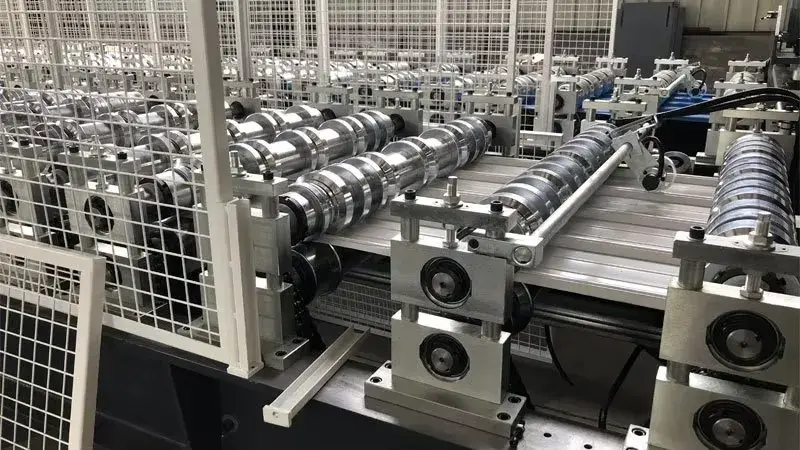
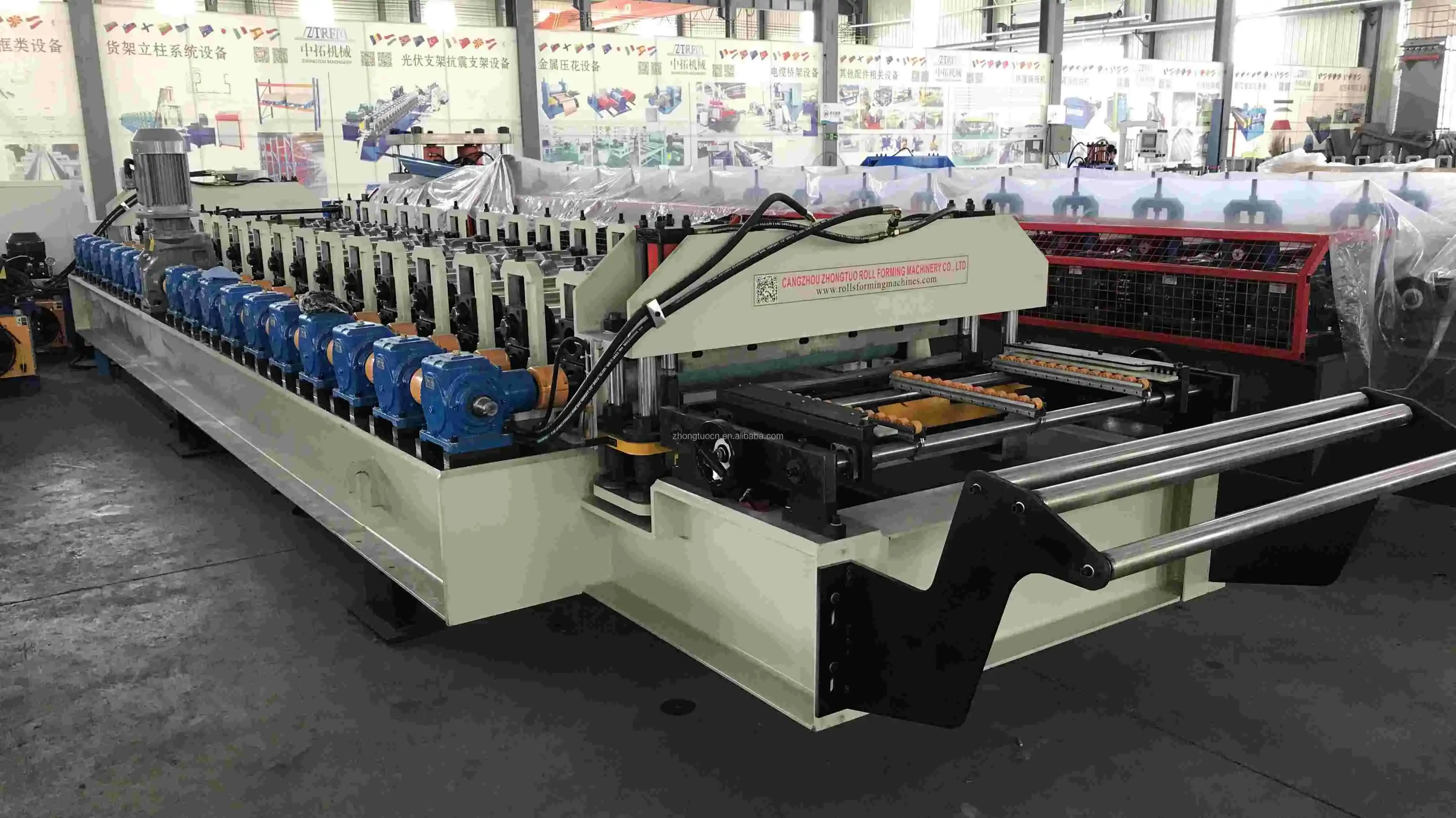
The starting point is the decoiler system, which can hold metal coils that weigh up to several tons and keep the tension under control. This part makes sure that the material feeds smoothly without causing stress concentrations that could weaken the structure of the finished product. The feeding system has servo-driven parts that control how fast the material moves, which is usually between 10 and 30 meters per minute, depending on the thickness and complexity of the profile. Roll stations are the most important part of the forming process. Our standard setup has 19 strategically placed stations. Each station has precision-machined rollers made from high-quality 45# forged steel that have been hard chrome-plated to make them very resistant to wear. When working with 24-26 gauge materials under heavy production loads, the 80mm solid shaft diameter gives the machine the rigidity it needs to keep its measurements accurate.
Continuous Forming Process Mechanics
The first step in the forming process is edge preparation. This is where the first stations make the first bends that define the basic shape of the panel. As the stations go on, they get that distinctive purlin-bearing leg that sticks out past the edge of the panel to support the whole structure during installation. This design with longer legs gets rid of the gap issues that come up with regular corrugated panels, making sure that the overlap connections are weatherproof. Advanced control systems make sure that all of a machine's parts work together in sync. To keep the quality of the product the same over long production runs, these systems keep an eye on the forming pressure, the speed at which the material moves forward, and the accuracy of the cuts. By combining these parts, manufacturers can keep up high throughput rates while still meeting the tight tolerances needed for architectural applications.
Advantages of PBR Roll Formers Over Traditional Roll Forming Methods
Modern PBR roll forming technology makes PBR roll former performance improvements that can be measured and have a direct effect on the cost of manufacturing and the quality of the products made. When compared to traditional panel forming methods or older roll forming equipment designs, these benefits become even clearer.
Enhanced Efficiency and Material Utilization
With the continuous forming process, there are no more start-stop cycles like there are with press brakes. This means that production speeds can go over 20 meters per minute. Labor costs go down a lot because of this throughput advantage, especially in high-volume situations like commercial roofing projects. Another big benefit is less material waste, and the best coil utilization rates are close to 98% because there isn't much end trimming to do. Based on an analysis of how much energy is used, roll forming usually needs 60–70% less power per linear foot of finished product than stamping. The gradual forming action lowers the peak power needs while keeping the motor's load constant during the production cycle. This efficiency means lower operating costs and less damage to the environment over long production campaigns.
Superior Dimensional Accuracy and Quality Control
Roll-forming technology's incremental forming method reduces the springback effects that often happen with brake-formed panels. Each forming station uses controlled stress levels that stay within the material's elastic limits. This makes profiles with differences in size that are usually within ±1mm tolerance ranges. This accuracy is very important for architectural uses where panel alignment and weather sealing depend on edges having the same shape. The controlled forming environment makes a big difference in the quality of the surface finish. The hard chrome-plated rollers make it less likely that the panel will get scratched, and the gradual forming action stops the surface from getting distorted in ways that can be seen on press-formed panels. These quality improvements help make things look better and make them last longer in outdoor settings.
How to Choose the Right PBR Roll Former for Your Business Needs
To choose the right roll forming equipment, you need to carefully look at your long-term operational goals, production needs, and material specifications. The decision framework should include both current needs and possible future growth scenarios.
Application-Specific Requirements Analysis
Estimates of the amount of production are used to decide what size equipment to buy. Heavy-duty machine configurations with strong drive systems and better cooling are best for high-volume applications that need to run all the time. The rigidity needed to keep accuracy high during long production runs is provided by the 350mm H-beam structure and 20mm welded steel middle support plates. Ranges of material thickness have a big effect on how machines are chosen. Our standard configuration works well with materials between 24 and 26 gauges because the 80mm solid shaft design doesn't bend too much in these thickness ranges. For the best forming results, thicker materials or alloys may need stronger drive systems or different roller configurations.
Comparative Analysis with Alternative Technologies
Pbr roll formers offer distinct advantages over C purlin or Z purlin forming equipment when architectural panel applications represent the primary production focus. The extended bearing leg design requires specialized tooling configurations that differ substantially from standard purlin profiles. This specialization makes the products work better for roofing jobs, but it might make it harder to make different kinds of structural parts. Another option is corrugated roll formers, but the profiles they make are usually not as strong as PBR panels when it comes to holding weight. For many uses, the extra-long bearing legs and deeper rib sections that the PBR roll former can be made with specialized PBR equipment, making the structure work better, which makes the cost of the tools worth it.
Maintenance, Troubleshooting, and Maximizing Efficiency of PBR Roll Formers
Sticking to maintenance schedules is important for keeping production going smoothly and extending the life of equipment. With proper maintenance, equipment availability rates can reach over 95%, and costs for unplanned downtime can be kept to a minimum.
Preventive Maintenance Best Practices
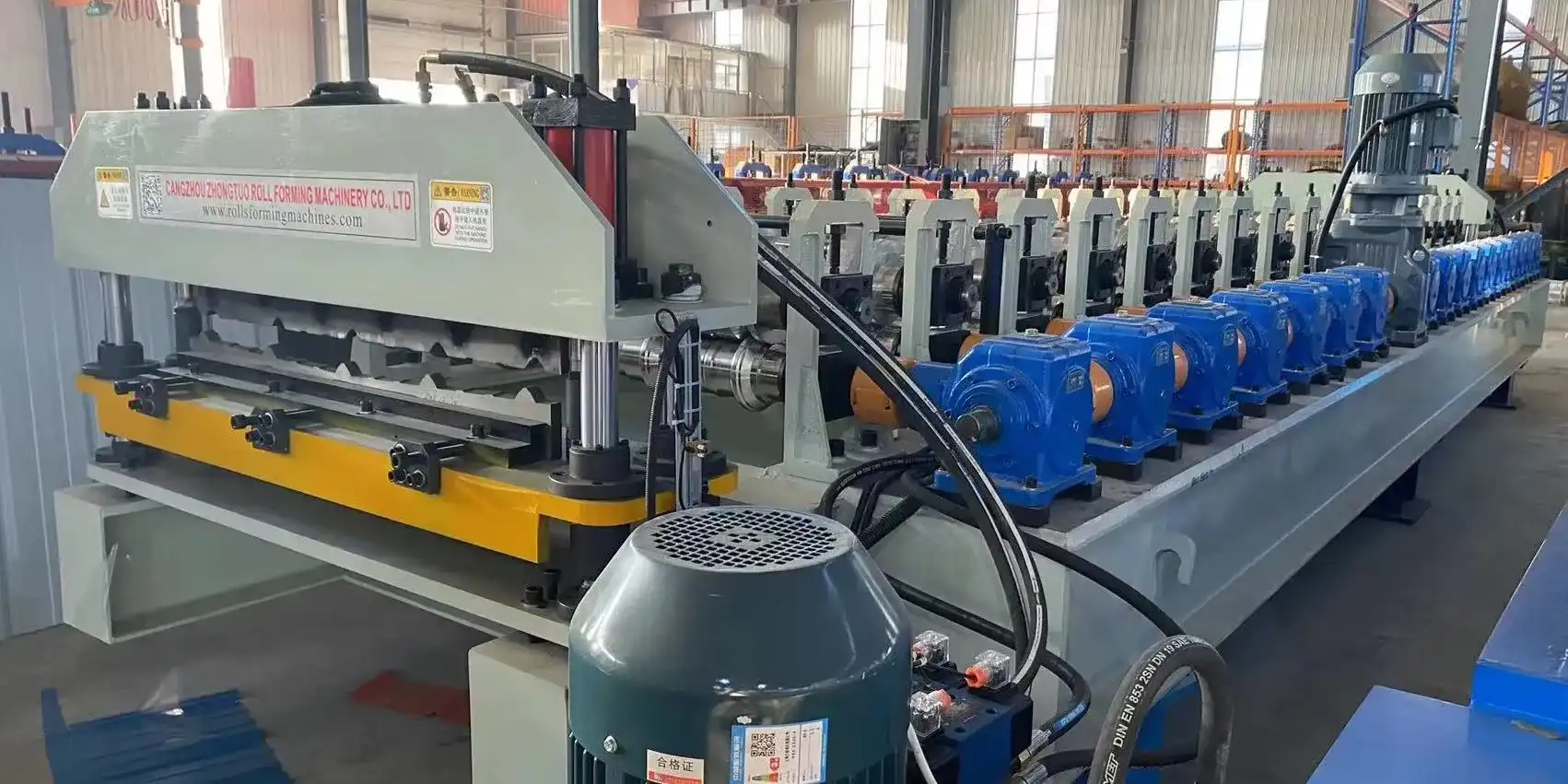
Because of the high-pressure contact conditions that happen during forming operations, lubrication schedules need extra care. The manufacturer's instructions say that the gear and double chain transmission system needs to be inspected and oiled on a regular basis. Every month or after every 100,000 linear feet of production, whichever comes first, the chain tension should be changed. Protocols for inspecting the surface of rollers help find wear patterns before they hurt the quality of the product. The hard chrome plating makes the surface very resistant to wear, but regular checks make sure that any damage to the coating that could scratch finished panels is found quickly. Planning replacements based on the condition of the surface instead of random time intervals is the best way to keep up with both quality maintenance and replacement costs.
Common Issues and Resolution Strategies
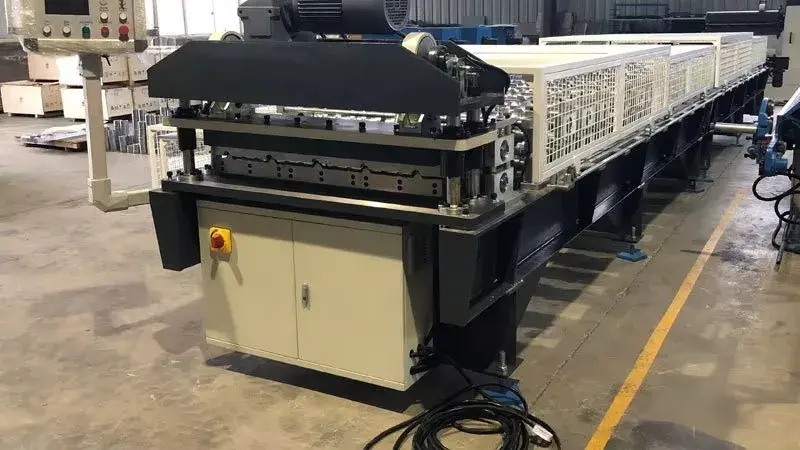
Changes in profile dimensions often mean that rollers aren't aligned correctly or that critical forming stations are wearing out too quickly. Systematic measurement procedures using precise templates can help find the troublesome stations and direct maintenance efforts to the right ones. Because our equipment is made up of separate modules, rollers can be replaced quickly without taking the whole line apart. The performance of the cutting system has a direct effect on how efficiently and quickly materials are used. When properly maintained, the automatic cutter that uses Cr12MoV material gives very good edge quality. Monitoring the sharpness of the blades and replacing them when they wear out stops the edge quality from getting worse, which can slow down the installation of panels.
Procurement Considerations: Buying and Evaluating PBR Roll Former Machines
When deciding to buy PBR roll forming equipment, it's important to think about both the initial costs and how the equipment will be used in the long term. Knowing what affects the price of equipment makes budgeting and negotiating with suppliers go more smoothly.
Cost Structure Analysis and Budget Planning
The price of a machine depends a lot on how complicated its configuration is. The most affordable starting point is a basic configuration that can be used for standard profile production. When special profiles or better automation features need to be customized, the costs of investing usually go up by 15 to 25 percent compared to standard offerings. But these improvements usually have operational benefits that make the extra money worth it by increasing capability or making things run more smoothly. The amount of production needed directly affects the size of the equipment and the requirements for the drive system. To achieve higher throughput, mechanical systems, PBR roll former need to be more reliable, and control systems need to be better. This means that the initial investment and ongoing maintenance costs are higher. Over-specification, which adds costs without improving operations, can be avoided by carefully analyzing the actual production needs.
Supplier Evaluation and Risk Management
Supplier certification standards provide important quality assurance indicators when evaluating potential equipment sources. ISO9001 certification demonstrates commitment to quality management systems, while CE marking ensures compliance with European safety standards. These certifications indicate systematic quality control processes that reduce the risk of equipment performance problems. Global service capability is an important thing for businesses that have more than one location or are planning to grow internationally to consider. Suppliers with well-established service networks and parts distribution systems reduce the risk of downtime and make sure that the quality of support is the same in all areas of the world. There are technical training programs and detailed documentation that make operational risks even lower when starting up equipment and while it is being used.
Conclusion
Roll forming technology, particularly PBR roll former systems, represents a sophisticated manufacturing solution that transforms flat metal coils into precision-engineered profiles through controlled sequential forming operations. The continuous process delivers superior dimensional accuracy, enhanced surface quality, and improved production efficiency compared to traditional forming methods. Understanding the fundamental principles, component interactions, and operational considerations enables informed decision-making for equipment selection and implementation. The combination of advanced materials, precision engineering, and automated controls in modern roll forming systems provides manufacturers with the capability to meet demanding quality standards while achieving competitive production costs.
FAQ
1. What materials can a PBR roll former process effectively?
Pbr roll formers handle various metal materials, including galvanized steel, Galvalume, aluminum, and pre-painted steel coils. The standard configuration processes 24-26 gauge materials, with thickness capabilities extending from 0.4 mm to 0.8 mm depending on material properties. Harder materials may require reduced forming speeds or modified roller configurations to prevent surface damage or dimensional distortion.
2. How does forming speed affect product quality?
Forming speed influences several quality factors, including dimensional accuracy, surface finish, and material stress distribution. Optimal speeds typically range from 15-25 meters per minute for standard applications, with thicker materials or complex profiles requiring reduced speeds. The relationship between speed and quality needs to be carefully balanced to achieve maximum throughput while maintaining acceptable quality standards.
3. What automation options are available for PBR roll forming lines?
There are different levels of automation in modern PBR roll former systems, from simple length control to fully integrated production lines. Automatic coil loading, length measurement systems, cut-to-length controls, and built-in stacking systems are some of the options. Advanced configurations include systems for keeping an eye on quality and gathering data for full production management.
Partner with ZTRFM for Superior PBR Roll Forming Solutions
ZTRFM stands as your trusted PBR roll former manufacturer with over a decade of specialized experience in cold roll forming technology. Our comprehensive approach combines advanced engineering capabilities with global manufacturing expertise to deliver equipment solutions that exceed performance expectations. As a national high-tech enterprise certified by ISO9001, CE, and CAS standards, we provide innovative customized solutions backed by proven reliability across 150+ countries worldwide.
Our PBR roll former systems feature superior construction, including 19-station roller configurations, 80mm solid shaft designs, and high-grade 45# forged steel components that ensure consistent performance throughout extended production campaigns. The integration of advanced control systems with robust mechanical designs provides the reliability and precision demanded by modern manufacturing environments.
Connect with our technical experts at zhongtuorollforming@gmail.com to explore how ZTRFM's pbr roll former solutions can enhance your production capabilities.
References
1. American Iron and Steel Institute. "Cold-Formed Steel Design Manual." American Iron and Steel Institute Technical Standards, 2018.
2. International Association of Roll Forming Engineers. "Roll Forming Technology and Applications in Modern Manufacturing." Industrial Press Technical Publications, 2019.
3. Metal Building Manufacturers Association. "Metal Roofing Systems Design Guide for Purlin Bearing Applications." MBMA Engineering Standards, 2020.
4. Society of Manufacturing Engineers. "Advanced Cold Forming Processes and Quality Control Methods." SME Technical Paper Series, 2017.
5. European Committee for Standardization. "Cold Formed Steel Structural Members - Technical Delivery Conditions." EN 10162 Standards Documentation, 2019.
6. American Society for Testing and Materials. "Standard Specification for Steel Sheet and Strip, Hot-Dipped, Zinc-Coated by the Hot-Dip Process." ASTM A653 Standards Manual, 2021.
_1750323743240.webp)