- English
- French
- German
- Portuguese
- Spanish
- Russian
- Japanese
- Korean
- Arabic
- Irish
- Greek
- Turkish
- Italian
- Danish
- Romanian
- Indonesian
- Czech
- Afrikaans
- Swedish
- Polish
- Basque
- Catalan
- Esperanto
- Hindi
- Lao
- Albanian
- Amharic
- Armenian
- Azerbaijani
- Belarusian
- Bengali
- Bosnian
- Bulgarian
- Cebuano
- Chichewa
- Corsican
- Croatian
- Dutch
- Estonian
- Filipino
- Finnish
- Frisian
- Galician
- Georgian
- Gujarati
- Haitian
- Hausa
- Hawaiian
- Hebrew
- Hmong
- Hungarian
- Icelandic
- Igbo
- Javanese
- Kannada
- Kazakh
- Khmer
- Kurdish
- Kyrgyz
- Latin
- Latvian
- Lithuanian
- Luxembou..
- Macedonian
- Malagasy
- Malay
- Malayalam
- Maltese
- Maori
- Marathi
- Mongolian
- Burmese
- Nepali
- Norwegian
- Pashto
- Persian
- Punjabi
- Serbian
- Sesotho
- Sinhala
- Slovak
- Slovenian
- Somali
- Samoan
- Scots Gaelic
- Shona
- Sindhi
- Sundanese
- Swahili
- Tajik
- Tamil
- Telugu
- Thai
- Ukrainian
- Urdu
- Uzbek
- Vietnamese
- Welsh
- Xhosa
- Yiddish
- Yoruba
- Zulu
How to choose a Solar Strut Channel Making Line?
When picking a solar strut channel roll forming machine, you need to think about how much it can produce, what materials it can work with, how automated it is, and how reliable the supplier is. The right machine strikes a balance between precise shaping and high operational efficiency, and it can handle a range of profile sizes. Integration of punching systems, cutting systems, drive mechanisms, and long-term service support are all important things to think about. To make sure they get a good return on investment and can keep making solar mounting system parts, buyers need to compare technical specs to their production needs, budget, and needs for customization.
Understanding Solar Strut Channel Making Lines and Their Importance
The rise in solar energy use in the US has made mounting infrastructure more important than ever. The main structure of these installations is made up of solar strut channels, which are slotted metal profiles that hold up photovoltaic panels. Special tools are needed to make these parts because flat steel coils need to be bent into precise, load-bearing shapes.
How Roll Forming Technology Works?
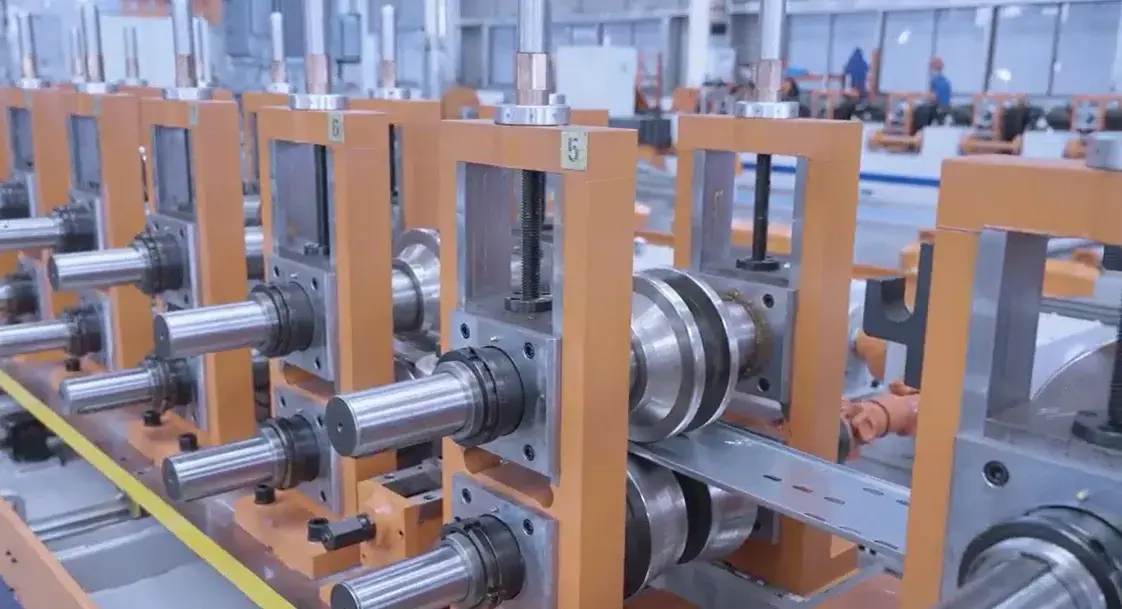
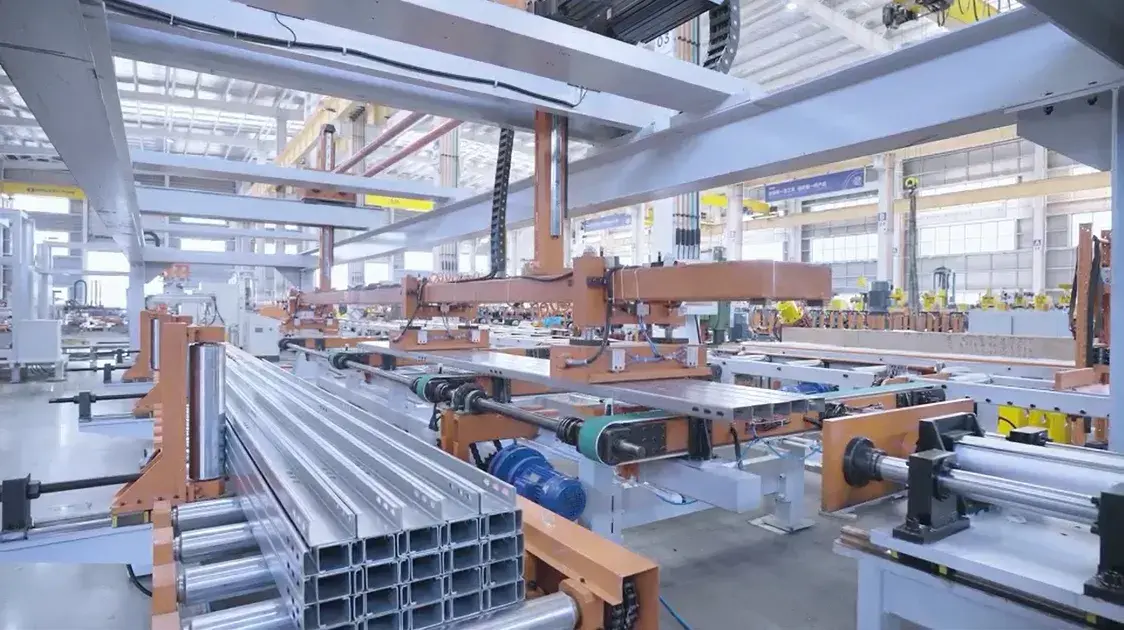
Roll forming is a continuous bending process in which metal is fed through a series of roller stations that gradually shape it into the desired shape. This cold-forming method, unlike stamping or extrusion, keeps the strength of the material while keeping the tolerances tight. Uncoiling galvanized or hot-rolled steel is the first step in the process. The steel then goes through leveling and punching stations, 24 strategically placed forming rollers, and finally hydraulic cutting to finish the cycle. At each station, small bends are made, spreading the stress evenly across the material to keep it from breaking or cracking. This method works especially well for making a lot of things at once, where consistency is more important than variety.
Material Specifications and Profile Types
Most companies that make solar mounts use galvanized steel that is 1.5 mm to 2.5 mm thick. The galvanization layer protects against corrosion, which is important for outdoor installations that will last for 25 years. Cross-sections of 41x41mm, 41x21mm, and 41x62mm are common profile sizes, but custom sizes can be made to fit specific engineering needs. Because the feeding width can be changed from 90 to 230 mm, processors can work with different coil sizes without having to do a lot of reconfiguring. Choosing the right material affects both the strength of the structure and how hard it is to shape. For example, thicker gauges need stronger drive systems and the ability to handle more weight.
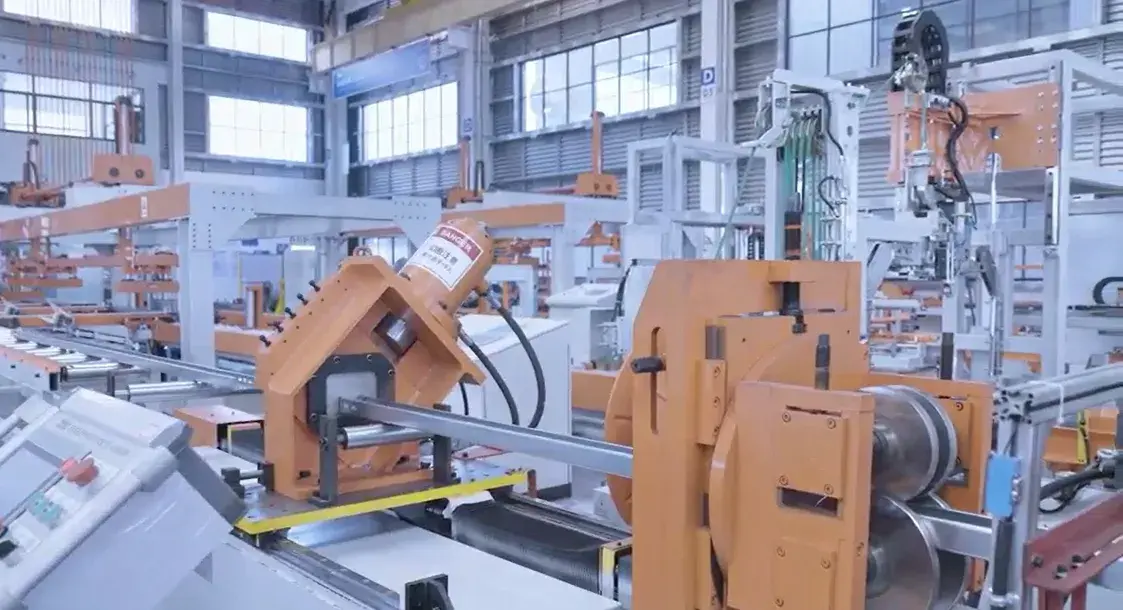
Core Criteria for Selecting the Right Solar Strut Channel Making Line
Planning for production capacity is the basis for choosing equipment. A Solar Strut Channel Roll Forming Machine that can go 8 meters per minute can make about 4,800 meters of strut channel in a normal 10-hour shift, assuming there isn't much downtime. By matching this output to your order volume, you can avoid both wasteful underutilization and frustrating bottlenecks. Think about whether your business model works best with long runs that never end or with switching between profile types often.
Evaluating Automation and Integration Features
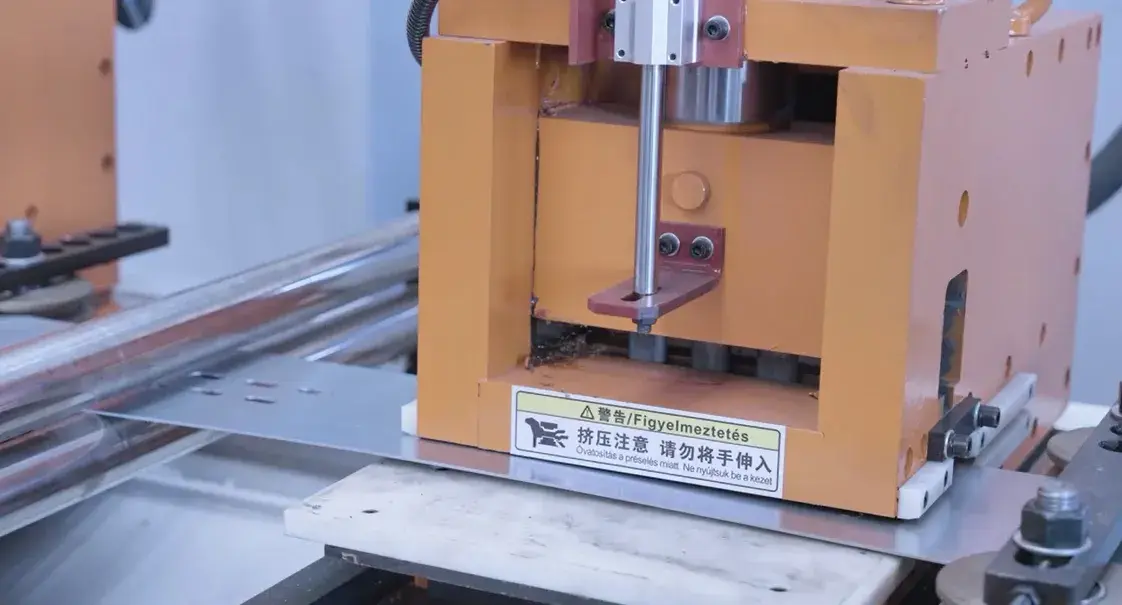
Multiple tasks that used to need their own workstations are now combined on modern production lines. Decoiling systems feed material automatically while keeping the tension constant. Servo-controlled punching stations make the signature slot patterns without the need for manual positioning. This makes it possible to place holes accurately within a tolerance of ±1.5 mm. An 11 KW station powers hydraulic cutting mechanisms that cut finished sections to predetermined lengths without any help from the operator. These tasks are coordinated by PLC control systems, which store multiple product recipes so that they can be quickly switched between. The level of automation is directly related to the reduction of labor costs and the ability to repeat tasks, both of which are very important when competing in markets where prices are important.
Assessing Machine Construction and Durability
The construction of the machine frame of the Solar Strut Channel Roll-Forming Machine determines how long it will last when it is used all the time. Steel frames that are 25 mm thick and 45# can handle vibration and stress better than lighter frames. Specifications for roller shafts are important. For example, 80mm diameter shafts made from 45# forged steel don't bend when heavier gauge materials are formed around them. The forming rollers should be made of GCR15 steel that has been coated with chrome to keep the surface from wearing down. These small, seemingly unimportant details stop the accuracy drift that builds up over thousands of hours of production. Manufacturers who want to make a lot of things can't afford machines that need to be recalibrated often or whose quality keeps getting worse over time.
Weighing Investment Against Operational Costs
The purchase price is only one part of the total cost of ownership. A 22 kW main motor uses a lot of electricity when it's running. Figuring out the monthly energy costs shows long-term patterns of costs. Chain-driven and gearbox transmission systems have very different maintenance needs. While double chain drives are easy to use, they may need to be replaced after three years of heavy use. Gearbox systems, on the other hand, last longer but cost more at first. How often a blade needs to be replaced depends on how hard the material is and how much is being made. For example, Cr12 mold steel blades that have been properly heat-treated (58–62 HRC) last longer between sharpenings or replacements. Smart buyers spread out these ongoing costs over five years to get a better idea of how much the equipment is really worth.
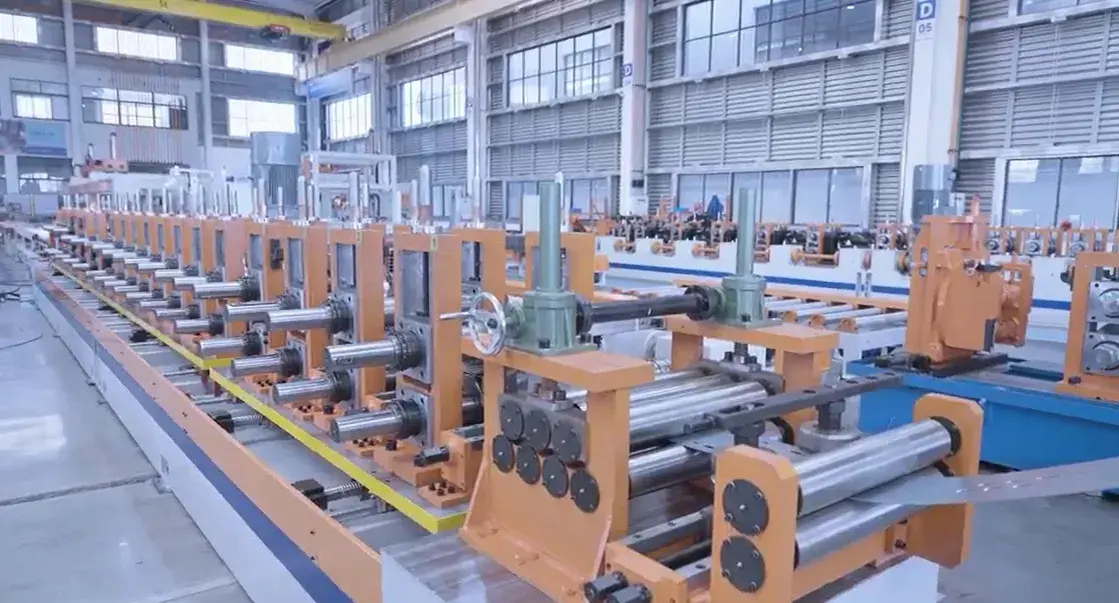
Comparing Solar Strut Channel Roll Forming Machines: What You Need to Know?
Knowing the differences between the different machine configurations keeps you from buying the wrong thing. There are many design ideas on the market, and each one helps with different production goals.
Manual vs. Automated Operation Models
Operators of manual machines have to measure, position, and start cutting actions. This method works for new businesses that don't have a lot of money or for companies that make a lot of different custom orders and the costs of programming automation are higher than the benefits. With automated lines, people can't change the timing, so every piece is the same length, and measurement mistakes cause less waste. The trade-off is the initial cost and the time needed to learn how to program a PLC. Companies that want to make more often find that automation pays for itself in 18 to 24 months by saving them money on labor and increasing output.
Hydraulic vs. Mechanical Systems
Hydraulic cutting gives the same amount of force no matter how thick the material is, which makes it perfect for processors who work with different grades of steel. The 11 KW hydraulic station has enough power to cut cleanly through 2.5 mm galvanized steel without deforming the blades. Mechanical systems work more quickly, but they might not be able to handle thicker materials well or become less accurate as parts wear out. When punching, the same things need to be thought about. Hydraulic punches can handle different hole patterns without having to change their tools, and mechanical presses are great for high-speed, repetitive tasks. Which system works best for your business depends on the types of materials and products you offer.
Supplier Certification and Track Record
For a solar strut channel roll forming machine, hydraulic cutting is essential when processing 1.5–2.5 mm galvanized steel into 41x41 mm, 41x21 mm, or 41x62 mm solar strut profiles. The 11 KW hydraulic station delivers consistent force for clean cuts without deforming the channel or its pre-punched slots (required tolerance: ±1.5mm). Mechanical systems may cut faster but often struggle with thicker solar-grade steels and lose slot-position accuracy over time. For solar mounting applications requiring varied hole patterns and material gauges, hydraulic systems are strongly preferred over mechanical.
Procurement Tips and Best Practices for B2B Buyers
When buying equipment from other countries, you need to do a lot of research. It gets more complicated when you're dealing with specialized equipment whose working details aren't clear until after it's been installed.
Evaluating Supplier Capabilities Beyond the Machine
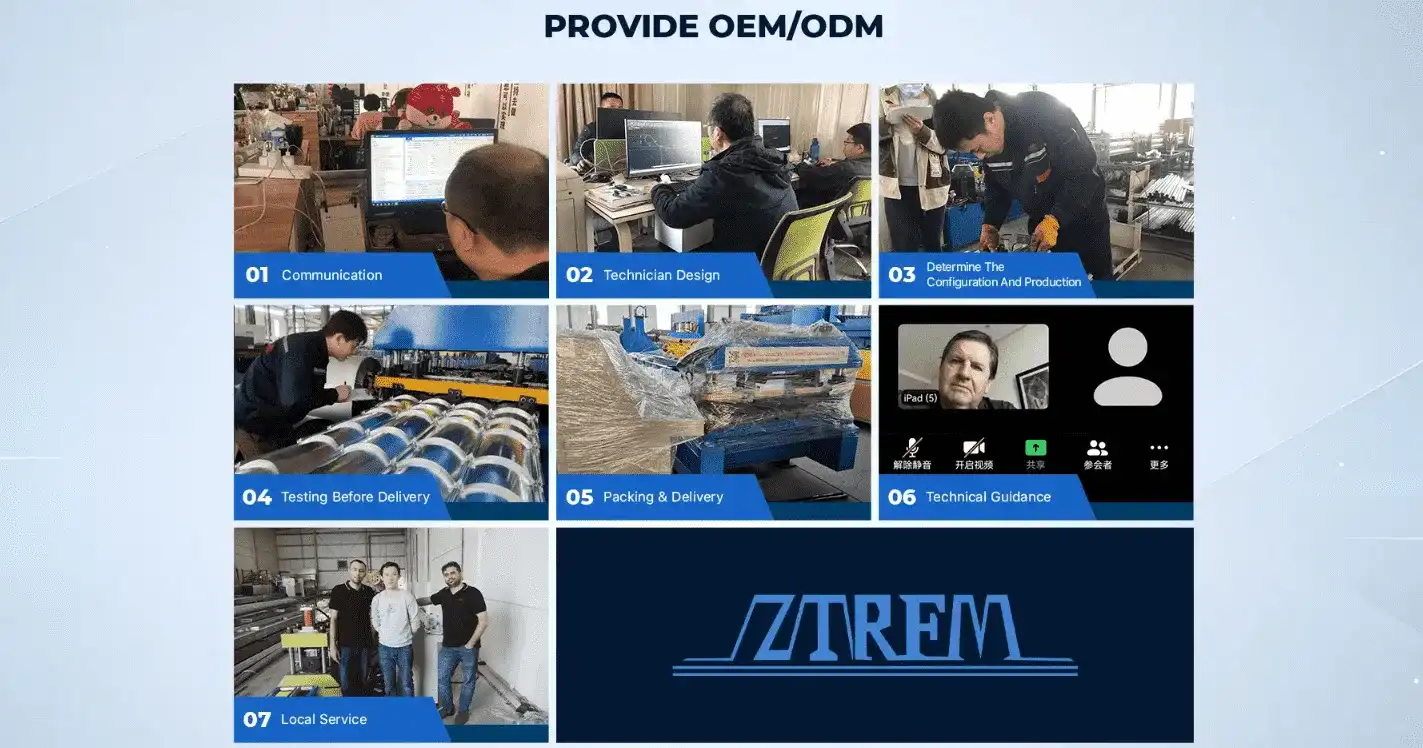
Full-service equipment suppliers sell more than just hardware, such as the Solar Strut channel roll-forming machine. Look for partners that offer installation and training on-site. Your operators need to learn how to fully use PLC controls and fix common problems by doing so. When production stops suddenly, remote technical support is very helpful. Suppliers with engineers who work in the same time zone as you greatly reduce downtime. Spare parts inventory systems that ship important parts within 72 hours keep production from stopping for long periods of time. When standard profiles don't meet your needs, the ability to customize them is important. Suppliers with in-house R&D teams that use AutoCAD and SolidWorks can easily change the designs of tools. These service elements are often what set good suppliers apart from great partners.
Warranty Terms and Performance Guarantees
Regular warranties usually last for 12 months from the date of commissioning, but make sure you read the fine print to see what is covered and what isn't. There may be different names for electrical parts and mechanical parts. When you get a performance guarantee, it should say what the forming tolerance is, how fast the production can go, and how much scrap is acceptable under certain operating conditions. Make it clear who is responsible if the machine doesn't work right. Does the supplier promise to make changes until the specifications are met? Instead of relying on verbal promises, write down these agreements clearly. Payment terms are often tied to important events, like successful test runs or continued production at full capacity. This protects your investment against not performing as expected.
Building Strategic Supplier Relationships
When you buy equipment just once, you miss out on chances to keep improving it. Suppliers who keep records on their customers' machines can suggest preventive maintenance schedules that are based on how often you use your machines. They tell you when upgrades like servo feeding systems or better punching stations would really make your business better. Relationship-based suppliers give your urgent requests top priority when parts shortages affect many customers at the same time. If you promise to use a lot of machines, you might be able to get better prices or earlier production slots. It's better to think of buying equipment as the start of a partnership rather than a transaction. This will pay off over and over again as the Solar Strut Channel Roll-Forming Machine is used.
Maintenance and Long-Term Optimization for Your Solar Strut Channel Making Line
Careful maintenance is a big part of making sure that equipment lasts as long as possible. If you don't take care of your machines, even the toughest ones will break down over time. On the other hand, machines that are well taken care of often last longer than expected.
Establishing Preventive Maintenance Routines
Daily checks should make sure that the gearbox and chain systems have the right amount of oil, that the hydraulic fluid is clean, and that the forming rollers don't have any damage on the surface. Checking the sharpness of the cutting blades and measuring the alignment of the rollers are weekly tasks. Every month, there are procedures for clearing out all the debris, checking the electrical connections, and backing up the PLC. These routines keep small problems from getting worse and stopping production. By keeping records of maintenance tasks, you can use historical data to figure out when parts need to be replaced before they break completely. Early intervention is possible when operators are taught to recognize sounds, vibrations, or changes in quality that aren't normal.
Troubleshooting Common Production Issues
Inconsistencies in dimensions are often caused by worn forming rollers or guides that are not lined up correctly. Check the roller spacing starting from the first forming station and keep going until you find channels with width differences that are bigger than the ±1.5mm tolerance. Scratches on the surface usually mean that the roller surfaces are dirty or broken and need to be cleaned or re-chromed. Hole placement that isn't consistent could be caused by servo feeder calibration drift or wear on the punching die. If hydraulic cutting leaves behind burrs or incomplete shears, it's likely that the blade isn't as sharp as it should be. Keeping troubleshooting logs helps find patterns. For example, if the same problems happen after a certain amount of production, planned interventions stop them from happening again.
Upgrading for Enhanced Capabilities
As your business grows, you can make changes to your equipment that make it more useful than it was originally designed to be, such as with a solar strut channel roll forming machine. Adding servo-driven profile width adjustment cuts the time it takes to switch between 41x41 mm and 41x62 mm sizes from hours to minutes. Adding automated stacking systems gets rid of the need to handle finished pieces by hand, which increases productivity and safety at work. Advanced PLC modules that can connect to a remote site allow for real-time monitoring and maintenance alerts that are planned ahead of time. Modular equipment designs from suppliers make these upgrades possible without having to replace the whole line. Reviewing production data on a regular basis shows where improvements are needed to make things more efficient.
Conclusion
When choosing a solar strut channel production line, you have to weigh short-term cost concerns against long-term business goals. The right equipment maintains reliability through support networks that are easy to reach, ensures consistent quality through sturdy construction, and allows for growth through flexible automation. When buyers carefully look at technical specs, a supplier's reputation, and the total cost of ownership, they set themselves up for long-term competitive advantage. As the solar mounting industry continues to grow, companies that invest wisely in production infrastructure that can meet both current needs and future opportunities will be rewarded.
FAQ
1. What material types work best for solar mounting applications?
The best strength-to-weight ratios for outdoor installations are found in galvanized steel grades G350 to G550 that are 1.5 to 2.5 mm thick. The zinc coating keeps the steel from rusting in a variety of climates, and the gauge range balances the amount of load needed for the structure with the cost of the materials.
2. How does roll forming compare to extrusion for profile manufacturing?
Roll forming keeps the tensile strength of the material even when it is cold worked, and it can handle longer continuous runs without breaking the bank. Extrusion is good for making complex cross-sections, but it costs more to make the tools and wastes more material. When making more than 10,000 meters of standard strut channel profiles every month, roll forming is the most cost-effective way to do it.
3. What realistic timeline should buyers expect for delivery and commissioning?
Depending on how complicated the customization is, making equipment usually takes 45 to 60 days after the order is confirmed. Shipping by ocean to the U.S. takes an extra 30 to 45 days. It takes an extra 7–10 days for installation and operator training to happen on-site. Plan for about four months between placing the order and reaching full production capacity.
Partner with ZTRFM for Your Solar Strut Channel Roll Forming Machine Needs
Since 2014, ZTRFM has been a leader in precision roll forming equipment, providing tried-and-true solutions to solar mounting manufacturers in more than 150 countries. Our Solar Strut Channel Roll Forming Machine supplier's expertise combines ISO9001-certified manufacturing with responsive engineering support tailored to your production challenges. Whether you're adding to an existing business or starting something new, our team can help you with everything from choosing the right equipment to training on how to set it up. You can find more information about our technical specs, or email our applications engineers directly at zhongtuorollforming@gmail.com. We offer customized demonstrations and factory visits that showcase our commitment to your long-term success.
References
1. Johnson, R. (2022). Cold Roll Forming Technology: Applications in Solar Infrastructure Manufacturing. Industrial Press Publishing.
2. Martinez, L., & Chen, W. (2021). "Material Selection and Structural Performance of Photovoltaic Mounting Systems." Journal of Renewable Energy Engineering, 18(4), 337-351.
3. Thompson, D. (2023). Equipment Procurement Strategies for Metal Fabrication Businesses. Manufacturing Leadership Council.
4. Anderson, K. (2020). "Comparative Analysis of Metal Forming Techniques for Structural Components." International Journal of Advanced Manufacturing Technology, 112(7-8), 2145-2160.
5. United States Department of Energy. (2023). Solar Energy Installation Standards and Best Practices. Office of Energy Efficiency & Renewable Energy.
6. Williams, S., & Patel, N. (2021). Maintenance Optimization for Industrial Roll Forming Equipment. Technical Publishing Group.
_1750323743240.webp)