- English
- French
- German
- Portuguese
- Spanish
- Russian
- Japanese
- Korean
- Arabic
- Irish
- Greek
- Turkish
- Italian
- Danish
- Romanian
- Indonesian
- Czech
- Afrikaans
- Swedish
- Polish
- Basque
- Catalan
- Esperanto
- Hindi
- Lao
- Albanian
- Amharic
- Armenian
- Azerbaijani
- Belarusian
- Bengali
- Bosnian
- Bulgarian
- Cebuano
- Chichewa
- Corsican
- Croatian
- Dutch
- Estonian
- Filipino
- Finnish
- Frisian
- Galician
- Georgian
- Gujarati
- Haitian
- Hausa
- Hawaiian
- Hebrew
- Hmong
- Hungarian
- Icelandic
- Igbo
- Javanese
- Kannada
- Kazakh
- Khmer
- Kurdish
- Kyrgyz
- Latin
- Latvian
- Lithuanian
- Luxembou..
- Macedonian
- Malagasy
- Malay
- Malayalam
- Maltese
- Maori
- Marathi
- Mongolian
- Burmese
- Nepali
- Norwegian
- Pashto
- Persian
- Punjabi
- Serbian
- Sesotho
- Sinhala
- Slovak
- Slovenian
- Somali
- Samoan
- Scots Gaelic
- Shona
- Sindhi
- Sundanese
- Swahili
- Tajik
- Tamil
- Telugu
- Thai
- Ukrainian
- Urdu
- Uzbek
- Vietnamese
- Welsh
- Xhosa
- Yiddish
- Yoruba
- Zulu
Key Components of a Solar Strut Channel Roll Forming Machine Explained
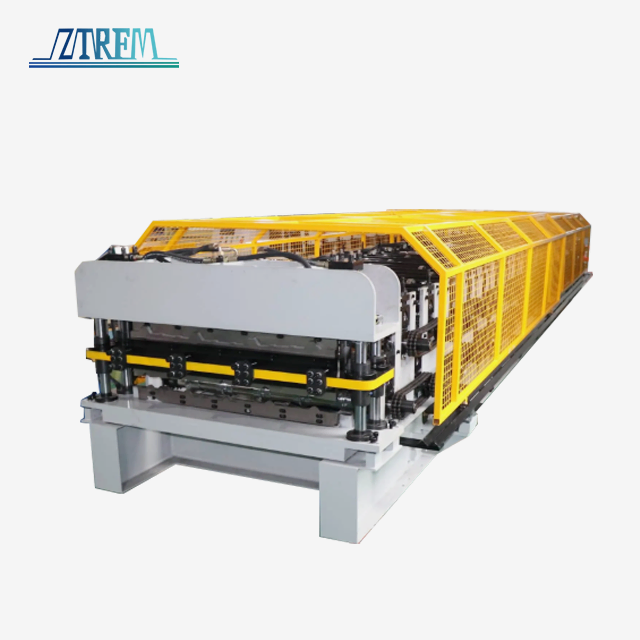
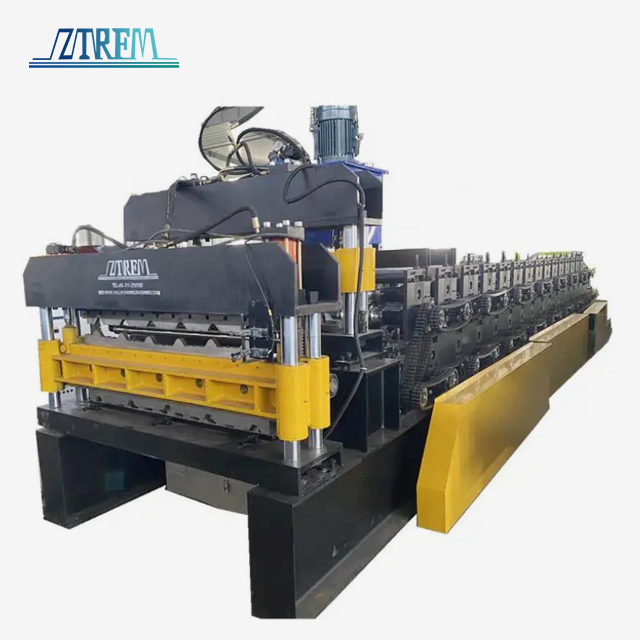
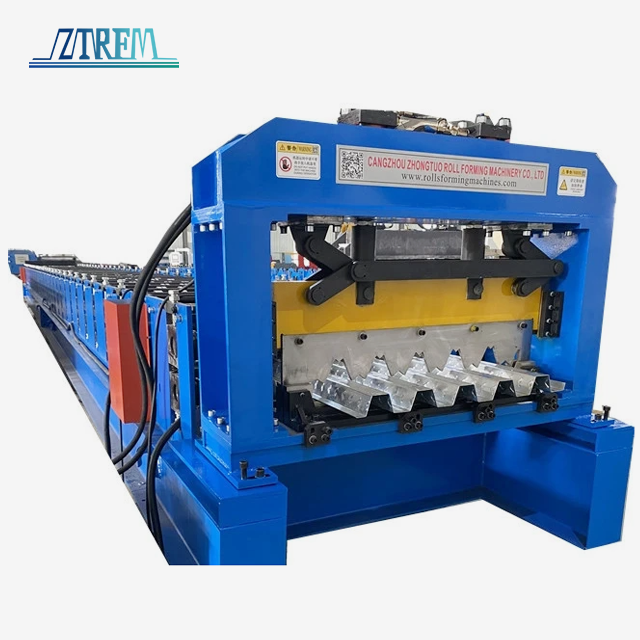
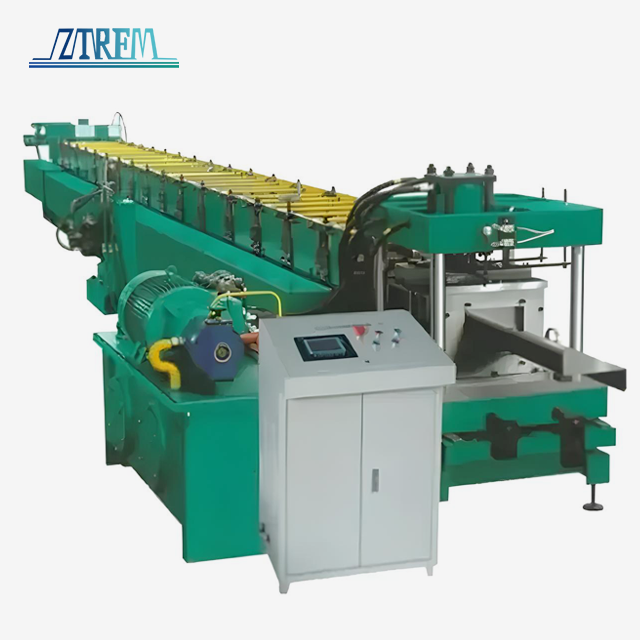
Creating solar energy system foundations requires knowledge of strut channel construction. Flat steel tubes are shaped into exact-fitting structural channels by a Solar Strut Channel Roll Forming Machine for solar mounting systems worldwide. These innovative devices provide a continuous manufacturing line from several stations. Decoiling, feeding, punching, shaping, cutting, and stacking are coordinated. These devices are distinct from general-purpose roll formers since they can handle thicker materials (1.5–2.5 mm) and create adjustable slotted forms for solar panel installation. Knowing which pieces impact performance, reliability, and output quality when buying new equipment affects how effectively and profitably producers make things.
Understanding the Basics of Solar Strut Channel Roll Forming Machines
What Makes These Machines Different?
Solar strut channel machines are distinguished by their ability to form adjustable slotted profiles from 1.5–2.5 mm thick galvanised steel, a requirement unique to photovoltaic mounting systems. Unlike standard roll formers, these machines integrate hydraulic punching stations that create long slots at precise intervals before forming, enabling on-site adjustability of solar panel clamps. The roller stations are engineered to maintain zinc coating integrity on high-tensile grades like G550, preventing micro-cracks that lead to corrosion in outdoor environments.
Production Workflow Explained
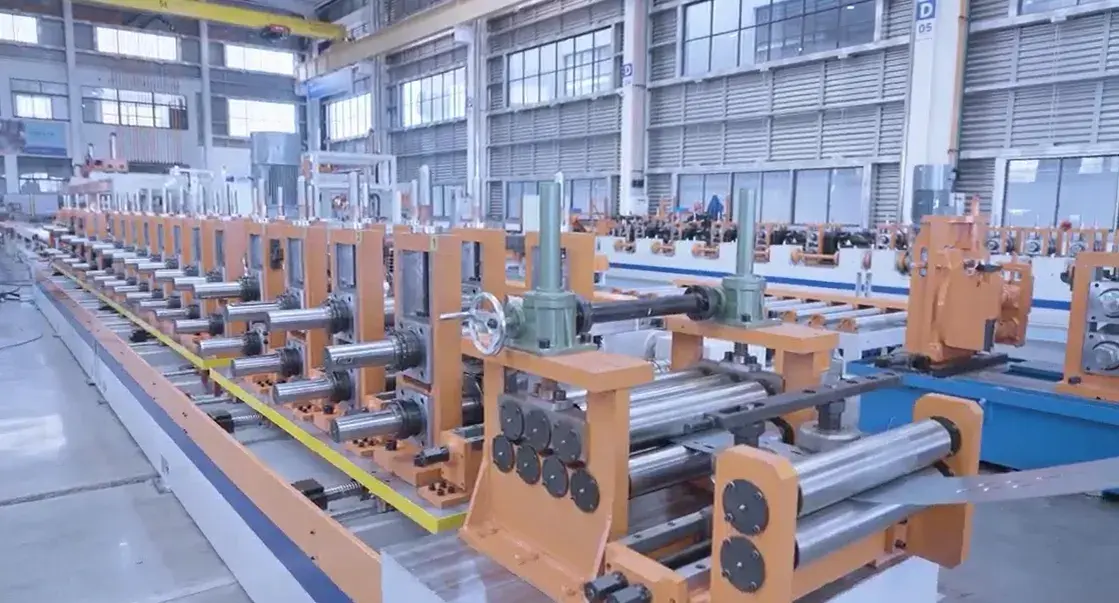
Rollers remove the coil set from the raw material after the uncoiler. Next are servo-controlled filling systems. Hydraulic punching stations produce long holes at regular intervals before material enters the manufacturing area. Step-by-step, 24 roller stations shape the flat strip into C-channel or distinctive patterns. The hydraulic cutting mechanism cuts each component to the prescribed lengths, leaving minor burrs. This approach reduces handling time, labour expenses, and measurement errors compared to individual production procedures.
Machine Types and Production Scale
Fully automated systems function best in high-volume environments with stable production and limited human input to justify the cost. Smaller manufacturers can combine upfront costs with production flexibility using semi-automatic systems, especially for different-sized batches. Startups and specific uses typically modify profiles manually. Automatic lines flow 15–25 metres per minute, whereas operator-dependent systems flow 8–12 metres per minute, affecting cost per metre and delivery times.
Key Components of Solar Strut Channel Roll Forming Machines
Decoiler and Feeding Systems
Material handling begins here, and a problem here impacts the entire manufacturing line. To avoid material slack or over-tension that affects width, hydraulic expansion decoilers can handle coil weights up to 5 tonnes and maintain unwinding tension. Cutting stations and servo filling systems move material millimetres at a time. This synchronisation aligns hole patterns. This may seem little, but it's crucial when workers join hundreds of strut parts on-site.
Proper feeding reduces edge wave and slope issues that reject parts before they reach the production stations. Good decoiler systems reduce scrap and production pauses to rethread.
Precision-Engineered Rollers and Shafts
Solar strut channel roll-forming machines depend on roller units and shafts. Each of the 20 to 24 manufacturing stations on solar strut profile machines changes the design slightly. The outcome and maintenance frequency depend on roller material. When exposed to galvanised surfaces, chrome-plated GCR15 steel rollers don't wear down. This ensures exact dimensions across millions of linear metres. Substandard roller materials wear out and cut, affecting your finished channels within months.
Construction of the shaft is also vital for efficiency. The standard specifies 80 mm diameter 45# cast steel shafts. When manufacturing thicker materials (2–5 mm), this size doesn't flex. Shafts that are too narrow flex during operation, distorting edges and breadth. Shaft run-out over 0.05 mm causes shaking and irregular roller contact. This accelerates bearing wear and should be corrected early.
The machine frame provides the sturdy basis these precision pieces need. Welded 45 steel plates 25 mm thick give it the strength to meet tight requirements. Less expensive frame materials flex under the hydraulic cutting system pressure, wasting thousands of dollars in accurate measurements.
Cutting Mechanism: Hydraulic Precision
Hydraulic cutting machines create smooth cuts without material bending like mechanical flying saws. Different layers and steel kinds are sliced equally by the 11 kW hydraulic station. The blades' Cr12 mould steel, chilled to 58–62 HRC, retains its sharpness after extensive production runs, such as in a Solar Strut Channel Roll Forming Machine. Dull blades leave burrs that increase labour costs and delay deliveries.
PLC code helps hydraulic cutting make fast length changes without mechanical adjustments. This allows manufacturers to create many product SKUs or custom orders with various length requirements.
Advanced Control Systems
HMI touchscreens in modern PLC-based control systems boost operator productivity. Length programming, production counts, fault diagnostics, and recipe keeping eliminate hand calculation and reduce setup time between production runs. Automatic systems monitor roller position, feeding speed, and hydraulic pressure parameters. If something goes wrong, the system alerts the operator before it goes to waste.
Integration capabilities track quality paperwork data, which is increasingly vital for firms seeking ISO accreditation or serving clients that need production traceability. Manufacturers can solve issues with technical help without on-site service calls. This reduces costly downtime.
Supporting Systems: Hydraulic and Motor Power
The 22 kW primary drive motor shapes thicker materials at 8–10 m/min. A double chain transmission distributes power between roller stations, but builders should realise that chain systems need tension adjustments and replacement more often than sealed gearbox systems. Chain drives function well with 1.5 to 2.5 mm thick materials; however, they may wear out faster if used often.
Both punching and cutting stations use hydraulic power. No hand-finished shearing is needed when the hydraulic pressure remains the same and the hole-punching diameters stay the same. Regular hydraulic fluid maintenance and filter replacement extend pump life and maintain pressure, which improves production quality.
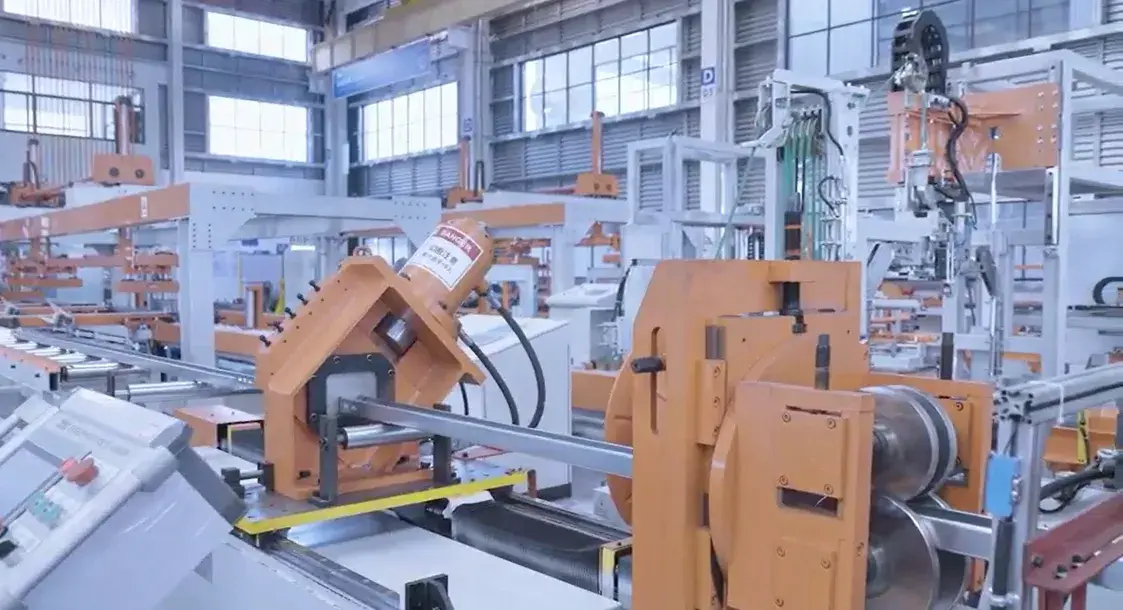
Benefits and Technical Features of Advanced Solar Strut Channel Roll Forming Machines
Energy Efficiency and Environmental Considerations
Cold forming uses less energy than hot forming or welding during production. Not heating the building saves energy and eliminates pollutants. Material return rates exceed 95% when set up properly, reducing waste and raw material costs. These operations provide quantifiable environmental advantages for firms tracking carbon impact or seeking green certifications.
Precision and Consistency in Production
Achieving ±1.5mm precision across manufacturing runs requires high-quality parts and a well-integrated system. High-quality roller materials maintain profile dimensions after many manufacturing cycles, and servo feeding eliminates gas system positioning errors. Solar installation workers anticipate parts to be interchangeable across major operations; therefore, stability is crucial. Dimensional variances affect the field, upset customers, and damage manufacturer brands.
Automated length control eliminates hand-cutting measurement errors. When rigid machine frames prevent bends and twists during manufacturing, profile straightness improves. These quality improvements reduce returns and allow corporations to charge more than competitors with less-capable Solar Strut Channel Roll Forming Machines.
Maintenance Best Practices
Regularly oiled roller bearings and chain drives last longer. Monthly checks should include blade sharpness, hydraulic pressure, and roller surface condition. Manufacturers benefit from additional roller sets to swiftly replace worn surfaces, as with the solar strut channel machine. Your equipment will live longer than 10 to 15 years with regular maintenance, safeguarding your investment and keeping production going amid peak demand.
Having relationships with equipment vendors who supply spare parts and technical assistance helps save downtime when replacing a part. Service aspects and equipment standards should be considered while buying.
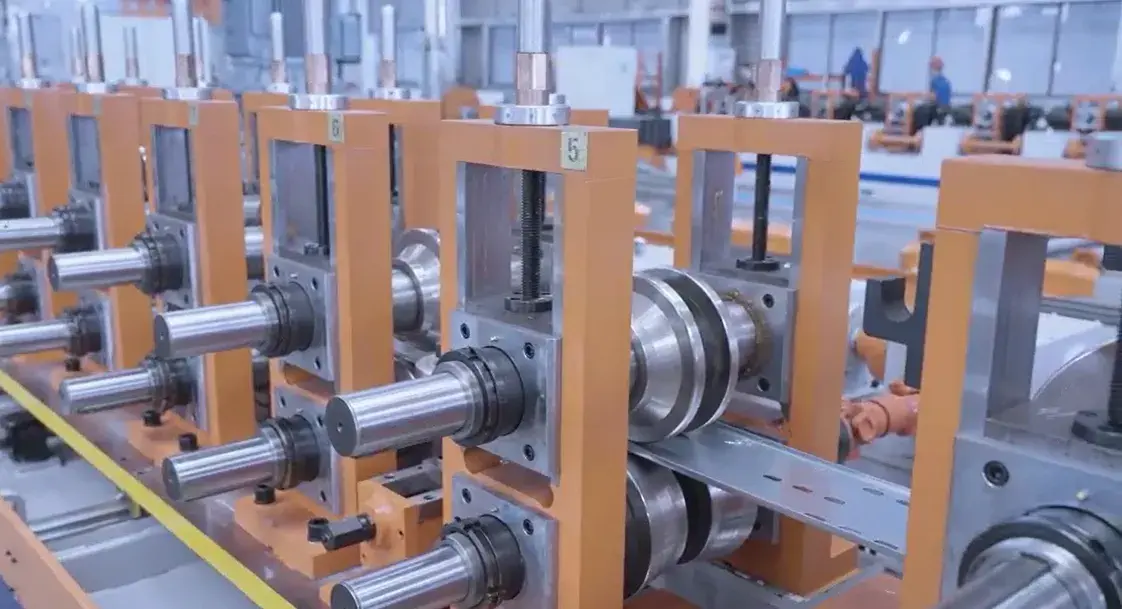
Comparing Solar Strut Channel Roll Forming Machine Options: Making the Right Choice
Evaluating Supplier Reliability
Equipment lifespan depends on manufacturer's expertise and part selection. These projects require tougher materials, punching, and rust prevention, which Solar Strut Channel Roll Forming Machine vendors that have used this equipment can provide. ISO9001 and CE certifications demonstrate planned safety and quality management.
Global transportation experience demonstrates that you can communicate with foreigners and have strong logistical abilities. Manufacturers who export to over 150 countries have established export processes and product recording skills. They also maintain regional service relationships that speed up professional aid.
Automation Versus Manual: Understanding Trade-offs
Fully automated systems demand larger initial expenditures but pay for themselves faster since they require fewer staff and can handle more work. Automation saves money on labour and allows operations with numerous shifts or high-volume markets to do more. Manual techniques provide tools with more freedom than throughput, making them ideal for producers who don't need to build many goods or change profiles regularly.
Think about how much you plan to create each year, how much hiring will cost, and how fast you want your firm to develop when considering these possibilities. Undersizing equipment capacity involves costly upgrades or outsourcing as demand rises. Oversizing equipment capacity strains beginning capital and wastes output capability.
Cost and ROI Analysis
Equipment prices depend on part quality, automation, and supplier expertise. Different clients and production demands require $25,000–$65,000 equipment. Less-priced options may have inferior roller materials, control systems, or stiff frames. These factors affect long-term maintenance costs and quality.
Instead of just looking at the purchase price, calculate the complete cost of ownership, including setup, training, care, and estimated lifespan. Compare production efficiency, waste reduction, and labour cost savings to equipment cost to determine how long it will take to pay for itself. This takes 18–36 months for well-matched equipment.
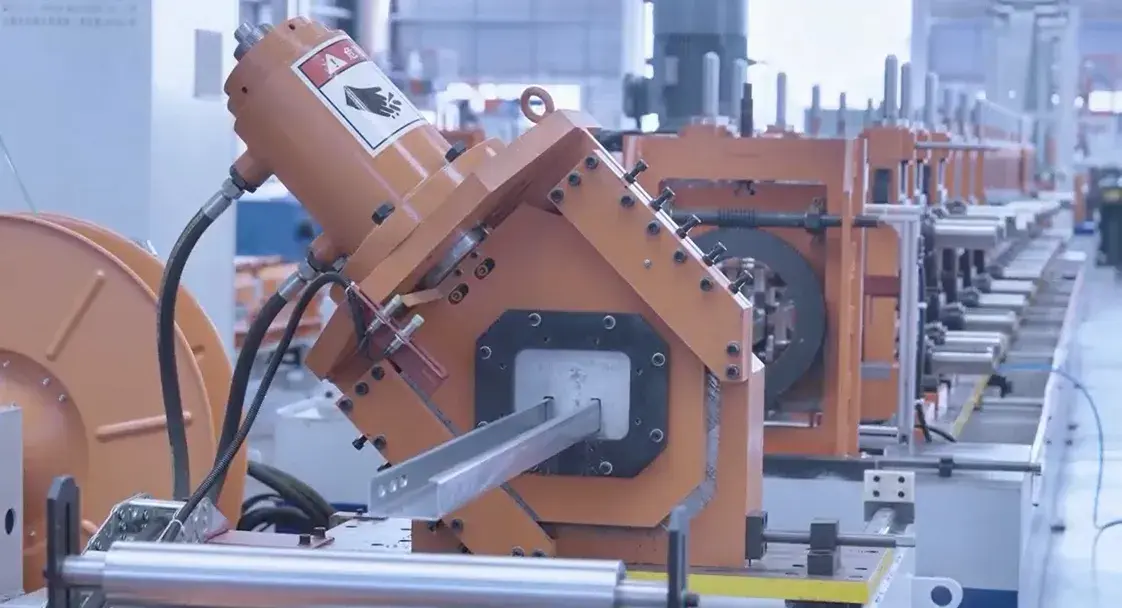
Procurement Guide: How to Buy and Source Your Solar Strut Channel Roll Forming Machine?
Identifying Reliable Manufacturers
Assess vendors' production facilities, engineering expertise, and solar mounting. Request technical specifics like roller material, shaft lengths, and control system names instead of imprecise remarks. Good manufacturers provide clear part descriptions and invite site trips or video inspections.
Examine the after-sales support framework. Explain how long professional support takes, if extra parts are accessible, and if on-site fitting is covered. Full training from manufacturers ensures that your workforce can operate and set the solar strut channel machine and perform routine repairs on the solar strut channel roll forming machine.
Customisation Options and Flexibility
Common machines can handle common strut profiles, but specialised solar installations may require unusual roller configurations or cutting patterns. Your custom rollers can be made by suppliers with AutoCAD and SolidWorks design teams. Customisation is beneficial for firms that wish to distinguish themselves with unique mounting system designs.
Discuss potential growth with the initial acquisition. Modular machines may incorporate stronger control systems, automated stacking, or multi-profile roller sets to preserve your investment as production demands evolve.
Negotiating Bulk Orders and Logistics
Because transportation is cheaper and unit production is cheaper, buying more gets you better costs. You should also discuss payment conditions, guarantee support, and extra component packages along with pricing. To avoid errors, make commitments regarding who will supervise the installation, how long the training will run, and the technical document language.
Explain shipping, insurance, and customs assistance. Experienced exporters provide seamless operations and advise on imports, reducing equipment delivery delays and costs.
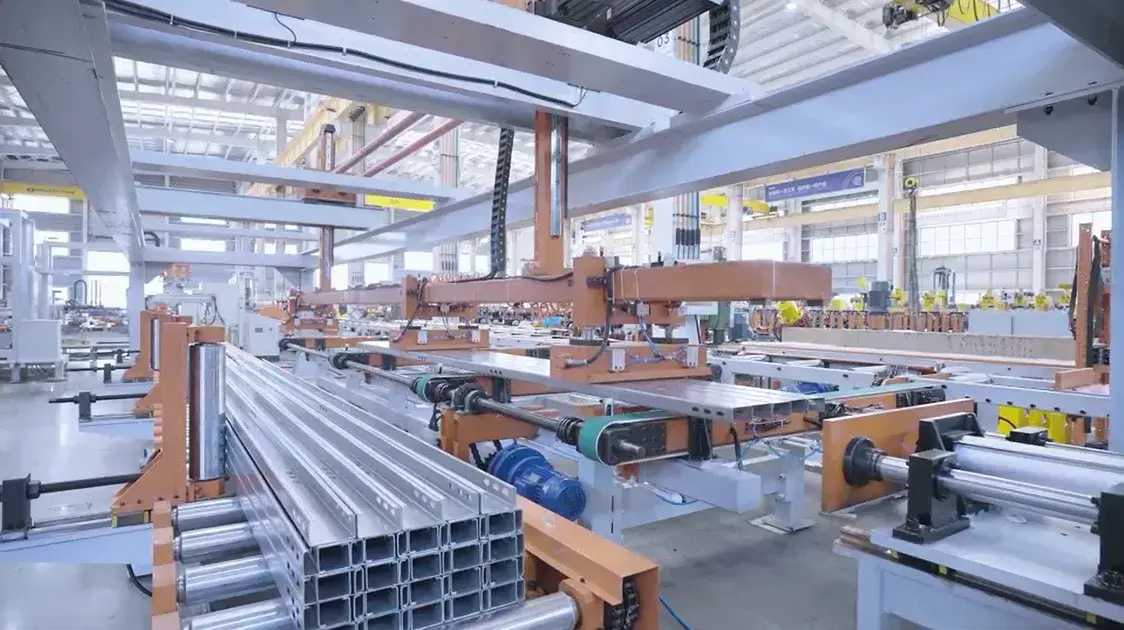
Conclusion
Selecting a solar strut channel roll forming machine requires focusing on three core attributes: hydraulic punching synchronisation for adjustable slot patterns, roller metallurgy (GCr15 or Cr12MoV) for handling 1.5–2.5 mm high-tensile galvanised coil, and cutting precision within ±1.5 mm to ensure field interchangeability. These specifications directly determine whether your production line can reliably supply solar mounting structures that withstand decades of outdoor exposure while maintaining bolt alignment and corrosion resistance.
FAQ
1. How often does a solar strut channel machine require maintenance?
Daily lubrication checks and weekly roller inspections for surface wear and dirt accumulation are normal maintenance. A monthly complete assessment should examine blade sharpness, hydraulic fluid, and chain tightness. Part replacement times vary with use. In high-use procedures, blades may need to be replaced every 3–6 months and rollers every year. Maintaining the solar strut channel roll-forming machine extends its lifespan and prevents production stops. Manufacturers should set aside 3–5% of their equipment's worth annually for maintenance and part replacement.
2. Can one machine handle different strut channel sizes?
Roller changeovers or servo-adjustable setups allow many high-tech devices to manage varying profile sizes. Change between common sizes like 41x41mm and 41x62mm in 30 to 60 minutes with a quick-change tooling system. However, large size changes may need replacing the roller set. This is a more complicated approach for long-term production adjustments than frequent moves. When buying tools, discuss your product line with vendors to ensure they fit your production flexibility and efficiency demands.
3. What return on investment should manufacturers expect?
ROI depends on how much is manufactured, how much labour expenses are saved, and how much scrap is reduced by greater quality. Due to increased productivity and lower labour expenses per unit, high-volume enterprises normally recover in 18–24 months. Medium-volume producers generally recoup their investment in 24–36 months. Calculate your existing production expenses, how much time and money automating jobs would save, and how much higher quality will be achieved by reducing returns and repairs. Increased project capacity boosts revenue growth and ROI, not only lowering operational costs.
Partner with ZTRFM for Your Solar Strut Channel Roll Forming Machine Needs
ZTRFM has designed roll-forming solutions for solar mounting companies in 150 countries for over 10 years. We use GCR15 chrome-plated rollers, 45# cast steel shafts, and modern PLC controls in our solar strut channel roll-forming machine systems. They provide the constant dimensions your reputation needs. Our technical staff can customise material thickness, cutting patterns, and profile sizes for your production expansion or new product lines.
We manage the installation process, train operators, provide timely technical assistance, and stock replacement parts as an ISO9001 and CE-approved producer. Clients benefit from equipment designs tested in real-world solar grid use. Their dependability and precision distinguish market leaders.
Ready to boost production? Please email our experts at zhongtuorollforming@gmail.com for product information, application engineering assistance, and production-specific pricing.
References
1. Johnson, M. R. (2021). Cold Roll Forming Technology for Structural Components. Industrial Manufacturing Press.
2. Chen, L. & Williams, D. (2022). "Precision Engineering in Solar Mounting System Production." Journal of Renewable Energy Manufacturing, 18(3), 145-162.
3. Roberts, K. T. (2020). Metal Forming Processes: Design and Quality Control. Engineering Publications International.
4. Anderson, P. J. (2023). "Equipment Selection Strategies for Solar Infrastructure Manufacturers." B2B Industrial Procurement Quarterly, 12(1), 78-94.
5. Mitchell, S. A. (2021). Hydraulic Systems in Modern Manufacturing Equipment. Technical Engineering Press.
6. Zhang, W. & Patterson, E. (2022). "Roll Forming Machine Component Materials and Longevity Analysis." Advanced Manufacturing Technology Review, 29(4), 212-228.