- English
- French
- German
- Portuguese
- Spanish
- Russian
- Japanese
- Korean
- Arabic
- Irish
- Greek
- Turkish
- Italian
- Danish
- Romanian
- Indonesian
- Czech
- Afrikaans
- Swedish
- Polish
- Basque
- Catalan
- Esperanto
- Hindi
- Lao
- Albanian
- Amharic
- Armenian
- Azerbaijani
- Belarusian
- Bengali
- Bosnian
- Bulgarian
- Cebuano
- Chichewa
- Corsican
- Croatian
- Dutch
- Estonian
- Filipino
- Finnish
- Frisian
- Galician
- Georgian
- Gujarati
- Haitian
- Hausa
- Hawaiian
- Hebrew
- Hmong
- Hungarian
- Icelandic
- Igbo
- Javanese
- Kannada
- Kazakh
- Khmer
- Kurdish
- Kyrgyz
- Latin
- Latvian
- Lithuanian
- Luxembou..
- Macedonian
- Malagasy
- Malay
- Malayalam
- Maltese
- Maori
- Marathi
- Mongolian
- Burmese
- Nepali
- Norwegian
- Pashto
- Persian
- Punjabi
- Serbian
- Sesotho
- Sinhala
- Slovak
- Slovenian
- Somali
- Samoan
- Scots Gaelic
- Shona
- Sindhi
- Sundanese
- Swahili
- Tajik
- Tamil
- Telugu
- Thai
- Ukrainian
- Urdu
- Uzbek
- Vietnamese
- Welsh
- Xhosa
- Yiddish
- Yoruba
- Zulu
Maintenance Tips and Repair Guide for Your IBR Roof Sheet Forming Machine
Maintaining your IBR roof sheet forming machine properly is important for getting the most out of it and making sure that the quality of the metal roofing you make stays high. Regular repair plans help keep equipment from breaking down when you least expect it, lower running costs, and make it last a lot longer. Knowing the exact needs of roll forming equipment, especially machines that work with PPGI, galvanized steel, and aluminum that are between 0.3 and 0.8 mm thick, helps operators keep the machines running at their best while reducing costly production stops and quality problems that could hurt your company's standing in the roofing industry.
Understanding Your IBR Roof Sheet Forming Machine
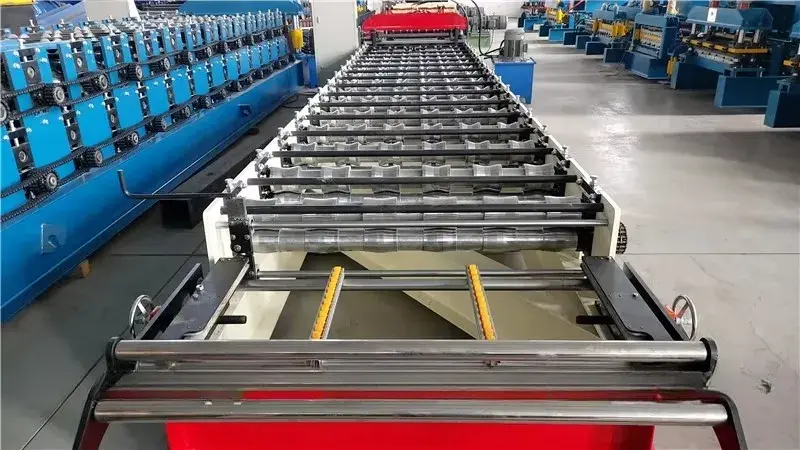
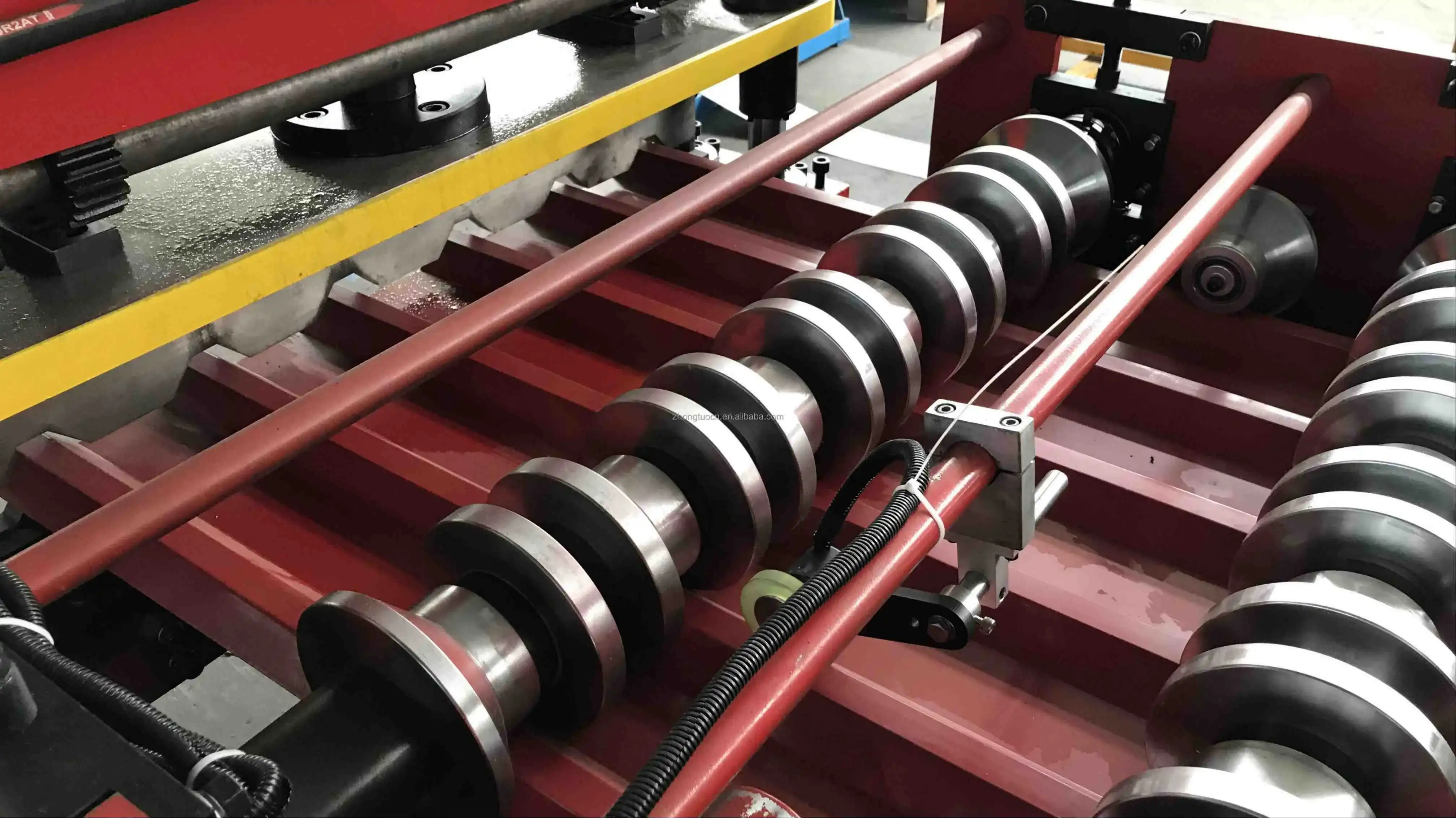
Modern cold roll forming technology is used in the IBR roof sheet forming machine, which is made for making metal profiles all the time. These machines usually have 10 to 20 roller stations that are set up based on your unique production needs. Each station is carefully designed to slowly shape the metal substrate into the IBR form you want. The roller system has 70mm solid rods made of high-quality materials. The rollers are made of 45# steel and have a hard chrome finish on the outside to make them last and make sure the quality of the forming is always the same.
The 350 H steel used to make the machine body frame gives it the strength to handle the forming forces that are created during constant production. This strong construction keeps the dimensions stable and lowers vibrations that could hurt the quality of the product or speed up the wear on parts.
Modern IBR making tools can work with different types of metal surfaces, such as aluminum (AI), pre-painted galvanized iron (PPGI), and galvanized iron (GI). The thickness range of 0.3 to 0.8 mm meets most industrial roofing needs, and manufacturers can adapt to different market needs by making the widths adjustable. Knowing these details about the materials helps maintenance teams guess how they will wear and change their repair plans to match.
Whether it's a hydraulic, automated, or regular decoiler system, it's very important to keep the material feed rates steady. Hydraulic automatic decoilers are better at controlling strain and moving materials, which makes it less likely that problems with material form could put stress on parts further down the line.
Roll-forming tools in an IBR roof sheet forming machine wear out in predictable ways that repair teams can keep an eye on. When rollers aren't lined up right, it usually shows up as uneven shape measurements or surface markings on finished goods. When a bearing wears out, it usually makes noises or vibrations that aren't normal. Trained workers can spot these problems before they become catastrophic. Parts of a drive system need to be checked regularly for things like motor function, coupling alignment, and belt tightness.
Problems with moving things around are often caused by incorrectly set decoiler tensions or worn-out guide systems. These issues can spread through the making process, putting more stress on the roller stations and possibly breaking costly machine parts
Essential Maintenance Tips for Optimal Machine Performance
Setting up thorough repair schedules is the first step to making sure that a machine works reliably. All roller stations should be looked at visually every day for signs of wear, contamination, or inaccuracy as part of daily checks. Operators must make sure that all bearing housings and hydraulic systems have the right amount of grease. Not enough lubrication speeds up the wear and tear on parts and can cause them to fail without warning.
Here are the most important daily maintenance jobs that make sure the system always works:
- Roller Station Inspection: Check each making station for material growth, damage to the surface, or wear patterns that don't seem normal. These things could affect the quality of the product.
- Lubrication System Check: Make sure the automatic lubrication system works and physically grease the points listed in the care manual.
- Drive System Monitoring: Check the alignment and tightness of the belts and listen for strange noises coming from the motors, gears, and other drive parts.
- Safety System Verification: Make sure the user is safe by testing the emergency stop buttons, guards, and warning systems.
- Check the hydraulic system: Keep an eye on the pressure and amount of hydraulic fluid, and look for leaks in the cutting and decoiler systems.
These daily procedures keep small problems from getting worse and stopping production, which would require expensive emergency fixes.
Maintenance that happens once a week includes more than just daily tasks; it also includes more thorough system checks. Monitoring the temperature of bearings in great detail, analyzing vibrations, and taking exact measurements of important measures all help find problems early on, before they affect the quality of production or the trustworthiness of equipment.
Preventative repair plans that work well balance what the manufacturer says with how things actually work and how much production is needed for the IBR roof sheet forming machine. Parts that wear out quickly, like cutting blades, making rollers, and drive belts, need to be replaced on a regular basis based on production output, not just at random times. Keeping track of both output measures and the state of parts helps improve replacement plans and lower the cost of inventory.
Monitoring how much energy a machine uses can tell you a lot about its health and how well it works. Gradual rises in power use are often a sign of motor problems, alignment issues, or the need to check the greasing system. Modern forming machines with tracking systems can give real-time information on working factors that help plan for planned repair.
Troubleshooting Common IBR Roof Sheet Machine Issues
Problems with the quality of IBR roof sheets usually have clear reasons that repair teams can deal with in a planned way. Roller surfaces that are dirty or worn out often leave marks or scratches on surfaces, so they need to be cleaned right away or replaced. Inconsistencies in dimensions are often caused by misaligned rollers, not enough material tension, or broken guide systems that let the material move during the making process.
Changes in production speed could mean that there are issues with the drive system, the way the material is fed, or the cutting system. To find the root cause, systematic analysis starts by separating factors. Material-related speed problems are often linked to different decoiler tension settings or base thicknesses. On the other hand, mechanical problems usually have the same signs no matter what the material is.
To fix mechanical problems, you need to know how signs relate to possible causes. Unusual sound patterns are often a sign of worn bearings, misaligned shafts, or spinning parts that aren't balanced. Temperature rises in bearing housings are a sign of oil issues or too much load that needs to be fixed right away.
Electrical system problems often show up as motors that don't work right, control systems that don't work right, or sensors that don't work at all in the IBR roof sheet forming machine. Modern making machines have complex control systems that give operators knowledge about what's wrong through user interfaces. Training repair teams to understand these monitoring tools helps them find problems quickly and fix them properly.
Problems with the drive system can spread to other parts of the machine and lower the quality of the product, slow down production, and shorten the life of parts. Monitoring the motor's current draw, shaking levels, and temperature regularly can help find problems before they stop production.
Comparing IBR Roof Sheet Machines: Maintenance and Repair Perspective
Different types of IBR making machines have different upkeep issues that affect the long-term costs of running the business and the number of employees needed. Machines with more roller stations usually need more complicated setup and upkeep steps, but they usually make better products with more consistent sizes and quality. The trade-off between beginning complexity and long-term dependability relies on how much the product needs to be made and how much technical know-how is available.
Configuring a system to be automatic or human has a big effect on how to maintain it and what skills are needed. Automatic systems that have controls and tracking built in usually need special training for the people who work on them, but they can do better diagnostics and offer more chances for predictive maintenance. At first glance, manual systems may seem easier, but they usually need more regular adjustments and help from the user.
Total cost of ownership calculations for the IBR roof sheet forming machine need to take into account the cost of upkeep work, the availability of spare parts, and how often parts are likely to need to be replaced. Making machines easy to maintain cuts down on the time needed for service and the amount of time that production is interrupted during planned upkeep. Features like quick-change roller cassettes, lubrication spots that are easy to reach, and flexible component designs all help to keep upkeep costs low over the life of the equipment.
Long-term maintenance cost management depends a lot on how well the brand is known and how well it can provide service support. Manufacturers with established service networks and a collection of spare parts that are easy to get to help keep equipment from breaking down and cut down on emergency repair costs, which can have a big effect on production plans.

Expert Advice: Ensuring Long-Term Efficiency and Reliability
To get the most out of an IBR forming machine, you need to find a balance between doing maintenance yourself and getting help from trained experts. Authorized service centers offer scheduled maintenance that gives you access to specialized tools, real substitute parts, and technical knowledge that may be beyond what you can do in-house. Service technicians who are trained can find problems that untrained workers might miss during regular repairs.
Custom maintenance planning is especially helpful for businesses that do a lot of work and OEM clients who need their tools to always work right. Customized maintenance plans that take into account real working conditions, production rate, and environmental factors extend the life of parts while reducing the number of unnecessary service calls that are unnecessary.
As forming machine design, control systems, and tracking tools get better, older machines can have their performance improved through focused updates. Modern control systems can make machines more accurate, set up faster, and offer troubleshooting features that weren't available when older machines were made. When compared to traditional drive systems, servo-driven systems are more accurate and use less energy.
Options for retrofitting decoiler systems, cutting devices, and safety systems for the IBR roof sheet forming machine can make machines last longer and work better. Most of the time, these changes pay for themselves through lower upkeep costs, better product quality, and safer operations for the operators.
Conclusion
For IBR roof sheet making machines to be properly maintained, they need to be serviced in a way that balances their daily needs with long-term reliability goals. Manufacturers can get the most out of their equipment while keeping costs low by learning about machine specs, following thorough upkeep procedures, and becoming skilled at troubleshooting. Putting money into good repair habits pays off in the form of less downtime, consistent product quality, and longer machine life, all of which help you stay competitive in the metal roofing market.
FAQ
Q1: How often should I perform major maintenance on my IBR forming machine?
Major repair times rely on how much is being made and how the machine is being used, but they are usually every 3,000 to 5,000 hours of use. Wear parts may need to be checked more often in high-volume operations, but less heavy-duty operations can go longer between checks. Instead of just following time-based plans, keep an eye on key wear signs.
Q2: What are the most common causes of unexpected breakdowns?
About 40% of unexpected breakdowns are caused by not enough lubrication. Misalignment problems and broken cutting parts are next on the list. Most emergencies can be avoided by checking roller stations and drive systems on a regular basis. Breakdown risk is greatly reduced by keeping the right material strain and keeping the manufacturing areas clean.
Q3: Should I handle repairs in-house or contact authorized service providers?
With the right training, simple upkeep chores like lubrication, cleaning, and basic adjustments can be done by people who work for the company. Authorized service providers have the skills and tools to do fixes that are complicated and involve electrical systems, hydraulic parts, or precise alignment. For short-term fixes, emergency repairs may allow for in-house solutions, but professional follow-up is what guarantees long-term dependability.
Partner with ZTRFM for Superior IBR Roof Sheet Forming Machine Solutions
ZTRFM has been working with cold roll forming technology for more than ten years and has equipment that is ISO9001, CE, and CAS approved to help producers in more than 150 countries. Our IBR roof sheet making machines are very reliable thanks to their advanced engineering. They have a strong 350 H steel frame, precise 45# steel rollers that are hard chrome-plated, and can be set up in any way you want, with anywhere from 10 to 20 roller stations. Talk to our technical team at coo@zhongtuocn.com about your unique needs and find out why top makers trust ZTRFM as their go-to ibr roof sheet forming machine manufacturer for full OEM and ODM solutions.

References
1. Johnson, M. "Advanced Roll Forming Technology: Maintenance Strategies for Industrial Applications." Metal Forming Magazine, 2023.
2. Chen, L. "Cold Roll Forming Equipment Reliability Analysis in Manufacturing Environments." International Journal of Manufacturing Technology, 2023.
3. Rodriguez, A. "Preventative Maintenance Protocols for Metal Forming Machinery." Industrial Maintenance & Plant Operation, 2024.
4. Thompson, R. "IBR Roofing Sheet Production: Quality Control and Equipment Optimization." Roofing Materials Engineering Quarterly, 2023.
5. Williams, K. "Hydraulic System Maintenance in Roll Forming Applications." Fluid Power Technology Review, 2024.
6. Anderson, P. "Cost-Effective Maintenance Strategies for Sheet Metal Forming Equipment." Manufacturing Economics Today, 2023.
_1750323743240.webp)