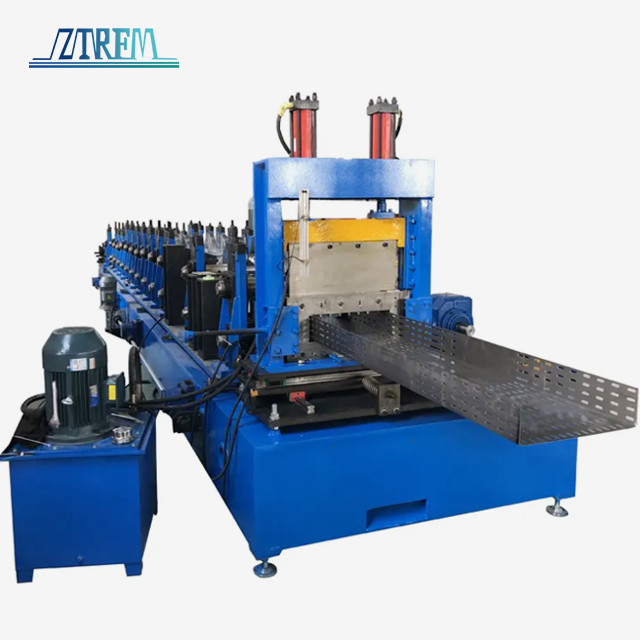
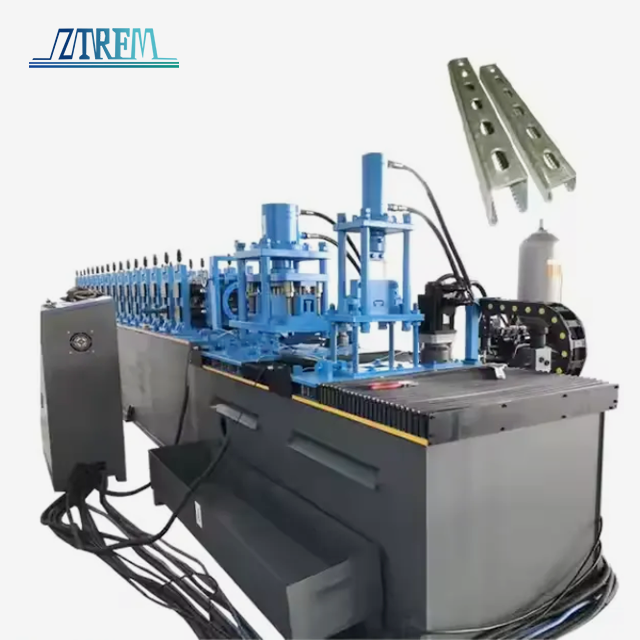
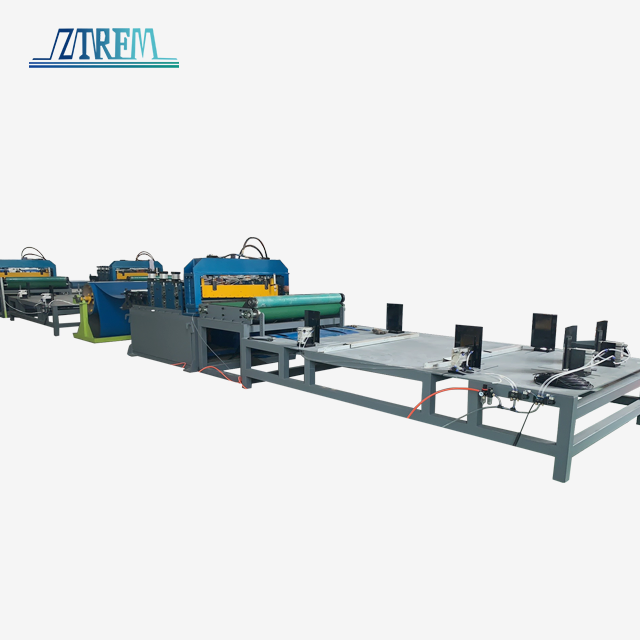
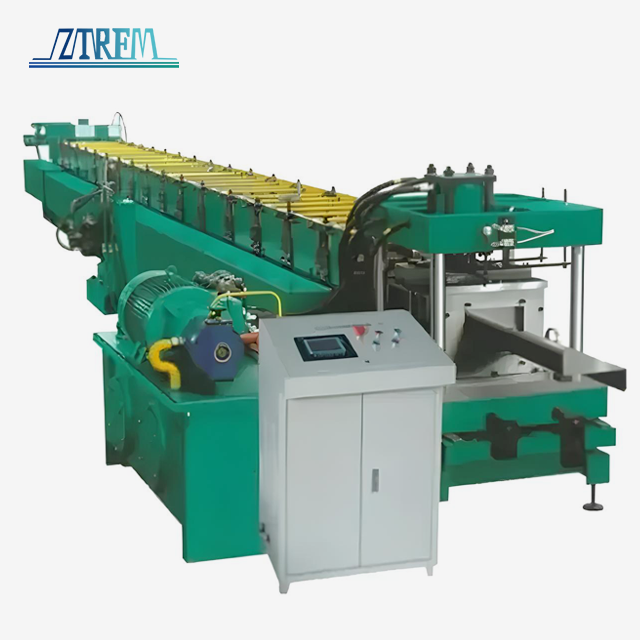
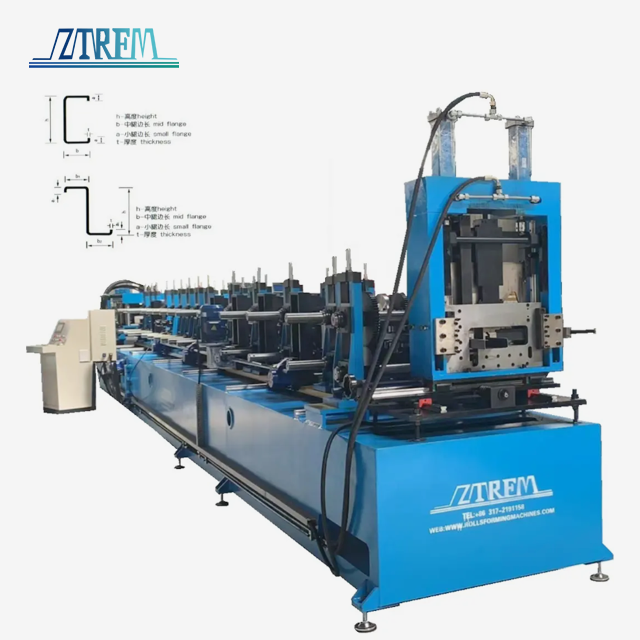
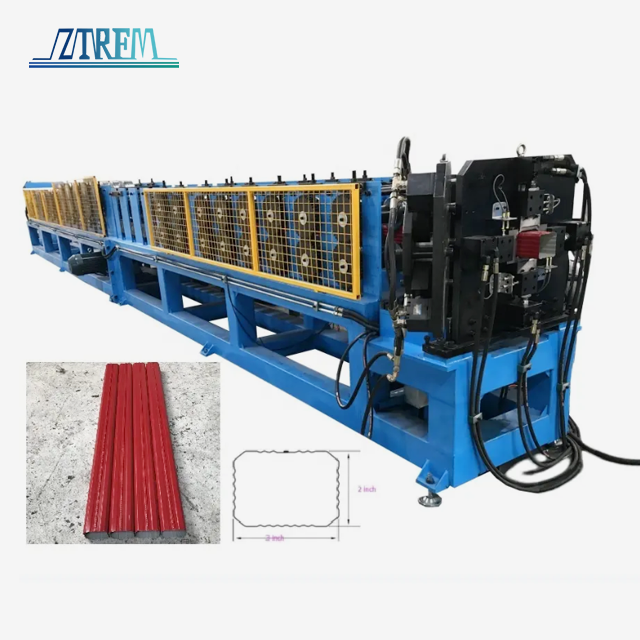
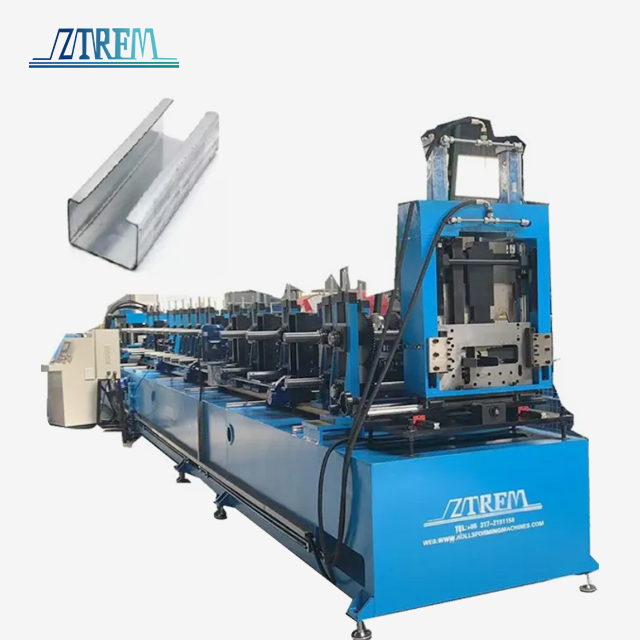
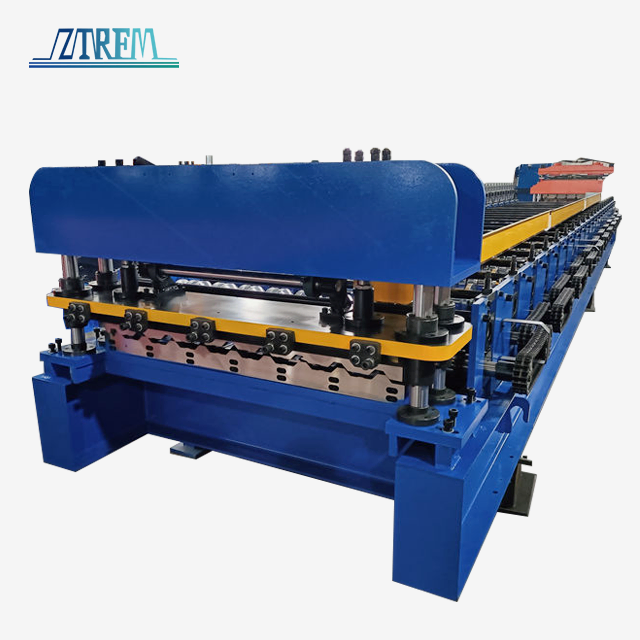
Small amounts of training are needed for standing seam rolling machines because the tools are easy to understand and use. New operators can get up to speed quickly, which cuts down on training costs and makes it easier to handle a flexible staff.
English
- English
- French
- German
- Portuguese
- Spanish
- Russian
- Japanese
- Korean
- Arabic
- Irish
- Greek
- Turkish
- Italian
- Danish
- Romanian
- Indonesian
- Czech
- Afrikaans
- Swedish
- Polish
- Basque
- Catalan
- Esperanto
- Hindi
- Lao
- Albanian
- Amharic
- Armenian
- Azerbaijani
- Belarusian
- Bengali
- Bosnian
- Bulgarian
- Cebuano
- Chichewa
- Corsican
- Croatian
- Dutch
- Estonian
- Filipino
- Finnish
- Frisian
- Galician
- Georgian
- Gujarati
- Haitian
- Hausa
- Hawaiian
- Hebrew
- Hmong
- Hungarian
- Icelandic
- Igbo
- Javanese
- Kannada
- Kazakh
- Khmer
- Kurdish
- Kyrgyz
- Latin
- Latvian
- Lithuanian
- Luxembou..
- Macedonian
- Malagasy
- Malay
- Malayalam
- Maltese
- Maori
- Marathi
- Mongolian
- Burmese
- Nepali
- Norwegian
- Pashto
- Persian
- Punjabi
- Serbian
- Sesotho
- Sinhala
- Slovak
- Slovenian
- Somali
- Samoan
- Scots Gaelic
- Shona
- Sindhi
- Sundanese
- Swahili
- Tajik
- Tamil
- Telugu
- Thai
- Ukrainian
- Urdu
- Uzbek
- Vietnamese
- Welsh
- Xhosa
- Yiddish
- Yoruba
- Zulu
Mar 6,2026
Best Standing Seam Rolling Machines for Metal Roofs in 2026
If you're looking for the best standing seam rolling machines for 2026, these three types stand out because they work so well and are so reliable. The ZTRFM Professional Series is the best on the market because it can precisely shape PPGI, GI, and AI materials. The Industrial Pro 2600 is built to last and is perfect for heavy-duty tasks, while the Compact Elite 1500 is a great choice for smaller tasks. In today's competitive market, these tools give roofing makers the speed, accuracy, and durability they need.
Why Standing Seam Rolling Machines Are Essential for Modern Roofing?
Over the past ten years, the metal roofing business has grown by leaps and bounds. Standing seam metal roofs are becoming more popular among property owners because they last a long time, save energy, and look good. Roofing companies need solid, high-performance tools to stay competitive with this rise in demand.
Traditional roofing materials don't protect against the weather as well as standing seam roof systems do. When the pieces fit together, they make seals that keep water out and can handle harsh weather. To make these panels, you need precise tools that can make lines that are straight and steady at high speeds.
Standing seam rolling machines today are very different from the ones that came before them. Modern models have more advanced hydraulic systems, more accurate control mechanisms, and more automatic features that make the product better while also cutting down on work costs. Investing in good tools pays off in the form of higher output, less waste, and uniform panel quality that meets strict building codes.
Selection Criteria for Top-Performing Machines
There are a lot of important things to think about when choosing the right metal roofing machine. The most important thing to think about is how consistent the performance is. Each hour, your tools must make panels that are all the same size and shape, with no differences in the quality of the seams.
Material compatibility determines versatility in your operations. Galvanized steel, aluminum, and color-coated materials with thicknesses ranging from 0.3mm to 0.8mm can all be used on the best tools. This gives manufacturers the freedom to serve a wide range of market groups without having to buy more tools.
Production speed on standing seam rolling machines has a direct effect on how much money you make. Modern roof panel roll formers can work at speeds of 10 to 15 meters per minute and still be very accurate. When speeds go up, more panels can be worked on in a shift, and orders can be filled faster.
Maintenance needs affect how much it costs to run a business in the long term. Equipment that is easy to maintain has less downtime and lasts longer. Look for tools that have clear troubleshooting systems, easy-to-reach lubrication points, and wear parts that can be replaced.
When problems happen, having access to technical help is very important. When doing business across borders, it's nice to know that manufacturers with global service networks have your back. Total cost of ownership takes into account response times, the supply of parts, and the level of professional knowledge.

ZTRFM Professional Series: Industry-Leading PerformanceAdvanced Material Processing Capabilities
The ZTRFM Professional Series is the best standing seam machine technology there is. With amazing accuracy, this roof panel seamer can work with PPGI, GI, and metal materials. The thickness range of 0.3 to 0.8 mm covers almost all home and business uses.
The machine's small size (2300x1500x1600mm) makes the best use of floor space while still being built to last. At 2.2 tons, the machine is very stable when running at high speeds and doesn't weigh too much, which makes installation harder.
The two 3kW motors on the standing seam rolling machines work together to provide steady power for both forming and hydraulic tasks. This balanced method makes sure that the material flows smoothly through the making stations and that there is enough pressure to form crisp seams. The three-phase power requirement of 380V 50Hz works for locations around the world, and can be changed to meet the standards of different regions.
Precision Control Systems
The improved pressure control technology in the hydraulic system keeps the forming force constant along the length of the panel. This accuracy keeps the material from warping, which can happen with air systems or hydraulic controls that aren't very well thought out.
Operators can find the best production rates based on the features of the material and the quality standards. The 10-15m/min range lets you use it for a variety of tasks while keeping the seams intact.
When moving between panel settings, automated changeover cuts down on the time it takes to set up. The system saves parameters for various setups, which lets it switch between them quickly and with as few interruptions as possible to output.
Quality Assurance Features
Quality control tools that are built in keep an eye on the forming factors in real time. When parameters move out of acceptable ranges, operators get instant feedback. This stops the production of faulty panels.
Precision-ground rollers are used in the making stations. These rollers keep their shape over long production runs. This stability makes sure that all production batches have the same seam look and structure.
Safety methods keep both people and things safe. Emergency stops, safety guards, and overload protection keep people safe and keep machines from getting damaged by material jams or mistakes made by operators.

Industrial Pro 2600: Heavy-Duty Manufacturing Solution
Robust Construction for High-Volume Production
The Industrial Pro 2600 is made for producers who need the most throughput and longevity. Its reinforced frame design lets it work continuously in tough industrial settings. The design of the machine focuses on making it last a long time and keep working well even after a lot of use.
More power is available for tough materials or high-speed work thanks to improved motor specs. The improved hydraulic system provides better pressing pressure, so the results are always the same, even when the material is harder or the tolerances are tighter.
The increased control system lets you program it in more complex ways. Operators can make their own settings for specific uses while keeping things simple enough for everyday production jobs.
Advanced Automation Integration
These days, factories need to be able to easily connect standing seam rolling machines to other production systems. The Industrial Pro 2600 has advanced transmission protocols built in that let it work with tools both upstream and downstream.
Integration of quality control collects data in real time for statistical process control. Based on hard data, manufacturers can keep an eye on production measures, spot trends, and start projects to keep making things better.
Predictive maintenance checks the health of technology and lets workers know about possible problems before they cause downtime. This proactive method makes the best use of tools while lowering the cost of unexpected repairs.

Compact Elite 1500: Optimal Value Engineering
Efficient Design for Growing Businesses
The Compact Elite 1500 is made to meet the needs of small businesses and new companies that want to get into the metal roofing market. Even though it's smaller, this seam locking machine does work that's skilled and up to industry standards.
Cost-effective engineering focuses resources on performance characteristics that are important and gets rid of features that add cost without adding much value. Businesses that are limited by cash or production volume can get a lot out of this method.
Less technical knowledge is needed for regular service because maintenance processes have been made easier. Operators can do most maintenance jobs without special training or calls to outside service companies when there is clear paperwork and easy access to parts.
Scalable Production Capabilities
The machine's flexible design means that it can be expanded as the business grows. You can add more forming units or automatic handling equipment without having to replace the core forming unit.
The Compact Elite 1500 is good for smaller sites or shared manufacturing places because it doesn't take up much room. The smaller size doesn't hurt performance, but it lets the machine work in places where a bigger one wouldn't.

Global Market Analysis and Regulatory Considerations
The foreign market for metal roofing tools is made up of different regions' tastes and rules. To make up for the higher cost of labor in North American markets, fast output and automatic operation are emphasized. When European customers choose tools, they put energy economy and environmental responsibility at the top of their lists.
Building rules around the world are putting more and more performance standards on standing seam rolling machines for metal roofing systems. Manufacturers need to make sure that the panels their machines make meet area building and weather defense standards. This need is what drives the need for precision and reliable quality control.
Trade laws change the choice of equipment in different areas. Buying choices are affected by things like import taxes, certification requirements, and desires for local content. Knowing about these things helps makers pick out equipment that gives them the best value for their market.
As sustainability becomes more important, environmental concerns become more important. The market for metal roofs is growing because it can be recycled and uses less energy. Manufacturers are also looking for equipment that uses less energy and produces less trash during production.
Purchasing Recommendations and Investment Considerations
The budget should balance the cost of buying new technology with the cost of running it over time. Machines of higher quality usually last longer, need less upkeep, and make better products, which means they cost more.
The right machine capacity is based on projected production volumes. Underestimating growth potential can cause equipment to be replaced before it's time, and overestimating it can leave assets unusable, which hurts return on investment.
The level of technical help needed for standing seam rolling machines depends on what is already available in-house. Support packages with a lot of services are good for companies that don't have a lot of technical staff, but experienced makers may want cheaper tools with fewer services.
Spending money on training makes sure that the tools are used properly. The most productive, damage-free, and consistently high-quality products come from operators who have been properly trained. Set aside money for initial training and ongoing skill improvement as technology changes.

Industry Trends and Future Outlook
As time goes on, the standing seam metal roofing business keeps getting more automated and precise. More and more, manufacturers want machines that can make complicated profiles at high speeds and with uniform quality. Integration with digital industrial tools lets you keep an eye on and improve output processes in real time. Innovations in designing energy-efficient tools and using sustainable production methods are driven by concerns about the environment. Based on these trends, new roll-making technology is now necessary for manufacturing companies to stay competitive.
Conclusion
Getting the right standing seam rolling tools is an important investment for your career in the manufacturing industry. These machines have been shown to work well, be reliable, and be a good deal across a range of operating sizes and price points. With its cutting-edge technology and ability to provide help around the world, ZTRFM's Professional Series is the best in its field. The Industrial Pro 2600 is built to handle big workloads, and the Compact Elite 1500 is a great choice for businesses that are growing. Each choice meets a different market need while still meeting the high-quality standards needed to succeed in the metal roofing business today.
FAQs
Q1: What materials can standing seam rolling machines process?
Modern metal roofing equipment handles various materials, including galvanized steel (GI), pre-painted galvanized steel (PPGI), and aluminum sheets. Thickness typically ranges from 0.3mm to 0.8mm, covering most residential and commercial applications. Material selection depends on local building codes, climate conditions, and aesthetic preferences.
Q2: How do production speeds affect panel quality?
Production speeds between 10 and 15 meters per minute represent an optimal balance between throughput and quality. Higher speeds can compromise seam formation accuracy, while slower speeds reduce productivity unnecessarily. Advanced machines maintain quality across their entire speed range through precise control systems and robust construction.
Q3: What maintenance requirements should manufacturers expect?
Routine maintenance includes lubrication of moving parts, inspection of forming rollers, and hydraulic fluid checks. Quality machines require minimal maintenance when operated properly. Preventive maintenance schedules typically involve weekly inspections, monthly detailed checks, and annual comprehensive service. Proper maintenance extends equipment life and maintains product quality.
Q4: How important is technical support for international operations?
Global technical support becomes crucial for international manufacturers. Response times, parts availability, and local service capabilities directly impact operational efficiency. Choose suppliers with established service networks in your operating regions. ZTRFM's presence in over 150 countries exemplifies the global support infrastructure modern manufacturers require.
Partner with ZTRFM for Superior Standing Seam Rolling Machine Solutions
ZTRFM delivers cutting-edge industrial roll forming technology backed by comprehensive global support. Our standing seam rolling machine manufacturer credentials include ISO9001, CE, and CAS certifications, plus successful installations across 150+ countries. Whether you need high-volume production capabilities or cost-effective startup solutions, our experienced engineering team provides customized equipment that maximizes your operational efficiency. Contact our specialists at coo@zhongtuocn.com to discuss your specific requirements and discover how ZTRFM technology can enhance your metal roofing manufacturing capabilities.

References
1. Smith, J.R. & Anderson, M.K. (2024). "Advanced Roll Forming Technology in Metal Roofing Manufacturing." Journal of Industrial Manufacturing Engineering, Vol. 45, No. 3, pp. 127-142.
2. Chen, L.W. (2024). "Global Trends in Standing Seam Metal Roof Production Equipment." International Roofing Technology Review, Issue 28, pp. 89-105.
3. Rodriguez, C.A. & Thompson, D.B. (2023). "Automation and Quality Control in Modern Roll Forming Operations." Manufacturing Technology Quarterly, Vol. 19, No. 4, pp. 203-218.
4. Williams, K.E. (2024). "Market Analysis: Metal Roofing Equipment Demand and Regional Preferences." Industrial Equipment Today, March Edition, pp. 56-71.
5. Liu, H.M. & Johnson, P.R. (2024). "Sustainability and Efficiency in Metal Roof Panel Manufacturing." Green Manufacturing Solutions, Vol. 12, No. 2, pp. 145-159.
6. Brown, S.T. (2023). "Technical Specifications and Performance Standards for Standing Seam Forming Equipment." Roofing Industry Technical Journal, Vol. 31, No. 6, pp. 78-94.
Contact Us
ZTRFM | Global Expert in Intelligent Roll Forming Solutions We are
your one-stop supplier of full cold roll forming systems. Backed by
Siemens Cloud IoT and AI remote maintenance, we deliver stable
equipment and worldwide support. Adopting innovative forming
technologies, we offer reliable, cost-effective customized solutions
for global clients.