- English
- French
- German
- Portuguese
- Spanish
- Russian
- Japanese
- Korean
- Arabic
- Irish
- Greek
- Turkish
- Italian
- Danish
- Romanian
- Indonesian
- Czech
- Afrikaans
- Swedish
- Polish
- Basque
- Catalan
- Esperanto
- Hindi
- Lao
- Albanian
- Amharic
- Armenian
- Azerbaijani
- Belarusian
- Bengali
- Bosnian
- Bulgarian
- Cebuano
- Chichewa
- Corsican
- Croatian
- Dutch
- Estonian
- Filipino
- Finnish
- Frisian
- Galician
- Georgian
- Gujarati
- Haitian
- Hausa
- Hawaiian
- Hebrew
- Hmong
- Hungarian
- Icelandic
- Igbo
- Javanese
- Kannada
- Kazakh
- Khmer
- Kurdish
- Kyrgyz
- Latin
- Latvian
- Lithuanian
- Luxembou..
- Macedonian
- Malagasy
- Malay
- Malayalam
- Maltese
- Maori
- Marathi
- Mongolian
- Burmese
- Nepali
- Norwegian
- Pashto
- Persian
- Punjabi
- Serbian
- Sesotho
- Sinhala
- Slovak
- Slovenian
- Somali
- Samoan
- Scots Gaelic
- Shona
- Sindhi
- Sundanese
- Swahili
- Tajik
- Tamil
- Telugu
- Thai
- Ukrainian
- Urdu
- Uzbek
- Vietnamese
- Welsh
- Xhosa
- Yiddish
- Yoruba
- Zulu
Pbr Roll Former vs Standing Seam Machine: Which Is Better
When selecting metal roofing equipment, manufacturers often face a critical decision between PBR roll formers, PBR roll former and standing seam machines. The answer depends on your production requirements and market positioning. A PBR roll former excels at creating corrugated panels with exposed fasteners ideal for agricultural, commercial, and industrial buildings where cost-efficiency matters most. Standing seam machines produce concealed fastener systems preferred for architectural projects requiring enhanced weather resistance. Both technologies deliver reliable results, yet understanding their distinct capabilities ensures you invest wisely in equipment that aligns with your production volume, customization needs, and target applications.
Understanding PBR Panel Forming Technology
PBR (Purlin Bearing Rib) panels represent one of the most widely adopted metal roofing profiles globally. These corrugated panels feature vertical ribs spaced at consistent intervals, typically ranging from 36 to 40 inches in width after forming.
Three Core Characteristics of PBR Systems:
Exposed Fastener Installation – Screws attach directly through the panel into underlying purlins, simplifying installation procedures
Economical Material Utilization – Reduced forming complexity allows 24-26 gauge steel to deliver structural performance
High-Speed Production Capability – Straightforward profile geometry enables production rates exceeding 60 feet per minute
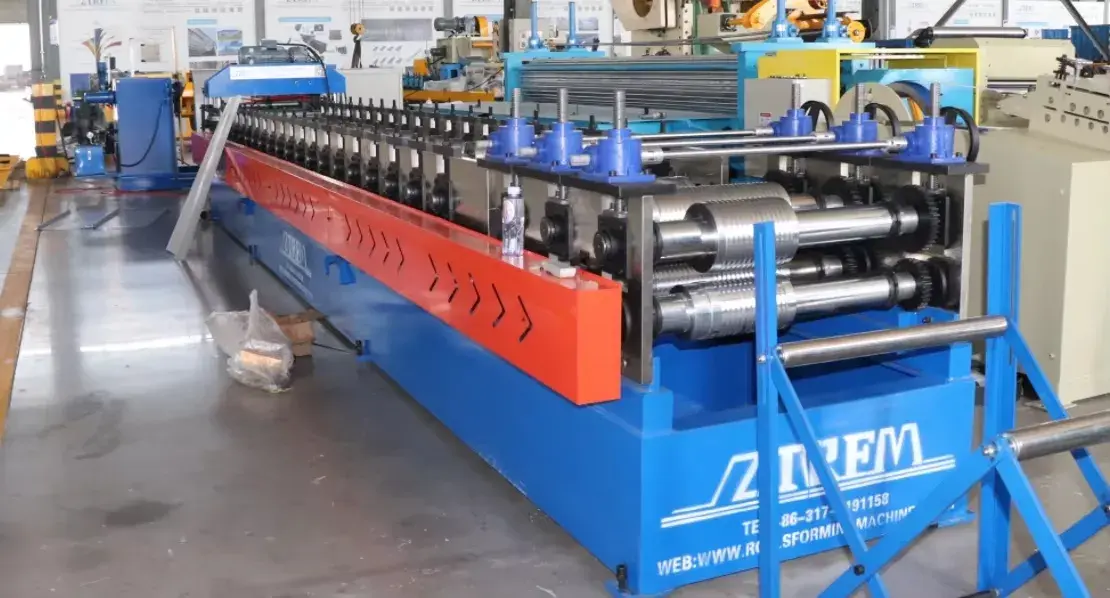
The roll forming process for PBR panels involves progressive bending through multiple roller stations. Material enters as flat coil stock and gradually transforms into the finished corrugated profile. A typical PBR roll former employs 19 rows of roller stations with 80mm solid shafts, ensuring dimensional stability throughout production runs. If you need cost-effective roofing solutions for large-scale commercial or agricultural projects, then PBR technology offers an optimal balance between performance and investment. Test data from production environments demonstrate that properly maintained PBR panel forming machines achieve dimensional tolerances within ±1.5mm across panel width, with consistent rib height variance under 0.8mm throughout continuous production shifts.
Standing Seam Systems Explained
Standing seam roofing systems represent a premium category within the metal roofing market. These panels feature raised seams that interlock without penetrating the weather surface, creating superior leak resistance compared to exposed fastener systems.
Key Distinguishing Features:
- Concealed Fastener Design – Clips attach to the structure beneath the panels, leaving no exposed PBR panel forming machine penetrations
- Thermal Movement Accommodation – Floating clip systems allow panels to expand and contract with temperature fluctuations
- Architectural Aesthetics – Clean lines and uniform appearance suit high-visibility commercial and residential applications
Standing seam machines require more sophisticated tooling arrangements. The forming process creates vertical legs that snap together or are mechanically sealed after installation. Production speeds typically range from 30 to 50 feet per minute due to the complexity of forming taller vertical ribs and precise edge geometry. Modern standing seam equipment incorporates servo-controlled cutting systems that synchronize blade activation with material speed, eliminating length variation between panels. This precision proves essential when producing panels for projects with strict architectural specifications. If you need premium roofing products for projects emphasizing longevity, weather performance, and visual appeal, then standing seam technology delivers measurable advantages despite higher initial equipment investment.
Production Efficiency Comparison
Manufacturing throughput directly impacts profitability in competitive roofing markets. Equipment selection significantly influences daily production capacity and operational flexibility.
PBR Roll Former Production Metrics:
- Average line speed: 50-70 feet per minute
- Setup time for profile changes: 2-4 hours (manual adjustment)
- Typical scrap rate during changeover: 15-25 feet
- Daily production capacity: 18,000-25,000 linear feet (single shift)
Standing Seam Machine Production Metrics:
- Average line speed: 30-50 feet per minute
- Setup time for profile changes: 3-6 hours (depending on seam type)
- Typical scrap rate during changeover: 20-35 feet
- Daily production capacity: 12,000-18,000 linear feet (single shift)
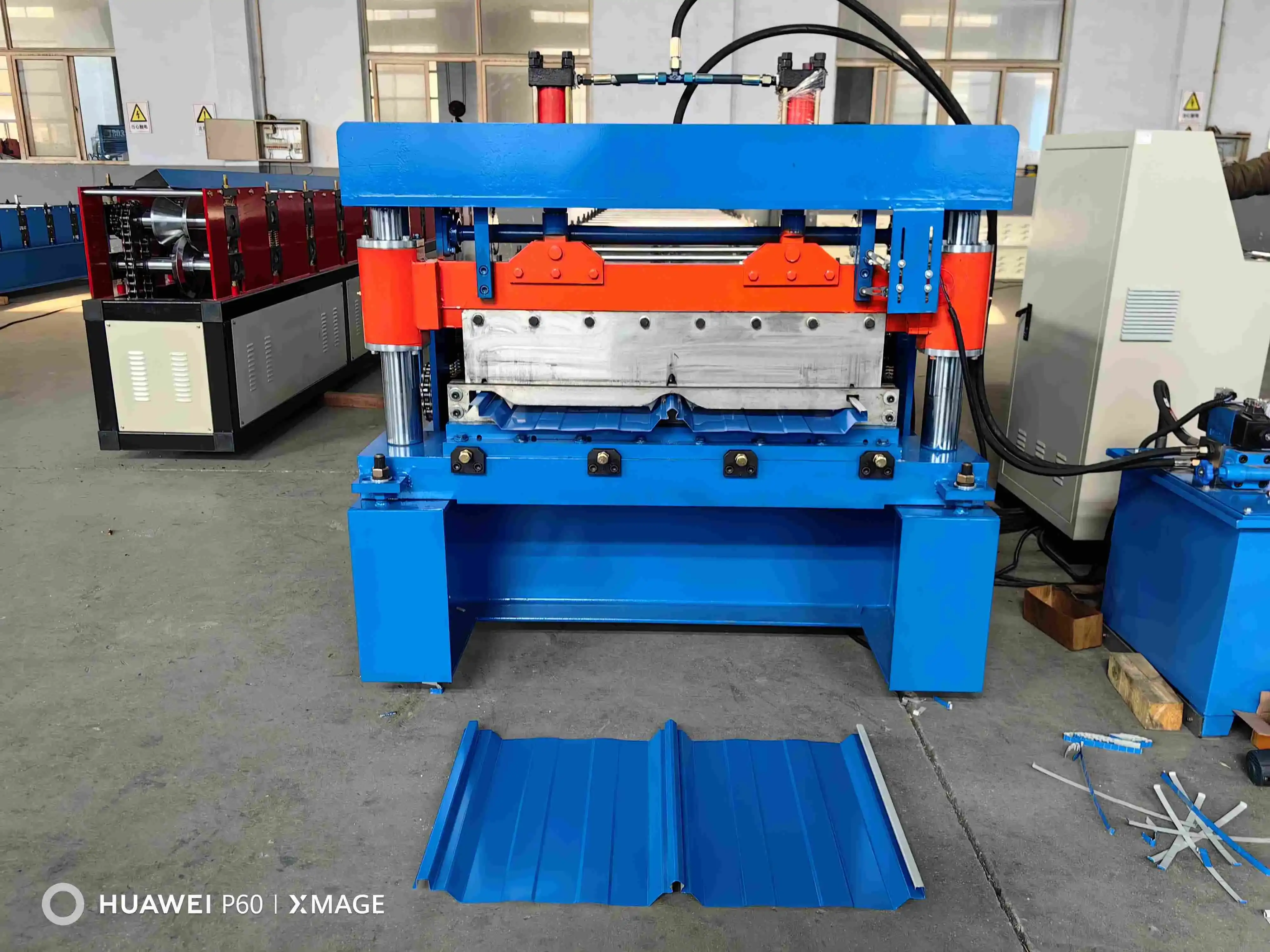
The simpler PBR profile geometry translates into faster production rates and quicker material flow through the forming line. Standing seam systems require additional forming stations to create the taller vertical legs and precise seaming edges, naturally limiting speed. Gear and double chain transmission systems in quality PBR roll formers deliver consistent torque distribution across all roller stations. This mechanical reliability prevents uneven forming pressure that creates surface defects or dimensional inconsistencies. If you need maximum production volume for price-sensitive markets, then PBR equipment delivers superior throughput. If you need premium products commanding higher margins with lower volume requirements, then standing seam machines justify their reduced speed through enhanced per-unit profitability.
Material Handling and Versatility
Different roofing applications demand varying material specifications. Equipment versatility determines how effectively manufacturers can serve diverse market segments.
PBR Roll Former Material Range:
- Standard gauge capacity: 24-26 gauge steel
- Material compatibility: Galvanized steel, galvalume, color-coated steel
- Coil width accommodation: 36-48 inches
- Minimum yield strength: 33 ksi (230 MPa)
Standing Seam Machine Material Range:
- Standard gauge capacity: 22-26 gauge steel (heavier gauge common)
- Material compatibility: Steel, aluminum, copper, zinc
- Coil width accommodation: 12-24 inches (narrower panels typical)
- Minimum yield strength: 40 ksi (275 MPa)
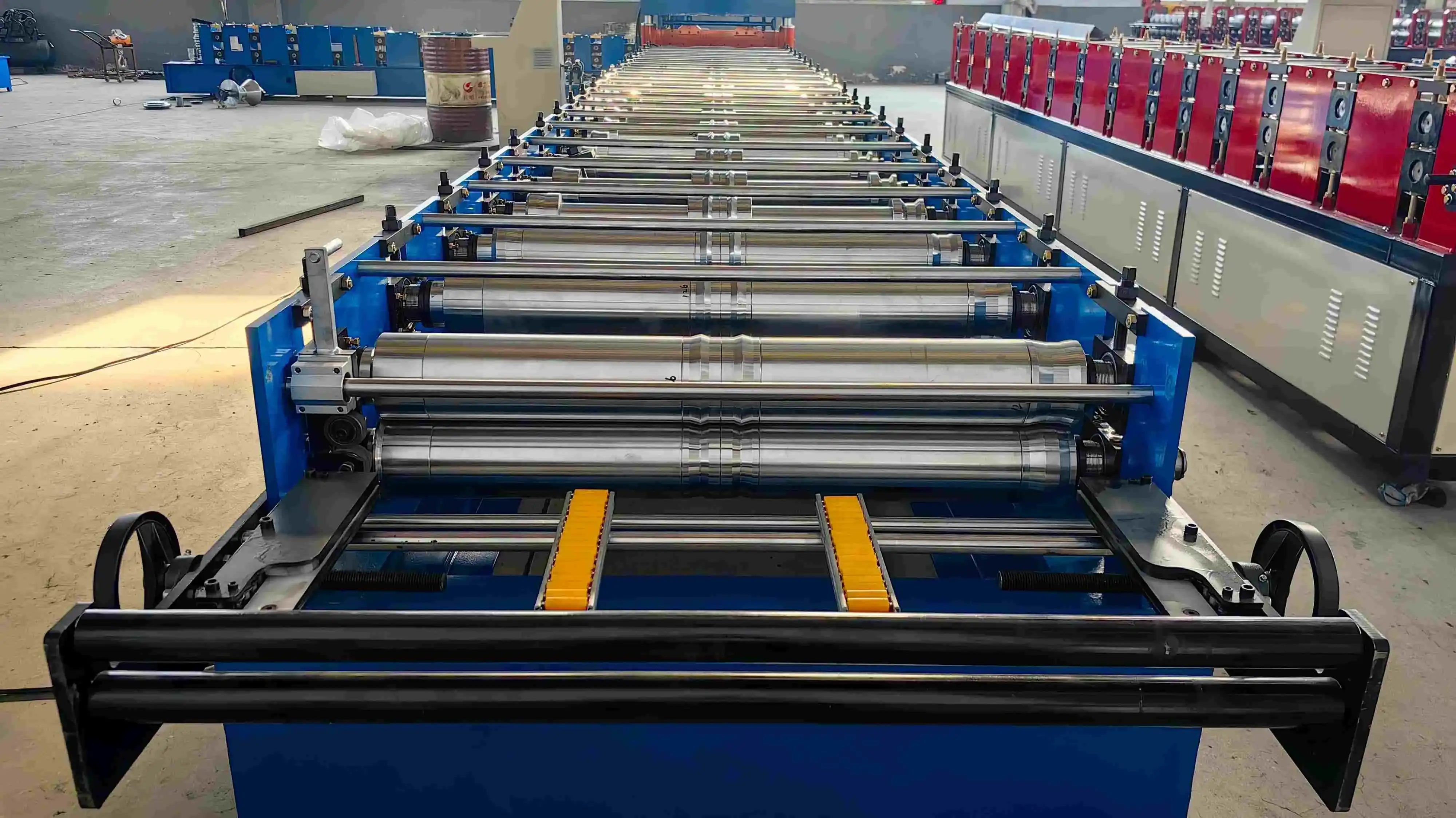
The H-beam structure with 20mm welded steel middle support, PBR panel forming machine plates in robust PBR roll formers, provides the frame rigidity necessary to maintain forming accuracy when processing higher-volume production runs. This structural integrity prevents deflection that would otherwise compromise panel dimensions. Standing seam equipment often processes premium materials, including architectural-grade aluminum and copper. These softer metals require different roller surface treatments and forming pressure profiles compared to standard steel processing. If you need equipment for handling diverse materials for specialty architectural applications, then standing seam machines offer superior material versatility. If you need focused production optimized for standard steel roofing with maximum output, then PBR roll formers deliver concentrated efficiency.
Tooling and Maintenance Considerations
Long-term operational costs extend well beyond initial equipment purchase. Tooling complexity and maintenance requirements significantly impact the total cost of ownership.
PBR Roll Former Maintenance Profile:
- Roller replacement interval: 1.5-2.5 million linear feet
- Critical wear points: Drive chains, cutting blades, entry guides
- Routine maintenance cycle: 200-300 operating hours
- Average annual parts investment: 3-5% of equipment value
Standing Seam Machine Maintenance Profile:
- Roller replacement interval: 1.0-1.8 million linear feet
- Critical wear points: Seaming rollers, cutting mechanisms, guide systems
- Routine maintenance cycle: 150-250 operating hours
- Average annual parts investment: 5-8% of equipment value
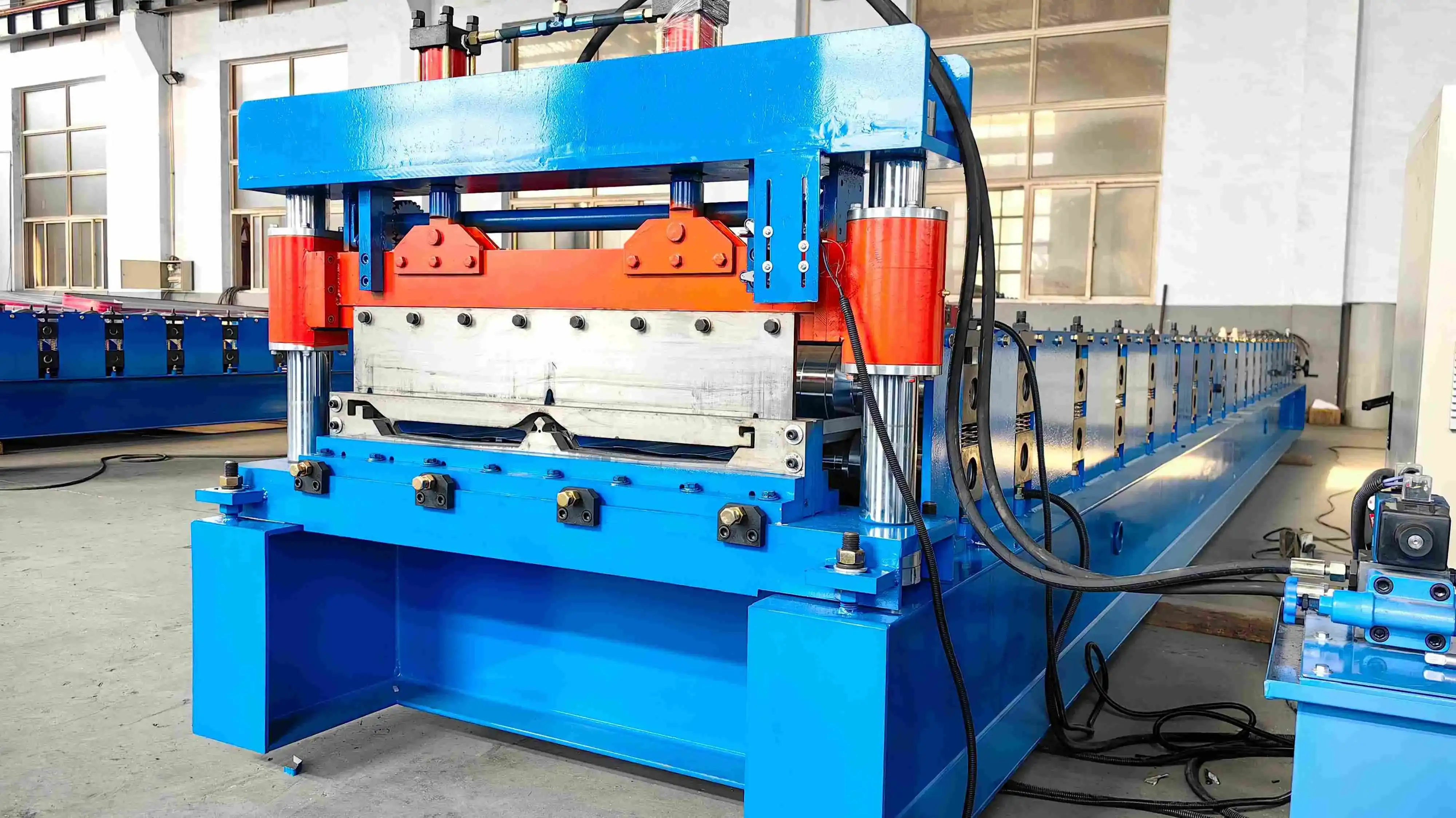
The automatic cutting system utilizing CR12MoV material blades delivers consistent shear quality without panel deformation. This metallurgical specification maintains cutting-edge geometry through approximately 15,000-20,000 cuts before requiring sharpening or replacement. Standing seam equipment incorporates more complex tooling arrangements with tighter tolerances. The vertical seaming edges require precise roller alignment, typically within 0.3mm across the entire roller width. This precision demands more frequent inspection and adjustment compared to PBR systems. If you need equipment with straightforward maintenance suitable for facilities with developing technical capabilities, then PBR roll formers offer accessibility advantages. If you need equipment where technical staff possess advanced troubleshooting skills and precision maintenance experience, then standing seam machines become manageable.
Investment Analysis and ROI Considerations
Equipment acquisition represents substantial capital allocation. Understanding the financial implications ensures alignment between investment and business objectives.
PBR Roll Former Investment Range:
- Entry-level systems: $35,000-$55,000
- Mid-range production equipment: $55,000-$85,000
- High-capacity automated lines: $85,000-$150,000
Standing Seam Machine Investment Range:
- Entry-level systems: $65,000-$95,000
- Mid-range production equipment: $95,000-$145,000
- High-capacity automated lines: $145,000-$250,000
The higher initial investment for standing seam equipment correlates with Pbr roll former increased tooling complexity and precision requirements. However, finished panels typically command 25-40% price premiums in the marketplace, potentially offsetting equipment costs through enhanced margins. Production cost analysis reveals PBR panels averaging $0.85-$1.15 per square foot in material and production expenses, while standing seam systems range from $1.40-$2.10 per square foot. Market selling prices reflect these cost differences, with PBR panels retailing at $2.50-$4.00 per square foot and standing seam products commanding $4.50-$7.50 per square foot. If you need rapid investment recovery through high-volume production in cost-sensitive markets, then PBR roll formers deliver accelerated payback periods. If you need market positioning in premium segments with differentiated products, then standing seam machines justify extended capital recovery timelines through sustained margin advantages.
Application-Specific Recommendations
Different building types and project requirements favor specific panel technologies. Matching equipment capabilities to target markets optimizes business outcomes.
Ideal PBR Panel Applications:
- Agricultural buildings (barns, storage facilities, livestock housing)
- Light industrial structures (warehouses, manufacturing plants)
- Commercial buildings with budget constraints
- Retrofit and re-roofing projects prioritizing cost efficiency
- Markets with established exposed-fastener acceptance
Ideal Standing Seam Applications:
- Premium residential construction
- High-visibility commercial architecture
- Coastal environments requiring enhanced corrosion resistance
- Buildings with low roof slopes (2:12 to 3:12 pitch)
- Projects specifying superior weather performance
The customizable tile types and profiles available through modern PBR panel forming machines enable manufacturers to serve diverse regional preferences. International markets often demonstrate distinct aesthetic preferences, making profile flexibility a competitive advantage. If you need equipment serving price-conscious markets valuing function over aesthetics, then PBR roll formers align with customer expectations. If you need equipment targeting design-focused markets where roofing represents a prominent architectural element, then standing seam machines match market requirements. Market research spanning 45 countries indicates that agricultural and industrial sectors consume approximately 65% of PBR panel production, while commercial and residential applications account for 78% of standing seam demand, reflecting distinct market positioning.
ZTRFM's PBR Roll Former Advantages
As a PBR roll former manufacturer with proven expertise across 150+ countries, Cangzhou Zhongtuo delivers equipment engineered for reliability and performance:
- ISO9001, CE, and CAS Certified Quality: International certifications validate manufacturing standards and equipment safety, ensuring compliance across diverse regulatory environments
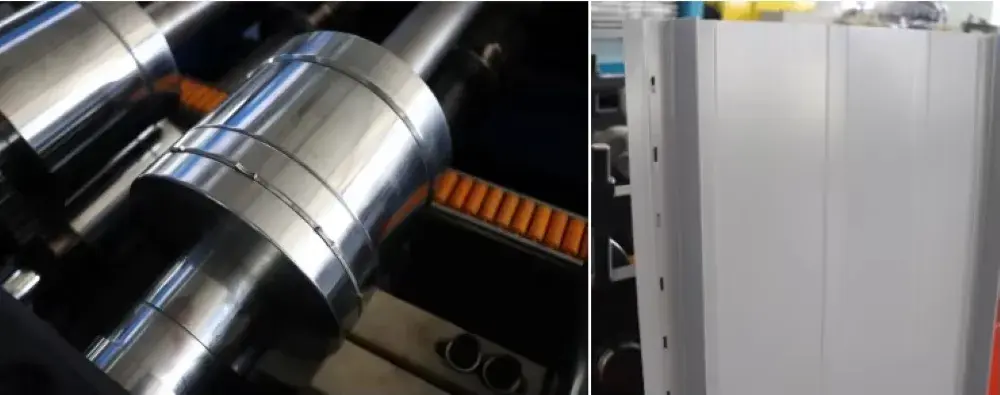
- 19-Station Roller Configuration: Comprehensive forming progression with 80mm solid shafts eliminates deflection, maintaining dimensional accuracy throughout extended production runs
- High-Grade 45# Forged Steel Rollers: Hard chrome-plated surfaces resist wear and prevent surface marking on pre-painted materials, extending service intervals beyond 2 million linear feet
- 350mm H-Beam Frame Construction: Welded 20mm steel middle support plates provide structural rigidity that prevents frame flex under high-speed operation
- Gear and Double Chain Drive System: Synchronized power transmission ensures consistent forming pressure across all roller stations, eliminating uneven material flow
- Automatic CR12MoV Cutting Blades: Precision-ground tool steel maintains sharp edges through 15,000+ cuts, delivering clean shears without panel deformation
- 24-26 Gauge Material Capacity: Optimized for standard commercial roofing specifications while accommodating material variations common in global supply chains.
Conclusion
Both PBR roll formers and standing seam machines serve distinct market segments with different performance priorities. PBR technology delivers cost-effective production efficiency ideal for agricultural, commercial, and industrial applications where exposed fastener systems meet performance requirements. Standing seam equipment produces premium panels commanding higher margins in architectural markets, prioritizing aesthetics and weather resistance. Successful manufacturers align equipment selection with target markets, production volumes, and customer expectations. Understanding these technical and market differences enables informed investment decisions that support sustainable business growth.
Partner with ZTRFM for Superior Roll Forming Solutions
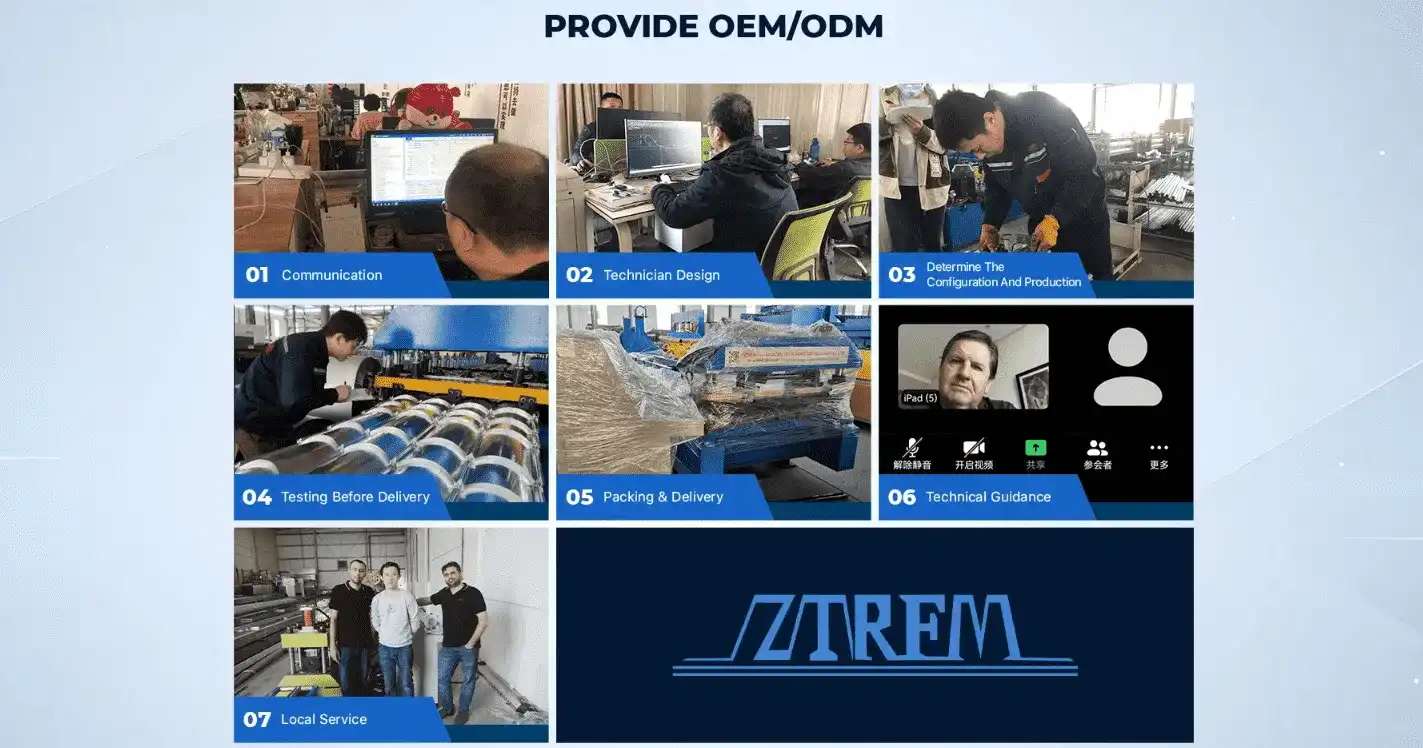
Selecting a reliable PBR roll former supplier determines long-term production success and equipment performance. ZTRFM combines advanced manufacturing capabilities with comprehensive customer support services. Our engineering team provides customized solutions addressing specific production challenges, material handling requirements, and automation integration needs. We deliver equipment backed by rigorous quality control processes and verified through international certification standards. Contact our technical specialists at zhongtuorollforming@gmail.com to discuss your metal roofing production requirements and receive detailed equipment specifications matched to your operational objectives.
References
1. American Iron and Steel Institute. "Metal Roofing Systems Design Manual for Cold-Formed Steel Construction." 2018 Edition.
2. Metal Construction Association. "Technical Guidelines for Metal Roof Panel Roll Forming Equipment Specifications." 2020.
3. Sheet Metal and Air Conditioning Contractors' National Association. "Architectural Sheet Metal Manual: Roll Forming Processes and Quality Standards." Seventh Edition.
4. International Building Code. "Chapter 15: Roof Assemblies and Rooftop Structures - Metal Panel System Requirements." 2021 Edition.
5. Cold Formed Steel Engineers Institute. "Manufacturing Tolerances for Roll Formed Metal Roofing Products." Technical Bulletin CF-2019.
6. National Roofing Contractors Association. "Metal Panel Roofing Systems: Installation and Performance Evaluation." Research and Technical Services Division, 2019.
_1750323743240.webp)