- English
- French
- German
- Portuguese
- Spanish
- Russian
- Japanese
- Korean
- Arabic
- Irish
- Greek
- Turkish
- Italian
- Danish
- Romanian
- Indonesian
- Czech
- Afrikaans
- Swedish
- Polish
- Basque
- Catalan
- Esperanto
- Hindi
- Lao
- Albanian
- Amharic
- Armenian
- Azerbaijani
- Belarusian
- Bengali
- Bosnian
- Bulgarian
- Cebuano
- Chichewa
- Corsican
- Croatian
- Dutch
- Estonian
- Filipino
- Finnish
- Frisian
- Galician
- Georgian
- Gujarati
- Haitian
- Hausa
- Hawaiian
- Hebrew
- Hmong
- Hungarian
- Icelandic
- Igbo
- Javanese
- Kannada
- Kazakh
- Khmer
- Kurdish
- Kyrgyz
- Latin
- Latvian
- Lithuanian
- Luxembou..
- Macedonian
- Malagasy
- Malay
- Malayalam
- Maltese
- Maori
- Marathi
- Mongolian
- Burmese
- Nepali
- Norwegian
- Pashto
- Persian
- Punjabi
- Serbian
- Sesotho
- Sinhala
- Slovak
- Slovenian
- Somali
- Samoan
- Scots Gaelic
- Shona
- Sindhi
- Sundanese
- Swahili
- Tajik
- Tamil
- Telugu
- Thai
- Ukrainian
- Urdu
- Uzbek
- Vietnamese
- Welsh
- Xhosa
- Yiddish
- Yoruba
- Zulu
Solar Strut Channel Roll Forming Machine Capacity and Specification Guide
Knowing how much a Solar Strut Channel Roll Forming Machine can hold and what its specs are is important if you want to buy solar hanging equipment. These tools take flat coils of steel and shape them into channel profiles with exact shapes. These profiles are used as the structure for solar installations. Choosing the right tools is very important in the rapidly growing green energy sector because it affects your production efficiency, product quality, and long-term profits. Capacity ratings usually range from 8 to 20 meters per minute, and material thickness capabilities range from 1.5 mm to 2.5 mm.
Understanding Solar Strut Channel Roll Forming Machines
What Makes Roll Forming Technology Essential for Solar Applications
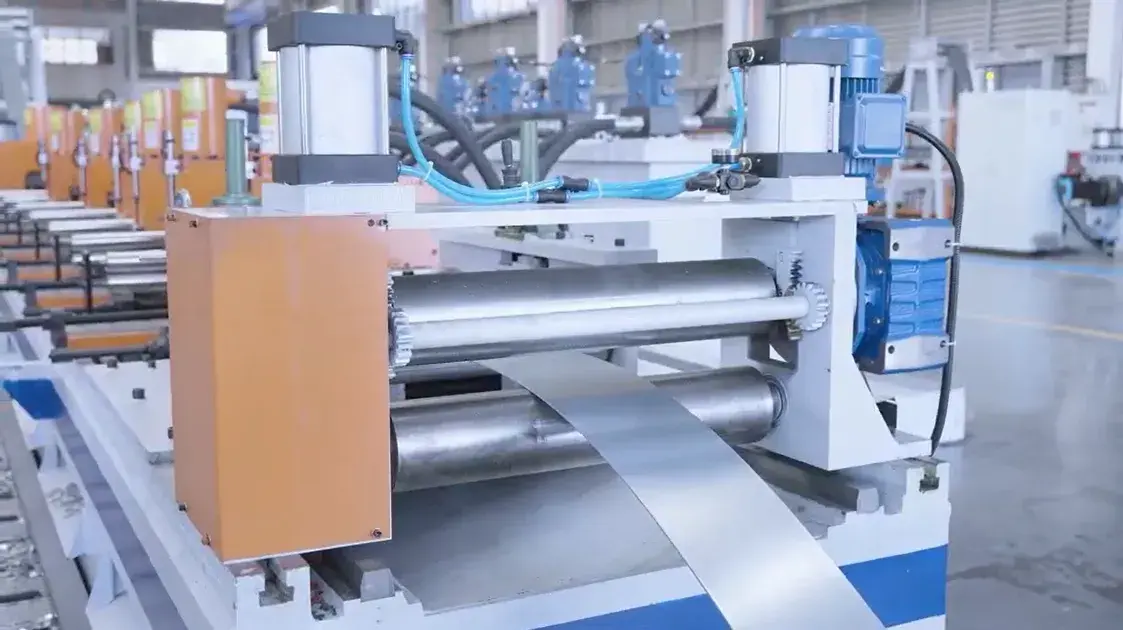
Roll forming is different from old methods like stamping or press brakes because it allows for constant production with little waste. In contrast to hydraulic presses, which shape metal in separate steps, roll forming machines move steel through a series of roller stations, gradually turning it into the shape needed for the strut channel. This method of progressive forming keeps the structural integrity of galvanized coats, which is important for keeping outdoor solar setups resistant to rust, and it achieves a level of regularity in dimensions that stamping processes find hard to match. The technology is especially useful for companies that make the C-channels and U-channels that are used in solar racking systems. With each pass through the roller stations, the material is shaped a little more, and the stress is spread out equally across the workpiece. This method keeps the yield strength of high-tensile steel types like G350 or G550, which must be able to handle wind loads and snow buildup for 25 years. During the cold-forming process, the material actually gets stronger at the bend lines. This makes the shapes stronger than they were before they were made.
Core Components That Drive Performance
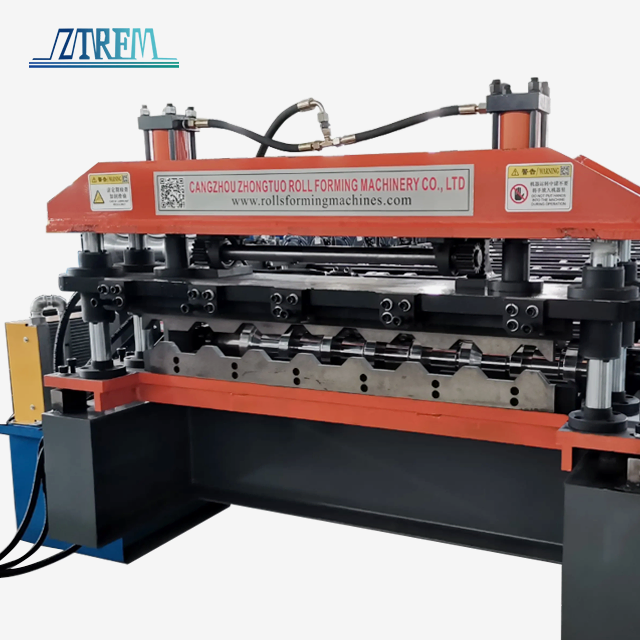
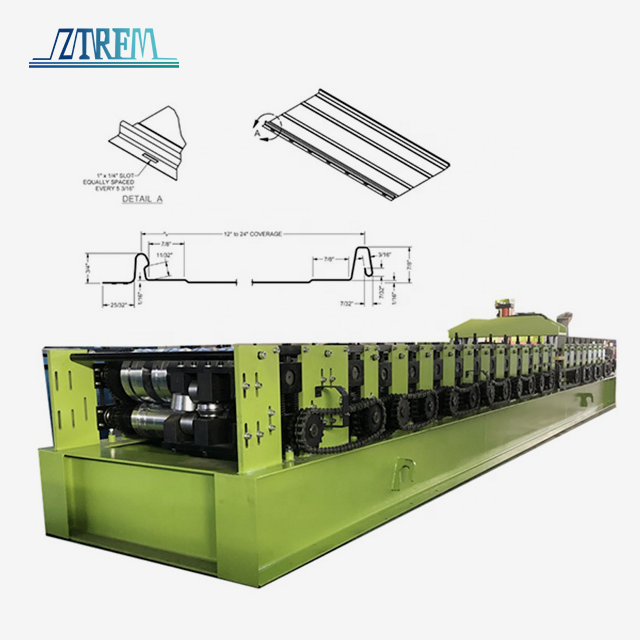
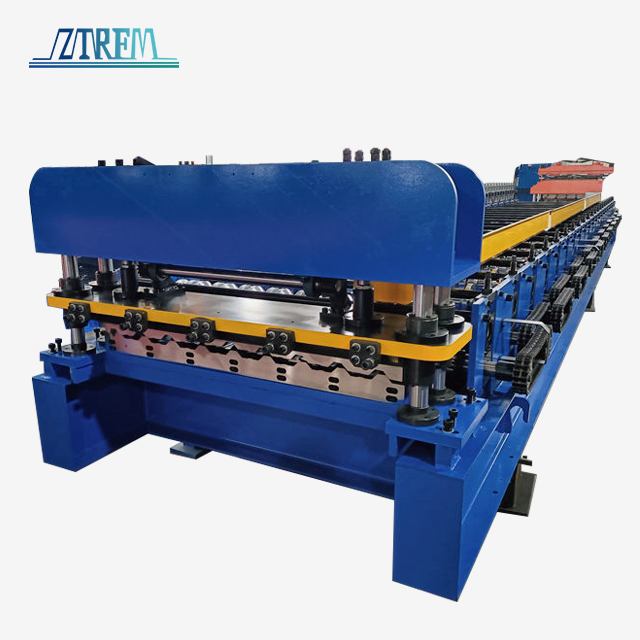
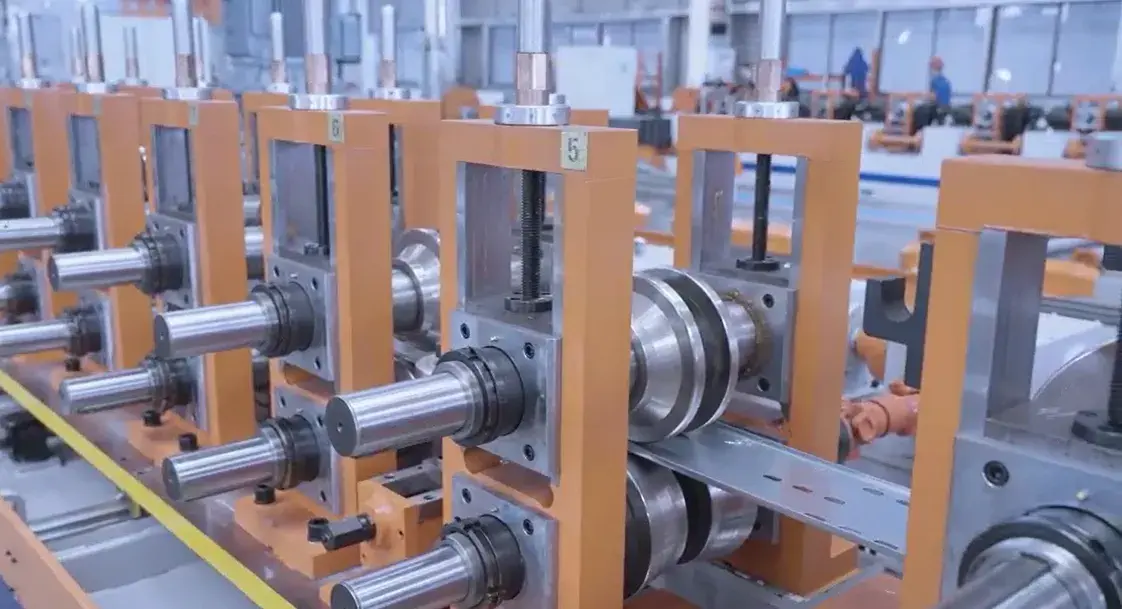
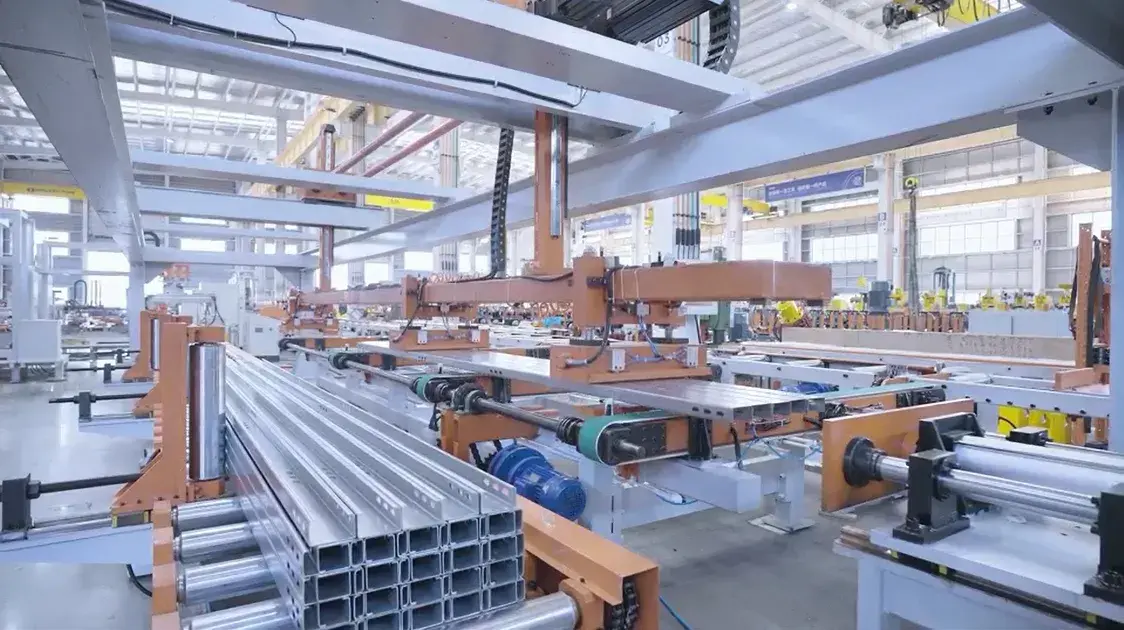
A group of carefully designed roller stations is at the center of every strut channel, making a line. Rollers in good machines are made from GCR15 bearing steel that has been heated and chrome-plated to make it resistant to wear from working with galvanized steel all the time. The deflection resistance under heavy forming loads is directly related to the width of the shaft, which is usually 80 mm in sturdy designs. Larger shafts made of 45# cast steel have less flex when they're in use, so they can keep the tight specs needed for solar mounting parts. When choosing tools, you should give the main drive system a lot of thought. From working with makers all over North America, we know that double-chain transmission systems are reliable for materials up to 2.0 mm thick. However, gearbox drives last longer when working with thicker sizes. The main motor, which is 22kW, has enough power for most normal production situations. It delivers steady torque across all of the forming stations without using too much energy. Welded from a 25 mm structural steel plate, the machine frame itself makes a stiff base that stops vibrations from causing changes in size during high-speed operation.
Material Processing Capabilities and Limitations
Knowing how materials work together helps you match the right tools to the needs of the production. Most tools that make solar struts can work with galvanized steel, hot-rolled steel, and aluminum-zinc coated materials up to a certain width. Standard tools can handle gauges from 1.5 mm to 2.5 mm, which is enough for most solar mounting jobs. This is because structural studies usually call for gauges in this range to balance strength with cost. The factors for feeding width are all important. A machine that can handle material that is 90 mm to 230 mm wide lets you make channels of different sizes, Solar bracket roll forming machine without having to do a lot of retooling. The number of forming stations needed is based on the link between the width, thickness, and finished profile shape of the material. For complex solar strut geometries, 24 rollers are usually needed. The ±1.5mm tolerance specs are in line with mounting hardware industry standards. This makes sure that the hardware will work with clamps, plugs, and adjustment mechanisms that are used during field installation.

Capacity and Specification Parameters Explained
Decoding Production Speed and Throughput Metrics
The economics of manufacturing are closely linked to production ability. In ideal conditions, a creating speed of 8 meters per minute, which is typical for hydraulically split systems, makes about 480 meters of channel per hour. However, the real throughput varies on a number of factors, such as how often the materials need to be changed, how many punches are needed, and how efficient the operators are. When manufacturers keep making the same profile size, they get a better effective output than when they switch between different channel measurements all the time. Pay close attention to the link between making speed and material thickness. Thinner gauges can usually be processed at faster speeds, but 2.5mm material needs slower feed rates to keep the rollers from getting too full and to make sure the profile shape is correct. When figuring out capacity, energy efficiency is something that is taken into account. Using a 22kW main motor and an 11kW hydraulic station together doesn't take a lot of power, so the costs of running the machine are still low compared to other ways of forming when you look at them per meter.
Here are the essential specifications that define machine capability:
- Material Processing Range: The window is 1.5 to 2.5 mm thick, which fits most solar installation designs. This range works with both light-duty home racks and heavier business setups. With a feeding width of 90 to 230 mm, standard 41x41 mm, 41x21 mm, and other sizes popular in the photovoltaic business can be made.
- Power and Drive Systems: The main motor with 22kW power offers reliable torque for continued use. For standard output volumes, double-chain transmission strikes a good mix between low cost and long life. The cutting device is powered by an 11kW hydraulic station, which makes clean cuts without distorting the material.
- Precision Components: Twenty-four forming rollers shape the outline step by step, with each station adding a little more twisting. The 80mm diameter rods made from 45# cast steel don't bend when they're loaded. Galvanized surfaces are kept safe during the forming process by GCR15 steel wheels that have a chrome finish.
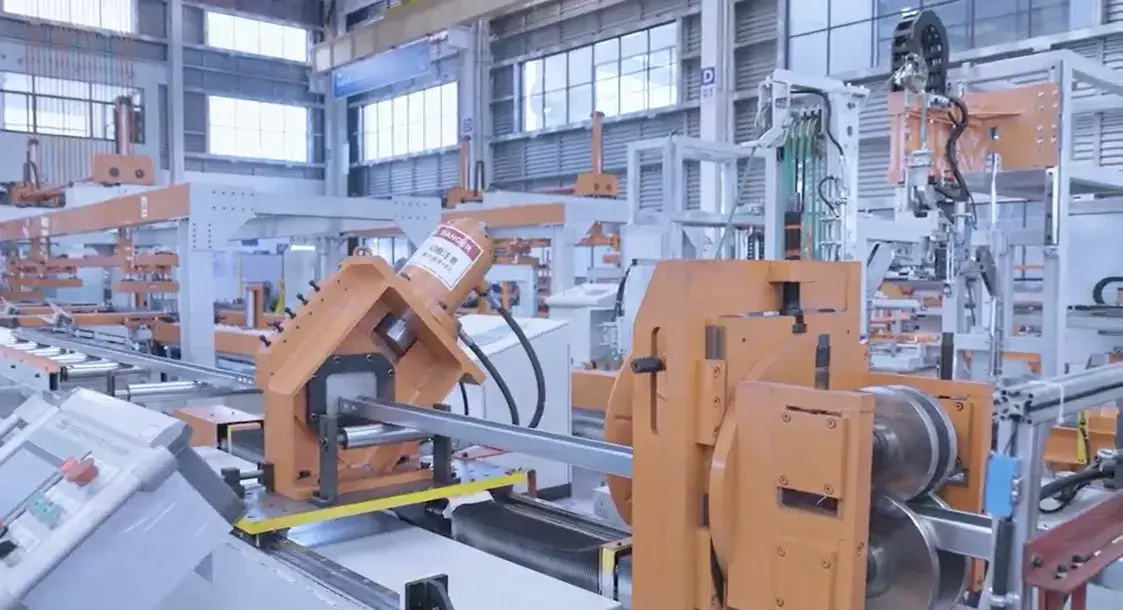
- Cutting and Control: Hydraulic cutting lets you precisely control the length of finished channels. The range of ±1.5 mm is fine for installing solar mounting solutions. Most industrial sites can use standard 380V three-phase power at 50Hz, and the voltage can be changed to meet the needs of different regions.
These requirements make a production system that can work for both medium-volume makers and businesses that are growing. The equipment hits a good balance between how much it costs to buy and how much it can make, so businesses that want to get into solar mounting or grow their metalworking operations to include renewable energy parts can easily get it.
Matching Machine Specs to Project Requirements
Aligning the powers of equipment with output forecasts helps with buying choices. A factory that wants to make 50,000 linear meters of strut channel every month needs different specs than a new business that only wants to make 10,000 meters. The 8m/min forming speed is good for moderate production rates. For better output, businesses might look at machines with servo-driven systems that can go 15-20m/min. The standards for material gauge come from the specs for structural engineering. Ground-mount solar farms in places with a lot of wind often require main support lines to be 2.5 mm thick, which pushes the equipment to its limits. Rooftop placements that don't need to hold a lot of weight usually use 1.5-2.0 mm material, which speeds up production and lowers the cost of the material. Knowing the usual specs of your target market will help you choose equipment that works at its best instead of being pushed to its limits all the time.
Comparing Solar Strut Channel Roll Forming Machines
Automation Levels and Operator Skill Requirements
There is a wide range of tools available, from systems that Solar bracket roll forming machine must be run by hand and need steady attention to fully automated lines with PLC controls. Skilled workers are needed to watch the feed of materials, change the roller settings, and run cutting processes on basic manual machines. These methods work best for smaller companies with skilled metalworkers and lower production rates. The learning curve is harder, but it's still easier to get started with cash. Automated systems with tablet displays make things more consistent while requiring less skill from operators. Equipment that is controlled by a PLC handles feed rates, cuts at the same time as length measures, and keeps an eye on system pressures. The control system runs the forming process, while an assistant mostly adds materials and handles final goods. Over time, this automation lowers the cost of labor and reduces the differences in size that come from human error. However, the original cost of buying goes up in direct proportion to the level of automation.
Investment Considerations Beyond Purchase Price
The total cost of ownership is much higher than the price of the tools themselves. How much energy a machine uses affects how much it costs to run over its lifetime. A system that uses 33kW of power (22kW main motor plus 11kW hydraulic station) and runs 160 hours a month uses around 5,280kWh. At normal industrial power rates in the US of about $0.08 per kWh, the monthly cost of energy is close to $422, which adds up to a lot of money over long production runs. Long-term costs are affected by the need for maintenance. Machines with chrome-plated GCR15 rollers have better wear protection than machines with normal tool steel rollers. This means that replacements are needed less often, which means less downtime. After being heated to 58–62 HRC, the Cr12 mold steel cutter blades keep their sharp tips even after thousands of cuts. When downtime risks production plans, the ability to get replacement parts and support networks for suppliers becomes very important. When manufacturers choose well-known equipment providers, they can get spare parts and technical help that keeps production from stopping, which costs a lot of money.
Regional Supplier Considerations for US Manufacturers
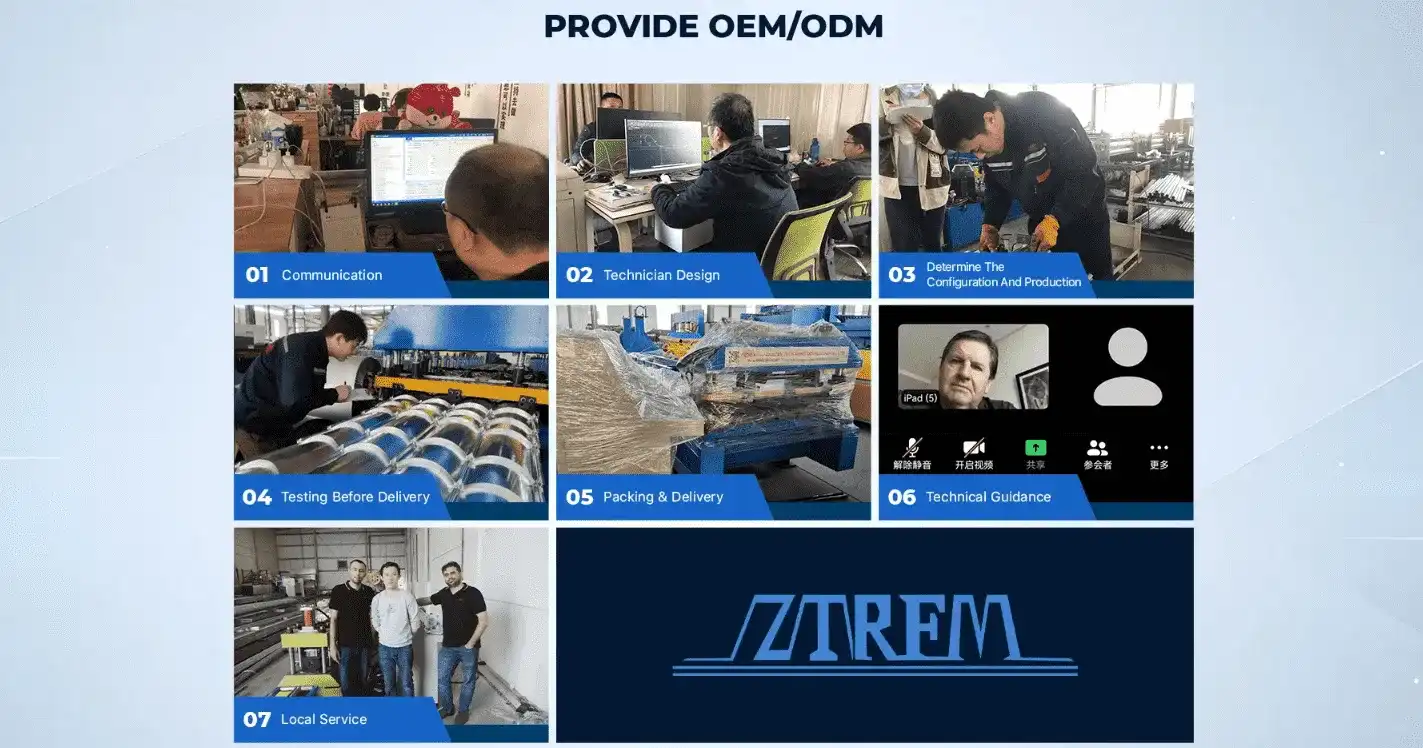
When making sourcing choices, you have to compare the specs of the tools you want with what the supplier can do. European makers usually put a lot of emphasis on precision engineering and get their parts from well-known motor and bearing sources. These tools usually cost a lot, but they have tight standards and don't need to be serviced very often. North American providers often focus on making parts that are easy to maintain and work with locally available parts. This makes long-term support simpler. Chinese makers, such as Cangzhou Zhongtuo and other experienced firms, offer reasonable prices and meet international quality standards by being certified by ISO9001 and CE. Since it began in 2014, Zhongtuo has sold equipment to more than 150 countries, showing that it can make solid machinery. The company's OEM and ODM services offer customization choices that let equipment be made to fit specific production needs. This is useful when standard configurations don't perfectly meet working needs.
Maintenance, Troubleshooting, and Longevity
Preventive Maintenance Schedules That Protect Your Investment
Systematic repair keeps equipment from breaking down when it's least expected and makes it last longer. Roller bearings should be properly oiled every day, and double-chain drive systems should have their chain tightness checked every day. When chains aren't tight, they load unevenly across forming stations, which makes final shapes of different sizes. As part of weekly upkeep, metal waste must be cleaned off roller surfaces. Particles of galvanized coating build up during production and can damage later materials if they are not removed. When services are done once a month, they should be inspected more thoroughly. The 11kW cutting system needs to have its hydraulic fluid levels checked regularly, and the fluid should be replaced every six months when the system is running normally. Checks of the rollers' alignment stop the slow drift that builds up over thousands of output meters. Check the chrome coating on GCR15 rollers for wear patterns that show they aren't lined up right or are under too much rolling pressure. If you take care of these problems quickly, you can avoid expensive fixes and keep the ±1.5mm tolerance that solar mounting needs.
Diagnosing Common Production Issues
Differences in the sizes of finished channels are usually Solar Strut Channel Roll Forming Machine caused by certain factors in the machine. Profiles that measure outside range are usually caused by rollers that are worn out, roller pressure that is too low, or changes in the width of the material. By checking the specs of arriving materials, raw materials are no longer a variable. Usually, mechanical problems can be found by looking at rollers for signs of wear and making sure that the pressure settings are correct at each forming station. Different ways of diagnosing surface quality problems are needed. Galvanized coats often get scratches in the first few places where the material is formed by the roller system. Coating damage can be avoided by making sure the roller chrome finishing is in good shape, and there is enough space between the layers. Most of the time, oil stains on finished goods are caused by over-lubrication or lubricant systems that are dirty. Most of the time, moving to a clean lubricant and reducing the amount used will fix the problem.
Purchasing Guide and Supplier Selection
Critical Evaluation Criteria for Equipment Selection
Technical specs are the basis for evaluating tools, but there are other things that affect how well a purchase goes. Manufacturers' trust in the reliability of their products can be seen in the warranty terms. For example, extensive warranties that cover major components for 12 to 24 months are a sign of good building. Warranty exclusions can help you figure out where the problems might be. For example, unclear language or long lists of exclusions can be signs of quality issues. The framework for after-sales help should be carefully looked at. Suppliers who keep technical support staff who know how to use solar strut making can be very helpful when starting up production and fixing problems. Technicians can look into problems with control systems without having to go to the spot, which cuts down on downtime. On-site installation and training services help workers learn how to use and maintain new equipment more quickly by showing them how to do it right the first time. When stock setups don't exactly meet needs, the ability to customize is important. If a supplier offers engineering services, they can change the way rollers are set up to fit custom shape designs or make control systems work with current production equipment. OEM features are especially useful for companies that are making custom mounting systems that need special channel shapes.
Strategic Sourcing Based on Production Scale
Instead of trying to get the most automated or fastest production, small and new producers should focus on making sure their equipment works well and getting help from their suppliers. Risk is lower in the early stages of production when the machine design has been tried and tested, upkeep is easy, and expert help is available. Moderate-capacity equipment lets you test the market's demand without spending too much on production capacity that's not needed right away. Companies that already make things that are growing into solar mounting production or adding to their current capacity should look into automation options that lower the cost of labor per unit. Higher forming speeds and automatic material handling systems are worth the extra money because they improve accuracy and output. Adding value by streamlining processes across the whole facility, integration with current inventory management and production control tools is a must. Contract makers who work with many clients need tools that can make channels of different sizes and shapes. Quick-changeover features cut down on downtime between production runs, which makes better use of assets. Servo-controlled systems with customizable adjustments take less time to set up than mechanical adjustments and changing rollers by hand.
Conclusion
When choosing solar strut channel forming tools, you need to think about both the technical specs and the supplier's ability to provide long-term assistance. With a width range of 1.5 to 2.5 mm, a forming speed of 8 m/min, and strong construction from GCR15 rollers and 45# steel frames, the machines we've talked about here are perfect for the growing solar mounting business. You can make smart buying choices when you know how the parameters of capacity, automation levels, and maintenance needs match up with your output goals. In addition to the equipment itself, the investment includes relationships with suppliers who can offer professional advice and ongoing support as your business changes to keep up with the growth of the green energy sector.
FAQ
1. What materials work best for solar strut channels produced by roll forming?
Galvanized steel is still the most common material for solar fixing channels because it doesn't rust and can be left outside for 25 years. The strength-to-weight ratios of the G350 and G550 types are good for structural uses. The aluminum-zinc coating on steel makes it more resistant to rust in salty coastal areas, but it costs more to make. Pre-painted steel can be used in situations where matching the color of building elements is important, but the rollers need to be carefully maintained during the rolling process to keep the coating from getting damaged.
2. How often should upkeep be done to keep downtime to a minimum?
Visual checks of grease and chain tension every day don't take long and keep big problems from happening. Cleaning metal waste off roller surfaces once a week keeps the quality of the surface. Problems are found before they affect output by checking the hydraulic system and roller balance once a month. Every year, trained techs do full inspections and replace worn-out parts before they break. The layered method strikes a good mix between the work needed for upkeep and the risk of downtime.
3. Can one machine produce different channel dimensions?
Standard machines can handle differences in size as long as they don't affect the way the rollers are set up. When making channels of very different sizes, like going from 41x41mm to 41x62mm, rollers usually need to be changed, which can take several hours with the right tools. For smaller or larger width changes, some more modern systems have servo-controlled adjustments that cut down on switching time. Manufacturers who make a lot of different sizes should talk about quick-change choices or consider getting special tools for making a lot of profiles.
Partner with ZTRFM for Your Solar Strut Channel Production Needs
The people at ZTRFM have been making roll forming tools for the solar mounting business for more than ten years. Our Solar Strut Channel Roll Forming Machine provider's knowledge covers everything from coming up with the first specifications to installation, training, and ongoing technical support. We know that the decisions you make about buying tools can have long-lasting effects on your business. That's why we focus on building relationships instead of just processing transactions.
Our manufacturing is approved by ISO9001, CE, and CAS, which means that the quality meets worldwide norms. With projects that have gone well in more than 150 countries, we have a deep understanding of the needs of each area and have proven our logistics skills to make sure that deliveries are always on time. Our tech team works directly with your needs, whether you need standard setups or custom solutions for unique channel designs.
Email ZTRFM at zhongtuorollforming@gmail.com right now to talk about how our solar strut forming services can help you reach your business goals. During our detailed technical talks, we'll suggest equipment that fits your needs and give you clear quotes that cover the whole answer.
References
1. Anderson, M. (2023). Roll Forming Technology in Renewable Energy Manufacturing. Industrial Metalworking Press.
2. Chen, L. & Rodriguez, P. (2024). "Precision Requirements in Photovoltaic Mounting Systems." Journal of Solar Engineering, 45(2), 178-195.
3. Global Solar Mounting Association. (2023). Equipment Standards for PV Support Structure Manufacturing. GSMA Technical Publication 2023-7.
4. Harrison, D. (2024). Cold Roll Forming: Process Engineering and Quality Control. Manufacturing Technology Institute.
5. Thompson, R. & Williams, K. (2023). "Comparative Analysis of Metal Forming Methods for Structural Channels." Metal Fabrication Quarterly, 38(4), 412-429.
6. United States Department of Energy. (2024). Solar Installation Standards and Structural Requirements. DOE Renewable Energy Division Technical Report.