- English
- French
- German
- Portuguese
- Spanish
- Russian
- Japanese
- Korean
- Arabic
- Irish
- Greek
- Turkish
- Italian
- Danish
- Romanian
- Indonesian
- Czech
- Afrikaans
- Swedish
- Polish
- Basque
- Catalan
- Esperanto
- Hindi
- Lao
- Albanian
- Amharic
- Armenian
- Azerbaijani
- Belarusian
- Bengali
- Bosnian
- Bulgarian
- Cebuano
- Chichewa
- Corsican
- Croatian
- Dutch
- Estonian
- Filipino
- Finnish
- Frisian
- Galician
- Georgian
- Gujarati
- Haitian
- Hausa
- Hawaiian
- Hebrew
- Hmong
- Hungarian
- Icelandic
- Igbo
- Javanese
- Kannada
- Kazakh
- Khmer
- Kurdish
- Kyrgyz
- Latin
- Latvian
- Lithuanian
- Luxembou..
- Macedonian
- Malagasy
- Malay
- Malayalam
- Maltese
- Maori
- Marathi
- Mongolian
- Burmese
- Nepali
- Norwegian
- Pashto
- Persian
- Punjabi
- Serbian
- Sesotho
- Sinhala
- Slovak
- Slovenian
- Somali
- Samoan
- Scots Gaelic
- Shona
- Sindhi
- Sundanese
- Swahili
- Tajik
- Tamil
- Telugu
- Thai
- Ukrainian
- Urdu
- Uzbek
- Vietnamese
- Welsh
- Xhosa
- Yiddish
- Yoruba
- Zulu
The Advantages of a Metal Panel Machine
When I first saw how hard it was to make a lot of metal panels at once, I understood that getting a metal wall panel machine wasn't just about buying tools; it was about changing the whole business. These special cold roll forming metal wall panel machine systems make it possible to bend flat metal coils into curved wall cladding at speeds of up to 30 meters per minute, instead of the less accurate human method. The benefits go beyond speed; they include a lot less wasted material because of accurate cut-to-length, uniform profile quality across thousands of panels, and no human error, which is a big problem with traditional ways of manufacturing. Modern tools can work with galvanized steel, prepainted metal, and other materials while keeping the surface consistency that is important for the look of buildings.
Understanding Metal Wall Panel Machines and Their Core Benefits
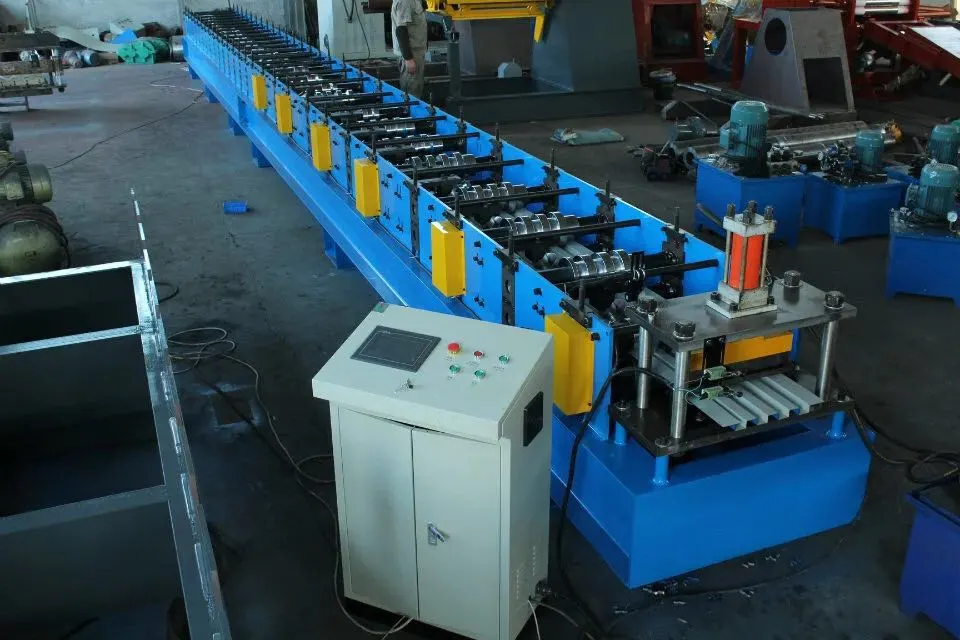
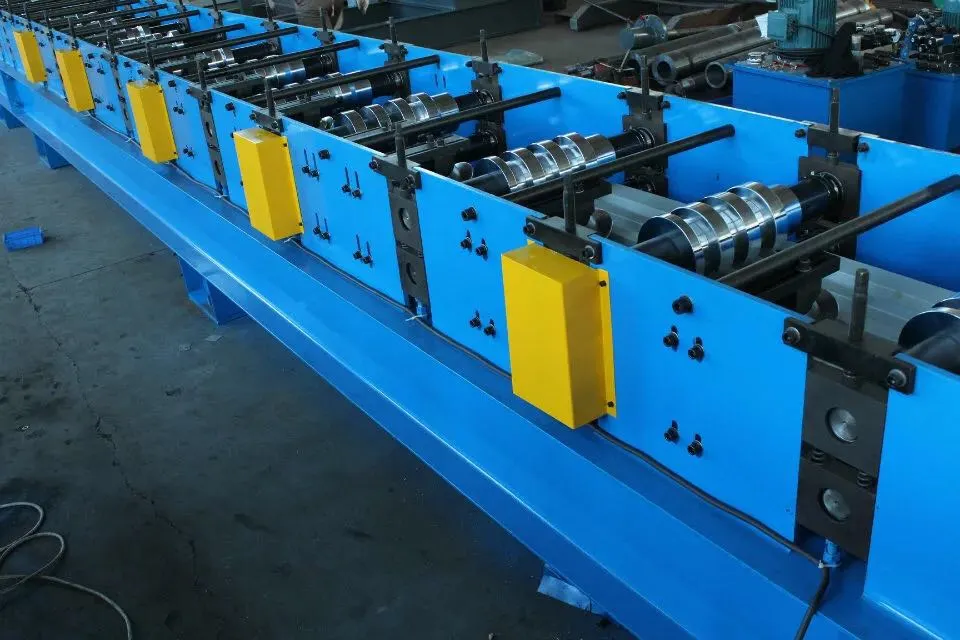
A metal wall panel machine is a cold-roll forming system designed for making artistic facade panels and outdoor siding from long coils of metal. Instead of sequentially bending metal like traditional press braking does, these machines use a number of sequential roller stations to shape metal strips into complex cross-sectional profiles—such as standing seam, interlocking siding, and corrugated wave patterns—without using heat. The change is made by gradually bending the material as it moves through carefully designed roller stations, with each one adding a different part of the final profile geometry. The technology solves important problems in manufacturing that have been bothering production managers for a long time. When panels have to fit together exactly across big building surfaces, manual bending adds a level of variation that is hard to deal with. These flaws are eliminated by automated making, which makes sure that every panel meets standards within very small ranges. Chrome-plated rollers and timed feeding speeds protect PVDF or SMP coatings while they are being formed, which is especially important when working with high-value building finishes.
Accelerated Production and Throughput
When compared to older ways, modern equipment works at amazing speeds. Automated systems can keep making panels without stopping, with little break between runs. PLCs that handle length measurement and cutting factors make sure that the measurements are correct every time, without having to check each piece by hand. When working on big pre-engineered building projects that require thousands of similar panels to be delivered on time, this skill comes in very handy. With the continuous operation model, a process that used to need multiple shifts of skilled workers can now be run by a smaller, better-trained team.
Superior Panel Quality and Consistency
Consistency in profiles is probably the biggest benefit over making things by hand. When I look at panels made on professional making tools, I'm amazed at how consistently accurate the sizes are across production runs. The machines stay perfectly aligned, which is important for weathertight installations, especially in places where water intrusion is a big problem. High-yield strength materials, like G550 steel, can be hard to shape by hand because they tend to spring back. Over-bending stations and customizable finishing heads that account for elastic rebound are used to get the right geometry.
Comparing Metal Wall Panel Machines with Traditional Alternatives
Traditional panel manufacturing relies on a lot of hand-eye coordination, a metal wall panel machine, and processes that require a lot of work, which come with their own problems. Press brakes bend metal in a series of steps, so workers have to place the material, make the bends, reposition it, and do it all over again. This takes time and slows down production. Variability comes in at several points: the accuracy with which the material is placed, the stability of the bent angle, and the skill of the operator all affect the quality of the final product. When big projects have to be finished quickly, these human bottlenecks stop work that can't be fully fixed by working extra hours. Automated metal wall panel machines change this situation in a big way. Because the process is constant, the material moves through the machine without stopping, and each roller station does its job of shaping the material at the same time. This parallelization of the making process, in which multiple bending processes happen at the same time as the material moves forward, is a big change from doing things by hand one at a time. The result is output that goes exponentially faster and works well as the number goes up.
Manual vs. Automated: Cost Structure Analysis
The amount of money needed to start each method is very different. Manual press brake processes have lower initial equipment costs, but they require ongoing labor costs that add up to a lot over time. Automated making equipment costs more to buy at first, but it cuts labor costs by a huge amount per panel. The estimate for break-even depends on the number of panels being made. Businesses that make a middling to high number of panels usually get their money back from their automation investments within 18 to 36 months by saving money on labor and being able to make more.
Performance Metrics and Flexibility Considerations
Direct work is only one part of operating costs. Because of the inefficient start-stop processes and empty time between pieces, manual actions use more energy per panel. Automation systems use the least amount of energy possible by running all the time and using current servo-driven parts that change how much power they use based on the needs of the form. When done right, automation also saves money on maintenance costs. Because rollers and cutting parts wear in predictable ways, planned maintenance can keep unexpected downtime to metal wall panel machine a minimum. This isn't always possible with human equipment, which breaks down for no reason. By comparing throughput, big differences become clear. Depending on how complicated the job is, a manual press brake might make 50 to 100 panels per shift. On the other hand, an automatic roll forming system can make 500 to 1,000 panels in the same amount of time. This difference in efficiency is very important when figuring out how much work can be done on big projects or when market demand changes. Another factor is flexibility. Hand-made methods are better at making one-of-a-kind, unique profiles, while roll-forming machines are better at making large batches of standard profiles. The best way to run your business depends on what products you sell and how often you sell them.
Choosing the Right Metal Wall Panel Machine for Your Business
To choose the right metal wall panel machine, you need to carefully look at your business needs and long-term goals. I've led many procurement teams through this review process, and the best-performing companies start by being honest about their present and future needs in a number of areas.
Production Volume and Capacity Planning
The choice of tools is based on volume estimates. Figure out how much your panels produce each month and guess how much they will produce in three to five years. Equipment that can go 15-20 meters per minute works well in modest production settings. Systems that can go 25-30 meters per minute are better for high-volume settings. Think about how demand changes with the seasons and whether your business plan needs to be able to handle occasional demand spikes. Oversizing capacity gives you more options, but it also raises the cost of cash and could leave assets unused during slow times.
Panel Profile Versatility Requirements
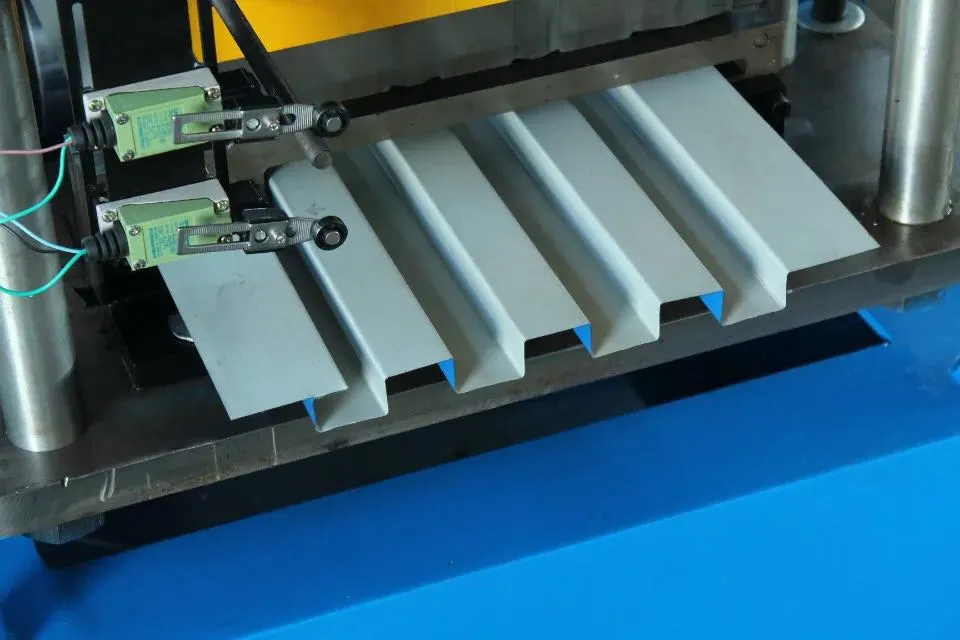
Profile needs are very different across market groups. Manufacturers of building roofing systems need to have machines that can make high-rib triangular profiles with exact shapes that allow the panels to meet and seal out the weather. Light steel structure builders need machines that can work with C-purlins, Z-purlins, and hat channel profiles. The machines should be able to change over to different profiles automatically, so there is as little downtime as possible when changing specifications. Manufacturers of composite sandwich panels have to deal with more complicated needs. They need tools that can work with structures made of multiple layers of material without hurting the facings or messing up the foam cores.
Real-World Applications and Case Studies: Value Demonstration
The real value of a metal wall panel machine is shown by how well it works in different types of industries. I've seen these systems change the way things are done in a wide range of settings, from high-end building projects to industrial warehouses. Each showed its own unique benefits that were tailored to the needs of the sector.
Industrial and Warehousing Applications
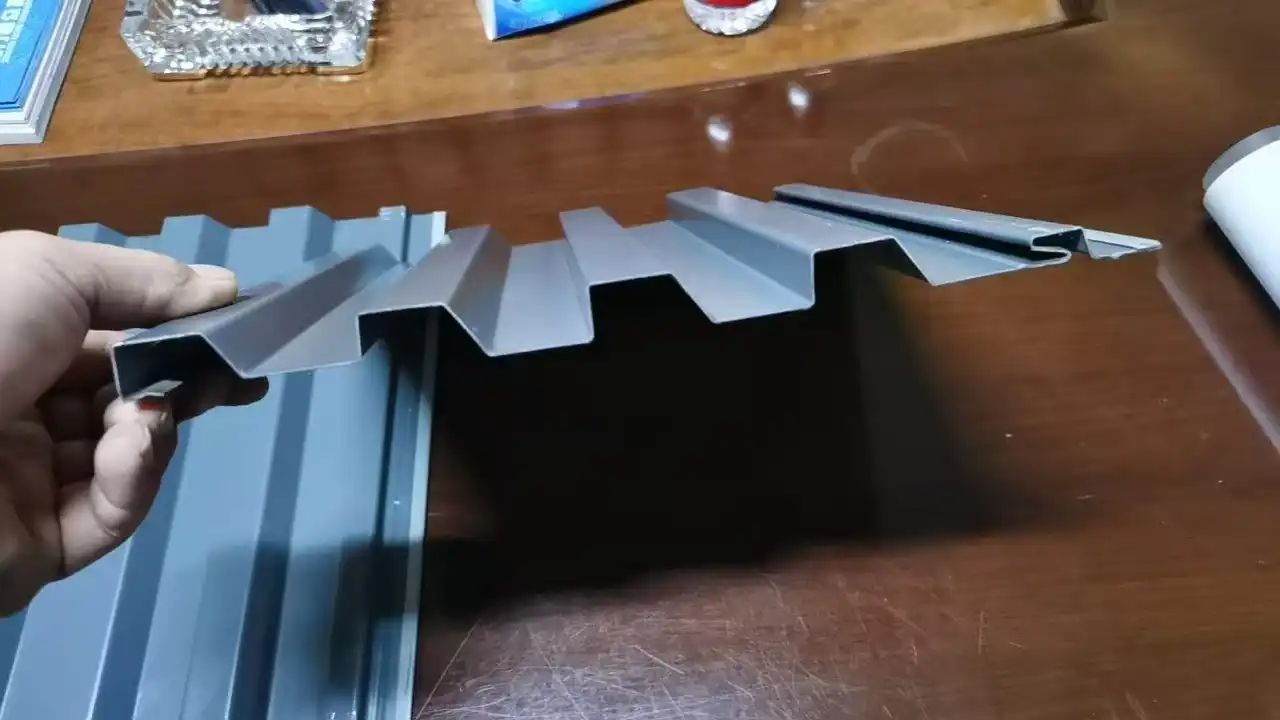
Wall panel making technology is mostly used by companies that make pre-engineered buildings. These processes make high-rib trapezoidal profiles for steel building workshops and transport centers, where panels need to be able to handle strong winds and possibly corrosive work environments. This machine works with high-yield strength materials and keeps the tight standards needed for interlocking panel systems that make building shells that keep out the weather. In this market area, production rates often go over 50,000 square meters per month, so throughput and stability are the most important factors in choosing a supplier. A warehouse builder in the Midwest that I worked with switched from a human press brake to an automatic forming line and reported great results. The number of panels made per day went from 85 to over 600, and the amount of waste dropped from 8% to less than 2%. Five workers were needed at one time, but only two were needed after the rest of the staff was moved to value-added finishing tasks. Because of the better stability, there were almost no problems with field installation caused by differences in panel sizes, which used to require expensive on-site changes.
Architectural Facade Projects
For commercial building uses, panels must be of the highest quality and have a perfect finish on the outside. These projects call for architectural siding with flat or reveal profiles or concealed-fixing interlocking panels that give office buildings and shopping malls unique looks. The making equipment has to keep the surfaces completely flat so that there is no oil canning, which is the obvious wavering that happens when the material is under stress inside. Rollers that have been cleaned with chrome and exact pressure control during the forming process, the metal wall panel machine keeps the surface from getting marks on expensive pre-painted or anodized finishes that cannot have any flaws.
Emerging Trends and Future Applications
There are more problems that come up with high-rise covering jobs. Panels can be 12 to 15 meters long, so they need special ways to move and support them so they don't sag while they're being formed or moved. When compared to industrial uses, straightness tolerances get a lot tighter. Deviations of more than 3 mm over 10 meters can be seen on building surfaces and make installation harder. Professional forming tools can consistently meet these strict requirements, which is not possible with hand manufacturing methods. The next step forward in panel-making technology is smart production integration. IoT-enabled sensors keep an eye on how well equipment is working in real time, finding problems as they arise before they break down. Analytics systems use production data to find ways to improve things and guess when a repair will be needed. Manufacturers can fix problems with remote testing instead of sending someone to the site of the problem. This cuts down on downtime and is especially helpful for businesses in rural areas or countries with little technical support. Sustainability concerns are becoming more and more important when choosing tools. Manufacturers are under a lot of pressure to show they care about the earth and cut down on their carbon impacts. Modern forming equipment helps by reducing the amount of trash, making energy use more efficient, and letting you work with recycled metal without lowering the quality. Some businesses now use closed-loop material management, where scrap from cutting goes back to steel mills to be turned into new coil. This is part of the circular economy, which is popular with customers who care about the environment and new rules being put in place across developed markets.
Conclusion
Metal wall panel machine making equipment has strategic benefits in every way that matters to people who make decisions about B2B purchases. These methods make a real difference in how fast panels are made, how well materials are used, and how much it costs to run the business. The new technology fixes basic problems that have been holding back the metal panel fabrication business for a long time, like inconsistent quality, slow output, and too much waste. The right forming tools can make or break your business's ability to produce and compete, whether you're in the business of industrial storage, building frames, or specialized metal structures. To be successful, you need to carefully consider your needs, do a full manufacturer review, and commit to routine repair methods that protect your investment and keep it running well.
FAQ
1. What maintenance frequency does a metal wall panel machine require?
Every day, reviews are done for 15 to 20 minutes and check the cutting blade gap, lubrication spots, and the alignment of the material feed. Every month, maintenance takes two to three hours and includes checking the roller surfaces, tightening the screws, and updating the software. Comprehensive servicing by trained techs once a year ensures long-term dependability and usually takes one to two days of planned downtime.
2. Can one machine produce multiple panel profiles?
Standard machines usually only work with a single design so that they can be as precise as possible and make setup as easy as possible. Cassette-change systems can handle multiple profiles because the roller station can be replaced in two to four hours. This makes them ideal for businesses that need to be able to switch between profiles quickly. Dual-layer machines make two different profiles at the same time, but they are very expensive and should only be used in high-volume processes where both profiles are consistently needed.
3. How do I calculate expected ROI on this equipment investment?
Find out how much direct pay, benefits, and supervision costs for panel output are right now. Figure out how much production will go up by comparing the output rates of human and automated tools. Think about cutting down on material waste—automated systems usually make this better by 4-6%. Differences in the cost of energy and estimates of upkeep costs should be included. Most moderate to high-volume businesses see a return on their investment within 24 to 36 months, and with proper care, tools can last up to 15 years.
Partner with ZTRFM for Your Metal Wall Panel Machine Needs
Finding the right manufacturing partner is the first step to improving your metal panel production. ZTRFM was founded in 2014 and focuses on developing and making cold roll forming equipment that meets the needs of a wide range of industries. Our engineering team has a lot of experience coming up with solutions for companies that make roofing systems for buildings, light steel structures, and decorative covering for markets around the world.
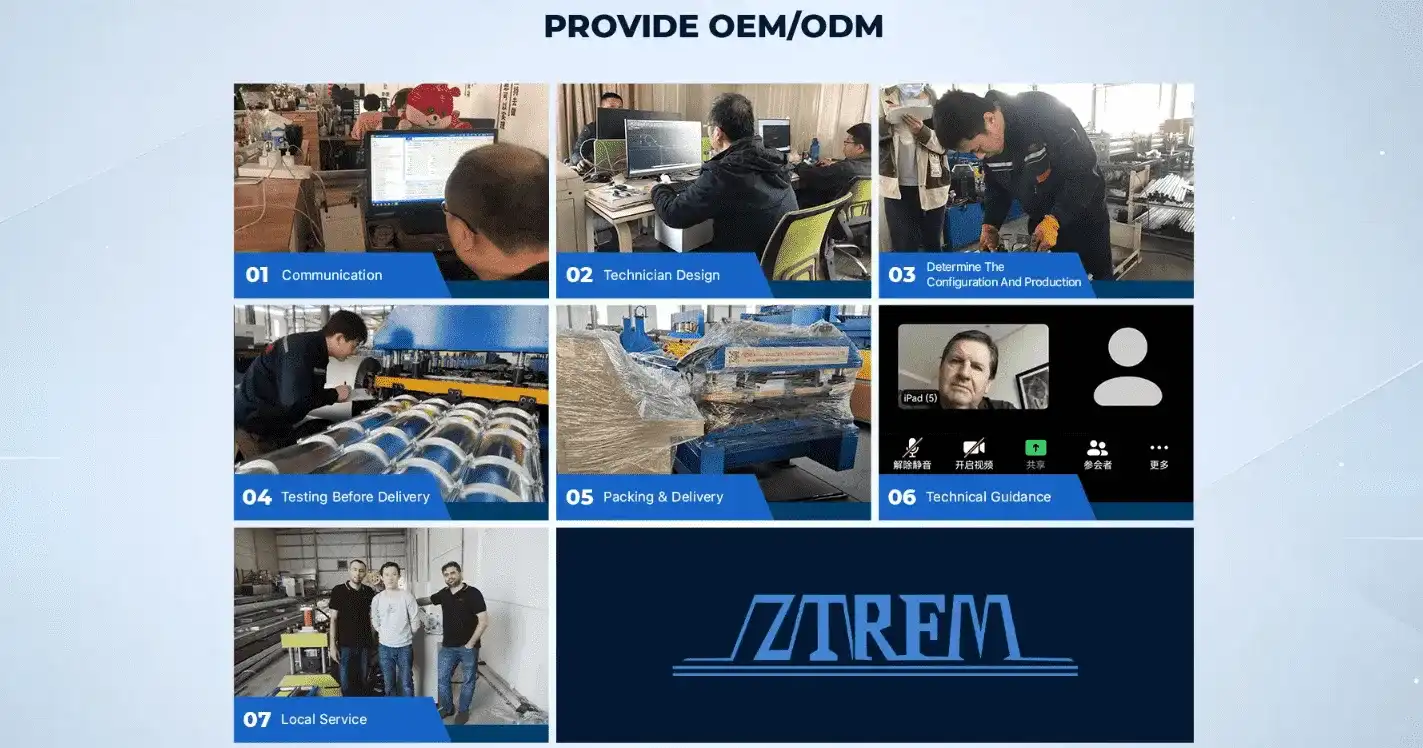
We offer full OEM and ODM services, and we can change the specs of the equipment to fit your exact output needs and the space limitations of your building. Our one-stop service plan includes getting the raw materials, making the whole machine, and making sure that spare parts are always available so that activities don't stop. Our dedication to quality is shown by our ISO9001, CE, and CAS certificates, and our service history in more than 150 countries.
As a national high-tech company, we are always putting money into new ideas that metal wall panel machine make technology better and meet the changing needs of the market. Our team can help you whether you need a metal wall panel machine provider that can handle high-volume production or a partner for coming up with custom-made solutions. We have the knowledge and experience to do both. You can look at our full line of tools at rollformingmachinemanufacturer.com, or you can email us at zhongtuorollforming@gmail.com to get a customized consultation. We give clear pricing information, thorough technical specs, and help with execution to make sure that your equipment investment gives your business the competitive edge it needs.
References
1. Smith, J. & Williams, R. (2023). Cold Roll Forming Technology: Advances in Metal Panel Manufacturing. Industrial Press.
2. Chen, L. (2022). "Automation Impact on Construction Material Production Efficiency," Journal of Manufacturing Systems, 64(3), 287-301.
3. Anderson, M. (2024). Pre-Engineered Building Systems: Material and Equipment Considerations. Construction Publishing House.
4. European Committee for Standardization (2023). Metal Facade Systems: Performance Requirements and Testing Standards. CEN Technical Report.
5. Thompson, K. & Garcia, P. (2023). "Energy Efficiency in Metal Forming Equipment: Comparative Analysis of Drive Systems," International Journal of Advanced Manufacturing Technology, 128(7), 3241-3256.
6. National Association of Architectural Metal Manufacturers (2024). Technical Guidelines for Metal Wall Panel Installation and Quality Control. NAAMM Publication.
_1750323743240.webp)