- English
- French
- German
- Portuguese
- Spanish
- Russian
- Japanese
- Korean
- Arabic
- Irish
- Greek
- Turkish
- Italian
- Danish
- Romanian
- Indonesian
- Czech
- Afrikaans
- Swedish
- Polish
- Basque
- Catalan
- Esperanto
- Hindi
- Lao
- Albanian
- Amharic
- Armenian
- Azerbaijani
- Belarusian
- Bengali
- Bosnian
- Bulgarian
- Cebuano
- Chichewa
- Corsican
- Croatian
- Dutch
- Estonian
- Filipino
- Finnish
- Frisian
- Galician
- Georgian
- Gujarati
- Haitian
- Hausa
- Hawaiian
- Hebrew
- Hmong
- Hungarian
- Icelandic
- Igbo
- Javanese
- Kannada
- Kazakh
- Khmer
- Kurdish
- Kyrgyz
- Latin
- Latvian
- Lithuanian
- Luxembou..
- Macedonian
- Malagasy
- Malay
- Malayalam
- Maltese
- Maori
- Marathi
- Mongolian
- Burmese
- Nepali
- Norwegian
- Pashto
- Persian
- Punjabi
- Serbian
- Sesotho
- Sinhala
- Slovak
- Slovenian
- Somali
- Samoan
- Scots Gaelic
- Shona
- Sindhi
- Sundanese
- Swahili
- Tajik
- Tamil
- Telugu
- Thai
- Ukrainian
- Urdu
- Uzbek
- Vietnamese
- Welsh
- Xhosa
- Yiddish
- Yoruba
- Zulu
The Definitive Guide To Cable Tray Roll Forming Machines
When companies need to quickly make wire handling systems, a cable tray machine is the most important piece of equipment they use. This detailed guide talks about the technology, uses, and selection criteria for cable tray roll-making equipment, which takes raw metal coils and turns them into well-designed cable support systems. To make modern cable trays, you need high-tech machines that can work with a variety of materials and keep the required level of accuracy in measurements and surface quality for electrical infrastructure projects.
Understanding Cable Tray Roll Forming Technology
For example, cable tray roll forming is a complex cold-working method that forms metal strips into structural features without using heat. The technology works by gradually deforming the material using exactly lined-up roller stations. Each station makes a small contribution to the end shape of the tray.
The first step in the making process is to prepare the raw materials. Galvanized steel sheets are decoiling and leveling. Modern wire trays have hydraulic leveling systems that get rid of material memory and surface flaws. This part of the preparation makes sure that the material flows smoothly during the next steps of making.
Roll forming stations use steel rollers that have been heat-treated to get the best hardness grades, which are between HRC 58 and 62. These rollers are made from GCr15 bearing steel. The dimensions of these rollers stay stable even when they are under constant production loads, and they leave as few marks on final goods as possible. For normal cable tray shapes, the progressive forming process needs 14–18 stations. More stations can be used for complex designs.
Servo-controlled cutting processes are used in modern cable tray production systems to make openings, mounting holes, and ventilation patterns very precisely. Hydraulic cutting units distribute force evenly across a range of material sizes, which ensures clean cuts without the formation of burrs that could damage the structure of the wire.
Essential Components of Cable Tray Production Lines
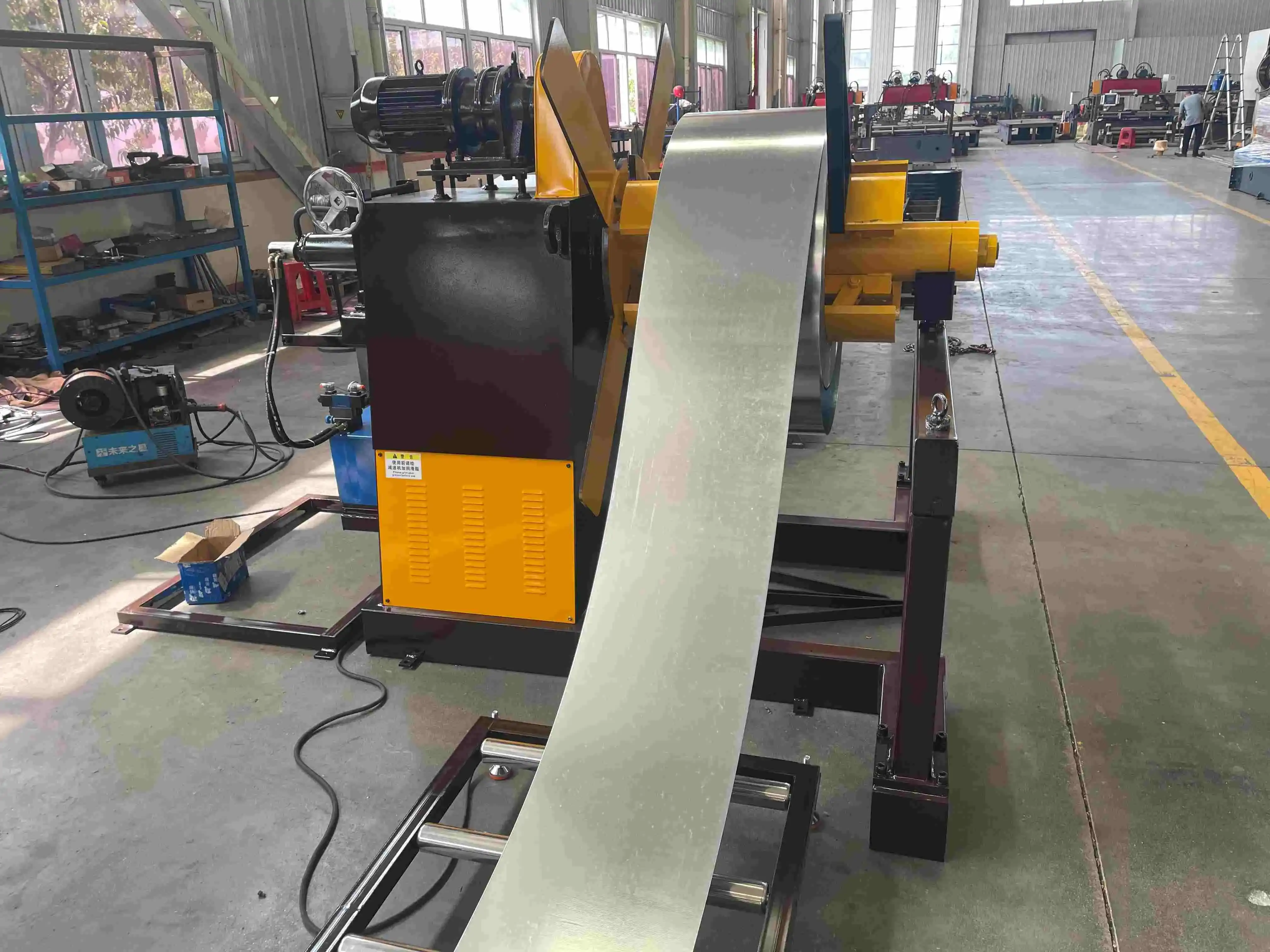
A full wire tray making system is made up of many linked parts that work together smoothly. Depending on the needs of the production, the decoiler unit can handle coil weights ranging from 3 to 10 tons. Different coil sizes can be accommodated by hydraulic expansion systems, which keep the material strain constant during the making process.
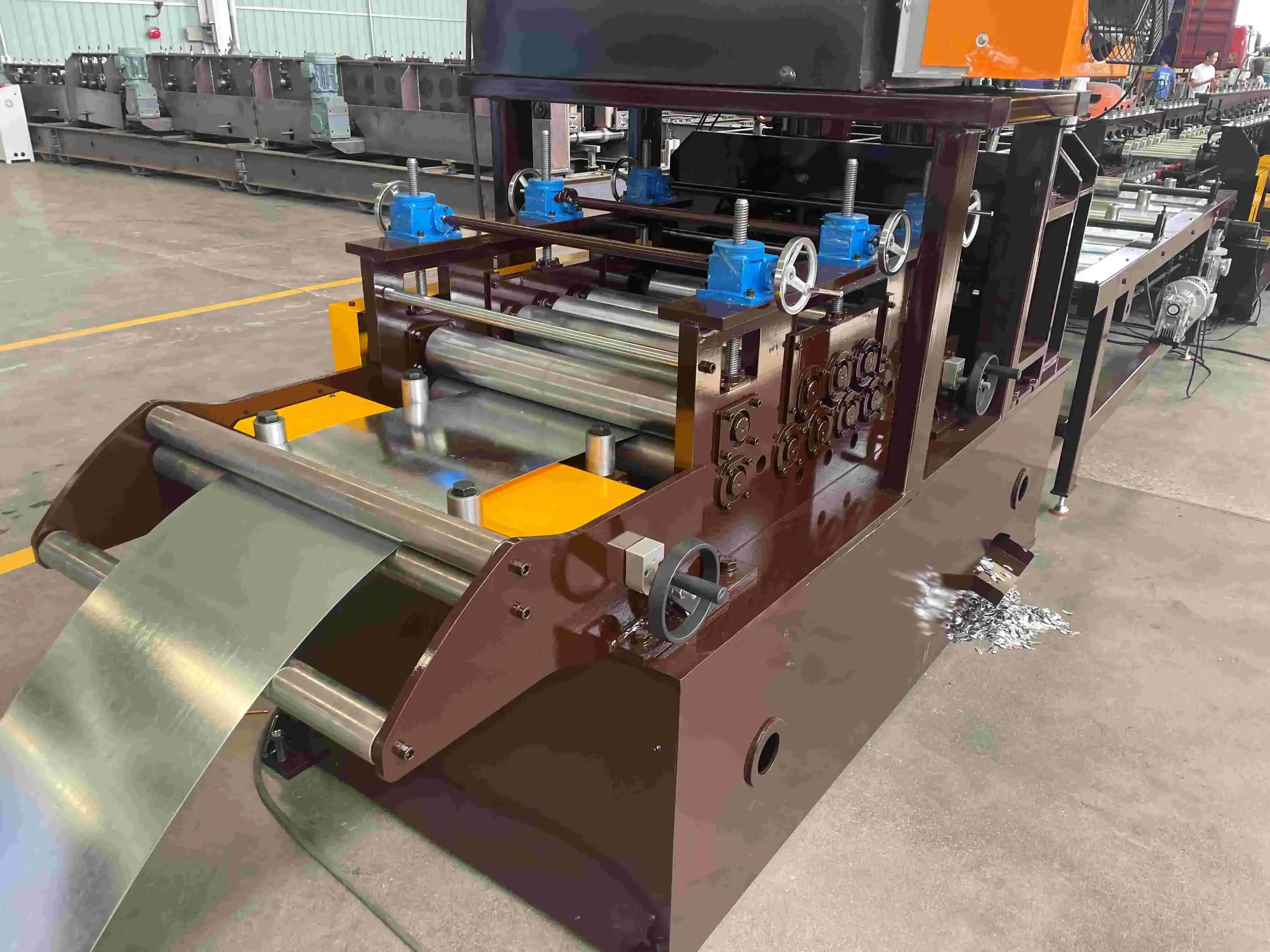
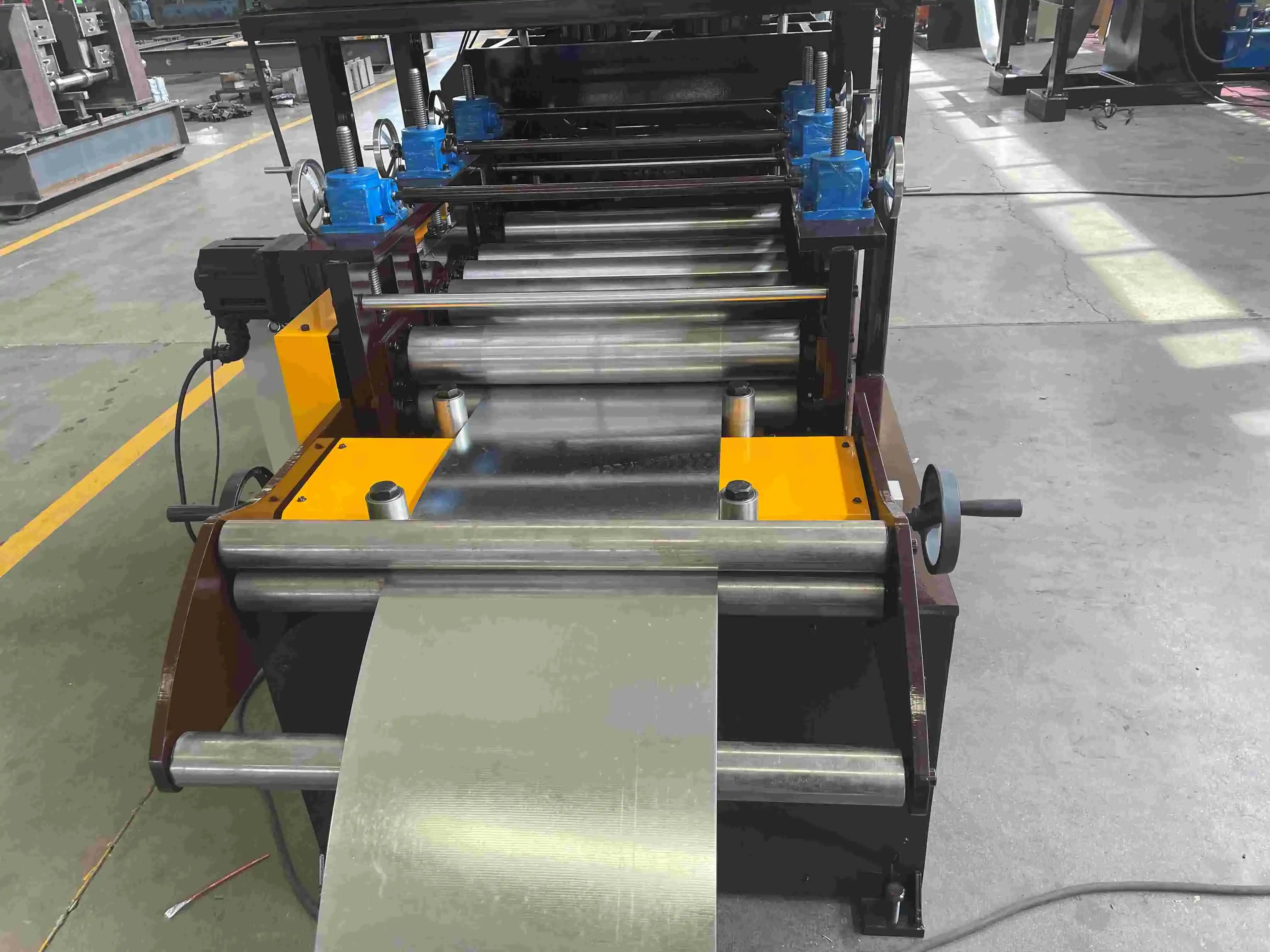
Through multi-roll setups, leveling devices get rid of coil set and surface flaws. These systems usually have between 5 and 7 leveling rolls that can be adjusted hydraulically. This lets the workers account for changes in the material's state and thickness. When you level the material correctly, the pressure is spread evenly across the width of the material.
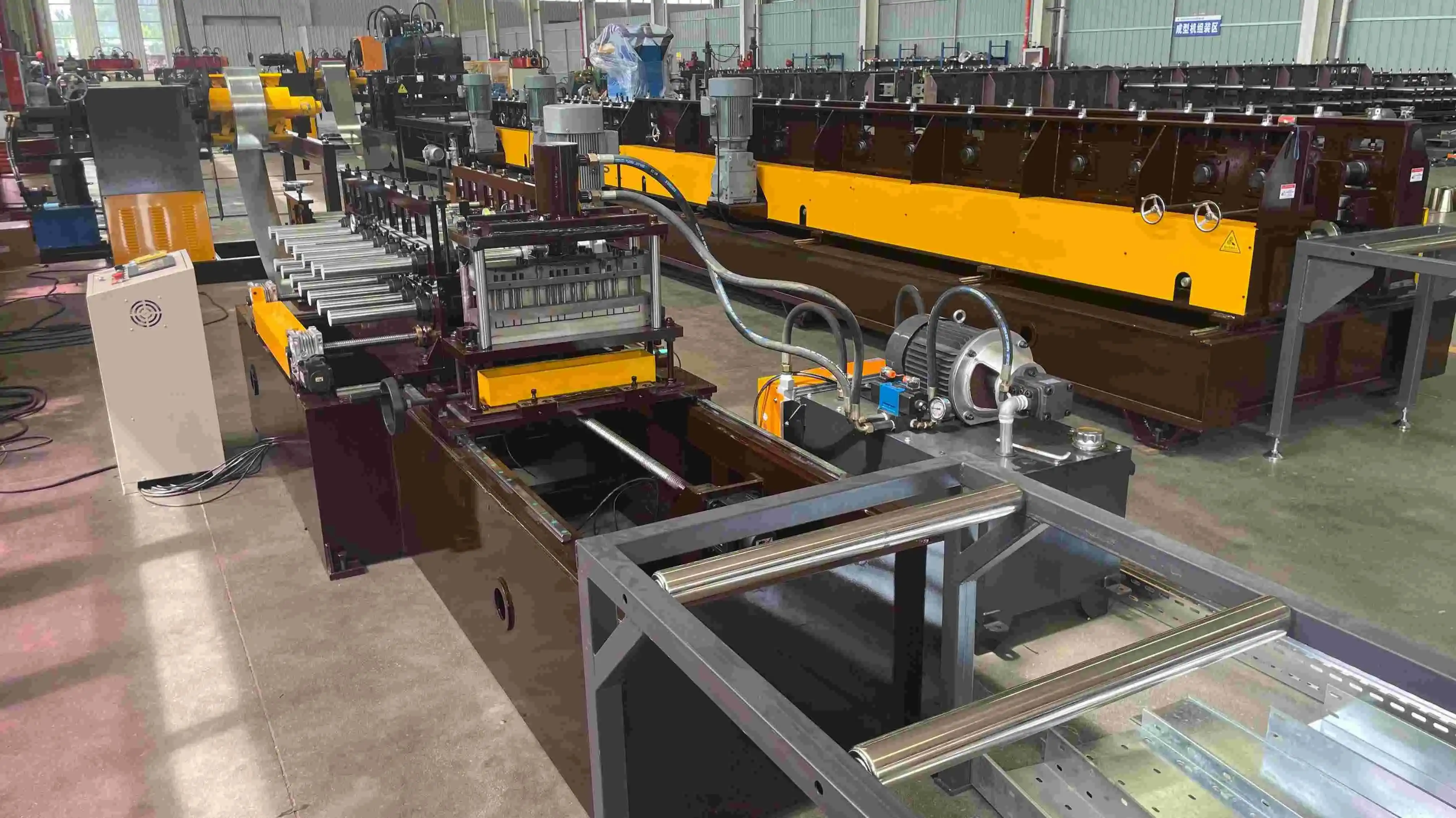
The most important part of making a cable tray is the forming section, which has roller units that make the material outline one step at a time. Each station has rollers that are precisely cut and placed on strong bearing systems that can handle constant production loads. Roller adjustments let you use trays of different sizes without having to make a lot of changes to the tools, which makes output more flexible.
Hydraulic or servo-driven tools are used in cutting devices to precisely control the length. Flying cut technology lets production go on without stopping, which increases output while keeping accuracy in measurements. For longer service life, blade materials usually use Cr12 tool steel that has a toughness value of HRC 56 to 58.
During the whole production process, quality control sensors keep an eye on important factors. Thickness gauges check that the material is consistent, and measurement monitors check that the shape is correct. When these tracking systems are connected to PLC control tools on the cable tray machine, production standards are immediately met.
Applications Across Industrial Sectors
Cable tray systems are used for many different things in many different industries. Each one has its own special needs when it comes to making accuracy and material choices. To protect sensitive fiber optic lines and high-frequency signal conductors, data center equipment needs to be very accurate in terms of size and surface finish.
Cable tray systems that can handle harsh conditions and temperature changes are needed in petrochemical sites. Heavy-gauge materials and special finishes that don't react with chemicals must be able to fit on manufacturing equipment. The roll-forming method makes sure that the structure stays strong, which is important for long-span setups with many support points.
Standardized wire tray designs are used for power transfer and communication systems in commercial building projects. The method of making the products must always produce reliable goods that meet the requirements of the building code for fire safety and structural performance. Using automated production methods ensures that quality standards are met.
Industrial manufacturing sites need wire management systems that can handle large amounts of electricity and make repair work easy. For cable box tools to work, the shapes must be strong enough to hold heavy cables while still remaining stable over long periods of time.
Installations of renewable energy, like solar and wind projects, need wire trays that are designed to work in outdoor settings. Different types of materials and surface processes that don't wear down or fade in UV light must be able to be used in manufacturing systems.
Selection Criteria for Manufacturing Equipment
To pick the right tools for making wire trays, you need to carefully consider the production needs, material requirements, and quality standards. The amount of production affects the size of the tools and the level of technology needed for activities to run smoothly.
Material suitability is an important decision factor because different uses need different steel types and thickness ranges. To make something, the machinery has to be able to handle the specifics of the material being used and keep the quality of the shaping across the whole width range. The shape and spacing of the rollers need to be optimized for the qualities of the material.
Flexibility in dimensions affects the choice of tools, especially when it comes to changing the width of trays and the shapes of profiles. Modern systems can quickly switch between different tray sizes, which cuts down on the time it takes to set up. Automated tuning systems cut down on the amount of work that needs to be done and speed up the switching process.
The complexity of the control system affects how well it works and how consistent the products are. Modern PLC systems let you keep a close eye on the whole process and change parameters automatically based on feedback from production. The general performance of a production line is affected by how well it can work with other industrial systems.
Service and support issues have a big effect on the long-term success of operations. Manufacturers of heavy equipment, including cable tray machines, should offer full technical help, extra parts, and training programs to make sure that work can continue. For foreign production to work, global service networks are necessary.
Quality Control and Testing Standards
Cable tray manufacturing demands rigorous quality control procedures, ensuring product compliance with international standards and application requirements. Dimensional verification processes monitor profile accuracy throughout production, utilizing precision measuring equipment calibrated to established standards.
Material testing protocols verify steel properties, including tensile strength, yield strength, and elongation characteristics. These tests ensure material compatibility with forming operations while confirming finished product performance capabilities. Surface coating verification checks galvanization thickness and adhesion properties essential for corrosion resistance.
Load testing procedures validate structural performance under specified loading conditions. These tests simulate actual installation conditions to verify design safety factors and structural integrity. Testing protocols follow established standards, including IEC 61537 and various national building codes.
Surface quality inspection identifies potential defects, including scratches, dents, or coating damage that could compromise product performance. Automated inspection systems utilize optical sensors to detect surface irregularities beyond acceptable tolerances. Quality documentation provides traceability throughout the manufacturing process.
Process validation confirms manufacturing consistency across production runs. Statistical process control methods monitor critical parameters to identify trends that could affect product quality. Preventive maintenance schedules ensure equipment performance stability, essential for consistent production quality.
Operational Efficiency and Cost Optimization
Maximizing operational efficiency requires strategic optimization of production parameters and maintenance procedures. Line speed optimization balances production throughput with quality requirements, considering material properties and forming complexity. Advanced control systems automatically adjust parameters to maintain optimal performance.
Material utilization optimization minimizes waste generation through precise length control and efficient coil planning. Automated nesting algorithms reduce material consumption while maintaining production schedules. Scrap recycling programs capture value from unavoidable waste materials.
Energy consumption management reduces operational costs through efficient motor selection and operational optimization. Variable frequency drives adjust motor speeds based on production requirements, reducing energy consumption during non-peak operations. Power factor correction systems optimize electrical efficiency.
Predictive maintenance programs utilize condition monitoring technology to optimize maintenance schedules based on actual equipment condition rather than predetermined intervals. Vibration analysis, oil analysis, and thermal monitoring identify potential issues before they affect production capability.
Operator training programs ensure efficient equipment utilization and proper maintenance procedures for the cable tray machine. Skilled operators maximize equipment capability while minimizing downtime due to operational errors. Continuous training updates maintain skills relevant to evolving technology and production requirements.
Maintenance and Troubleshooting Guidelines
Effective maintenance strategies ensure sustained production capability and equipment longevity. Preventive maintenance schedules address critical components, including bearing assemblies, hydraulic systems, and electrical components. Regular lubrication programs maintain roller bearing performance and prevent premature wear.
Roller maintenance procedures include periodic inspection for wear patterns and surface damage. Proper roller alignment prevents uneven wear and maintains forming quality. Roller replacement procedures ensure continued production capability while minimizing downtime.
Hydraulic system maintenance encompasses filter replacement, fluid analysis, and pressure testing. Clean hydraulic fluid ensures the reliable operation of cutting systems and adjustment mechanisms. Pressure accumulator inspection maintains system responsiveness during high-demand operations.
Electrical system maintenance includes connection inspection, control calibration, and safety system verification. Regular calibration ensures sensor accuracy, essential for quality control. Emergency stop system testing confirms operator safety protection capability.
Troubleshooting procedures address common production issues, including dimensional variations, surface defects, and cutting problems. Systematic diagnostic approaches identify root causes and implement corrective actions. Documentation procedures capture troubleshooting experience for future reference.
Conclusion
Cable tray roll forming technology continues advancing to meet evolving infrastructure demands across diverse industrial applications. Successful implementation requires careful equipment selection based on production requirements, material specifications, and quality standards. Modern manufacturing systems deliver exceptional efficiency through integrated automation and comprehensive process control. Investment in quality equipment, proper maintenance, and operator training ensures sustained competitive advantage in the growing cable management market.
Partner with ZTRFM for Your Cable Tray Manufacturing Needs
ZTRFM stands as your trusted Cable Tray Machine supplier, delivering innovative solutions backed by over a decade of manufacturing excellence. Our comprehensive equipment portfolio serves manufacturers worldwide with ISO9001 and CE-certified systems designed for reliable, high-precision cable tray production. Contact zhongtuorollforming@gmail.com to explore customized manufacturing solutions that optimize your production capabilities.
References
1. International Electrotechnical Commission. "Cable tray systems and cable ladder systems for cable management." IEC 61537:2006+AMD1:2012.
2. Zhang, L., & Wang, H. "Roll forming technology and applications in metal profile manufacturing." Journal of Materials Processing Technology, Vol. 298, 2021.
3. American National Standards Institute. "Cable Tray Installation Guidelines and Specifications." NEMA VE 1-2019.
4. Kumar, S. "Cold roll forming processes: Analysis and design optimization for industrial applications." Manufacturing Engineering Review, Vol. 45, No. 3, 2022.
5. European Committee for Standardization. "Cable management systems - Requirements and test methods." EN 61537:2007.
6. Thompson, R. & Martinez, C. "Automated manufacturing systems for electrical infrastructure components." Industrial Automation Quarterly, Vol. 18, Issue 2, 2023.
_1750323743240.webp)