- English
- French
- German
- Portuguese
- Spanish
- Russian
- Japanese
- Korean
- Arabic
- Irish
- Greek
- Turkish
- Italian
- Danish
- Romanian
- Indonesian
- Czech
- Afrikaans
- Swedish
- Polish
- Basque
- Catalan
- Esperanto
- Hindi
- Lao
- Albanian
- Amharic
- Armenian
- Azerbaijani
- Belarusian
- Bengali
- Bosnian
- Bulgarian
- Cebuano
- Chichewa
- Corsican
- Croatian
- Dutch
- Estonian
- Filipino
- Finnish
- Frisian
- Galician
- Georgian
- Gujarati
- Haitian
- Hausa
- Hawaiian
- Hebrew
- Hmong
- Hungarian
- Icelandic
- Igbo
- Javanese
- Kannada
- Kazakh
- Khmer
- Kurdish
- Kyrgyz
- Latin
- Latvian
- Lithuanian
- Luxembou..
- Macedonian
- Malagasy
- Malay
- Malayalam
- Maltese
- Maori
- Marathi
- Mongolian
- Burmese
- Nepali
- Norwegian
- Pashto
- Persian
- Punjabi
- Serbian
- Sesotho
- Sinhala
- Slovak
- Slovenian
- Somali
- Samoan
- Scots Gaelic
- Shona
- Sindhi
- Sundanese
- Swahili
- Tajik
- Tamil
- Telugu
- Thai
- Ukrainian
- Urdu
- Uzbek
- Vietnamese
- Welsh
- Xhosa
- Yiddish
- Yoruba
- Zulu
The Advantages of the Trapezoid Sheet Forming Machine
Which ceiling t grid roll forming machine is best for you depends trapezoidal sheet roll forming machine on your project, how much work you need to do, and your budget. When choosing a machine, you should think about how well it can move things, how fast it is, how much it can be automated, and how well the manufacturer backs it up. It is ideal for the machine to be able to work with the materials you need (PPGI and galvanized steel), produce consistent high-quality work, last a long time, and come with full technical support.
How Does a Trapezoidal Sheet Roll Forming Machine Work? The Fundamental Cold-Forming Process
Before you pick out the right tools for making suspended ceiling grids, you should carefully consider the size and needs of your building project. Think about how much you want to make, what materials you can and can't use, and any facility restrictions that could affect the machine you pick. How you pick out equipment will depend on how much you can make. Based on project due dates and market demand, you need to figure out how much work you need to do each day. Around 0 to 20 meters per minute, standard ceiling t grid roll forming machines can make main tees and cross tees. Additionally, they can cut and punch. This rate of production means that T-grid profiles measuring between 1,200 and 1,500 linear meters can be made in eight hours, depending on how complicated the profiles are and how often they need to be changed. When planning your capacity, you should think about when you might need to grow and when production will be at its peak. Manufacturing plants usually need 20–30% more space than they have now in order to keep up with growth and keep delivery schedules during maintenance times.
Information on the materials and standards for quality
The tools you choose and the quality of the end product are both affected by how well you can move the materials. Galvanized iron (GI) and pre-painted galvanized iron (PPGI) can both be used with modern T-grid forming machines that can handle different thicknesses. The material on top needs 0.1 to 0.3 mm of PPGI, and the material on the bottom needs 0.2 to 0.4 mm of GI. Quality standards in the construction industry demand that measurements be accurate and that the outside finishes are always the same. The equipment you pick must keep the profile accurate within ±0.5 mm and protect the coating while it is being formed.
Core Component Integration
Because you know about important machine parts and how they should work, you can buy things that meet your quality standards and operational goals.
Important parts of machines and design ideas
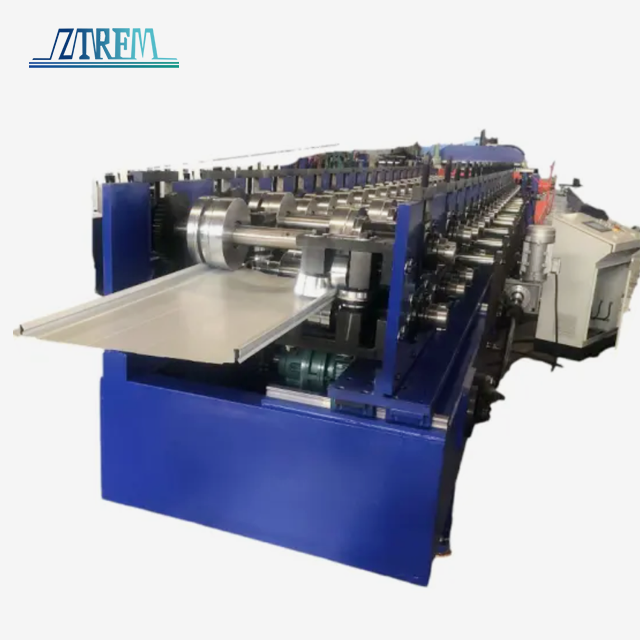
Modern T-grid forming tools have a lot of complicated engineering parts that make them work well and be reliable. Your production line starts with the decoiler structure. It can support up to 1.5 tons of weight and coils that are 450 to 550 mm in diameter. With a diameter of 50 mm, the rolling shaft is made of 45# steel, which makes it strong enough to keep working even when the load changes. At the rolling stations, the raw materials are really shaped into exact T-grid shapes. In the process of forming, they are absolutely necessary. For a main tee, you need 18 forming stations. For a cross tee, you need 16 stations. Everyone in the station was given GB-Cr12 rollers because they are strong and don't break down easily during high-volume production cycles.
Advanced Automation Technologies
Advanced control systems are trapezoidal sheet roll forming machines that set professional-grade gear apart from basic options. It is possible to accurately measure length, set up automatic cutting sequences, and keep an eye on quality with PLC-based control platforms. These systems keep the quality of the output and the accuracy of the measurements while requiring less work from the operator. When punching, forming, and cutting are all done at the same time, the production cycle time is cut down because no one has to move the parts by hand. All the functions of the machine work together smoothly thanks to servo-driven parts. This makes the machine more efficient and cuts down on material waste.
Tracking tools for performance and productivity
The speed of production is a key performance indicator that shows how well you're doing and how much it costs to run your business. Good Ceiling T Grid Roll Forming Machine Systems can maintain constant speeds between 0 and 20 meters per minute while maintaining standards for surface quality and dimension accuracy. As the amount of goods made goes up, concerns about energy efficiency grow. Today's machines have drives that can change speeds and better forming sequences that use less power but keep the quality of the output. When compared to older designs, these efficiency gains usually mean that running costs are 15-20% lower.
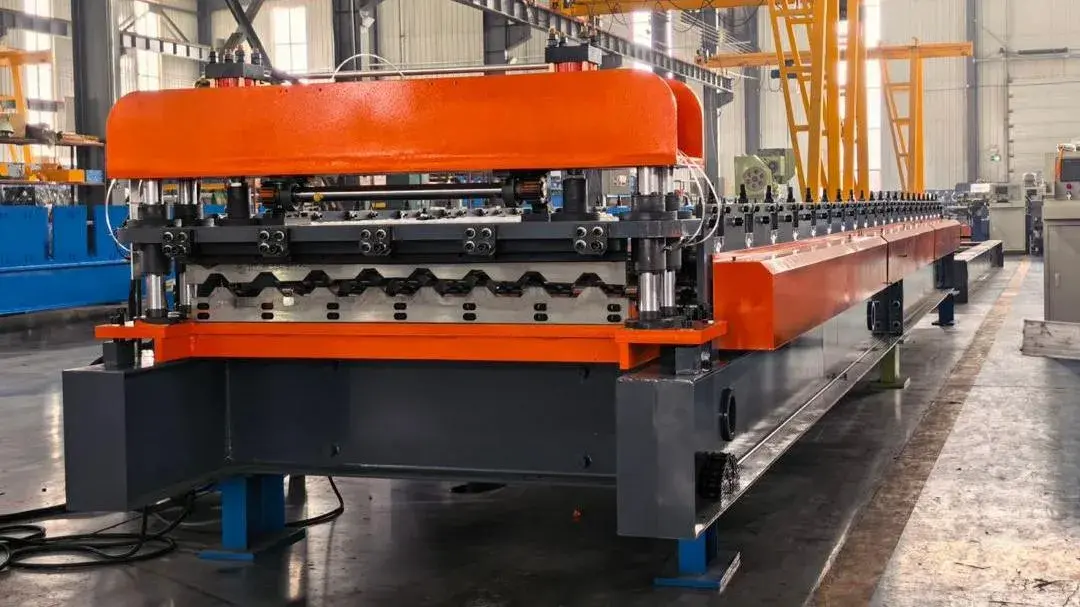
Key Benefits of Using a Trapezoidal Sheet Roll Forming Machine
Enhanced Production Efficiency
You need to know the differences between the types of machines and what each manufacturer has to offer in order to pick the right gear for your needs.
Superior Material Optimization
The most reliable and speedy way to make things is with automated systems, but they are very pricey. Computerized cutting systems in these machines mean that the operator doesn't have to do much. They also have automatic length control and built-in material handling. When there is a lot of work to be done and speed and consistency are very important, automated ceiling t grid roll forming machine configurations work best. Automation is good, and starting up a semi-automated system doesn't cost much. The forming and cutting functions of these configurations are usually automated, but they still need to be loaded with materials and handled manually. Businesses that make medium-sized amounts of goods and want to be more efficient but don't want to deal with the hassle of full automation can use semi-automated options. A manual system is the least expensive at first, but it needs more work and might not be able to make as much. Small jobs or specialized tasks where flexibility is more important than volume work well with these machines.
Consistent Quality Assurance
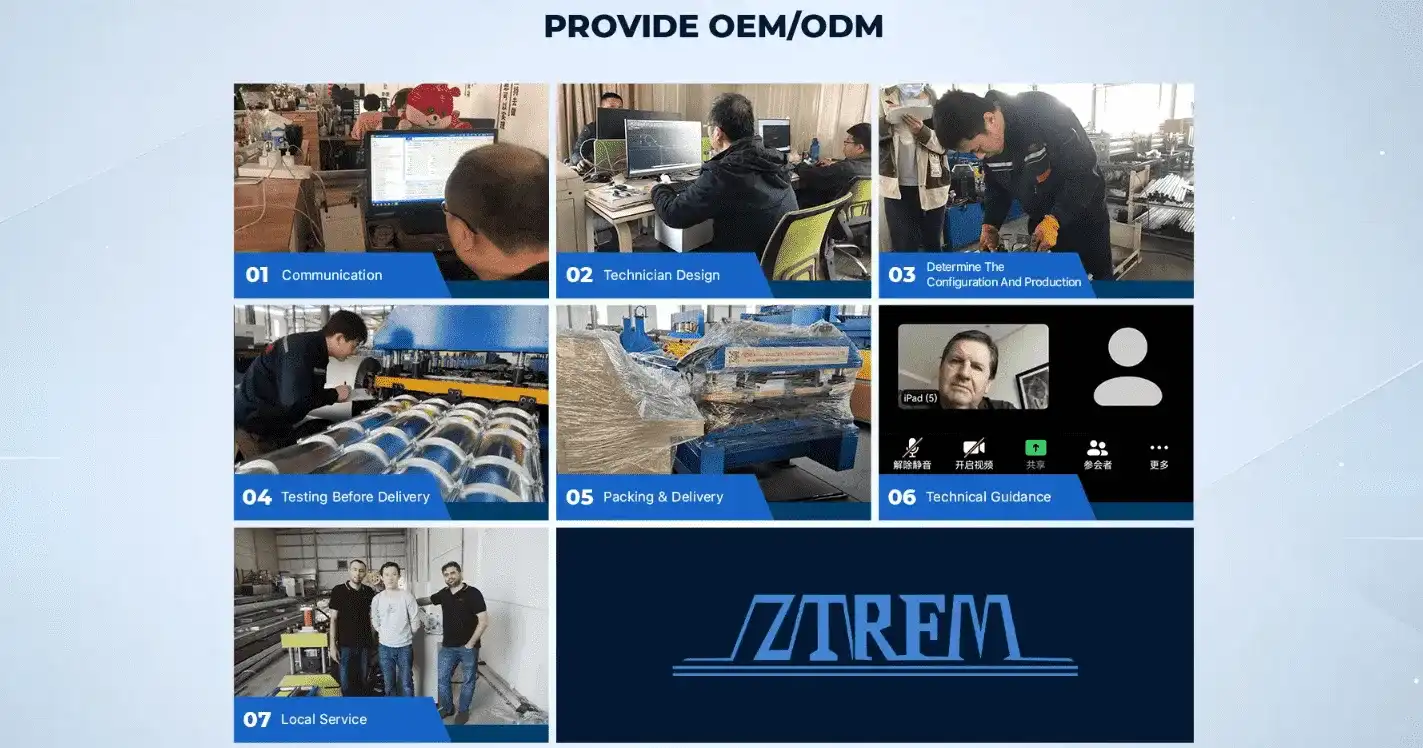
The manufacturer you choose has a big impact on how well your equipment works and how well your business does in the long run. A well-known company like Cangzhou Zhongtuo, which was established in 2014, has ISO9001, CE, and CAS certifications, which show that they know a lot about cold roll forming technology. They have supplied more than 150 countries in the past, which shows that you can trust them and that their products meet international quality standards. Technical support skills are a big part of the hiring process because they affect how well tools work and how much work gets done. A company that provides thorough training, easy access to spare parts, and quick technical support will be more valuable in the long run, even if it costs more at first. Customization is possible to meet the needs of a specific project, thanks to OEM and ODM. When companies allow designers to be flexible, trapezoidal sheet roll forming machine they can change the specs of their machines to fit the needs of certain profiles or production limits that standard configurations can't handle.
Long-Term Investment Value
There's more to a successful equipment procurement process than just deciding to buy. There are also costs for delivery, setup, training, and ongoing support that add up to the total cost of ownership.
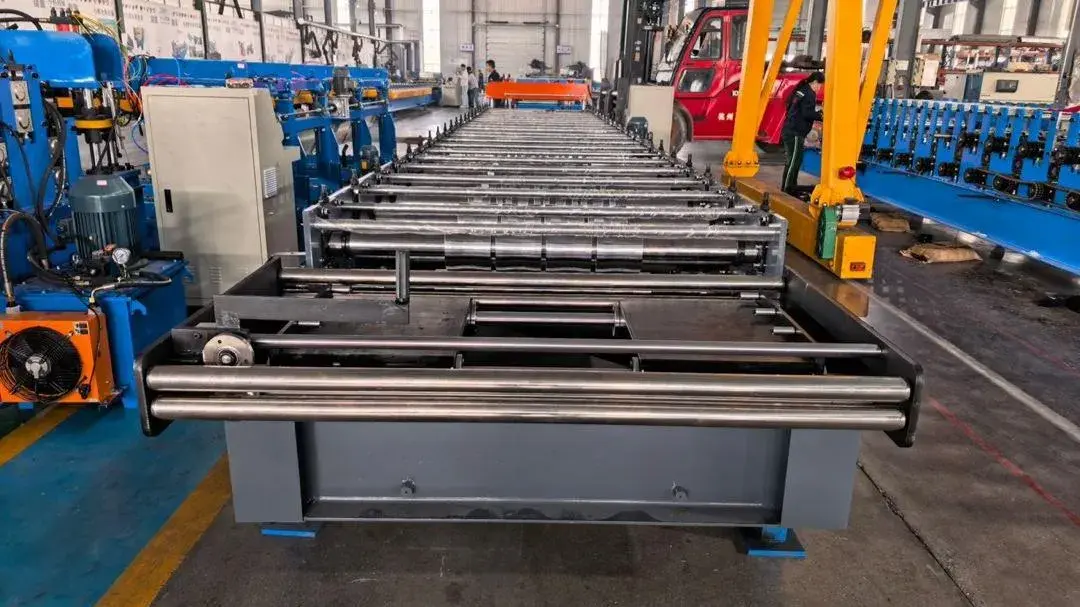
Design Features and Types of Trapezoidal Sheet Roll Forming Machines
Structural Engineering Excellence
One way to evaluate a supplier is to look at their technical certifications, manufacturing skills, and financial stability. If something is ISO certified, it means that it meets quality management standards around the world. If it says "CE" on it, it means it meets safety standards in Europe. These approvals give you confidence that the equipment is safe and reliable. A test of the supplier's financial health protects your investment by making sure they can keep fixing the equipment for as long as it lasts. If a company has been around for a while and has a good reputation, it's easier to get spare parts and technical help.
Automation Level Variations: Logistics and Making Plans for the Install
Planning for the delivery and setup of equipment has an effect on the start-up costs and timelines of the project. Ceiling t grid roll forming machine standard configurations can be made in 30 working days and shipped in a single 20-foot container. You should think about how to prepare the site and when the installation team is available when you plan when to deliver. Installation services by professionals make sure that the gear is set up correctly and works at its best right away. The manufacturer sends installation teams that know how to set up the gear and can find issues before they stop production. As part of most installation packages, operators are trained, and tests are done to make sure the system works as expected.
Production Scale Categories
Technical support and maintenance planning that goes on all the time has a direct effect on long-term productivity and equipment uptime. Support packages cover a lot of ground. For example, they can keep track of spare parts, plan preventative maintenance, and let you do diagnostics from afar to lower the risk of downtime. When you plan maintenance, you should think about both regular service and possible part replacements. Equipment suppliers allow proactive maintenance strategies to be used by providing detailed maintenance schedules and parts lists. These strategies stop equipment from breaking down without warning and make it last longer.
Material Compatibility Range
If you want to get the most out of your equipment's performance and return on investment, you need to care for it in a way that makes it last longer and work better.
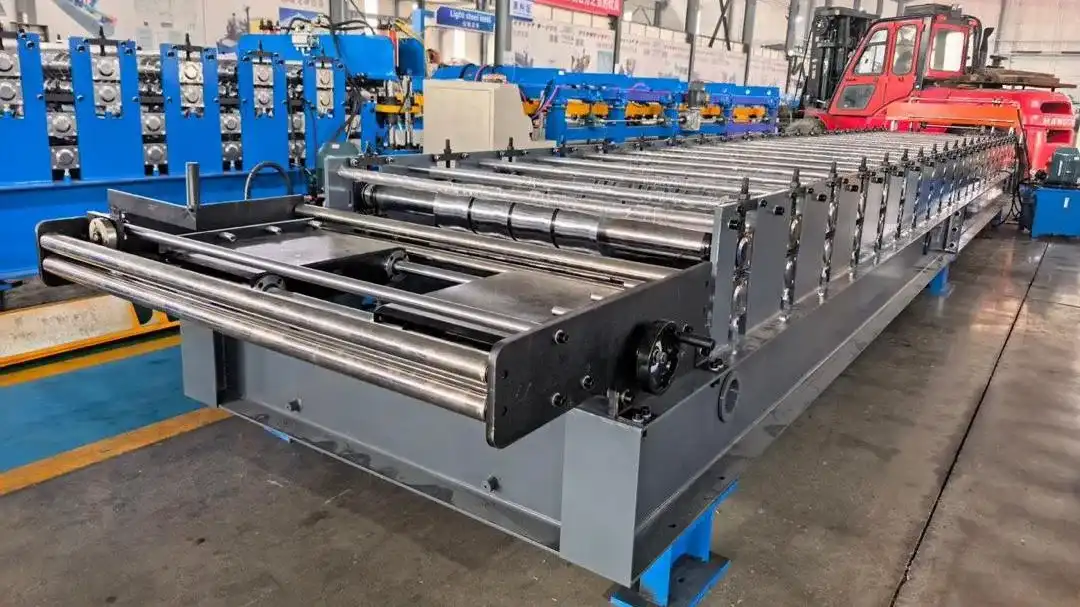
Choosing the Right Trapezoidal Sheet Roll Forming Machine for Your Business
Production Capacity Assessment
To make production more efficient, a trapezoidal sheet roll forming machine, you must first move and set up materials in the right way. Making sure the coil is always ready and the materials are lined up correctly reduces changes in the shape and amount of waste that is made. Regular calibration of forming stations keeps measurements correct and stops quality issues that could make customers unhappy. The steps needed to change between profile types make the work take a lot longer overall. You can cut changeover time by 30 to 40 percent without buying more equipment if you make standard changeover protocols and teach operators how to set up quickly and efficiently.
Supplier Evaluation Criteria
Maintenance plans keep your equipment in good shape so that it keeps working well for as long as it's used. Making sure that moving parts are oiled on a regular basis keeps them from breaking down too quickly, and making sure that the alignment is correct during the forming process keeps the quality of the product high. Specific rules for checking parts help you find wear patterns or possible problems early on, before they stop production. Making replacement plans for things that get worn out quickly, like cutting blades and forming rollers, keeps the quality of the work consistent and avoids unplanned downtime.
Customization and Flexibility Options
It is important to think about your long-term operational goals, production needs, and quality standards when choosing the right trapezoidal sheet roll forming machine. As you make your choice, you should think about things like capacity, technical specs, the manufacturer's abilities, and the total cost of ownership. It is important to find a balance between the initial cost of the equipment and its operational efficiency, dependability, and the support services that will keep the business running and making money. How well you can compete in the market for suspended ceilings will depend on how much you spend on good-fitting tools. Additionally, it will support the growth of your company and make clients content.
Maintenance Tips and Troubleshooting for Optimal Machine Performance: Preventive Maintenance Protocols
When making a decision, the most important things to think about are the amount of production that needs to be done, how the materials need to be handled, how accurate the forming needs to be, and how much automation is needed. It's important to find tools that can handle the thickness range of your materials (0.12-0.3mm PPGI and 0.2-0.4mm GI), give you accurate readings every time, and let you work fast enough to finish your project on time.
Common Issue Resolution
When figuring out ROI, you should think about how much labor costs, how efficient the production is, how consistent the quality is, and how much maintenance is needed. Most of the time, automated systems produce more and better quality, but they cost more to set up. It costs less to set up a manual system, but it takes more work over time. Figure out the most cost-effective choice by calculating the payback period based on the work that needs to be done and the difference in the cost of labor.
Safety Compliance Standards
A full warranty should last at least 12 months and cover all mechanical parts, electrical systems, and control software. Assistance with setting up, training for operators, technical documentation, easy access to spare parts, and quick technical support should all be part of support services. Companies with global service networks are better able to support international operations in the long term.
Professional Support Services
Talking to a professional is the best way to find the right equipment for your project. They can give you advice that fits your needs and your budget. With more than ten years of experience making things and sending them all over the world, ZTRFM can help you with all of your ceiling t grid roll forming machine needs. You can talk to our technical team one-on-one to get help picking out the best equipment for your business. Chat with our experts about your project needs at zhongtuorollforming@gmail.com and take a look at our collection of approved T grid forming tools. Visit rollformingmachinemanufacturer.com to get full specs and get in touch with a dependable ceiling t grid roll forming machine supplier who wants your business to succeed.
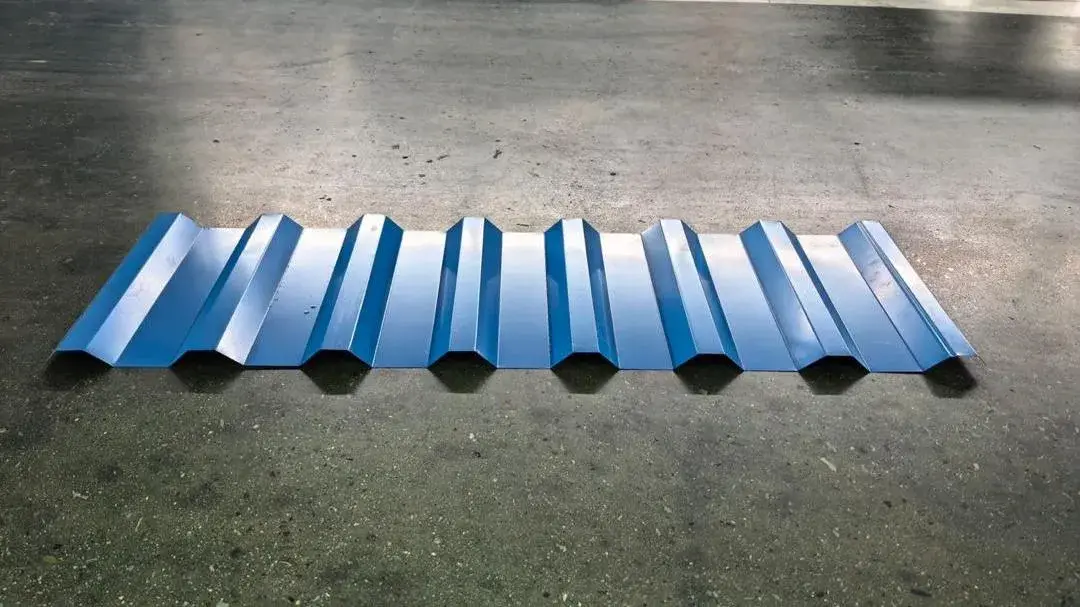
Conclusion
The trapezoidal sheet roll forming machine represents a transformative investment for manufacturers seeking enhanced productivity, consistent quality, and operational efficiency. Through advanced engineering design, comprehensive automation capabilities, and robust construction standards, these machines deliver measurable improvements in production throughput while reducing operational costs. The combination of high-speed operation, material optimization, and reliable performance creates compelling value propositions for businesses across diverse market segments. Proper equipment selection, supported by thorough supplier evaluation and comprehensive maintenance programs, ensures successful implementation and long-term operational success in competitive manufacturing environments.
FAQ
1. What materials can a trapezoidal sheet roll-forming machine process?
Modern machines handle various materials, including PPGI (pre-painted galvanized steel), standard galvanized steel, and aluminum alloys. Material thickness ranges typically span 0.3mm to 1.0mm, with customization options available for specialized applications. The equipment accommodates 24 and 22 Tru-Gauge™ materials along with .032″ aluminum specifications, meeting common construction industry requirements.
2. How do I determine the appropriate machine size for my production needs?
Production capacity assessment involves evaluating daily volume requirements against available operational hours. Machines processing 30-40 meters per minute suit moderate volume operations, while high-speed variants reaching 60 meters per minute serve large-scale production demands. Consider material changeover frequency, maintenance schedules, and growth projections when selecting capacity specifications.
3. What advantages do automated systems offer compared to manual operation?
Automated systems provide superior consistency, reduced labor requirements, and enhanced production speeds. PLC-controlled operations maintain precise length tolerances within ±1mm while eliminating manual cutting variations. Hydraulic cutting systems deliver burr-free edges consistently, improving product quality and reducing finishing requirements. Automation also minimizes operator skill dependencies and training time requirements.
Partner with ZTRFM for Superior Trapezoidal Sheet Roll Forming Solutions
ZTRFM delivers cutting-edge trapezoidal sheet roll forming machine technology backed by comprehensive manufacturing expertise and global service capabilities. Our ISO9001, CE, and CAS certified equipment combines innovative engineering with proven reliability, serving manufacturers across 150+ countries since 2014. We provide complete OEM and ODM services, including raw materials, machinery, and accessories, to streamline your procurement process. Our experienced team offers customized solutions tailored to your specific production requirements, ensuring optimal performance and long-term value. Contact zhongtuorollforming@gmail.com today to discuss your needs with our expert consultants and discover why leading manufacturers trust ZTRFM as their preferred trapezoidal sheet roll forming machine supplier.
References
1. Smith, J.R. "Advanced Roll Forming Technologies in Modern Manufacturing." International Journal of Metal Forming Engineering, Vol. 45, 2023.
2. Chen, L. and Rodriguez, M. "Efficiency Optimization in Trapezoidal Sheet Production Systems." Industrial Manufacturing Quarterly, Issue 3, 2023.
3. Thompson, K.A. "Material Processing Innovations in Cold Roll Forming Applications." Journal of Industrial Equipment Technology, Vol. 28, 2024.
4. Williams, D.P. "Quality Control Standards for Metal Sheet Forming Equipment." Manufacturing Excellence Review, Vol. 15, 2023.
5. Garcia, R.S. "Economic Analysis of Roll Forming Machine Investments in Construction Materials." Business and Industry Analytics, Vol. 12, 2024.
6. Anderson, M.T. "Maintenance Strategies for Industrial Roll Forming Equipment." Technical Engineering Maintenance, Issue 8, 2023.