- English
- French
- German
- Portuguese
- Spanish
- Russian
- Japanese
- Korean
- Arabic
- Irish
- Greek
- Turkish
- Italian
- Danish
- Romanian
- Indonesian
- Czech
- Afrikaans
- Swedish
- Polish
- Basque
- Catalan
- Esperanto
- Hindi
- Lao
- Albanian
- Amharic
- Armenian
- Azerbaijani
- Belarusian
- Bengali
- Bosnian
- Bulgarian
- Cebuano
- Chichewa
- Corsican
- Croatian
- Dutch
- Estonian
- Filipino
- Finnish
- Frisian
- Galician
- Georgian
- Gujarati
- Haitian
- Hausa
- Hawaiian
- Hebrew
- Hmong
- Hungarian
- Icelandic
- Igbo
- Javanese
- Kannada
- Kazakh
- Khmer
- Kurdish
- Kyrgyz
- Latin
- Latvian
- Lithuanian
- Luxembou..
- Macedonian
- Malagasy
- Malay
- Malayalam
- Maltese
- Maori
- Marathi
- Mongolian
- Burmese
- Nepali
- Norwegian
- Pashto
- Persian
- Punjabi
- Serbian
- Sesotho
- Sinhala
- Slovak
- Slovenian
- Somali
- Samoan
- Scots Gaelic
- Shona
- Sindhi
- Sundanese
- Swahili
- Tajik
- Tamil
- Telugu
- Thai
- Ukrainian
- Urdu
- Uzbek
- Vietnamese
- Welsh
- Xhosa
- Yiddish
- Yoruba
- Zulu
The Ultimate Guide to PBR Roofing Roll Forming Machines
A PBR roll former is the most important piece of equipment for modern metal production shops that want to make high-quality roofing panels. These special tools take raw metal strips and turn them into Purlin Bearing Rib panels that are perfectly designed to last and keep their shape in bad weather. Manufacturers can make smart choices that affect production speed, product quality, and long-term profits in today's competitive roofing market when they understand the ins and outs of PBR roll forming technology.
Understanding PBR Roll Formers: Technology and Benefits What Makes PBR Roll Forming Technology Unique
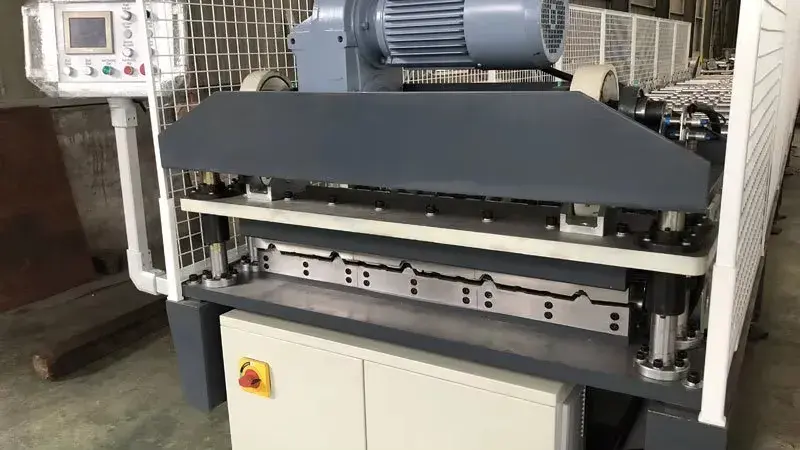
A PBR roll former is a high-tech industrial cold-roll making machine designed to make Purlin Bearing Rib panels from metal strips, usually galvanized steel, Galvalume, or aluminum that has already been painted. Unlike regular R-panel machines, these ones make profiles with an extra purlin-bearing leg on one side. This makes sure that roof structure systems are fully supported when panels meet.
Continuous making machines are used in this technology to make the panel shape very precise. Modern units can bend metal at speeds of 15 to 20 meters per minute, which greatly reduces the amount of work that needs to be done and the amount of scrap metal that is produced. This productivity is especially helpful for big pre-engineered metal building jobs where speed and accuracy are key to success.
Core Advantages That Drive Industry Adoption
Advanced PBR roll forming tools are useful for a lot more than just making panels. Here are the most important reasons why current producers can't do without these machines:
- Better structural performance: panels can span farther between purlins with deep triangular ribs that are usually 1-1/4 inches high compared to short profiles, which lowers the total structural needs.
- Better weather sealing: Precise tools make exact gaps that stop water from siphoning, getting rid of a frequent spot where generic corrugated panels fail.
- More efficient production: continuous making processes take the place of human tasks that require a lot of work while keeping the quality the same over thousands of linear feet.
- Material Optimization: New roller arrangements cut down on waste by precisely shaping materials, which gets rid of the need for extra steps.
Roofing system makers have a lot of problems that need to be fixed every day. These benefits directly help them with those problems, turning production problems into competitive advantages through reliable automation and consistent output quality.
Technical Specifications That Matter
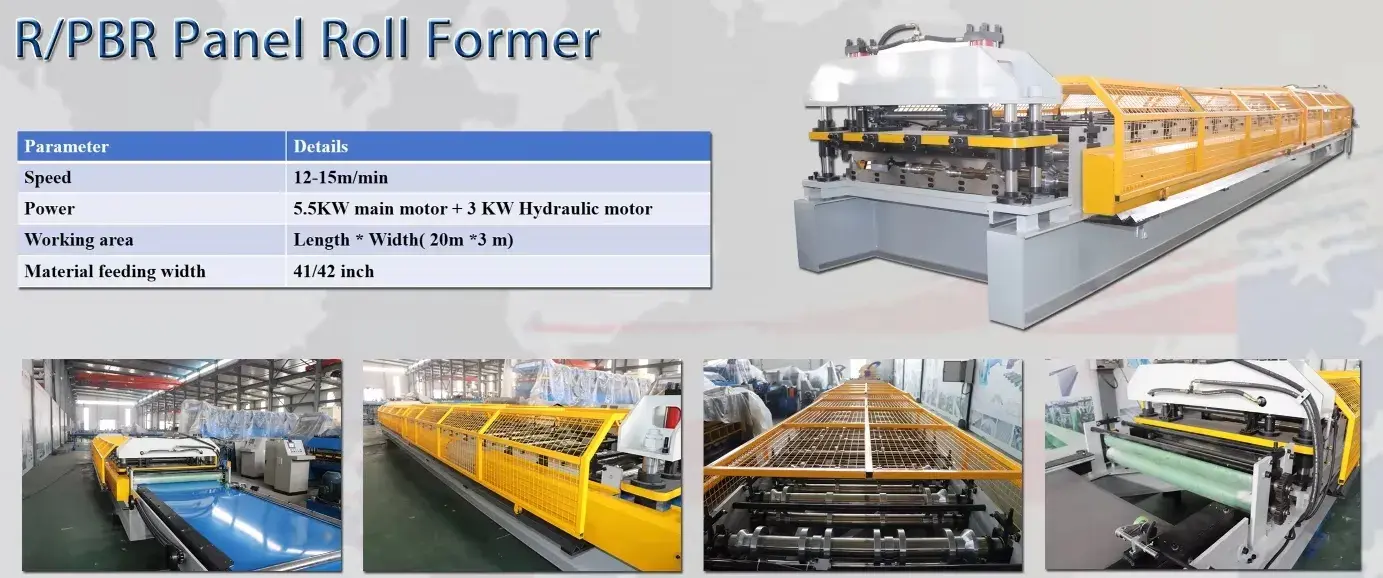
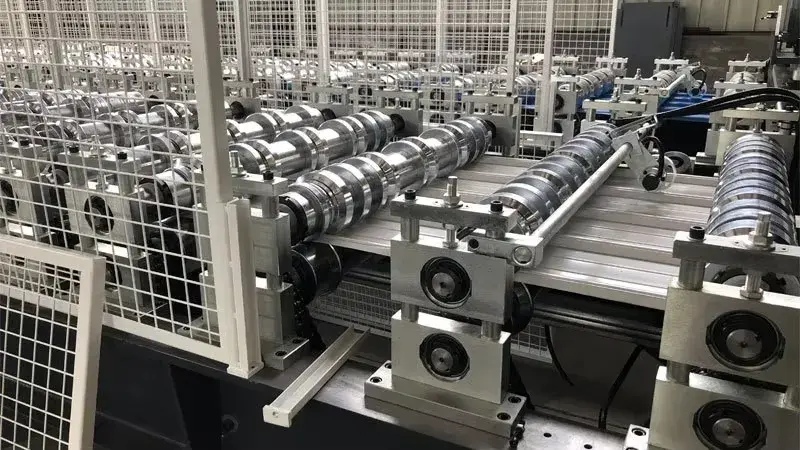
Good PBR roll forming systems are built to last and are made to meet strict engineering standards for ongoing industrial use. Standard models have 19 roller stations that can gradually shape high-tensile steel up to 26 gauge without affecting the structure of the finish. Heavy loads can't bend the roller shafts because they are made of solid 80 mm diameter high-grade 45# cast steel.
Rollers made from high-quality materials, reduced to an HRC 58–62 hardness, and hard-chrome-plated for best wear protection are all parts of advanced machinery. The frame of the machine is made up of 350 mm H-beams and 20 mm welded steel middle support plates. This makes sure that the machine stays stable while it's running at high speeds. Gear and double-chain transmissions are used in drive systems to make sure that all forming stations get the same amount of power.
Comparing PBR Roll Formers with Traditional and Other Systems
Performance Analysis Against Conventional Roll Forming Equipment
Traditional roll forming tools have a hard time with the complicated shape needed to make PBR panels, including the PBR roll former. This causes measurements to be off and more material to be wasted. Standard tools can usually make 8 to 12 meters per minute, but new PBR roll former systems can regularly make 15 to 20 meters per minute without lowering the quality.
When checking panel overlays, the difference in accuracy is clear: PBR-specific tools keep margins within ±1 mm for width and ±2 mm for length. This level of accuracy makes sure that the panels are properly nestled during installation. This keeps the weather from getting in and causes structural problems that happen with projects that use regular-shaped panels.
Cost-Effectiveness Analysis for Different Production Scenarios
A study of investments shows that sites that switch to specialized PBR roll-making technology will benefit greatly in the long run. Initial equipment prices may be 20–30% higher than standard systems, but operational savings from lower scrap rates, faster switching times, and less upkeep needs usually cover the cost of the equipment within 18–24 months of continued operation.
Comparing how much energy different generations of PBR systems use shows that newer systems use about 15% less power per linear foot of final output. This increase in productivity comes from better drive systems and less forming force being needed because of the smart roller design.
Leading Technology Trends in 2024
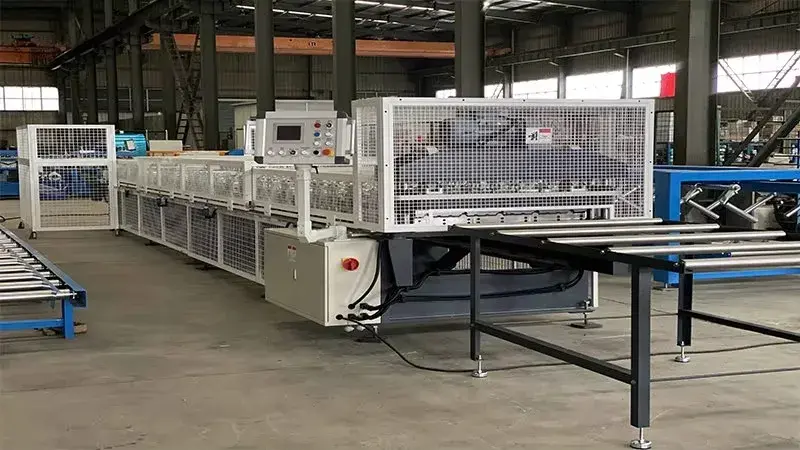
The current changes in the market are mostly about integrating technology and being able to do predictive repair. Modern PLC systems have quality tracking that works in real time and changes the making settings automatically when the thickness of the material changes. When working with high-strength steels, hydraulic post-cutting systems with Cr12MoV blades make sure that the panels stay flat and the cuts are clean.
Manufacturers can keep track of production data and repair plans across various facilities with the help of remote tracking. These new ideas are especially helpful for foreign engineering firms and EPC providers that need to make sure that their equipment works the same way in different places.
How to Choose the Right PBR Roll Former for Your Business?
Evaluating Production Requirements and Capacity Needs
You should know how many rolls you need to make and your goals before you look for the best PBR roll maker. Smaller ways that are easy to change might work better for places that make less than 10,000 square feet per month. What about tools that can make over 50,000 square feet a month? They need to be strong and have more ways to automate tasks.
Also, think about how thick the stuff can get. When you work with 24- to 26-gauge steel, the normal ways of doing things work well. When working with big gauges up to 22 gauge, however, centers need better roller designs and more engine power. Learn how to work with different types of steel, like treated steel, Galvalume, and metal that has already been painted. This will help you get more business. But you need the right tools to do this.
Quality Assessment and Supplier Evaluation Criteria
Professional quality control uses strict checking methods to make sure that products are stable over time and are accurate. One important part of the evaluation process is checking the roller run-out using gear indicators to make sure that the shaft quality is within 0.05 mm. Hydraulic shear systems need to be tested for gap clearance to make sure they cut cleanly without leaving burrs or deformed panel ends.
Verification of material strength is needed to make sure that tools last a long time. Portable hardness testing shows that the right amount of heat was applied to reach HRC 58–62 standards. This guarantees that the roller will work well after working thousands of meters of coil material. Load testing procedures should show that the system can run at full speed for long amounts of time without stopping, and the temperature of the hydraulic system should be kept an eye on.
Investment Analysis and ROI Considerations
A full cost-benefit study takes into account the original cost of the equipment, its running costs, and its long-term upkeep needs. Premium systems usually cost between $45,000 and $85,000, but this depends on how automated they are and how much customizing is needed. But the total cost of ownership estimate needs to take into account increases in efficiency, less work that needs to be done, and less waste.
Options for financing and guarantee coverage have a big effect on the choice to spend on a PBR roll former. Reliable providers give full guarantee packages that cover all important parts for 12 to 24 months. For critical work settings, longer service agreements are also available. Technical training and help with installation are very helpful, especially for places that haven't done much roll making before.
Maintenance, Troubleshooting, and Longevity Tips
Preventive Maintenance Protocols for Maximum Uptime
Effective maintenance scheduling begins with daily inspection routines focusing on roller alignment, lubrication levels, and hydraulic system pressure. Weekly procedures include detailed examination of drive chain tension, cutting blade condition, and safety system functionality. Monthly maintenance involves comprehensive roller inspection for wear patterns and precision measurement verification.
Lubrication schedules play a crucial role in extending equipment lifespan. High-quality bearing grease applied according to manufacturer specifications prevents premature roller failure and maintains smooth operation under heavy loads. Hydraulic fluid monitoring ensures consistent cutting performance while preventing system contamination that leads to costly repairs.
Common Issues and Diagnostic Procedures
Production teams encounter typical challenges related to panel quality and dimensional consistency. Wave formation in finished panels often indicates improper roller adjustment or excessive forming speed. Systematic troubleshooting involves checking roller gaps, verifying material feed tension, and confirming drive synchronization across all forming stations.
Cutting quality problems frequently stem from blade wear or improper clearance settings. Regular blade inspection and replacement according to usage guidelines maintains clean cuts and prevents material edge damage. Hydraulic pressure monitoring identifies system issues before they affect production quality.
Service Partnership and Technical Support Strategies
Building relationships with qualified service providers ensures a rapid response to technical issues and access to genuine replacement parts. Comprehensive service agreements typically include preventive maintenance visits, emergency repair support, and technical consultation for production optimization. These partnerships prove particularly valuable for facilities operating multiple shifts or serving time-sensitive markets.
Training programs for maintenance personnel enhance internal capabilities while reducing dependence on external service providers. Qualified suppliers offer hands-on training covering routine maintenance procedures, troubleshooting techniques, and safety protocols. This knowledge transfer empowers production teams to maintain peak equipment performance independently.
Trusted Suppliers, Brands, and After-Sales Support
Global Manufacturer Landscape and Market Leaders
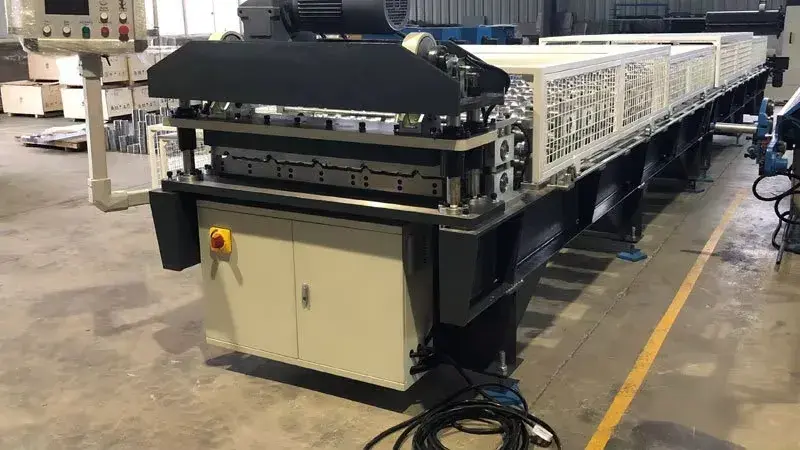
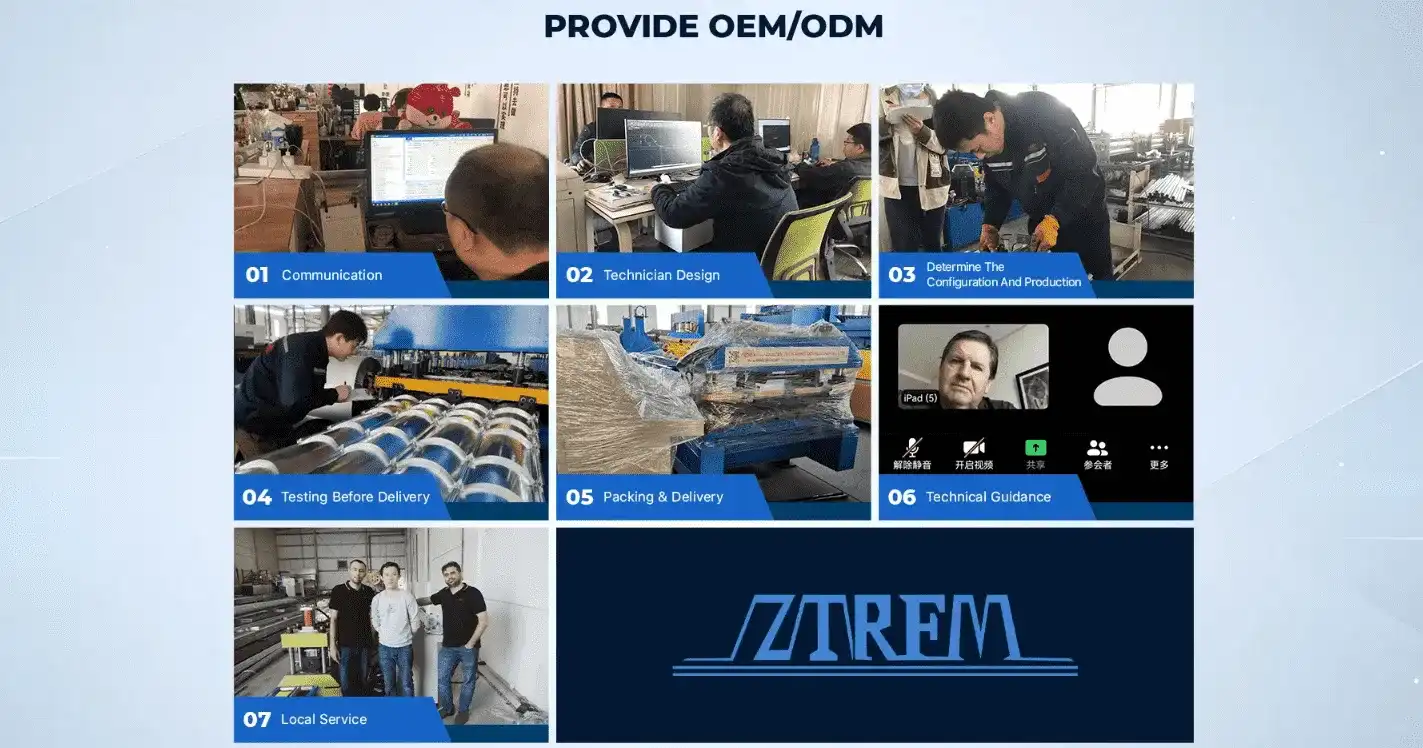
The PBR roll forming equipment market features several established manufacturers with proven track records in industrial automation and precision machinery. Cangzhou Zhongtuo, founded in 2014, exemplifies the modern approach to roll forming technology with comprehensive OEM, ODM, and one-stop service capabilities. Their ISO9001, CE, and CAS certifications demonstrate a commitment to quality standards required for international markets.
Market leaders distinguish themselves through extensive global delivery experience, technical innovation, and comprehensive after-sales support networks. Companies serving over 150 countries typically maintain regional service centers and local parts distribution, ensuring rapid response times for critical production environments. This global presence becomes particularly important for EPC companies and international engineering firms requiring standardized equipment deployment.
Supplier Evaluation and Partnership Criteria
Professional procurement processes evaluate suppliers based on technical capabilities, financial stability, and service infrastructure. Authorized dealership networks provide additional confidence through manufacturer backing and standardized service protocols. OEM collaboration opportunities enable customization for specific production requirements while maintaining warranty coverage and technical support.
Customer references and case studies offer valuable insights into real-world performance and supplier reliability. Established manufacturers readily provide contact information for similar installations, allowing direct communication with experienced users. This transparency indicates confidence in product performance and customer satisfaction levels.
After-Sales Service Excellence and Global Support
Comprehensive after-sales support encompasses installation assistance, operator training, and ongoing technical consultation. Premium service packages include remote monitoring capabilities, predictive maintenance scheduling, and priority parts availability. These services prove essential for maintaining competitive production schedules and minimizing unplanned downtime.
Global service networks ensure consistent support quality regardless of installation location. Regional service centers staffed with factory-trained technicians provide rapid response for emergency repairs and routine maintenance. Parts availability through local distribution reduces shipping delays and inventory carrying costs for production facilities.
Conclusion
The selection and implementation of appropriate PBR roll former technology represents a strategic investment that impacts production efficiency, product quality, and long-term competitiveness in the metal roofing industry. Understanding the technical specifications, operational requirements, and supplier capabilities enables informed decision-making that aligns equipment capabilities with business objectives. Modern PBR roll forming systems deliver measurable advantages through enhanced precision, increased production speeds, and reduced operational costs compared to traditional forming methods. Success depends on thorough evaluation of production requirements, careful supplier selection, and commitment to proper maintenance protocols that ensure sustained performance throughout the equipment lifecycle.
FAQ
1. What is the typical delivery time for a PBR roll former?
Standard delivery times range from 6 to 8 weeks for conventional configurations, while customized systems may require 10 to 12 weeks, depending on specification complexity. Suppliers with established manufacturing capacity and component inventory can often expedite delivery for urgent requirements. International shipping adds 2-3 weeks for ocean freight or 1-2 weeks for air transport.
2. Can PBR roll formers be customized for specific panel profiles?
Most reputable manufacturers offer extensive customization capabilities for panel width, rib height, and profile geometry. Tooling modifications accommodate specific architectural requirements or regional building standards. Custom configurations typically require additional engineering time and may affect warranty terms, so detailed specifications should be confirmed during the quotation process.
3. What warranty coverage is standard for PBR roll forming equipment?
Industry standard warranty coverage includes 12 months for major components, including drive systems, hydraulic components, and structural elements. Premium manufacturers may extend coverage to 24 months for critical components. Warranty terms typically require proper installation, regular maintenance, and use within specified operating parameters. Extended service agreements are available for enhanced coverage.
Partner with ZTRFM for Advanced PBR Roll Forming Solutions
ZTRFM delivers cutting-edge PBR roll former technology backed by comprehensive engineering expertise and global service support. Our advanced manufacturing capabilities produce precision equipment featuring 19-station roller configurations, 80mm solid shaft construction, and automated cutting systems using Cr12MoV materials. With ISO9001, CE, and CAS certifications, ZTRFM equipment meets international quality standards while providing exceptional value for roofing manufacturers worldwide. Our experienced team offers complete technical consultation, customization services, and ongoing support to optimize your production capabilities. Contact zhongtuorollforming@gmail.com today to discuss your specific requirements and discover why leading manufacturers choose ZTRFM as their trusted PBR roll former supplier.
References
1. American Society for Testing and Materials. "ASTM A792 Standard Specification for Steel Sheet, 55% Aluminum-Zinc Alloy-Coated by the Hot-Dip Process." ASTM International Standards, 2019.
2. Metal Construction Association. "Technical Guidelines for PBR Panel Installation and Performance Standards." MCA Publication Series, 2021.
3. International Organization for Standardization. "ISO 9001:2015 Quality Management Systems Requirements for Roll Forming Equipment Manufacturers." ISO Standards Catalog, 2020.
4. Building Performance Institute. "Comparative Analysis of Metal Roofing Panel Systems for Commercial Applications." BPI Research Report, 2022.
5. National Institute of Standards and Technology. "Cold Roll Forming Process Parameters and Quality Control Methods." NIST Technical Publication Series, 2023.
6. European Committee for Standardization. "EN 1090 Execution of Steel Structures and Aluminum Structures - Technical Requirements for Cold Formed Products." CEN Standards, 2021.
_1750323743240.webp)