- English
- French
- German
- Portuguese
- Spanish
- Russian
- Japanese
- Korean
- Arabic
- Irish
- Greek
- Turkish
- Italian
- Danish
- Romanian
- Indonesian
- Czech
- Afrikaans
- Swedish
- Polish
- Basque
- Catalan
- Esperanto
- Hindi
- Lao
- Albanian
- Amharic
- Armenian
- Azerbaijani
- Belarusian
- Bengali
- Bosnian
- Bulgarian
- Cebuano
- Chichewa
- Corsican
- Croatian
- Dutch
- Estonian
- Filipino
- Finnish
- Frisian
- Galician
- Georgian
- Gujarati
- Haitian
- Hausa
- Hawaiian
- Hebrew
- Hmong
- Hungarian
- Icelandic
- Igbo
- Javanese
- Kannada
- Kazakh
- Khmer
- Kurdish
- Kyrgyz
- Latin
- Latvian
- Lithuanian
- Luxembou..
- Macedonian
- Malagasy
- Malay
- Malayalam
- Maltese
- Maori
- Marathi
- Mongolian
- Burmese
- Nepali
- Norwegian
- Pashto
- Persian
- Punjabi
- Serbian
- Sesotho
- Sinhala
- Slovak
- Slovenian
- Somali
- Samoan
- Scots Gaelic
- Shona
- Sindhi
- Sundanese
- Swahili
- Tajik
- Tamil
- Telugu
- Thai
- Ukrainian
- Urdu
- Uzbek
- Vietnamese
- Welsh
- Xhosa
- Yiddish
- Yoruba
- Zulu
What Mistakes to Avoid When Buying a Metal Wall Panel Machine
When makers buy a metal wall panel machine, they often make mistakes that cost a lot of money and could have a big effect on how well they make money in the long run. These special cold roll forming systems take flat metal coils and turn them into curved wall covering sheets. They are needed in many fields, from roofing systems to building surfaces. By learning about common mistakes people make when buying things, buyers can make sure they get the right tools for their needs and avoid costly mistakes that could hurt their investment returns.
Understanding the Common Mistakes When Buying a Metal Wall Panel Machine
Procurement workers often have trouble because they don't know enough about the different kinds of machines and their important specs. This lack of knowledge causes people to buy the wrong tools, which don't meet the needs of production.
Confusing Automated and Manual Systems
A lot of buyers don't realize how different automatic and human metal wall covering panel roll-making tools really are. Automated systems can usually make 15 to 30 meters per minute with stable profile quality. On the other hand, human systems need constant operator input and can't make as many decisions as automated systems. The decision affects not only the speed of production but also the cost of labor and the uniformity of quality across long runs of panels.
PLC-controlled length measurement systems built into automated tools cut materials with precision, reducing waste. Manual systems depend a lot on the skill of the person using them, which can lead to differences in panel sizes that can affect how well they fit together and keep out the weather.
Overlooking Technology Innovations
Many older machines don't have modern features like the ability to stamp or built-in cutting systems that make structures stronger without slowing down production. Newer machines have chrome-plated wheels that move at timed speeds to protect the PVDF or SMP coats while the panel is being formed. Older machines, on the other hand, may damage the surface, which lowers the panel's aesthetic value.
One more technology development that buyers often miss is the addition of servo-driven cutting systems. These systems make cuts without burrs and let you change the distance between the blades, which is important for keeping the edges of expensive building materials clean.
Underestimating Maintenance Requirements
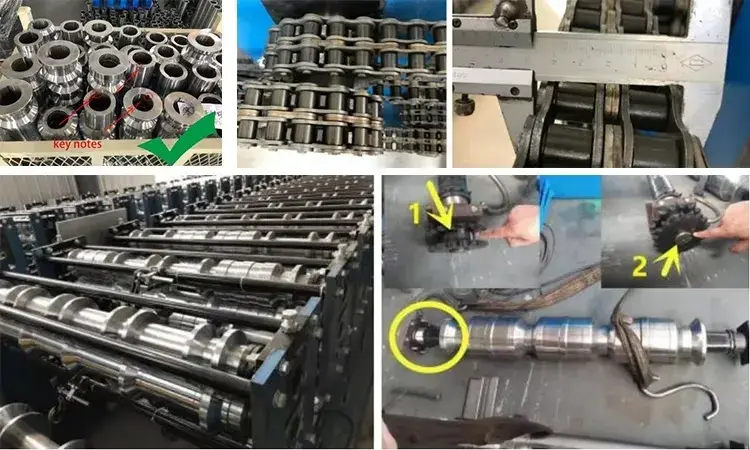
People often only think about how much something costs at first and don't think about how much it will cost to maintain or get care after the sale. Professional metal wall panel machines need to have their blades sharpened at least once every one to two years, based on how much they are making. Machine efficiency and production effectiveness are directly affected by how easy it is to get new parts and expert help.
When working with high-tensile steel, it's important to understand how rollers wear down and how spring-back adjustment works. When machines don't have the right over-bending stations or changeable forming heads, they have problems with elastic rebound that make it hard to get accurate profiles.
Analyzing Your Business Needs Before Making a Purchase
Figuring out exact output needs for a metal wall panel machine keeps machines from not being able to meet real operating needs, which can be very expensive. This evaluation makes sure that the best equipment is chosen to meet both current output goals and plans for future growth.
Assessing Production Volume and Efficiency Demands
When looking at production ability, you need to look at times of high demand instead of times of average output needs. It might look like a 20-meter-per-minute machine is fast enough for normal tasks, but if it can't handle rush orders, you could miss deadlines and make customers unhappy. For industrial warehouse projects, high-rib trapezoidal shapes that can handle heavy wind loads are often needed. This calls for tools that can work with high-yield-strength steels like G550 types.
For commercial building uses, different specs are needed, with surface quality being more important than pure speed. For these jobs, we need tools that can keep surfaces perfectly flat without oil canning, which is an obvious wavering that makes office buildings and shopping centers look bad.
Evaluating Material Compatibility Requirements
Different uses need different material-handling skills, which affects the choice of machine. Thinner 0.3-0.4 mm materials are often used for temporary housing and container building, which can be hard for machines that don't have the right balance systems. To keep panels from bending or bowing during production, the shape of the material going in must line up properly with the centers of the making rollers.
To keep rollers from galling, aluminum coil handling needs roller surfaces that are very smooth, hard chrome-plated, and polished. As a result of its different making properties, metal needs to have its pressure settings changed across all of its stations.
Budget Considerations and Total Cost Analysis
Smart buying includes more than just the initial purchase price. It also includes the total costs of ownership, such as setup, training, and ongoing operating costs. There are big differences in the warranty terms offered by different providers. Some offer full coverage, while others only cover certain parts. The terms of the service agreement have a direct effect on the long-term costs of running the business and should be carefully considered during the decision process.
When set right with production planning cycles, seasonal discounts, and big buy agreements can save you a lot of money. International buyers have to think about shipping arrangements, customs procedures, and local installation needs, all of which make the buying process more complicated.

Comparing Metal Wall Panel Machines: How to Make the Right Choice?
To effectively compare pieces of tools, you need to carefully look at a number of factors, such as performance specs, source dependability, and past success in similar tasks.
Weighing Automated Versus Manual Options
Automated systems work best in places where a lot of things need to be made quickly and consistently. Most of the time, these machines can handle two layers at once or cassette-change systems that can handle multiple profiles in a small area, but they cost more up front. Manual systems are better for custom shapes and shorter production runs, but they need skilled workers, and the quality of the results can vary.
The choice of automation level should be based on the expected production rate and the number of workers who are available. Automated metal wall panel machine systems make it less important for operators to be skilled while keeping measurements accurate over long production runs.
Evaluating Brand Reputation and Supplier Credentials
Part of figuring out how reliable a seller is is looking at their ISO9001, CE, and other relevant certifications that show they follow quality management rules. Companies that have sent items to more than 150 countries usually have strong shipping systems and know the rules and laws that apply to transfers to other countries.
Being able to offer both OEM and ODM services shows that the provider can change tools to fit different production needs. Long-term store networks offer local support that speeds up the time it takes to get professional help and extra parts.
Leveraging Customer Reviews and Performance Data
Looking at businesses that have used similar concepts can teach us a lot about how to figure out what works and what doesn't in the real world. Performance standards from companies that use the same parts and materials are the best ones to use when making decisions.
Customers should say in reviews how well the metal wall panel machine technology works, how often it needs to be repaired, and how quickly the service provider sets up and runs the business. Finding problems with the comments helps keep work plans on track.

Avoiding Procurement Pitfalls: Transaction and Shipping Considerations
Procurement complexity increases significantly for international transactions requiring careful attention to supplier verification, shipping logistics, and installation coordination.
Verifying Supplier Credentials and Warranty Terms
Comprehensive supplier verification includes reviewing business licenses, quality certifications, and financial stability indicators that suggest long-term viability. Warranty terms should clearly specify coverage periods, included components, and response time commitments for technical support requests.
Understanding warranty exclusions helps avoid unexpected costs for consumable items like cutting blades or forming rollers that require periodic replacement. Some suppliers offer extended warranty options that provide additional protection for critical production environments.
Strategic Pricing and Negotiation Approaches
Effective negotiation leverages market knowledge and timing to achieve favorable pricing while maintaining quality standards. Bulk purchase agreements often include spare parts packages and extended warranty coverage that enhance overall value propositions.
Seasonal manufacturing cycles create opportunities for advantageous pricing when equipment demand fluctuates. Planning procurement activities around these cycles can yield significant cost savings without compromising delivery timelines.
International Shipping and Installation Planning
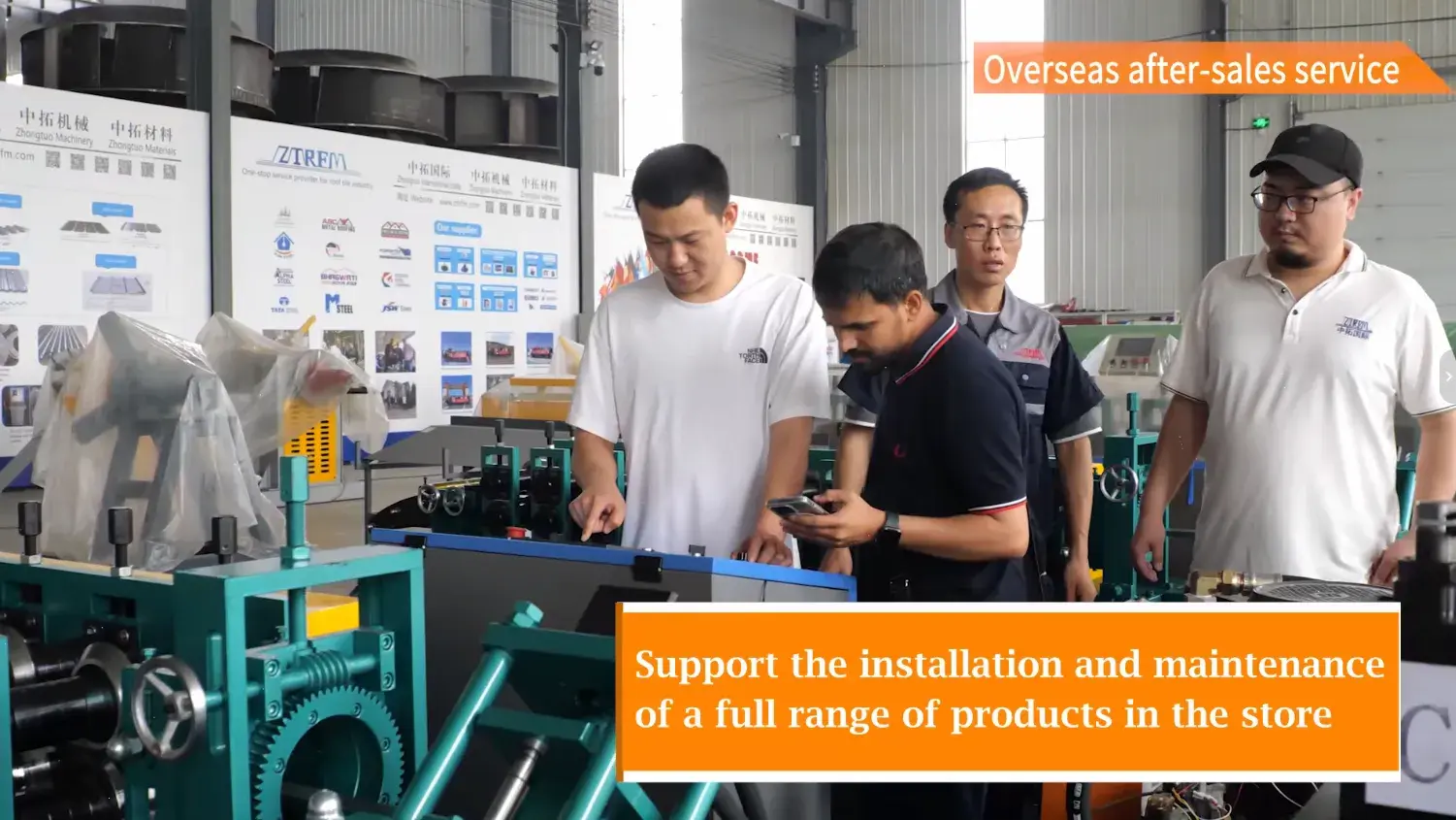
Cross-border shipments require coordination of customs documentation, delivery scheduling, and local installation resources. Equipment commissioning typically involves supplier technicians who verify proper setup and provide operator training that ensures optimal performance from startup.
Spare parts availability in destination countries affects ongoing operational costs and maintenance scheduling flexibility. Suppliers with established distribution networks provide faster parts delivery and reduced inventory requirements for buyers.

Maintenance and Longevity: Ensuring Your Investment Pays Off
Proactive maintenance practices directly impact equipment lifespan and production reliability while minimizing unexpected downtime that disrupts delivery schedules.
Establishing Regular Maintenance Schedules
Different metal wall panel machine models require specific maintenance intervals tailored to their design characteristics and typical usage patterns. Forming roller inspection cycles should address wear patterns specific to processed materials and production volumes. Regular lubrication schedules prevent premature bearing failure and maintain smooth operation throughout forming stations.
Cutting blade maintenance involves monitoring edge condition and adjusting blade gaps to prevent burr formation that compromises panel edge quality. Proper blade maintenance extends service life while ensuring clean cuts that meet installation requirements.
Early Detection and Preventive Measures
Common failure points include roller bearing wear, hydraulic system leaks, and electrical component degradation that can cause production interruptions. Regular inspection protocols help identify developing issues before they escalate into major repairs that halt production operations.
Leveling system alignment requires periodic verification to prevent material feeding problems that cause profile distortion. Proper material entry geometry ensures consistent forming results and prevents mechanical stress that accelerates wear patterns.
Operator Training and Skill Development
Comprehensive operator training enhances production efficiency while reducing equipment stress caused by improper operation techniques. Training programs should address material handling procedures, quality control checkpoints, and basic troubleshooting skills that minimize production disruptions.
Ongoing education initiatives help operators adapt to technological upgrades and evolving production requirements. Well-trained operators contribute significantly to equipment longevity through proper operation practices and early problem detection.
Conclusion
Avoiding common procurement mistakes when purchasing a metal wall panel machine requires thorough preparation, comprehensive supplier evaluation, and a realistic assessment of production requirements. Understanding the distinctions between automated and manual systems, evaluating total ownership costs rather than initial prices alone, and planning for long-term maintenance needs significantly improve investment outcomes. Smart buyers verify supplier credentials, negotiate favorable warranty terms, and establish proper maintenance protocols that maximize equipment lifespan and production reliability.
FAQ
1. Can one machine produce multiple panel profiles?
Generally, each machine produces one specific profile to ensure maximum precision and quality consistency. However, dual-layer machines or cassette-change systems can handle multiple profiles within limited floor space, though they require higher upfront investments and more complex setup procedures.
2. How should buyers handle spring-back issues with high-tensile materials?
Professional machines include over-bending stations or adjustable forming heads at final forming stages to counter elastic recovery in high-yield materials. Proper spring-back compensation ensures dimensional accuracy and prevents profile distortion that affects installation performance.
3. What maintenance cycle applies to cutting blade systems?
Blade maintenance depends on production volume, but sharpening or replacement typically occurs every 1-2 years. Regular gap adjustment between upper and lower blades prevents burr formation and maintains clean edge quality essential for proper panel installation.
Partner with ZTRFM for Your Metal Wall Panel Machine Requirements
ZTRFM brings over a decade of expertise in designing and manufacturing advanced cold roll forming equipment tailored to diverse production requirements. Our comprehensive metal wall panel machine lineup serves building roofing system manufacturers, light steel structure producers, and architectural facade specialists with proven reliability and performance. As a certified supplier with ISO9001, CE, and CAS credentials, we deliver innovative solutions to over 150 countries worldwide, backed by extensive OEM and ODM capabilities that ensure perfect alignment with your specific production needs.
Our experienced engineering team provides complete consultation services from initial requirements assessment through installation and operator training. Contact our specialists at zhongtuorollforming@gmail.com to discuss your metal wall panel machine supplier requirements and receive detailed quotations tailored to your production objectives.

References
1. Smith, J.R. and Anderson, K.L. "Advanced Cold Roll Forming Technologies in Metal Construction Applications." Industrial Manufacturing Review, Vol. 45, No. 3, 2023, pp. 78-95.
2. Thompson, M.E. "Quality Control Standards for Metal Wall Panel Production Systems." Journal of Construction Equipment Engineering, Vol. 28, No. 7, 2023, pp. 156-172.
3. Rodriguez, C.A. "Maintenance Best Practices for Industrial Roll Forming Equipment." Manufacturing Technology Quarterly, Vol. 19, No. 2, 2023, pp. 234-251.
4. Williams, D.P. and Chen, L.X. "Cost-Benefit Analysis of Automated versus Manual Metal Forming Systems." International Journal of Industrial Equipment, Vol. 31, No. 4, 2023, pp. 89-104.
5. Baker, S.T. "Procurement Strategies for International Manufacturing Equipment Purchases." Global Industrial Sourcing Review, Vol. 12, No. 9, 2023, pp. 145-162.
6. Martinez, R.F. "Material Compatibility and Processing Parameters in Cold Roll Forming Applications." Materials and Manufacturing Processes Journal, Vol. 67, No. 11, 2023, pp. 203-219.
_1750323743240.webp)