- English
- French
- German
- Portuguese
- Spanish
- Russian
- Japanese
- Korean
- Arabic
- Irish
- Greek
- Turkish
- Italian
- Danish
- Romanian
- Indonesian
- Czech
- Afrikaans
- Swedish
- Polish
- Basque
- Catalan
- Esperanto
- Hindi
- Lao
- Albanian
- Amharic
- Armenian
- Azerbaijani
- Belarusian
- Bengali
- Bosnian
- Bulgarian
- Cebuano
- Chichewa
- Corsican
- Croatian
- Dutch
- Estonian
- Filipino
- Finnish
- Frisian
- Galician
- Georgian
- Gujarati
- Haitian
- Hausa
- Hawaiian
- Hebrew
- Hmong
- Hungarian
- Icelandic
- Igbo
- Javanese
- Kannada
- Kazakh
- Khmer
- Kurdish
- Kyrgyz
- Latin
- Latvian
- Lithuanian
- Luxembou..
- Macedonian
- Malagasy
- Malay
- Malayalam
- Maltese
- Maori
- Marathi
- Mongolian
- Burmese
- Nepali
- Norwegian
- Pashto
- Persian
- Punjabi
- Serbian
- Sesotho
- Sinhala
- Slovak
- Slovenian
- Somali
- Samoan
- Scots Gaelic
- Shona
- Sindhi
- Sundanese
- Swahili
- Tajik
- Tamil
- Telugu
- Thai
- Ukrainian
- Urdu
- Uzbek
- Vietnamese
- Welsh
- Xhosa
- Yiddish
- Yoruba
- Zulu
Pbr Roll Former Supplier Comparison and Buying Tips
When buying managers and engineers choose a PBR roll former, they make choices that have a direct effect on how quickly and well products are made as well as on the long-term costs of running the business. A PBR roll former is equipment that makes purlin-bearing rib panels, which are the main part of metal roofing systems used on business, industrial, and farm buildings all over the US. These machines take flat metal strips and turn them into stronger panels with an extra bearing leg that seals better against the weather and can hold more weight than regular corrugated profiles. When choosing a provider, it's important to pay close attention to their technical specs, reliability, and ability to provide help after the sale. This book shows you important things to look for in a machine, compares the best machines on the market in 2024, and gives you useful buying tips for a range of business types, from large roofing companies to new companies starting out in the metal production business.
Understanding PBR Roll Formers: Key Features and Benefits
What Makes PBR Roll Formers Essential for Metal Panel Production
Through a number of perfectly designed roller stations, PBR roll former equipment works with galvanized steel, Galvalume, or pre-painted aluminum coils. At each spot, the material is shaped a little at a time, without damaging its protective cover or structural integrity. The machine makes panels with triangular ribs that are usually 1.25 inches high. This lets the structure span farther between supports while still staying straight when wind and snow load it.
Modern units can work with material that is 24 to 26 gauge thick, which means they can be used for both light household jobs and heavy commercial ones. The forming process goes on all the time, so there is no need for the hard work of bending that comes with hand operations and leads to different sizes.
Core Technical Specifications That Drive Performance
The quality of equipment depends on a number of basic factors. A professional-level machine usually has 19 roller stations, which allow for slow shaping that keeps high-tensile steel from microcracking. The roller rods should be made of high-quality 45# forged steel and have widths of about 80 mm. They should be solidly built. Surface treatment is very important. For example, hard chrome finishing on the rollers stops zinc pickup and scratches on pre-finished coil surfaces, which is what makers want.
Long-term security depends on how the machine body frame is built. Look for 350mm H-beam structures that are strengthened with 20mm welded steel middle support plates. These plates won't bend when the structure is in use all the time. Drive systems with a gear and a double chain drive provide steady power, which keeps the accuracy of the forming over long production runs. Automatic cutting systems with Cr12MoV blades make clean cuts that don't bend, so you don't have to do any extra work to finish them.
Operational Advantages Transforming Manufacturing Economics
Using modern roll-making technology solves several problems in production at the same time. There are big improvements in speed—machines work at 15 to 25 meters per minute, which is much faster than standard ways of making things. This speed directly leads to lower labor costs and faster order completion, both of which are very important for companies that make roofing systems that have to meet tight building schedules.
When cutting margins are kept within ±2mm, exact control of dimensions leads to a big drop in material waste. The uniformity that comes from automatic forming gets rid of the quality differences that come up with human processes. This lowers the amount of waste and the cost of rework. Equipment that is easy to maintain and has long-lasting parts reduces delays, which is very important for building companies that work multiple shifts to meet yearly demand spikes.
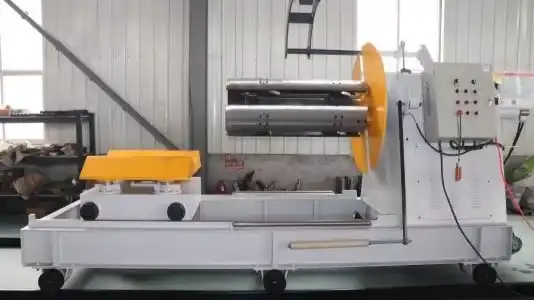
Supplier Comparison: Key Criteria for Evaluating PBR Roll Former Manufacturers
Assessing Manufacturer Reputation and Market Presence
Investing in tools that work well starts with trusting the supplier. Companies that have been around for a long time show that they are stable and have a lot of tech knowledge. Manufacturers who have been in business for at least ten years have usually improved their designs by getting feedback from customers in the real world. This helps them fix common problems that newcomers to the market have.
One way to make sure something is real is to look at customer reviews from businesses that are like the one you're checking out, like companies that make building roofing systems and handle a lot of orders or small metal goods startups that need easier maintenance rules. International standards like ISO9001, CE, and CAS show that safety rules and quality control systems are being followed. Delivery experience in more than 150 global markets and various countries shows that the company is good at logistics and can change to different electrical standards and legal settings.
After-Sales Support Infrastructure and Warranty Terms
Reliability of equipment goes beyond what was specified when it was bought. How quickly production problems are fixed depends on how fast technical help is, which has a direct effect on manufacturing uptime. Check to see if your providers have specific service teams that can fix problems remotely, fix problems on-site, and give your operators full training.
Important parts like roller stations, drive systems, and hydraulic cutting devices should be covered by the warranty. Terms that last longer than the usual one year show that the maker is confident in the quality of the build. Make sure you know where to find the parts you need. Suppliers with large stocks of extra parts spread out across regional distribution centers can fix things faster than those who have to ship each part internationally.
Product Range Flexibility and Customization Capabilities
Different types of businesses need different amounts of complex tools. Light steel structure and purlin makers can use tools with automatic changeover systems that can switch between C/Z/hat profiles without having to make a lot of changes by hand. Composite sandwich panel makers need machines that can work with layered materials like aluminum foil, polymer films, and foam cores. These machines need special roller designs and tension control systems to be able to do their jobs.
Customization choices are important, especially for companies that make metal structures and make a wide range of products. When multiple-station systems with inline punching, drilling, and servo cutting are combined, they get rid of the delays that come from doing extra operations. When suppliers offer both OEM and ODM services, they show technical flexibility by changing standard platforms to meet specific production needs instead of pushing buyers to use solutions that work for everyone.
Investment Cost Versus Long-Term Value Analysis
Different suppliers have very different pricing systems, which are based on the quality of the parts, the amount of automation, and the services that are included. When maintenance costs, energy use, and differences in efficiency over 15 to 20-year machine lifecycles are taken into account, the lowest original purchase price is rarely the best total cost of ownership.
Startups that want to save money should look at entry-level models that are made to be easier to maintain while still producing regular quality. High-volume producers, on the other hand, gain from high-end machines with advanced PLC control systems, automated length setting, and faster forming speeds that make up for higher initial costs through higher output. Companies that don't have a lot of money to start up can still use modern technology thanks to financing plans offered by suppliers.
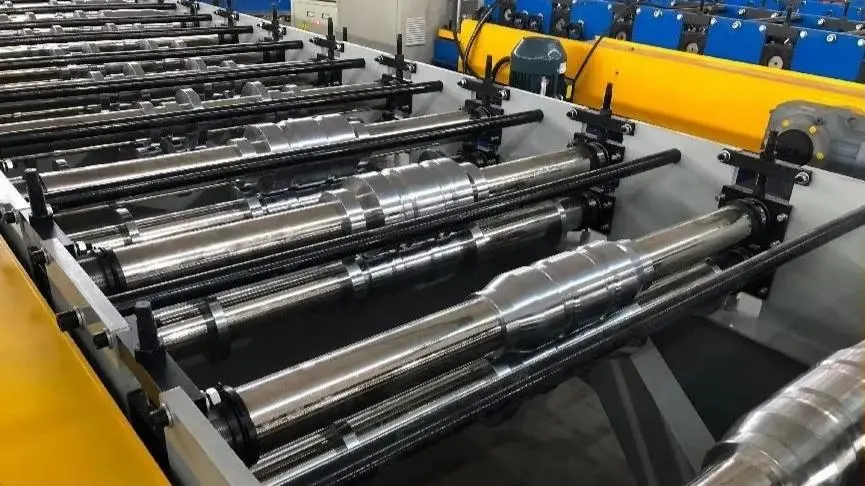
Comparison of Top PBR Roll Former Machines in 2026
Performance Metrics Defining Market Leaders
There are clear performance benefits in a number of areas for the best PBR roll former tools on the market right now. Premium models can now hit speeds of up to 25 meters per minute while keeping the accuracy of the shaping within ±1mm. Increasing energy economy through better drive systems lowers running costs, which is a big deal for plants that process hundreds of tons of materials every month.
The quality of the finished product shows how well the rollers were machined and how rigid the frame was. The best machines make panels with the same rib heights and look throughout the whole production run. This gets rid of the visual differences that hurt the look of buildings. Control systems with HMI touchscreens from well-known companies like Siemens or Delta are easy for new employees to learn how to use because they are simple.
Durability Factors and Build Quality Indicators
Choosing the right materials for key parts is what sets great machines apart from good options. When making rollers out of GCr15 bearing steel that has been sharpened to HRC 58–62, the service life is much longer than with softer materials that need to be replaced more often. When you build a frame with heavy-gauge H-beams, you stop the alignment drift that happens over time and makes forming less accurate.
Real-world feedback from engineering firms around the world stresses the importance of stability in ongoing operation. The fact that equipment can keep its measurements even after handling millions of linear feet shows the level of engineering rigor needed for tough production settings. EPC companies really like machines that have passed strict technical tests because they need to work consistently across many global projects, no matter where they are installed.
Pricing Structures Aligned with Business Scale
Market segmentation works for businesses of all sizes, from new businesses just starting out to well-known makers. Small businesses that make metal goods can usually get entry-level machines for between $25,000 and $45,000. These machines have basic forming features but no advanced automatic features. Mid-level equipment, which costs between $50,000 and $85,000, has better control systems, faster output speeds, and automatic cutting that is good for businesses that are growing.
Premium industrial-grade tools that work with large-scale operations and companies that make roofing systems in PBR roof panel machines cost between $90,000 and $150,000. They are worth it because they are built to last, can handle multiple profiles, and are fully automated, which cuts down on the need for workers. Advanced technology is easier to get because of financing options like equipment rental or payment plans that are spread out over time. This lets buyers balance the costs of buying the equipment with the money they make from it.
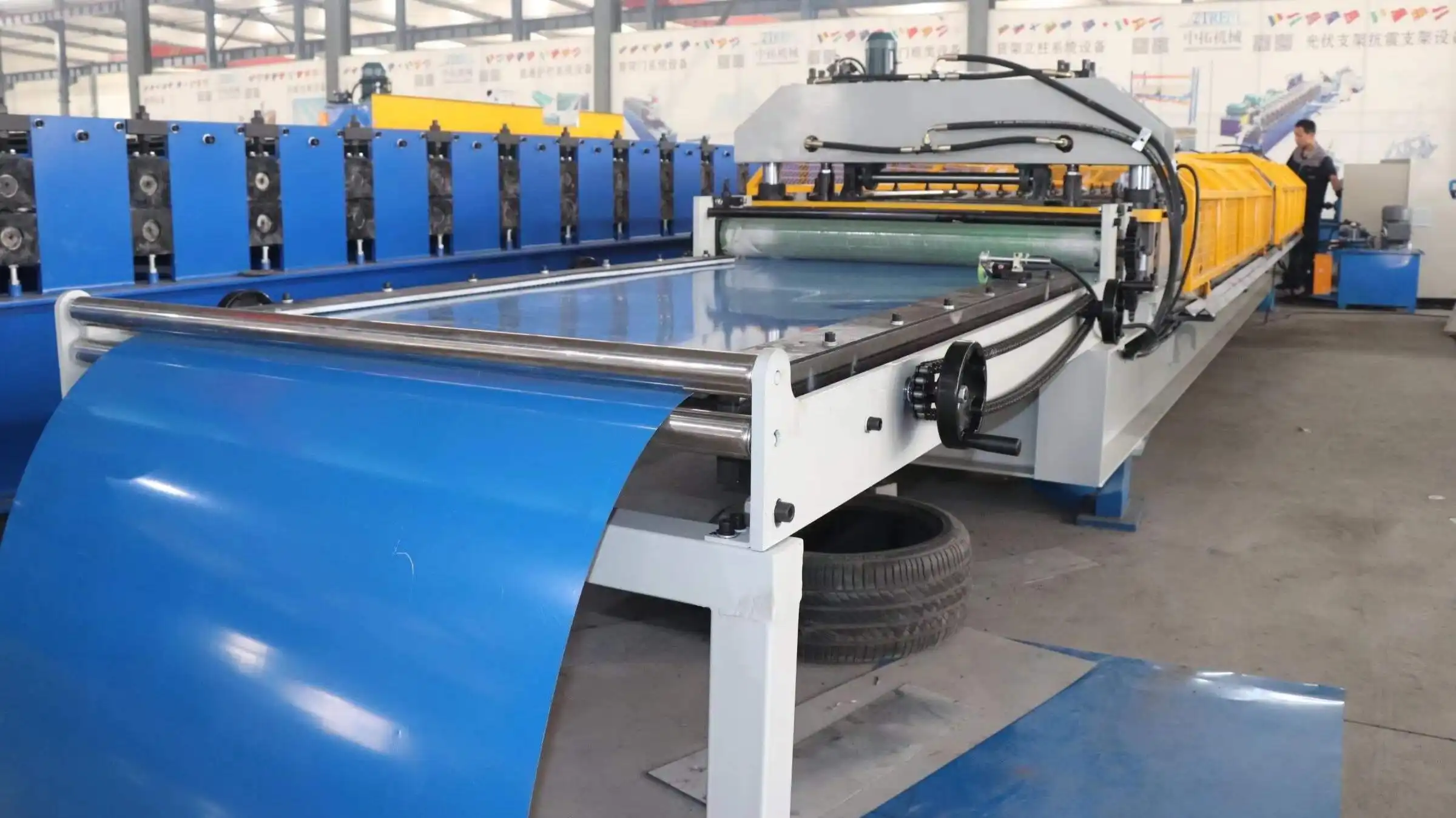
How to Choose the Right PBR Roll Former for Your Business
Aligning Equipment Capabilities with Production Objectives
To choose the right PBR roll former tools, you must first be honest about what your industrial needs are. Find the expected monthly panel size based on the number of orders that are coming in now and how you think they will grow in the future. Machines with faster speeds than what is needed right now provide capacity buffers during seasonal peaks that are typical in businesses related to building.
Material suitability checks make sure that the tools can handle the specifics of your coil. Check to see if the tools can handle the gauge range you work with most often. For example, businesses that mostly work with 24-26 gauge steel need different roller designs than those that mostly work with heavier structural steel. When handling color-coated coils, roller surface treatments must be done with extra care to keep the finish from getting damaged.
Critical Features Matching Operational Workflows
Automation levels should be based on how much work needs to be done and how available workers are. Programmable length sets and automatic counting features that stay the same for all operators are helpful for facilities that work more than one shift. Manual adjustment systems work well for small businesses that only make a few versions of their products. They require less initial investment and keep up output levels.
Accessibility for maintenance has a direct effect on the continuation of operations. Equipment with roller stations that are easy to remove and lubrication spots that are easy to reach lets regular maintenance be done without the need for skilled workers. Startups that don't have a lot of technical know-how really appreciate it when providers offer thorough training programs and ongoing technical support. This helps operators learn the right way to maintain equipment so that parts don't wear out too quickly.
Supplier Reliability and Compliance Verification
In addition to machine specs, the traits of the provider have a huge impact on the ownership experience. Companies that have a global footprint show that they know how to handle foreign shipping, customs paperwork, and installation support. When compared to direct-only sales models, which require technical questions to be answered over the phone, regional dealer networks make service more prompt.
Safety approvals, such as the CE mark, show that they meet international standards that protect workers' health and safety. Businesses that work with the government or big business developers often need to use certified tools. This means that compliance paperwork is very important during the bidding process. Manufacturing methods that are ISO-certified guarantee that the standard of the builds will be the same from one machine delivery to the next.
Long-Term Ownership Considerations
The total cost of an item includes more than just the price of buying it. It also includes the amount of energy it uses, the cost of repairs, and the effect on output over its entire lifecycle. Operating costs go down with more efficient drive systems and long-lasting parts, which could make up for higher original investments within three to five years of operation.
Scalability planning makes sure that the new equipment purchases help the business grow. Modular designs that let you add new features in the future, like internal punching stations or more forming shapes, protect your initial investments and adapt to changing market needs. When suppliers offer improvement paths, it shows that they want to build long-term ties with their customers instead of just delivering goods.

Practical Buying Tips and Strategies for Global B2B Buyers
Conducting Comprehensive Supplier Due Diligence
Buying PBR roll former tools from other countries comes with some risks, but these are kept to a minimum by thorough screening methods. Factory audits, which can be done in person or through full virtual walks, show what the factory can really make, not just what the marketing says it can make. As a sign of practical growth, look at how the production floor is organized, how quality control is handled, and how the inventory of parts is managed.
It's possible to check the validity of credentials by calling the organizations that issued them, in addition to looking at the certificates themselves. Expos like FABTECH and the International Roofing Expo offer trade show attendees the chance to look at tools up close and talk to engineering teams in person. Ask for contact information from current customers who run businesses that are similar to yours, and then check with those customers to see how quick the service is and how well the equipment works.
Negotiating Protective Contract Terms
Careful attention must be paid to the service scope and exclusions in warranty wording in the PBR roof panel machine. Find out if the warranty only covers parts or also covers the cost of the technician's time when they come to your home. Set deadlines for responding to technical support questions and on-site service calls. This will help you hold people accountable and keep your production plans safe.
Service level agreements should spell out when and where extra parts will be available. Contracts may include language that covers operator training, including both the initial training needed to set up the equipment and ongoing professional training as staff changes happen. Payment terms that protect both the buyer and the seller usually include staged payments that are tied to delivery goals, installation completion, and successful production trials.
Managing International Logistics and Installation
For industrial machinery to go through customs, it needs a lot of paperwork, like business bills, packing lists, and certificates of origin. Experienced sellers offer full paperwork packages and help with the import process, so there aren't any costly delays at the ports of entry. Make it clear who is responsible for filing damage claims for freight and what insurance covers it while it's in foreign travel.
Installation assistance services from different providers are very different. Complete plans include sending a worker to the site to set up, check the alignment, and do the first production runs to make sure everything works perfectly. For buyers with experienced support staff, remote commissioning with video coaching is a cost-effective option. However, hands-on help usually speeds up the start of a useful operation.
Building Strategic Supplier Relationships
Long-term relationships are more valuable than one-time deals. When suppliers see buyers as long-term partners, they often give buyers priority expert help, early notice of improved parts, and better terms on future purchases of equipment. When it comes to time zones and languages, local distributors can help because they can offer familiar ways to communicate while still giving manufacturers' tech tools access.
OEM partnerships are good for businesses that want to plan private-label equipment or custom setups. These kinds of partnerships let you customize things even more, and they usually come with exclusive geographic rights that give you an edge in local markets. Talking to providers about production problems on a regular basis helps them improve designs, which could lead to unique solutions that solve your specific operational problems.
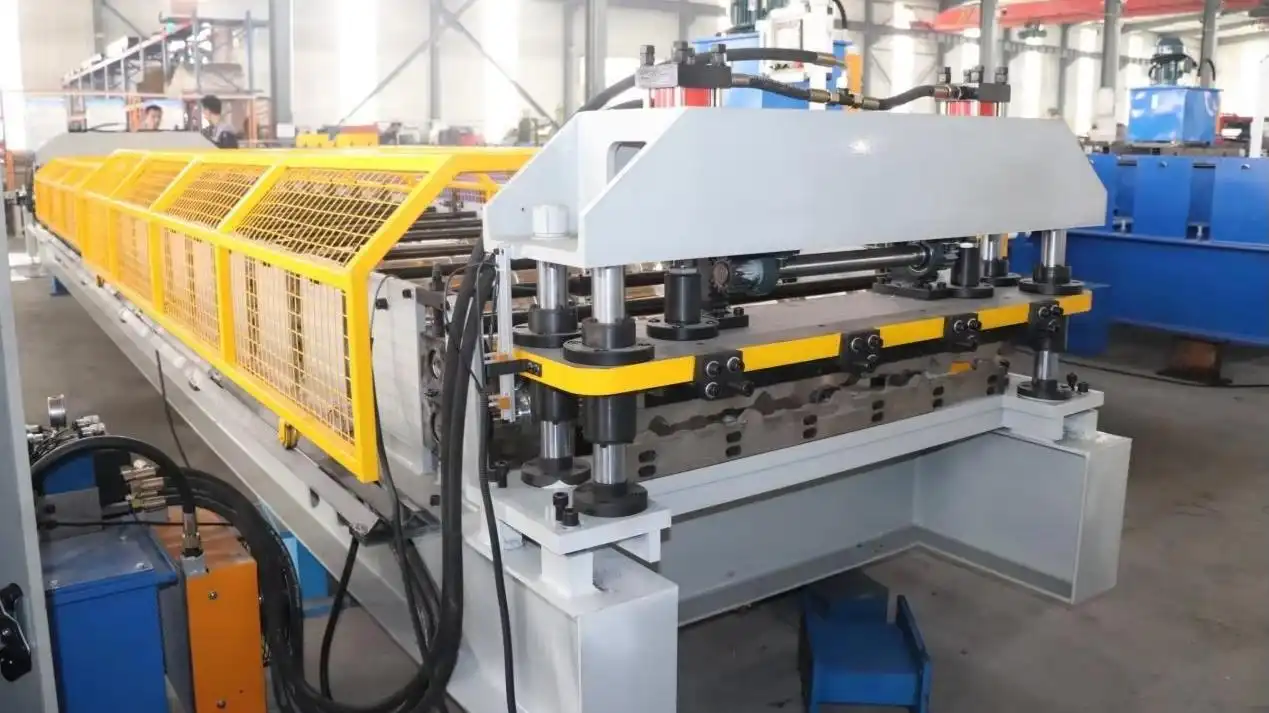
Conclusion
To choose the best PBR roll former, you have to weigh the technical specs, the reliability of the provider, and the ability to provide long-term support against your output goals and budget. Strong machines with 19-station roller designs, strong 80mm shafts, and hard chrome-plated 45# forged steel rollers give metal panel manufacturers the dependability and accuracy they need to stay competitive. It's just as important for suppliers to have things like proven experience with global shipping, quick response times for after-sales support, and the ability to adapt to the needs of a wide range of industries, from those that make roofing systems to those that make composite panels. When buyers use the criteria listed in this guide to carefully evaluate products, they can make smart investments that improve manufacturing efficiency, lower running costs, and support business growth for at least twenty years.
FAQ
1. What distinguishes PBR panels from standard corrugated roofing profiles?
On the underlap side of PBR panels, there is an enlarged purlin-bearing leg that gives the whole structure support where panels meet. This design gets rid of the weakness in normal R-panels that lets them get crushed during installation and foot traffic. It also makes a better weather seal that stops water from getting in through capillary action. When compared to shallow corrugated profiles, the trapezoidal rib shape allows longer gaps between roof purlins. This means that building frames need less structural steel.
2. How frequently should roller stations require maintenance or replacement?
Rollers made of hardened GCr15 steel and chrome finishing usually work for 500,000 to 1,000,000 linear feet before they need to be replaced. This depends on how rough the material is and how thick the gauge is. Bearing sets should be oiled once a month, and their position should be checked every three months to avoid early wear. Cutting blades made of Cr12MoV material can usually make 100,000 to 200,000 cuts before they need to be sharpened. The exact number of cuts depends on the width and tensile strength of the steel.
3. Can single machines produce multiple panel profiles?
Different panel profiles can be made on the same frame with equipment that has roller cassettes that can be switched out. However, the switching process requires technical skill and usually takes two to four hours. Some companies make specialized single-profile machines that are perfect for high-volume jobs that need accuracy, while others make multi-profile machines that are flexible enough to meet the needs of a wide range of customers. Which method gives you the best operating efficiency and return on investment depends on your output mix.
Partner with ZTRFM for Reliable PBR Roll Forming Solutions
Connect with ZTRFM for dependable PBR roll former help. With more than ten years of experience in specialized engineering, ZTRFM makes metal forming equipment for manufacturers in more than 150 countries. Their precision-built machines can handle any output size. Our PBR roll formers are built with a heavy-duty 350mm H-beam, 19-station roller designs made of hard chrome-plated 45# forged steel, and automatic Cr12MoV cutting systems that make panels that are free of scratches and the right size. Our expert team creates unique solutions that are exactly what you need, whether you run a large roofing system factory that needs to keep making things or a new metal fabrication business that needs equipment that can be changed out and is easy to keep up. Get in touch with zhongtuorollforming@gmail.com to talk about your project needs and find out why top manufacturers choose ZTRFM as their roll former provider.

References
1. Metal Construction Association. (2023). Technical Guidelines for PBR Panel Installation and Performance Standards. Cleveland: MCA Publications.
2. American Iron and Steel Institute. (2022). Cold-Formed Steel Design Manual: Roll Forming Processes and Specifications. Washington DC: AISI Standards Division.
3. Halmos, G.T. (2021). Roll Forming Handbook: Second Edition. Boca Raton: CRC Press.
4. International Association of Roll Forming Engineers. (2023). Best Practices in Metal Panel Manufacturing Equipment Selection. Chicago: IARFE Technical Committee.
5. Precision Metalforming Association. (2024). Industrial Machinery Procurement Guide for Metal Fabricators. Independence: PMA Education Foundation.
6. Building Component Manufacturers Conference. (2023). Structural Metal Roofing Systems: Manufacturing Technology and Quality Standards. Madison: BCMC Research Institute.
_1750323743240.webp)