- English
- French
- German
- Portuguese
- Spanish
- Russian
- Japanese
- Korean
- Arabic
- Irish
- Greek
- Turkish
- Italian
- Danish
- Romanian
- Indonesian
- Czech
- Afrikaans
- Swedish
- Polish
- Basque
- Catalan
- Esperanto
- Hindi
- Lao
- Albanian
- Amharic
- Armenian
- Azerbaijani
- Belarusian
- Bengali
- Bosnian
- Bulgarian
- Cebuano
- Chichewa
- Corsican
- Croatian
- Dutch
- Estonian
- Filipino
- Finnish
- Frisian
- Galician
- Georgian
- Gujarati
- Haitian
- Hausa
- Hawaiian
- Hebrew
- Hmong
- Hungarian
- Icelandic
- Igbo
- Javanese
- Kannada
- Kazakh
- Khmer
- Kurdish
- Kyrgyz
- Latin
- Latvian
- Lithuanian
- Luxembou..
- Macedonian
- Malagasy
- Malay
- Malayalam
- Maltese
- Maori
- Marathi
- Mongolian
- Burmese
- Nepali
- Norwegian
- Pashto
- Persian
- Punjabi
- Serbian
- Sesotho
- Sinhala
- Slovak
- Slovenian
- Somali
- Samoan
- Scots Gaelic
- Shona
- Sindhi
- Sundanese
- Swahili
- Tajik
- Tamil
- Telugu
- Thai
- Ukrainian
- Urdu
- Uzbek
- Vietnamese
- Welsh
- Xhosa
- Yiddish
- Yoruba
- Zulu
Solar strut channel rollforming machine investment 2026
As investments in renewable energy grow around the world, the need for Solar Strut Channel Roll Forming Machine technology reaches a level that has never been seen before in 2026. These high-tech production systems take raw steel coils and turn them into structural channels that are perfectly engineered and form the basis of photovoltaic mounting systems all over the world. Modern factories need tools that can make a lot of different profile shapes while still being very accurate with measurements and producing quickly. When businesses in the quickly growing solar infrastructure sector decide to invest in roll forming machinery, it has a direct effect on how competitive their manufacturing is, how much it costs to run, and where they stand in the market.
Understanding Solar Strut Channel Roll Forming Machines
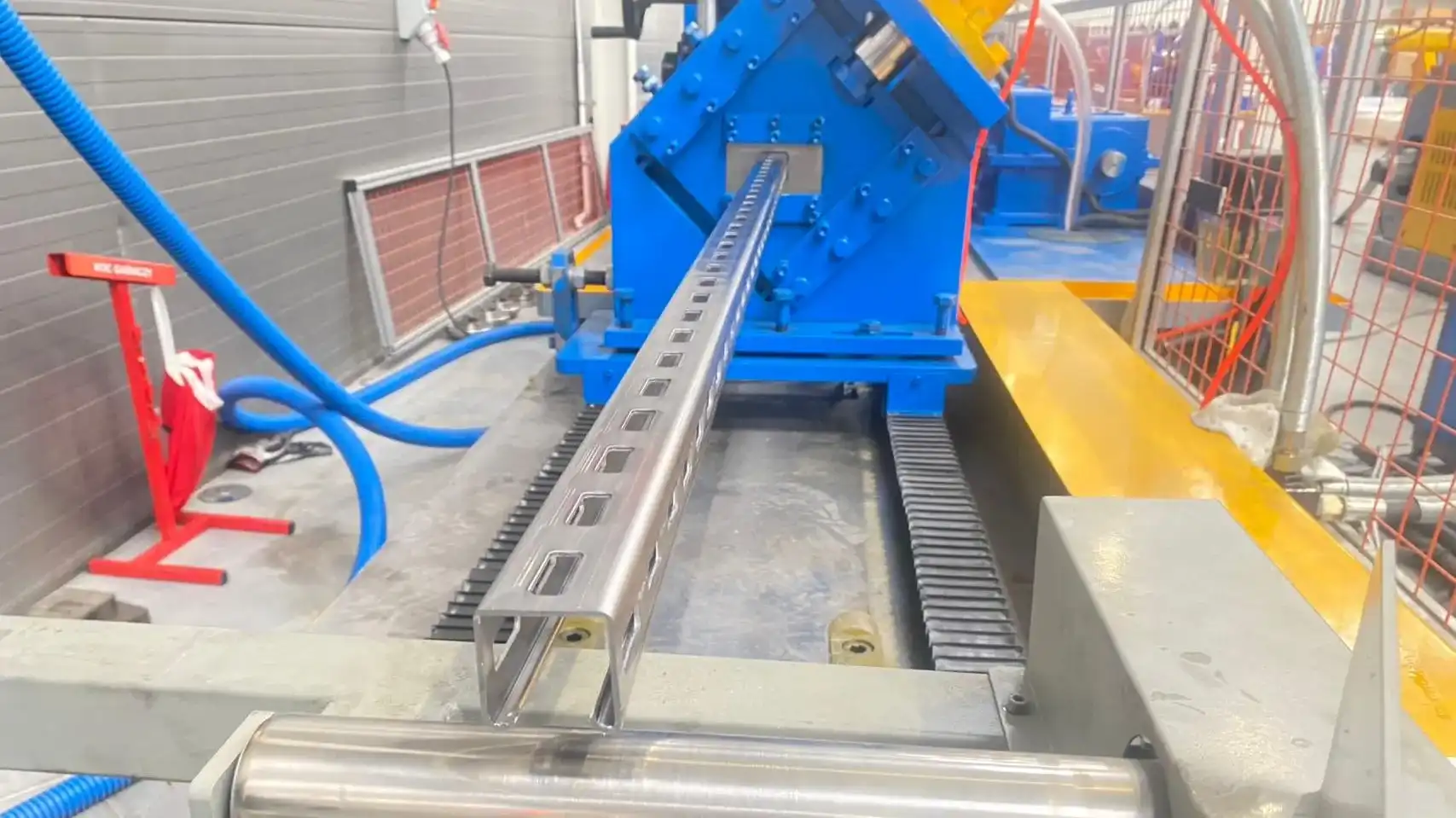
The basic idea behind solar strut channel forming equipment is that metal is gradually deformed by rolling it at different stations. Through a continuous cold-forming process, each machine shapes galvanized steel strips that are 1.5 to 2.5 mm thick into channels that are exactly the right shape.
Core Manufacturing Process and Technical Specifications
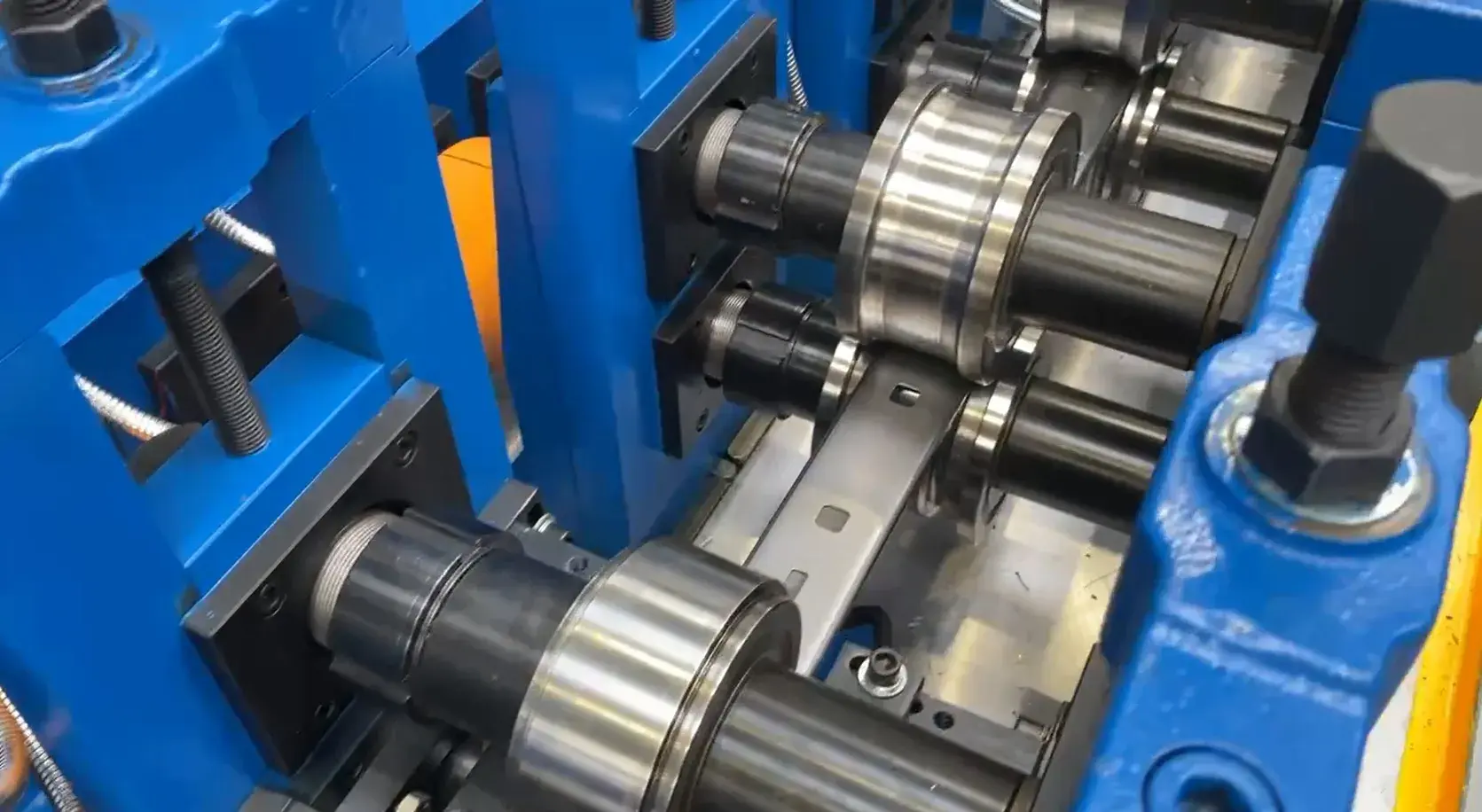
The raw material goes through automatic systems that unwind it before it goes through leveling systems that get rid of any remaining stress. The Solar Strut Channel Roll Forming Machine has 24 precisely placed rollers made from GCR15 steel that have been treated with chrome. This makes sure that the profile geometry stays the same over long production runs. The material moves through the forming stations at a speed of 8 meters per minute. Each pair of rollers contributes a different angle of deformation to the final channel shape. A 22kW main motor is needed to drive the forming sequence through double-chain transmission systems. For precise length control, hydraulic cutting systems use 11kW stations, and 80mm diameter shafts made from 45# forged steel keep the structure stable under continuous operational loads. Voltage specifications work with 380V three-phase 50Hz power systems, and they can be changed to fit local electrical standards.
Machine Design Variations and Customization Options
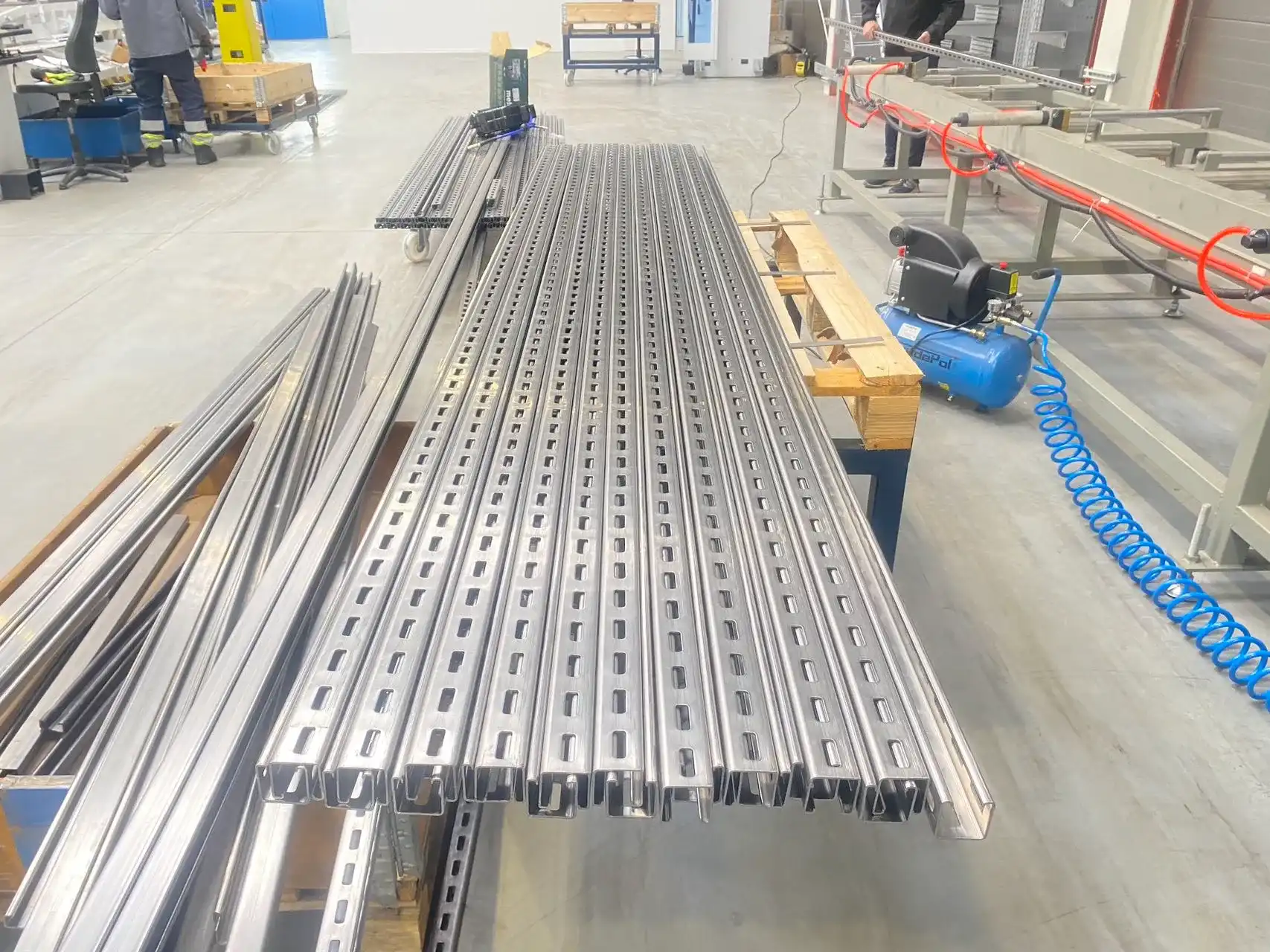
Modern equipment layouts let you switch between hydraulic and mechanical punching systems based on the needs of the production. When mounting arrangements are complicated, hydraulic punching is the most accurate way to place holes, while mechanical systems are faster for standard profiles. The frame is made of 25 mm-thick 45# steel assemblies that are welded together in a way that keeps them from bending during heavy-duty operations. All profile dimensions must be within ±1.5 mm of the tolerance specifications, which is the same as international standards for solar mounting applications. The feeding width can handle materials from 90mm to 230mm, and tooling changes can be made to make channels of different sizes, such as 41x41, 41x21, and 41x62.
Evaluating the Benefits and Performance Efficiency
When compared to older Solar Strut Channel Roll Forming Machine ways of making things, modern solar strut forming equipment is immensely more productive. These systems use precise cutting mechanisms to get rid of waste materials and keep the same level of accuracy in measurements throughout production cycles.
Industrial Advantages and Productivity Gains
Modern roll forming technology cuts the amount of work that needs to be done by up to 70% compared to traditional methods. Automated material handling systems cut down on mistakes caused by handling, and continuous production gets rid of the batching delays that are common in press brake operations. In real time, quality control systems check the dimensions of products and stop any that don't meet the standards from moving on to the next step in the process.Energy efficiency is becoming an important factor for environmentally friendly manufacturing methods. The Solar Strut Channel Roll Forming Machine uses a lot less energy per linear foot than other methods of forming, which is in line with the growing demand in global markets for environmentally friendly products. When compared to hot forming methods, cold forming methods keep the properties of the material while using less thermal energy.
Maintenance Protocols and Operational Longevity
Schedules for preventive maintenance include checking the rollers, keeping an eye on the lubrication system, and servicing the hydraulic parts. When forming rollers are treated with chrome, they don't wear down as easily when coated with galvanized metal. This means that tools can last longer than 500,000 linear meters under normal use. The modular design makes it easy to replace parts quickly, which cuts down on production downtime during maintenance periodsModern systems use predictive maintenance technologies to keep an eye on vibration patterns, changes in temperature, and changes in hydraulic pressure. With these monitoring tools, maintenance teams can fix potential problems with equipment before they break down. This helps keep production schedules consistent, which is important for meeting delivery commitments.
Comparison and Selection Criteria for 2026 Investment
Before making an investment decision, it's important to look at the equipment's capabilities, the supplier's reputation, and the long-term costs of running the business. An analysis of the market shows that precision, throughput, and cost-effectiveness are all much better than with traditional forming methods.
Technology Comparison and Performance Metrics
Roll forming technology is better at keeping the same dimensions than press brake operations, especially for channel sections that are longer than 6 meters. When working with long profiles, traditional stamping methods have trouble keeping length tolerances. Continuous forming, on the other hand, keeps the cross-sectional geometry of Solar Strut Channel Roll Forming Machine the same along the whole length. With modern tools, production rates can reach 8 meters per minute, which is a lot faster than the time it takes for a press brake to cycle.When it comes to roll forming, where accuracy in measurements directly affects how quickly parts are put together, quality metrics are more important. For hardware to work with solar mounting systems, holes must be placed precisely. This can be done with integrated punching systems that keep positional accuracy within ±0.5mm. With separate punching operations, it's hard to meet these requirements for accuracy all the time.
Supplier Evaluation and Selection Framework
Leading manufacturers show that they have a good track record by having large installations around the world and strong technical support networks. ZTRFM has worked in more than 150 countries, which gives them a lot of experience with different regulatory environments and business needs. Certifications like ISO9001 and CE make sure that equipment meets international quality standards, which are necessary for deployment around the world.The ability to provide after-sales support has a big impact on the long-term success of an operation. Remote diagnostics, easy access to spare parts, and technical training programs all help to cut down on downtime and increase return on investment. Value propositions for procurement decisions are better when suppliers offer full service packages that include installation, training, and ongoing support.
Procurement Guidance and Buying Considerations
When planning purchases, companies need to think about how much they will spend up front, how much they will save in the long run, and how well their suppliers and regional support networks can work together. Understanding how markets work and how prices are set helps you make smart decisions throughout the acquisition process.
Supplier Selection and Global Sourcing Strategies
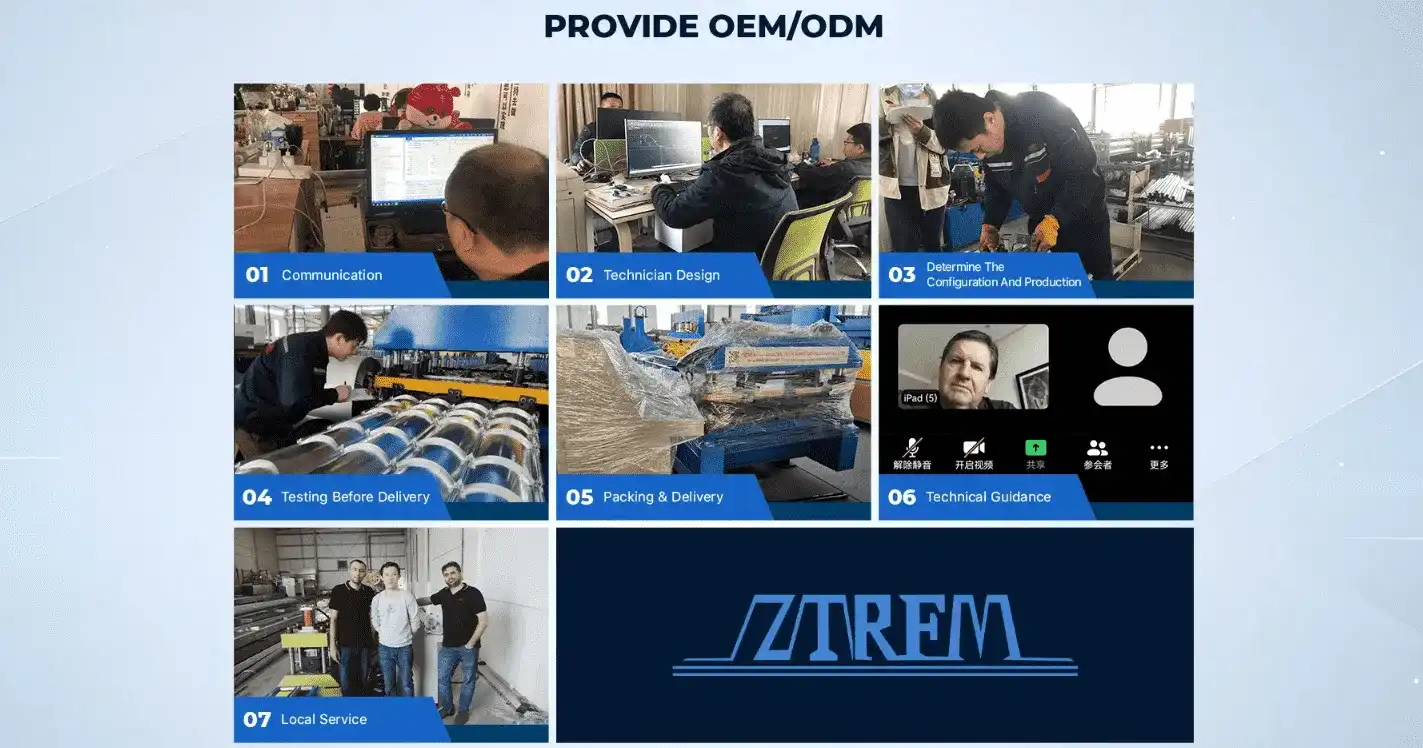
When you buy from an international supplier, you can often save money while getting advanced technology and full support services. Advanced software like AutoCAD, SolidWorks, and COPRA are used in ZTRFM's factories to design profiles and run simulations. This makes sure that the machines are set up in the best way for each job. Over 15 years of experience as an engineer in roll forming technology means that the design and performance of equipment can be trusted.Delivery times depend a lot on how customized the order is and how quickly it needs to be made. Standard configurations usually ship between 8 and 12 weeks, while engineering, manufacturing, and testing for custom designs can take up to 16 to 20 weeks. Moving big pieces of equipment around requires careful planning about how to get to ports, how to fill out customs forms, and when to install the equipment.
Financial Analysis and Investment Planning
When investing in capital equipment, you need to do a full financial analysis that includes figuring out the total cost of ownership. The initial purchase price is only one part of the total costs over the product's lifetime. Other costs, like operational efficiency, maintenance, and increased productivity, play a big role in figuring out the return on investment. The Solar Strut Channel Roll Forming Machine increases output by a measurable amount, which often justifies its higher price by lowering labor costs and improving the quality of the output.Traditional equipment loans, lease agreements, and supplier financing programs are all ways to get money to pay for something. Some manufacturers offer buyback and performance guarantees that lower the risk of investing and make sure that the equipment meets certain productivity goals. These deals are especially helpful for companies that are new to the solar manufacturing market or want to increase their production capacity.
Future Trends and Innovations Shaping Solar Strut Channel Roll Forming Machines
As technology keeps getting better, manufacturing equipment's abilities are changing. Until 2026, automation integration and smart manufacturing principles will be driving innovation. These changes make it possible to gain a strategic competitive advantage by making operations more productive and efficient.
Automation Integration and Smart Manufacturing
Industry 4.0 ideas are having a bigger impact on how machines are made. For example, Internet of Things (IoT) sensors allow for real-time monitoring of production and planned maintenance. Machine learning algorithms are used by advanced control systems to automatically find the best forming parameters. This cuts down on setup time and material waste during product changes. Manufacturers can keep an eye on multiple production lines from a central control room thanks to remote monitoring. This cuts down on staffing needs while improving quality control. Cloud-based data analytics give you information about production trends, how well your equipment is working, and ways to improve its overall efficiency.
Market Dynamics and Growth Opportunities
The growth of renewable energy infrastructure around the world will keep the demand for solar mounting components high over the next few years. Government incentives and carbon reduction rules make the market better for the growth of solar installations, which is good for both manufacturers and end users of Solar Strut Channel Roll Forming Machine. As the use of solar power grows quickly in developing areas, new markets in Southeast Asia, Africa, and Latin America offer big chances for growth. These markets need manufacturing methods that are both cost-effective and able to make high-quality parts at competitive prices. This makes efficient roll forming technology an essential capability for market participation.
Conclusion
Manufacturers who want to gain a competitive edge in the growing renewable energy market can do so by investing in solar strut channel roll forming technology. Modern tools offer the highest levels of accuracy, productivity, and operational efficiency, and they also meet the strict quality standards needed for solar mounting applications. A full analysis of the supplier's skills, technical requirements, and long-term support helps make sure that the best investment decisions are made in line with business goals and market opportunities through 2026 and beyond.
FAQ
1. What is the expected lifespan of a Solar Strut Channel Roll Forming Machine?
With the right care, modern roll forming equipment usually works well for 15 to 20 years. Chrome-treated rollers and strong steel construction help the equipment last longer, and the modular design makes it easy to replace parts and add new technology as needed.
2. Can machines accommodate different strut sizes and materials?
Quick-change tooling systems allow for multiple profile sizes on advanced equipment configurations. Standard machines can make 41x41, 41x21, and 41x62 channels with very little time spent switching between them. Galvanized steel, aluminum, and specialty alloys up to certain thicknesses are all compatible materials.
3. How do I evaluate energy efficiency before purchase?
Specifications for energy consumption make it possible to compare different types of equipment on a baseline level. About 0.5 to 0.8 kWh are used by modern machines for every 100 linear feet of production. Ask for detailed information on how much power is used and look at production speed ratios when judging overall efficiency.
Partner with ZTRFM for Your Solar Manufacturing Success
ZTRFM stands ready to transform your solar strut channel production capabilities with industry-leading Solar Strut Channel Roll Forming Machine technology. Our comprehensive solutions combine precision engineering, global support, and proven reliability across 150+ countries. Whether you're expanding existing operations or entering solar manufacturing markets, our expert team provides customized equipment configurations and complete technical support. Contact zhongtuorollforming@gmail.com today to discuss your specific requirements and discover why leading solar strut channel roll forming machine manufacturers trust ZTRFM for their critical production needs.
References
1. International Energy Agency. "Solar PV Manufacturing and Installation Trends 2026." Energy Technology Policy Report, 2026.
2. Smith, Robert J. "Advanced Roll Forming Technologies for Renewable Energy Applications." Journal of Manufacturing Engineering, Vol. 45, 2026.
3. Chen, Wei and Thompson, Michael. "Economic Analysis of Solar Mounting System Production Methods." Industrial Manufacturing Quarterly, 2026.
4. European Solar Manufacturing Association. "Quality Standards for Photovoltaic Structural Components." Technical Guidelines Report, 2026.
5. Williams, Sarah K. "Automation in Metal Forming: Industry 4.0 Applications." Manufacturing Technology Review, Issue 3, 2026.
6. Global Solar Council. "Market Forecast for Solar Infrastructure Components 2026-2030." Industry Analysis Report, 2026.
_1750323743240.webp)