- English
- French
- German
- Portuguese
- Spanish
- Russian
- Japanese
- Korean
- Arabic
- Irish
- Greek
- Turkish
- Italian
- Danish
- Romanian
- Indonesian
- Czech
- Afrikaans
- Swedish
- Polish
- Basque
- Catalan
- Esperanto
- Hindi
- Lao
- Albanian
- Amharic
- Armenian
- Azerbaijani
- Belarusian
- Bengali
- Bosnian
- Bulgarian
- Cebuano
- Chichewa
- Corsican
- Croatian
- Dutch
- Estonian
- Filipino
- Finnish
- Frisian
- Galician
- Georgian
- Gujarati
- Haitian
- Hausa
- Hawaiian
- Hebrew
- Hmong
- Hungarian
- Icelandic
- Igbo
- Javanese
- Kannada
- Kazakh
- Khmer
- Kurdish
- Kyrgyz
- Latin
- Latvian
- Lithuanian
- Luxembou..
- Macedonian
- Malagasy
- Malay
- Malayalam
- Maltese
- Maori
- Marathi
- Mongolian
- Burmese
- Nepali
- Norwegian
- Pashto
- Persian
- Punjabi
- Serbian
- Sesotho
- Sinhala
- Slovak
- Slovenian
- Somali
- Samoan
- Scots Gaelic
- Shona
- Sindhi
- Sundanese
- Swahili
- Tajik
- Tamil
- Telugu
- Thai
- Ukrainian
- Urdu
- Uzbek
- Vietnamese
- Welsh
- Xhosa
- Yiddish
- Yoruba
- Zulu
How to Maintain a PBR Roll Former for Long-Term Use
Properly maintaining a PBR roll former saves your financial investment, ensures consistent output quality, and cuts down on unplanned downtime. These specialized tools make purlin bearing rib panels, which are important parts of industrial roofing systems. They need to be carefully maintained so they keep working well for decades. Daily cleaning and greasing, along with regular checks of important parts like the 19-station roller system, drive chains, and cutting mechanisms, are what make maintenance work well. Operators can predict repair needs before quality problems happen when they know how the width of the material (usually 24-26 gauge steel) affects the way tools wear. Structured maintenance routines help makers reach production speeds of more than 20 meters per minute while meeting customer standards for tight tolerances in dimensions and surface finish.
Understanding the PBR Roll Former and Its Maintenance Needs
Knowing how your roofing panel equipment works on a mechanical level helps you set reasonable repair goals and find possible weak spots before they stop production.
Core Components and Their Functions
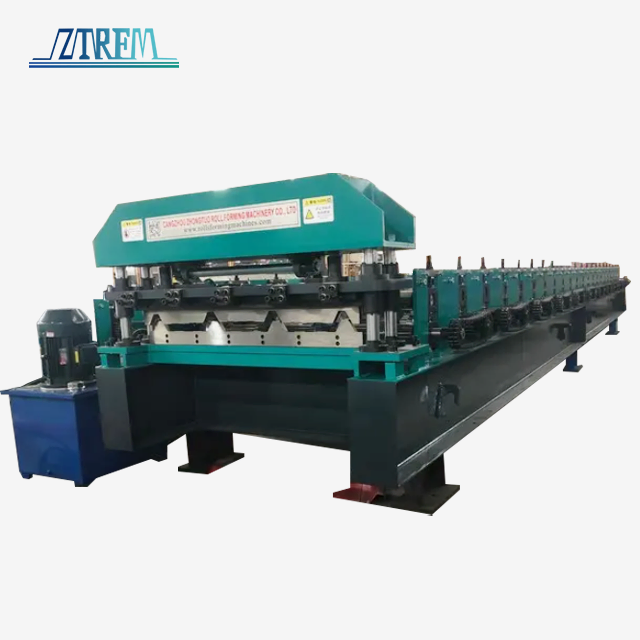
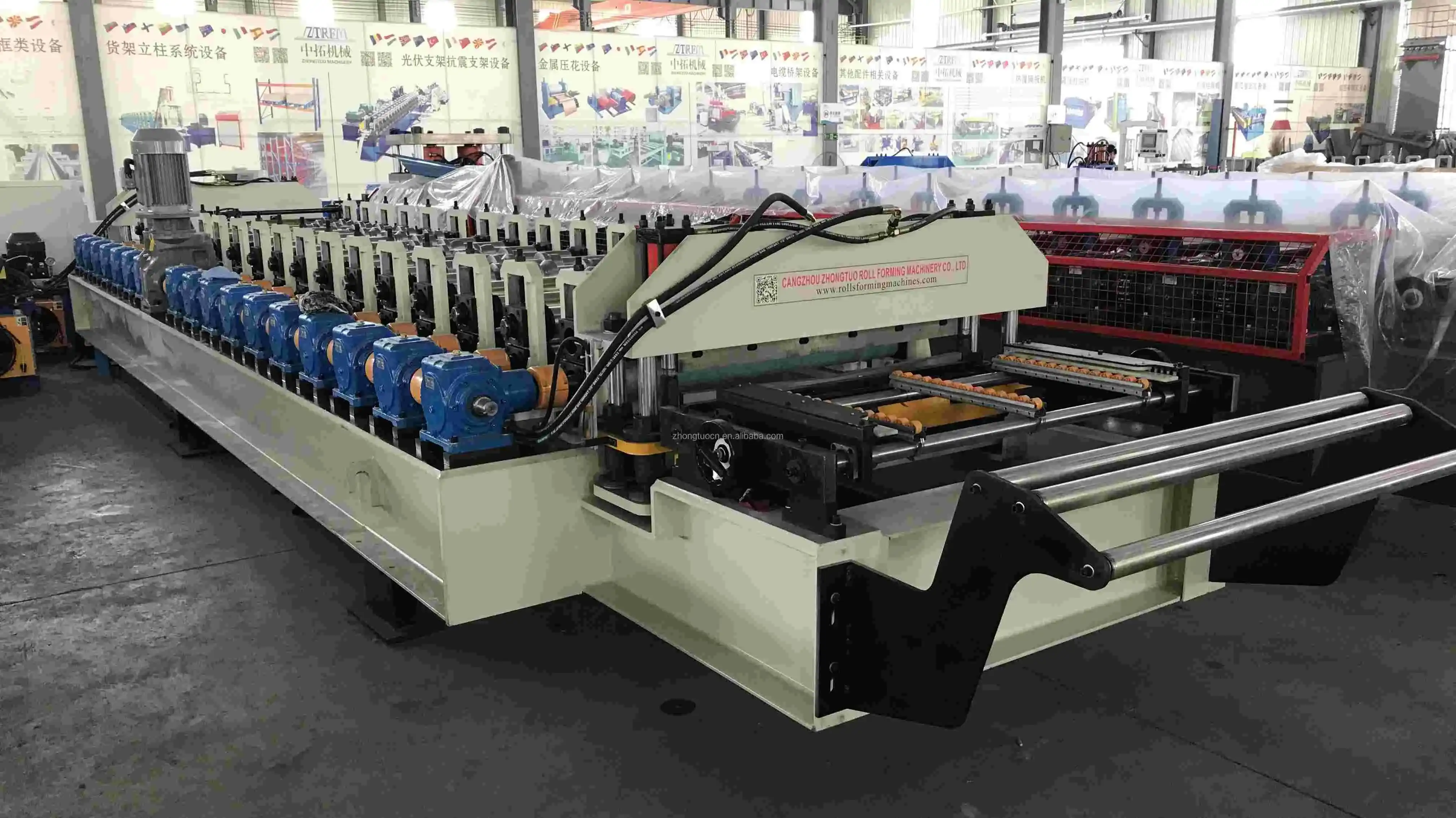
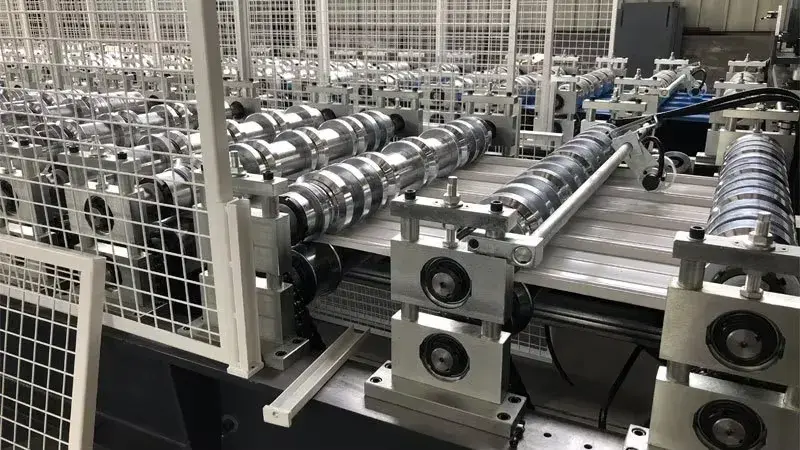
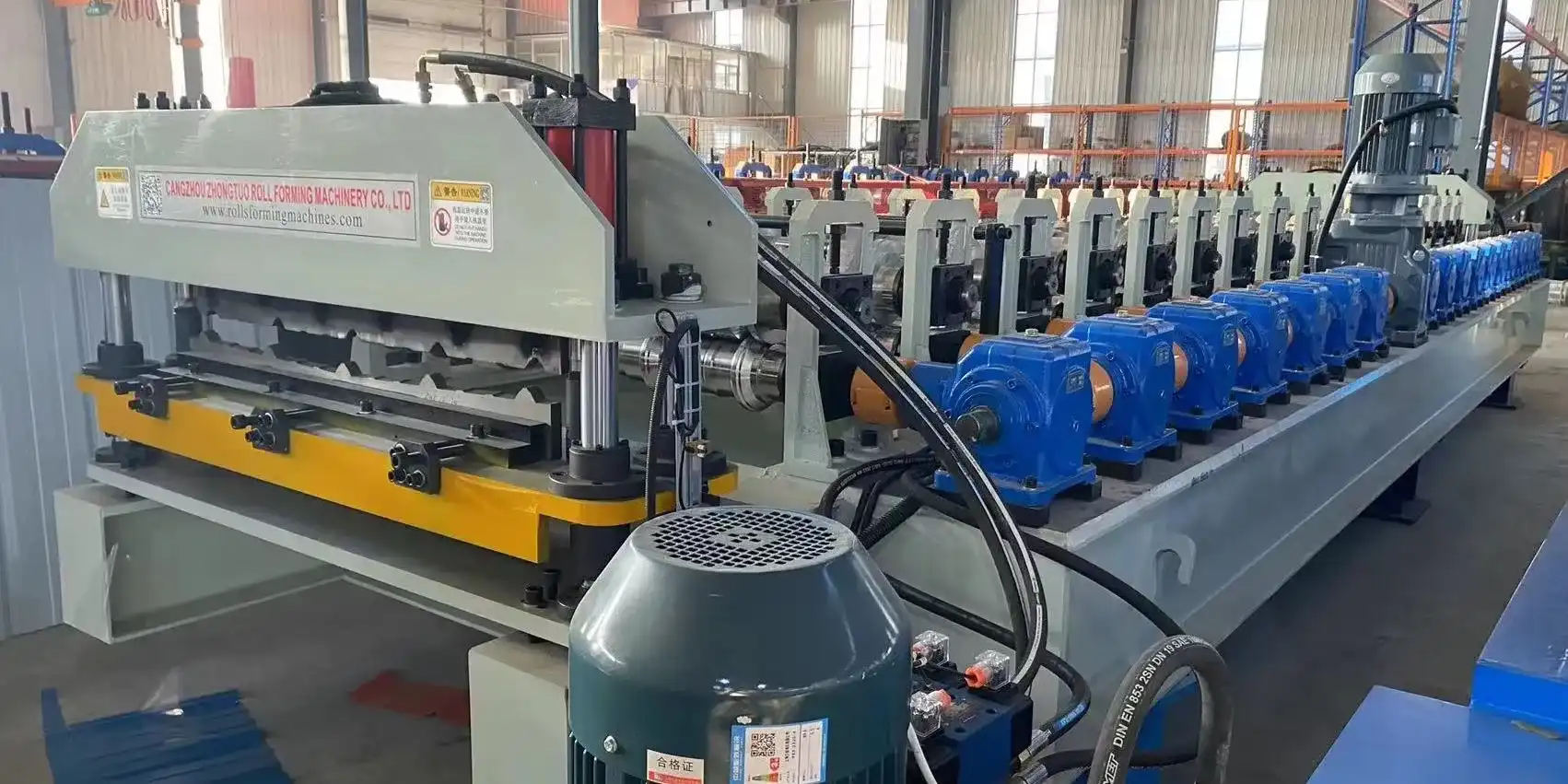
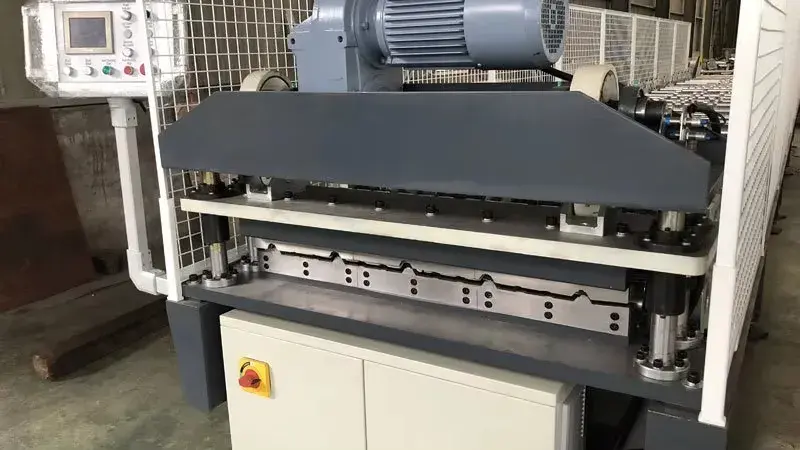
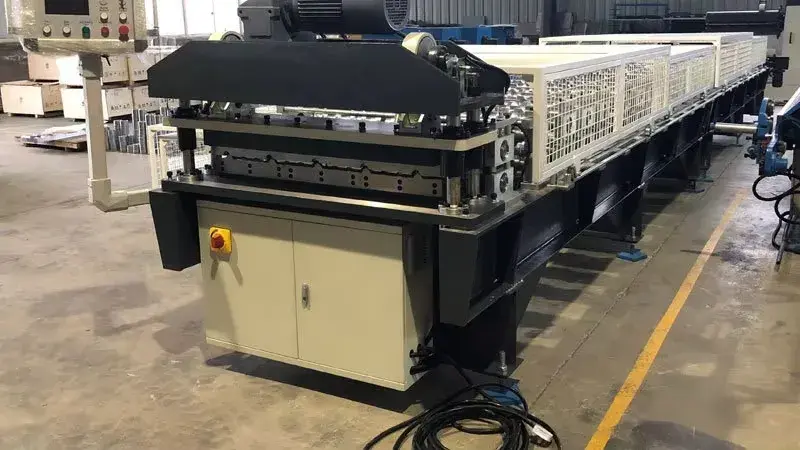
The roller stations are the heart of any metal panel-making system. They gradually make flat coil stock into the typical shape with raised ribs and legs that hold up the purlins. Modern machines usually have 19 rows of baking stations, and each one has precise rollers made from high-quality 45# cast steel that has been hard chrome plated. This surface treatment makes rollers last longer by stopping the wear and tear that comes from metal touching metal all the time. The solid 80mm shaft diameter is stiff, so it doesn't bend when loads are put on it during forming. This keeps the profile accurate even when working with thicker gauge materials. All stations are properly torqued by drive systems that use gears and double-chain transmission. The 350mm H-beam frame structure and 20mm welded steel support plates keep the structure stable during high-speed operation.
Why Regular Maintenance Matters
The dependability of your equipment has a direct effect on your ability to keep up with sales and keep your profit levels. Neglected machines have alignment problems that make panels that don't meet specifications, which means they have to be fixed or thrown away. When there isn't enough grease, bearings wear out faster and use more energy because of the friction. Deteriorating electrical connections can cause machines to shut down during production runs, leaving partly made material stuck in the machine. The automatic cutting system has Cr12MoV blades that are made for slicing without warping. It needs to be checked on a regular basis to make sure there are no burrs that damage equipment further down the line. Studies show that makers who use structured maintenance programs have 40% fewer unexpected downtimes than those who only do fixes when they happen.
Material Interaction and Wear Patterns
Knowing how different coil specifications affect your tools of PBR roofing panel machine can help you figure out when to do repairs. It takes less force to shape thinner 26-gauge metal, but the rollers may need to be spaced closer together, which increases contact wear. When 24-gauge stock is used, it needs more force to be formed, which speeds up the wear on drive components and motor bearings. Extra care must be taken with pre-painted steel to keep the coating from wearing off. Rollers must keep metal surfaces smooth and free of pits that could scratch artistic finishes. Zinc particles can build up on rollers in galvanized and galvalume coatings, changing the size of profiles over time if they are not cleared during cleaning processes.
Common Issues Affecting PBR Roll Formers and Their Root Causes
Maintenance teams can deal with problems before they become expensive failures or safety risks by spotting early warning signs.
Roller and Tooling Degradation
Every day, the forming rollers have to deal with a lot of repetitive stress as they create thousands of linear feet of metal. In high-contact places, the hard chrome plating goes away over time, revealing the base steel to faster wear. This shows up as ribs that aren't all the same height or panel lines that are wavy, which doesn't meet customer quality standards. Among the main reasons are working with rough materials beyond what was intended, not using enough lubrication, which leads to dry contact, and polluting the environment with toxic leftovers from metalworking fluids breaking down. Operators should use accurate measures to check the size of the panels once a week and compare the readings to the baseline values that were recorded when the panels were first set up.
Drive System and Transmission Problems
For chain-driven systems to work consistently, they need to be properly aligned and tensioned. When chains are too loose, the load is spread out unevenly, which wears out sprockets faster and makes clicking sounds while the machine is running. When chains are over-tensioned, they put stress on bearings and shafts, which could lead to a catastrophic breakdown. Gear transmission units need clean lubricant with a viscosity set by the maker. Metal bits in contaminated lubricant work like grinding compound and quickly wear down tooth surfaces. When exposed to humidity, bare gearbox parts rust, which makes them more frictional and uses more power. Vibration analysis tools can find worn-out bearings months before they completely fail. This lets the bearings be replaced during planned breaks instead of having to be fixed in an emergency.
Hydraulic and Pneumatic System Failures
Hydraulic pressure is used by the automatic cutting device to make enough shearing force without deforming the three-dimensional panel shape. When a seal breaks down, fluid leaks out and the pressure drops. This makes cuts that aren't finished or lines that are rough. If hydraulic oil is dirty, it speeds up pump wear and clogs up control valves, which makes the cutting action unpredictable. Trapped air in hydraulic lines makes the machine respond slowly and cut at odd times. Similar problems happen with pneumatic systems that control feeding materials and ejecting panels: old seals let pressure drop, and condensation from moisture causes internal rust. Visual checks every day find most leaks before they cause a lot of fluid loss, and changing the filter every month keeps the oil clean.
Electrical and Control System Issues
These days, forming machines of PBR roofing panel machines have PLC processors and HMI touchscreens that control the length settings, output numbers, and automated routines. When electrical connections aren't tight, resistance builds up, and heat is produced, which can lead to terminal failure or fire risks. When dust builds up on circuit boards, it creates conductive paths that send fake messages or short out components. Software bugs can sometimes mess up output settings, making the machine make panels of the wrong length or skip cutting cycles. If you don't ground your devices properly, static electricity can build up and hurt sensitive electrical parts. Most electrical problems can be avoided by making it a habit to fix electrical connections during monthly checks and keep control boxes clean.
Step-by-Step Maintenance Procedures for PBR Roll Formers
Setting up a tiered maintenance plan strikes a balance between the daily operational needs and the thorough long-term care that a machine needs to run at its best for its entire service life.
Daily and Weekly Maintenance Tasks
At the start of each shift, operators should look over all safety guards, emergency stops, and warning signs to make sure none are broken or blocked. Use clean cloths to wipe down any roller surfaces that are visible to get rid of metal dust and oils that are still there and attract dirt. Apply the lube recommended by the maker to the chain drives and any bearing points that can be reached. Too much lubrication will attract dirt, and not enough will cause the parts to wear out faster than they should. Check the amount of hydraulic fluid and look at the lines for damage or swelling that could mean they are about to break. Before adding coil material, make sure that all of the control functions are working properly. This includes the start/stop buttons, emergency stops, and the cutting cycle. Get rid of any trash that's on the floor around the machine, especially metal chips that could get into the lubricant systems and cause electrical shorts.
In addition to daily checks, weekly chores include more thorough inspections. Check the chain tightness at several places along the drive system and make changes as needed to stay within the specs. Use straightedges or laser alignment tools to check the alignment of the rollers and fix any problems that could lead to mistakes in the measurements. Check the electrical connections inside the control panels for signs of burning, like leads that have turned a different color or insulation that has been burned. Look at the production logs to find trends that could mean problems are starting to happen. For example, slowly longer cycle times or higher motor current draws are often signs that a part is about to fail. To keep the airflow going right, clean or repair the air filters in mechanical systems and the cooling fans on the control panel.
Monthly and Quarterly Deep Inspections
At these times, repair teams can check on parts that can't be reached during production. Take off the side panels to look at the drive systems inside. Look for pits or other strange wear patterns in the gear teeth. Drain and take a sample of the hydraulic fluid to test for viscosity breakdown and contamination levels. If the fluid doesn't meet the requirements, it needs to be replaced. Check the cutting blade for chips or dull edges and rotate or replace it as needed to keep the chopping action clean. Quality cutting systems use Cr12MoV material, which can usually take 100,000 cuts before it needs to be serviced. However, keeping an eye on the quality of the cuts can help you notice when the blade is wearing down sooner.
Every three months, there should be thorough checks of the electrical system using thermal imaging cameras to find hot spots that mean there are problems with the resistance. Make sure the emergency stop circuits and safety interlocks work by testing them. To keep tight limits on dimensions, calibrate encoders that measure length and sensors that sense where the cuts are. Go over the steps for backing up software and make sure that the production settings are in line with the latest requirements. If makers release patches that fix known problems, you should update the PLC software.
Annual Overhauls and Component Replacement
Full checks once a year give you a chance to fix wear that builds up over the course of the work year. Take apart and check all of the roller stations by measuring the width of each roller at several locations to see if the wear is even. If there is too much curve, there are alignment issues that need to be fixed. Instead of watching for signs of failure, replace bearings based on how many hours they've been used. Put new seals and packings on hydraulic cylinders and rebuild them. If the measures of elongation are higher than the acceptable limits, the whole drive chain needs to be replaced. To recalibrate the whole machine, use precision test panels to make sure that all of the measurements match the engineering plans.
These repairs should ideally be done when the plant is shut down on a regular basis, when output needs allow for more breaks. Planning ahead for the supply of parts avoids delays; keeping good relationships with spare parts providers guarantees quick delivery of high-quality replacements when needed.
Best Practices and Tips to Maximize PBR Roll Former Lifespan
In addition to regular repair, the way things are run has a big impact on how long equipment lasts and how well it consistently produces results.
Operator Training and Skill Development
Well-trained workers can tell when problems are starting to happen by hearing strange sounds, feeling strange movements, or seeing changes in performance. Wide-ranging training programs should cover how to operate machines, how to handle materials safely, and how to fix simple problems. Operators need to know how the choices they make about how to set up their equipment affect its stress. For example, incorrect coil loading can lead to uneven tension, which harms feed mechanisms and makes panels twist. By encouraging workers to report small problems, you can create a culture of proactive maintenance where small problems are fixed before they become big problems. Keeping production logs of what operators see is a good way to figure out when repair needs to be done.
Quality Spare Parts and Consumables
When people try to save money by buying extra parts, it often backfires by causing early breakdowns and lower production quality. Rollers made from poor steel alloys or materials that haven't been properly heat-treated and cooled wear out quickly and may break under load, which could do a lot of damage to nearby parts. When generic hydraulic seals are introduced to certain types of fluid, they grow or harden, which lets fluids leak. Low-quality tool steel cutting blades lose their edge quickly, making cuts that are too rough and need extra work to smooth them out. Working with the original equipment maker or authorized suppliers makes sure that replacement parts meet the requirements of the design and keep the guarantee valid.
Leveraging Professional After-Sales Support
Even repair teams with a lot of experience can benefit from maker knowledge, especially when dealing with strange problems or installing upgrades. When you sign a service contract, you get access to technical help hotlines staffed by engineers who know how to fix certain machine models. Factory-authorized checks done on a regular basis find small problems that in-house teams might miss. With remote diagnostics, makers can look at PLC data logs and monitor readings and often find the root causes without having to go to the site. For complicated fixes like replacing all the rollers or realigning the frame, factory-trained techs bring special tools and know-how that make their fees worth it by cutting down on downtime and getting better results.
Comparative Insights and Choosing the Right Maintenance Strategy
To take care of equipment of Pbr roll former in a way that balances cost, complexity, and practical goals, different production environments and business models need different methods.
PBR Versus Alternative Panel Forming Systems
When compared to regular R-panel or corrugated sheet machines, equipment made for purlin-bearing rib profiles has more making stations that make the unique structure leg. This makes alignment processes more difficult and increases the number of rollers that need to be inspected on a regular basis. But the better performance of the panels makes up for this extra upkeep work in situations where better structure strength is needed. Manufacturers who make a lot of different profile types might want to look into dual-layer machines that can make different panels at the same time. These systems need to be maintained together, but they are much more productive.
Predictive Maintenance Technologies
Traditional repair plans that are based on time may replace parts that still have some life left, missing early problems in equipment that isn't being used much. Condition tracking systems that use thermal images, shaking sensors, and lubricant analysis find real damage instead of guessing wear based on hours of use. IoT-enabled devices send information about their performance to cloud-based servers, where machine learning algorithms look for trends that show when something is about to break. This method finds the best time for upkeep, which lowers the cost of parts and keeps output going. For production lines that are used a lot, the money spent on tracking technology usually pays for itself in two years.
In-House Versus Contracted Maintenance
Smaller businesses often don't have dedicated repair staff with roll forming skills, which is why service contracts are appealing even though they cost more per incident. Larger manufacturers gain from building knowledge that can be used right away to fix problems with output without having to wait for technicians from outside the company. The best mix relies on how complicated the equipment is, how important the production is, and how many people are accessible. Hybrid methods work well, where routine maintenance is done in-house while specialty jobs like yearly overhauls or replacing major parts are contracted out. By building relationships with dependable service providers before an emergency happens, you can be sure that they will respond quickly when you need critical help.
Conclusion
With regular upkeep, your roofing panel-forming equipment goes from being an investment to a long-term competitive edge. Most failures can be avoided by lubricating, cleaning, and doing basic checks every day. Routine deep maintenance can catch problems as they start to form before they stop production. Knowing how the features of the material affect the way parts wear lets you guess how they will wear and when to replace them. Putting money into teaching operators, good extra parts, and sometimes professional help creates an environment for repair that makes equipment last as long as possible while keeping the tight tolerances and high surface quality your customers expect. Maintenance takes a small amount of time and money, but it pays off in a big way by reducing downtime, making sure product quality stays uniform, and extending the life of equipment.
FAQ
1. How often should I lubricate the roller stations?
Most friction-related wear can be avoided by greasing chain drives and visible bearings every day. Greasing roller contact points once a week with manufacturer-recommended greases is also helpful. Too much greasing can lead to pollution issues, so using thin, even coats works better than thick ones. Equipment that works in dusty places needs to be cleaned more often to keep sharp particles from building up.
2. What signs indicate my cutting blade needs replacement?
Keep an eye out for burrs on the ends of the panels, more cutting force being needed, or warping near the cut edges. When working with standard gauge material, the Cr12MoV blades used in quality systems keep their sharp edges for 100,000 to 200,000 cuts. However, checking the quality of each cut gives a more accurate idea of when to change the blades than counting cycles.
3. Should I maintain the machine myself or hire professionals?
Trained operators are best for daily and weekly jobs, while experienced repair techs are best for monthly checks. Professional service is usually needed for yearly checks and replacing major parts to make sure the right steps are taken and the guarantee is protected. Manufacturers like ZTRFM offer thorough training programs that help customers who want to do more of their own servicing become more skilled.
Partner With ZTRFM for Reliable PBR Roll Former Solutions
To keep performance at its best, you need to do more than just follow the steps. You need to work with a company that cares about your long-term success. Since 2014, ZTRFM has been specializing in cold-roll forming machinery. They offer full solutions to customers in over 150 countries, from raw materials to finished equipment. Our production methods are ISO9001, CE, and CAS certified, which means that every PBR roll former supplier we work with has to meet high-quality standards. As a national high-tech company, we offer customized maintenance training, full spare parts programs, and expert help to make sure your production lines keep running smoothly. Whether you need help making the most of your current maintenance plan or looking into changes that will require less maintenance, our engineering team has solved problems in the real world before. Get in touch with us at zhongtuorollforming@gmail.com to talk about how our knowledge and world-class service network can help you protect your equipment investment and make it more reliable.


References
1. Smith, J.R. (2021). "Cold Roll Forming Technology: Maintenance Best Practices for Industrial Metal Forming Equipment." Journal of Manufacturing Processes and Equipment Reliability, Vol. 34, pp. 112-128.
2. Anderson, M.K. & Chen, L. (2020). "Predictive Maintenance Strategies for Metal Forming Machinery in High-Volume Production Environments." International Journal of Production Research, Vol. 58, No. 9, pp. 2845-2863.
3. Williams, T.D. (2022). "Tooling Wear Analysis in Multi-Station Roll Forming Systems: Material Science and Surface Treatment Considerations." Tribology and Machinery Lubrication Quarterly, Vol. 47, pp. 89-105.
4. Roberts, P.H. (2019). "Hydraulic System Maintenance in Automated Metal Fabrication Equipment." Industrial Maintenance and Plant Operation, Vol. 80, No. 4, pp. 34-41.
5. Thompson, K.A. & Martinez, R.J. (2023). "Total Cost of Ownership Analysis for Roll Forming Equipment: Balancing Maintenance Investment with Production Efficiency." Manufacturing Economics Review, Vol. 12, pp. 67-84.
6. Davis, S.L. (2020). "Training Programs and Operator Skill Development for Complex Forming Equipment: Impact on Equipment Longevity and Output Quality." Journal of Technical Education and Industrial Training, Vol. 29, No. 2, pp. 156-173.