Any manufacturing company can make a big investment in a soffit roll forming machine, and good upkeep has a direct impact on how well it works, how dependable it is, and how long it lasts. It lasts. In a series of rolling stations, these specialised machines turn PPGI, galvanised steel, and other unrefined materials into soffit panels that are precisely shaped. Understanding the basics of maintenance helps manufacturers avoid expensive breakdowns, keep product quality consistent, and get the most out of their production lines. Regular checks, part care, and planned ways of fixing problems are all professional maintenance methods that keep production lines running smoothly.
Understanding Common Maintenance Challenges for Soffit Roll Forming Machines
Roll forming equipment performance is affected by the unique problems of the manufacturing environment. Environmental factors like metal shavings, dust, and moisture build up in the parts of machines and make them less efficient. Changes in temperature in production facilities cause parts to expand and contract, which affects how well they line up with each other and how much they can vary in size.
Important parts of the soffit roll forming machine face different maintenance issues during each stage of their operational cycles. Rolling stations are always under stress from materials that are between 0.3 and 0.8 mm thick, which causes gradual changes on the surfaces of the rollers. The 45# steel rolling shafts have a diameter of 75 mm and need to be oiled regularly so that their bearings don't fail too early. To keep the power transfer smooth across all 18 stations, the chain gearbox system needs to be regularly adjusted and follow a lubrication schedule.
You also have to think about maintaining electrical systems, especially how well sensors are calibrated and how well control panels work. To make sure that clean, exact cuts can be made at different lengths, cutting mechanisms need to have their blades fixed and cleaned. The vertical arch frame structure is made with steel plates 35 to 45 mm thick. It is stable, but it needs to be checked for stress fractures or problems with the strength of the welds.

Essential Maintenance Procedures to Enhance Soffit Roll Forming Machine Performance
Setting up regular maintenance schedules is the key to making sure that equipment always works. Every day, all moving parts should be looked over to see if there are signs of damage or wear in places that aren't normal.
Here are the daily maintenance tasks that keep everything running smoothly:
- Lubrication Management: Use the right lubricants on rolling shafts, bearings, and chain drives in line with what the manufacturer says to do. To keep the Harbin brand bearings working well and prevent them from breaking too early, they need to be lubricated at certain intervals.
- Cleaning Rules: Use the right cleaning tools to get metal scraps off of rollers and cutting areas. Control panels and electrical enclosures should be cleaned so that dust doesn't build up and possibly throw off the sensors.
- Changes to Tension: Keep an eye on the tension of the chains in your gearbox systems. If you need to, make changes to keep them from wearing down too quickly or losing power while they're working.
- Calibration Checks: Make sure the cutting length and roller alignment are correct so that the product size and quality standards are always met.
If these maintenance tasks are done together, small issues will not have the chance to become big operational problems that could lead to long downtimes and costly repairs.
Weekly maintenance plans for the soffit roll forming machine should include more thorough checks of D2 quenched roller materials for surface damage or wear. The steel plate welded structure needs to be checked regularly for stress points or problems with the weld. If you don't regularly check your electrical connections, they could come loose and cause problems with your control system.
Advanced Troubleshooting Techniques for Prolonged Machine Reliability
Proactive troubleshooting finds possible problems before they affect the production schedule. Bearing wear, shaft misalignment, and structural issues in the arch frame construction can be found using vibration analysis. Keeping an eye on the temperature of important parts lets you know early on if the lubrication fails or if there is too much friction.
The diagnostic method focuses on finding and fixing problems in a planned way. When a machine makes strange noises while it's running, it often means that there is something wrong with a certain part of it. For example, if the machine makes a grinding sound, there might be a problem with the bearings. If it makes a clicking sound, there could be an issue with the chain drive. Visual inspection techniques help find patterns of wear on roller surfaces or cutting blades that need to be fixed.
Condition-based monitoring technologies are used in modern soffit roll forming machine maintenance plans. Putting in sensors that track vibration, temperature, and operational parameters lets maintenance teams keep an eye on the health of the equipment and plan to step in before failures happen. This method of prediction lowers downtime that can't be planned for and makes the best use of maintenance resources.
Keeping records is very important when you need to fix something complicated. Keeping track of maintenance activities, when parts are replaced, and performance metrics makes useful historical data that can help you find problems that happen more than once or get the most out of your maintenance schedules. This information is very helpful when you need to get technical support or plan to upgrade your equipment.

Implementing a Long-Term Maintenance Strategy for Soffit Roll Forming Machines
Structured planning and regular follow-through are the only ways to make maintenance strategies work. Making detailed checklists makes sure that all of the right things are worked on during planned maintenance windows. These checklists should match up with how much work each factory does and how they do it.
Training programmes teach maintenance workers and operators the right way to care for equipment. If teams know how to safely lubricate equipment and troubleshoot, they can quickly fix small problems and know when to call a professional. Regular training sessions help staff learn about new technologies and ways of doing things that are best for maintenance.
Inventory management for the soffit roll forming machine parts keeps important pieces on hand for maintenance when they're needed. Getting to know reliable suppliers of real replacement parts keeps the quality up, so the equipment keeps working well. Keeping a good amount of things on hand that can be used up, like filters, lubricants, and parts that break, keeps production going.
You can get technical support and learn more about your equipment when you work with makers of tools and machines. Authorised service providers know about some design needs and can help you get the best results from your maintenance schedules. Regularly contacting technical support is a good way to deal with new issues and get the best advice on how to care for your devices.
Maintenance-Driven Performance Benefits and Cost Efficiency
Metal forming tools that are properly cared for boost performance across a range of operational metrics. When parts of a system work within the tolerances that have been set for them, energy efficiency goes up. This lowers both the amount of power used and the cost of running the system. Regular maintenance stops performance from slowly getting worse, which means that less energy is used overall.
Another big benefit of doing the right kind of maintenance is that it can make the quality of the products better. Rollers and cutting tools that are kept in perfect shape make sure that the panels are always the same size and finish. This consistent quality leads to lower waste rates and happier customers, which helps the business grow and make money.
Cost analysis shows that doing soffit roll forming machine maintenance before something breaks is cheaper. Regular maintenance is a lot cheaper than fixing things or replacing parts in an emergency. If you plan your maintenance windows ahead of time, you can work around production schedules. This is better than unexpected breakdowns, which stop everything.
Proper maintenance can make equipment last longer, which helps businesses get the most out of their money. Roll formers are expensive, but careful upkeep can greatly lower their total cost of ownership. This longer lifespan also makes things run more smoothly and means that big equipment buys don't have to happen as often.

Conclusion
Soffit roll forming machines perform well, are reliable, and last a long time when they are properly maintained. By using both simple, everyday tasks like greasing machines and more complex, less-frequented methods for fixing problems, systematised maintenance keeps the production quality high and avoids the costs of stopping work. The money spent on proper maintenance pays off in many ways, such as making equipment last longer, products better, and energy use more efficient. Commitment to structured maintenance schedules, operator training, and working with qualified technical support resources are all things that will help you succeed. By focusing on excellent maintenance, manufacturers protect their investments in equipment and keep their edge over competitors in tough industrial markets.
FAQ
Q1: How often should you look for wear on the rolling stations of a soffit panel forming machine?
A: Rolling stations should be looked at every day while they are being used, and then once a week more carefully. The D2 quenched roller material is very tough, but checking it regularly at the beginning is the only way to see wear patterns that could affect the quality of the product or show that changes need to be made.
Q2: How often should you put oil in the chain gearbox systems of industrial shaping tools?
A: Most of the time, chain gearbox systems need oil every 40 to 60 hours of use, but it depends on how much work there is to do and how rough the environment is. Using the right lubricants and checking the chain's tension often will keep everything working well and stop damage from happening too soon at all stations. Use the lubricants that the maker suggests.
Q3: When should the cutting blades in roll-forming machines be changed?
A: Replace the blades when the cut quality goes down. This is usually a sign of cuts that are the wrong size, edges that are rough, or having to push harder to cut. If you use your things correctly and clean your blades often, they will last a lot longer. This lowers costs while keeping the quality of your products high.
Partner with ZTRFM for Superior Soffit Roll Forming Machine Solutions
ZTRFM is a top soffit roll forming machine maker that offers complete solutions that combine cutting-edge design with dependability. ISO9001, CE, and CAS certifications show that we know a lot about cold roll forming technology. This means that we can guarantee that our equipment meets the highest quality standards for difficult industrial uses.
As a trusted supplier of soffit roll-forming machines, we stand by you every step of the way, from purchase to the end of the machine's life. Our machines are well-built with steel plate welded structures, 45# steel shafts made with precision, and reliable Harbin brand bearings that make sure they always work in a range of manufacturing settings. The 18-station setup can handle materials 0.3 to 0.8 mm thick and keeps the forming accuracy high.
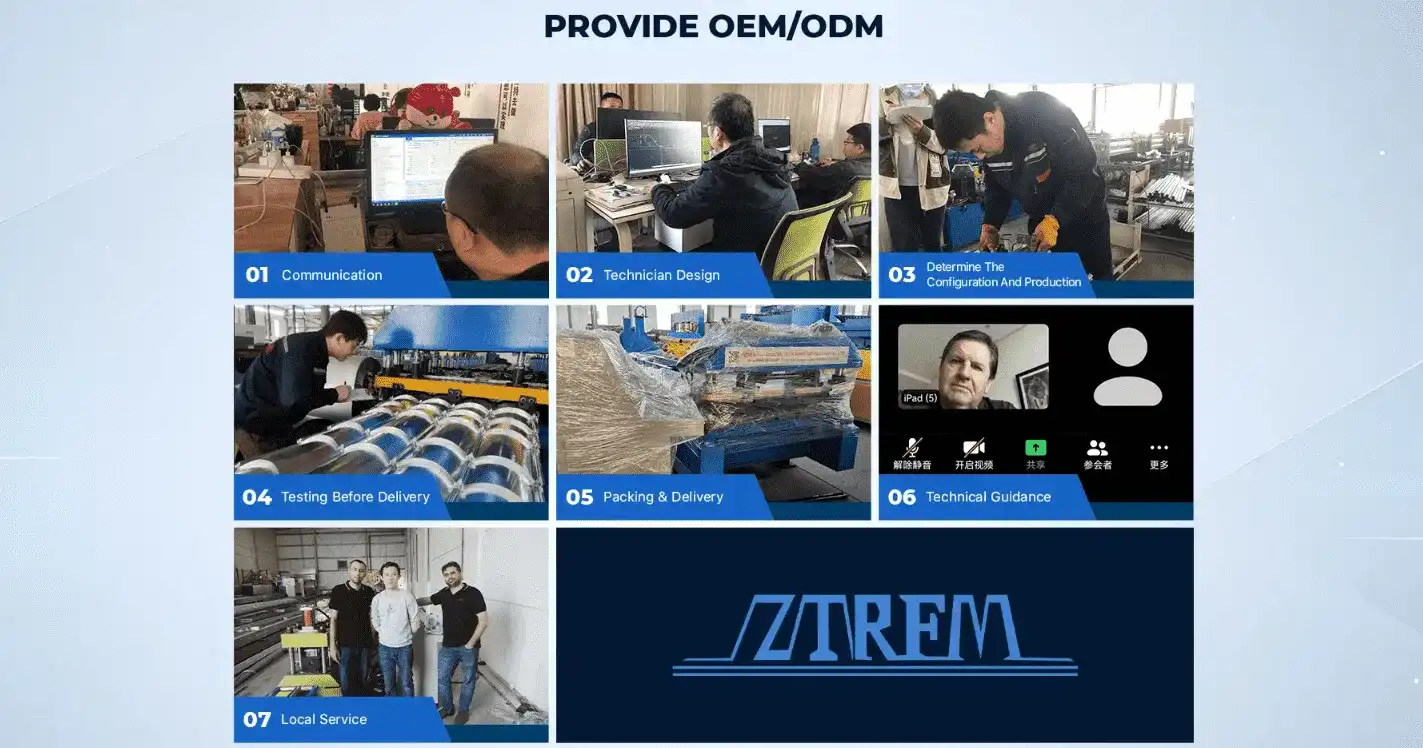
To make sure your equipment works well, our full-service approach offers technical training, maintenance advice, and access to real parts. ZTRFM has installed systems in over 150 countries, so they bring a lot of experience to every project. Our engineering team makes equipment that meets your exact production needs and boosts efficiency, whether you need standard setups or tailored solutions.
Find out how good it is to work with a well-known company. To talk about your soffit panel production needs and learn how ZTRFM equipment can help you make better products, email us at zhongtuorollforming@gmail.com. Go to rollformingmachinemanufacturer.com to get more information on the specs of each product and to find technical resources that will help you make smart choices about the equipment you buy.
References
1. American Society of Mechanical Engineers. "Maintenance Best Practices for Industrial Roll Forming Equipment." ASME Standards and Guidelines, 2023.
2. International Association of Roll Forming Manufacturers. "Preventive Maintenance Protocols for Metal Forming Machinery." Industry Technical Manual, 2022.
3. National Institute of Standards and Technology. "Precision Maintenance Techniques for Manufacturing Equipment Optimization." NIST Special Publication, 2023.
4. Industrial Maintenance Society. "Cost-Effective Maintenance Strategies for Roll Forming Operations." Annual Technical Conference Proceedings, 2022.
5. Society of Manufacturing Engineers. "Advanced Troubleshooting Methods for Cold Roll Forming Systems." SME Technical Paper Series, 2023.
6. Metal Construction Association. "Equipment Lifecycle Management in Roll Forming Applications." MCA Research Report, 2022.
_1750323743240.webp)