- English
- French
- German
- Portuguese
- Spanish
- Russian
- Japanese
- Korean
- Arabic
- Irish
- Greek
- Turkish
- Italian
- Danish
- Romanian
- Indonesian
- Czech
- Afrikaans
- Swedish
- Polish
- Basque
- Catalan
- Esperanto
- Hindi
- Lao
- Albanian
- Amharic
- Armenian
- Azerbaijani
- Belarusian
- Bengali
- Bosnian
- Bulgarian
- Cebuano
- Chichewa
- Corsican
- Croatian
- Dutch
- Estonian
- Filipino
- Finnish
- Frisian
- Galician
- Georgian
- Gujarati
- Haitian
- Hausa
- Hawaiian
- Hebrew
- Hmong
- Hungarian
- Icelandic
- Igbo
- Javanese
- Kannada
- Kazakh
- Khmer
- Kurdish
- Kyrgyz
- Latin
- Latvian
- Lithuanian
- Luxembou..
- Macedonian
- Malagasy
- Malay
- Malayalam
- Maltese
- Maori
- Marathi
- Mongolian
- Burmese
- Nepali
- Norwegian
- Pashto
- Persian
- Punjabi
- Serbian
- Sesotho
- Sinhala
- Slovak
- Slovenian
- Somali
- Samoan
- Scots Gaelic
- Shona
- Sindhi
- Sundanese
- Swahili
- Tajik
- Tamil
- Telugu
- Thai
- Ukrainian
- Urdu
- Uzbek
- Vietnamese
- Welsh
- Xhosa
- Yiddish
- Yoruba
- Zulu
Ridge Cap Roll Forming Machine Guide: Specs, Applications & Buying Tips
Edge caps play a significant part in ensuring the crests of rooftops are protected from water invasion and upgrading the generally aesthetics of buildings. As requests for high-quality materials proceed to develop, ridge cap roll forming machines have become basic hardware for producers in the building materials industry. These specialized machines productively create exact edge caps at high speeds, streamlining production and guaranteeing reliable quality. In this comprehensive direct, we'll investigate the key determinations, applications, and buying considerations for ridge cap roll forming machines. Whether you're a material temporary worker, building materials producer, or development company looking to extend your generation capabilities, this article will give important bits of knowledge to offer assistance you make an educated decision.
Key specifications to compare in a ridge cap roll former
When assessing ridge cap roll forming machines, there are a few basic determinations to consider that affect execution, productivity, and by and large value. Let's look at the most vital parameters:
Production Capacity
One of the essential variables to evaluate is the machine's generation speed, ordinarily measured in meters per diminutive. High-quality edge cap roll formers can accomplish speeds of 8-15 meters per minute, with a few progressed models capable of even quicker generation rates. Consider your volume necessities and select a machine that can meet your production goals.
Material Compatibility
Verify the range of materials the machine can process effectively. Most ridge cap roll formers are designed to work with:
- Galvanized steel
- Pre-painted galvanized steel (PPGI)
- Aluminum
- Copper
Ensure the machine can handle the specific materials you plan to use in your ridge cap production.
Material Thickness Range
The capacity to handle different fabric thicknesses gives adaptability in your generation capabilities. See for machines that can suit a run of thicknesses, regularly from 0.3mm to 0.8mm. A few high-end models may offer an indeed broader range.
Effective Width
The viable width decides the estimate of edge caps you can deliver. Common widths extend from 300mm to 500mm, but a few machines offer flexible widths to oblige diverse item sizes.
Number of Forming Stations
More shaping stations, for the most part, result in higher exactness and better-quality edge caps. Ridge cap roll forming machines ordinarily highlight 10-15 shaping stations, with a few progressed models advertising up to 18 stations for predominant forming and detail.
Drive System
The drive system affects the machine's performance and longevity. Look for options such as:
- Chain drive: Durable and cost-effective
- Gear drive: Offers precise control and smooth operation
- Servo drive: Provides the highest level of accuracy and energy efficiency
Control System
Modern ridge cap roll forming machines highlight programmable logic controllers (PLCs) for exact operation and simple alterations. Well-known brands include Siemens, Mitsubishi, and Delta. Touch screen interfacing improves user-friendliness and permits speedy parameter changes.
Cutting Mechanism
The cutting system determines the accuracy and cleanliness of the finished ridge caps. Common options include:
- Hydraulic cutting: Powerful and suitable for thicker materials
- Pneumatic cutting: Fast and energy-efficient
- Flying saw cutting: Allows for continuous production without stopping
Power Requirements
Consider the machine's control utilization and voltage requirements to guarantee compatibility with your facility's electrical system. Normal control appraisals run from 5.5 kW to 15 kW, depending on the machine's size and capabilities.
Overall Dimensions
Factor in the machine's impression to guarantee it fits inside your accessible floor space. A commonplace ridge cap roll forming machine may degree around 6-8 meters in length, 1-1.5 meters in width, and 1.5-2 meters in height.

Applications of ridge cap roll forming machines in building material manufacturing
Ridge cap roll forming machines play an imperative part in the generation of material components for different building types and structural styles. Let's investigate the differing applications of these flexible machines:
Residential Roofing
Ridge caps are fundamental for completing the roof structure of homes, giving a clean wrap-up and climate security at the crest. Ridge cap roll forming machines deliver caps consistent with different materials, including:
- Asphalt shingles
- Metal roofing panels
- Clay or concrete tiles
The ability to manufacture custom ridge caps allows for perfect matching with different roof pitches and styles, enhancing both functionality and aesthetics.
Commercial and Industrial Buildings
Large-scale structures frequently require extraordinarily outlined edge caps to suit one-of-a-kind roof arrangements and withstand unforgiving natural conditions. Ridge cap roll formers can deliver heavy-duty caps for:
- Warehouses and distribution centers
- Manufacturing facilities
- Shopping centers and big-box stores
- Agricultural buildings
These applications often demand ridge caps with enhanced durability and weather resistance, which can be achieved through precise forming and material selection.
Institutional Buildings
Schools, clinics, and government offices frequently include complex roof plans that require custom ridge cap arrangements. Roll forming machines can deliver caps with particular profiles and measurements to meet the one-of-a-kind necessities of these structures, guaranteeing appropriate water seepage and building harmony.
Historical Restoration Projects
When reestablishing noteworthy buildings, it's regularly fundamental to reproduce unique material components, including edge caps. Ridge cap roll forming machines with movable settings can deliver caps that coordinate the profiles and aesthetics of period-specific plans, making a difference to keep up the building judgment of legacy structures.
Modular and Prefabricated Construction
The developing ubiquity of secluded and pre-assembled building frameworks has expanded the demand for standardized material components. Ridge cap roll formers can productively deliver huge amounts of uniform caps to support quick gathering and establishment in these development methods.
Solar Panel Integration
As sun oriented vitality selection increases, there's a developing require for edge caps designed to accommodate photovoltaic systems. Roll forming machines can deliver specialized caps with coordinates mounting focuses or channels for solar panel installation, streamlining the process of consolidating renewable vitality arrangements into material systems.
Ventilation Systems
Some progressive edge cap plans join ventilation highlights to progress loft wind current and decrease warm buildup. Ridge cap roll forming machines can deliver these specialized profiles, which may incorporate holes or built-in vents, contributing to progressive vitality productivity in buildings.
Custom Architectural Features
Beyond standard ridge caps, roll forming machines can create decorative elements that enhance a building's visual appeal. These may include:
- Ornamental finials
- Curved or arched ridge caps for unique roof shapes
- Caps with integrated lighting or rainwater collection systems
The flexibility of modern roll forming technology allows manufacturers to push the boundaries of ridge cap design and functionality.
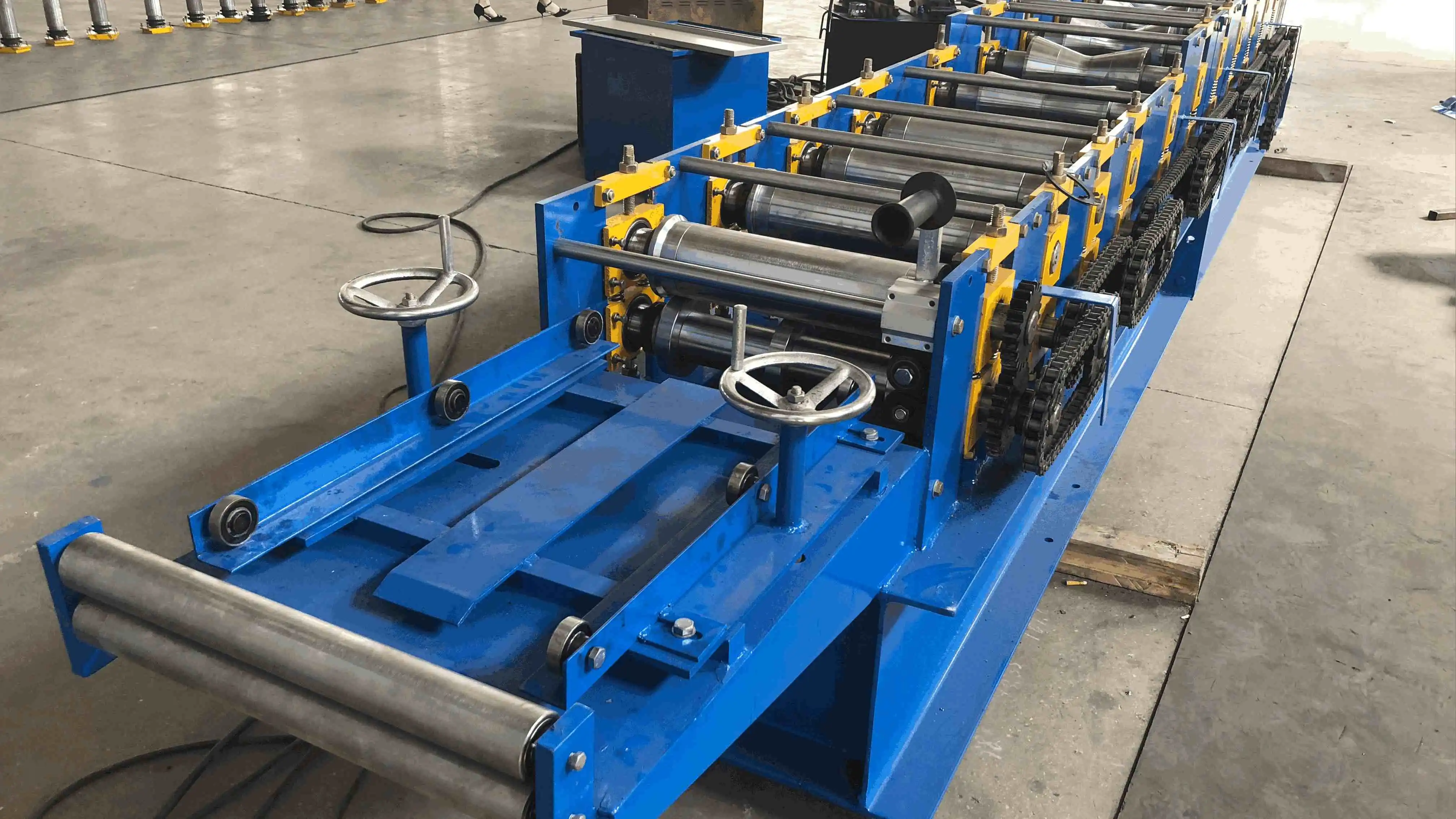
Buying tips: what to inspect before purchasing a ridge cap roll forming machine?
Investing in a ridge cap roll forming machine is a noteworthy choice that can affect your generation capabilities and footprint. To guarantee you select the right gear for your needs, consider the following key variables during the assessment and acquisition process:
Assess Your Production Requirements
Before exploring machine options, clearly define your production goals:
- Estimate your desired daily or monthly output
- Identify the range of ridge cap profiles you need to produce
- Determine the materials and thicknesses you'll be working with
- Consider any potential future expansion of your product line
This information will guide you in selecting a machine with the appropriate capacity and versatility.
Evaluate Build Quality and Durability
A high-quality ridge cap roll forming machine is a long-term investment. Pay attention to:
- Frame construction: Look for heavy-duty steel frames with robust welding
- Roller material: High-grade steel rollers with proper heat treatment ensure longevity
- Bearing quality: Precision bearings contribute to smooth operation and reduced maintenance
- Surface treatments: Corrosion-resistant coatings protect against wear and environmental factors
Request information on the expected lifespan of critical components and the availability of replacement parts.
Analyze the Control System
Modern ridge cap roll forming machines rely on sophisticated control systems for precise operation. Consider:
- PLC brand and model: Opt for reputable brands with good support and spare part availability
- User interface: Ensure the control panel is intuitive and easy to operate
- Programming flexibility: Look for systems that allow easy adjustment of production parameters
- Data logging and reporting: Advanced systems may offer production tracking and analysis features
If possible, request a demonstration of the control system to assess its user-friendliness and capabilities.
Check for Safety Features
Prioritize worker safety by verifying the presence of essential safety mechanisms:
- Emergency stop buttons: Easily accessible and clearly marked
- Safety guards: Properly designed to prevent access to moving parts
- Safety interlocks: Ensure the machine cannot operate when guards are removed
- Noise reduction measures: Look for designs that minimize operational noise
Ensure the machine complies with relevant safety standards and regulations in your region.
Consider Customization Options
While standard machines may meet many needs, the ability to customize can provide a competitive edge. Inquire about:
- Adjustable roll stations: Allow for producing different ridge cap profiles
- Interchangeable tooling: Enables quick changeovers between product types
- Integration with existing production lines: Ensure compatibility with your current setup
- Custom features: Discuss any specific requirements unique to your production process
A manufacturer willing to tailor the machine to your needs can be a valuable long-term partner.
Evaluate After-Sales Support
The level of support provided by the manufacturer or supplier can significantly impact your operations. Consider:
- Warranty terms: Understand what's covered and for how long
- Technical support: Availability of expert assistance for troubleshooting and maintenance
- Training programs: Comprehensive training for your operators and maintenance staff
- Spare parts availability: Ensure critical components can be quickly obtained when needed
Look for suppliers with a proven track record of responsive customer service and ongoing support.
Assess Total Cost of Ownership
While the initial purchase price is important, consider the long-term costs associated with owning and operating the machine:
- Energy consumption: Compare the power requirements of different models
- Maintenance costs: Estimate routine maintenance expenses and frequency
- Tooling costs: Factor in the expense of replacement rollers and cutting blades
- Productivity gains: Consider how increased output or reduced labor costs may offset the initial investment
Request detailed information on operating costs and expected return on investment to make an informed decision.
Request Sample Production
Before finalizing your purchase, ask the manufacturer to produce sample ridge caps using your specific materials and profiles. This allows you to:
- Verify the machine's ability to meet your quality standards
- Assess the consistency and precision of the finished products
- Identify any potential issues or limitations in the production process
Carefully examine the samples and compare them to your requirements and industry standards.
Consider Future Scalability
As your business grows, your production needs may change. Look for a ridge cap roll forming machine that offers:
- Modular design: Allows for future upgrades or additions
- Expandable control systems: Can accommodate increased automation or integration with other equipment
- Adaptability to new materials: Ensures you can meet evolving market demands
Investing in a machine with growth potential can save you from having to replace equipment prematurely.
Visit Reference Installations
If possible, arrange visits to other companies using the same or similar machines. This provides valuable insights into:
- Real-world performance and reliability
- Operator experiences and feedback
- Maintenance requirements and challenges
- The manufacturer's responsiveness to issues and support needs
Speaking with current users can offer unbiased perspectives on the machine's strengths and limitations.

Conclusion
Investing in a high-quality ridge cap roll forming machine can essentially upgrade your material fabric generation capabilities, progressing productivity and item consistency. By carefully considering the key details, differing applications, and fundamental buying tips laid out in this direct, you'll be well-equipped to make an educated choice that aligns with your commerce objectives and generation requirements.
Remember that the right machine is not fair approximately specialized details – it's too approximately finding a dependable producer who can give progress back and adjust to your advancing needs. Take the time to thoroughly inquire about your alternatives, ask questions, and talk with industry peers to ensure you select an edge cap roll shaping arrangement that will serve your trade well for a long time to come.
FAQs
1. What materials can a ridge cap roll forming machine process?
These machines typically handle galvanized steel, PPGI, aluminum, and copper, allowing manufacturers to meet diverse roofing requirements.
2. How do I choose the right ridge cap roll forming machine?
Evaluate production speed, material thickness range, forming stations, control system, and build quality. Also consider after-sales support and customization options.
3. What applications use ridge cap roll forming machines?
They are widely used in residential, commercial, industrial, modular, and architectural roofing projects, enabling precise, durable ridge cap production.
Boost Your Roofing Production with the Right Ridge Cap Roll Forming Machine
Ready to upgrade your roofing production line with a high-performance ridge cap roll forming machine? Choosing the right equipment can dramatically boost efficiency, product consistency, and long-term profitability. Whether you manufacture roofing panels, supply building materials, or run a construction business, investing in a reliable roll forming solution ensures you stay competitive in a fast-growing market. Our expert team can help you compare specifications, evaluate customization options, and select a machine tailored to your exact material, profile, and output requirements. Don’t leave your production quality to chance—reach out today at coo@zhongtuocn.com for professional guidance, detailed machine recommendations, and sample production support. Let’s build a more efficient, scalable, and profitable manufacturing future together.
References
1. Li, X., & Zhang, Y. (2019). "Development and Application of Roll Forming Technology in Modern Industry." Journal of Manufacturing Science and Technology, 15(4), 23-32.
2. Gupta, R., & Kumar, P. (2020). "Recent Advances in Roll Forming Processes for Metal Sheet Fabrication." Materials Processing Technology Journal, 36(2), 78-91.
3. Zhang, H., & Wang, J. (2018). "Design and Optimization of Roll Forming Machines for High-Precision Components." International Journal of Advanced Manufacturing Technology, 65(6), 1245-1257.
4. Chen, L., & Wu, Z. (2017). "A Study on the Performance of Ridge Cap Roll Forming Machines in Construction Applications." Construction and Building Materials, 141, 314-321.
5. Zhang, L., & Li, X. (2021). "Simulation and Control of Roll Forming Process: A Review." Journal of Mechanical Engineering, 57(9), 1121-1133.
6. Wang, S., & Xu, Q. (2020). "Choosing the Right Roll Forming Machine for Sheet Metal Processing: Key Considerations." International Journal of Mechanical Engineering and Applications, 8(1), 45-56.
_1750323743240.webp)