- English
- French
- German
- Portuguese
- Spanish
- Russian
- Japanese
- Korean
- Arabic
- Irish
- Greek
- Turkish
- Italian
- Danish
- Romanian
- Indonesian
- Czech
- Afrikaans
- Swedish
- Polish
- Basque
- Catalan
- Esperanto
- Hindi
- Lao
- Albanian
- Amharic
- Armenian
- Azerbaijani
- Belarusian
- Bengali
- Bosnian
- Bulgarian
- Cebuano
- Chichewa
- Corsican
- Croatian
- Dutch
- Estonian
- Filipino
- Finnish
- Frisian
- Galician
- Georgian
- Gujarati
- Haitian
- Hausa
- Hawaiian
- Hebrew
- Hmong
- Hungarian
- Icelandic
- Igbo
- Javanese
- Kannada
- Kazakh
- Khmer
- Kurdish
- Kyrgyz
- Latin
- Latvian
- Lithuanian
- Luxembou..
- Macedonian
- Malagasy
- Malay
- Malayalam
- Maltese
- Maori
- Marathi
- Mongolian
- Burmese
- Nepali
- Norwegian
- Pashto
- Persian
- Punjabi
- Serbian
- Sesotho
- Sinhala
- Slovak
- Slovenian
- Somali
- Samoan
- Scots Gaelic
- Shona
- Sindhi
- Sundanese
- Swahili
- Tajik
- Tamil
- Telugu
- Thai
- Ukrainian
- Urdu
- Uzbek
- Vietnamese
- Welsh
- Xhosa
- Yiddish
- Yoruba
- Zulu
How Do Roll Forming Machines Work?
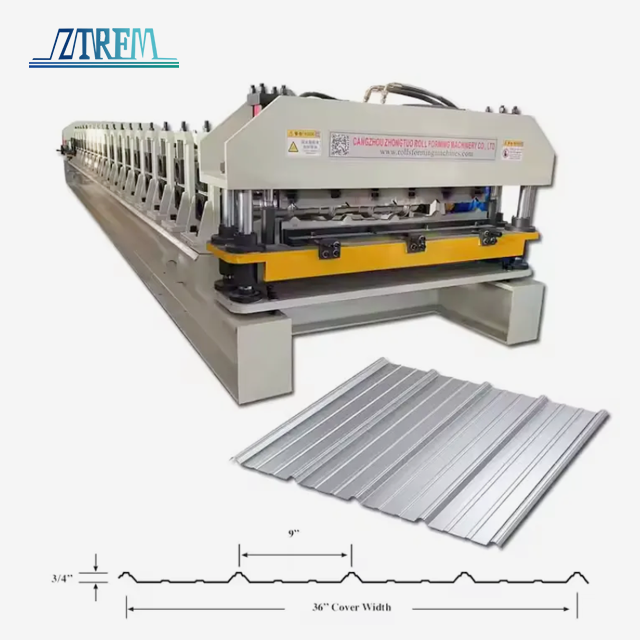
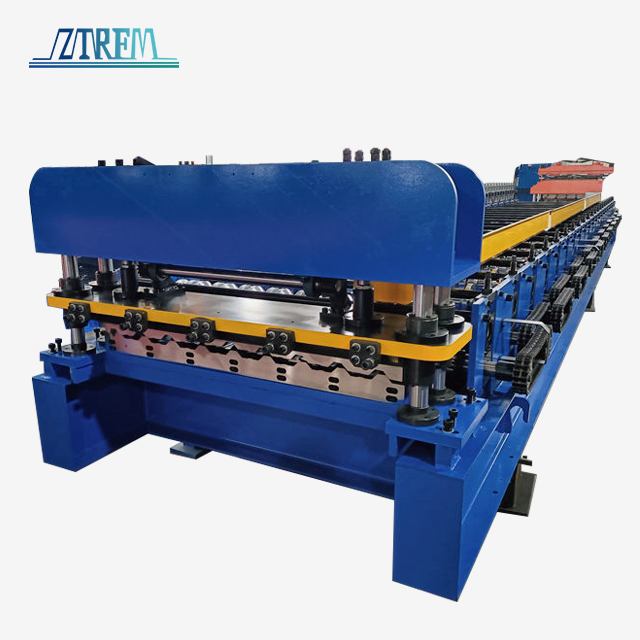
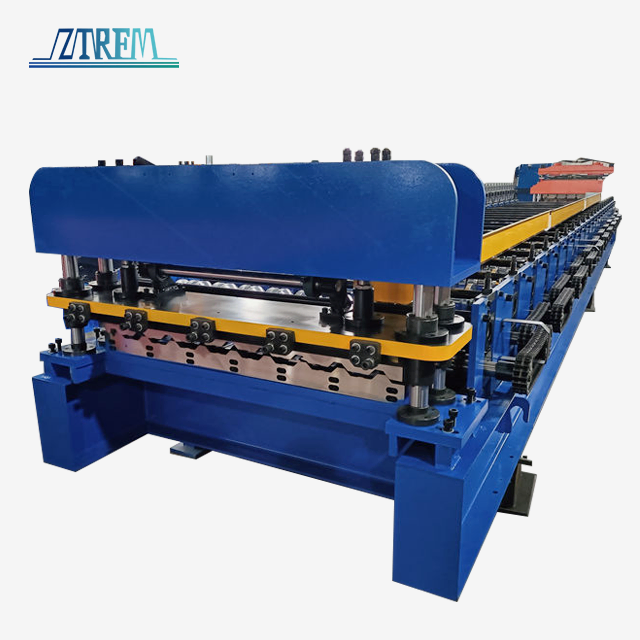
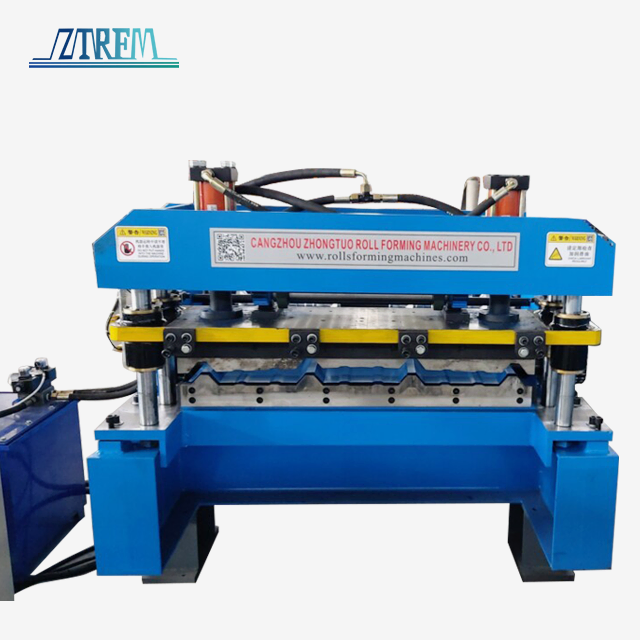
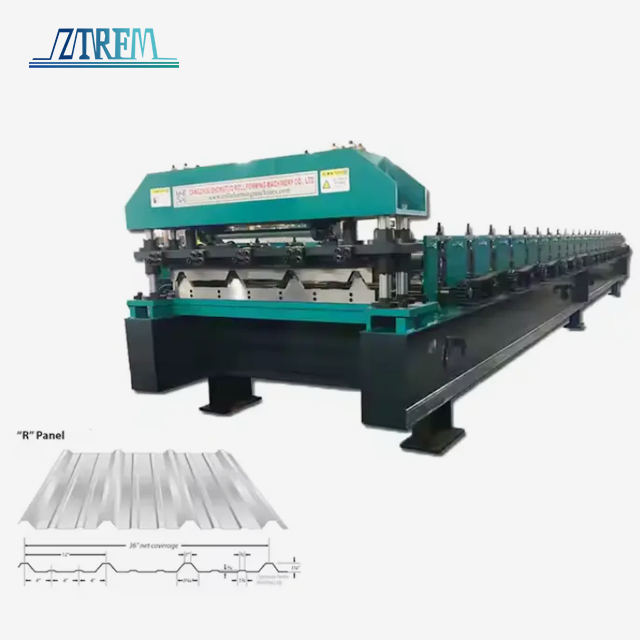
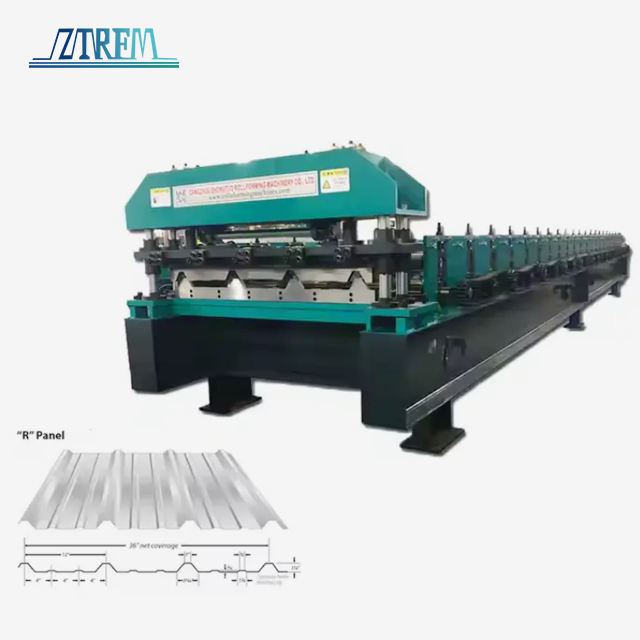
Roll forming machines represent one of the most efficient manufacturing technologies for continuous metal shaping processes. These sophisticated industrial systems transform flat metal coils into precisely formed profiles through a series of progressive bending operations. A Roll Forming Machine operates by feeding metal strips through multiple sets of rollers, each gradually shaping the material until the desired cross-sectional profile is achieved. This ongoing process lets producers make metal parts that are always the same high quality and at amazing rates, while yet keeping the precision of the dimensions and the quality of the surface polish across the manufacturing runs.
The Fundamental Operating Principles of Roll Forming Technology
Progressive Metal Deformation Process
The core mechanism of any Roll Forming Machine relies on the principle of progressive metal deformation, where material undergoes incremental bending through strategically positioned roller sets. Each forming station contributes a specific angular bend to the metal strip, typically ranging from 5 to 15 degrees per station, ensuring stress distribution remains within acceptable limits. This gradual approach prevents material cracking, surface defects, and dimensional inconsistencies that often occur with sudden forming operations. The process begins with flat metal coils being unwound and fed into the first forming station, where initial edge preparations and preliminary bends are established. As the material progresses through subsequent stations, the profile gradually takes shape, with each roller set designed to accommodate the evolving geometry while maintaining proper material flow and tension control.
Material Flow Control Systems
Modern Roll Forming Machine designs incorporate sophisticated material flow control systems that ensure consistent feeding speeds and proper alignment throughout the forming process. These systems typically include servo-driven uncoilers with tension control mechanisms, precision-guided entry systems, and computerized speed synchronization between different machine components. The uncoiling system maintains optimal material tension to prevent buckling or stretching, while feeding mechanisms ensure the metal strip enters each forming station at the correct angle and position. Advanced control systems monitor material thickness variations and automatically adjust roller pressures to compensate for minor inconsistencies in raw material properties, ensuring uniform product quality regardless of coil-to-coil variations.
Precision Roller Design and Configuration
The heart of any Roll Forming Machine lies in its precisely engineered roller configuration, where each forming station contains custom-designed rollers manufactured from high-grade tool steels such as 40 CR or HRD materials. These rollers have precise profiles that have been machined to very tight tolerances. This makes sure that the dimensions and surface quality of the products stay the same during long production runs. When designing a roller, you have to do a lot of math to figure out the material qualities, bend angles, springback characteristics, and forming forces needed for each profile. Upper and lower rollers work in coordination to gradually shape the material while maintaining proper side guidance and preventing lateral movement that could result in dimensional variations or surface defects.
Advanced Control Systems and Automation Features
PLC-Based Process Control
Contemporary Roll Forming Machine installations utilize advanced programmable logic controller (PLC) systems, such as Siemens-based platforms, that provide comprehensive process monitoring and control capabilities. These systems enable operators to precisely control forming speeds, cutting lengths, and quality parameters while maintaining real-time monitoring of critical process variables. The PLC interface allows for easy recipe changes when switching between different product profiles, automatically adjusting roller positions, cutting parameters, and speed settings according to pre-programmed specifications. Additionally, these control systems incorporate safety interlocks, emergency stop functions, and diagnostic capabilities that enhance both operator safety and equipment reliability while minimizing unplanned downtime.
Integrated Quality Monitoring Systems
Modern Roll Forming Machine designs incorporate sophisticated quality monitoring systems that continuously assess product dimensions, surface quality, and profile accuracy during production. These systems usually have laser measurement tools, optical inspection cameras, and contact-based gauging systems that give real-time feedback on how well a product meets its standards. When deviations are detected, the control system can automatically make minor adjustments to roller positions or alert operators to potential issues requiring intervention. This all-in-one quality control system makes sure that the quality of the products stays the same while also cutting down on waste and the requirement for sorting and inspecting after manufacturing.
Automated Cutting and Handling Systems
The last steps in the operation of a Roll Forming Machine use precise cutting devices to cut the constantly formed profile into specific lengths with as little material waste as possible. Depending on the thickness of the material and the needs of the production process, these cutting systems can be hydraulic, pneumatic, or servo-driven. For most uses, the cutting forces are between 4 and 15 kW. Automatic material handling systems that gather finished goods, sort them into bundles, and get them ready for shipping or packaging are examples of advanced installations. These automation features cut down on the amount of work that needs to be done by a lot. They also make manufacturing safer and more consistent by reducing the amount of physical handling of finished goods.
Industrial Applications and Manufacturing Advantages
Versatility Across Multiple Industries
Roll Forming Machine technology serves diverse industrial applications, from agricultural panel production to sophisticated architectural systems and structural components. In agricultural applications, these machines produce corrugated panels with wide ribbed structures that provide exceptional strength-to-weight ratios for barn roofing, silo construction, and storage facility applications. The construction industry relies heavily on roll-formed products for roofing systems, wall cladding, floor decking, and structural framing components that meet stringent building codes and performance requirements. Additionally, automotive, appliance, and HVAC industries utilize roll forming for producing components ranging from door frames and trim pieces to ductwork and heat exchanger fins.
Economic and Production Benefits
The continuous nature of Roll Forming Machine operation provides significant economic advantages over alternative metal forming processes, including reduced labor costs, minimal material waste, and high production rates typically ranging from 15 to 50 meters per minute depending on profile complexity. Unlike stamping or brake forming operations that require individual part handling and positioning, roll forming produces finished components in continuous lengths that can be cut to exact specifications with minimal setup time between different lengths. This efficiency translates to lower per-unit production costs, especially for high-volume applications, while maintaining consistent quality standards that reduce downstream processing requirements and customer complaints.
Customization and Flexibility Capabilities
Modern Roll Forming Machine designs offer exceptional flexibility for producing various profiles from the same basic equipment platform through interchangeable roller sets and adjustable forming stations. This adaptability allows manufacturers to respond quickly to changing market demands or customer specifications without significant capital investments in new equipment. Many systems can accommodate material thickness ranges from 0.3 to 0.8 millimeters and work with various materials including PPGI, galvanized steel, aluminum, and stainless steel alloys. The ability to quickly change between different profiles makes roll forming particularly attractive for manufacturers serving multiple market segments or those requiring short production runs of specialized components.
Conclusion
Roll forming technology changes flat metal coils into perfectly shaped profiles using progressive deformation procedures. It is a very efficient and flexible way to make things. These machines are very important for current metal fabrication operations in many industries because they have superior control systems, precision-engineered parts, and the ability to run automatically.
For manufacturers seeking reliable Roll Forming Machine solutions, Cangzhou Zhongtuo stands as a trusted Roll Forming Machine factory with over a decade of expertise in designing and manufacturing advanced forming equipment. We are a top supplier of Roll Forming Machines and offer full ODM and OEM services. This means that we can make sure our clients get solutions that are tailored to their exact manufacturing needs. As a Roll Forming Machine manufacturer, we promise to do more than just deliver the equipment. We also promise to provide continuing technical support, training, and maintenance services that will help you get the most out of your equipment and keep it running for a long time.Contact us today at coo@zhongtuocn.com to discuss your roll forming requirements and discover how our advanced manufacturing solutions can enhance your production capabilities.
References
1. Smith, J.A., & Anderson, R.K. (2023). Advanced Metal Forming Technologies: Principles and Applications in Modern Manufacturing. Journal of Manufacturing Science and Engineering, 145(8), 081-095.
2. Chen, L., Wang, H., & Liu, M. (2022). Progressive Roll Forming Process Optimization for Complex Geometric Profiles. International Journal of Advanced Manufacturing Technology, 118(7), 2347-2361.
3. Thompson, D.R., Miller, S.J., & Brown, K.L. (2023). Control Systems Integration in Contemporary Roll Forming Equipment. Manufacturing Engineering and Technology Review, 41(3), 156-168.
4. Rodriguez, C.A., & Kim, Y.S. (2022). Material Flow Dynamics and Quality Control in Continuous Roll Forming Operations. Precision Engineering Journal, 67, 89-102.
5. Johnson, M.P., Davis, A.R., & Wilson, T.J. (2023). Economic Analysis of Roll Forming versus Alternative Metal Forming Processes. Industrial Engineering and Management Science, 29(4), 401-415.
6. Zhang, Q., Kumar, V., & Patel, N. (2022). Automation and Industry 4.0 Applications in Modern Roll Forming Manufacturing Systems. Journal of Intelligent Manufacturing, 33(6), 1567-1582.
_1750323743240.webp)